United Nations: Flag, History and Membership
The light blue flag of the United Nations connects a world map with two olive branches. It stands for an organization whose mission is global: to promote peace and security and bring states together for cooperation. Their imagery explains this claim without lettering. The creation of the UN, the adoption of its emblem and the introduction of its flag are three different historical steps.
Test your knowledge →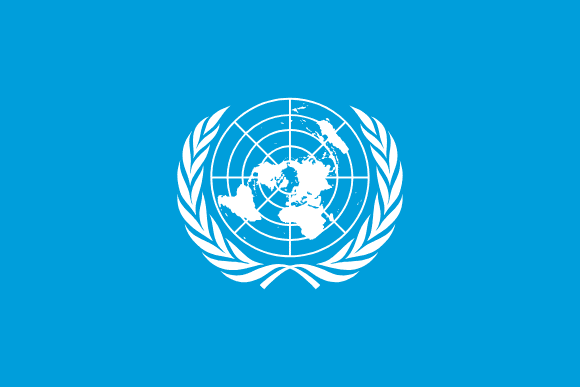
Key facts and distinctions
- Article focus
- International organisation
- Membership record
- 1 November 2026
- Linked country entries
- 193
- List definition
- Country subset of the supplied member record
- Organisation
- United Nations; UN
- Charter signed
- June 26, 1945, San Francisco
- Founding day
- 24 October 1945
- Emblem adopted
- 7 December 1946
- Flag adopted
- 20 October 1947
- Member States
- 193; tested on 1 November 2026
- Observer States
- Holy See and State of Palestine
- Map perspective
- Azimuthal projection centred on the North Pole
A map of the world from an unusual perspective
The white emblem lies in the middle of a light blue cloth. The map is viewed from the North Pole; the longitudes converge towards the center. This map image differs significantly from the rectangular world maps from the school atlas. Antarctica is not part of the map. The UN describes the projection as azimuthal and distance-scattering.
Two stylized olive branches surround the map from below and from both sides. They point to peace, while the world map shows the spatial horizon of the mission. For recognition, the combination of map and branches as well as the bright blue shade are therefore particularly helpful. A similar blue reason alone does not yet identify a UN flag.
From San Francisco to your own flag
The Charter was signed in San Francisco on 26 June 1945 and entered into force on 24 October of the same year. This second date is considered the founding day of the United Nations. The new organisation thus received an international legal basis. It should base international relations on common rules, including sovereign equality of states and the prohibition of violence.
The General Assembly approved the emblem on 7 December 1946. It was not until 20 October 1947 that the decision on the flag was made. This chronological sequence helps to distinguish often mixed dates: 1945 concerns the organization, 1946 the sign and 1947 the flag cloth. A symbol can therefore come from the founding phase without having been an official flag since day one.
Worldwide membership with clear status differences
The status reviewed on 1 November 2026 comprises 193 Member States. The number describes members of the organization and must not be equated with any list of all states or territories in the world. Nor does the world map mean that every political entity recognizable on it is automatically a member. The card performs a symbolic function, not a register-like one.
The Holy See and the State of Palestine shall have the status of non-Member States with observer status. They are therefore dealt with separately in a Members' question. Observation opens up opportunities for participation in the work of the General Assembly, but is another legal category. When learning, it is worthwhile to always read the exact wording of the organizational question in addition to the flag image.
Details Worth Remembering
Olive branches as a sign of peace
The branches supplement the map with a statement about the goal of the organization. The world is thus shown as a shared space of responsibility. The sign can be remembered well as a pair of pictures: the map answers the question of the spatial claim, the branches refer to the peace mission.
Several permitted aspect ratios
The UN library lists the aspect ratios 2:3 and 3:5 for the cloth as well as the proportions of the respective national flag under certain circumstances. A slightly longer representation therefore does not have to be another symbol. For the assignment, the central white emblem remains decisive.
Observation is its own category
The UN shows particularly clearly why an organisation can know more forms of participation than full membership. Who recognizes a flag and then assigns members, requires two different knowledge: the visual symbol and the institutional position of the requested state.
The illustrated signs and variants
Countries in the supplied learning record
These links cover countries represented in this site’s country database. Any territories, regional governments, observer categories or participation qualifications are discussed above. Counts are not interchangeable.
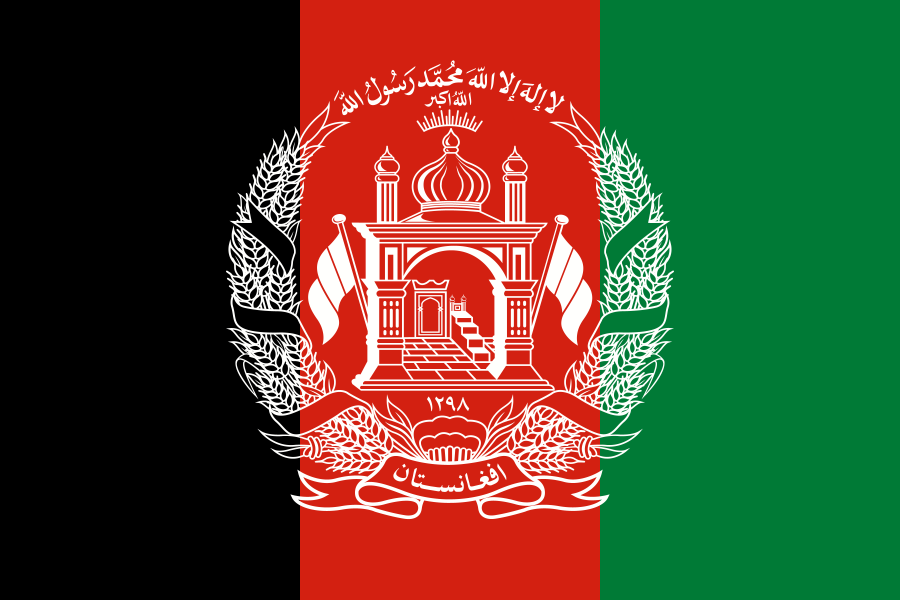 AfghanistanKabul
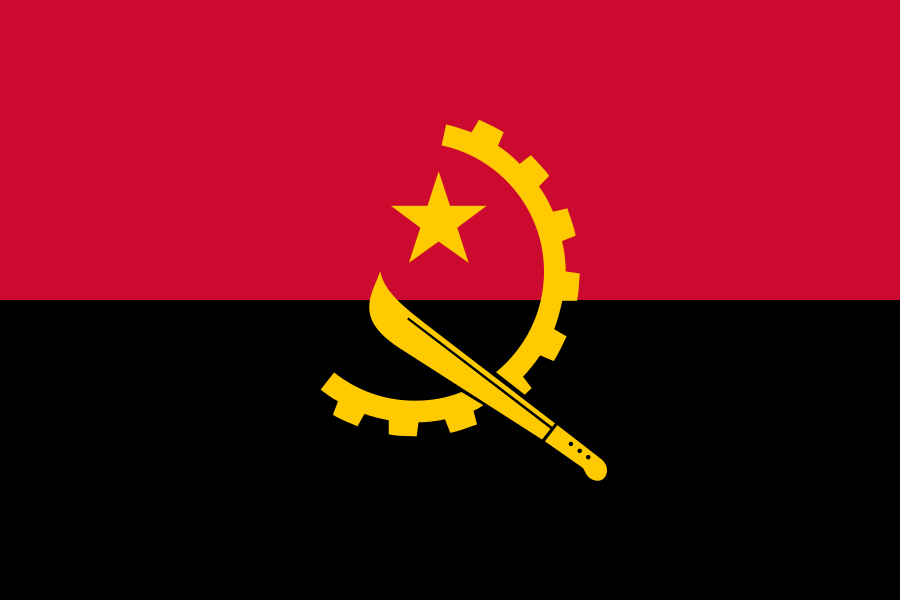 AngolaLuanda
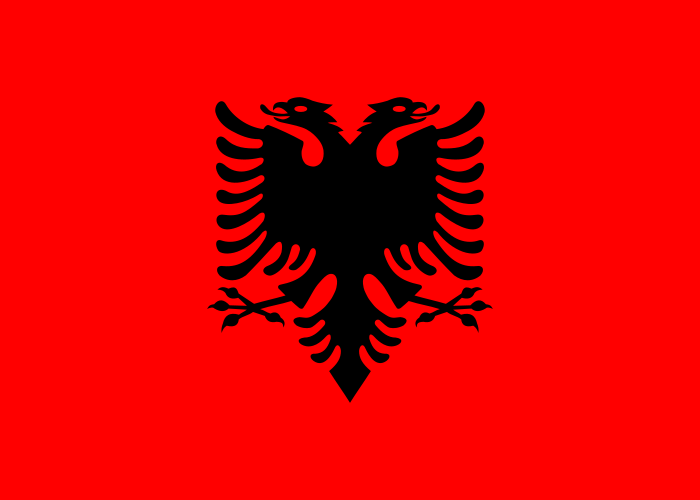 AlbaniaTirana
 AndorraAndorra la Vella
 United Arab EmiratesAbu Dhabi
 ArgentinaBuenos Aires
 ArmeniaYerevan
 Antigua & BarbudaSaint John's
 AustraliaCanberra
 AustriaVienna
 AzerbaijanBaku
 BurundiGitega
 BelgiumBrussels
 BeninPorto-Novo
 Burkina FasoOuagadougou
 BangladeshDhaka
 BulgariaSofia
 BahrainManama
 BahamasNassau
 Bosnia & HerzegovinaSarajevo
 BelarusMinsk
 BelizeBelmopan
 BoliviaSucre
 BrazilBrasília
 BarbadosBridgetown
 BruneiBandar Seri Begawan
 BhutanThimphu
 BotswanaGaborone
 Central African RepublicBangui
 CanadaOttawa
 SwitzerlandBern
 ChileSantiago
 ChinaBeijing
 Côte d’IvoireYamoussoukro
 CameroonYaoundé
 Democratic Republic of the CongoKinshasa
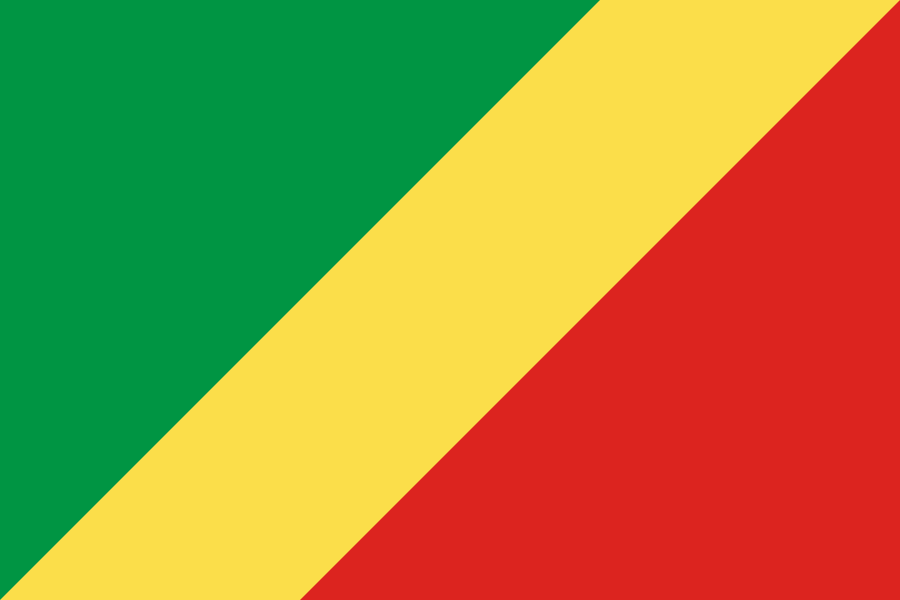 Republic of the CongoBrazzaville
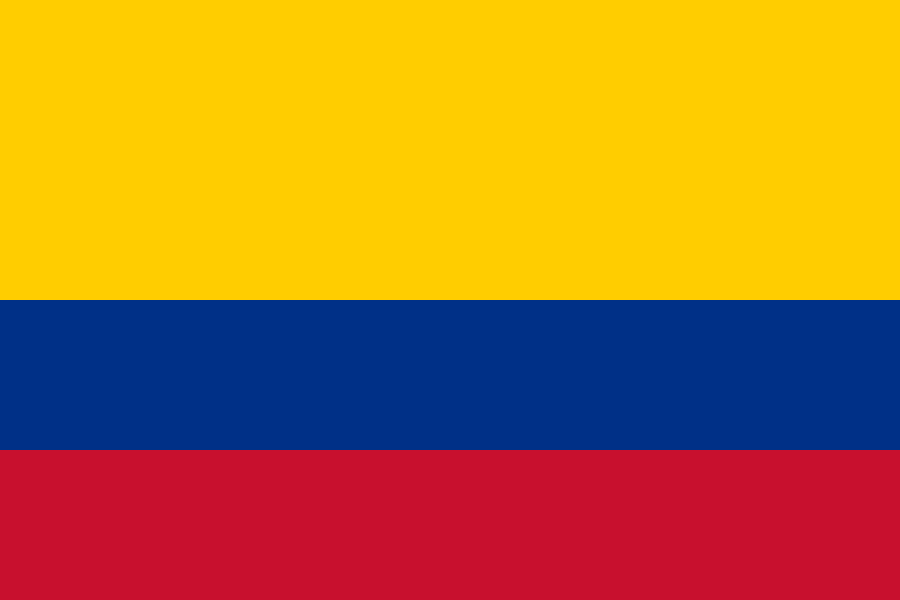 ColombiaBogotá
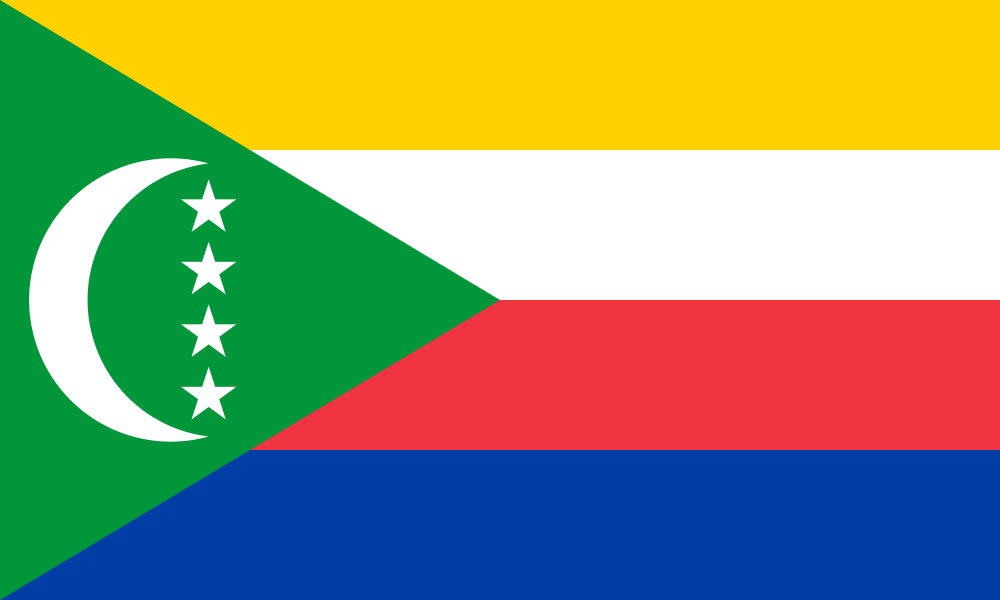 ComorosMoroni
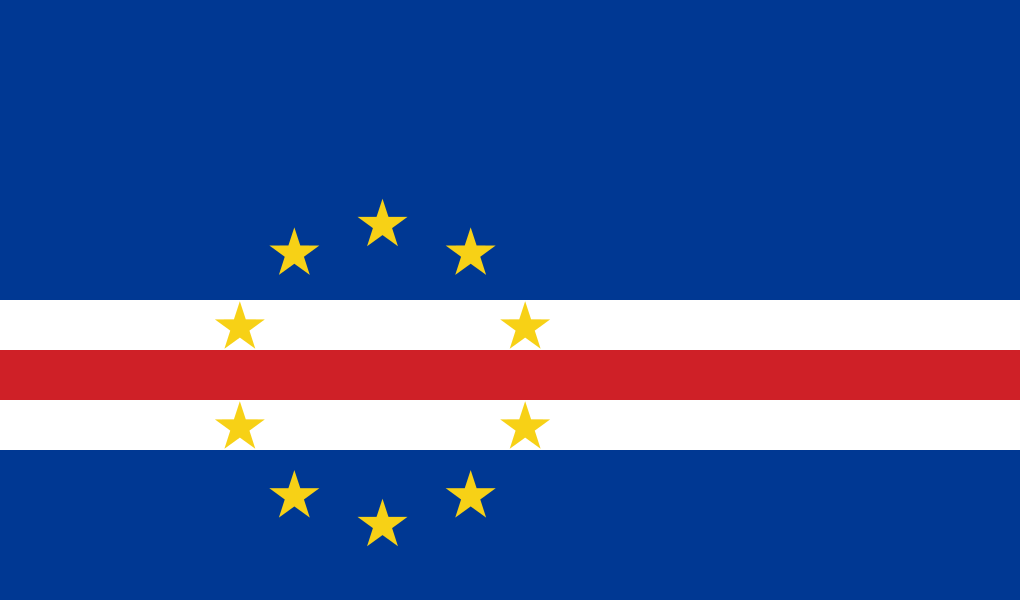 Cape VerdePraia
 Costa RicaSan José
 CubaHavana
 CyprusNicosia
 CzechiaPrague
 GermanyBerlin
 DjiboutiDjibouti
 DominicaRoseau
 DenmarkCopenhagen
 Dominican RepublicSanto Domingo
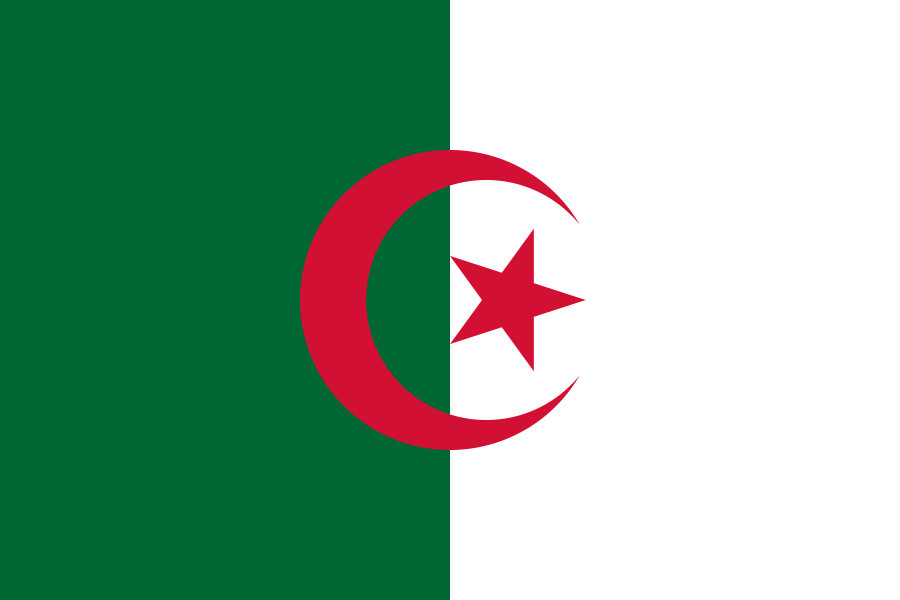 AlgeriaAlgiers
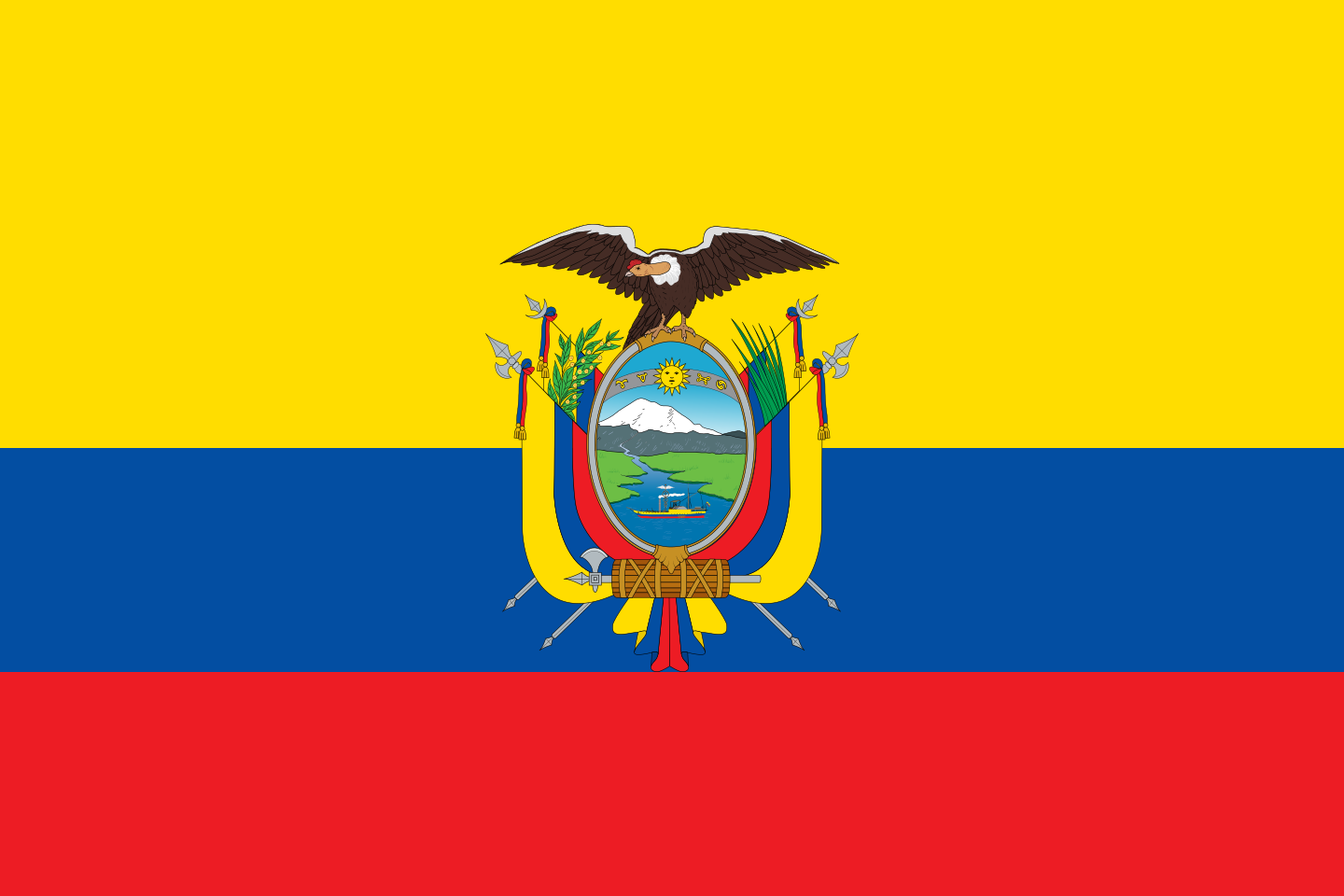 EcuadorQuito
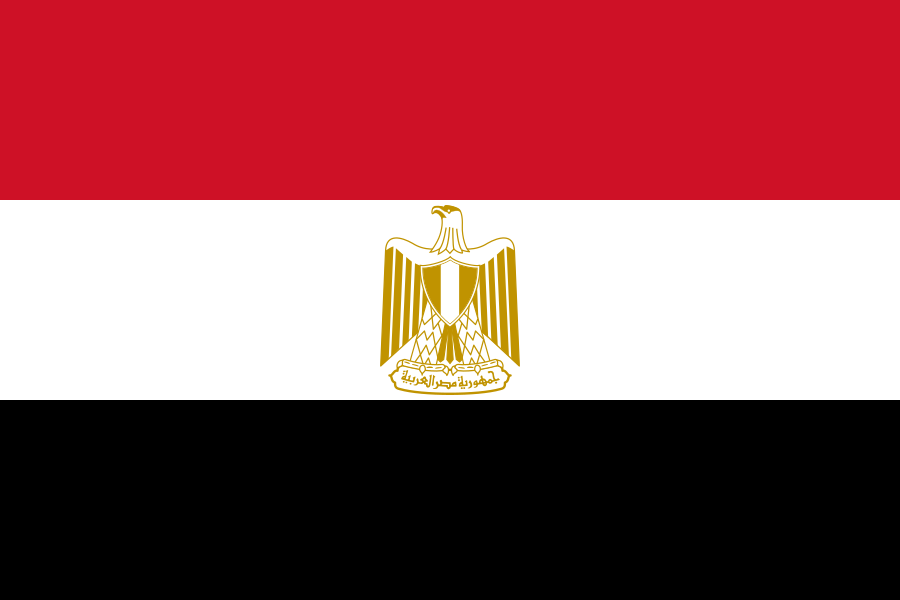 EgyptCairo
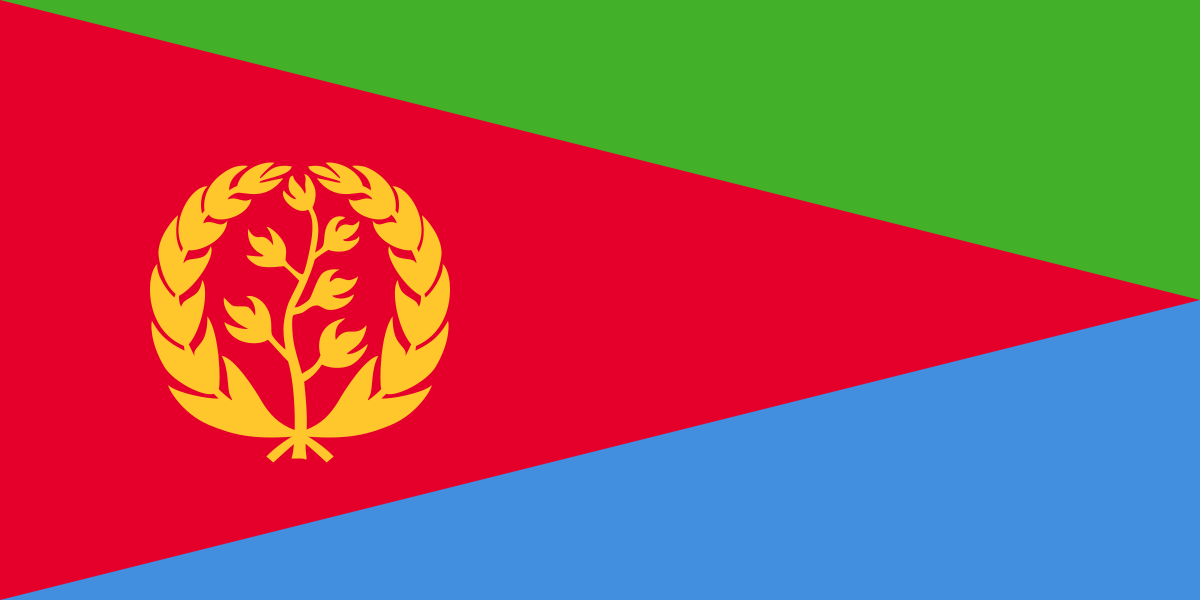 EritreaAsmara
 SpainMadrid
 EstoniaTallinn
 EthiopiaAddis Ababa
 FinlandHelsinki
 FijiSuva
 FranceParis
 Federated States of MicronesiaPalikir
 GabonLibreville
 United KingdomLondon
 GeorgiaTbilisi
 GhanaAccra
 GuineaConakry
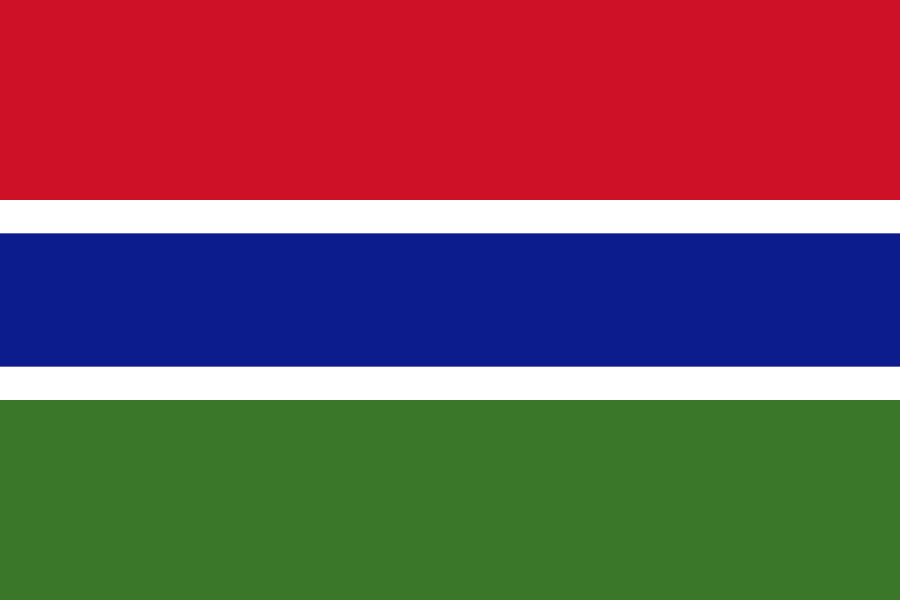 GambiaBanjul
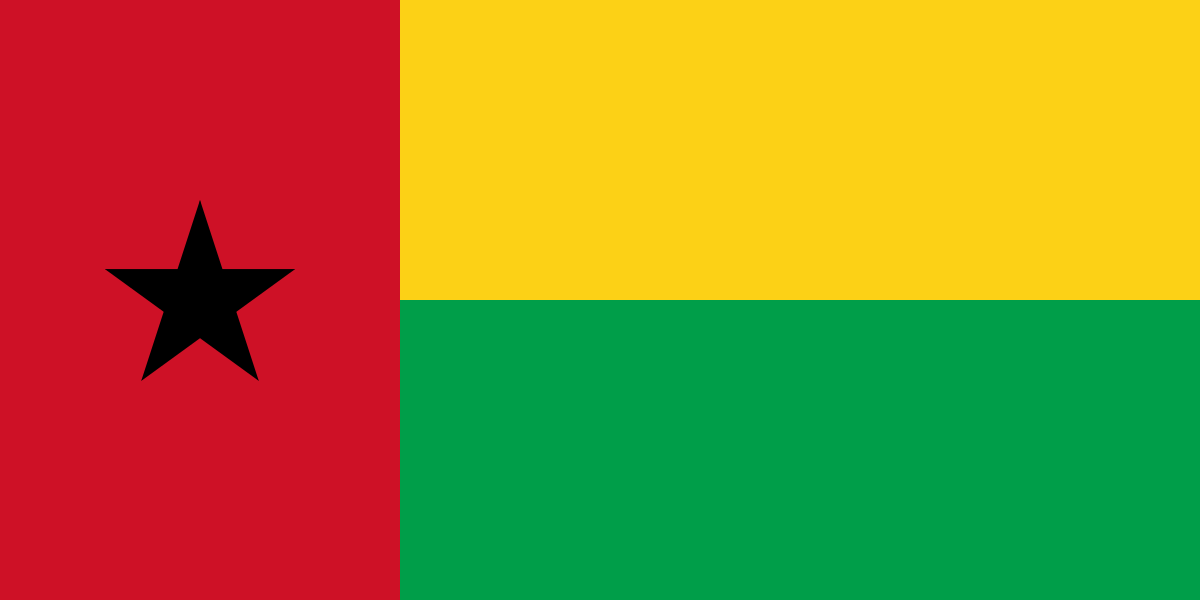 Guinea-BissauBissau
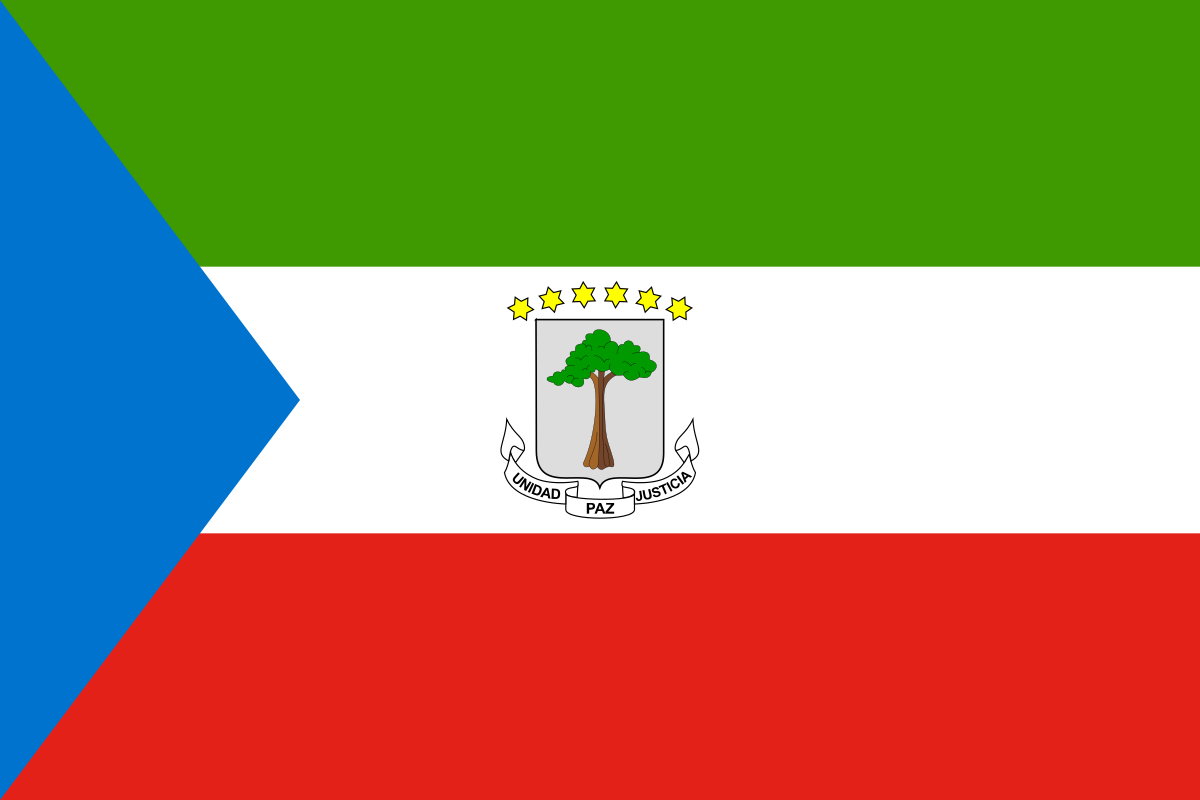 Equatorial GuineaCiudad de la Paz
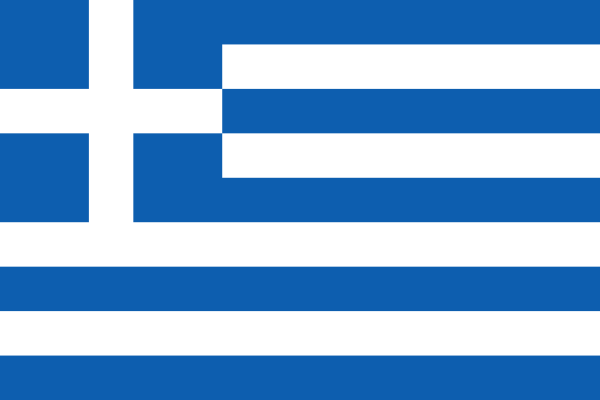 GreeceAthens
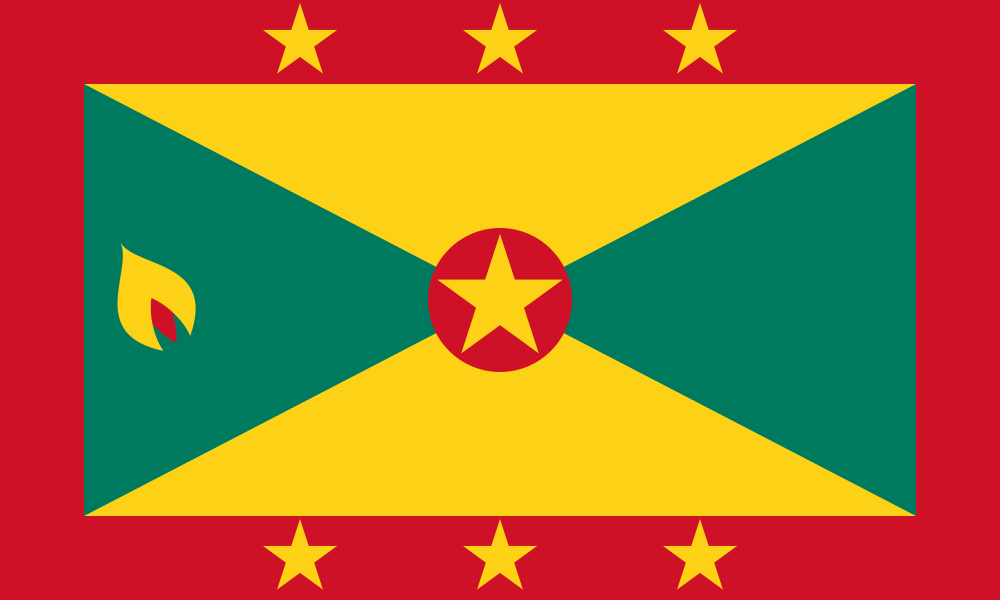 GrenadaSt. George's
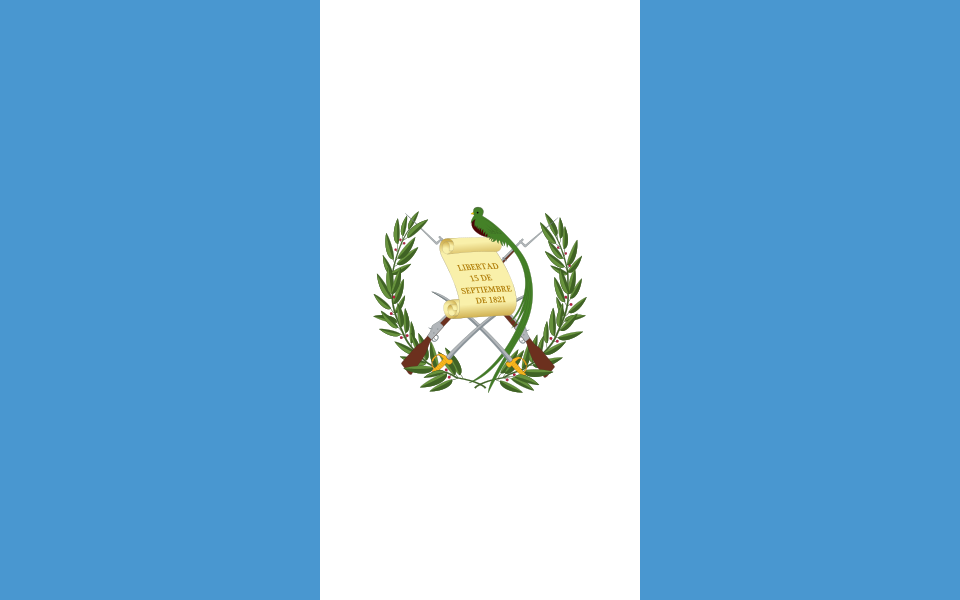 GuatemalaGuatemala City
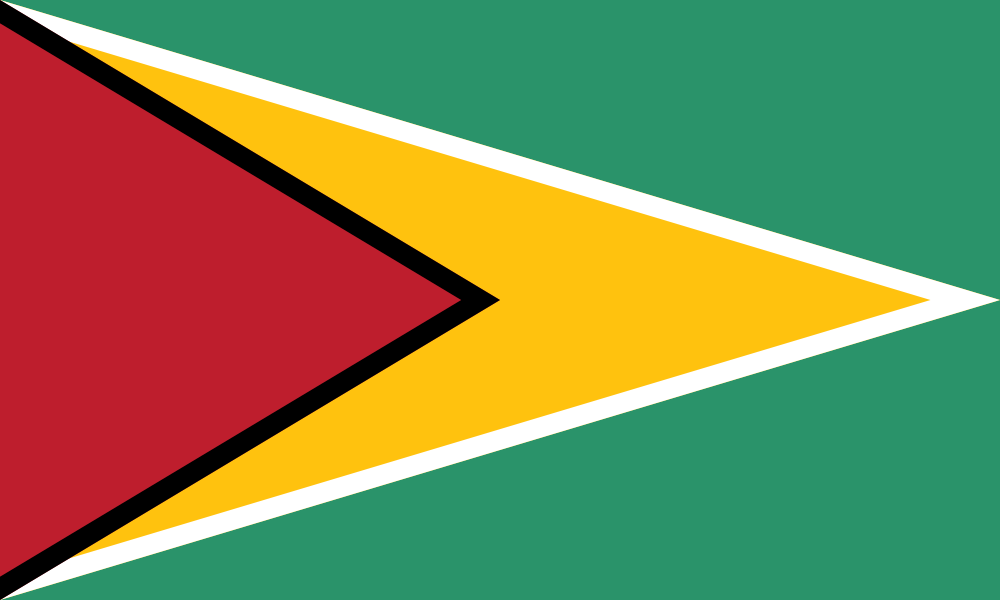 GuyanaGeorgetown
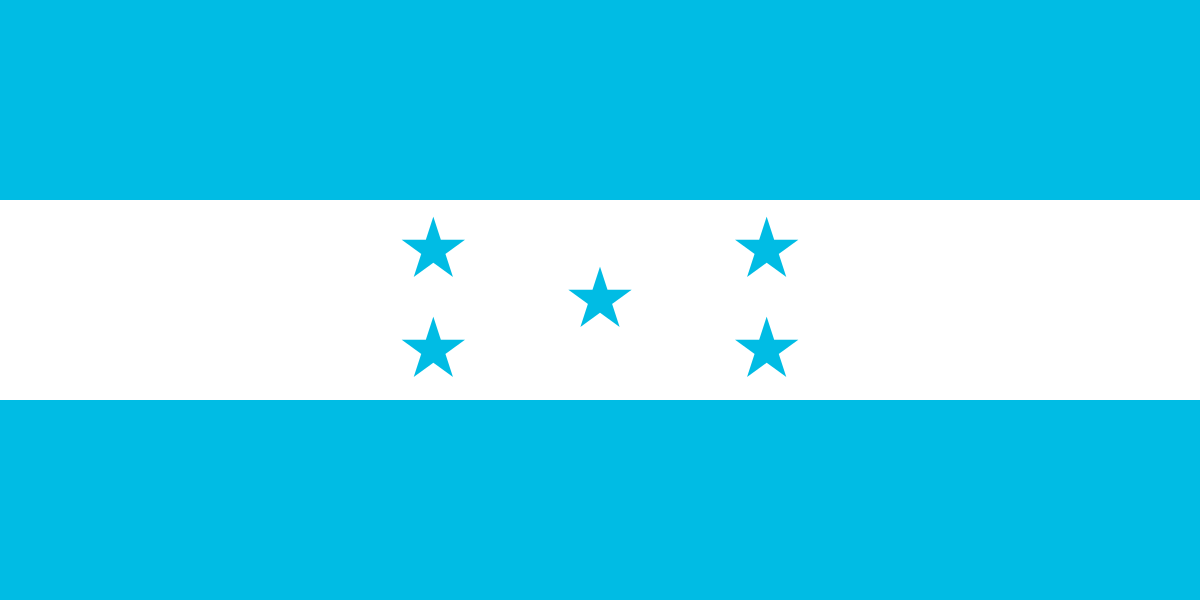 HondurasTegucigalpa
 CroatiaZagreb
 HaitiPort-au-Prince
 HungaryBudapest
 IndonesiaJakarta
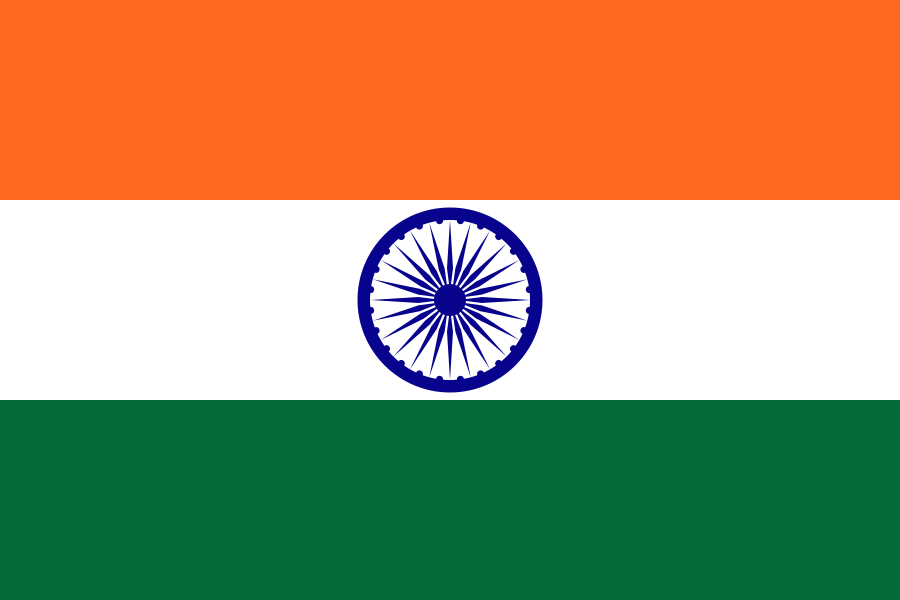 IndiaNew Delhi
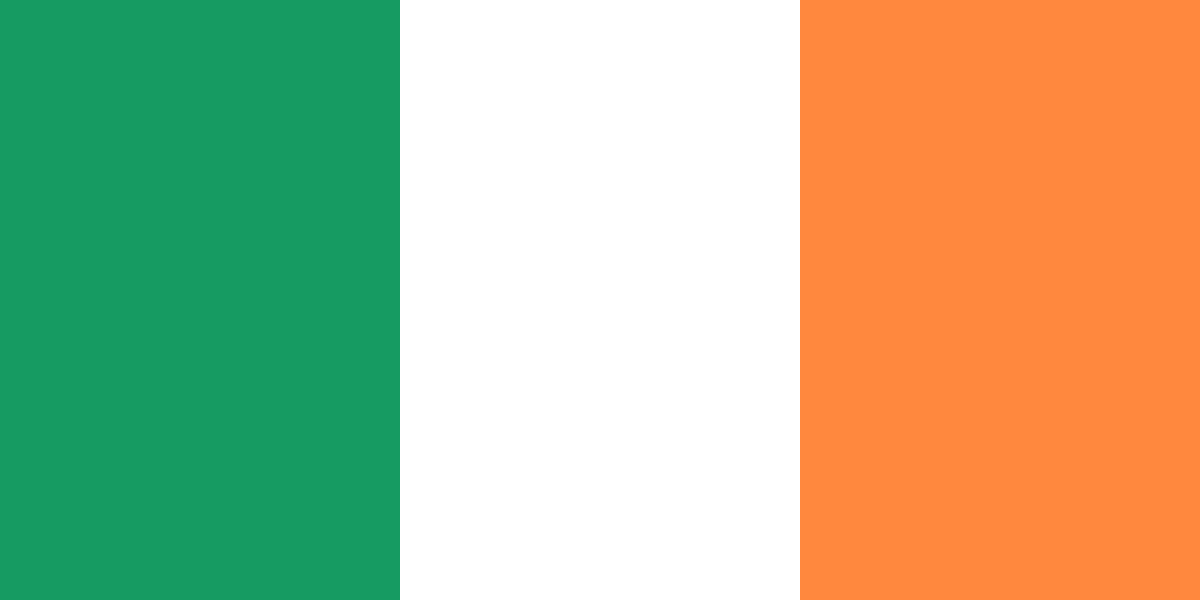 IrelandDublin
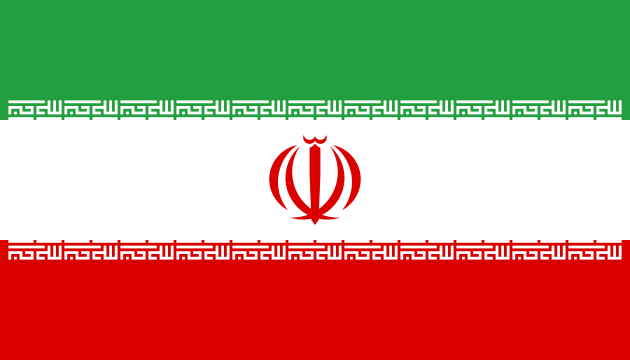 IranTehran
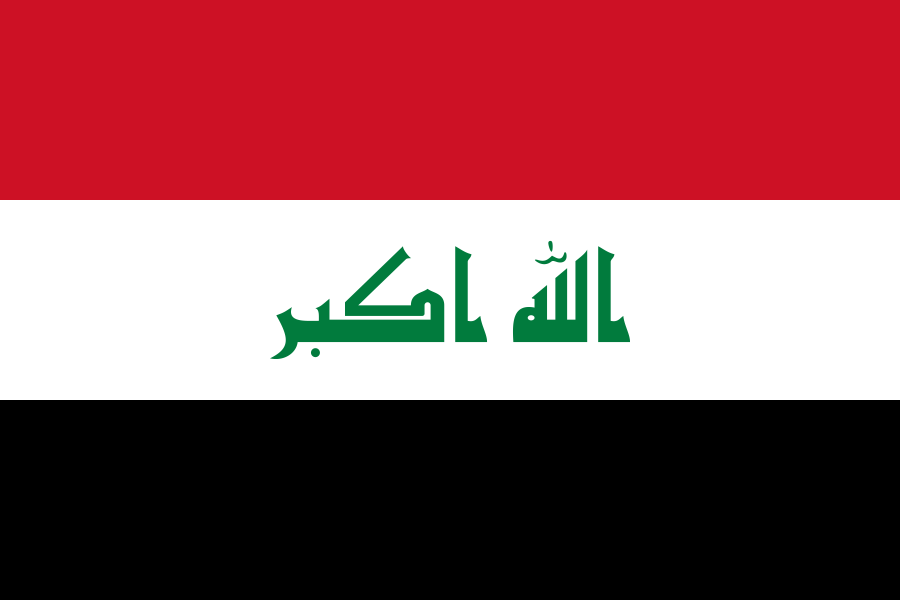 IraqBaghdad
 IcelandReykjavík
 IsraelJerusalem
 ItalyRome
 JamaicaKingston
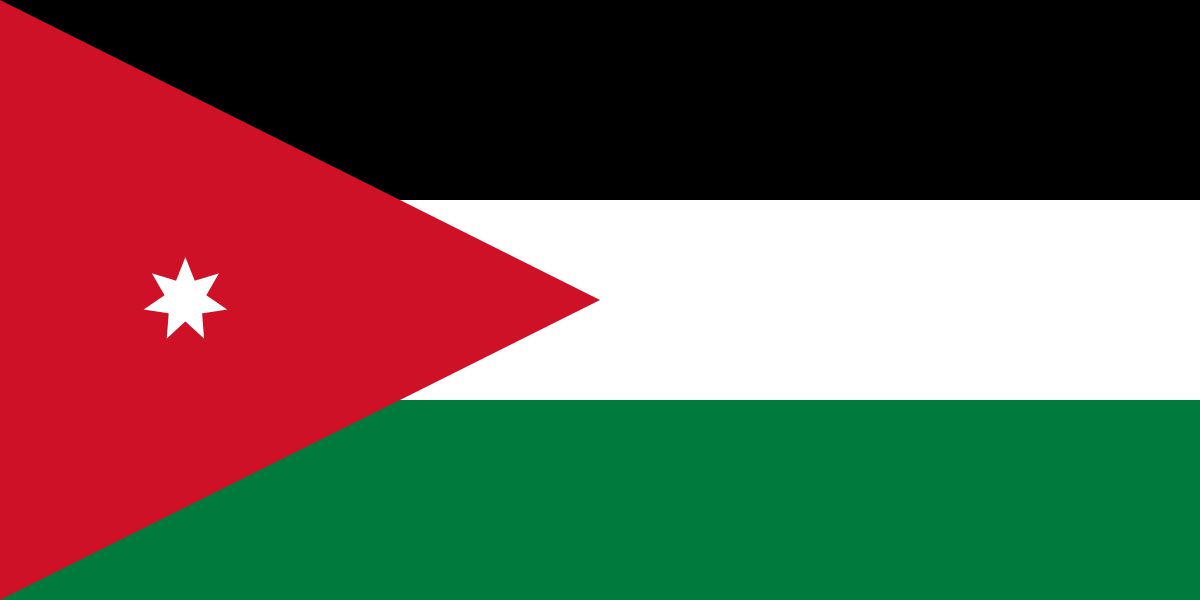 JordanAmman
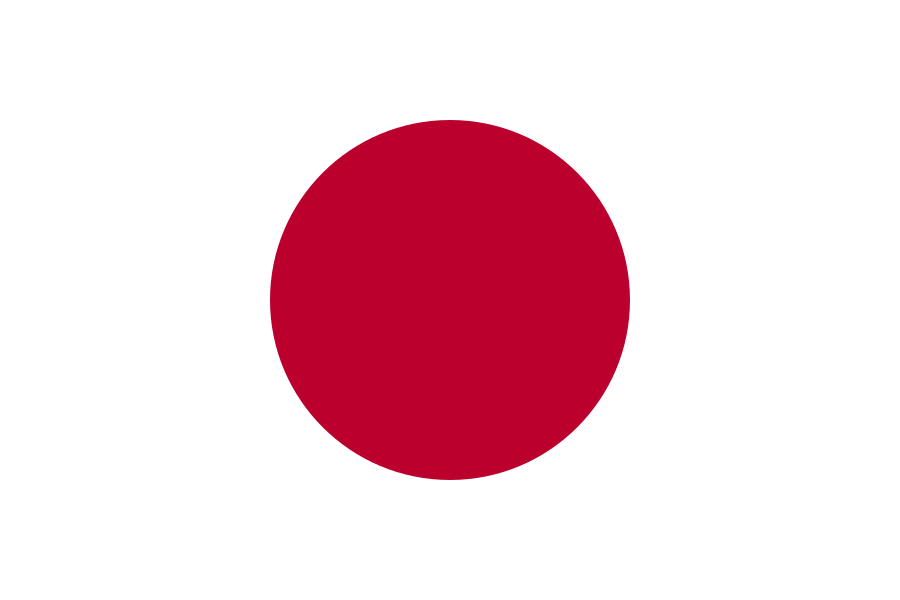 JapanTokyo
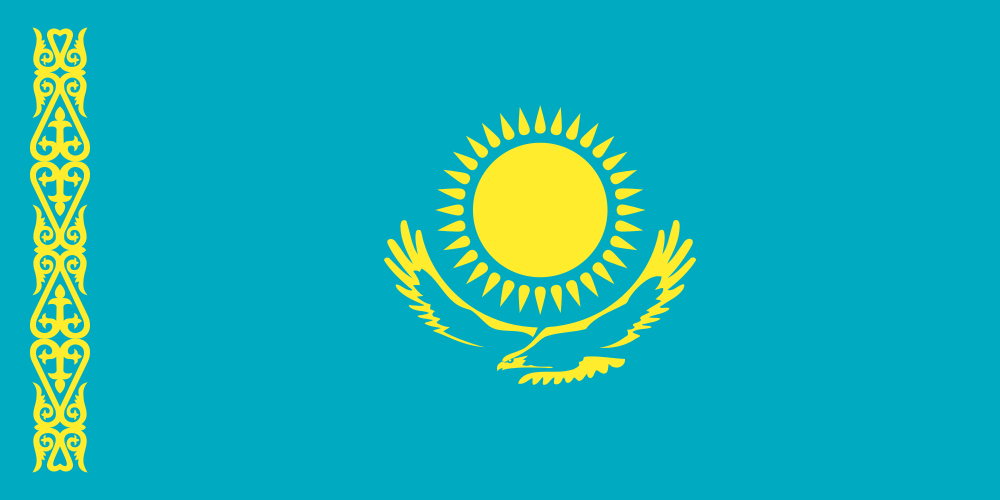 KazakhstanAstana
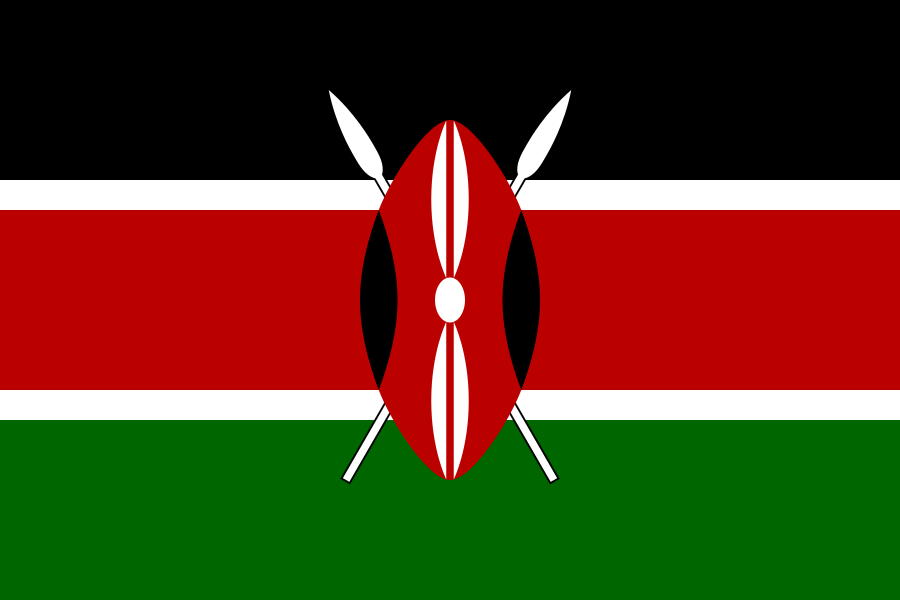 KenyaNairobi
 KyrgyzstanBishkek
 CambodiaPhnom Penh
 KiribatiSouth Tarawa
 St. Kitts & NevisBasseterre
 South KoreaSeoul
 KuwaitKuwait City
 LaosVientiane
 LebanonBeirut
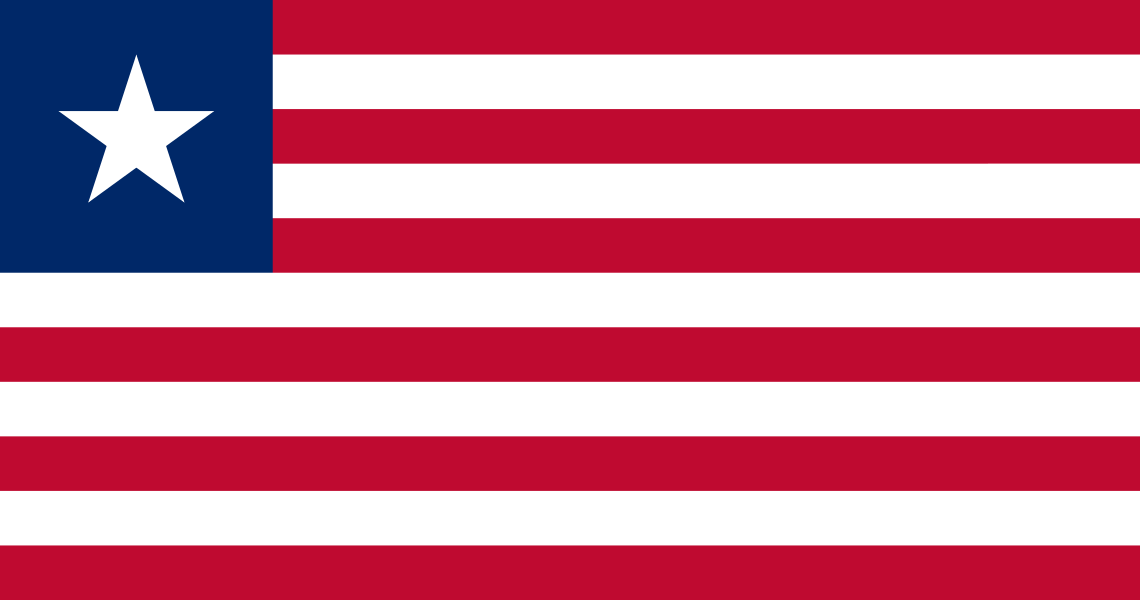 LiberiaMonrovia
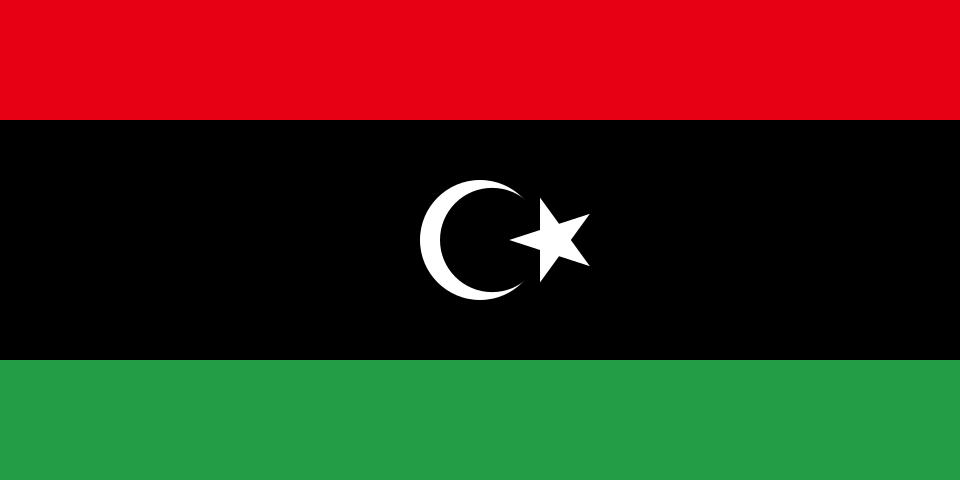 LibyaTripoli
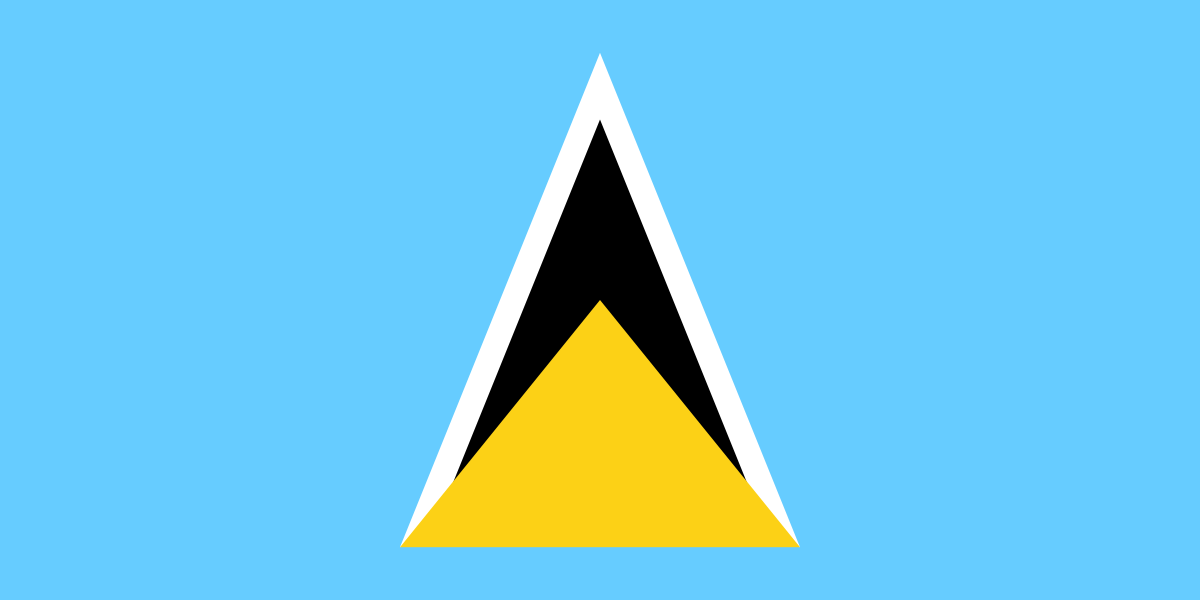 St. LuciaCastries
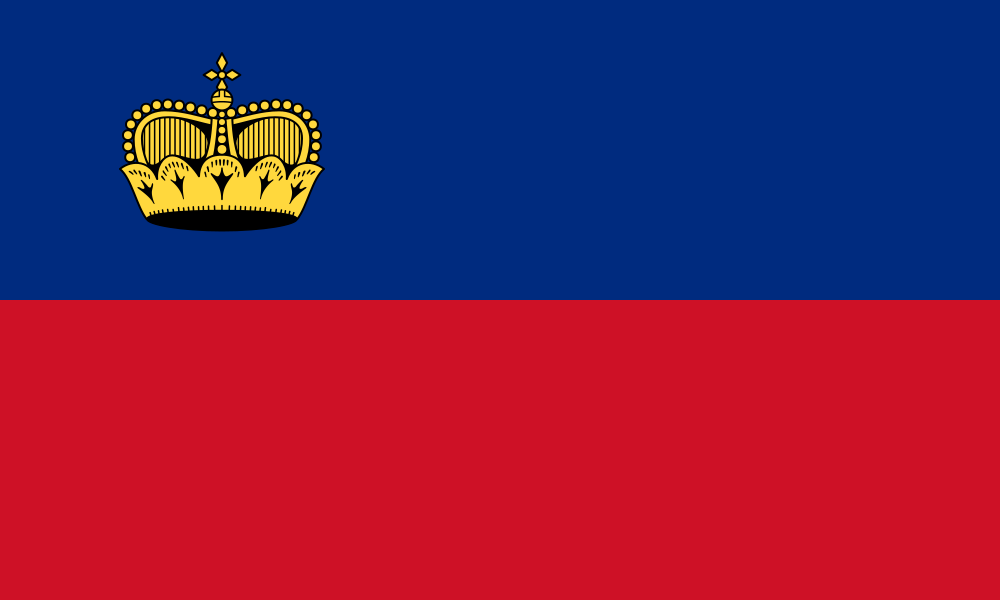 LiechtensteinVaduz
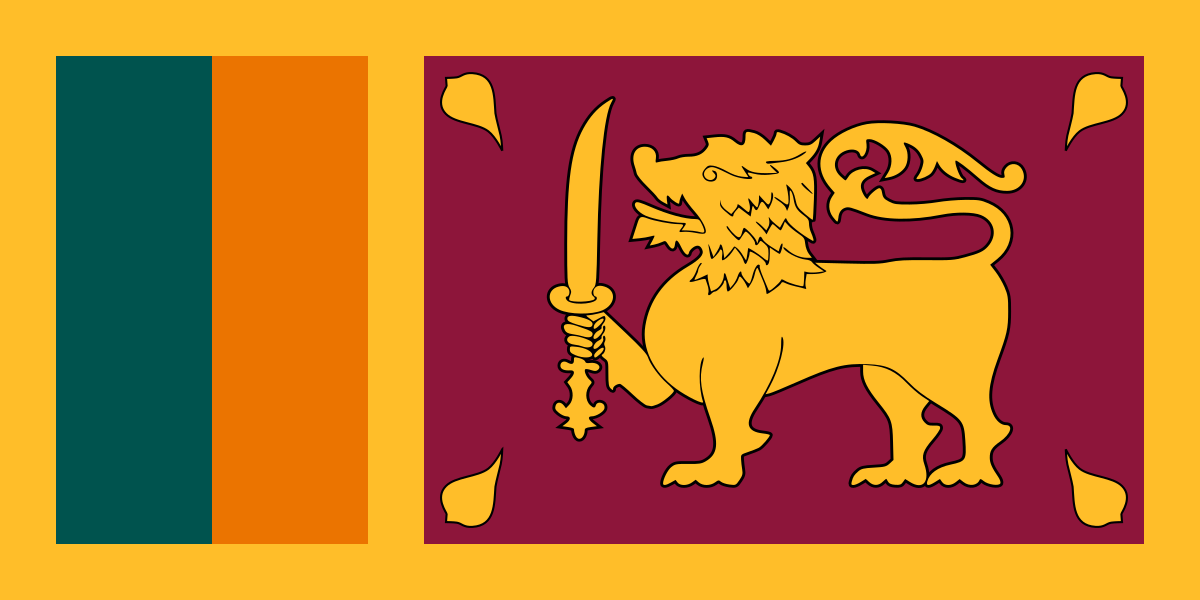 Sri LankaSri Jayewardenepura Kotte
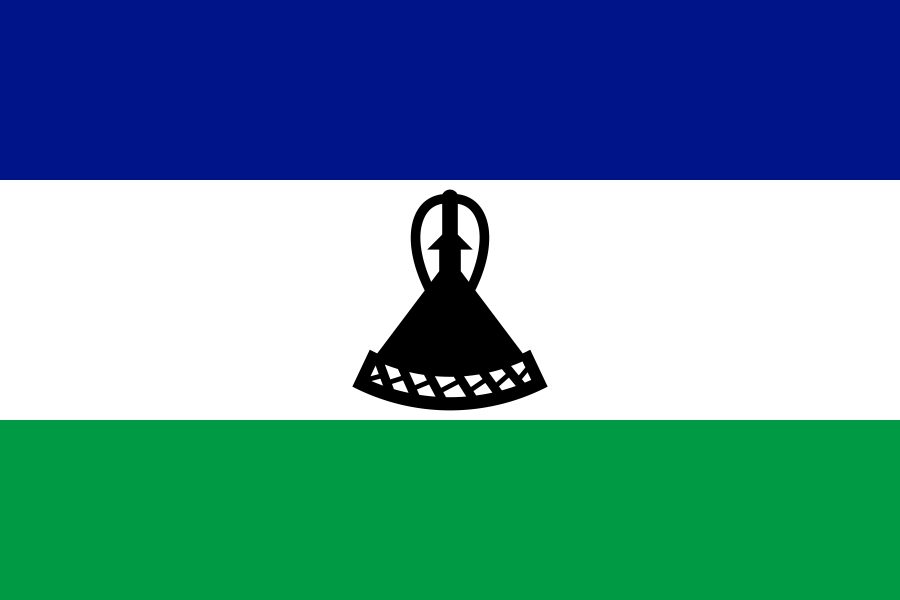 LesothoMaseru
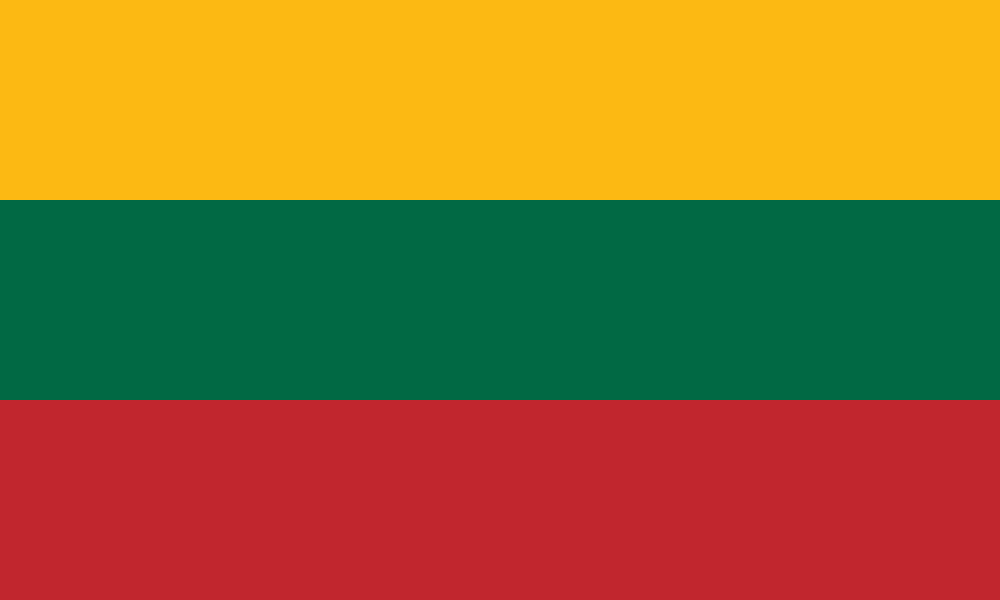 LithuaniaVilnius
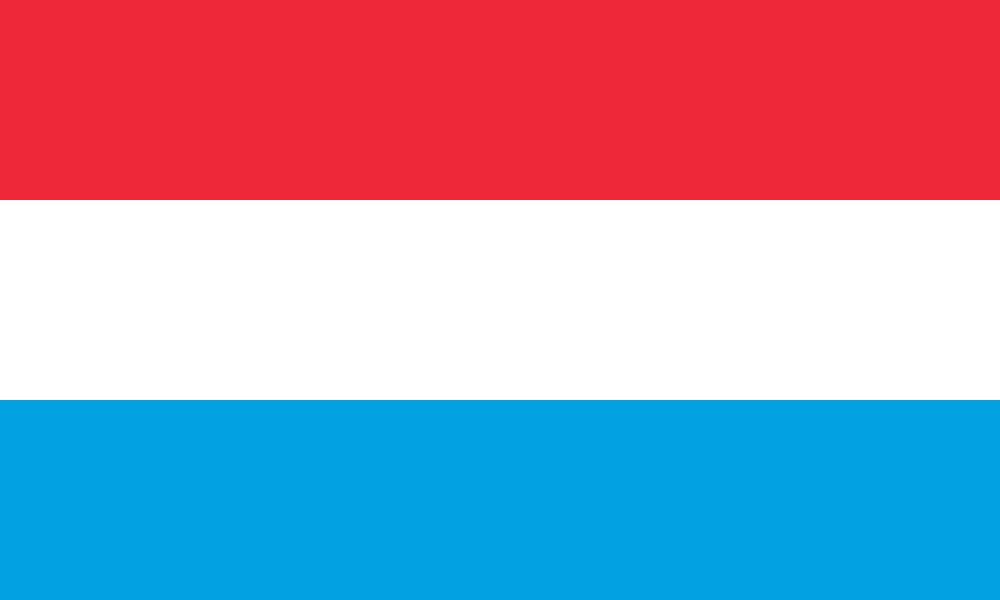 LuxembourgLuxembourg City
 LatviaRiga
 MoroccoRabat
 MonacoMonaco
 MoldovaChișinău
 MadagascarAntananarivo
 MaldivesMalé
 MexicoMexico City
 Marshall IslandsMajuro
 North MacedoniaSkopje
 MaliBamako
 MaltaValletta
 Myanmar (Burma)Naypyidaw
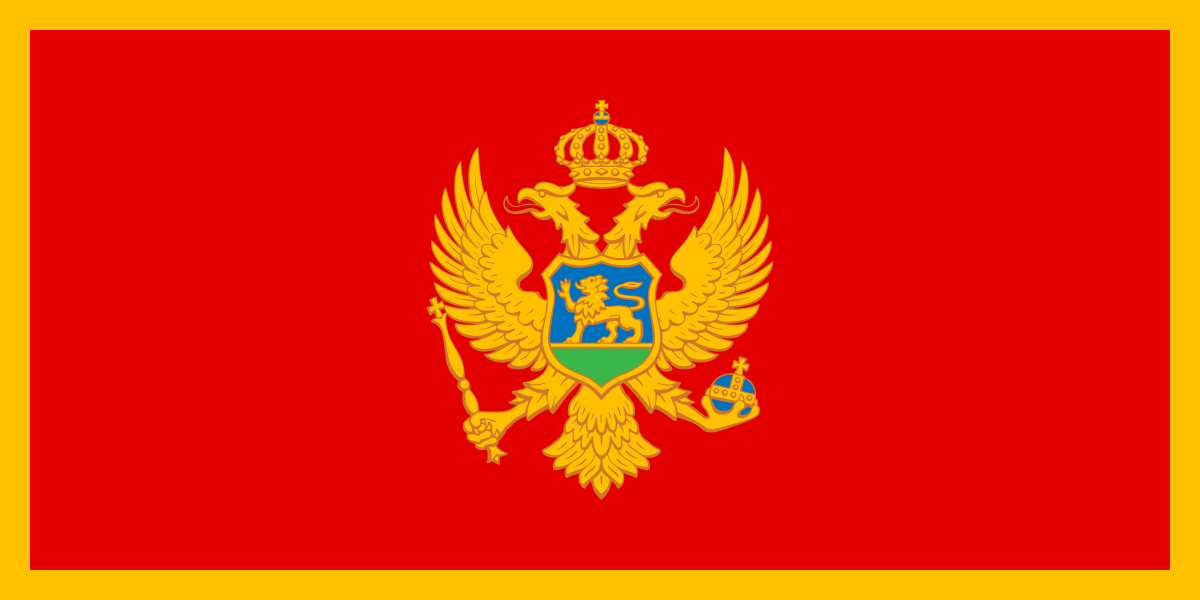 MontenegroPodgorica
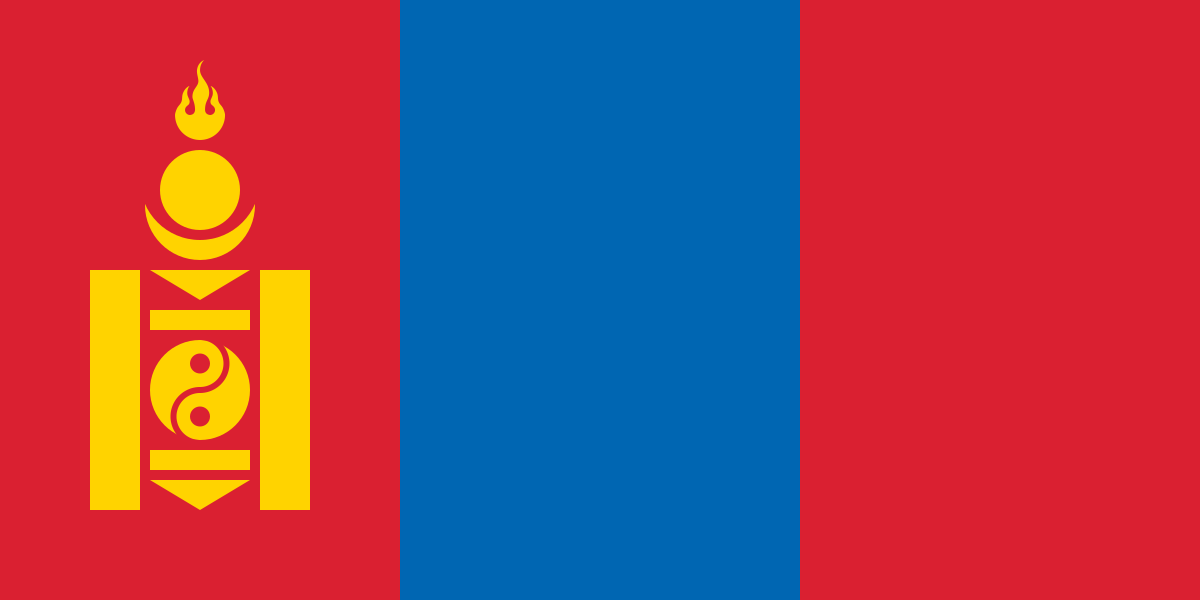 MongoliaUlaanbaatar
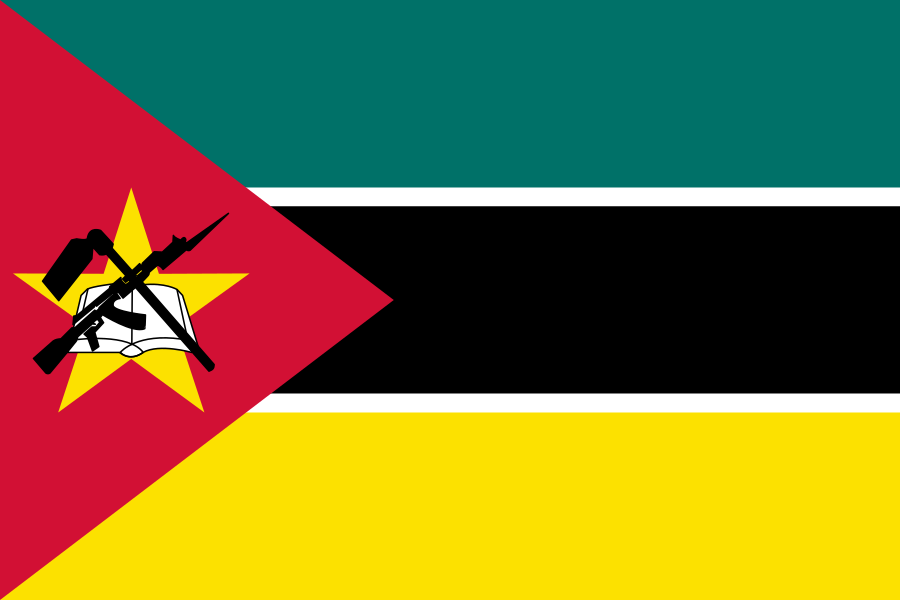 MozambiqueMaputo
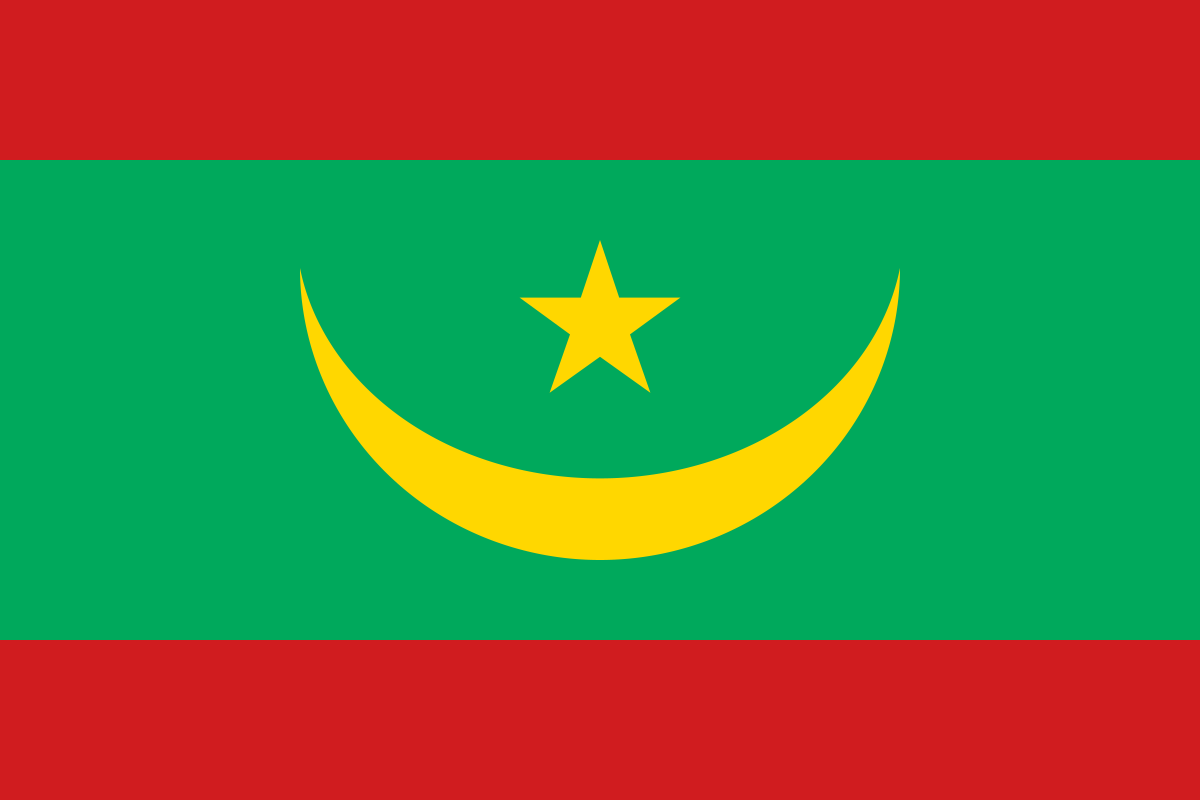 MauritaniaNouakchott
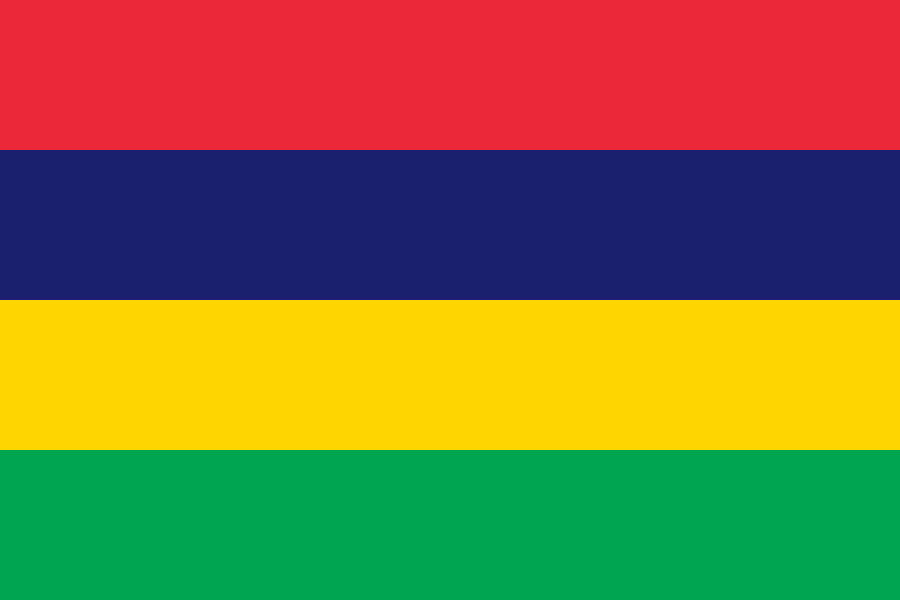 MauritiusPort Louis
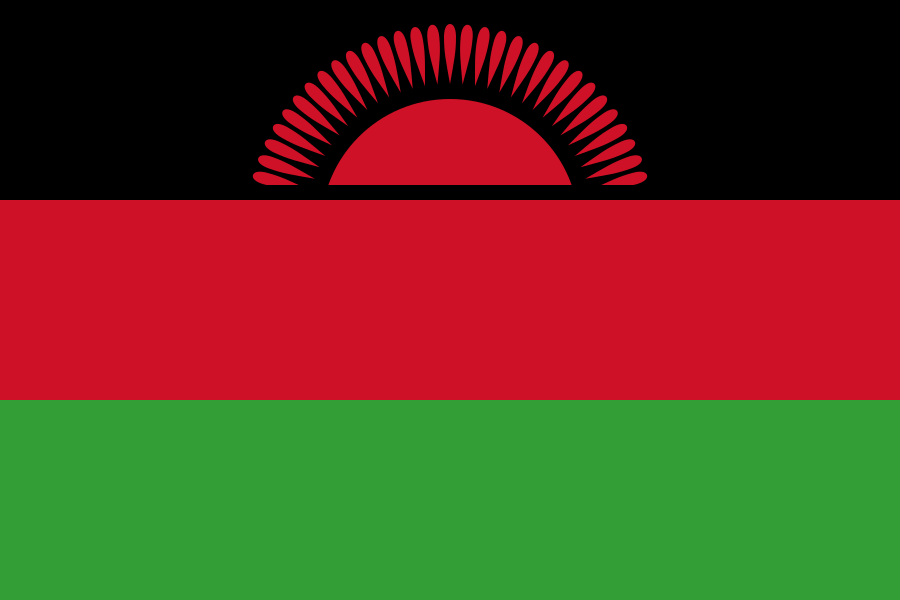 MalawiLilongwe
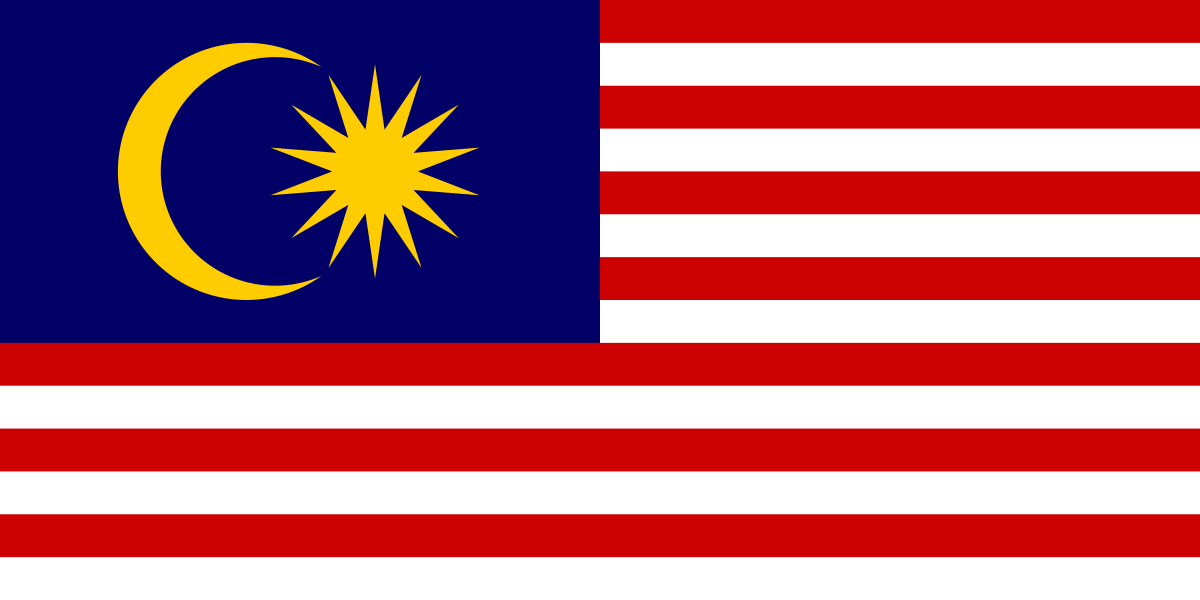 MalaysiaKuala Lumpur
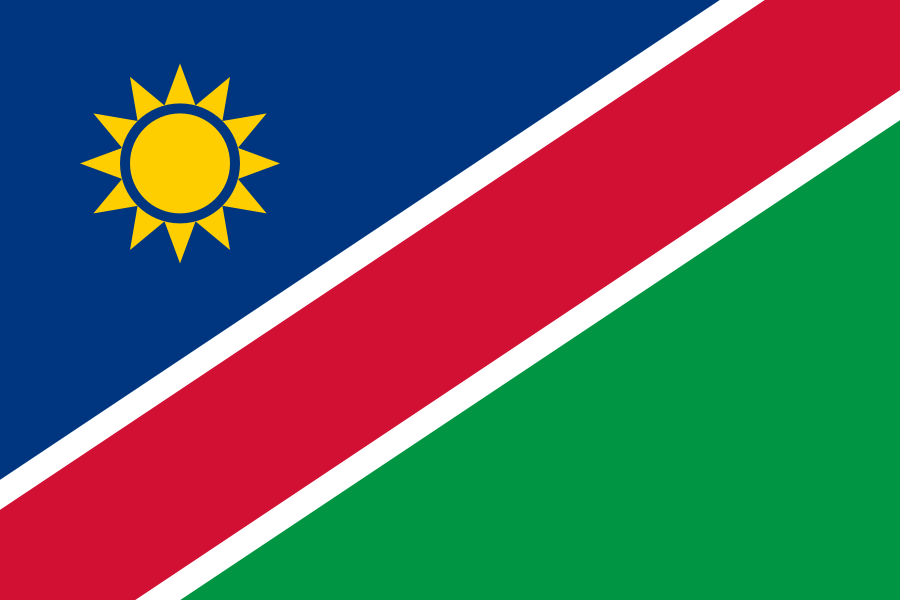 NamibiaWindhoek
 NigerNiamey
 NigeriaAbuja
 NicaraguaManagua
 NetherlandsAmsterdam
 NorwayOslo
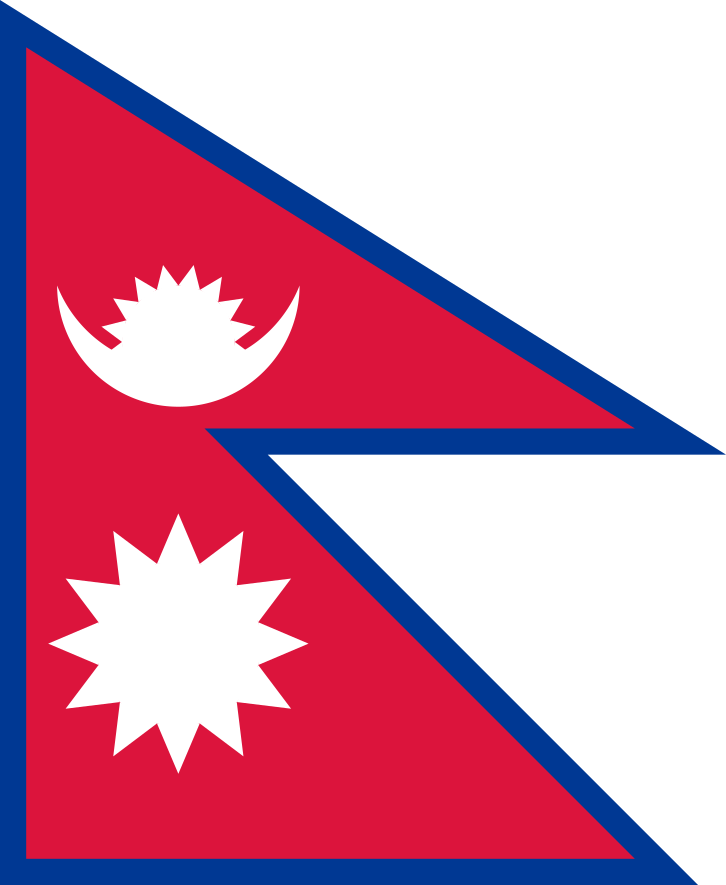 NepalKathmandu
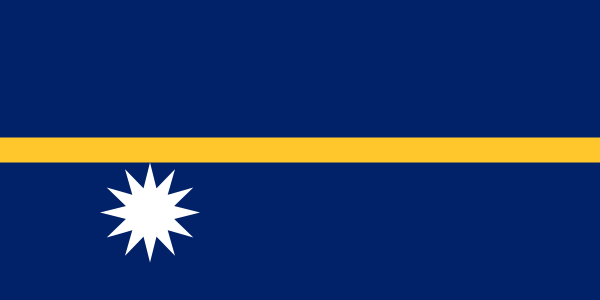 NauruYaren District
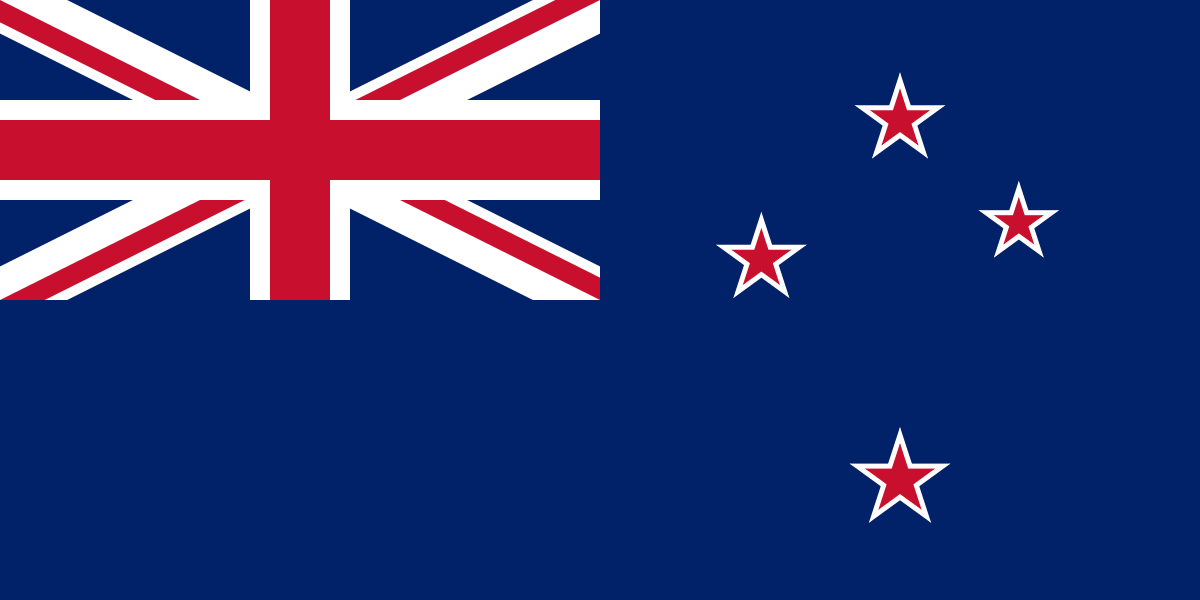 New ZealandWellington
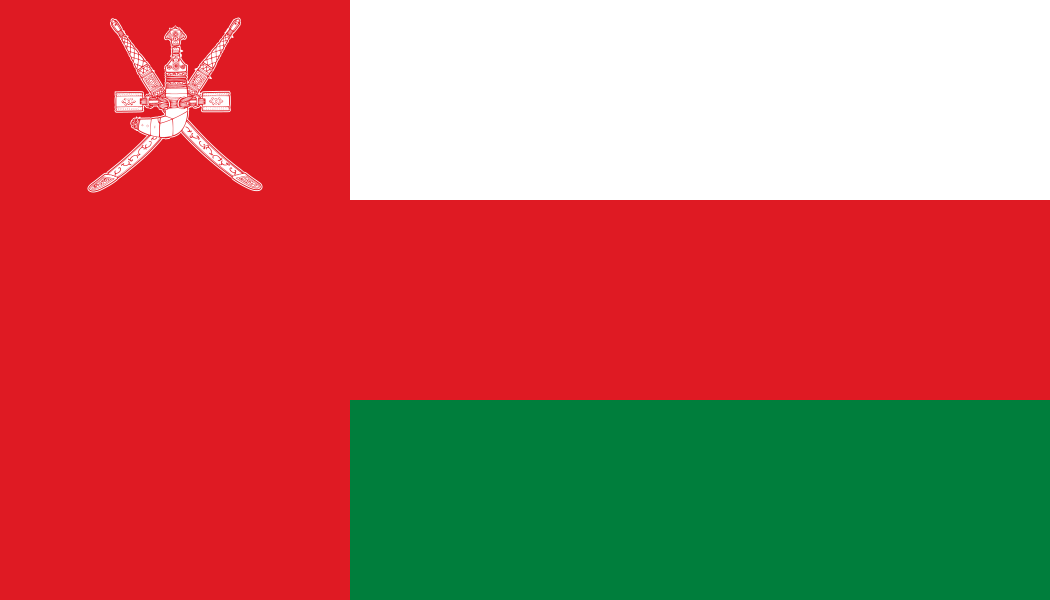 OmanMuscat
 PakistanIslamabad
 PanamaPanama City
 PeruLima
 PhilippinesManila
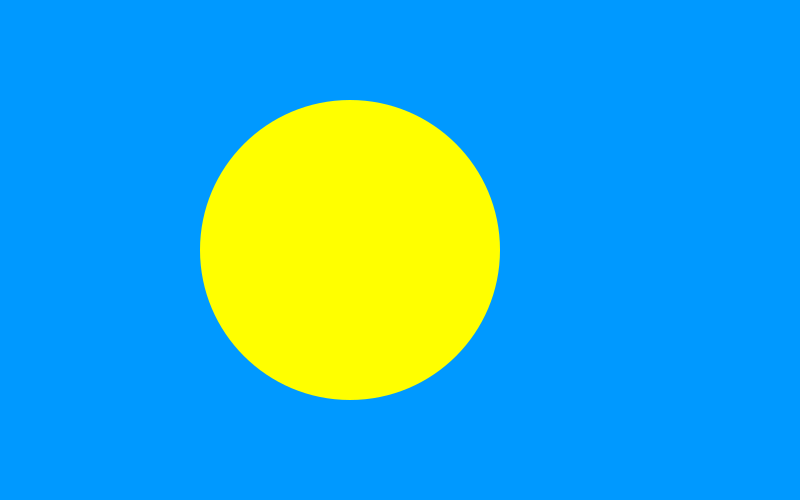 PalauNgerulmud
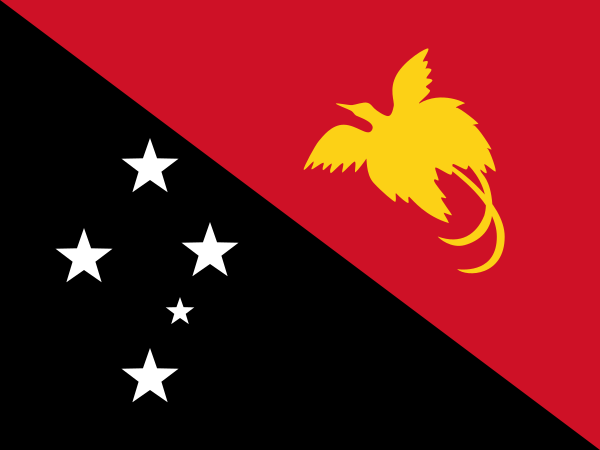 Papua New GuineaPort Moresby
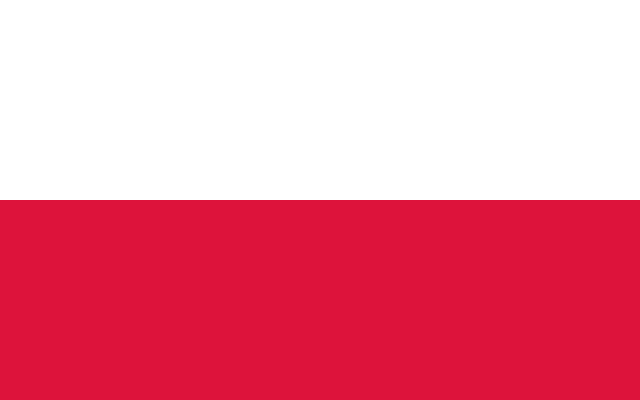 PolandWarsaw
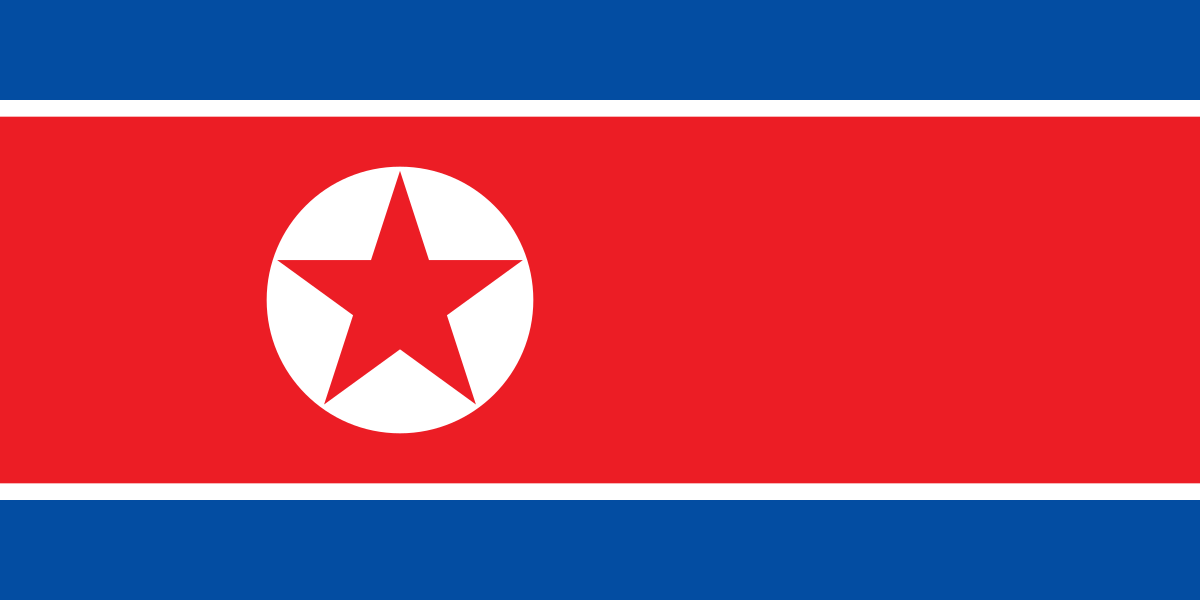 North KoreaPyongyang
 PortugalLisbon
 ParaguayAsunción
 QatarDoha
 RomaniaBucharest
 RussiaMoscow
 RwandaKigali
 Saudi ArabiaRiyadh
 SudanKhartoum
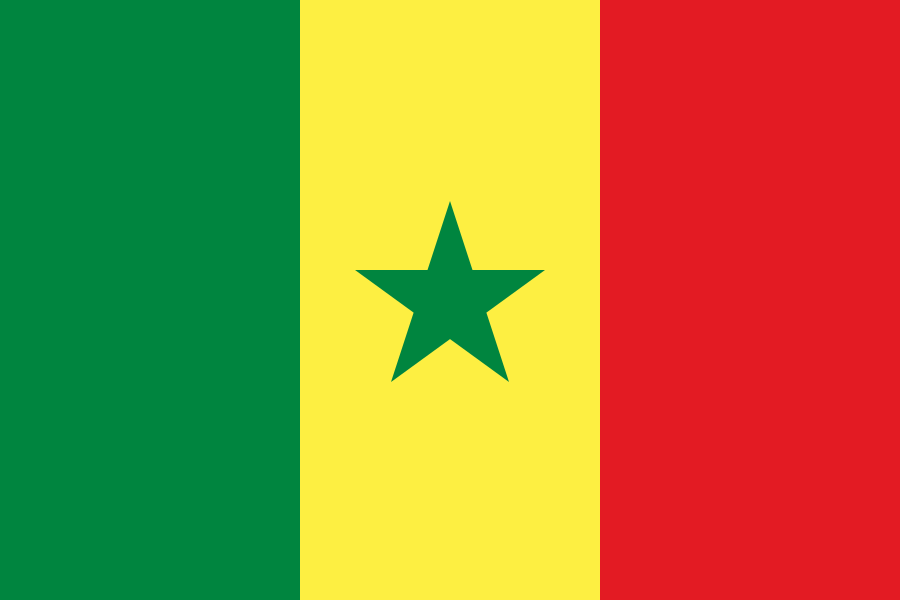 SenegalDakar
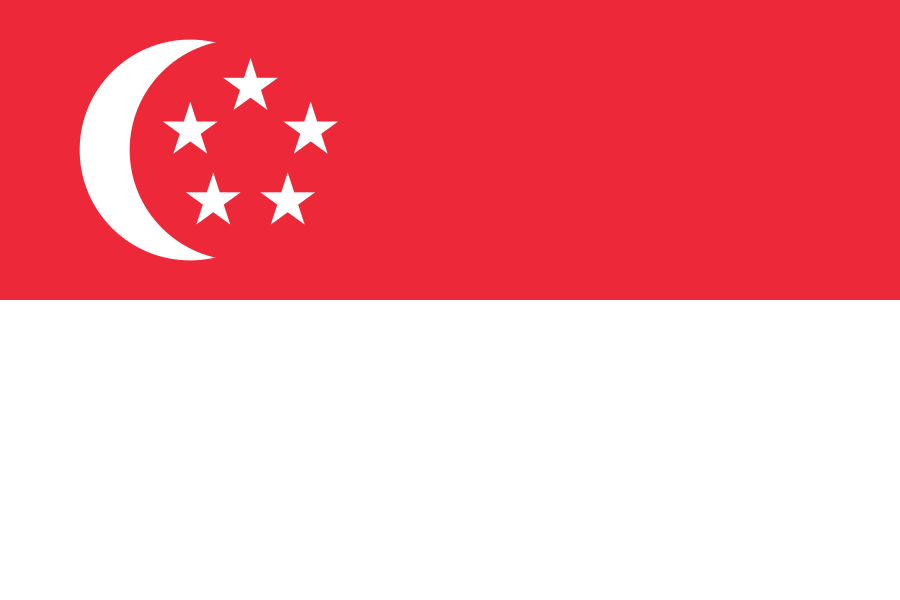 SingaporeSingapore
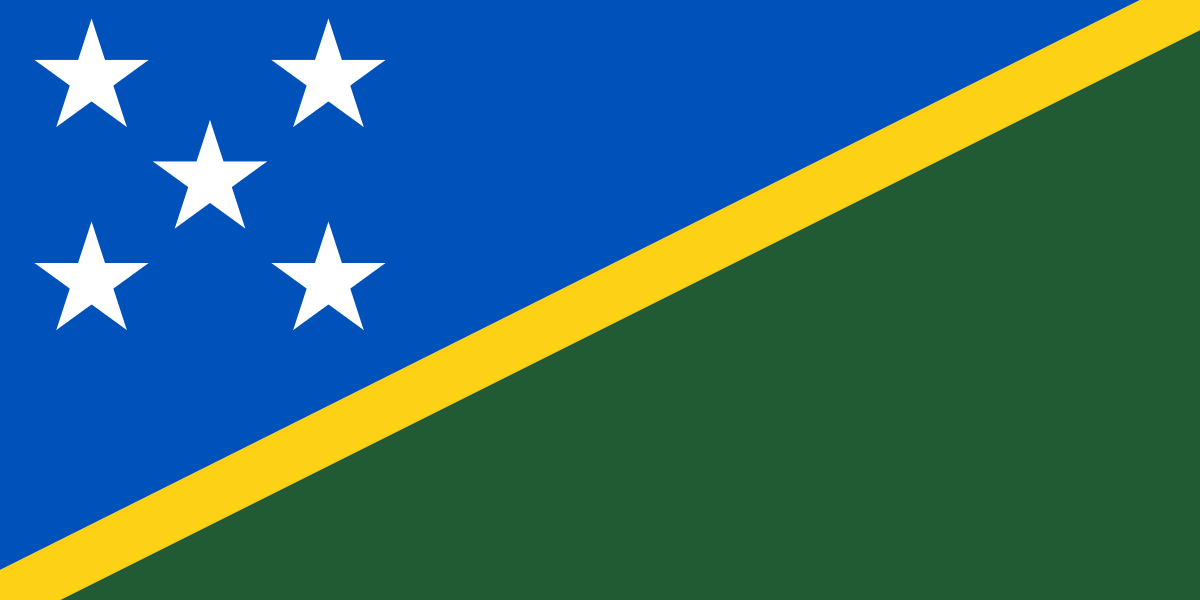 Solomon IslandsHoniara
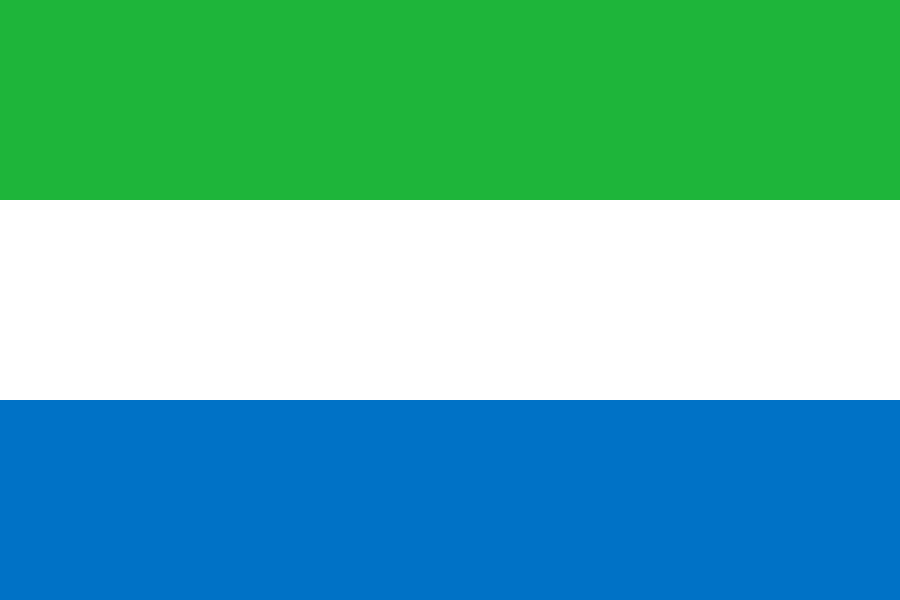 Sierra LeoneFreetown
 El SalvadorSan Salvador
 San MarinoSan Marino
 SomaliaMogadishu
 SerbiaBelgrade
 South SudanJuba
 São Tomé & PríncipeSão Tomé
 SurinameParamaribo
 SlovakiaBratislava
 SloveniaLjubljana
 SwedenStockholm
 EswatiniMbabane
 SeychellesVictoria
 SyriaDamascus
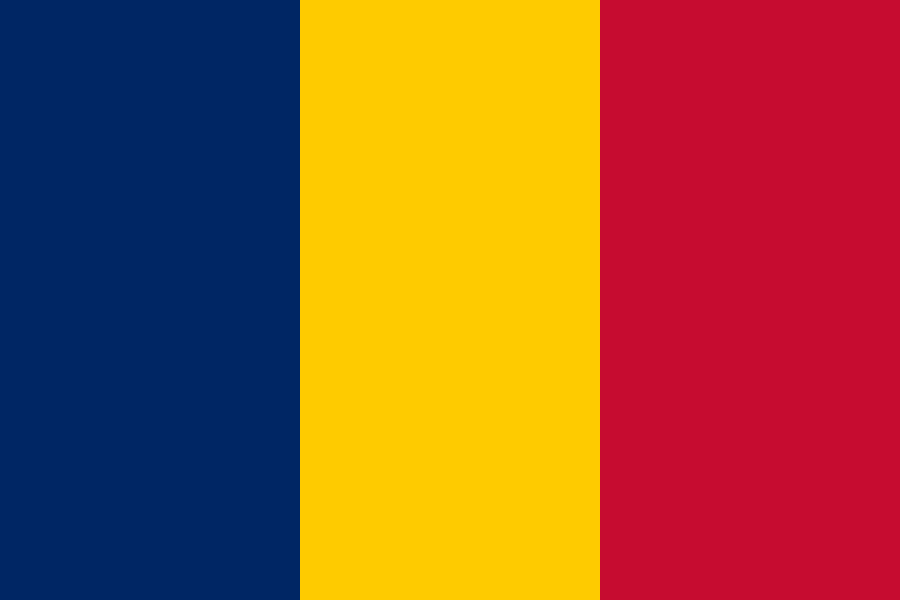 ChadN'Djamena
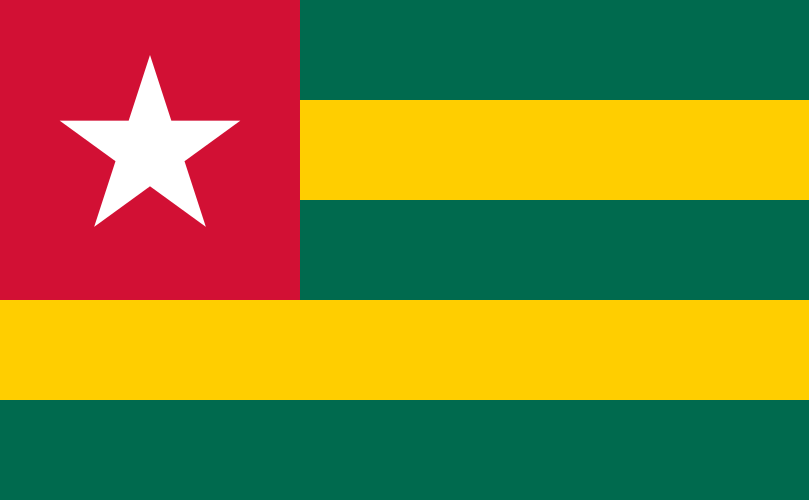 TogoLomé
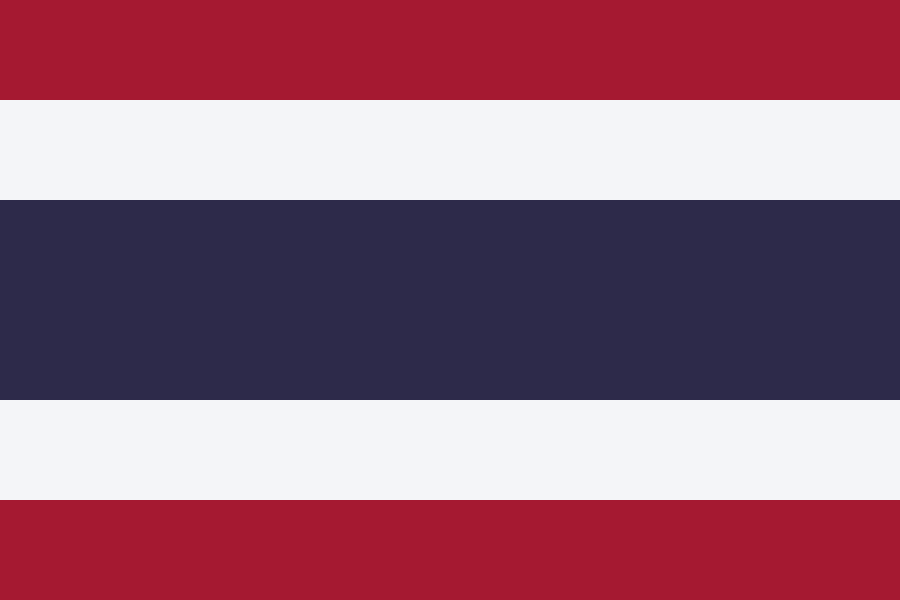 ThailandBangkok
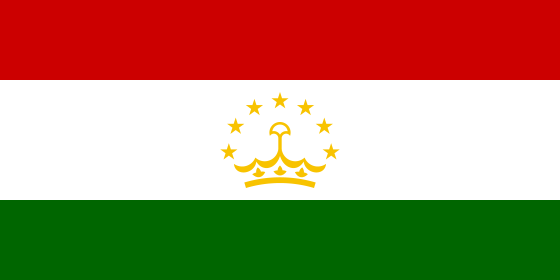 TajikistanDushanbe
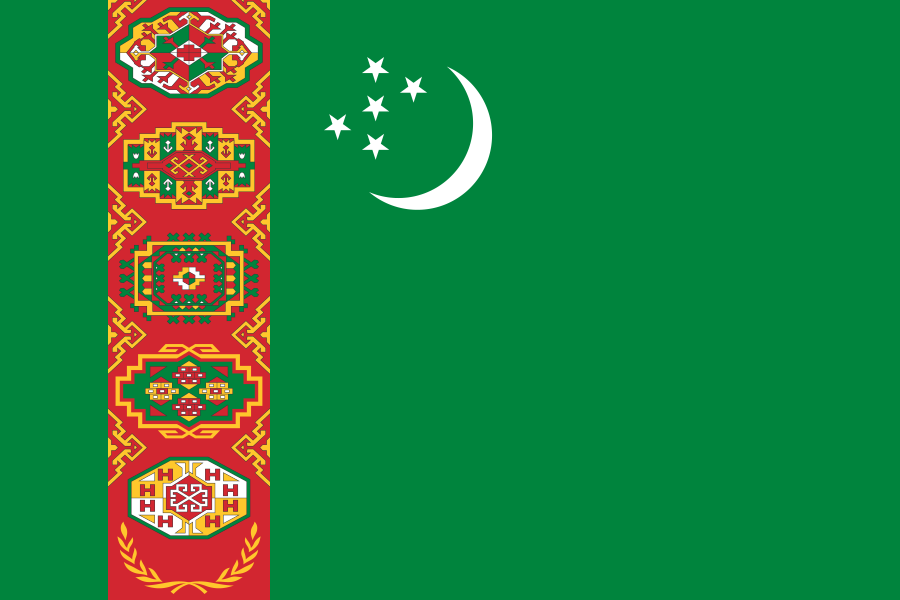 TurkmenistanAshgabat
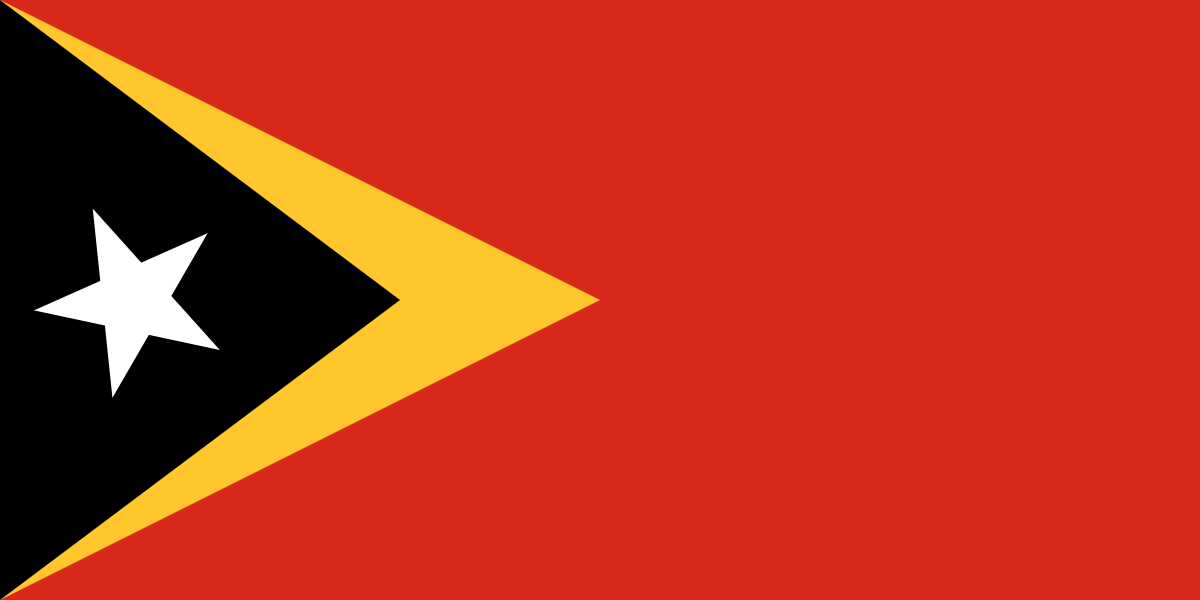 Timor-LesteDili
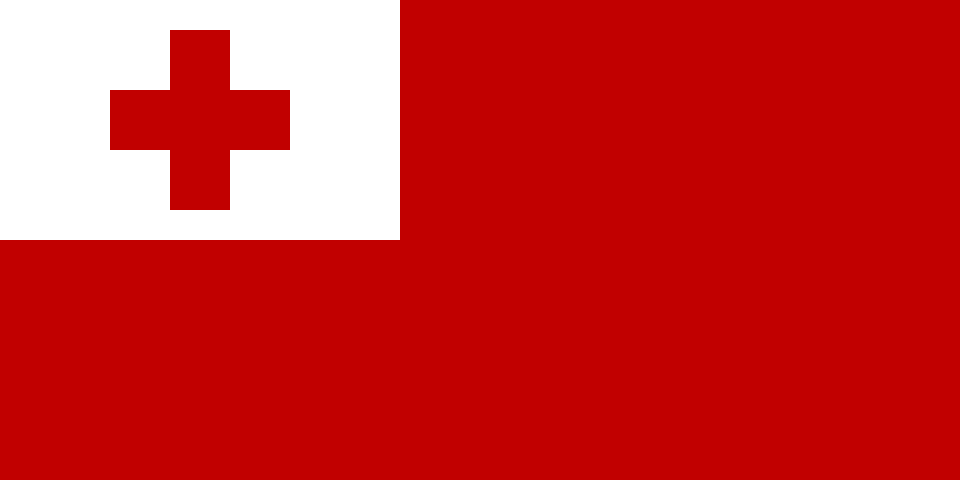 TongaNuku'alofa
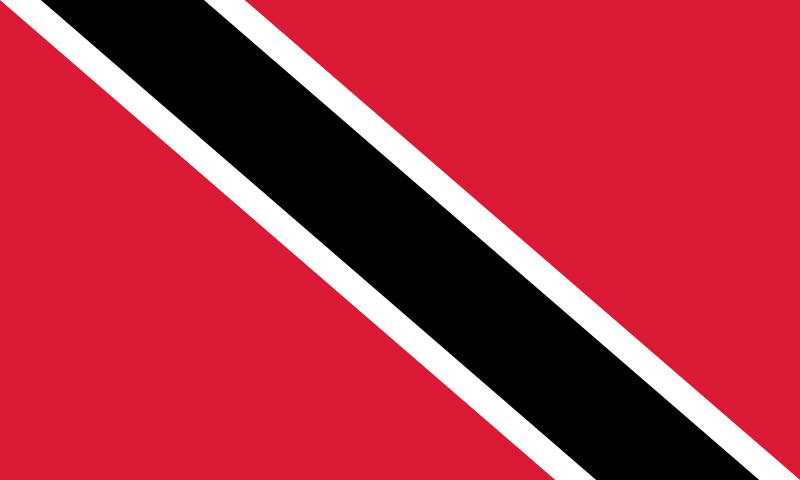 Trinidad & TobagoPort of Spain
 TunisiaTunis
 TürkiyeAnkara
 TuvaluFunafuti
 TanzaniaDodoma
 UgandaKampala
 UkraineKyiv
 UruguayMontevideo
 United StatesWashington, D.C.
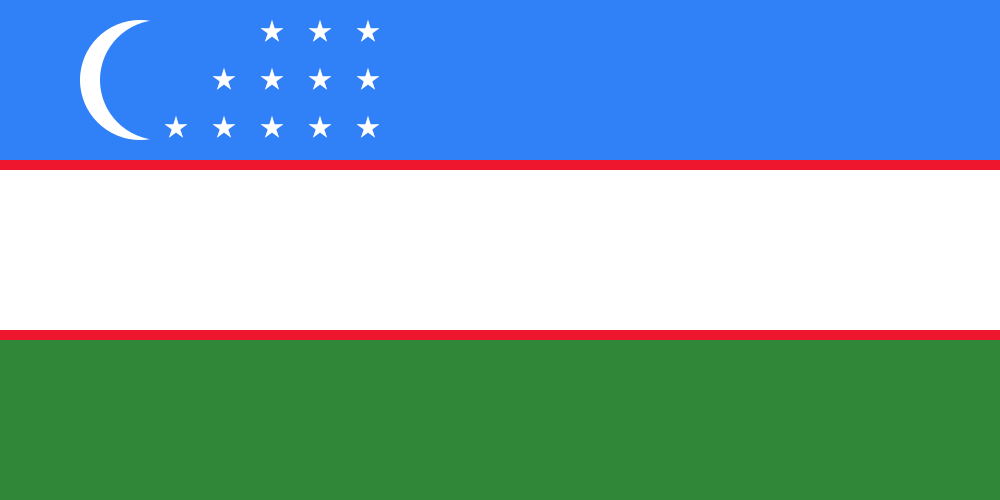 UzbekistanTashkent
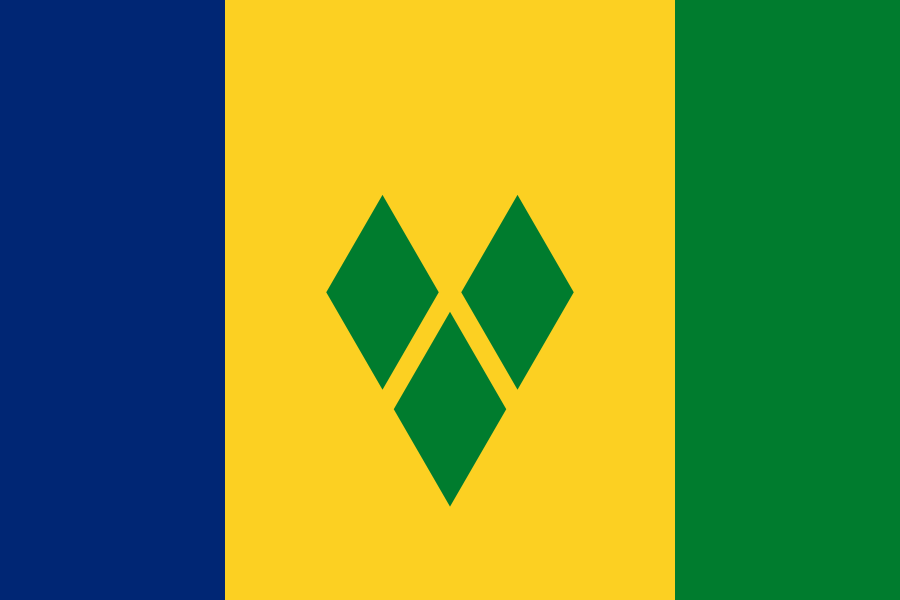 St. Vincent & GrenadinesKingstown
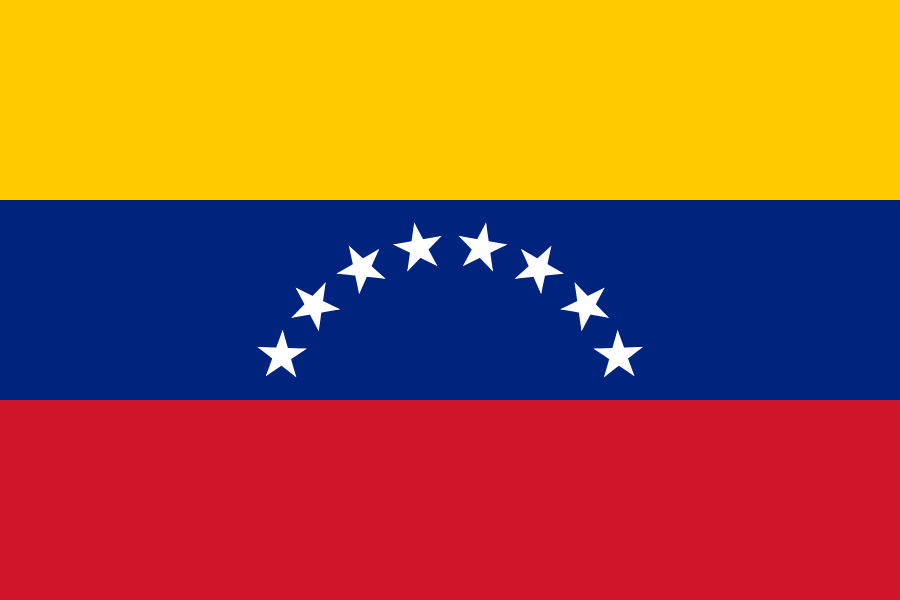 VenezuelaCaracas
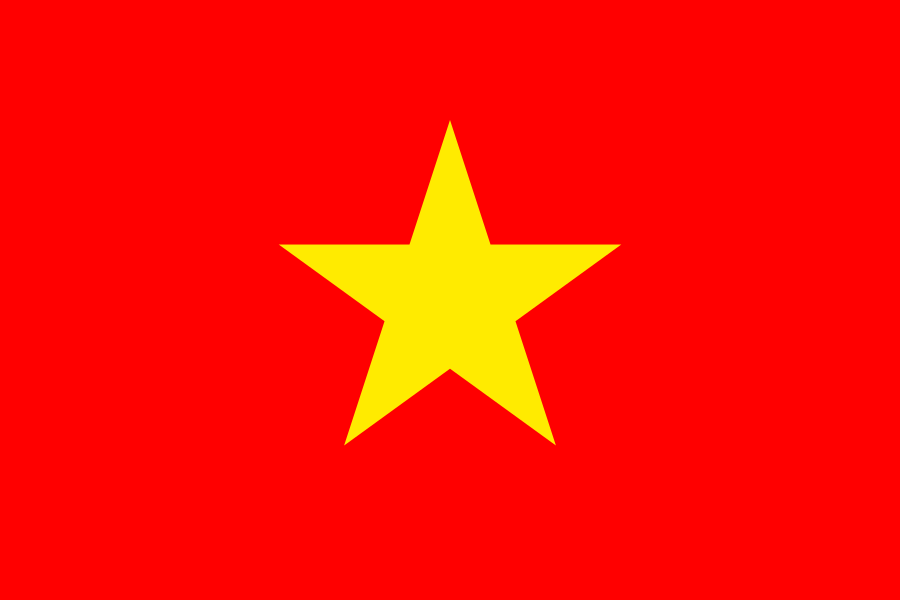 VietnamHanoi
 VanuatuPort Vila
 SamoaApia
 YemenSana'a
 South AfricaPretoria
 ZambiaLusaka
 ZimbabweHarare
Continue exploring
 European Union
 NATO
 Commonwealth of Nations
 African Union
 Arab League
 ASEAN
What did you discover?
Take this flag into the quiz
Sources and image credits
This English article draws on the institutional sources listed below. Figures and memberships retain their stated reference dates.
Source record: 2 November 2026. A translation does not change the reference date of a figure or membership list.
- research.un.org/en/maps/flags
- un.org/en/about-us/un-charter
- treaties-prod.un.org/Pages/ViewDetails.aspx
- research.un.org/en/unmembers/observers
- un.org/en/about-us/un-emblem-and-flag