Germany Flag, Capital and Country Facts
Germany extends from the North Sea and the Baltic Sea to the Alps. Between these borders are lowlands, low mountains and large river areas. Berlin is the capital of a federal state with sixteen countries. Black-red gold connects today's country with its democratic history and helps distinguish its flag from similar European tricolors.
Test your knowledge →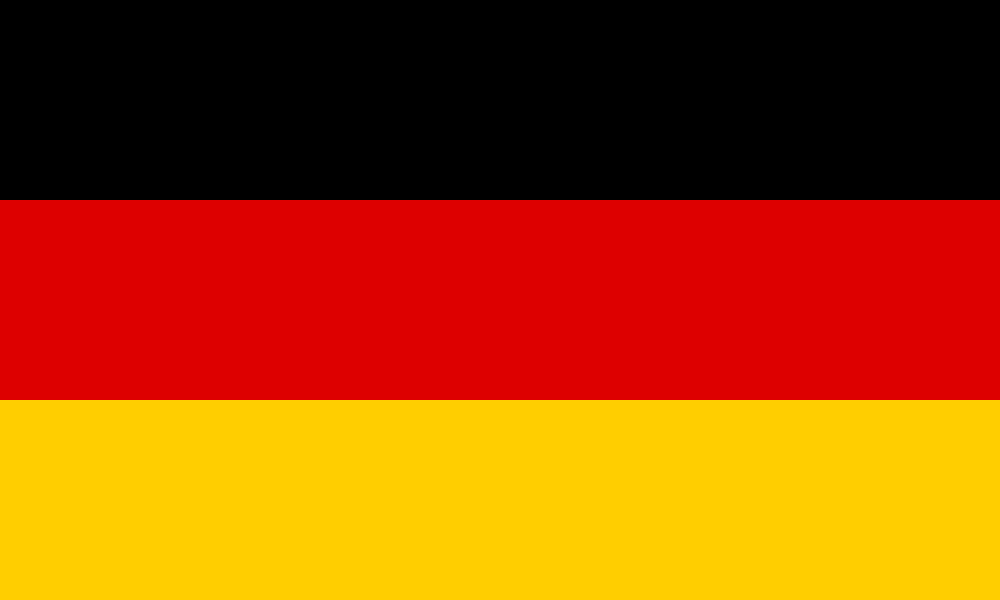
Germany at a glance
- Capital
- Berlin
- Quiz continent
- Europe
- Languages in reference record
- German; recognised regional and minority languages
- Currency
- Euro (EUR)
- Population
- 83,491,249 (2025, World Bank)
- Area
- 357,114 km²
- Coastal setting
- Not landlocked
- ISO codes
- DE / DEU
- Internet country suffix
- .de
- Federal States
- 16
- Day of German Unity
- 3 October
- Establishment of the Federal Republic
- 23 May 1949
- Reunification
- 3 October 1990
- Large rivers
- Rhine, Elbe and Danube
- Highest mountain
- Train spire, approximately 2,962 m
Germany Flag: Design, Meaning and History
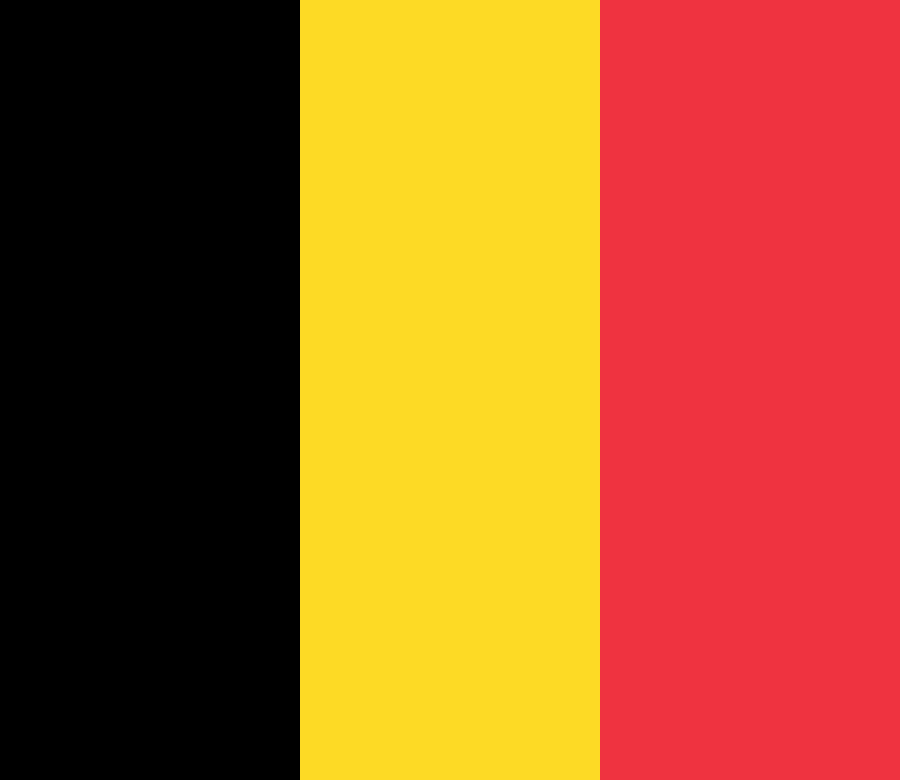
Three equally high horizontal stripes are in black, red and gold among each other. The federal flag shown in the quiz has no coat of arms. Belgium uses similar colors, but arranges them vertically and in a different order. Decisive are therefore both the direction and black at the top and gold at the bottom.
Black-red gold is associated with the German unity and democracy movement of the 19th century and was also used by the Weimar Republic. Since 1949, the colors have been laid down in the Basic Law. The simple federal flag must be distinguished from the special service flag of the federal authorities, which additionally shows a sign.
Capital: Berlin
Berlin is located in the northeast of Germany on the Spree. The city is the capital and one of the sixteen federal states. Its urban area borders Brandenburg; the surrounding federal state and the state of Berlin can therefore be distinguished politically, even if many transport and economic relations closely link both.
After World War II, Berlin was divided; the Berlin Wall made this division particularly visible from 1961 to 1989. With German unity in 1990, the capital function of the united country was confirmed. Bonn remained an important administrative location. This historical context explains why federal tasks are still not concentrated exclusively in a single place.
Practise this capital →Germany: Geography, History and Culture
In the north dominate lowlands and coastal landscapes, in the middle numerous middle mountains and in the south the Alpine forelands as well as a share of the Alps. The Rhine, Elbe and Danube connect Germany with different European river areas. The Danube drains to the Black Sea, while the Rhine and Elbe lead to the North Sea. Watersheds are therefore particularly helpful for geographical orientation.
The federal structure gives the states their own tasks and political institutions. Culture, education and regional traditions are thus not only local peculiarities, but also part of the state structure. German is the central public language; alongside it are recognized minority and regional languages. A unified national flag and a highly structured political and cultural landscape coexist.
The Federal Republic was founded in 1949 and German reunification took place on 3 October 1990. Both dates are important for the historical classification: one marks the emergence of today's constitutional order, the other the overcoming of the state division. Germany’s world heritage ranges from medieval sacred buildings to industrial plants and modern architecture and coastal ecosystems.
Aachen Cathedral
Aachen Cathedral was registered as a World Heritage Site in 1978. It is one of the early entries in the entire UNESCO list. The site traces back to Carolingian history and forms a different historical reference point than the modern government buildings of Berlin.
Bauhaus
The Bauhaus sites in Weimar, Dessau and Bernau are jointly on the World Heritage List. They document the design and architecture of modernism. The entry shows that cultural heritage is not limited to castles, old towns or especially old buildings.
Coasts and mountains
The North and Baltic coasts are far from the Alps. In between, the landscape forms change several times. Anyone who connects Germany only with a single motif overlooks this north-south span and the importance of the Middle Mountains as independent large landscapes.
Explore neighbouring and related places
 Austria
 Belgium
 Czechia
 Denmark
 France
 Luxembourg
Cities and regions in this country
 MunichCity
 CologneCity
 Frankfurt am MainCity
 StuttgartCity
 DüsseldorfCity
 DresdenCity
 LeipzigCity
 NurembergCity
 BerlinCity
 HamburgCity
 BremenCity
 BonnCity
 HanoverCity
 LübeckCity
 KielCity
 MünsterCity
 RostockCity
 DortmundCity
 EssenCity
 DuisburgCity
 AugsburgCity
 Baden-WürttembergRegion
 BavariaRegion
 BrandenburgRegion
 HesseRegion
 Mecklenburg-Western PomeraniaRegion
 Lower SaxonyRegion
 North Rhine-WestphaliaRegion
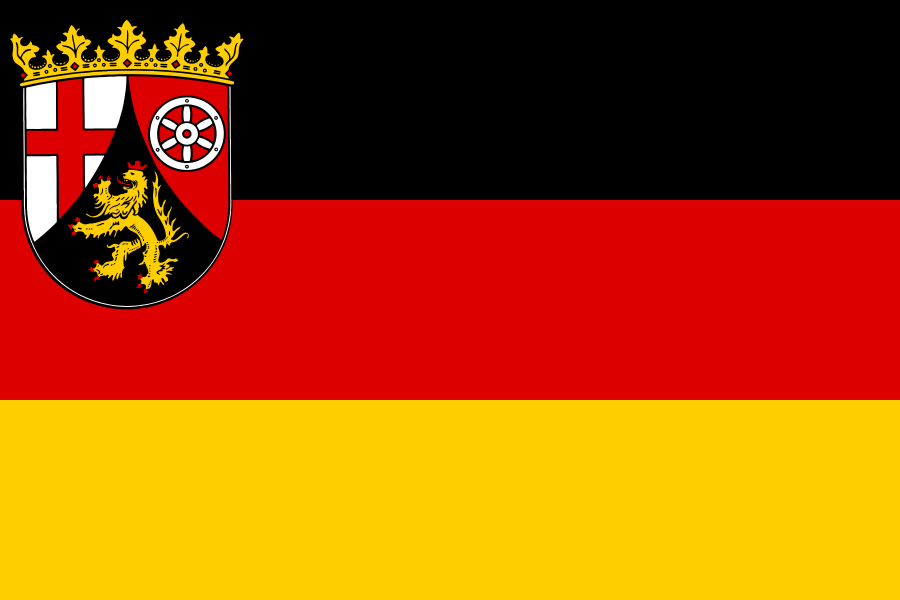 Rhineland-PalatinateRegion
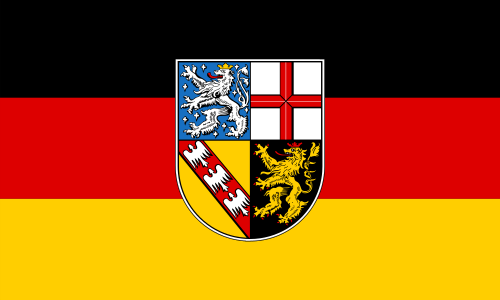 SaarlandRegion
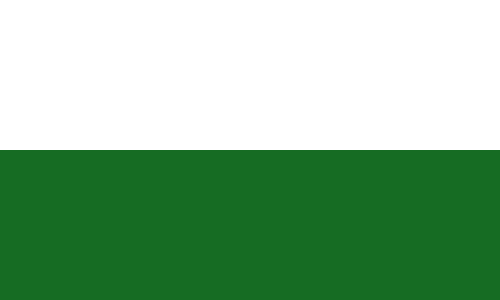 SaxonyRegion
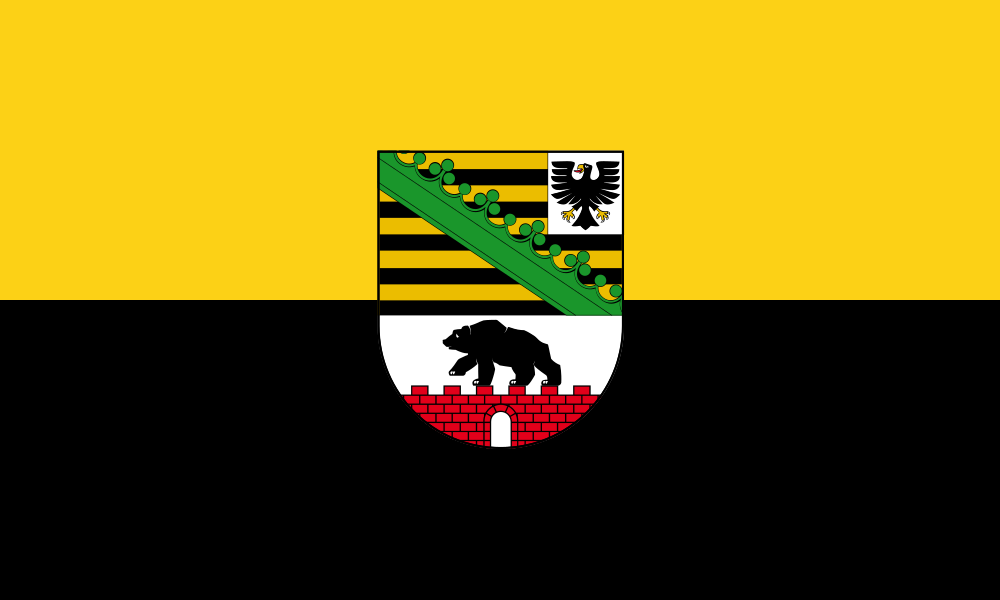 Saxony-AnhaltRegion
 Schleswig-HolsteinRegion
 ThuringiaRegion
What did you discover?
Sources and image credits
This English article draws on the institutional sources listed below. Figures and memberships retain their stated reference dates.
Source record: 2 November 2026. A translation does not change the reference date of a figure or membership list.
- github.com/factbook/factbook.json/blob/144d6977b2b01ac1cbd220de754c0a005616760b/europe/gm.json
- data.worldbank.org/indicator/SP.POP.TOTL
- whc.unesco.org/en/statesparties/de
- bundestag.de/parlament/symbole/flagge
- lfu.bayern.de/geologie/permafrost/zugspitze/index.htm
- github.com/mledoze/countries