Finland Flag, Capital and Country Facts
Finland lies between the Baltic Sea, large forest and lake landscapes and the far north of Europe. Helsinki faces the Gulf of Finland, while Lapland extends beyond the Arctic Circle. The blue cross on a white background belongs to the Nordic flag family. The two national languages Finnish and Swedish refer to a history that is closely linked to the neighbouring regions.
Test your knowledge →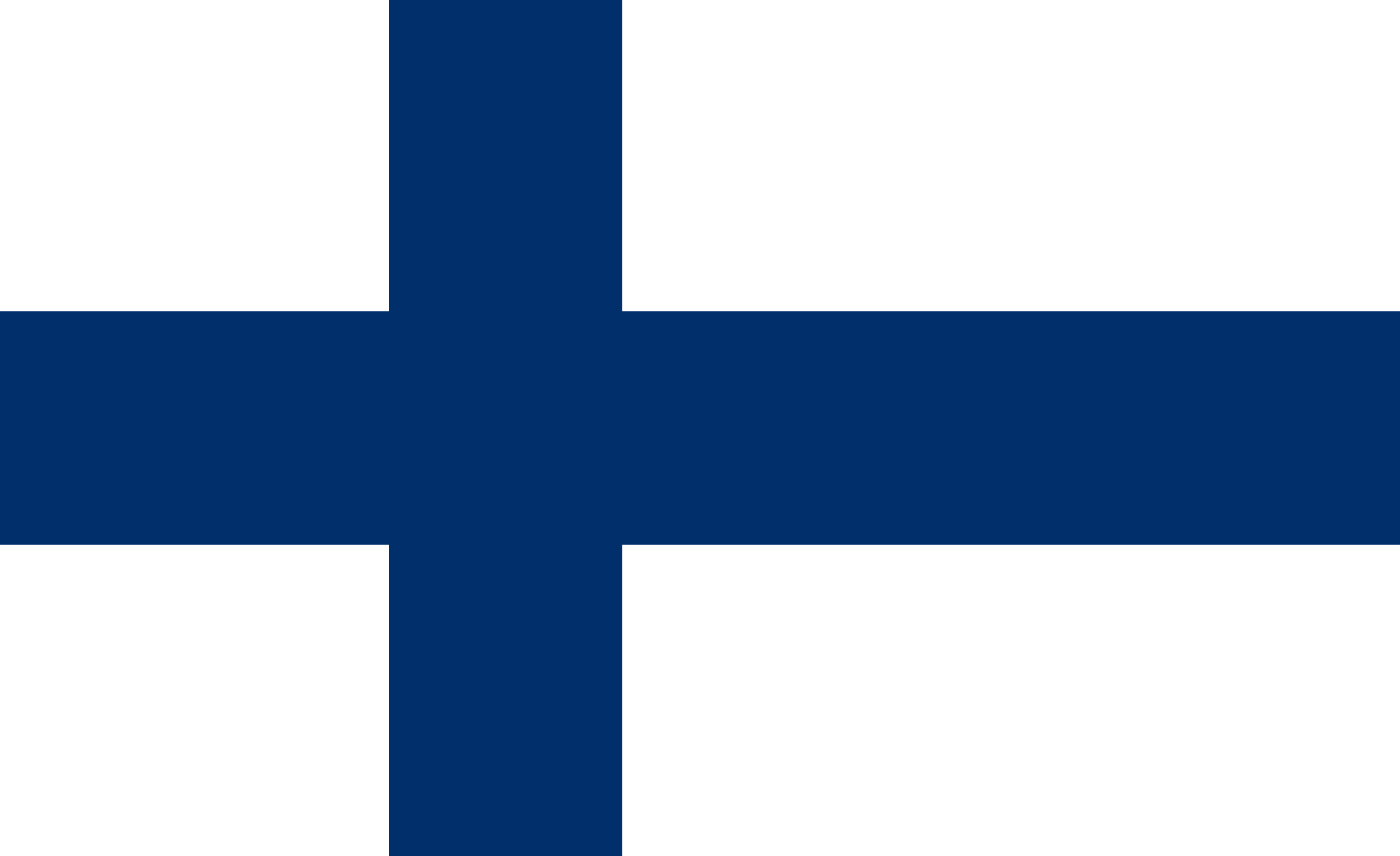
Finland at a glance
- Capital
- Helsinki
- Quiz continent
- Europe
- Languages in reference record
- Finnish and Swedish (national languages); Sami languages with regional rights
- Currency
- Euro (EUR)
- Population
- 5,646,436 (2025, World Bank)
- Area
- 338,424 km²
- Coastal setting
- Not landlocked
- ISO codes
- FI / FIN
- Internet country suffix
- .fi
- Independence Day
- 6 December 1917
- Swedish Name of Helsinki
- Helsingfors
- Large landscape in the north
- Lapland
- Highest point
- Halti, 1,328 m in Finnish territory according to archives
- Gulf of Helsinki
- Gulf of Finland
- Fortress World Heritage Site
- Suomenlinna, since 1991
Finland Flag: Design, Meaning and History
A blue cross lies on a white background and extends to all four edges. Its vertical beam is displaced to the hoist side. This Nordic cross-form connects Finland's flag with those of Denmark, Sweden, Norway and Iceland. The simple national flag shown in the quiz has no coat of arms.
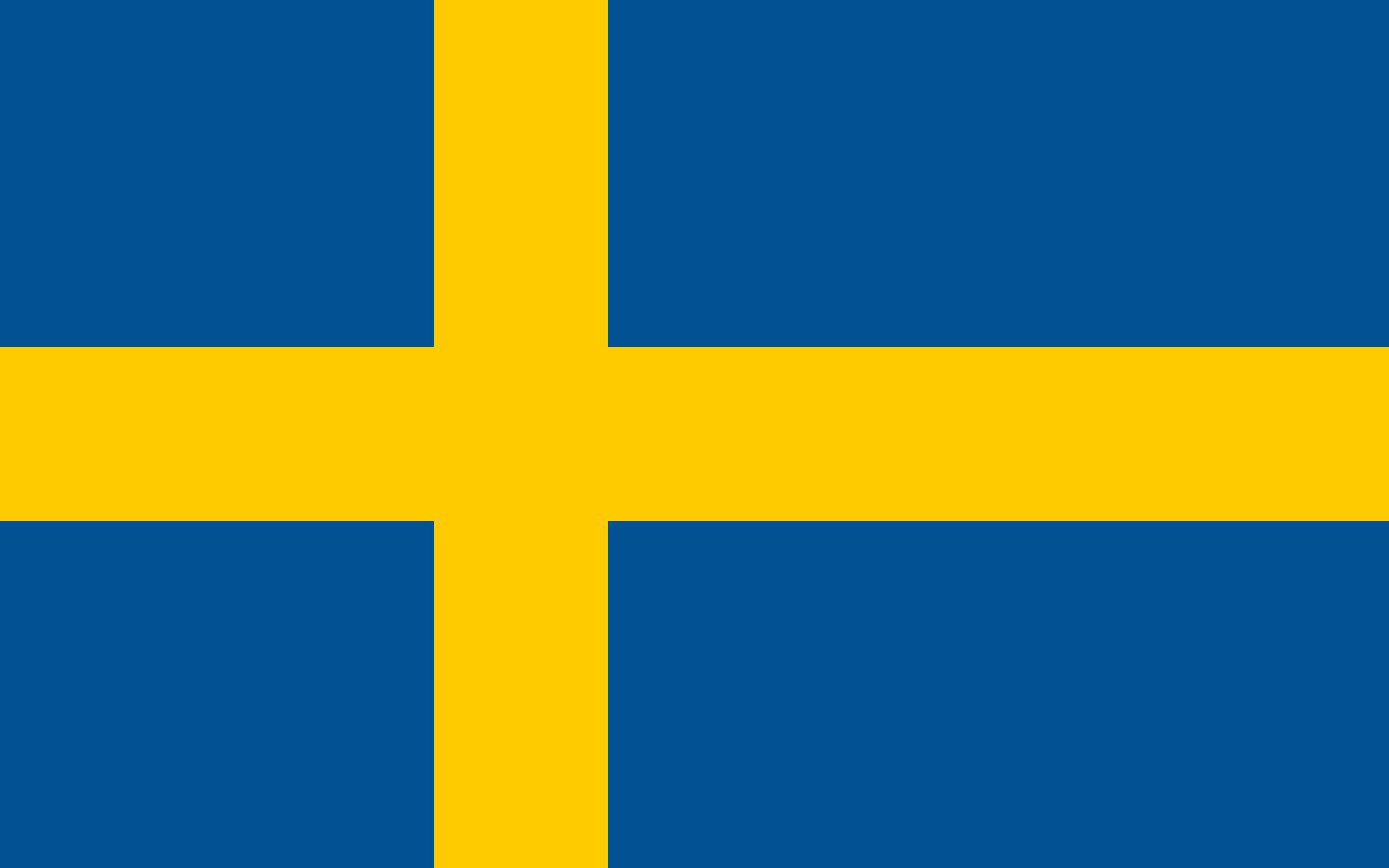
The Factbook Archive connects the blue with Finland’s many lakes and white with snow. This interpretation fits the landscape, but does not replace the exact description of the cross shape. Especially Sweden can be distinguished by the color comparison: There the field is blue and the cross yellow, in Finland, however, the background white.
Capital: Helsinki
Helsinki is located on the south coast of the Gulf of Finland. The Swedish name of the city is Helsingfors. Both names reflect the bilingualism of the country. The city was founded in 1550 under Swedish rule and thus belongs to a historical Baltic Sea world that cannot be limited to today's national borders.
The capital is much further south than Finnish Lapland. Anyone who takes Helsinki as a starting point should therefore pay attention to the great north-south extension. In front of the city lies the Suomenlinna sea fortress, which has been a UNESCO World Heritage site since 1991. Port city, islands and defense buildings link city history and maritime location.
Practise this capital →Finland: Geography, History and Culture
Forests, lakes and glacial landscapes characterize large parts of Finland. In the west and south the country opens to the Baltic Sea, in the north wide spaces extend over the Arctic Circle. Day lengths therefore change particularly strongly during the year. The difference between summer long and winter short days is much more pronounced in the north than on the south coast.
Finnish and Swedish are national languages. Finnish belongs to the Uralic language family and is therefore not closely related to Swedish or Danish despite the common Nordic classification. In the north, Sami languages and Sami culture are important. Language families, state borders and cultural regions therefore overlap without forming the same lines everywhere.
Finland belonged to the Swedish Empire for centuries and became a Grand Duchy within the Russian Empire in 1809. On December 6, 1917, it declared its independence. This sequence explains the significance of both neighbouring spaces for the country’s history. In addition to historic cities and wooden buildings, the World Heritage also includes industrial plants and landscapes that refer to scientific surveying or the aftermath of the Ice Age.
Suomenlinna
The sea fortress in front of Helsinki has been a World Heritage Site since 1991. Its island location makes visible how closely the capital is connected to the Baltic Sea. It is a historical fortification system and at the same time a counterpart to the wooden churches and industrial sites further inland.
Ancient Rauma
The old town of Rauma was also included in the UNESCO list in 1991. It represents a different form of Finnish city history than Helsinki. The World Heritage Map thus also draws attention to smaller places beyond the political center.
Kvarks
The Kvarken archipelago is part of a natural world heritage shared with Sweden. The landscape shows the continuing consequences of the last ice age. This cross-border entry connects geology and the Baltic Sea region and complements the country’s cultural World Heritage sites.
Explore neighbouring and related places
 Norway
 Sweden
 Russia
Cities and regions in this country
 Helsinki
What did you discover?
Sources and image credits
This English article draws on the institutional sources listed below. Figures and memberships retain their stated reference dates.
Source record: 2 November 2026. A translation does not change the reference date of a figure or membership list.
- github.com/factbook/factbook.json/blob/144d6977b2b01ac1cbd220de754c0a005616760b/europe/fi.json
- data.worldbank.org/indicator/SP.POP.TOTL
- whc.unesco.org/en/statesparties/fi
- github.com/mledoze/countries