Dominica Flag, Capital and Country Facts
Dominica is a mountainous island state of the Lesser Antilles between Guadeloupe and Martinique. The name is similar to that of the Dominican Republic, but refers to a different country. Rainforest, rivers and volcanic phenomena characterize the island. Its flag is particularly memorable because it shows a native parrot and uses the purple coloring of its plumage alongside green.
Test your knowledge →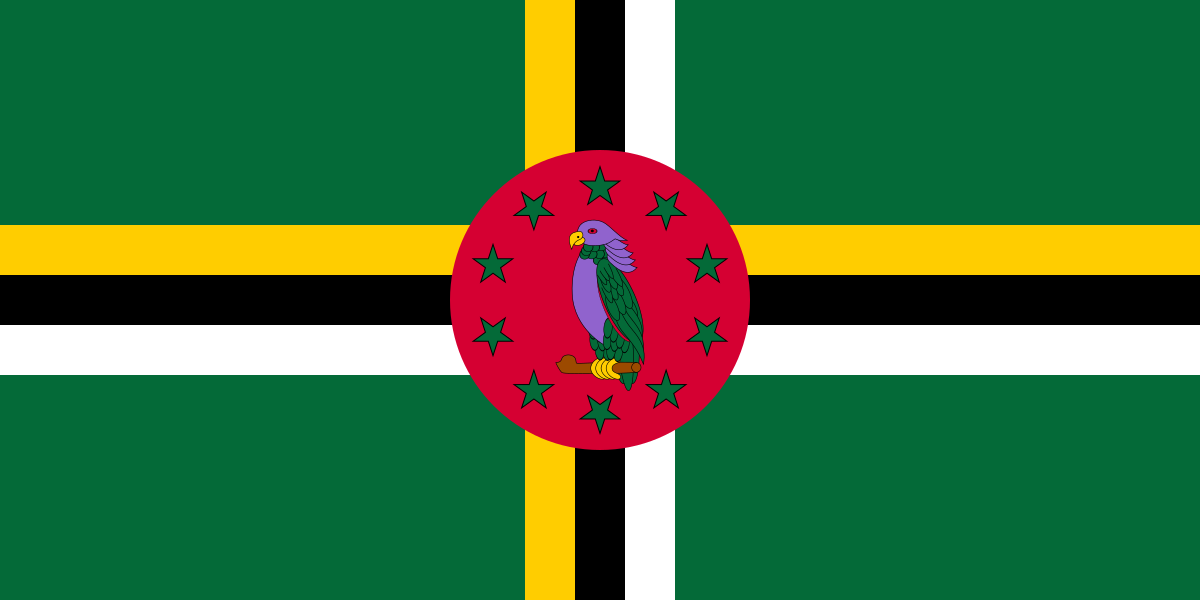
Dominica at a glance
- Capital
- Roseau
- Quiz continent
- North America
- Languages in reference record
- English; besides Creole everyday languages
- Currency
- Eastern Caribbean Dollar (XCD)
- Population
- 65,871 (2025, World Bank)
- Area
- 751 km²
- Coastal setting
- Not landlocked
- ISO codes
- DM / DMA
- Internet country suffix
- .dm
- Highest mountain
- Morne Diablotins, 1,447 m
- Independence
- 3 November 1978
- National holiday
- 3 November
- Administrative units
- Ten Parishes
- Flag bird
- Parrot of Sisserou
- Volcanic Sea
- Boiling Lake
Dominica Flag: Design, Meaning and History
On a green background lies a cross of yellow, black and white stripes. In the center is a red disc with a Sisserou parrot; ten green stars surround the bird. The animal is not a general fantasy figure, but a parrot species native to Dominica. Its detailed shape distinguishes the flag from purely geometric island flags.
The ten stars refer to the ten administrative units, the Parishes. Green is associated with the lush vegetation; the three-colored cross has a Christian interpretation. The flag was introduced with independence in 1978 and later changed in detail. The red disc and the central parrot remain the most important landmarks for recognition.
Capital: Roseau
Roseau is located on the southwest coast of Dominica, where the river of the same name reaches the sea. The capital concentrates administration, trade and an important port. Between the coast and the steep hinterland there is little room for the expansion of the city. Their location distinguishes them from capitals on large, flat coastal plains.
The proximity to volcanic mountains and water-rich valleys connects Roseau directly with the landscapes of the island interior. The capital therefore belongs to the same small-scale geography as waterfalls, hot springs and steep traffic routes. For the country quiz is also important: Roseau belongs to Dominica, while Santo Domingo is the capital of the Dominican Republic.
Practise this capital →Dominica: Geography, History and Culture
Dominica is of volcanic origin and has a strongly structured mountain relief. The Morne Diablotins reaches 1,447 meters and is the highest mountain. Humid trade air and the mountains favor heavy precipitation, from which numerous rivers are fed. This abundance of water distinguishes Dominica from drier, flatter islands of the eastern Caribbean.
Morne Trois Pitons National Park protects tropical forest and an extraordinary combination of volcanic phenomena. UNESCO mentions, among other things, hot springs, fumaroles and the Boiling Lake. The name mountain of the park is not identical to the higher Morne Diablotins. Names of protected area and highest summit should therefore not be learned as interchangeable terms.
The island became independent from Britain in 1978 and belongs to the East Caribbean monetary area. In addition to African and European influences, the indigenous history of Kalinago is significant for the country. Tropical hurricanes remain a significant natural hazard: on a steep, water-rich island, heavy rainfall, landslides and damaged transport connections can reinforce each other. The relief thus shapes natural beauties and concrete living conditions at the same time.
Volcanic landscape as a World Heritage Site
Morne Trois Pitons was included in the UNESCO World Heritage List in 1997. The park connects rainforest with hot springs and other volcanic phenomena.
A bird on the flag
The Sisserou is also known as the Imperial Amazon. As a native species, it combines the state sign with the protection of natural habitats.
Not the Dominican Republic
Dominica is its own island of the Lesser Antilles. The Dominican Republic is located on Hispaniola and has a different capital and flag.
Explore neighbouring and related places
 Antigua & Barbuda
 Bahamas
 Barbados
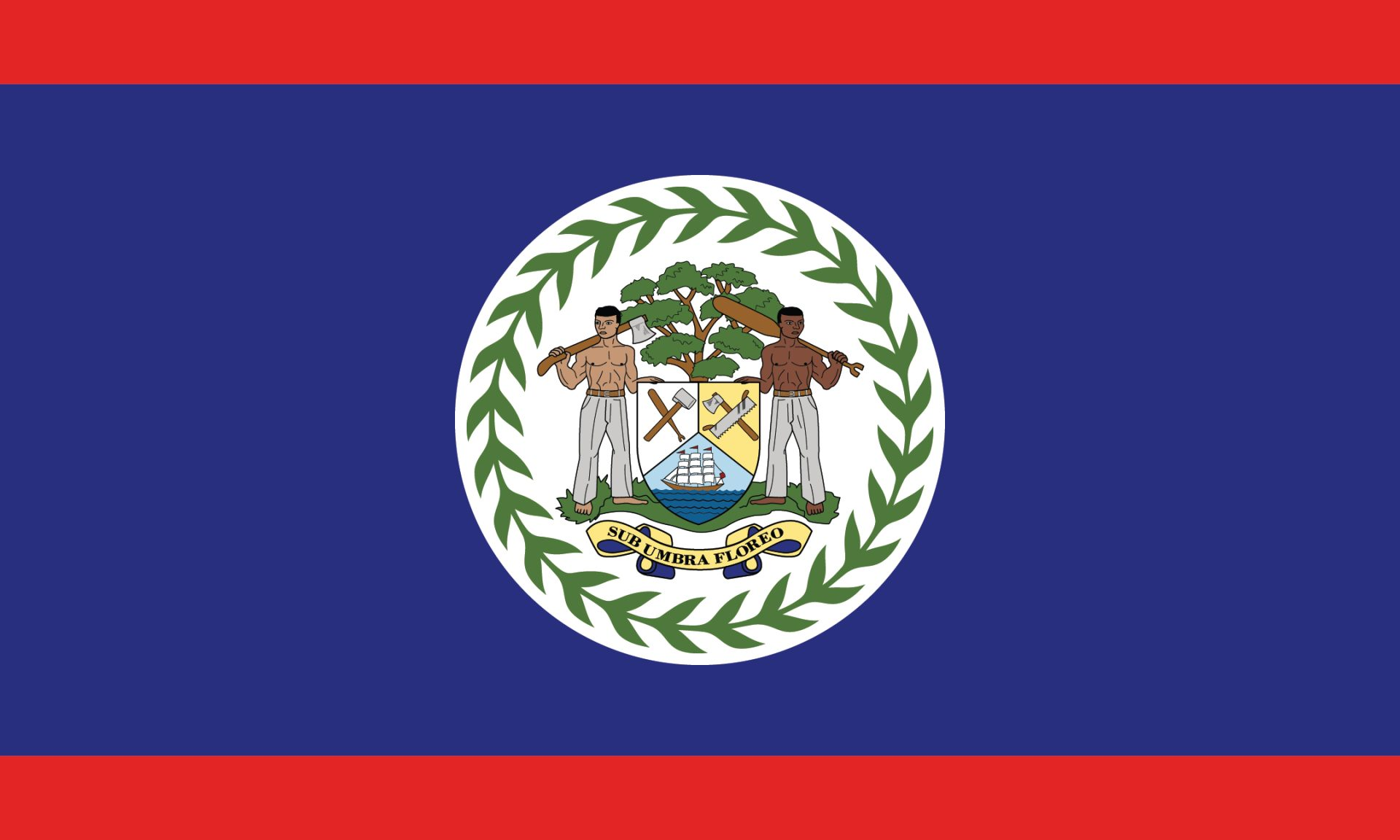 Belize
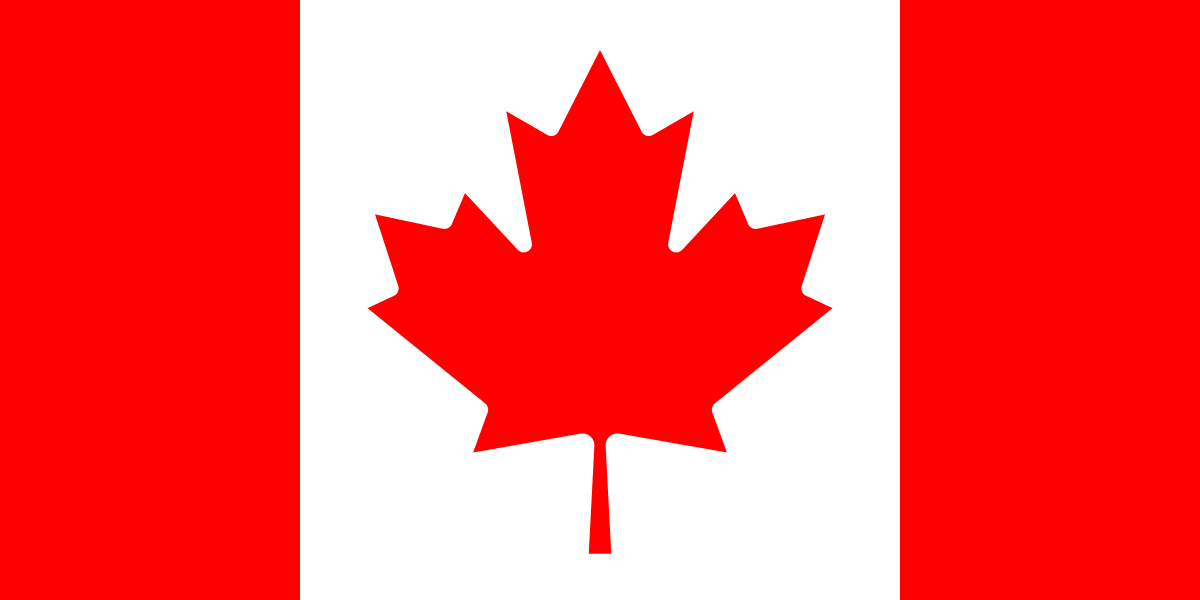 Canada
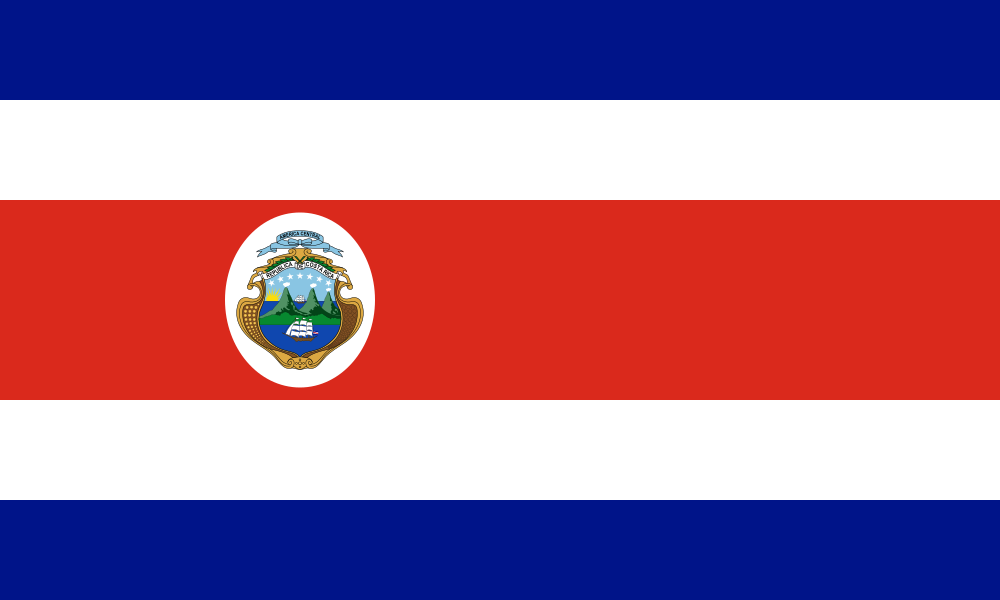 Costa Rica
What did you discover?
Sources and image credits
This English article draws on the institutional sources listed below. Figures and memberships retain their stated reference dates.
Source record: 2 November 2026. A translation does not change the reference date of a figure or membership list.
- github.com/factbook/factbook.json/blob/144d6977b2b01ac1cbd220de754c0a005616760b/central-america-n-caribbean/do.json
- data.worldbank.org/indicator/SP.POP.TOTL
- whc.unesco.org/en/list/814
- github.com/mledoze/countries