Australia Flag, Capital and Country Facts
Australia is both a state and a continent: a vast land area between the Indian and Pacific Oceans, whose population lives mainly in coastal regions. The flag connects British history with stars of the southern sky. The capital Canberra is located inland and thus clearly differs from the well-known port metropolises of Sydney and Melbourne.
Test your knowledge →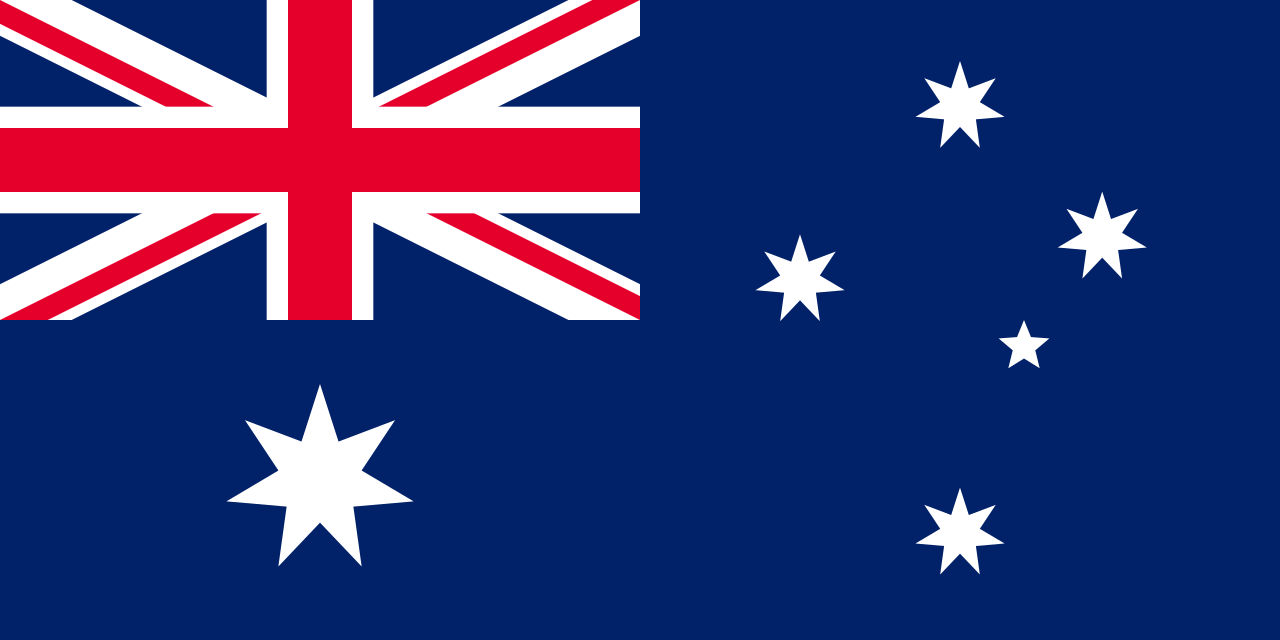
Australia at a glance
- Capital
- Canberra
- Quiz continent
- Oceania
- Languages in reference record
- English as the predominant language; numerous indigenous and other languages
- Currency
- Australian Dollar (AUD)
- Population
- 27,614,411 (2025, World Bank)
- Area
- 7,692,024 km²
- Coastal setting
- Not landlocked
- ISO codes
- AU / AUS
- Internet country suffix
- .au
- Highest mainland mountain
- Mount Kosciuszko, 2,228 m
- Large river
- Murray’s
- Inner salt lake
- Kati Thanda–Lake Eyre
- Federal foundation
- 1901
- States
- Six
- Island south of mainland
- Tasmania
Australia Flag: Design, Meaning and History
On a dark blue background it says at the top of the mast of the Union Jack. Below is a large white seven-pointed Commonwealth star. On the right, five smaller white stars form the Southern Cross; one of them has only five points. Especially the different star shape helps with the exact viewing.
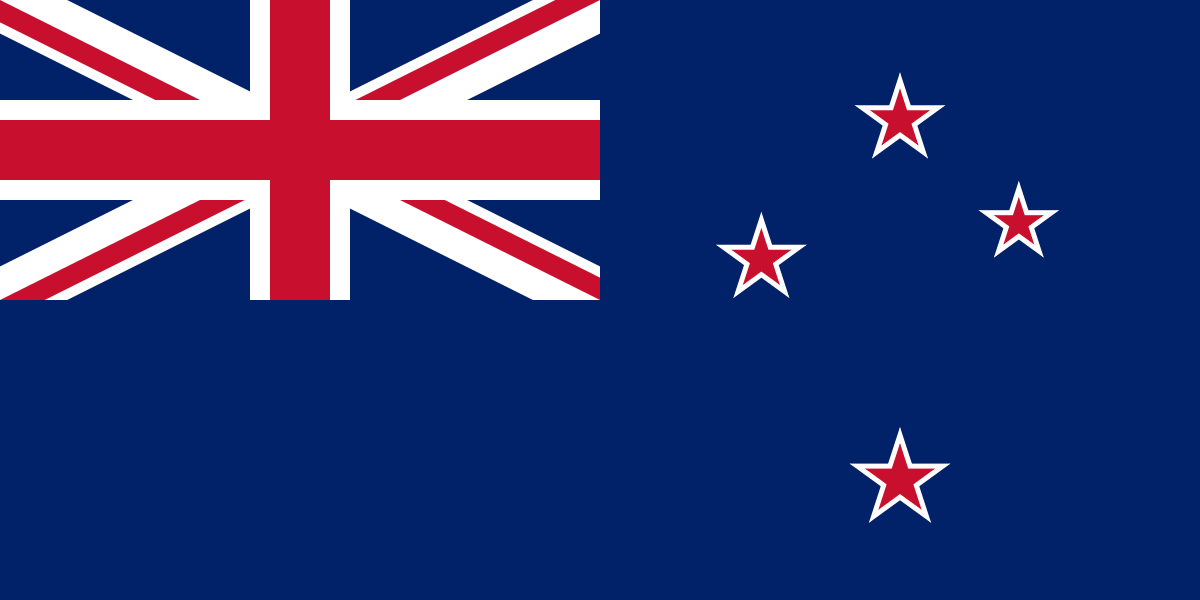
The flag emerged after the establishment of the Australian Confederation in 1901 from a design competition. The Commonwealth star refers to the federal connection; the Southern Cross anchors the motif in the southern sky. Opposite New Zealand’s flag, the white stars and the additional large star are particularly useful distinguishing features.
Capital: Canberra
Canberra is the federal capital and is located in the Australian Capital Territory. The city was planned as an independent capital, while Sydney and Melbourne were already grown big cities. Its location in the southeast connects political centrality by a distance to the rival metropolises and their respective state governments.
Parliament, national museums and administrative buildings make Canberra a political centre. Sydney, on the other hand, remains known for its port and opera house. For country learning, this separation is helpful: the most famous cityscape of a country does not have to show its capital or mark the seat of the Federal Parliament.
Practise this capital →Australia: Geography, History and Culture
The interior consists mainly of dry highlands and deserts. In the tropical north and in the temperate southeast, different conditions prevail; there precipitation and seasons significantly change the vegetation. The Great Dividing Range runs along the east and separates different river basins. The highest mountain in the Australian mainland is 2,228 meters high Mount Kosciuszko.
The Murray River and its tributaries open up an important agricultural area in the southeast. On the other hand, large inner basins do not drain into the sea: water can end up in temporarily filled salt lakes. The Kati Thanda–Lake Eyre is even below sea level. This contrast explains why a large area of land does not automatically mean large, permanently water-rich settlement areas.
The history of Australia begins long before European colonization with the diverse societies of the Aboriginal Peoples and Torres Strait Islander Peoples. The Bund was formed in 1901 from six colonies. English dominates everyday public life today, and there are also indigenous languages and a broad linguistic landscape shaped by immigration. A single European founding narrative would shorten this story.
Great Barrier Reef
The reef system off Queensland is a UNESCO World Heritage site. It shows that Australia’s natural heritage extends far beyond the dry interior to large-scale marine habitats.
Federation of Six States
New South Wales, Queensland, South Australia, Tasmania, Victoria and Western Australia make up the six states. In addition, there are territories; the capital is precisely in such a territory of its own.
Tasmania as an island nation
Bass Road separates Tasmania from the mainland. The southern state has different climatic conditions than the tropical north and thus expands the landscape spectrum of the country.
Explore neighbouring and related places
 Federated States of MicronesiaPalikir
 FijiSuva
 KiribatiSouth Tarawa
 Marshall IslandsMajuro
 NauruYaren District
 New ZealandWellington
Cities and regions in this country
 Sydney
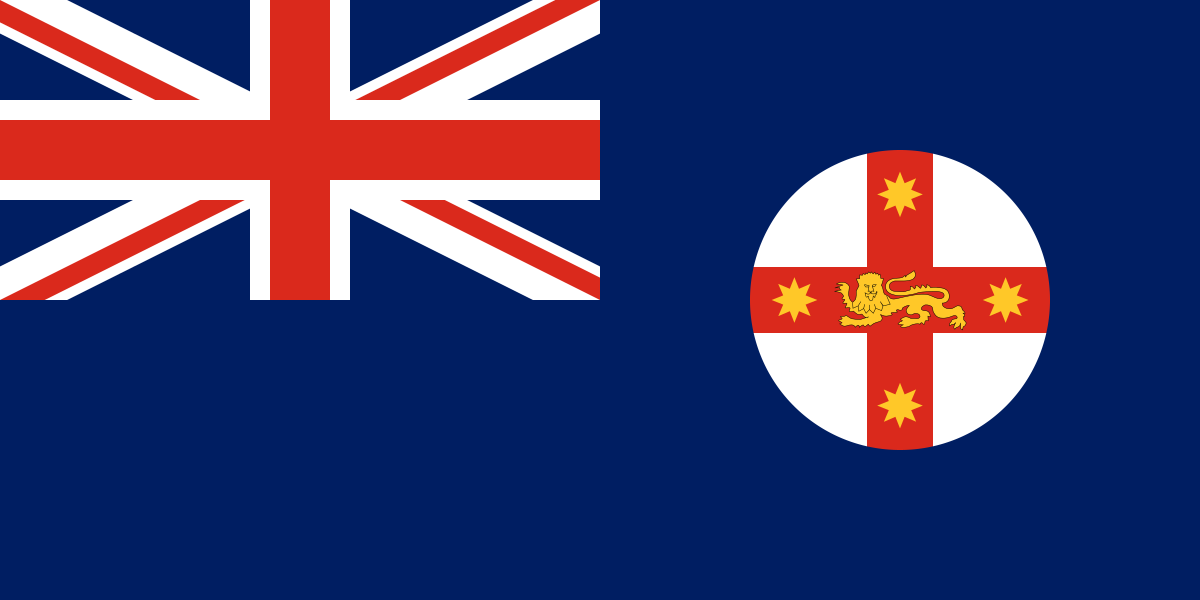 New South Wales
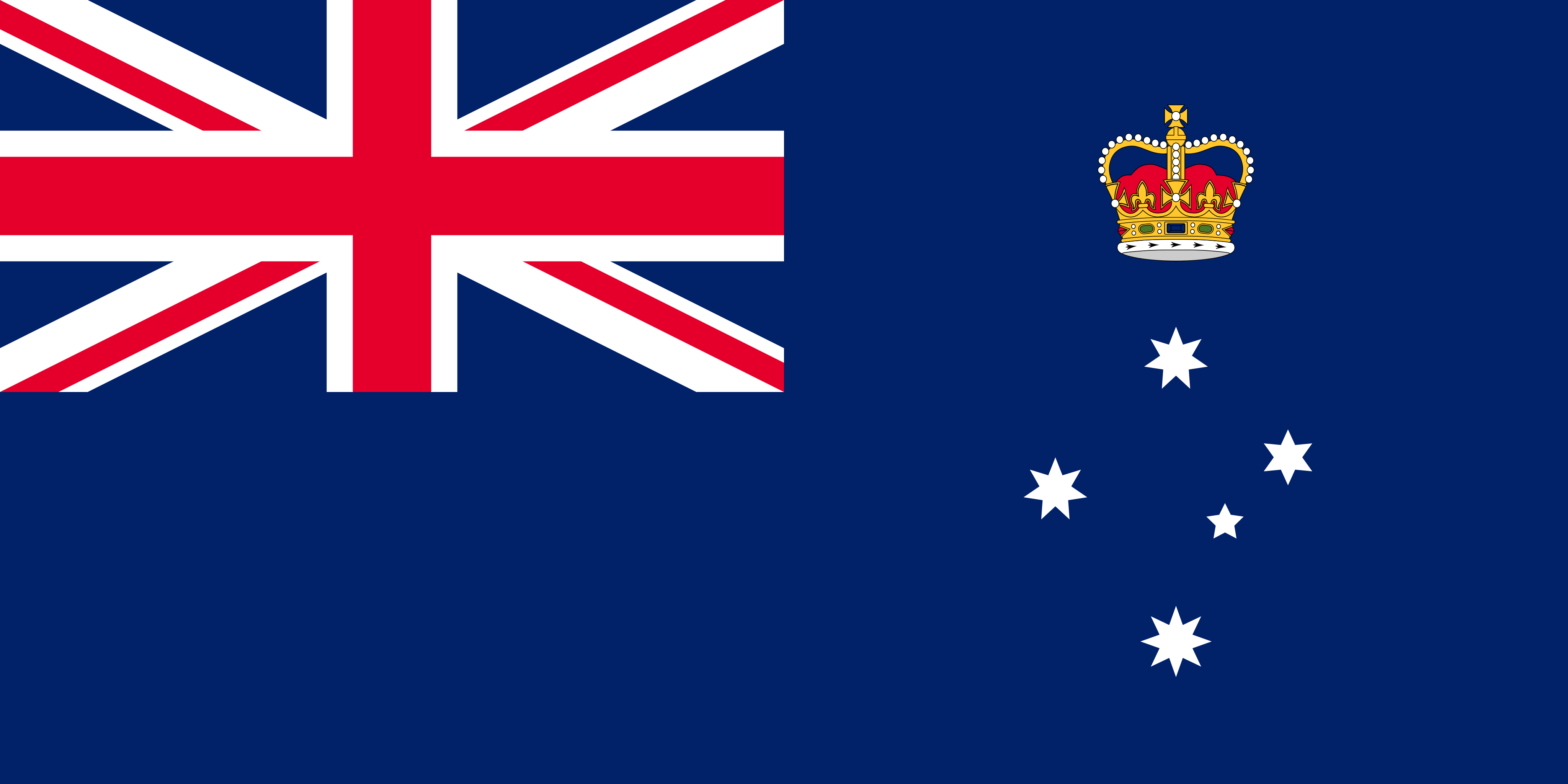 Victoria
What did you discover?
Sources and image credits
This English article draws on the institutional sources listed below. Figures and memberships retain their stated reference dates.
Source record: 2 November 2026. A translation does not change the reference date of a figure or membership list.
- github.com/factbook/factbook.json/blob/144d6977b2b01ac1cbd220de754c0a005616760b/australia-oceania/as.json
- data.worldbank.org/indicator/SP.POP.TOTL
- whc.unesco.org/en/statesparties/au/
- github.com/mledoze/countries