Tuvalu Flag, Capital and Country Facts
Tuvalu is a small Polynesian state of nine low islands and atolls in the Pacific Ocean. The capital is Funafuti, with the name denoting the whole atoll and not just a single compact place. The scattered land areas are only a few meters above the sea. Their connection arises mainly through shipping, joint institutions and the large surrounding ocean space.
Test your knowledge →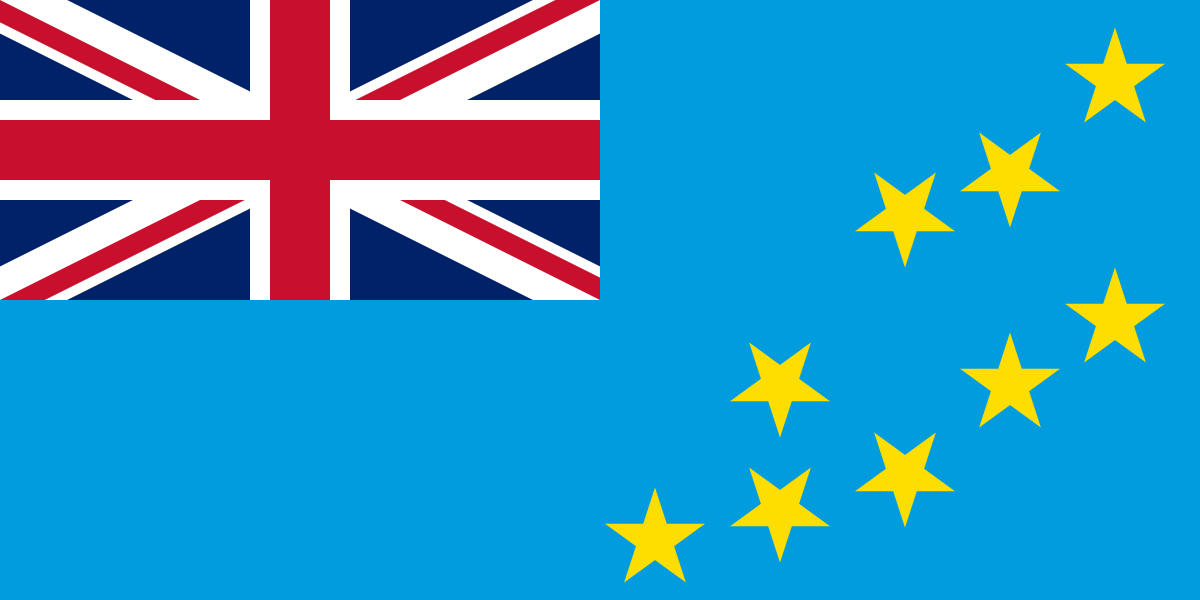
Tuvalu at a glance
- Capital
- Funafuti
- Quiz continent
- Oceania
- Languages in reference record
- Tuvalua and English
- Currency
- Australian Dollar (AUD); own Tuvalue Coins
- Population
- 9,492 (2025, World Bank)
- Area
- 26 km²
- Coastal setting
- Not landlocked
- ISO codes
- TV / TUV
- Internet country suffix
- .tv
- Island and atoll units
- Nine
- Independence
- 1 October 1978
- National holiday
- 1 October
- Capital islands area
- Fongafale
- Cultural region
- Polynesia
- Internet domain
- .tv
Tuvalu Flag: Design, Meaning and History
The flag has a light blue background. At the top left is the Union Jack; at the right are nine yellow five-pointed stars in an irregular arrangement. The stars do not form a circle or a regular grid. Precisely their spatial distribution is a distinguishing feature that distinguishes Tuvalu from other Pacific flags with a British corner motif.
The nine stars stand for the nine islands or atolls and are arranged as a simplified map. The Union Jack refers to the British colonial history, the blue reason to the maritime environment. Intermediate flag changes in the 1990s briefly changed the pattern; the shape used here again shows the well-known light blue field with nine stars.
Capital: Funafuti
Funafuti is an atoll with a lagoon and several narrow islands. The central state institutions are focused on Fongafale. The capital city therefore describes an atoll structure whose land parts are connected by water, rather than a large contiguous urban area in the usual continental sense.
The small width of the islands means that important roads, houses and facilities are close to coasts. The UN country description emphasizes the concentration of a large proportion of the population on Funafuti; the exact proportion depends on the reference year. For the understanding of the capital, limited area, water availability and connection to the outer islands are more essential than an undated population comparison.
Practise this capital →Tuvalu: Geography, History and Culture
Tuvalu is made up of coral islands and atolls, not high volcanic islands. Some forms of land surround open lagoons, others have no comparable connection to the ocean. The relief reaches only a few meters above the sea. An atoll can comprise several islets; the number of nine national units should therefore not be confused with the number of all individual pieces of land.
The population belongs to the Polynesian cultural area. Tuvaluic is a Polynesian language, English fulfills additional official and international functions. Large distances between small island communities affect traffic and supply. The sea is not only a separation space, but also a livelihood and a connecting route. Fishing rights play an important role in a state with very little land and extensive sea spaces.
Tuvalu became independent from the UK on 1 October 1978. The country domain.tv is internationally known and brings income, but has no geographical reference to television. Climate change, sea level rise, coastal erosion and salinisation affect basic living conditions. The actual processes are more complex than the picture of a single rising waterline, because waves, sediment movement and local protection measures also affect the islands.
Flag as an island map
The nine stars represent the national island and atoll units. Their irregular location is therefore intended and not an accidental decoration.
Funafuti as atoll capital
The capital city name includes a lagoon landscape with several parts of land. Central facilities are located on Fongafale.
Well-known Internet connection
The domain.tv belongs to Tuvalu. Their international marketing is a source of income alongside other maritime and state economic relations.
Explore neighbouring and related places
 Australia
 Federated States of Micronesia
 Fiji
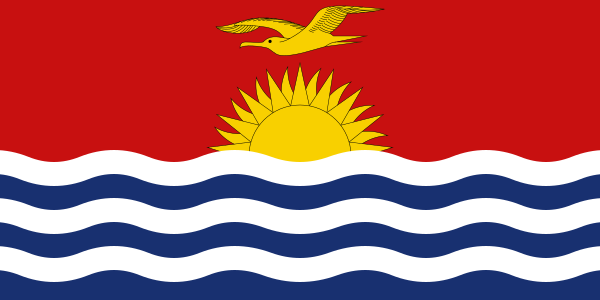 Kiribati
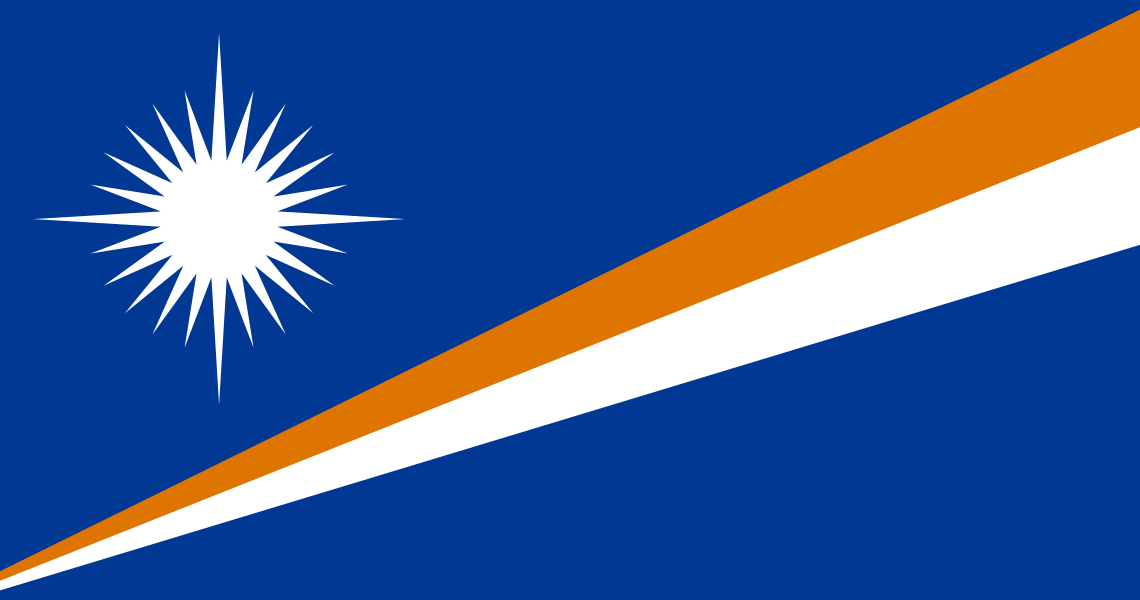 Marshall Islands
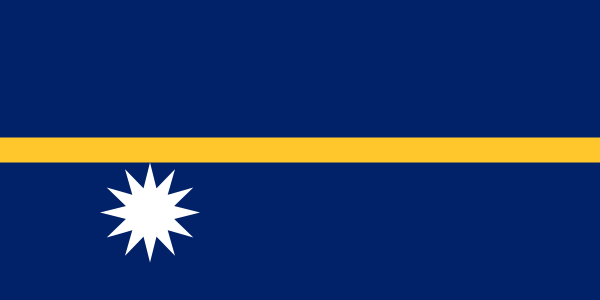 Nauru
What did you discover?
Sources and image credits
This English article draws on the institutional sources listed below. Figures and memberships retain their stated reference dates.
Source record: 2 November 2026. A translation does not change the reference date of a figure or membership list.
- github.com/factbook/factbook.json/blob/144d6977b2b01ac1cbd220de754c0a005616760b/australia-oceania/tv.json
- data.worldbank.org/indicator/SP.POP.TOTL
- pacific.un.org/en/about/tuvalu
- github.com/mledoze/countries