Italy Flag, Capital and Country Facts
Italy stretches from the Alps via the Apennine Peninsula to the great Mediterranean islands of Sicily and Sardinia. The capital Rome is located on the Tiber. Ancient cities, medieval communities and the comparatively late national unification characterize different historical levels. The green-white-red tricolor is easily recognizable if the direction and color of its stripes are closely observed.
Test your knowledge →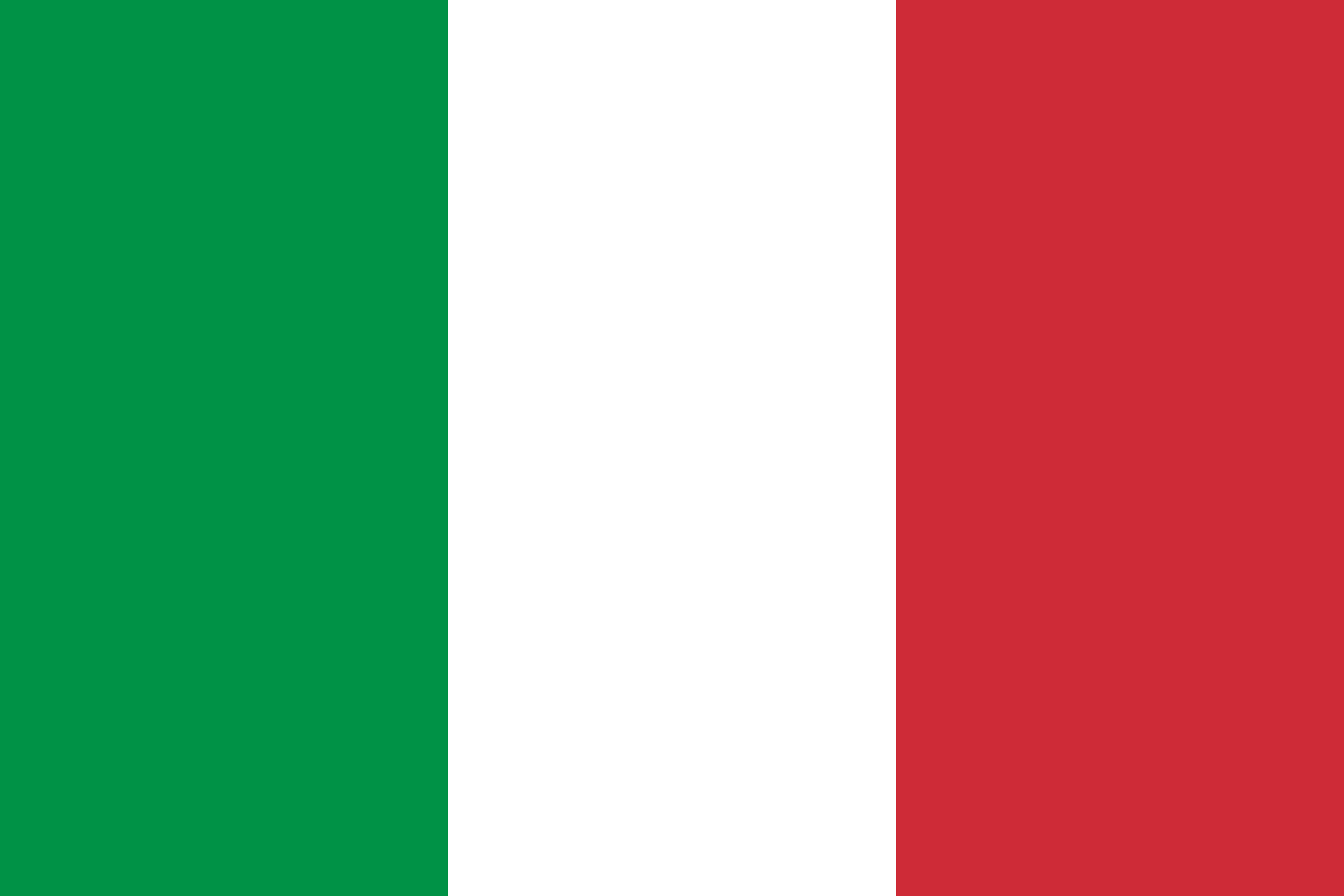
Italy at a glance
- Capital
- Rome
- Quiz continent
- Europe
- Languages in reference record
- Italian; regional among others German, French and Slovenian
- Currency
- Euro (EUR)
- Population
- 58,915,656 (2025, World Bank)
- Area
- 301,336 km²
- Coastal setting
- Not landlocked
- ISO codes
- IT / ITA
- Internet country suffix
- .it
- Capital since
- Rome since 1871
- Large river in the north
- Pom
- River through Rome
- Tiber
- Large islands
- Sicily and Sardinia
- National holiday
- 2 June
- Mountain range of the peninsula
- apennine
Italy Flag: Design, Meaning and History
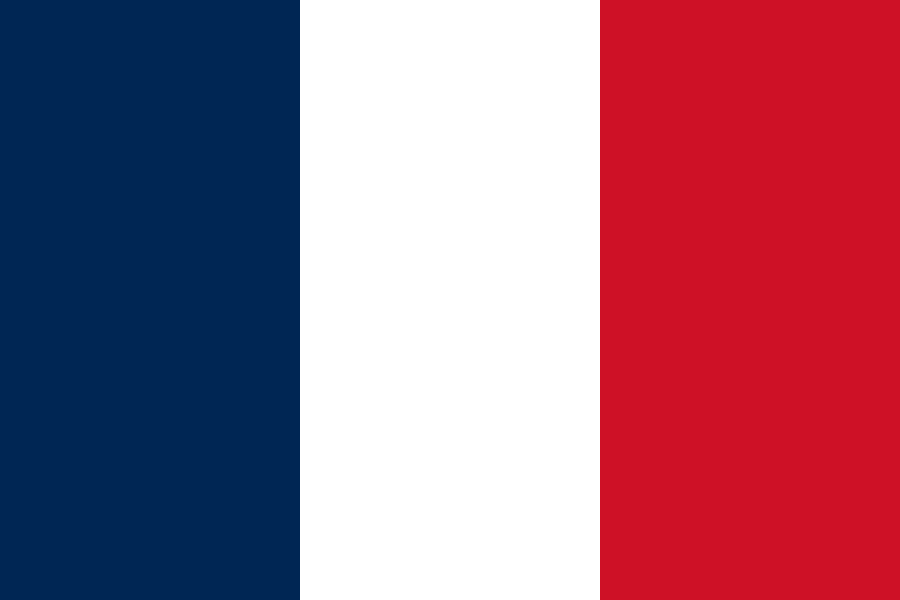
The flag shows three equally wide vertical stripes in green, white and red. Green is on the hoist side. In this national flag there is no coat of arms and no crown. From France, the green rather than blue first stripe distinguishes it; from Ireland the red rather than orange last stripe.
The Italian tricolor originated in the surroundings of the Napoleonic period at the end of the 18th century. Their design was influenced by the French tricolor; red and white were associated with Milan, green with local civic guards. Later poetic colour explanations are not to be equated with a uniform original official symbolism. The simple present form belongs to the republican state history.
Capital: Rome
Rome is located in the region of Lazio on the Tiber and has been the capital of the united Italian state since 1871. Previously, Turin and Florence had fulfilled this task. The current role of the capital is therefore much younger than the ancient history of Rome as the center of the republic and the Roman Empire.
Within the city area lies the sovereign state of Vatican City. He does not belong politically to Italy, although the urban environment is closely connected. The UNESCO World Heritage Site of historic Rome includes ancient monuments as well as church and papal buildings. The distinction between the Italian capital and the independent Vatican state is therefore important for political and cultural geography.
Practise this capital →Italy: Geography, History and Culture
The Alps form a high mountain arch in the north. The Apennines stretches as a backbone over the peninsula and divides its landscapes. In the north is also the wide Po plain, which plays a different role for agriculture, industry and settlement than the steep mountain areas. The shape of the “boot” is only the first, very rough orientation.
Sicily and Sardinia are the largest Italian islands. Active volcanoes such as Etna and Stromboli show that the Mediterranean is geologically dynamic. The climatic differences between the Alps, Po plain and southern coasts are considerable. A description of Italy alone as a warm Mediterranean country would hide high mountains and winter conditions in the north.
The national unification of the 19th century connected areas with long independent traditions. In addition to Italian, there are regional languages and protected minority languages; German in South Tyrol is a well-known example. Ancient monuments and cities of art explain part of the cultural heritage, while agriculture, port traffic and industry have a say in today's spatial structure. Historical diversity and modern interdependence therefore belong together.
Rome as World Heritage Site
The historic city centre has been on the UNESCO World Heritage List since 1980. Forum, Pantheon and papal buildings show very different phases of the same city history.
Independent Vatican
Vatican City is a sovereign state within Rome. The Italian capital thus completely surrounds another state.
Volcanic island world
Etna is located in Sicily, Stromboli on a smaller island north of it. The islands differ in both their size and their volcanic shape.
Explore neighbouring and related places
 AustriaVienna
 FranceParis
 San MarinoSan Marino
 SloveniaLjubljana
 SwitzerlandBern
 Vatican CityVatican City
Cities and regions in this country
 Rome
 Florence
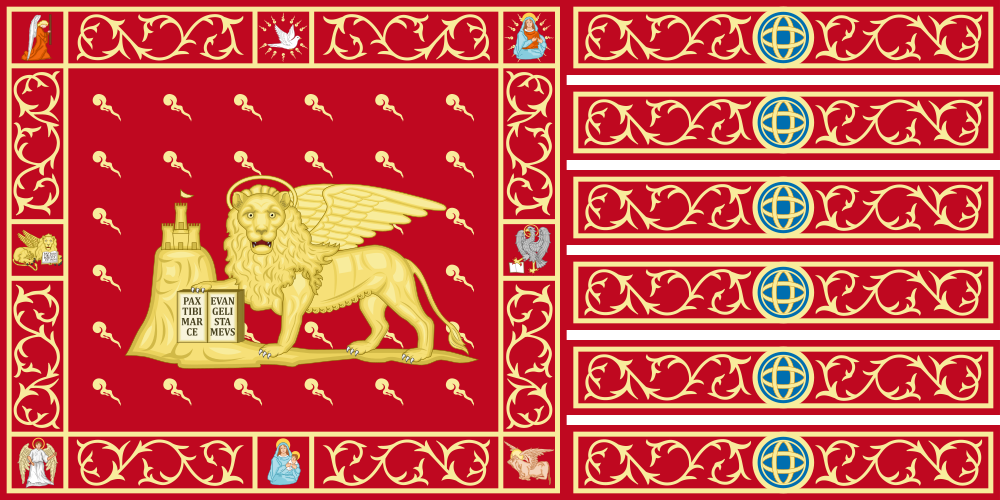 Venice
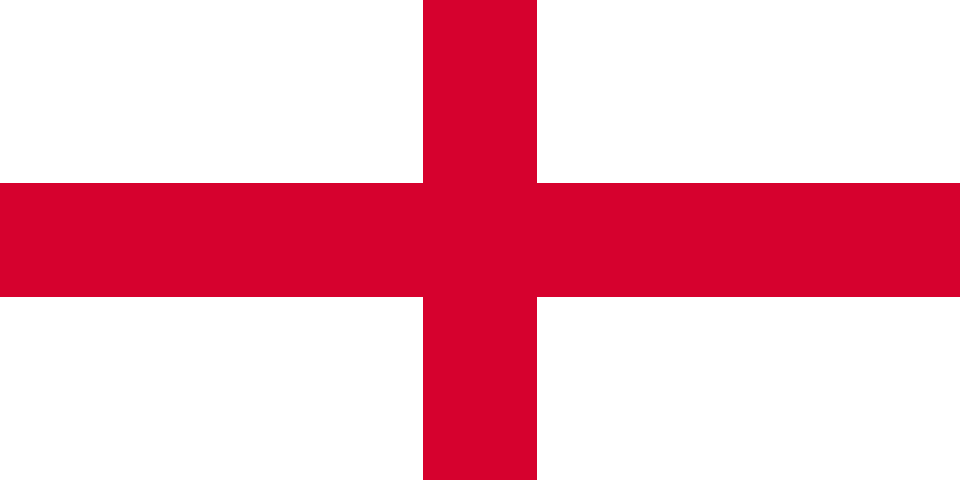 Milan
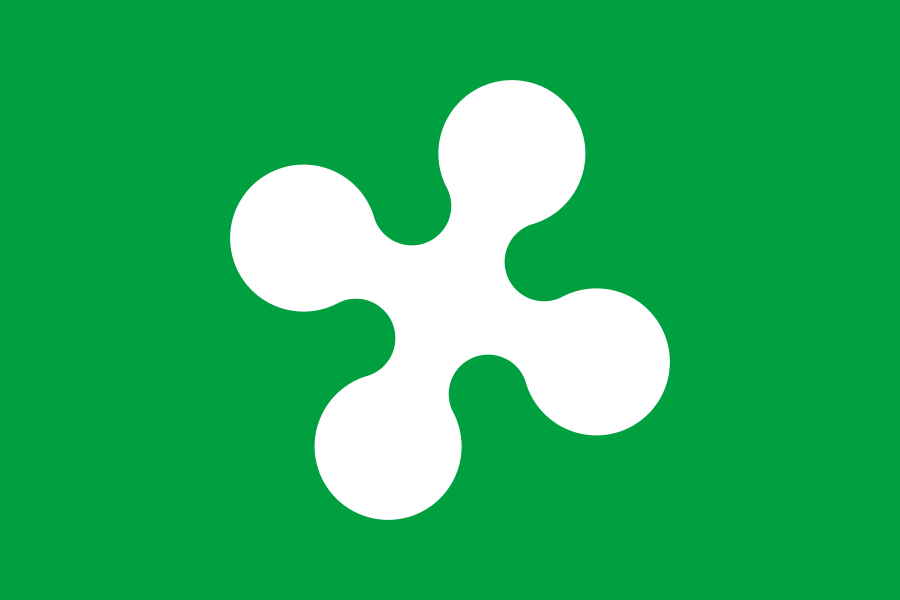 Lombardy
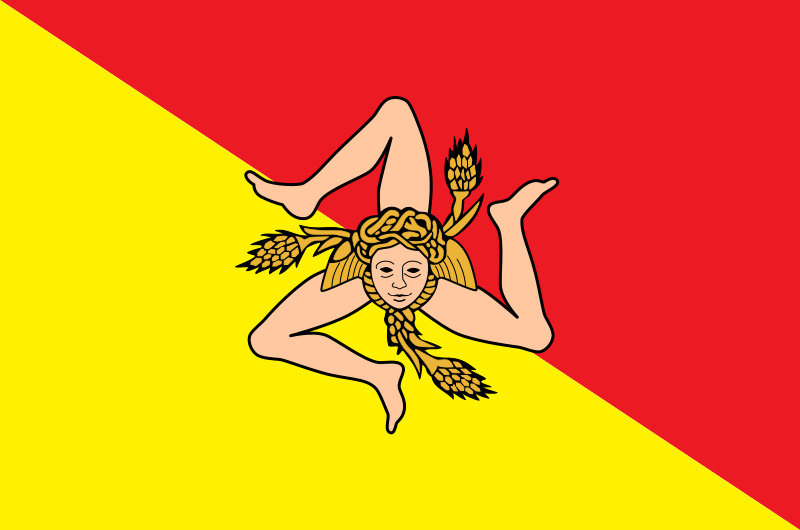 Sicily
What did you discover?
Sources and image credits
This English article draws on the institutional sources listed below. Figures and memberships retain their stated reference dates.
Source record: 2 November 2026. A translation does not change the reference date of a figure or membership list.
- github.com/factbook/factbook.json/blob/144d6977b2b01ac1cbd220de754c0a005616760b/europe/it.json
- data.worldbank.org/indicator/SP.POP.TOTL
- whc.unesco.org/en/list/91
- github.com/mledoze/countries