European Union: Flag, History and Membership
Twelve golden stars form a closed circle on a blue background: the European flag is both a symbol of the European Union and a broader sign of European togetherness. Their stars do not count Member States. It is precisely this fixed number that makes the draft permanently comprehensible, although the composition of the participating organizations has changed over the decades and can continue to change.
Test your knowledge →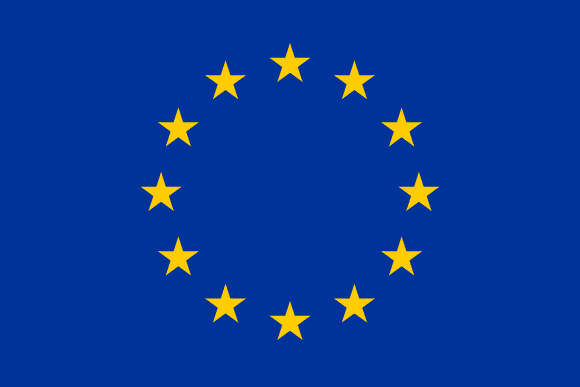
Key facts and distinctions
- Article focus
- International organisation
- Membership record
- 1 November 2026
- Linked country entries
- 27
- List definition
- Country subset of the supplied member record
- Primary colour
- Blue
- Starlings
- Twelve golden five-pointed stars
- Arrangement
- Circle with uniformly distributed stars
- Symbolic values
- Unity, solidarity and harmony
- First adoption
- Council of Europe, 9 December 1955
- Takeover by communities
- Resolution in June 1985; institutional use since 1986
- EU Member States
- 27; tested on 1 November 2026
- Star Number and Membership
- Twelve remains independent of extensions
Why the twelve stars remain unchanged
The stars are regularly arranged around an empty midpoint. All appear equal in size; no one occupies the middle or dominates the others. Officially, they stand for unity, solidarity and harmony between the peoples of Europe. The circle makes of twelve individual signs a common picture. A lettering or a map completely dispenses with the design.
The number twelve is explained as a sign of perfection and constancy. It does not correspond to the current membership of the EU nor to a continuous count of its enlargements. Therefore, accession does not require an additional star tip or a new star. For flag learning, this independence is especially important: stars can express an idea without representing individual countries.
First Council of Europe, then European Communities
The draft was first adopted by the Council of Europe, an independent international human rights organisation. Its Committee of Ministers adopted the flag on 9 December 1955; its official presentation followed a few days later in Paris. The European Union in its present form did not exist at that time. It would therefore be inaccurate to describe the flag simply as an invention of an EU institution.
The European Parliament supported the takeover in 1983. In June 1985, the Heads of State and Government of the European Communities agreed. Since 1986, their institutions have used the symbol. The sequence shows how an already introduced sign can acquire another institutional meaning. Today, the same circle of stars connects two organizations, whose tasks and membership circles must nevertheless be distinguished.
27 Member States and several European Spaces
The reviewed EU list comprises a total of 27 Member States as of 1 November 2026. The flag marks this Union, but its symbolism goes beyond a mere list of members. Anyone who sees them on a funded project, in front of a public building or at a European event should therefore pay attention to the respective context. The cloth alone does not explain the exact legal relationship of the place to the EU.
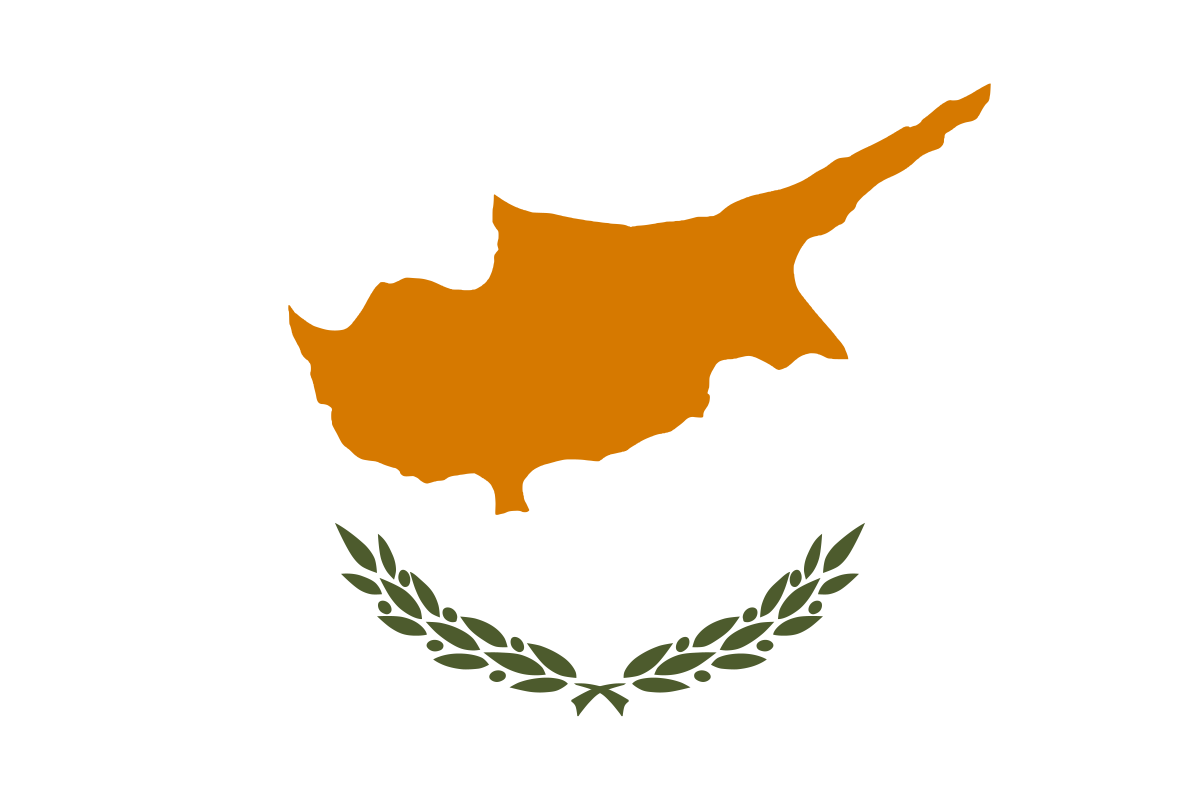
Europe as a geographical term, the EU and the Council of Europe are different categories. The use of the euro is also a question of its own. For this quiz, Cyprus belongs to the Asian collection, although it is an EU member. This is a sorting of learning by continental groups and does not contradict political membership. Geographical collections and institutional assignments answer various questions.
Details Worth Remembering
A Star Circle for Two Organizations
The Council of Europe and the EU use the same basic sign. However, their common flag does not make them a single institution. The history of the draft is therefore a good start to distinguish European cooperation more precisely: a symbol can carry a common idea, while organisations retain different responsibilities.
A flag without a language border
The draft requires neither abbreviation nor advertised names. As a result, it remains recognizable across different languages. This is a visual property of the image, not an additional legal significance of the stars. For embossing, the primary color, star color and circular form are sufficient as three interconnected features.
From the building to the bill
The official explanations show the flag in very different contexts, for example in institutions, funded projects and on euro banknotes. Just the frequent encounter can lead to the wrong assumption, all these uses denoted the same group of members. The concrete context remains crucial for understanding.
The illustrated signs and variants
Countries in the supplied learning record
These links cover countries represented in this site’s country database. Any territories, regional governments, observer categories or participation qualifications are discussed above. Counts are not interchangeable.
 AustriaVienna
 BelgiumBrussels
 BulgariaSofia
 CyprusNicosia
 CzechiaPrague
 GermanyBerlin
 DenmarkCopenhagen
 EstoniaTallinn
 SpainMadrid
 FinlandHelsinki
 FranceParis
 GreeceAthens
 CroatiaZagreb
 HungaryBudapest
 IrelandDublin
 ItalyRome
 LithuaniaVilnius
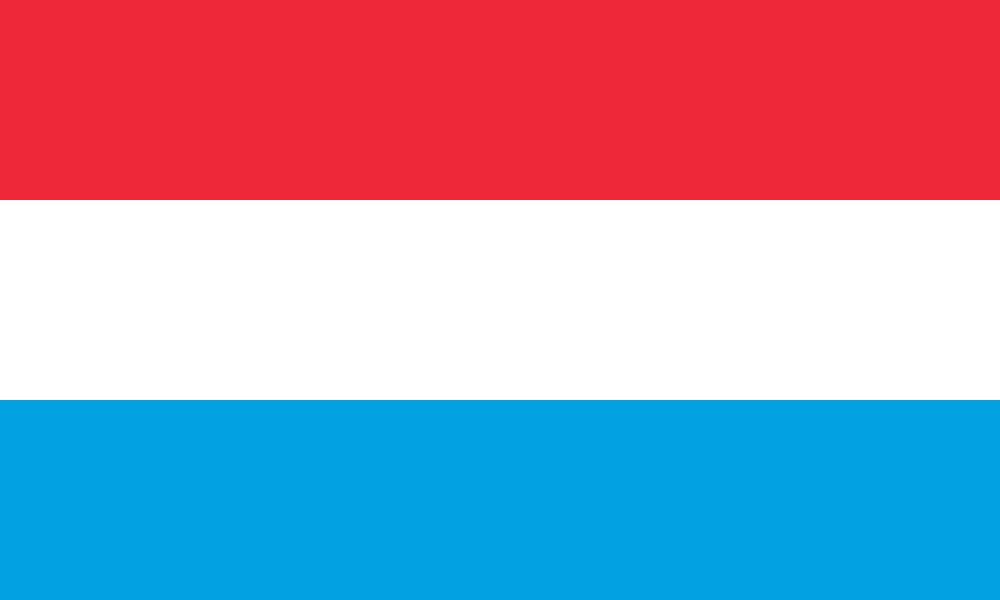 LuxembourgLuxembourg City
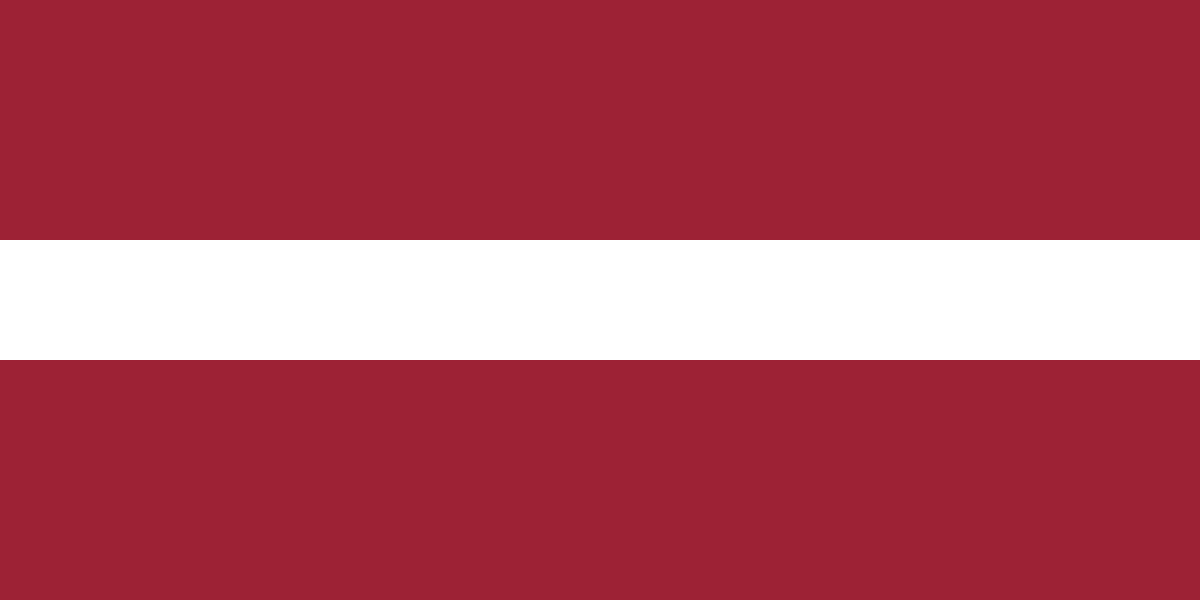 LatviaRiga
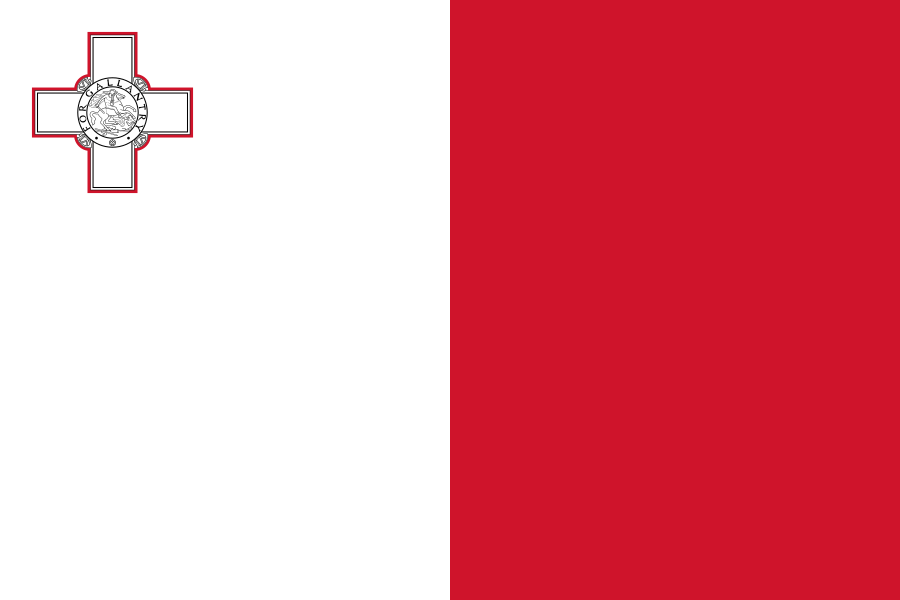 MaltaValletta
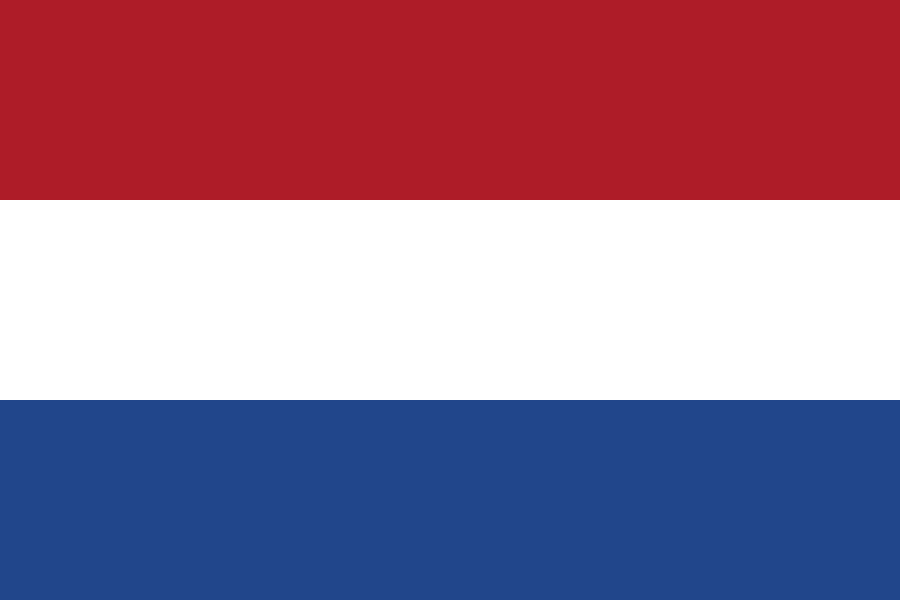 NetherlandsAmsterdam
 PolandWarsaw
 PortugalLisbon
 RomaniaBucharest
 SwedenStockholm
 SloveniaLjubljana
 SlovakiaBratislava
Continue exploring
 United Nations
 NATO
 Commonwealth of Nations
 African Union
 Arab League
 ASEAN
What did you discover?
Take this flag into the quiz
Sources and image credits
This English article draws on the institutional sources listed below. Figures and memberships retain their stated reference dates.
Source record: 2 November 2026. A translation does not change the reference date of a figure or membership list.
- european-union.europa.eu/principles-countries-history/symbols/european-flag_en
- coe.int/en/web/about-us/the-european-flag
- european-union.europa.eu/principles-countries-history/eu-countries_en
- consilium.europa.eu/en/policies/eu-flag/