ASEAN: Flag, History and Membership
A bunch of golden rice ears is at the heart of the ASEAN flag. The ears lie in a red circle with a white border on blue cloth. The agricultural motif refers to connectedness in Southeast Asia. Since the accession of Timor-Leste in 2025, ASEAN has had eleven members; the still displayed earmark must therefore not be read as an up-to-date, easily countable list of members.
Test your knowledge →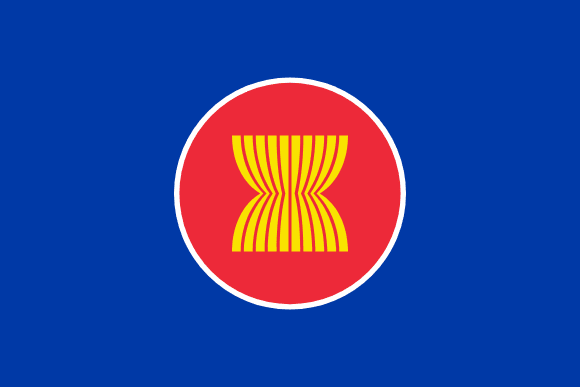
Key facts and distinctions
- Article focus
- International organisation
- Membership record
- 1 November 2026
- Linked country entries
- 11
- List definition
- Country subset of the supplied member record
- Establishment
- 8 August 1967, Bangkok
- Founding Members
- Indonesia, Malaysia, Philippines, Singapore, Thailand
- Secretariat
- Jakarta, Indonesia
- Charter in force
- 15 December 2008
- Members
- Eleven; tested on 1 November 2026
- Timor-Leste accession
- 26 October 2025
- Emblem
- Golden stylized rice ears in the red circle
- Official interpretation of the circle
- Unity of ASEAN
Rice earlies combine colors with a community idea
The flag combines blue, red, white and yellow. According to the official explanation, blue stands for peace and stability, red for courage and dynamism, white for purity and yellow for prosperity. The choice of colours also takes up main colours that appear in the flags of the members. The red circle clearly distinguishes the yellow bundle of ears from the blue background.
The bound rice earlies illustrate friendship and solidarity between the countries of Southeast Asia. The circle is for unity. The figure shows the previous sign with ten stalks. The Cebu Protocol, signed on 8 May 2026, provides for a new emblem with eleven blades. On the test bench 2 November 2026, the protocol in the official register of contracts is still not in force; therefore, the previous presentation remains here. Before an exchange, the then applicable status of the contract must be checked.
From five founders to a legally qualified community
ASEAN was founded in Bangkok on 8 August 1967. Indonesia, Malaysia, the Philippines, Singapore and Thailand signed the Bangkok Declaration. In the following decades, other states were added. The emergence from a smaller circle explains why the present community consists of different phases of accession and was not created in a single day with its entire future membership.
The ASEAN Charter entered into force on 15 December 2008. It gave the cooperation a more binding institutional framework and confirmed its legal personality. The Secretariat is located in Jakarta. The Community includes a political-security, economic and socio-cultural area. These three pillars show that the alliance cannot be reduced to trade or summits alone.
Timor-Leste has been a full member since 2025
On 26 October 2025, Timor-Leste was accepted as the eleventh member. The move followed an application from 2011, the basic approval in 2022 and a roadmap for full membership in 2023. The former observer status thus describes a completed precursor. For a current quiz question, it would be wrong to continue to treat Timor-Leste only as an observer or a candidate.
Myanmar remains a member despite restrictions on its political representation at high-level meetings. Such restrictions must be distinguished from a formal withdrawal. Likewise, external dialogue partners do not automatically belong to the member group. The official ASEAN overview is therefore the reference point for country issues. The institutional status will be considered here on 1 November 2026, so that older lists of tens do not appear unnoticed as current.
Details Worth Remembering
Eleven countries and ten stalks
The figure shows ten rice ears, although ASEAN has had eleven members since 2025. The Cebu Protocol of May 2026 provides for the adjustment to eleven blades. Membership and the entry into force of an amended flag regulation are different steps. The presentation documented here refers to the test bench of 2 November 2026.
Rice as a Unifying Image
The bundle of grains conveys the idea of individual parts that are held together. This makes it a vivid image of solidarity. Unlike a map, it does not draw borders. On recognition, the slender yellow stalks and the red circular surface stand out as a common unit.
Three pillars of cooperation
Security policy, business and societal-cultural cooperation are different areas of responsibility. This structure explains why ASEAN appears at political meetings as well as educational or economic issues. A common emblem links the divisions without cancelling their respective tasks or the national responsibilities of the members.
The illustrated signs and variants
Countries in the supplied learning record
These links cover countries represented in this site’s country database. Any territories, regional governments, observer categories or participation qualifications are discussed above. Counts are not interchangeable.
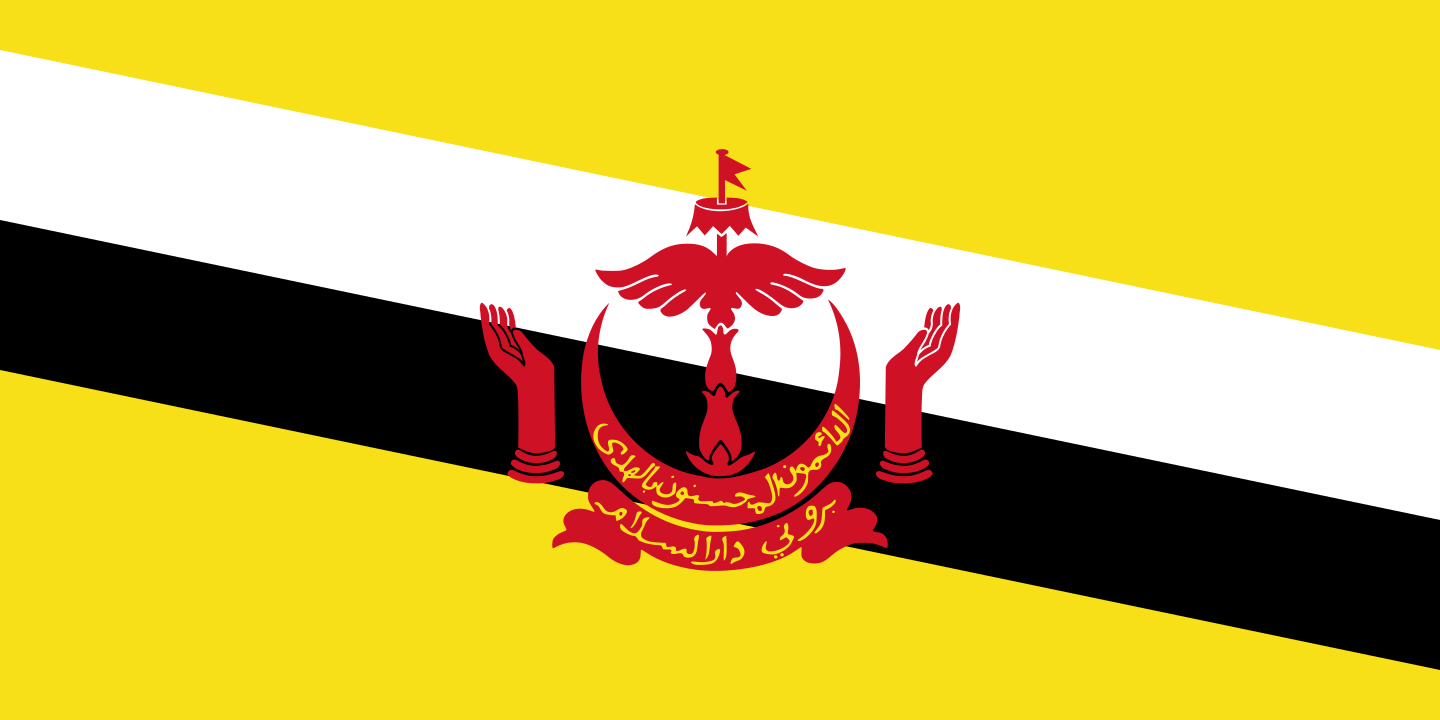 Brunei
 Indonesia
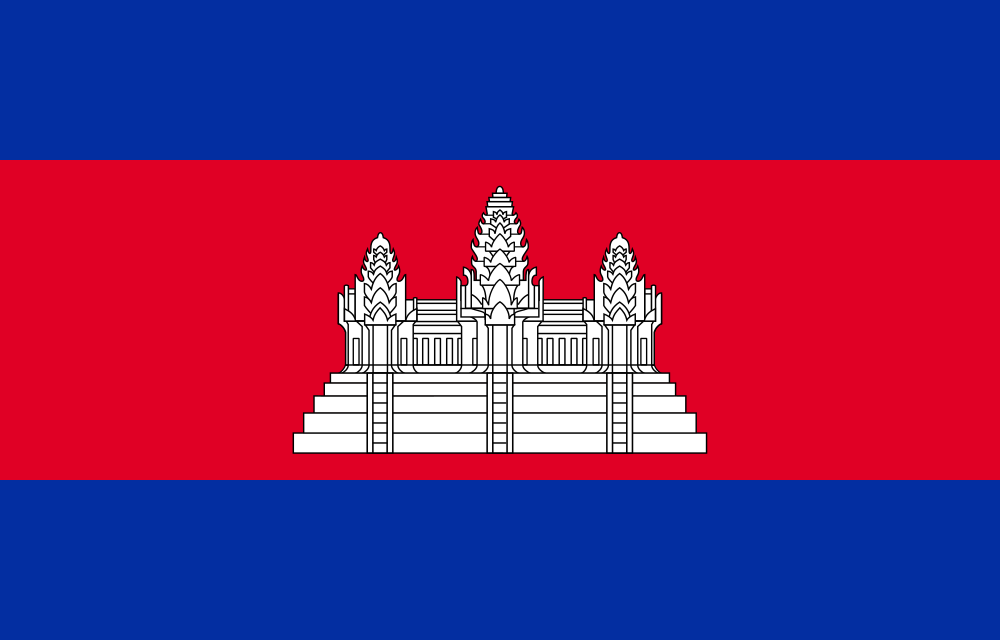 Cambodia
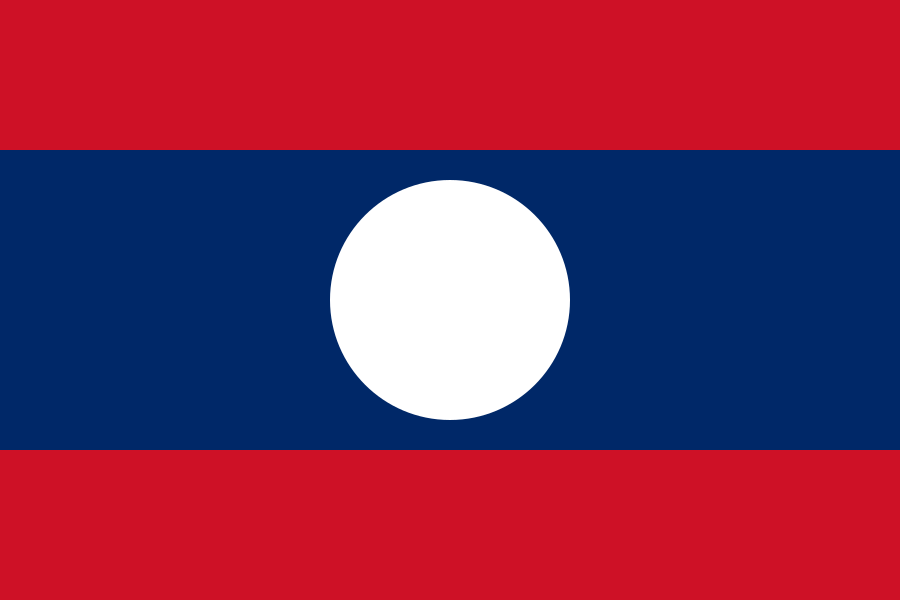 Laos
 Myanmar (Burma)
 Malaysia
 Philippines
 Singapore
 Thailand
 Timor-Leste
 Vietnam
Continue exploring
 United Nations
 European Union
 NATO
 Commonwealth of Nations
 African Union
 Arab League
What did you discover?
Take this flag into the quiz
Sources and image credits
This English article draws on the institutional sources listed below. Figures and memberships retain their stated reference dates.
Source record: 2 November 2026. A translation does not change the reference date of a figure or membership list.
- asean.org/asean-flag/
- asean.org/
- asean.org/forging-a-new-era-timor-leste-admitted-into-asean/
- asean.org/book/the-asean-charter-31st-reprint/
- mfa.gov.sg/newsroom/press-statements-transcripts-and-photos/minister-for-foreign-affairs-dr-vivian-balakrishnan-s-written-reply-to-parliamentary-question--12-february-2026/
- agreement.asean.org/media/download/20260519040932.pdf
- agreement.asean.org/agreement/detail/407.html