France Flag, Capital and Country Facts
In addition to its European heartland, France also has territories in other regions of the world. The Atlantic coast, the Mediterranean, the Alps and the Pyrenees characterise different landscapes. Paris is the capital and historical center on the Seine. The blue-white-red tricolor is one of the most famous flag patterns and refers to the French Revolution, whose political and symbolic impact extended far beyond the country.
Test your knowledge →
France at a glance
- Capital
- Paris
- Quiz continent
- Europe
- Languages in reference record
- French; regional and overseas languages
- Currency
- Euro (EUR)
- Population
- 68,720,337 (2025, World Bank)
- Area
- 551,695 km²
- Coastal setting
- Not landlocked
- ISO codes
- FR / FRA
- Internet country suffix
- .fr
- National holiday
- 14 July
- Constitution of the Fifth Republic
- 1958
- River through Paris
- Its
- Long river in the heartland
- Loire
- Southern Border Mountains
- Pyrenees
- Overseas Territory in South America
- French Guiana
France Flag: Design, Meaning and History
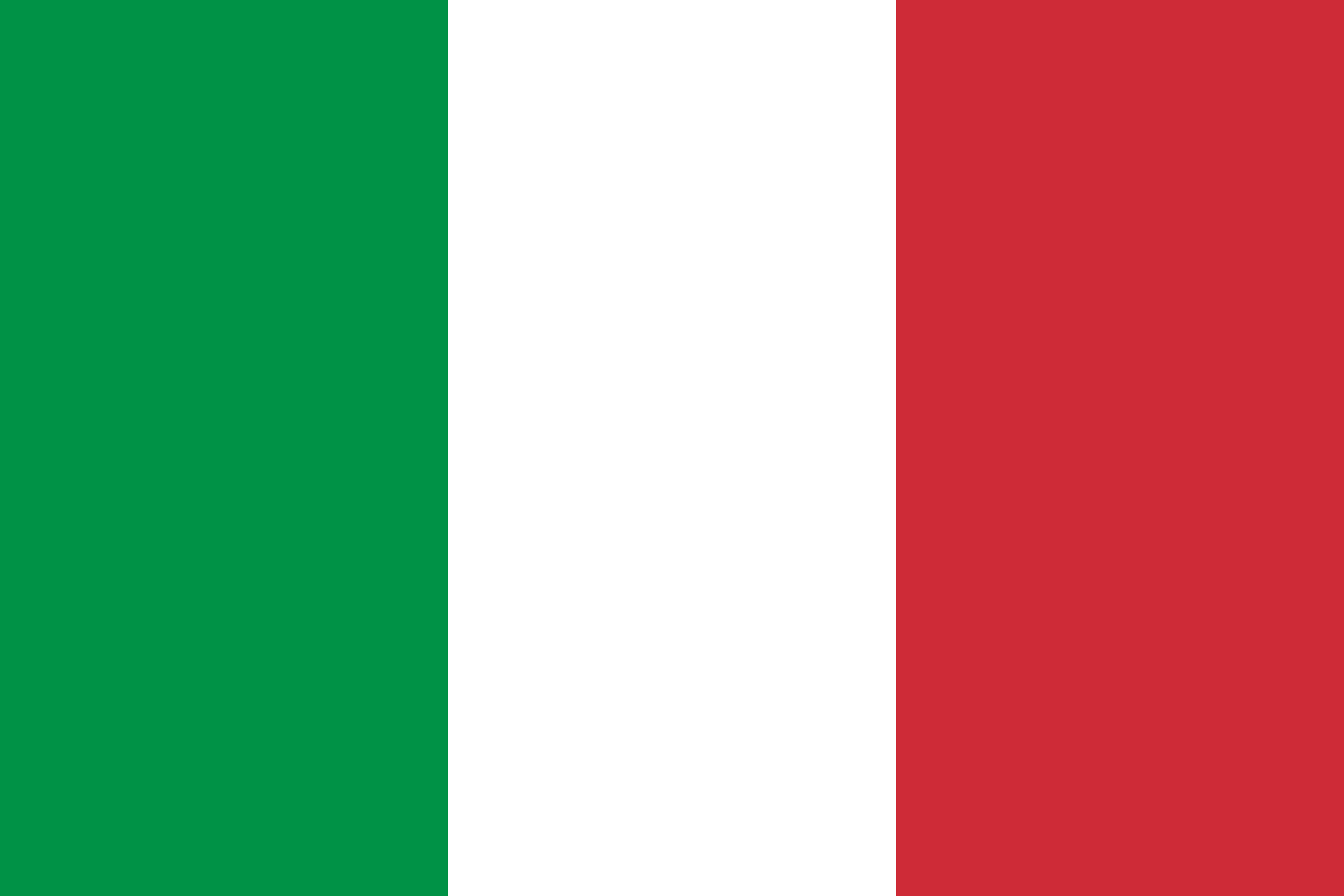
The French flag shows three equally wide vertical stripes in blue, white and red. Blue is on the mast, red on the fly edge. There are neither coats of arms nor stars or writing. The order distinguishes them from the Italian tricolor, for example, which has a green stripe instead of the blue one.
The tricolor was created during the French Revolution. Blue and red were associated with Paris and combined with white. The present order was established in 1794; earlier revolutionary flags had other arrangements. The popular assignment of the three stripes to liberty, equality and fraternity is not a precise explanation of the original origin of each shade.
Capital: Paris
Paris is located in the north of European France on the Seine. The city developed around river crossings and islands and became a center of royal and later republican power for centuries. Its role as a capital is associated with a strong concentration of administration, culture and transport routes, although other regions have their own significant centers.
The Seine banks with numerous buildings are part of the UNESCO World Heritage site. Notre-Dame, Louvre, historic bridges and other monuments document different eras within a contiguous river space. This is an example of the fact that a World Heritage area does not have to include only one single building: relationships between buildings, banks and urban spaces are also worth protecting.
Practise this capital →France: Geography, History and Culture
The heartland of Europe extends from the English Channel and the Atlantic to the Mediterranean. In the east are the Alps, in the southwest the Pyrenees; in between, river basins and other middle mountains divide the landscape. The Loire flows to the Atlantic, the Rhône to the Mediterranean. The watersheds therefore help to understand the natural structure and earlier transport links.
French is the official language, but regional languages such as Breton, Basque, Corsican and Occitan are also part of linguistic history. In overseas territories, other languages and Creole languages are added. The frequent representation of the country as a European hexagon is therefore a practical reminder for the heartland, but does not represent the entire territory.
The current institutions of the Fifth Republic date back to the 1958 Constitution. The national holiday on 14 July commemorates central events of the revolutionary period. For geographical figures, the spatial definition is important: data only for European France differ from data including overseas territories. Even time zones and climate descriptions can therefore not be transferred from the Paris location to all parts of the country.
City history on the river
UNESCO protects the banks of Paris as an ensemble. The area connects medieval churches, royal complexes and younger monuments along the same water axis.
Two large mountain barriers
The Alps and the Pyrenees characterise different border areas. Mont Blanc is a striking alpine summit; its snow peak height changes with the measurement conditions.
France outside Europe
French Guiana is located in South America, other parts of the country in other ocean regions. This geography extends the view beyond the familiar map of Western Europe.
Explore neighbouring and related places
 Andorra
 Belgium
 Germany
 Italy
 Luxembourg
 Monaco
Cities and regions in this country
 Paris
 Lyon
 Marseille
What did you discover?
Sources and image credits
This English article draws on the institutional sources listed below. Figures and memberships retain their stated reference dates.
Source record: 2 November 2026. A translation does not change the reference date of a figure or membership list.
- github.com/factbook/factbook.json/blob/144d6977b2b01ac1cbd220de754c0a005616760b/europe/fr.json
- data.worldbank.org/indicator/SP.POP.TOTL
- whc.unesco.org/en/list/600
- github.com/mledoze/countries