United States Flag, Capital and Country Facts
The United States of America includes the contiguous main part of North America, as well as Alaska and the archipelago of Hawaii. Washington, D.C. is the capital, New York the largest well-known metropolis. Between the Atlantic and the Pacific lie plains, high mountains and deserts; Alaska and Hawaii expand the country by completely different climate and landscape areas.
Test your knowledge →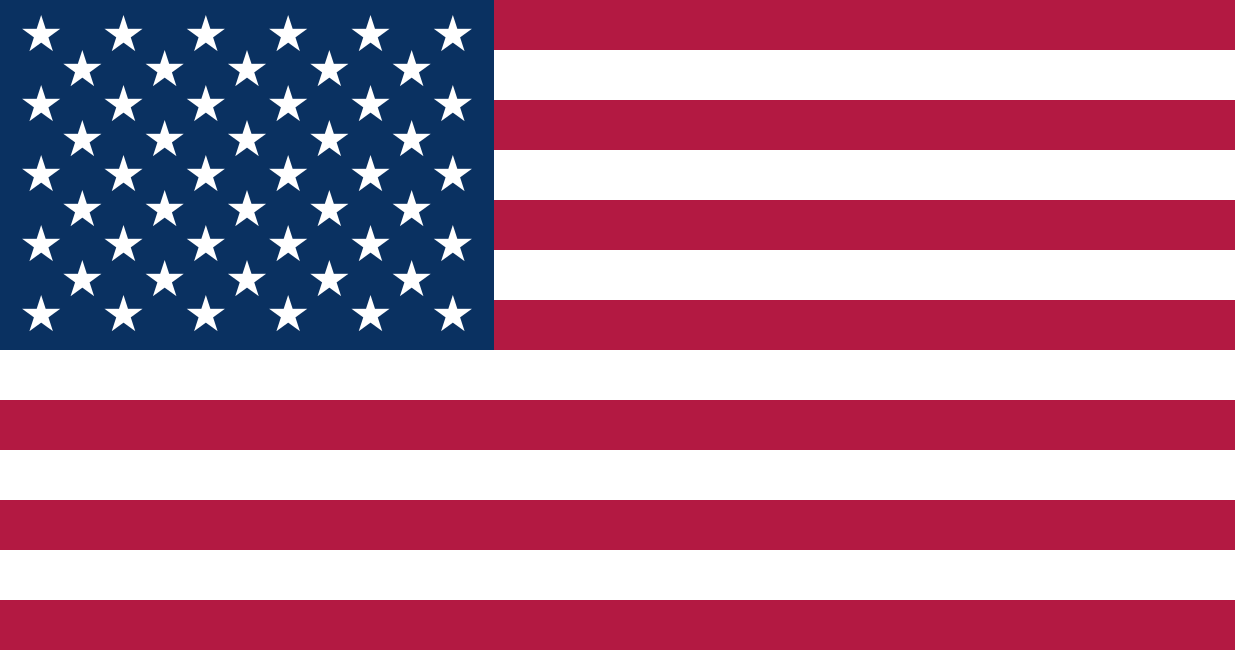
United States at a glance
- Capital
- Washington, D.C.
- Quiz continent
- North America
- Languages in reference record
- English (determined as the official language at federal level since March 2025); also Spanish and many other languages
- Currency
- US dollar (USD)
- Population
- 341,784,857 (2025, World Bank)
- Area
- 9,372,610 km²
- Coastal setting
- Not landlocked
- ISO codes
- US / USA
- Internet country suffix
- .us
- States
- 50
- Federal District
- District of Columbia
- Independence Day
- 4 July
- Capital river
- Potomac
- Northwestern Separated State
- Alaska
- Pacific island nation
- Hawaii
United States Flag: Design, Meaning and History
The flag has thirteen horizontal stripes, alternating red and white, with red at the top and bottom. On the top left is a blue rectangle with fifty white stars. The stars are arranged in staggered rows. Stripe count and star count represent different historical levels and should not be confused with each other.
The thirteen stripes are reminiscent of the original colonies, the fifty stars stand for today's federal states. The motif was therefore adapted several times in the course of state history, when other states were added. Today’s star count does not describe the number of continents nor the number of original colonies; it explicitly refers to the Federation.
Capital: Washington, D.C.
Washington, D.C. is located on the Potomac and belongs to the District of Columbia. This federal district is not a federal state. In addition, the capital is to be distinguished from the state of Washington on the Pacific coast. The common name is reminiscent of George Washington, but denotes two spaces far apart with completely different political functions.
The construction of its own capital district separates the national center from belonging to a single state. New York was historically temporarily the seat of the federal government, but today it is not an alternative capital. Also economic importance or population do not change this assignment; for the quiz, the addition D.C. is a particularly helpful distinguishing feature.
Practise this capital →United States: Geography, History and Culture
In the east are the Appalachians, in the middle wide plains and in the west the Rocky Mountains as well as other mountains and basin landscapes. The contiguous states range between the Atlantic and the Pacific. Alaska lies northwest, separated from the main area by Canada; Hawaii is a volcanic island group far out in the Pacific Ocean.
The climate ranges from Arctic conditions in parts of Alaska to tropical areas in Hawaii and southern Florida. Deserts in the southwest and wetter regions in the east complement this span. The large extent explains why a single temperature or landscape indication could characterize the land only very incompletely.
UNESCO runs Grand Canyon, Yellowstone, Mesa Verde and Independence Hall. Natural heritage and cultural sites show different sides of the country’s history, including indigenous societies before European colonization. In March 2025, English was designated by presidential decree as the official language at federal level. Spanish, indigenous languages and numerous immigration languages are nevertheless part of the diverse language landscape.
District and State
Washington, D.C. is located on the east side of the country, the state of Washington in the northwest. The addition D.C. stands for District of Columbia and prevents confusion. A capital city name can therefore at the same time designate a completely different area elsewhere.
Grand Canyon
The UNESCO Natural Site opens up a deeply cut landscape of Colorado. Their importance also lies in the visible geological layers. It is thus a different type of natural heritage than Yellowstone with its geothermal phenomena or Hawaii with active volcanism.
Mesa Verde
The UNESCO site preserves buildings of former indigenous communities in the southwest. It reminds us that the history of today’s territory begins long before the independence of 1776. A modern national holiday therefore does not mark the beginning of all human history in this room.
Explore neighbouring and related places
 Canada
 Mexico
Cities and regions in this country
 New York City
 Chicago
 Washington, D.C.
 Los Angeles
 San Francisco
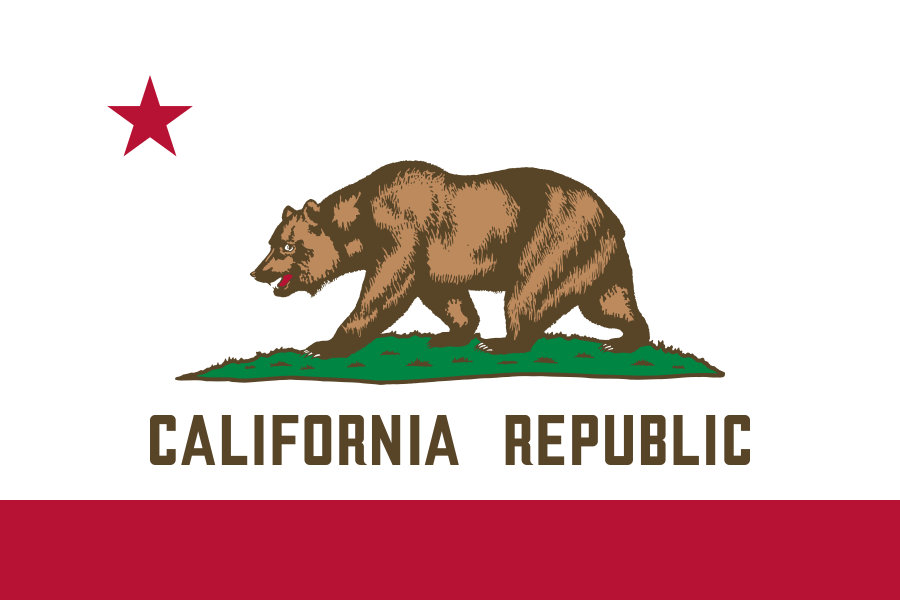 California
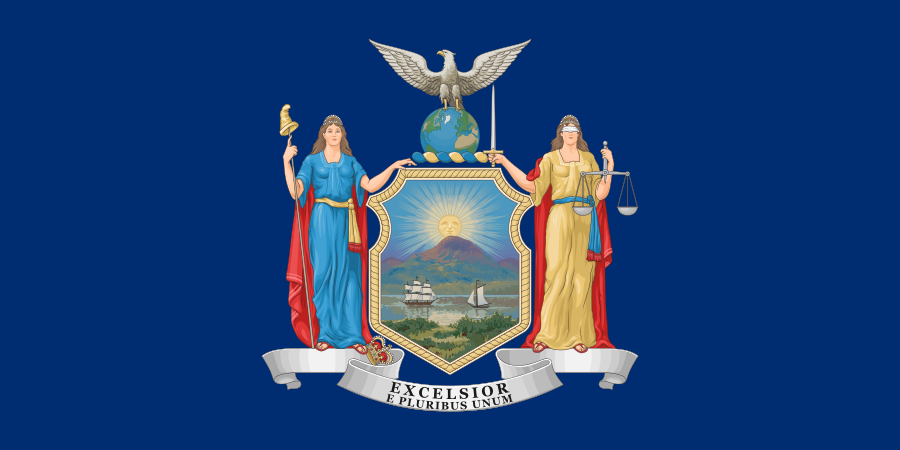 New York
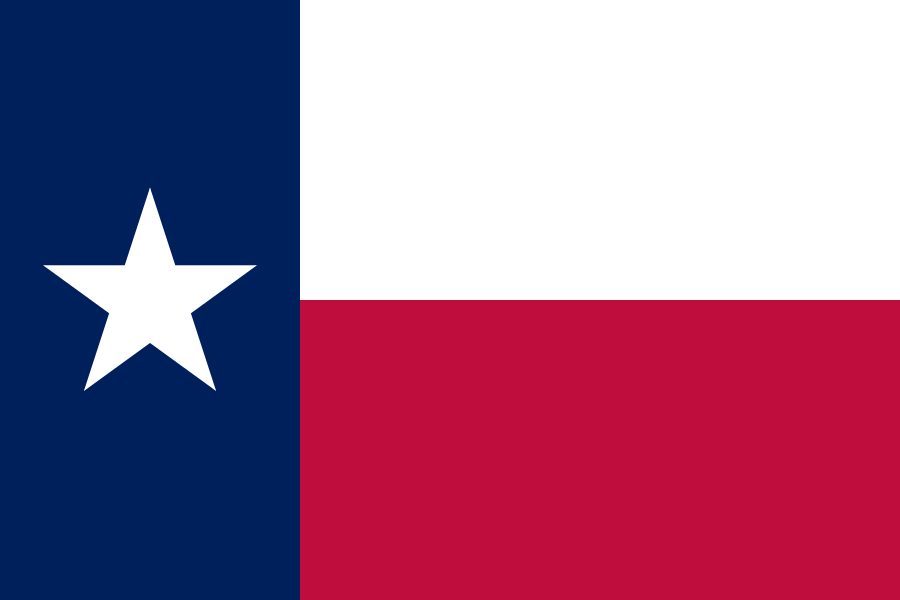 Texas
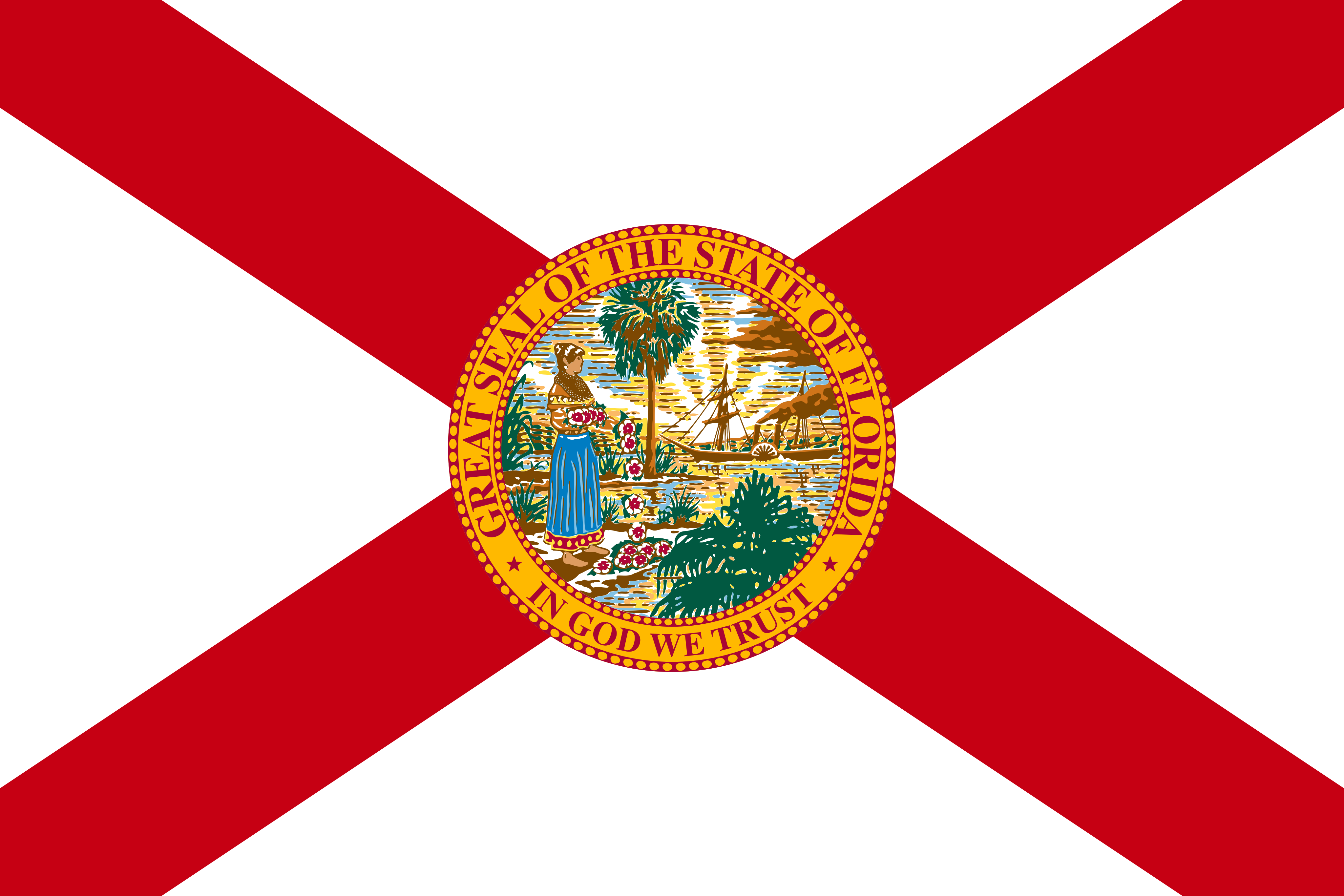 Florida
What did you discover?
Sources and image credits
This English article draws on the institutional sources listed below. Figures and memberships retain their stated reference dates.
Source record: 2 November 2026. A translation does not change the reference date of a figure or membership list.
- github.com/factbook/factbook.json/blob/144d6977b2b01ac1cbd220de754c0a005616760b/north-america/us.json
- data.worldbank.org/indicator/SP.POP.TOTL
- whc.unesco.org/en/statesparties/us/
- usa.gov/official-language-of-us
- github.com/mledoze/countries