NATO: Flag, History and Membership
The NATO flag shows a white compass rose on a dark blue background. A circle and four rectilinear extensions arrange the sign symmetrically. The motif refers to common orientation and the connection across the Atlantic. It belongs to a political and military alliance, whose members have committed themselves to mutual support and coordinate their decisions together.
Test your knowledge →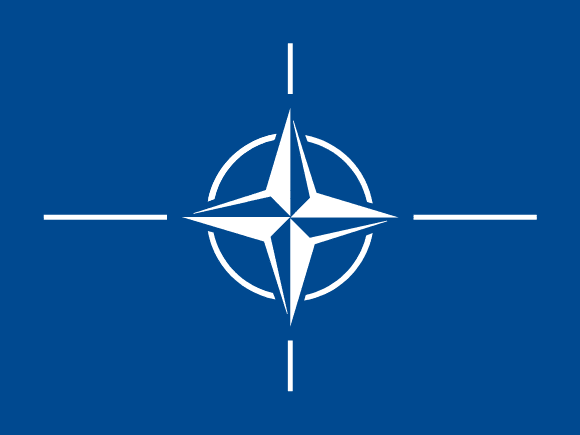
Key facts and distinctions
- Article focus
- International organisation
- Membership record
- 1 November 2026
- Linked country entries
- 32
- List definition
- Country subset of the supplied member record
- Establishment
- 1949
- Emblem publicly explained
- 28 October 1953
- Flag ceremony according to NATO
- 9 November 1953, Paris
- Central motive
- White four-pointed compass rose with circle
- Blue background
- Official reference to the Atlantic Ocean
- Members
- 32; tested on 1 November 2026
- Recently confirmed accession
- Sweden,7 March 2024
- Headquarters
- Brussels, Belgium
Compass rose, circle and Atlantic blue
The middle sign has four distinct tips. It resembles a compass rose and can thus be distinguished from an ordinary five-pointed star. The thin white circle binds the tips together; horizontal and vertical lines continue their directions outward. In the existing picture, the emblem stands free on the blue cloth, without country names or letters.
The official historical declaration combines the compass form with the path to peace, the circle with belonging and the blue with the Atlantic Ocean. These statements reflect the intended self-expression of the Alliance. They are not an evaluation of individual bets. When recognizing, the combination of four tips and circle helps more than the mere color.
An alliance of 1949 receives its sign in 1953
NATO was founded in 1949. Her current figurative mark was not created until a few years later. Different designs were examined before selection. A proposed sign with stars for the members at that time would have had to be adjusted for each expansion. The eventually chosen compass rose avoided such a permanent attachment to the number of states involved.
On 28 October 1953, the adoption of the emblem was publicly explained. NATO itself dates the solemn presentation of the flag at an exhibition on the Esplanade des Invalides in Paris on 9 November 1953. For questions about dates, keep the two events separate: 1949 marks the founding of the alliance, while 1953 marks the introduction of its still-familiar symbol.
32 Allies and a joint decision-making process
The official membership overview leads to the audited status 32 countries from Europe and North America. Finland joined on 4 April 2023, Sweden on 7 March 2024. These recent extensions did not change the compass flag. The number of its peaks is therefore not an indication of the size of the alliance. Partnerships with other states must also be distinguished from full membership.
The focus is on collective defence under Article 5 of the North Atlantic Treaty. An armed attack against a member is considered an attack against all; the allies provide support. Political advice and joint decisions are also part of the alliance. A NATO decision is based on consensus. The joint headquarters shall be located in Brussels, where the Member States are represented by national delegations.
Details Worth Remembering
Four tops do not count countries
The compass rose remained unchanged during the expansion to 32 allies. It is precisely this circumstance that shows the advantage of an abstract sign. A list of members is time-dependent, a common orientation can be expressed with the same image even after later accessions. For quizzes, picture and number of members must therefore be learned separately.
Partner or ally
NATO also cooperates with countries outside the Alliance. Such cooperation does not yet make a partner state a member of the North Atlantic Treaty. If full members are sought in the quiz, the official list of alliances counts. Participating in an exercise or in a political conversation is not enough for this.
A transatlantic link
The Atlantic Ocean separates the two major geographical sides of the alliance and at the same time connects them through joint security commitments. The blue background translates this space into a simple color. Together with the compass rose, a picture emerges that does not highlight either a specific border or an individual Member State.
The illustrated signs and variants
Countries in the supplied learning record
These links cover countries represented in this site’s country database. Any territories, regional governments, observer categories or participation qualifications are discussed above. Counts are not interchangeable.
 AlbaniaTirana
 BelgiumBrussels
 BulgariaSofia
 CanadaOttawa
 CzechiaPrague
 GermanyBerlin
 DenmarkCopenhagen
 EstoniaTallinn
 SpainMadrid
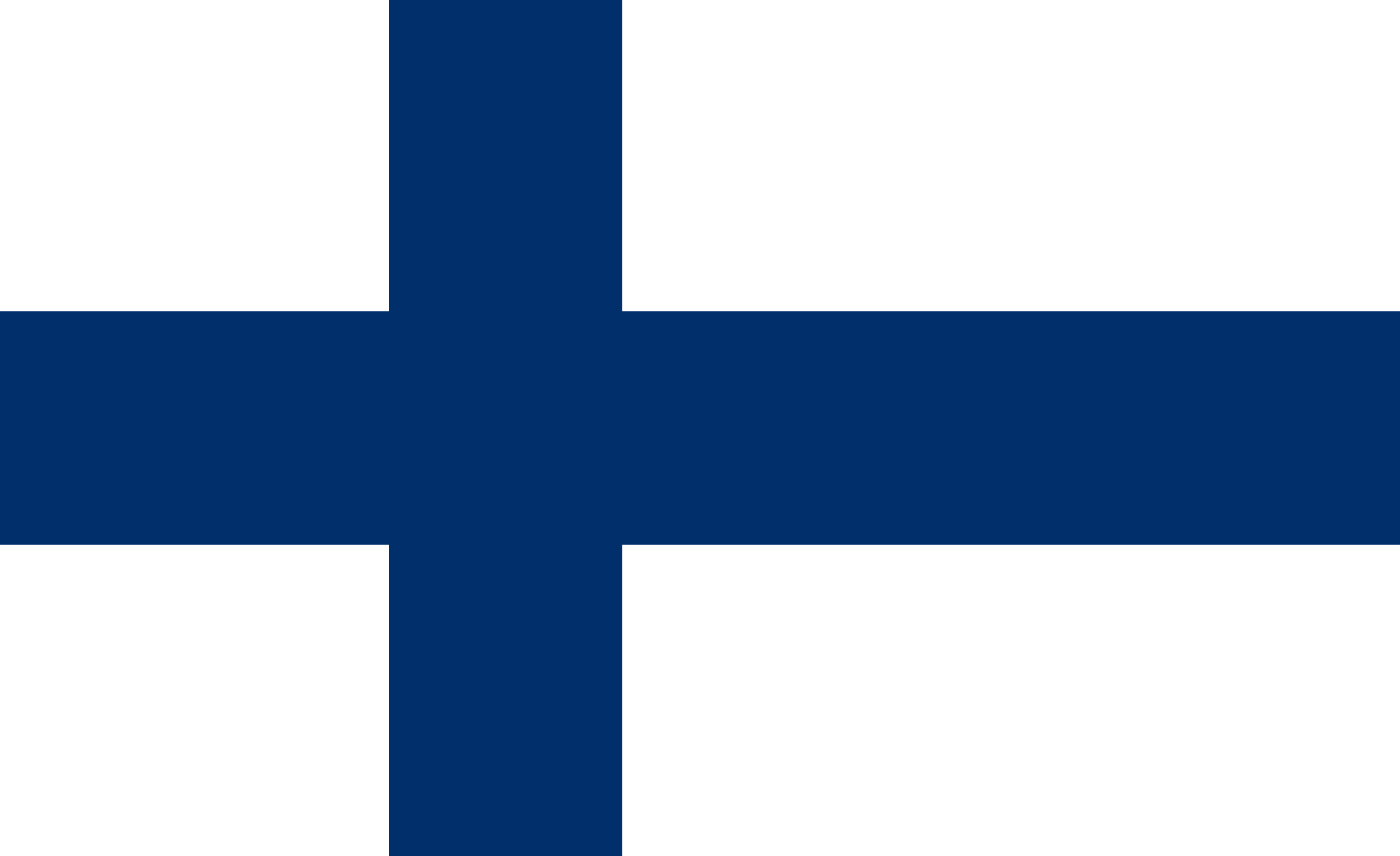 FinlandHelsinki
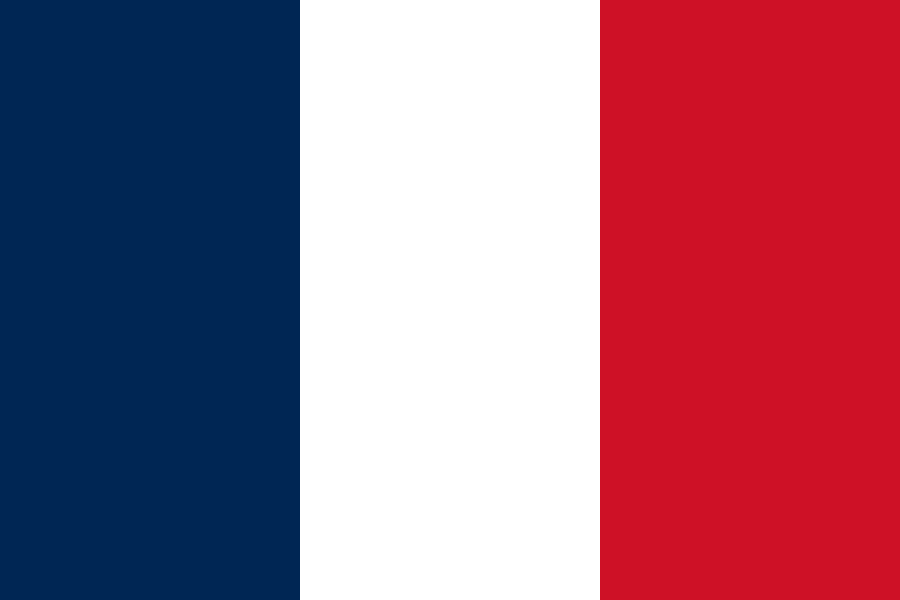 FranceParis
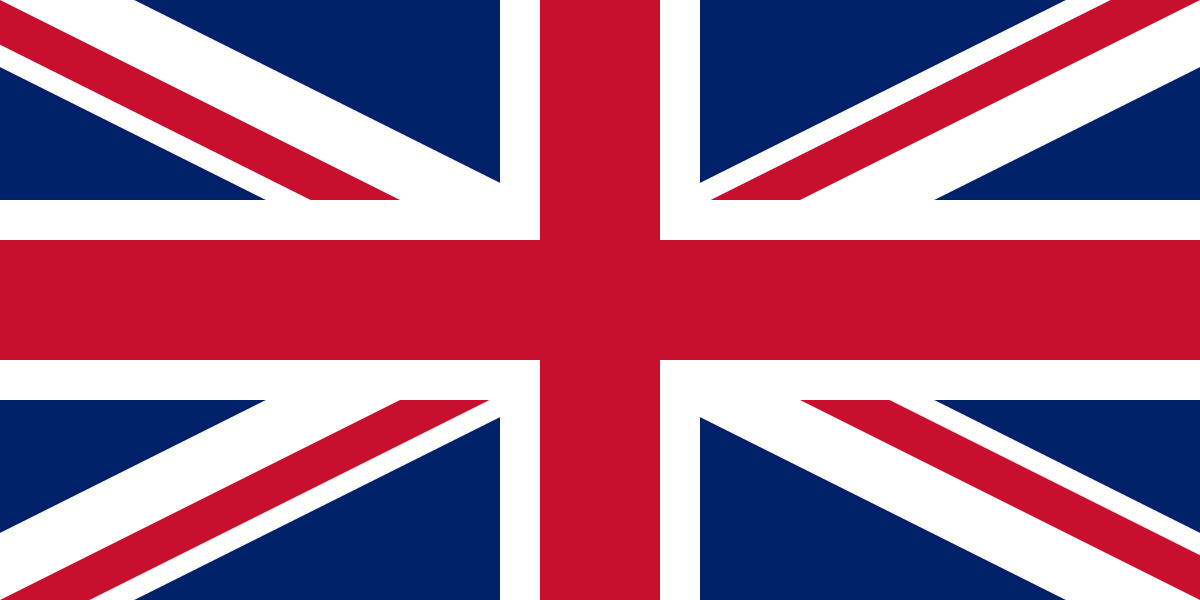 United KingdomLondon
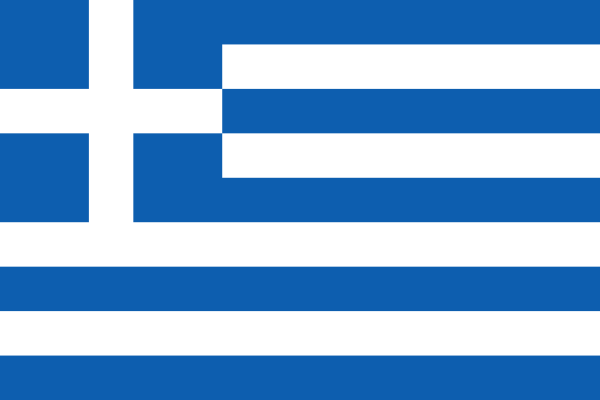 GreeceAthens
 CroatiaZagreb
 HungaryBudapest
 IcelandReykjavík
 ItalyRome
 LithuaniaVilnius
 LuxembourgLuxembourg City
 LatviaRiga
 MontenegroPodgorica
 North MacedoniaSkopje
 NetherlandsAmsterdam
 NorwayOslo
 PolandWarsaw
 PortugalLisbon
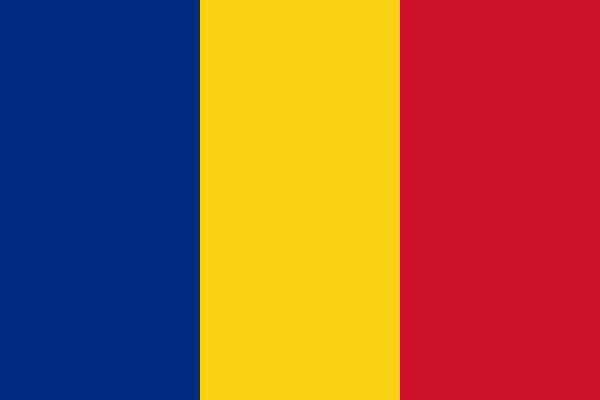 RomaniaBucharest
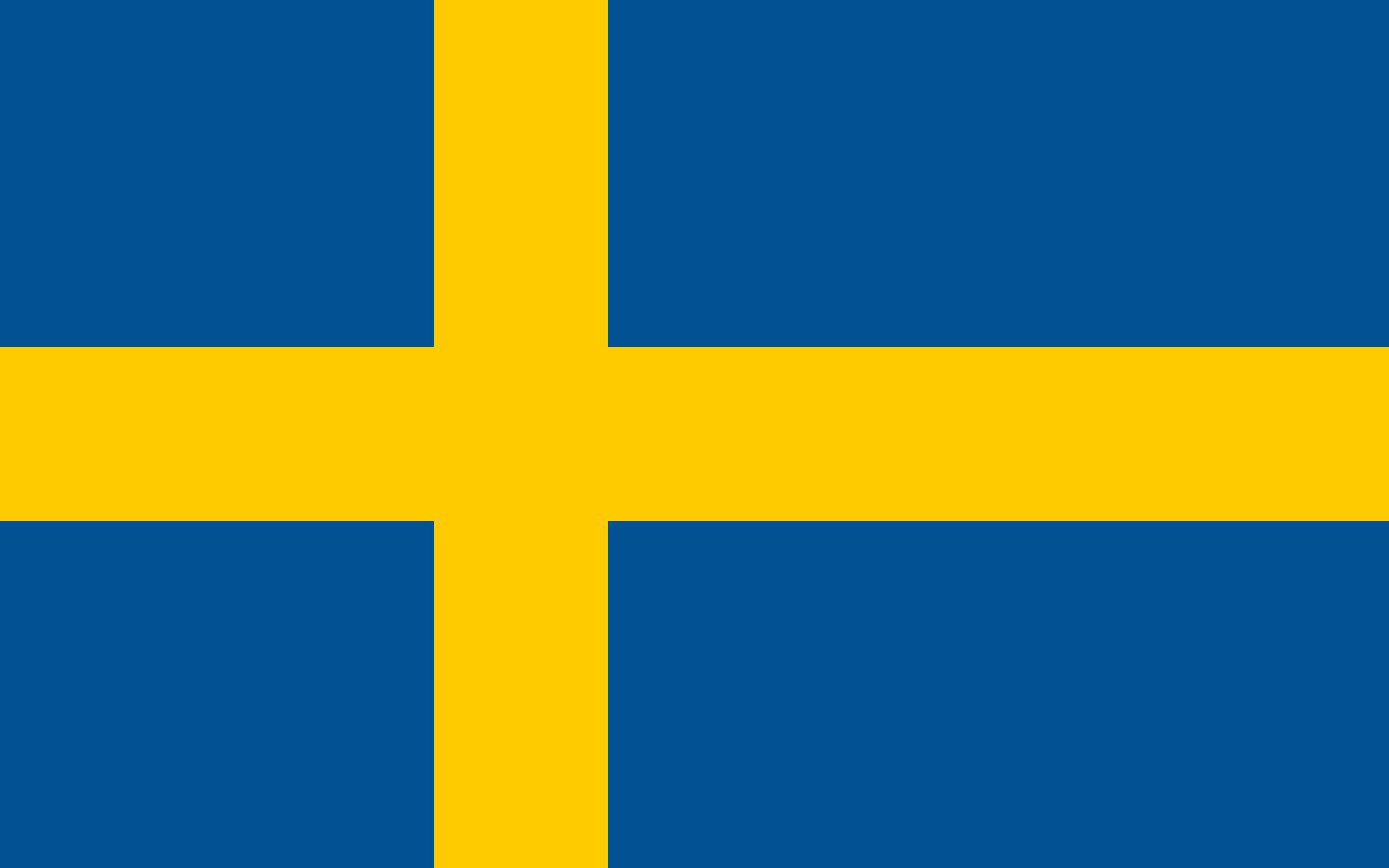 SwedenStockholm
 SloveniaLjubljana
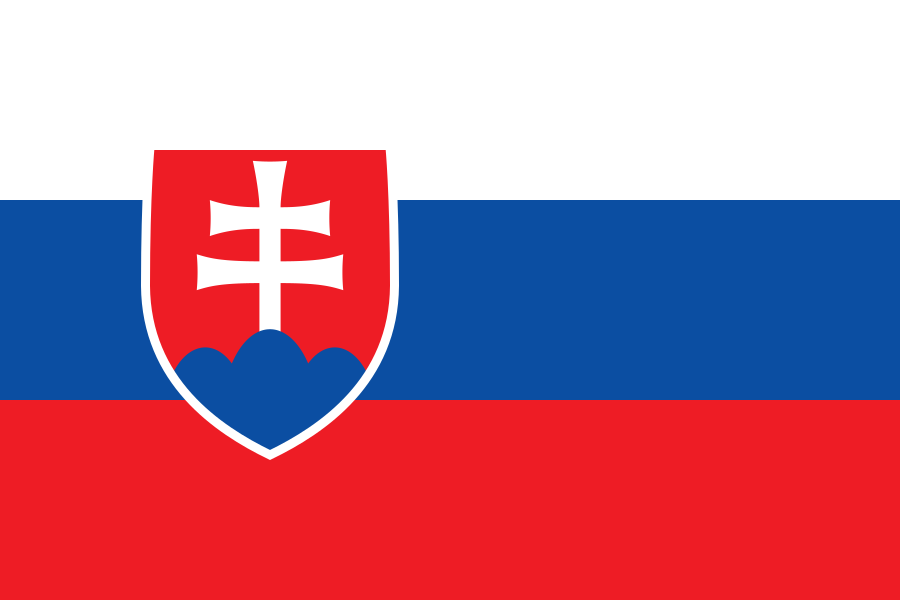 SlovakiaBratislava
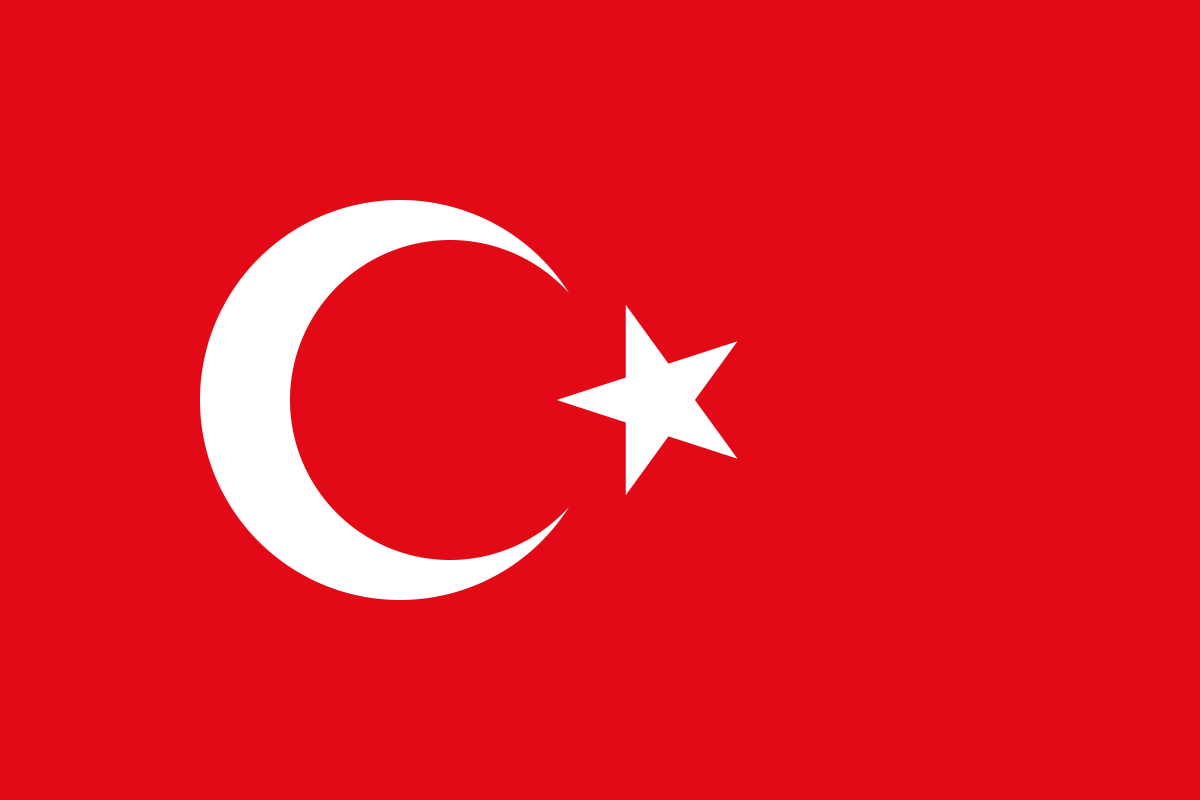 TürkiyeAnkara
 United StatesWashington, D.C.
Continue exploring
 United Nations
 European Union
 Commonwealth of Nations
 African Union
 Arab League
 ASEAN
What did you discover?
Take this flag into the quiz
Sources and image credits
This English article draws on the institutional sources listed below. Figures and memberships retain their stated reference dates.
Source record: 2 November 2026. A translation does not change the reference date of a figure or membership list.
- nato.int/en/news-and-events/articles/nato-stories/2016/05/19/a-star-is-born
- nato.int/en/what-is-nato
- nato.int/en/about-us/organization/nato-member-countries
- nato.int/en/about-us/organization/nato-structure/national-delegations-to-nato