Commonwealth of Nations: Flag, History and Membership
A golden globe and an open wreath of radiating spikes mark the blue Commonwealth flag. The picture belongs to a voluntary community of independent states on several continents. Many have a history in common in the British Empire, but this past does not fully explain today's membership. The modern Commonwealth is based on the cooperation of equal countries with different forms of government.
Test your knowledge →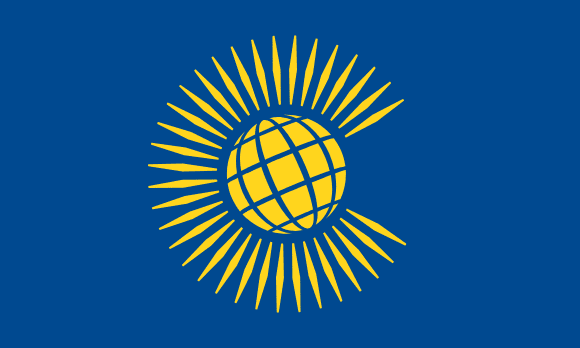
Key facts and distinctions
- Article focus
- International organisation
- Membership record
- 1 November 2026
- Linked country entries
- 56
- List definition
- Country subset of the supplied member record
- Modern starting point
- London Declaration of 1949
- Secretariat established
- 1965
- Logo used for the first time
- 1973, meeting in Ottawa
- Flag about Marlborough House
- First time 1976
- Revision of the globe
- 2013: inclined presentation
- Member States
- 56; tested on 1 November 2026
- Recent confirmed accessions
- Gabon and Togo, 2022
- Seat of Secretariat
- Marlborough House, London
A globe with an open ray ring
The flag depicted bears a golden globe with clearly drawn longitudes and latitudes. Around them stand numerous narrow tips, the arrangement of which leaves an opening. Together they recall the letter C. The dark blue background highlights the golden lines. The motif is more graphic and abstract than a world map with marked state borders.
The Secretariat expressly states that the tops do not represent the number of member states. They represent the various areas of cooperation. Today’s globe is inclined; institutional history calls 2013 for this revision. The earth's axis is thereby picked up. Neither a counted peak nor a single grade field can be assigned to a specific member.
From the London Declaration to your own figurative mark
The London Declaration of 1949 marked the beginning of the modern Commonwealth. It allowed a community of free and equal members beyond previous constitutional ties. This is crucial for understanding: Commonwealth membership does not mean that a country is now subordinate to the United Kingdom. Republics can belong just as much as states with a monarchical constitution.
The Commonwealth Secretariat was established in 1965. A joint logo was used at the 1973 meeting of heads of government in Ottawa. According to the official house history, the Commonwealth flag first flew over Marlborough House in London in 1976. The figurative mark evolved later. Organizational history, first use of the logo and later revisions should therefore be understood as different stages.
56 independent and equal countries
The official overview lists 56 members of the audited stand. Gabon and Togo joined in 2022. Like Mozambique and Rwanda, they show that a former affiliation with the British Empire does not provide a complete description of today’s community. The membership extends over several regions of the world and includes large states as well as numerous small island states.
The joint fields of work include development, democracy and peace. The Secretariat supports governments, as well as other Commonwealth institutions and civil society networks. The flag can appear at joint meetings or on Commonwealth Day. Anyone who sees it recognizes the connection to the community, but not automatically a certain constitutional form or a uniform foreign policy of all participating countries.
Details Worth Remembering
The letter is in the form
The open crown can be read as C, while the globe addresses the spatial extent of the community. The sign thus combines a letter clue and a geographical motif. For embossing, this combination is more productive than counting the numerous tips individually.
Independence and shared history
A historical connection can shape an organization without determining the current political position of its members. In the Commonwealth, therefore, the history of Empire must be separated from the sovereign equality of today’s members. Even within the same community, state constitutions can differ significantly.
Many small states
The official membership overview highlights the large number of small states. This explains why issues such as development and the interests of island states play an important role in the Commonwealth. The global globe is thus more than a reference to large countries: it also includes small, distant members.
The illustrated signs and variants
Countries in the supplied learning record
These links cover countries represented in this site’s country database. Any territories, regional governments, observer categories or participation qualifications are discussed above. Counts are not interchangeable.
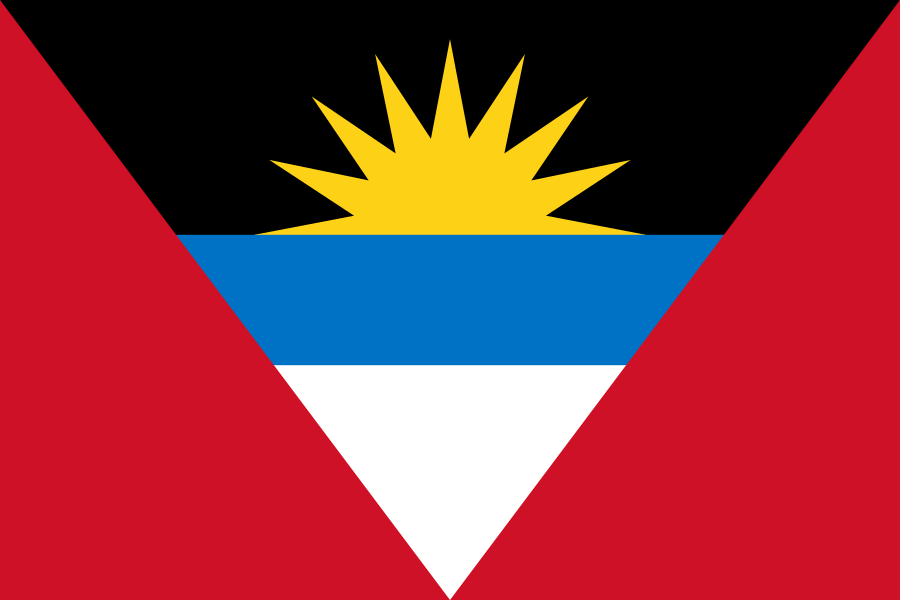 Antigua & BarbudaSaint John's
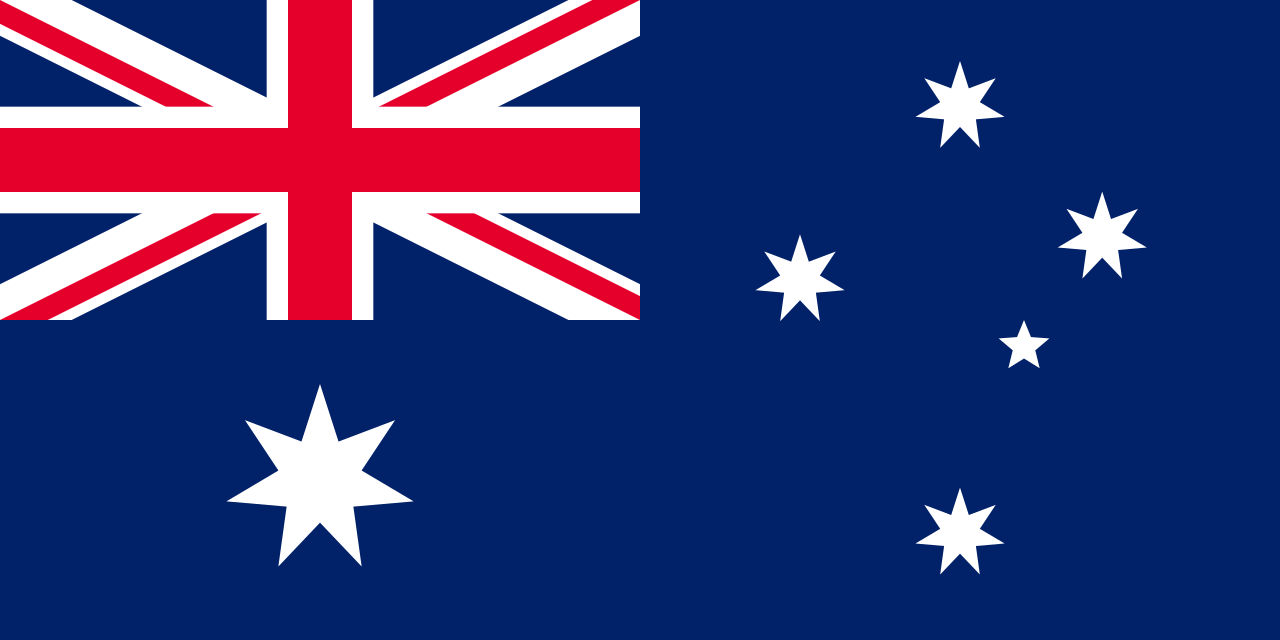 AustraliaCanberra
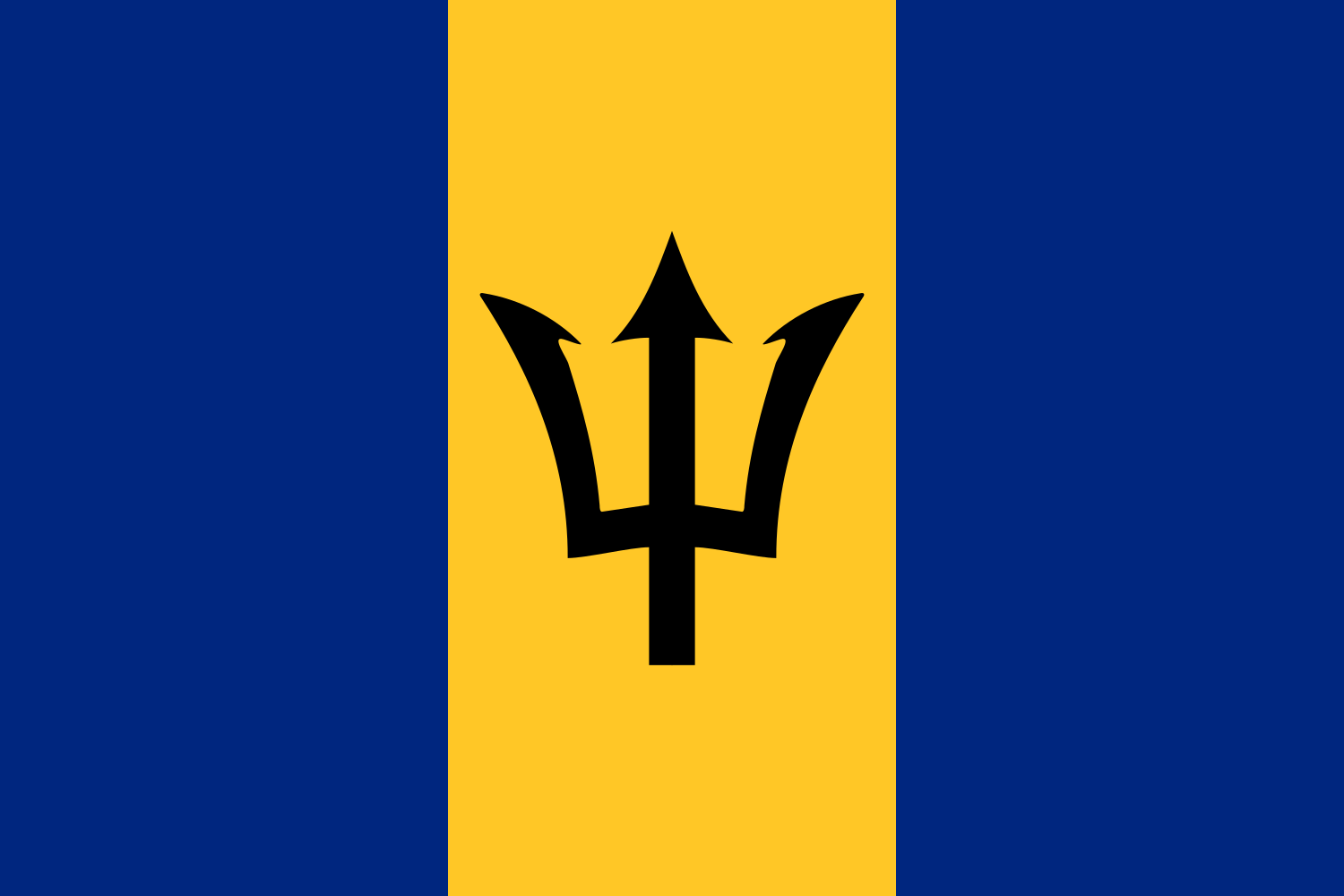 BarbadosBridgetown
 BangladeshDhaka
 BruneiBandar Seri Begawan
 BahamasNassau
 BotswanaGaborone
 BelizeBelmopan
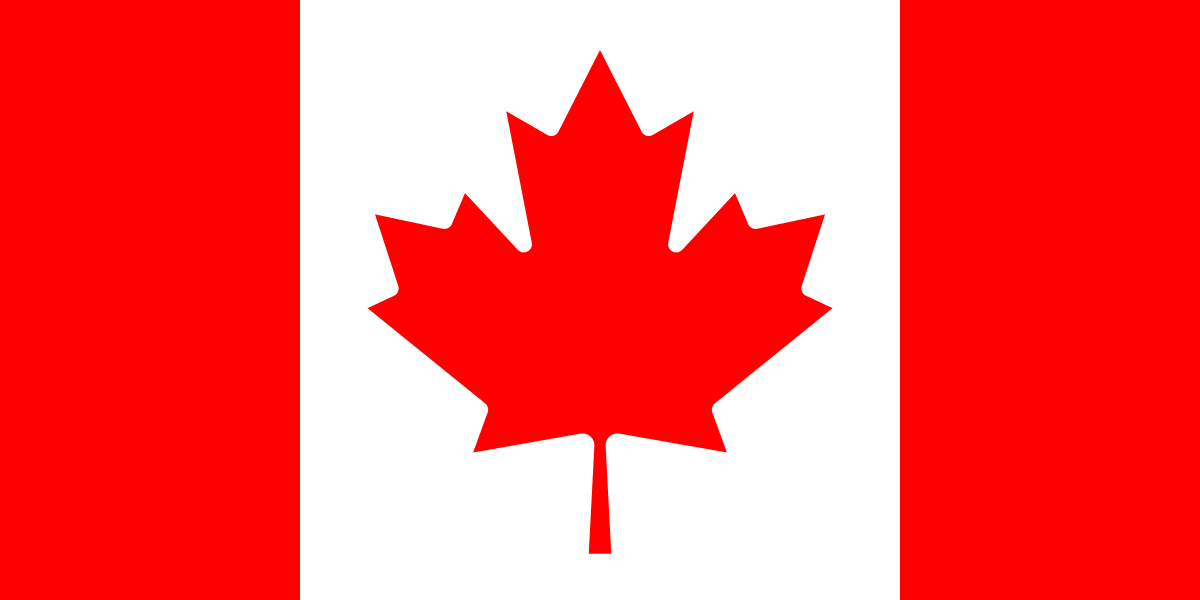 CanadaOttawa
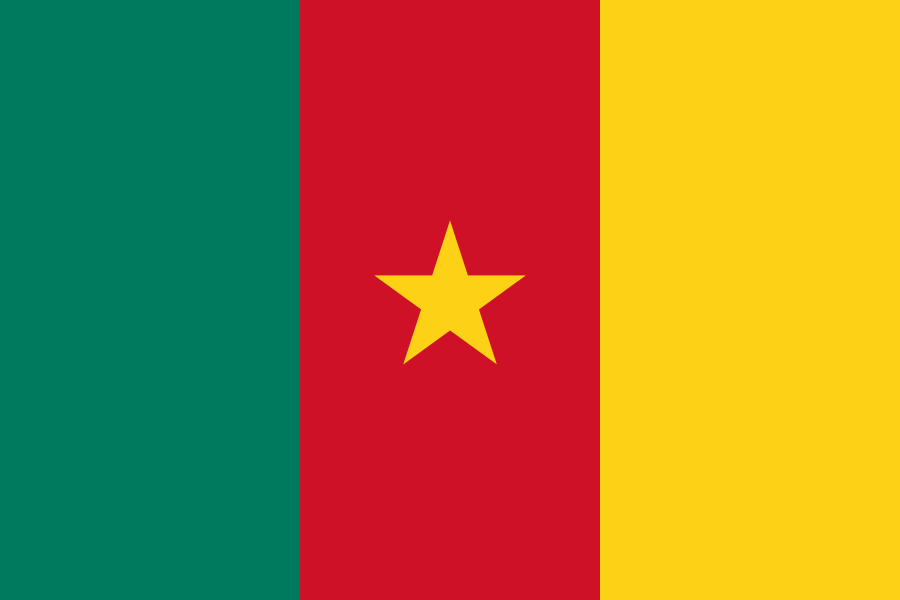 CameroonYaoundé
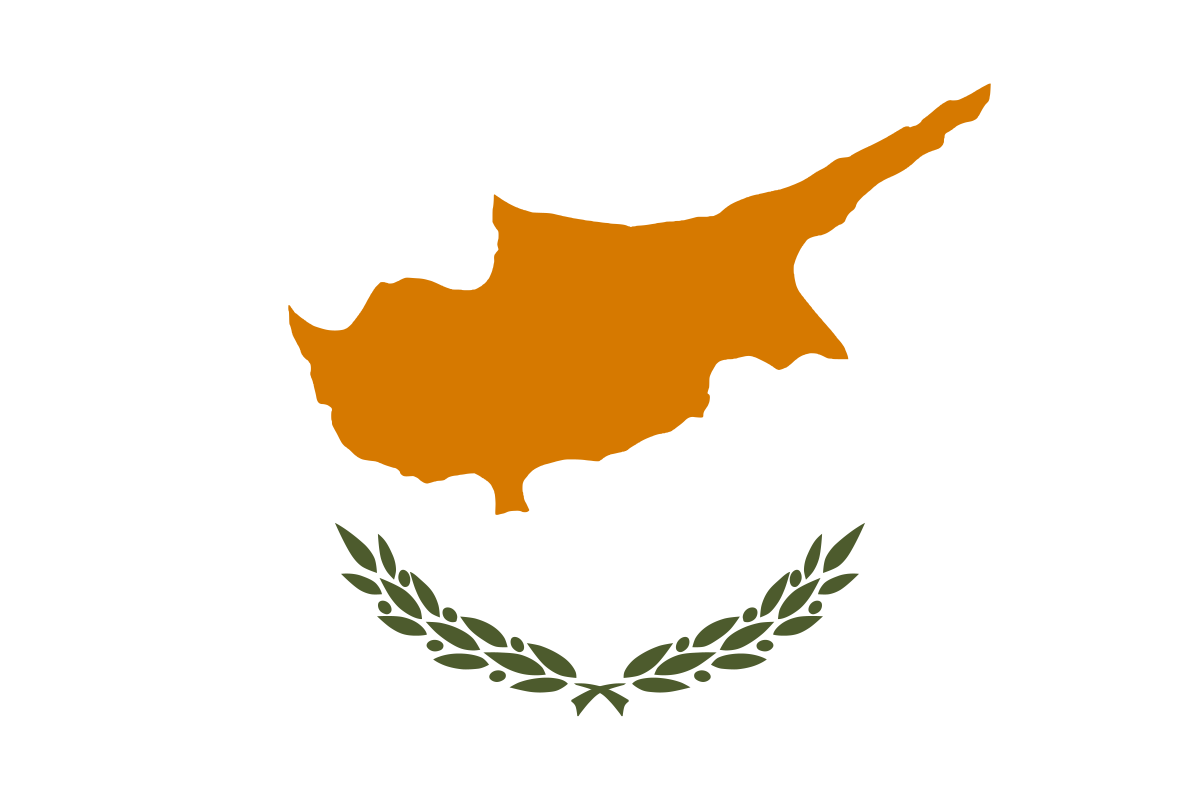 CyprusNicosia
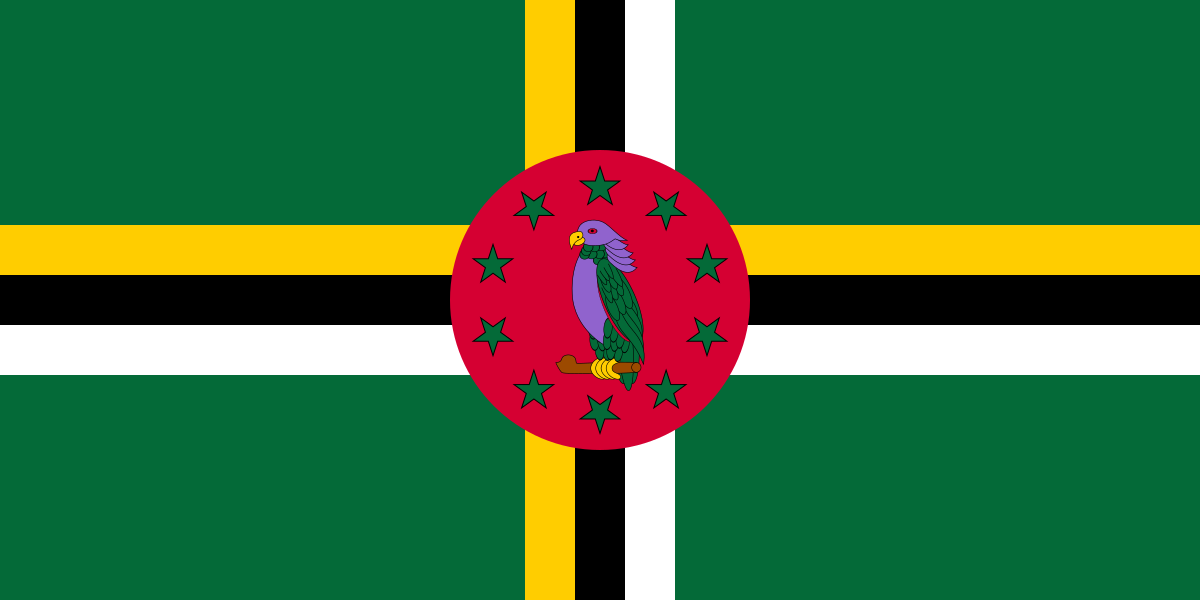 DominicaRoseau
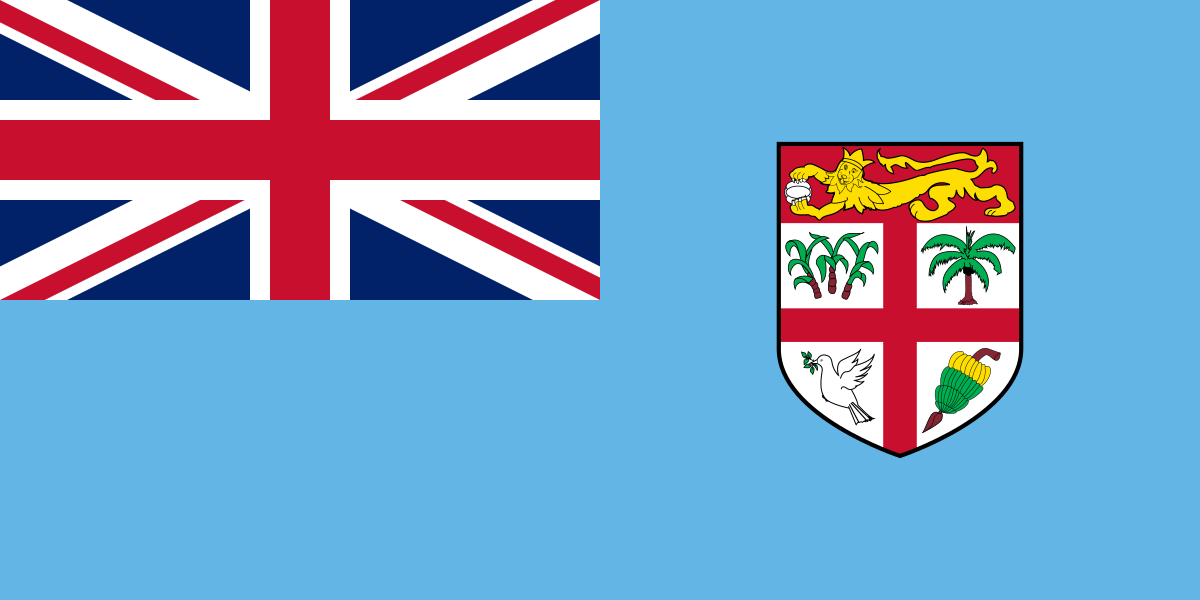 FijiSuva
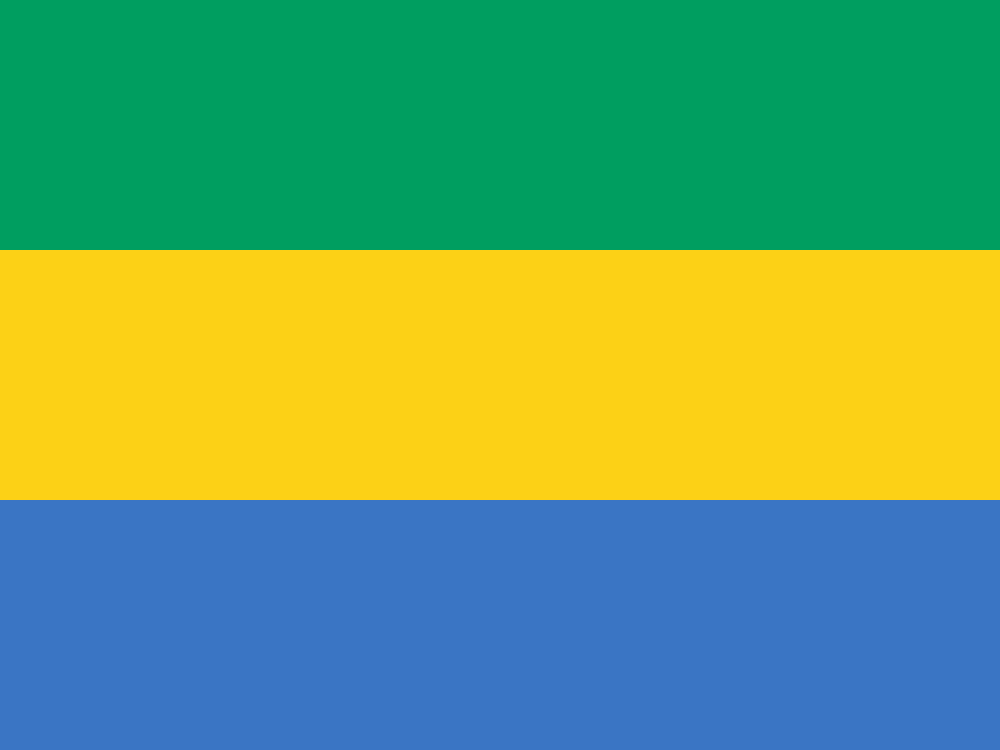 GabonLibreville
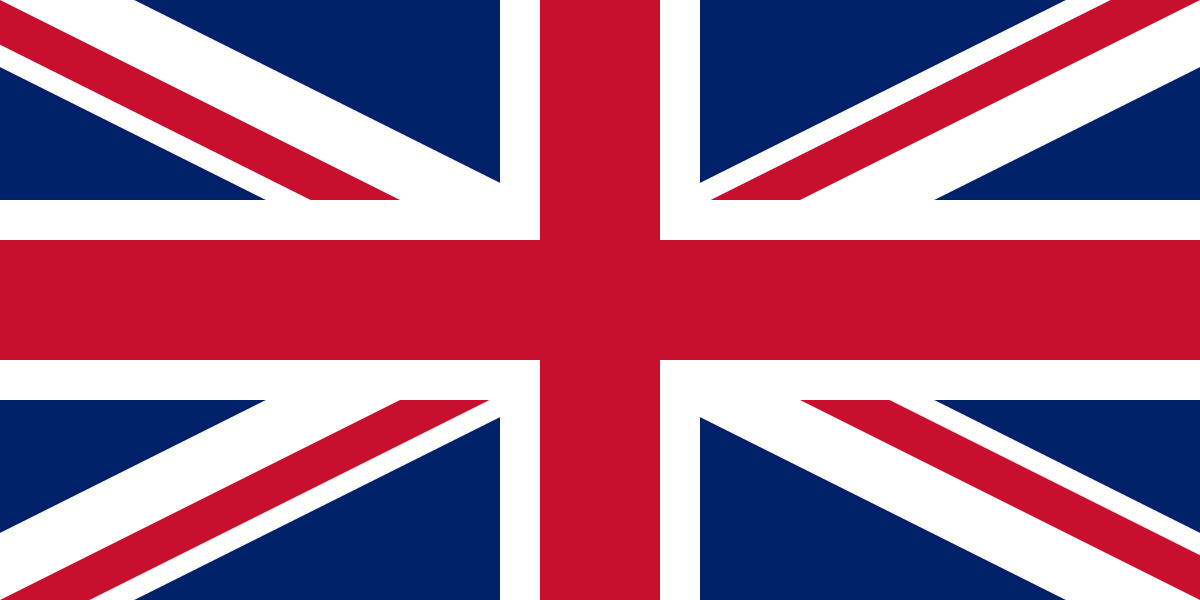 United KingdomLondon
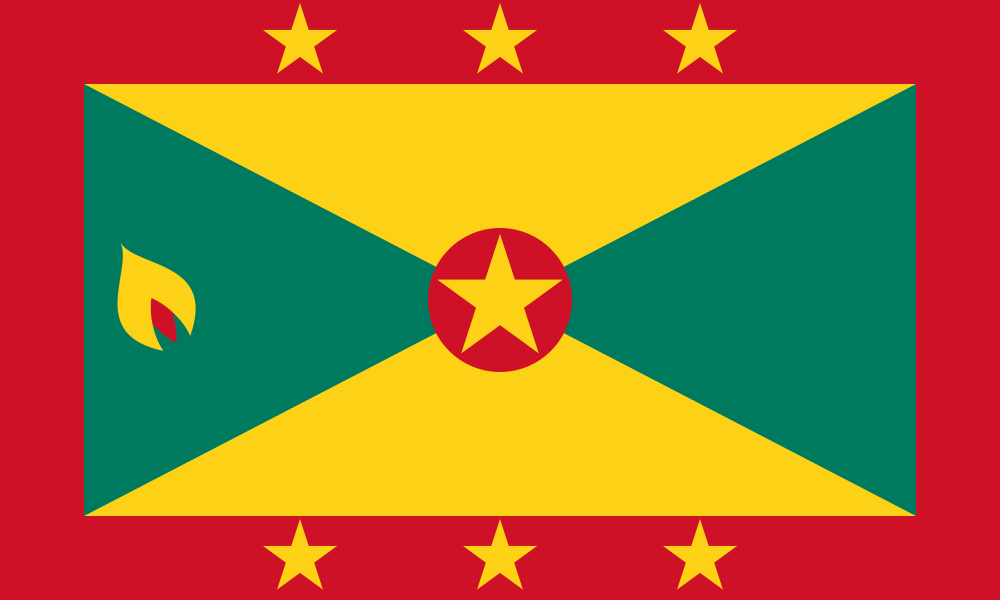 GrenadaSt. George's
 GhanaAccra
 GambiaBanjul
 GuyanaGeorgetown
 IndiaNew Delhi
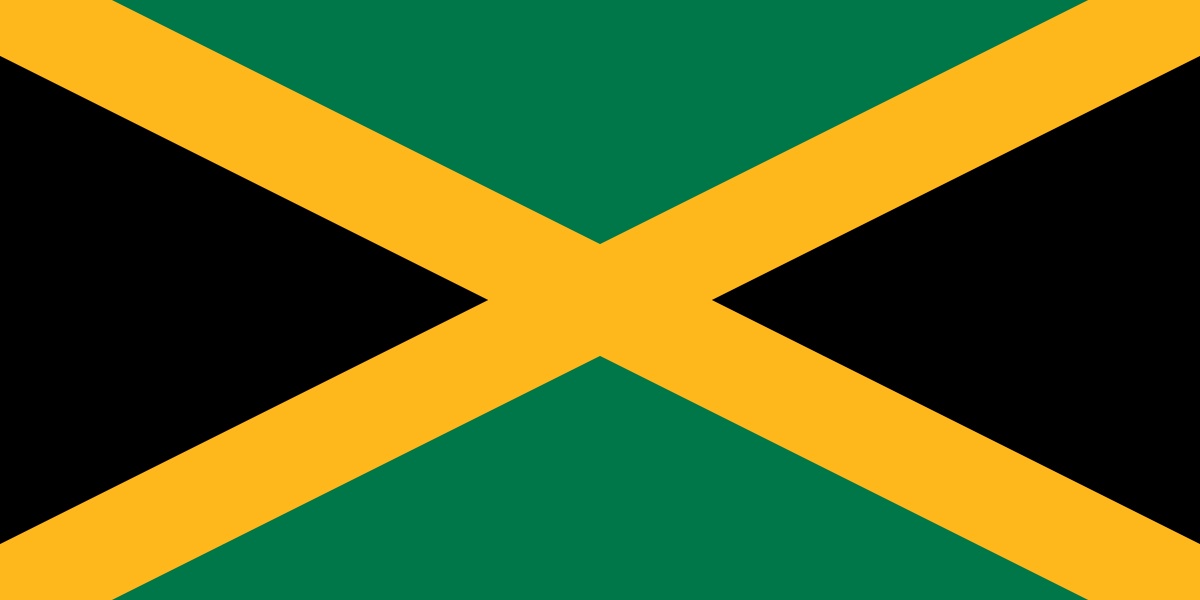 JamaicaKingston
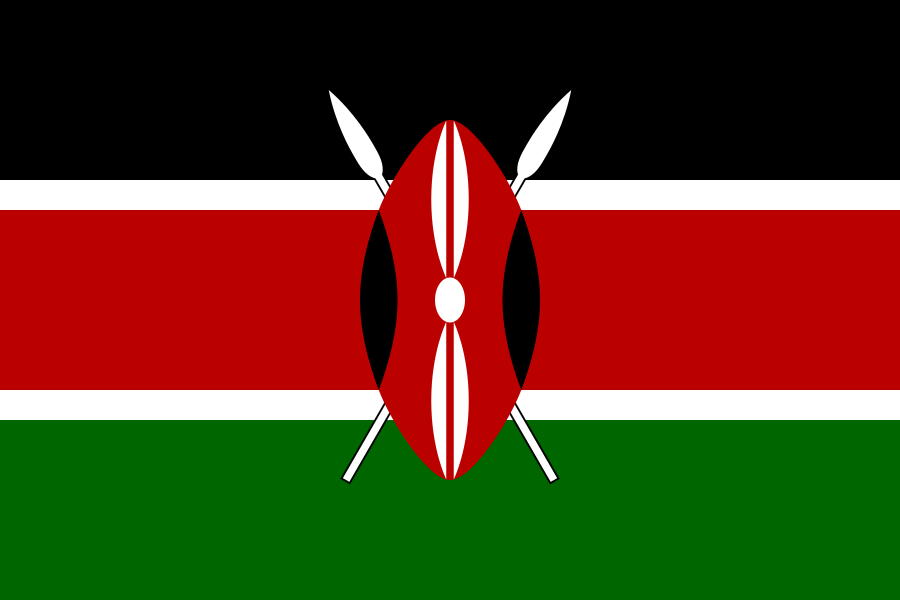 KenyaNairobi
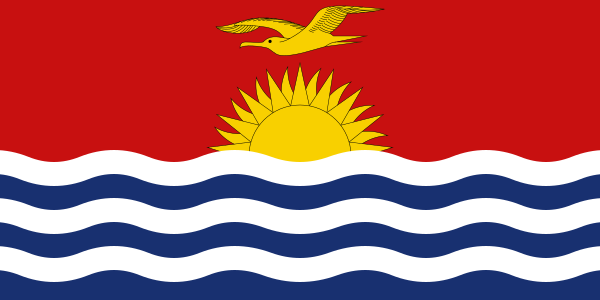 KiribatiSouth Tarawa
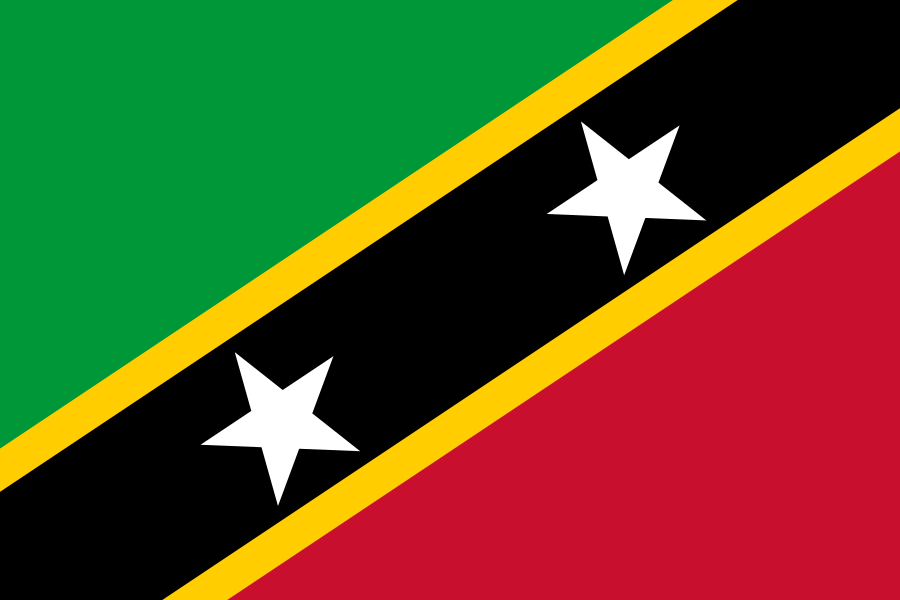 St. Kitts & NevisBasseterre
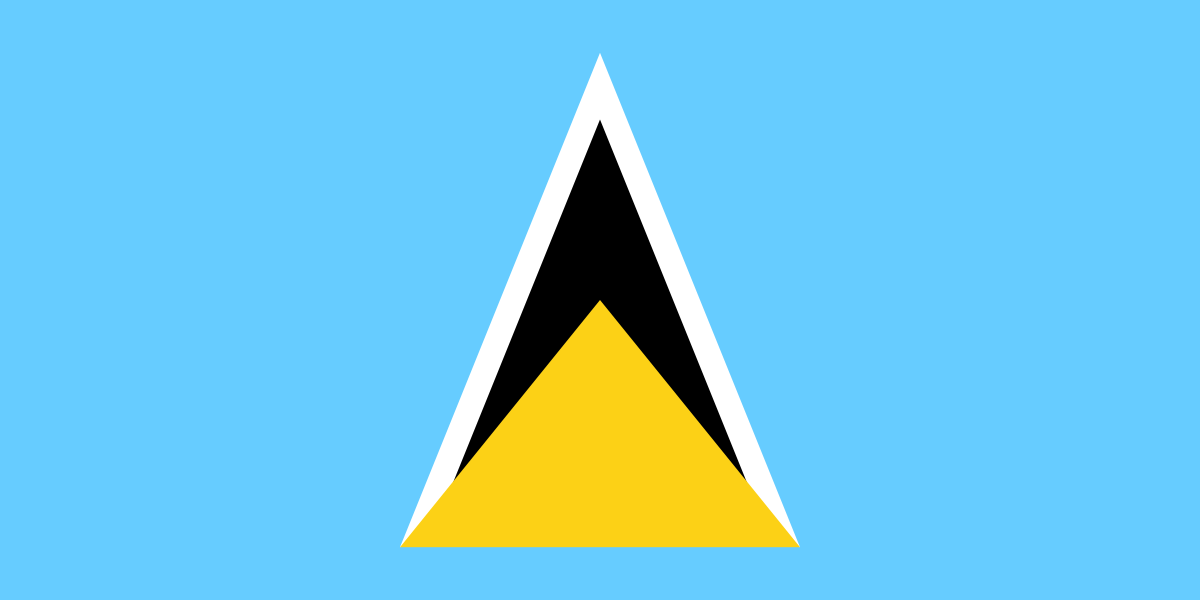 St. LuciaCastries
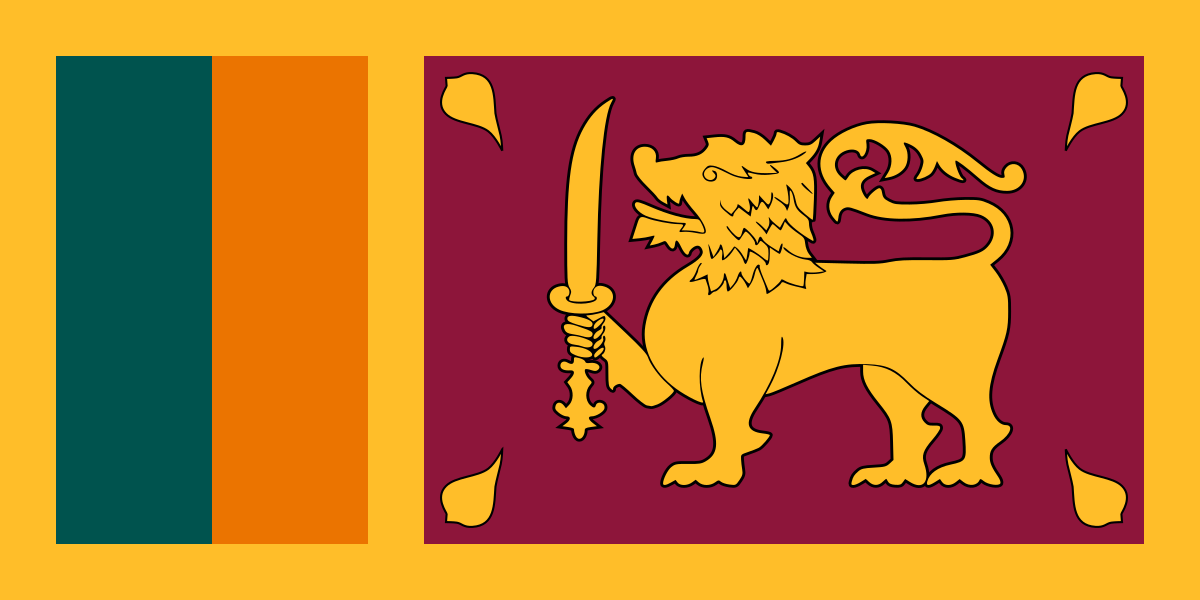 Sri LankaSri Jayewardenepura Kotte
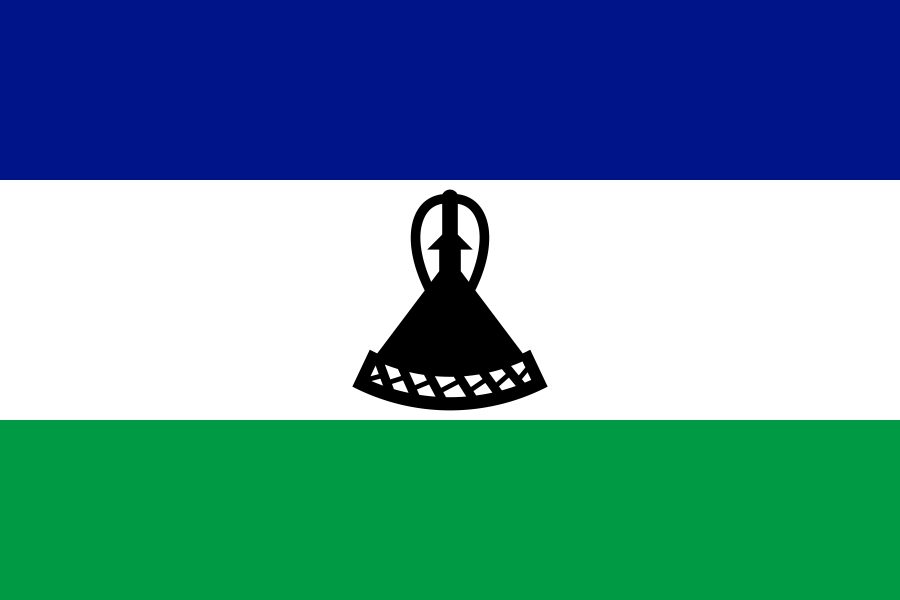 LesothoMaseru
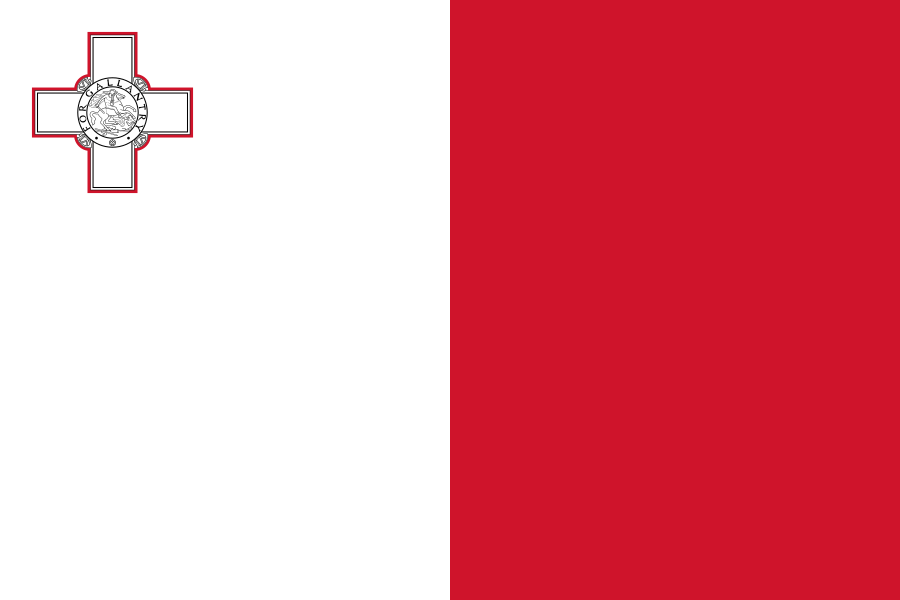 MaltaValletta
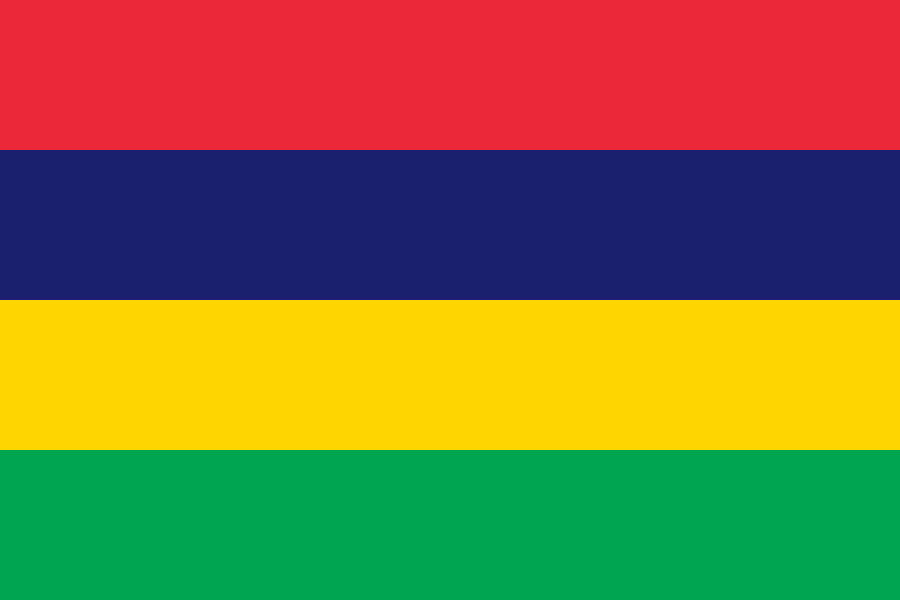 MauritiusPort Louis
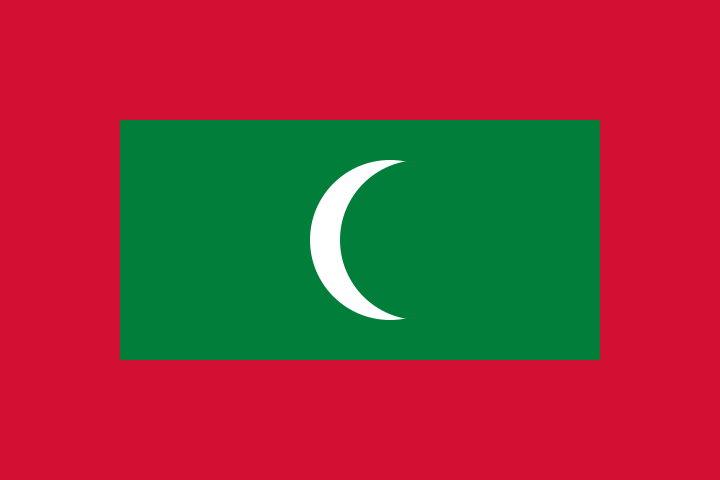 MaldivesMalé
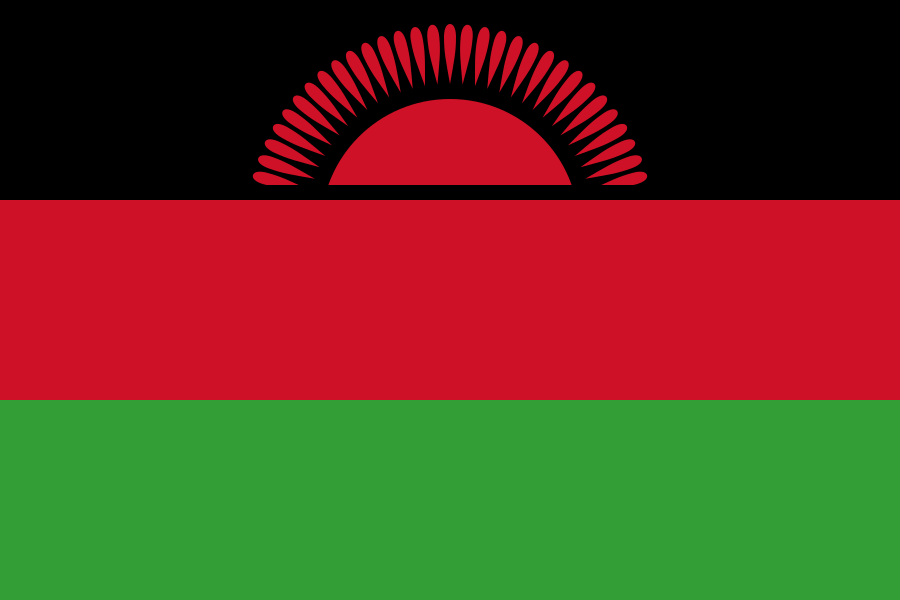 MalawiLilongwe
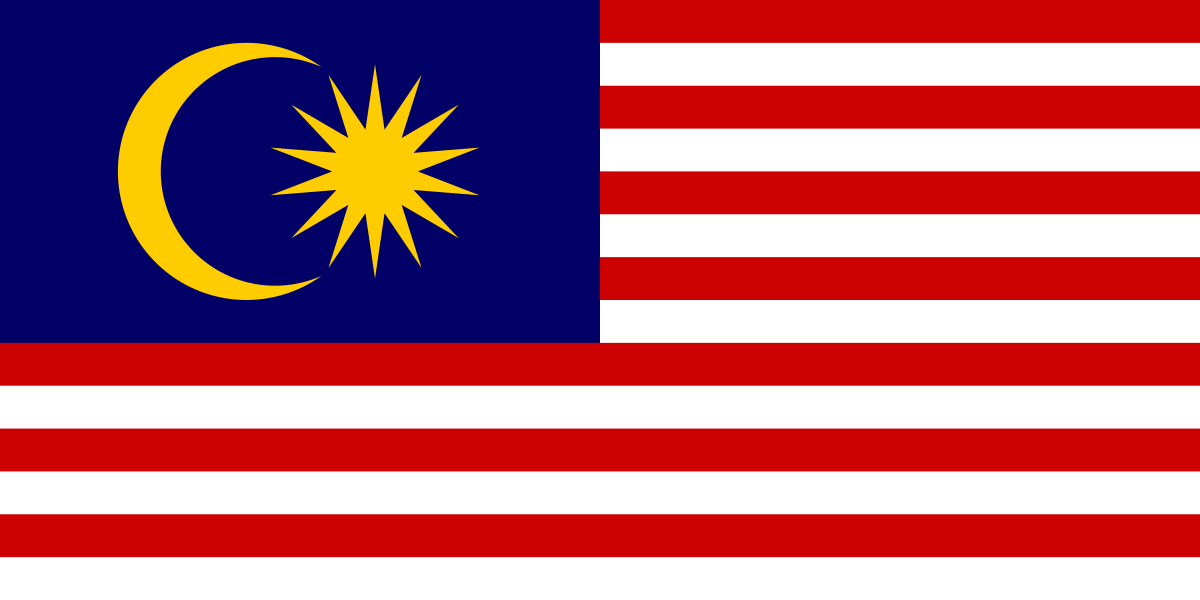 MalaysiaKuala Lumpur
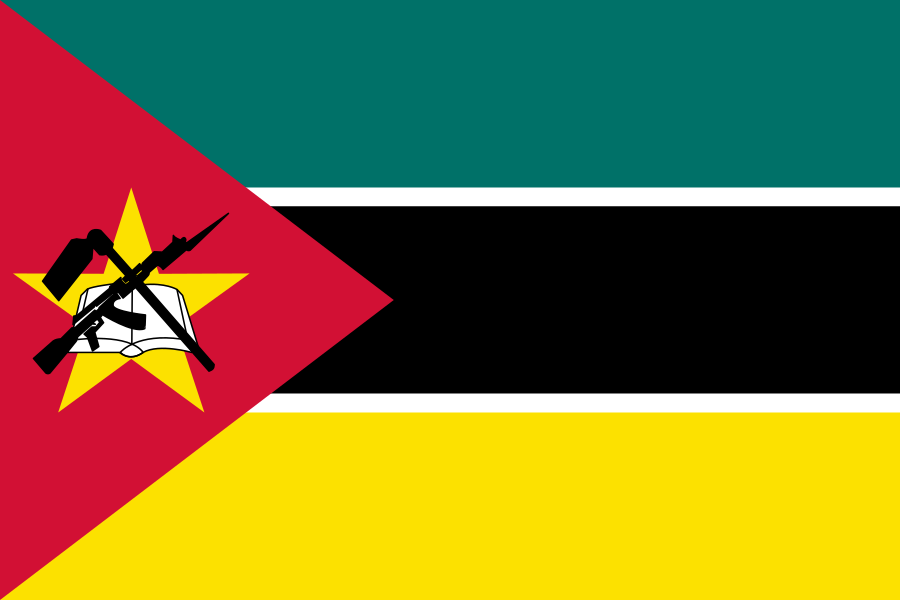 MozambiqueMaputo
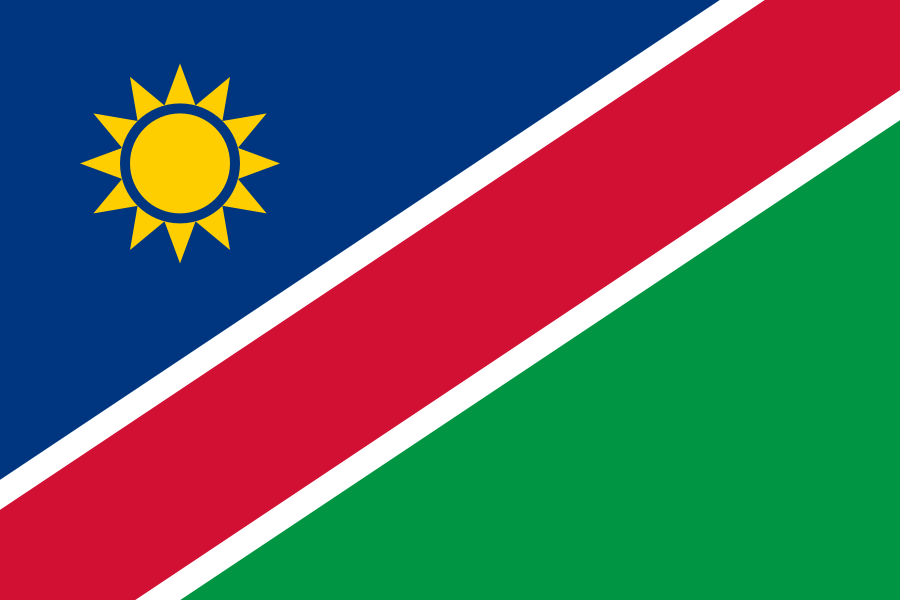 NamibiaWindhoek
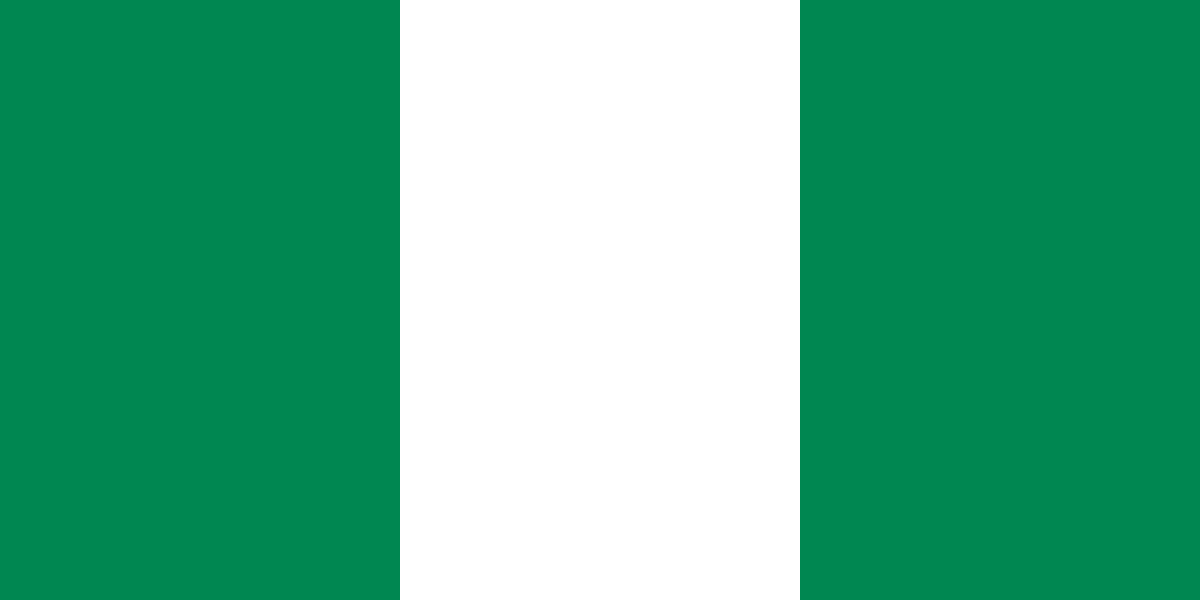 NigeriaAbuja
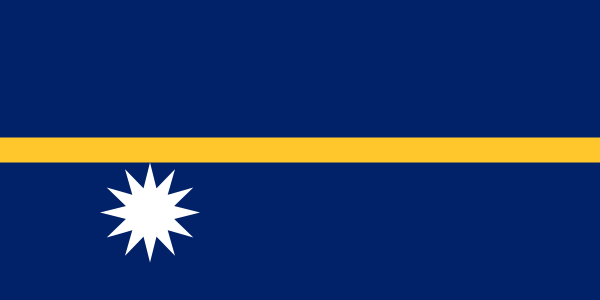 NauruYaren District
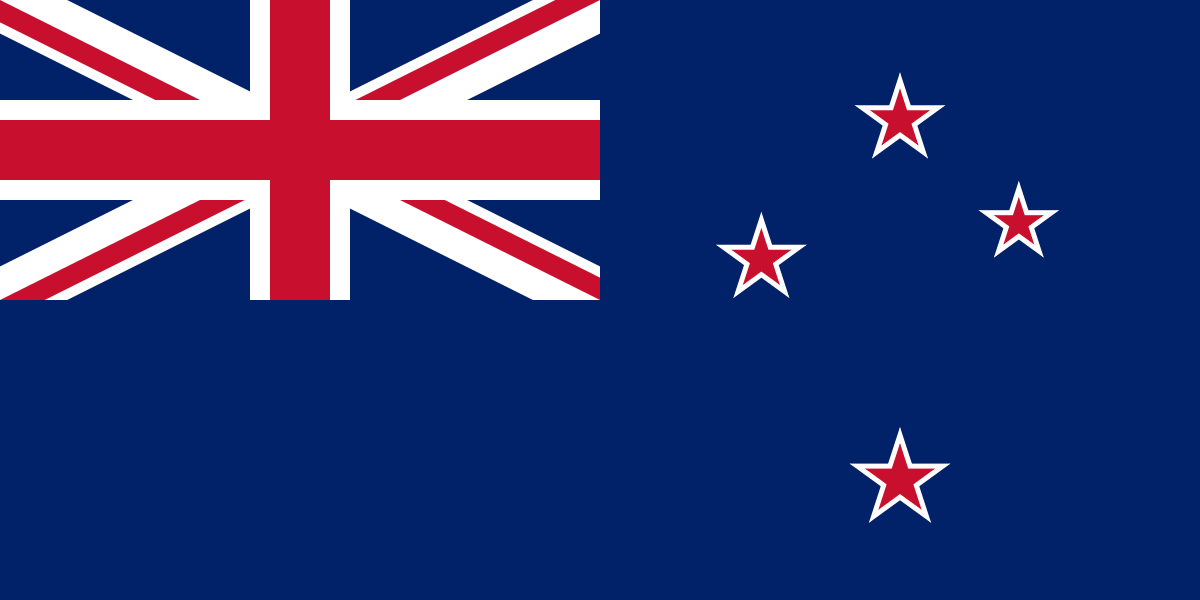 New ZealandWellington
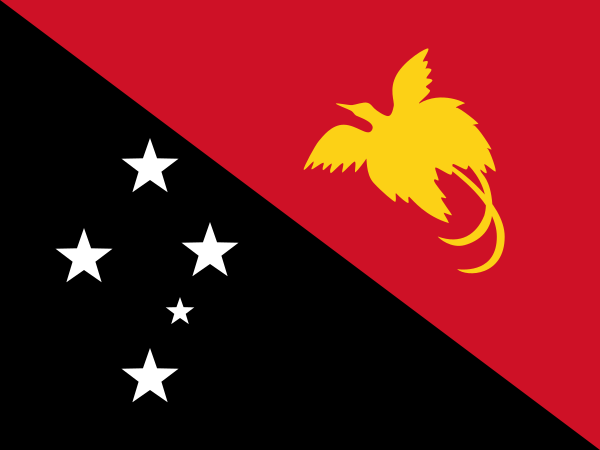 Papua New GuineaPort Moresby
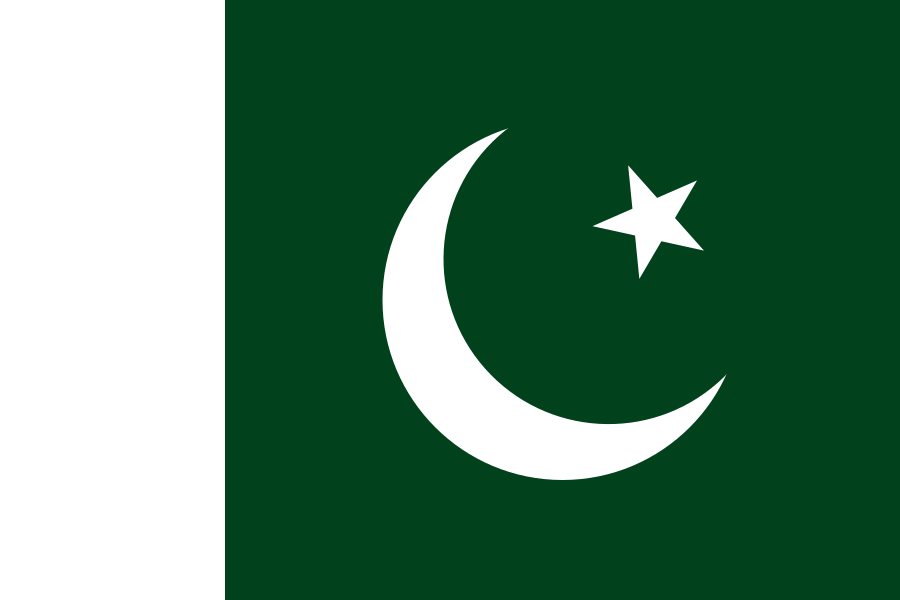 PakistanIslamabad
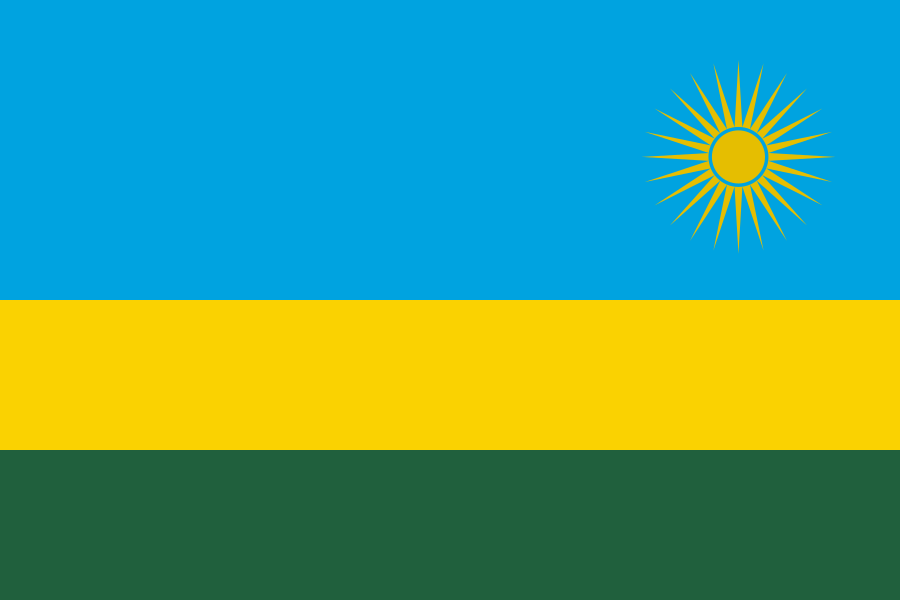 RwandaKigali
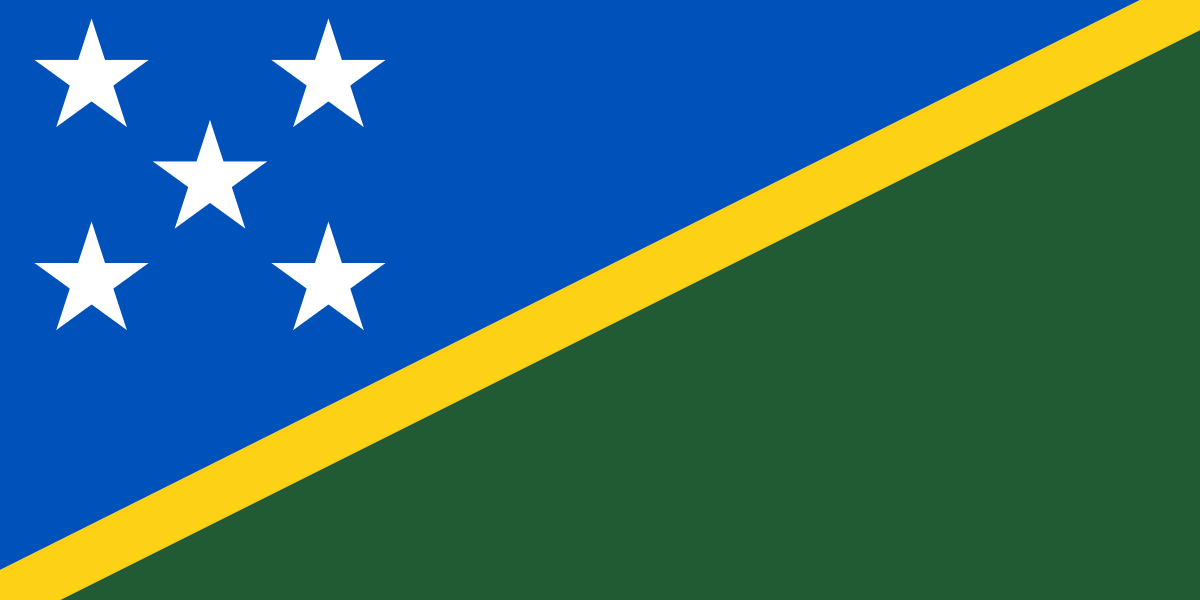 Solomon IslandsHoniara
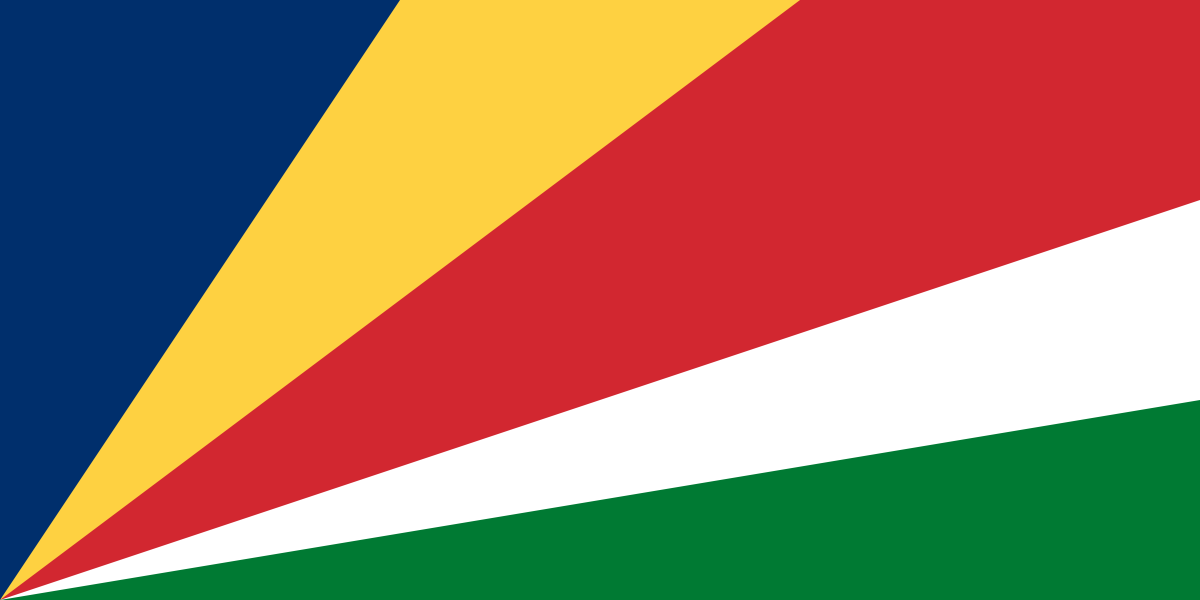 SeychellesVictoria
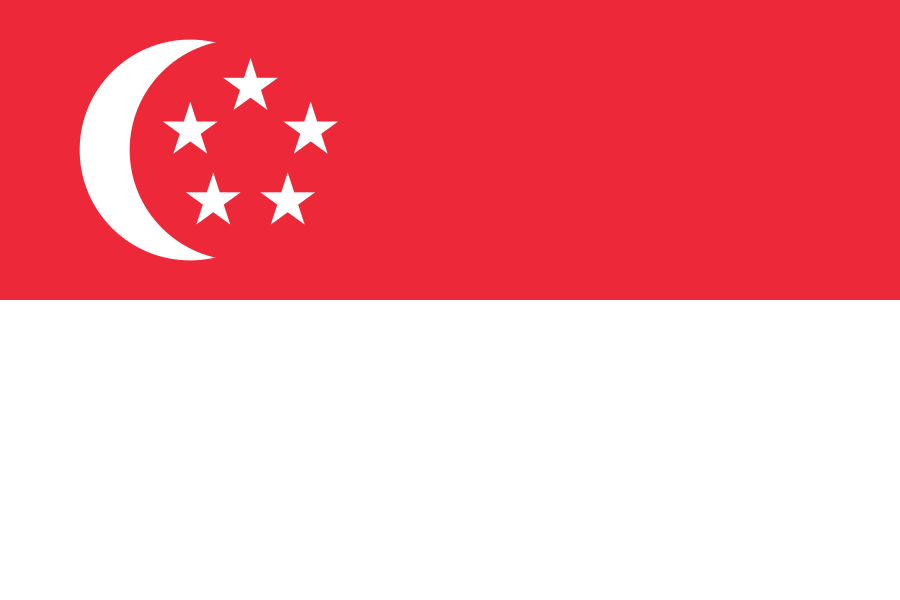 SingaporeSingapore
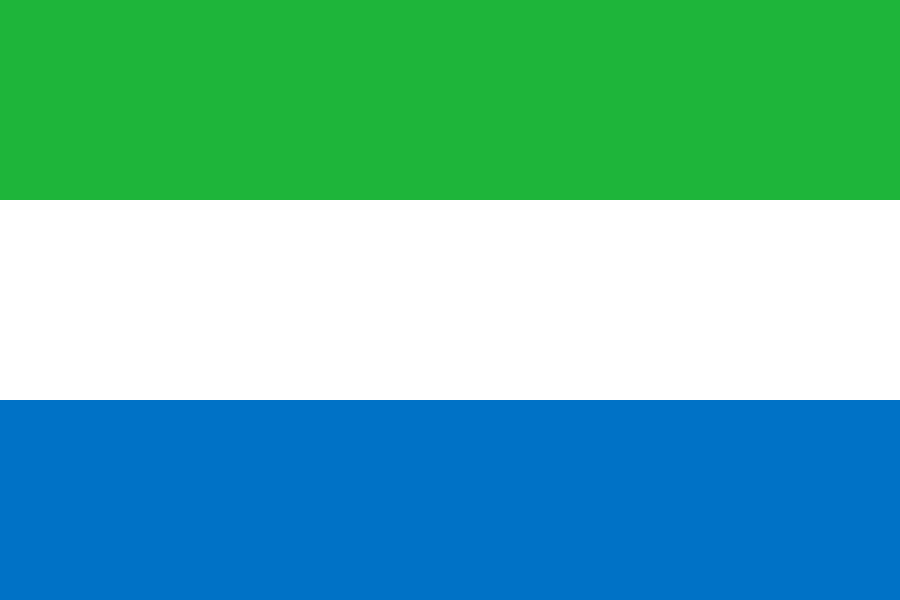 Sierra LeoneFreetown
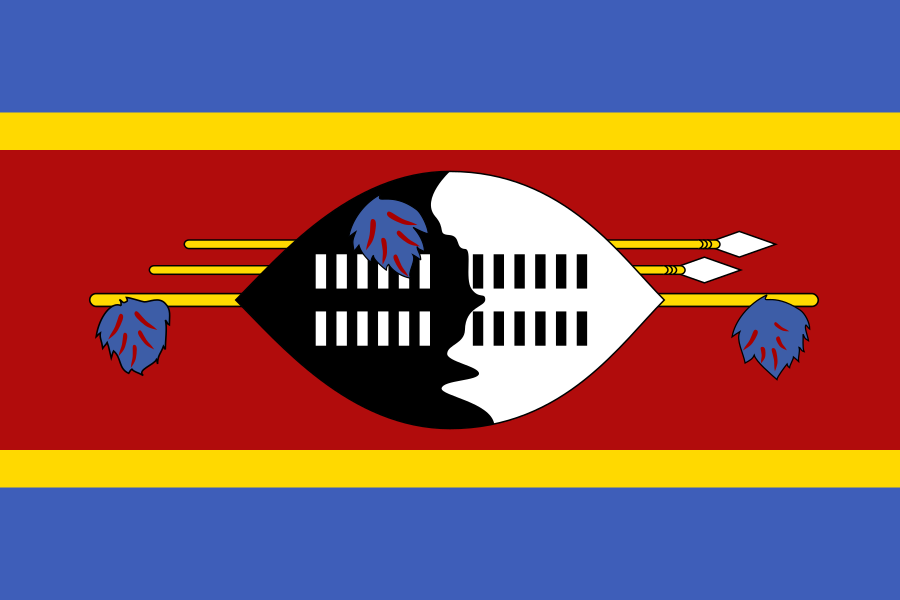 EswatiniMbabane
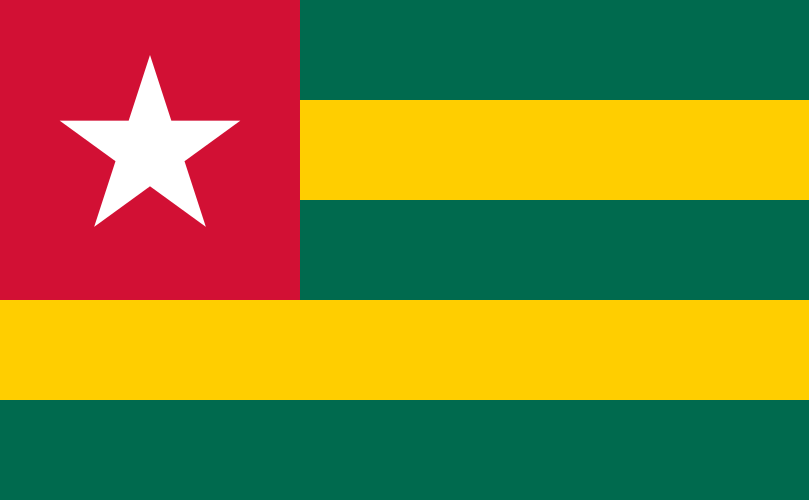 TogoLomé
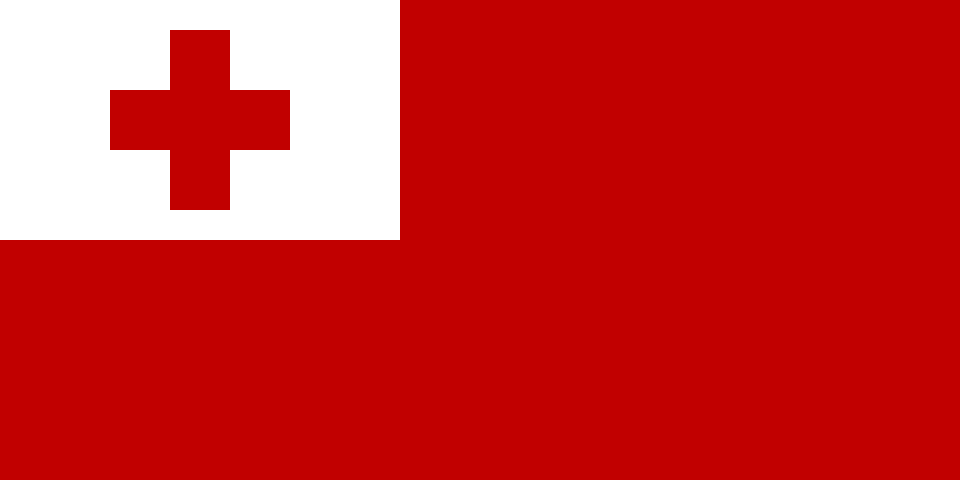 TongaNuku'alofa
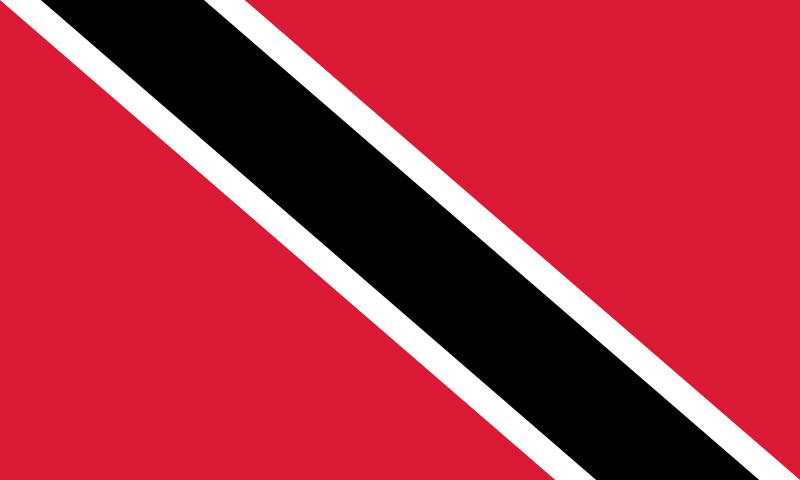 Trinidad & TobagoPort of Spain
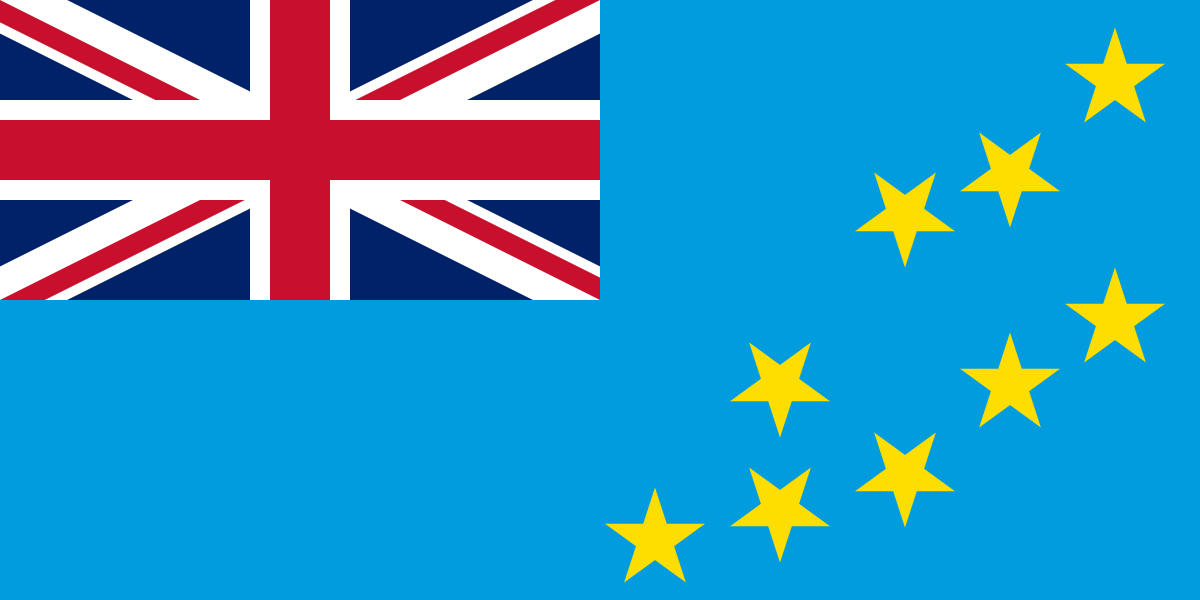 TuvaluFunafuti
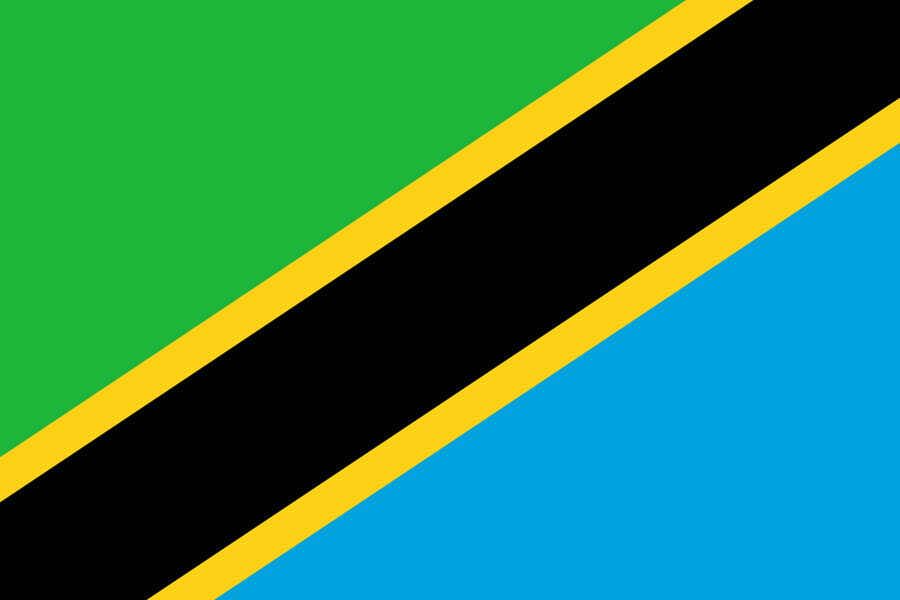 TanzaniaDodoma
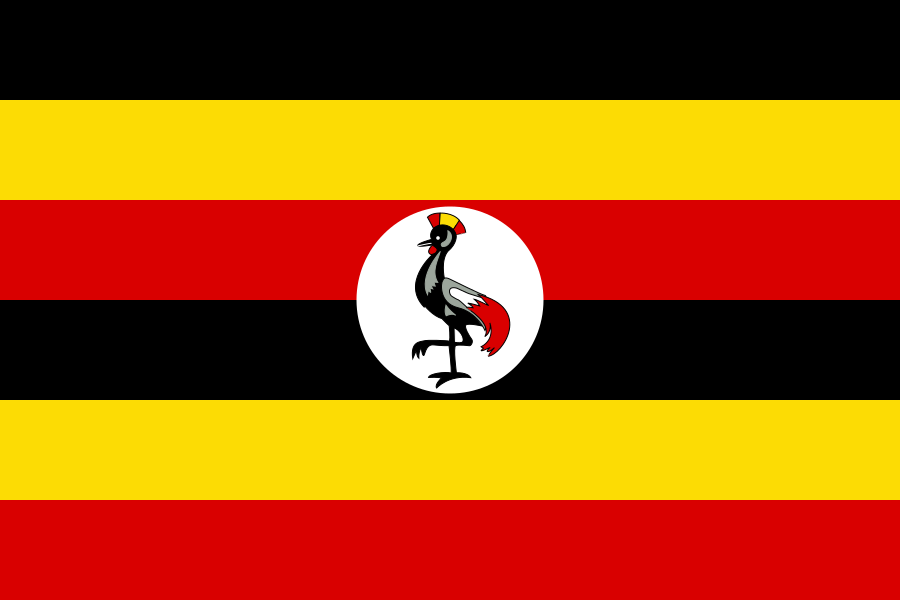 UgandaKampala
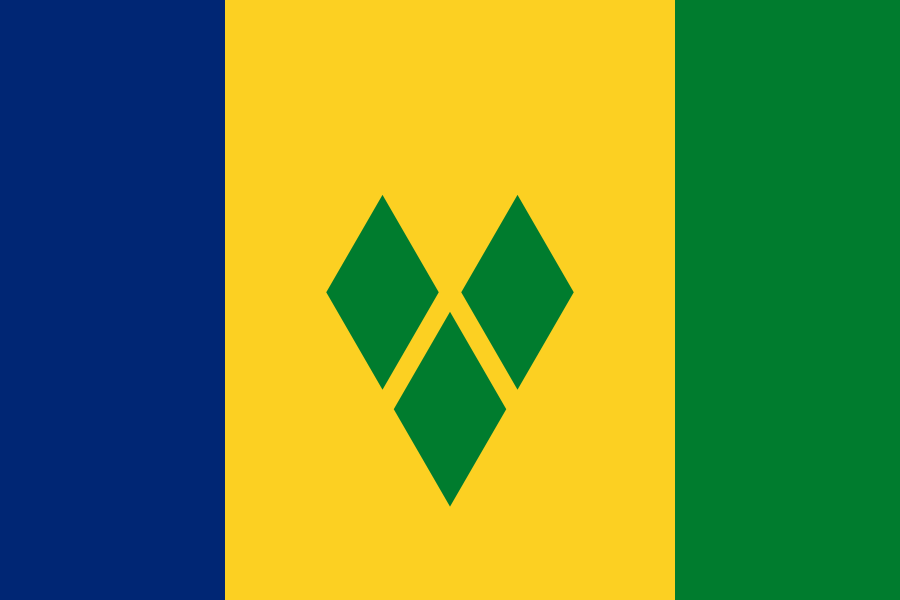 St. Vincent & GrenadinesKingstown
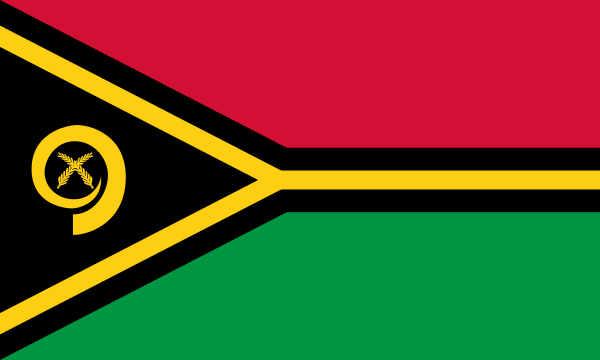 VanuatuPort Vila
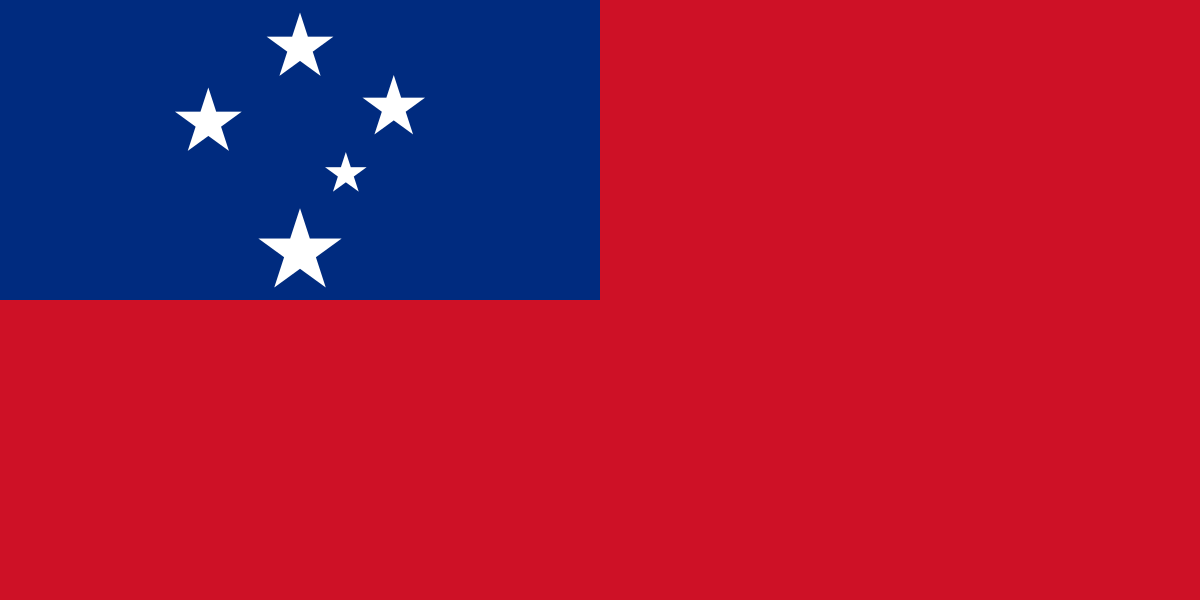 SamoaApia
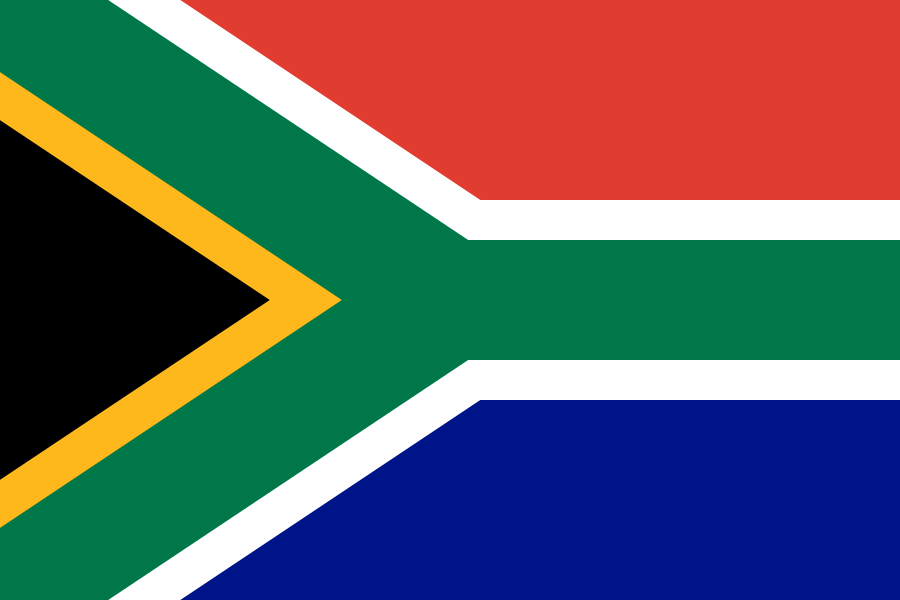 South AfricaPretoria
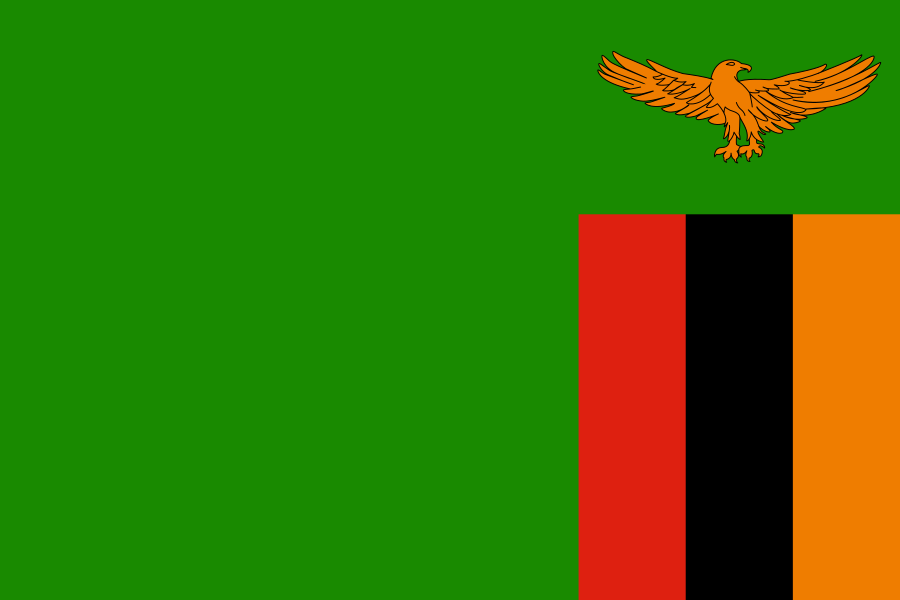 ZambiaLusaka
Continue exploring
 United Nations
 European Union
 NATO
 African Union
 Arab League
 ASEAN
What did you discover?
Take this flag into the quiz
Sources and image credits
This English article draws on the institutional sources listed below. Figures and memberships retain their stated reference dates.
Source record: 2 November 2026. A translation does not change the reference date of a figure or membership list.
- thecommonwealth.org/about-us
- thecommonwealth.org/history
- thecommonwealth.org/our-member-countries
- thecommonwealth.org/sites/default/files/inline/Marlborough_House_web.pdf