Albania Flag, Capital and Country Facts
Albania is where the Adriatic Sea crosses into the Ionian Sea. Behind the narrow coastal strip, mountains rise; at the same time, ancient port towns, Ottoman-influenced cities and lakes protected together with neighboring countries belong to the country. The red flag with the black double eagle links this landscape with a particularly striking historical imagery.
Test your knowledge →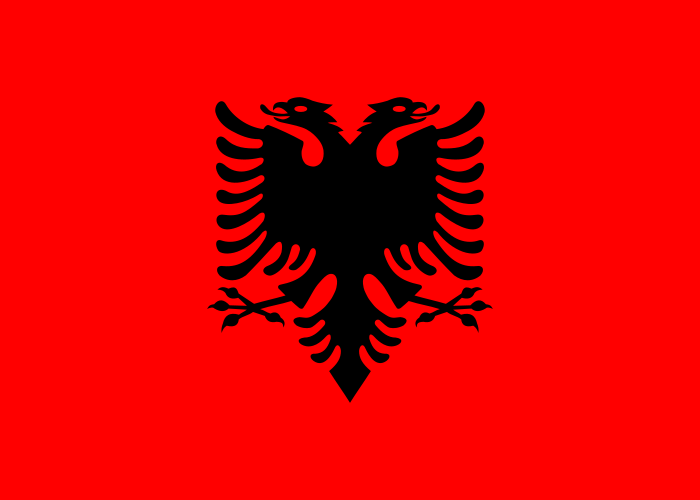
Albania at a glance
- Capital
- Tirana
- Quiz continent
- Europe
- Languages in reference record
- Albanian
- Currency
- Lek (ALL)
- Population
- 2,349,580 (2025, World Bank)
- Area
- 28,748 km²
- Coastal setting
- Not landlocked
- ISO codes
- AL / ALB
- Internet country suffix
- .al
- Highest mountain
- Korab, 2,764 m
- Shared sea
- Lake Skutari with Montenegro
- Independence
- 28 November 1912
- National symbol
- Black double eagle
- Administration
- 12 prefectures in the archive status 2025
- Strait
- Street of Otranto
Albania Flag: Design, Meaning and History
The flag shows a black double eagle on a red background. Its two heads look left and right; the wing and tail are symmetrically spread out. Unlike many eagle flags, the animal stands directly on the color surface, without shield, crown or circulating stars. Already this reduced connection of red and black makes Albania easily recognizable.
The double eagle is associated with the freedom fighter Skanderbeg and his reign in the 15th century. At the Declaration of Independence of 1912, this older sign gained new national significance. The 28th of November is also called Flag Day. The popular interpretation of Albania as a land of eagles is a cultural self-description; it does not replace a clear linguistic explanation of the country's name.
Capital: Tirana
Tirana is the capital and is located in the western interior, not directly on the sea. Its location connects the coastal plain with the paths to the mountain regions. Durres, on the other hand, is the important port on the Adriatic. The two cities thus perform different tasks, although they belong to the same densely populated West.
In the centre of Tirana, Skanderbeg Square is reminiscent of the same historical figure with which the flag symbol is linked. The city name is already occupied in the Middle Ages; its origin remains uncertain. This is a good occasion to distinguish between visible monuments, proven historical names and founding legends told afterwards.
Practise this capital →Albania: Geography, History and Culture
Large parts of Albania consist of mountains and hills. The Korab reaches 2,764 meters on the border with North Macedonia. Mediterranean conditions prevail on the coast with dry summers, in the mountainous country the winters are much colder. Therefore, in relatively short distances vegetation, agriculture and settlement forms change significantly. The road of Otranto lies between Albania and southern Italy. It connects the Adriatic Sea and the Ionian Sea; as a result, the relatively short coastline has an important location within the larger Mediterranean region.
Albanian is an independent language within the Indo-European language family. The current boundaries do not coincide with their entire range. Historical connections across the Adriatic and the Balkan regions explain why cities and cultural monuments meet various Mediterranean and Southeast European influences.
UNESCO manages both individual Albanian sites and cross-border protected areas. Lake Ohrid connects Albania with North Macedonia; Lake Skutari is shared with Montenegro. Nature conservation can therefore only be understood together with the neighbours. The geographical indications of the Factbook archive used refer to its 2025 country status.
butrinte
The archaeological site Butrint is a UNESCO World Heritage site. It complements the image of a mountainous country with the history of an old Mediterranean settlement site.
Berat and Gjirokastra
The historical centers of both cities are jointly on the World Heritage List. Their preserved cityscapes make older forms of living and building visible.
Shared natural heritage
Albania participates in the World Heritage of the European beech forests and the Ohrid region. Both entries extend beyond national borders.
Explore neighbouring and related places
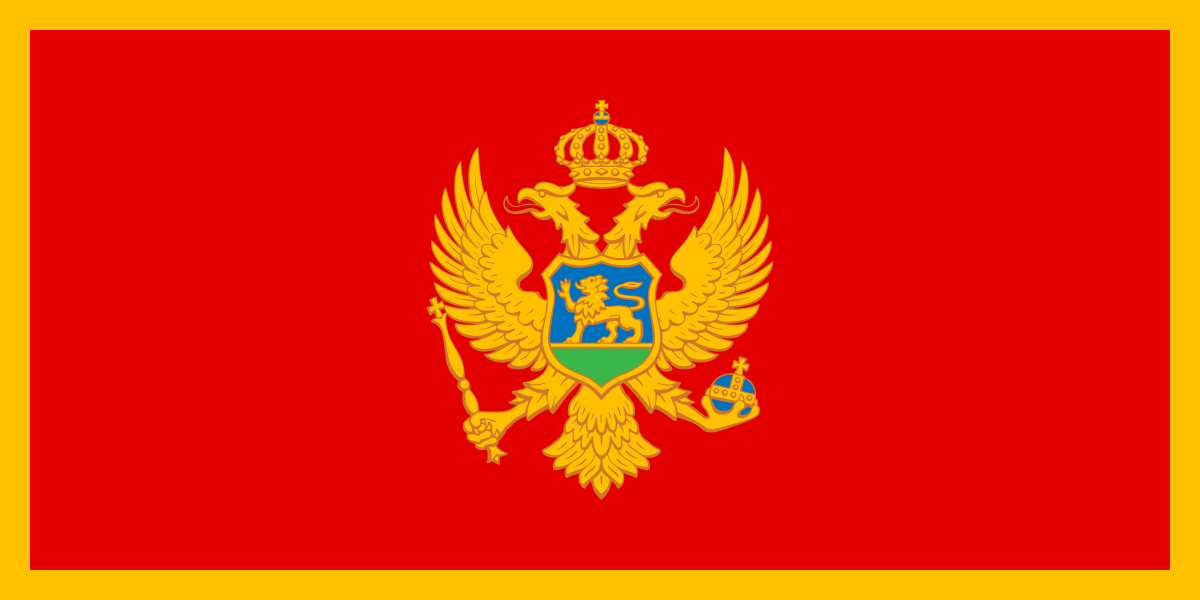 Montenegro
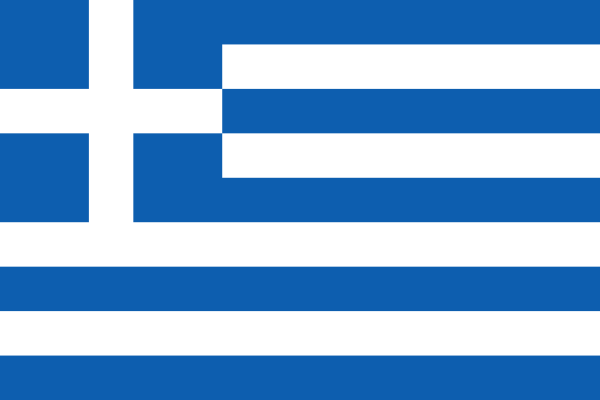 Greece
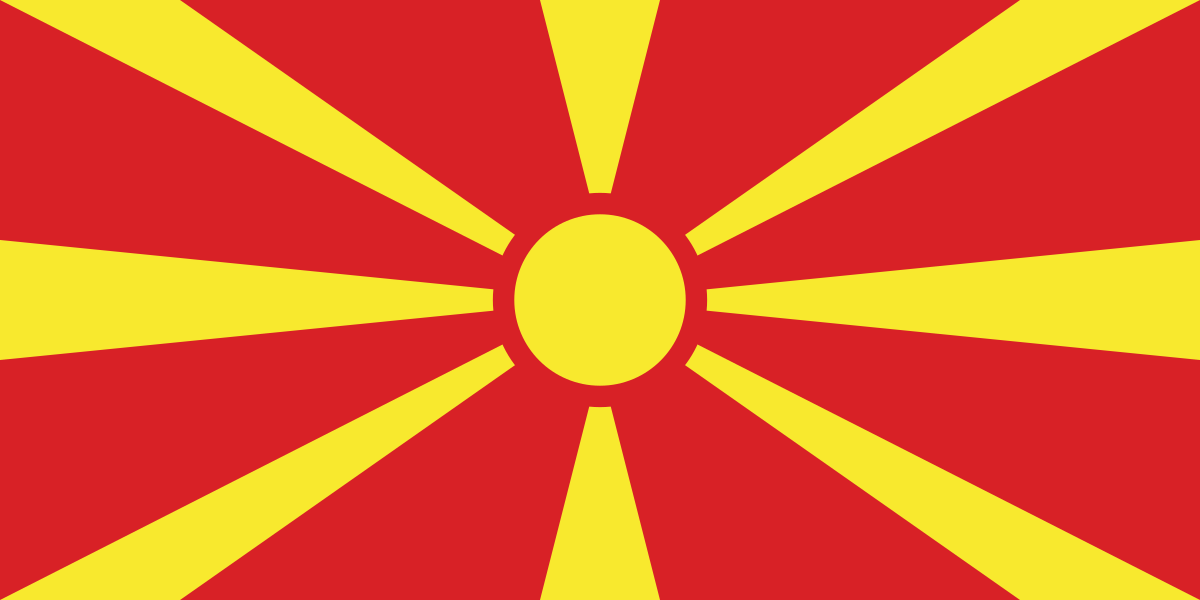 North Macedonia
What did you discover?
Sources and image credits
This English article draws on the institutional sources listed below. Figures and memberships retain their stated reference dates.
Source record: 2 November 2026. A translation does not change the reference date of a figure or membership list.
- github.com/factbook/factbook.json/blob/144d6977b2b01ac1cbd220de754c0a005616760b/europe/al.json
- data.worldbank.org/indicator/SP.POP.TOTL
- whc.unesco.org/en/statesparties/al
- github.com/mledoze/countries