African Union: Flag, History and Membership
The green flag of the African Union puts the African continent at the centre. Bright rays and a ring of gold stars surround the map. The sign combines the idea of continental togetherness with the diversity of its Member States. The history of the Organization of African Unity and the special membership status of Western Sahara are essential for understanding.
Test your knowledge →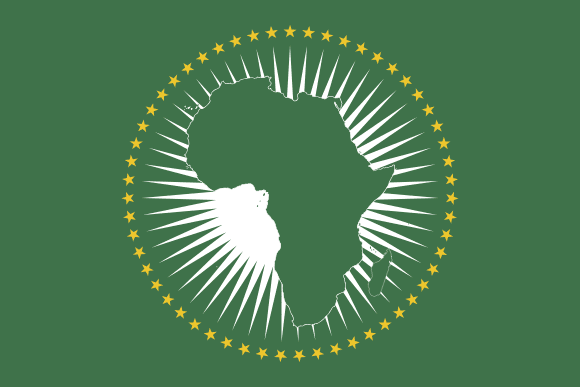
Key facts and distinctions
- Article focus
- International organisation
- Membership record
- 1 November 2026
- Linked country entries
- 54
- List definition
- Country subset of the supplied member record
- Organisation
- African Union; AU
- Predecessor
- Organisation for African Unity; OAU
- OAU founded
- 25 May 1963
- AU launched
- 2002
- New Flag Design Approved
- 3 July 2009, Sirte
- Intended official introduction
- Ordinary Assembly in early 2010
- Designer of the selected design
- Yadessa Zewge Bojia
- Membership
- 55 including SADR; tested on 1 November 2026
Africa in the Star Ring
In the existing picture, a green map of Africa appears in front of a bright ring of rays. A circle of small gold stars surrounds the motif on a green cloth. The official description of symbols connects the stars with the Member States. The green is explained in the AU manual as the hope of Africa. The map focuses on the continent as a whole, instead of juxtaposing individual coats of arms.
The bright center and the darker ground make the outline shape clear. In a small preview, the continent and the round arrangement are first noticeable. Individual islands and stars are harder to detect. The entire image pattern therefore helps for a reliable assignment: green area, Africa outline, bright ray ring and golden ring of stars belong together.
From the OAU to today’s African Union
The Organization for African Unity, or OAU for short, was founded on 25 May 1963 in Addis Ababa. The African Union was founded in 2002 as a successor organisation. It pursues further cooperation and integration at continental level. This development is important for the flag because the sign shown here belongs to the AU and should not simply be equated with every older symbol of the OAU.
The new flag design was decided on 3 July 2009 in Sirte. The underlying resolution names the Ethiopian designer Yadessa Zewge Bojia and provides for the official introduction at the next ordinary meeting in early 2010. The years 2009 and 2010 are therefore not contradictory: they concern selection decision and public introduction. The organization itself, in turn, is older than this design.
55 members and a particular geographical issue
The current official AU overview lists 55 member states. These include the 54 African UN member states and the Democratic Arab Republic of the Sahara, SADR for short. The latter claims the disputed territory of Western Sahara. Your AU membership explains why the number of members is higher than the number of African countries in the collection of UN member states used here.
Membership and participation in individual institutions are also different issues. Temporary suspension after political upheaval does not automatically end membership of the Union. Therefore, a list of members should not be rewritten without examination on the basis of current attendees. In the quiz, the explicitly designated institutional status counts; the card on the flag alone does not provide a complete answer.
Details Worth Remembering
An additional entry outside the country base list
The SADR shows why registers of members of an organization are not always congruent with a general list of countries. The AU makes its own institutional decisions. A factual presentation names this membership and at the same time the controversial status of Western Sahara, without deriving a general claim of recognition from it.
Read the decision and the introduction separately
For flags, several years can be correct at the same time. In the case of the AU, 2009 documents the selection decision, while the presentation was scheduled for early 2010. Whoever puts such information side by side should first check which process a source describes. This prevents apparent contradictions.
A continent as a common motive
The map of Africa conveys spatial togetherness immediately. However, it does not form a membership table and does not declare border disputes. The simple outline is particularly suitable as an identification mark, while concrete legal issues must be dealt with in separate lists and explanations. The picture and institutional information complement each other particularly clearly here.
The illustrated signs and variants
Countries in the supplied learning record
These links cover countries represented in this site’s country database. Any territories, regional governments, observer categories or participation qualifications are discussed above. Counts are not interchangeable.
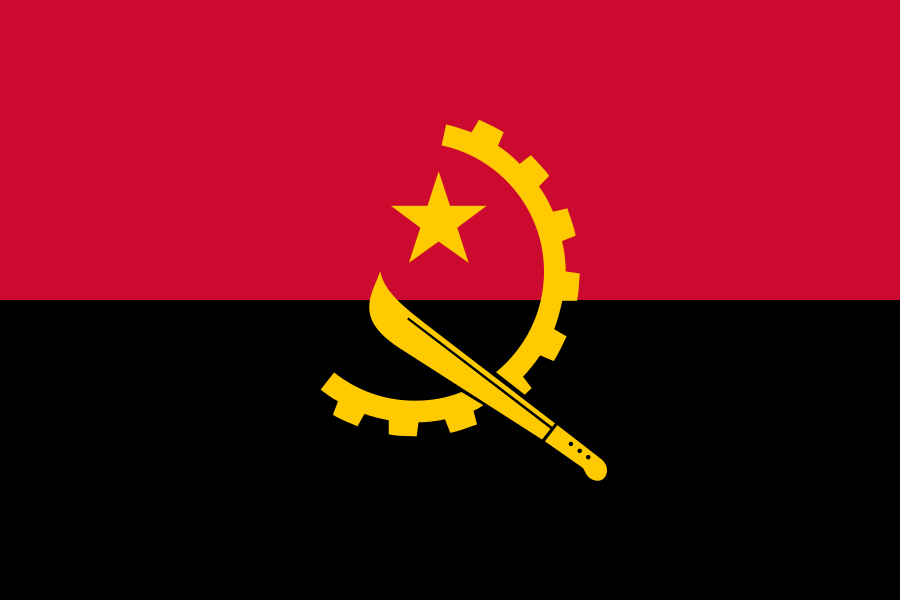 AngolaLuanda
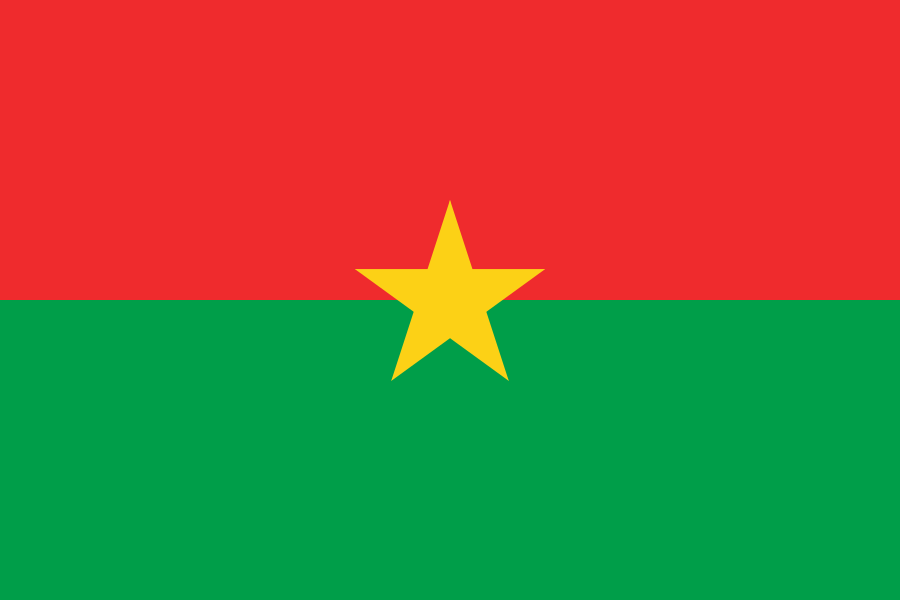 Burkina FasoOuagadougou
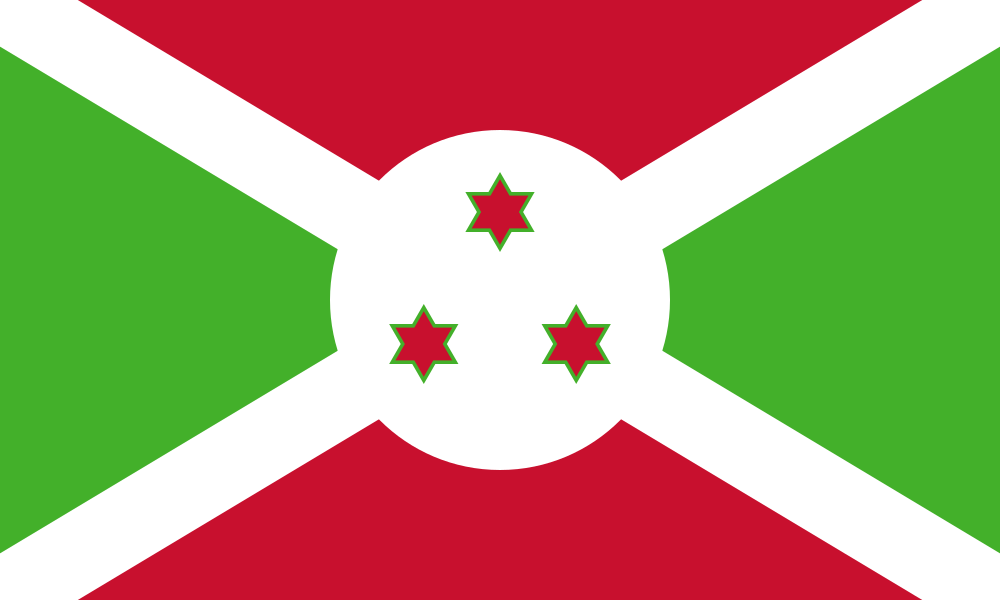 BurundiGitega
 BeninPorto-Novo
 BotswanaGaborone
 Democratic Republic of the CongoKinshasa
 Central African RepublicBangui
 Republic of the CongoBrazzaville
 Côte d’IvoireYamoussoukro
 CameroonYaoundé
 Cape VerdePraia
 DjiboutiDjibouti
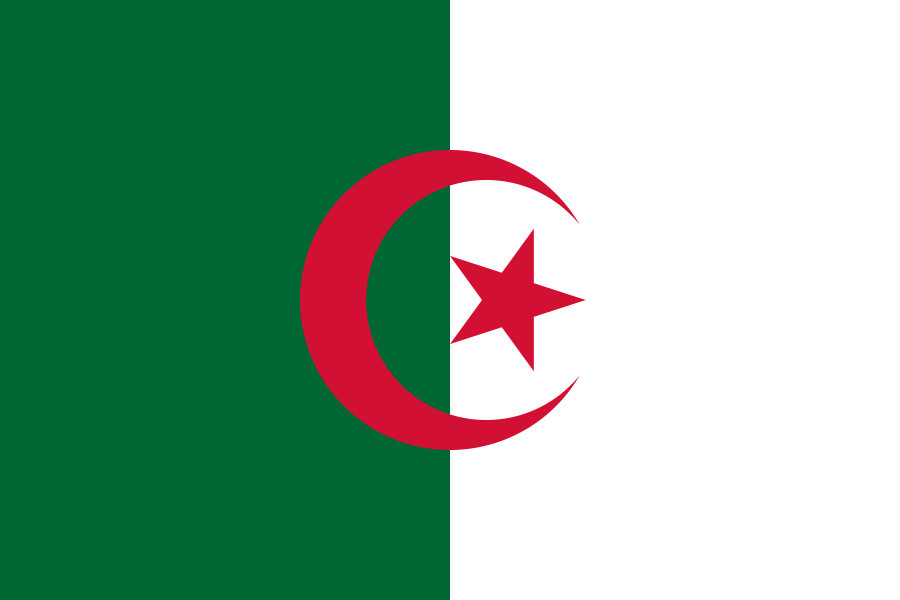 AlgeriaAlgiers
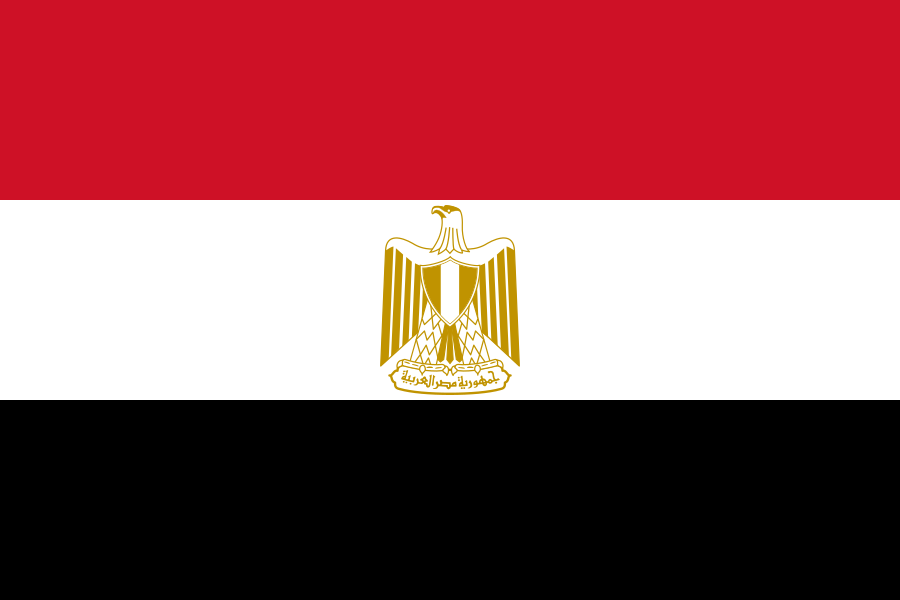 EgyptCairo
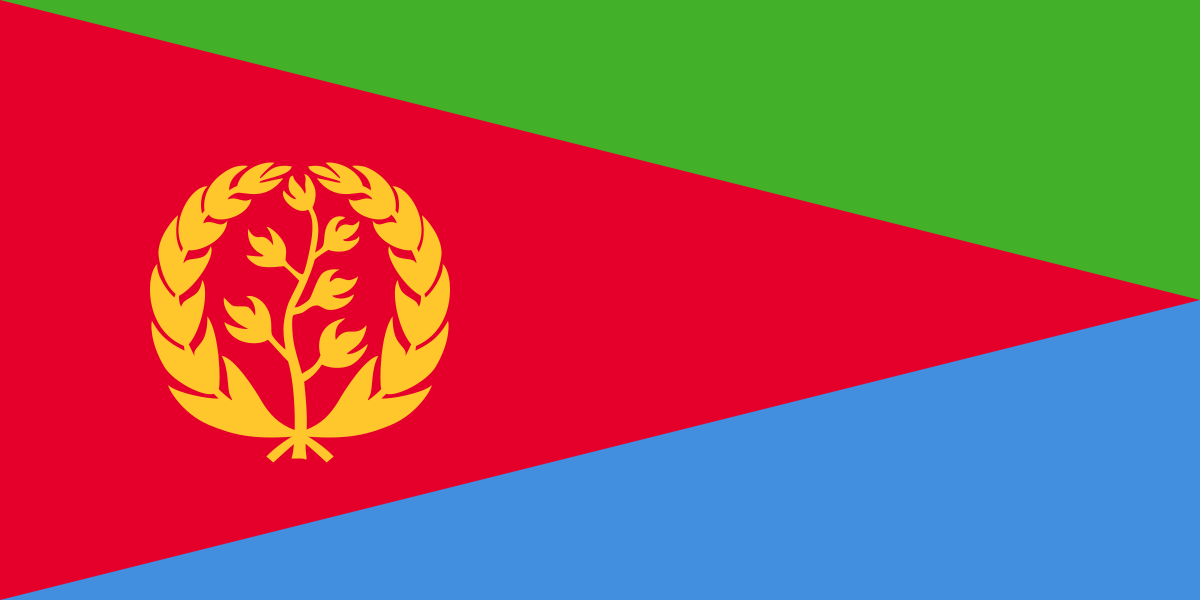 EritreaAsmara
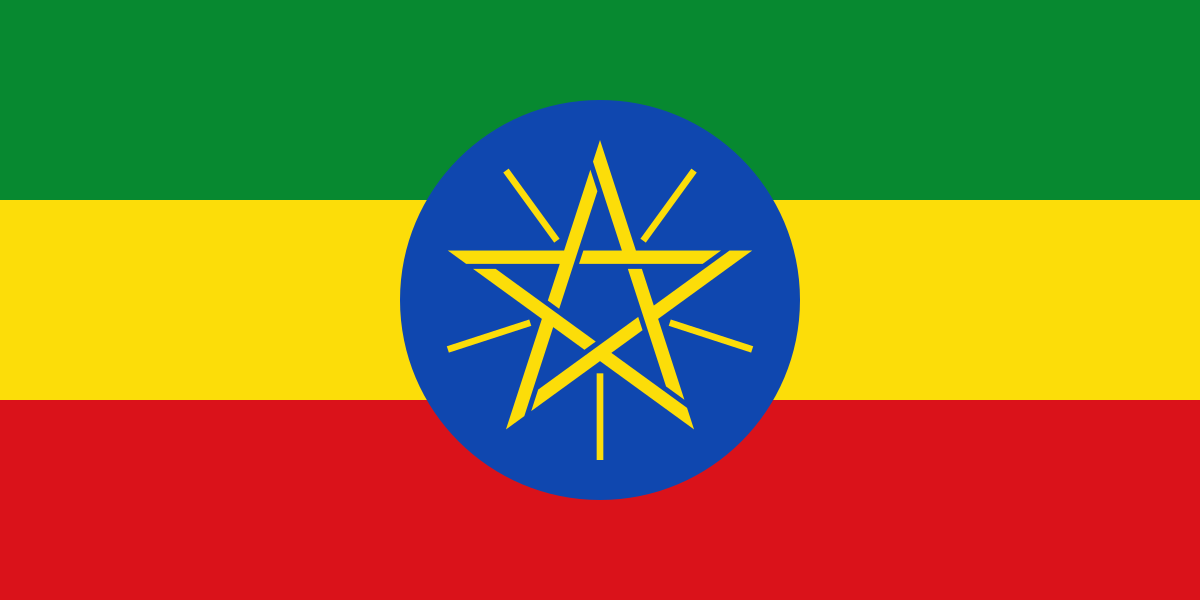 EthiopiaAddis Ababa
 GabonLibreville
 GhanaAccra
 GambiaBanjul
 GuineaConakry
 Equatorial GuineaCiudad de la Paz
 Guinea-BissauBissau
 KenyaNairobi
 ComorosMoroni
 LiberiaMonrovia
 LesothoMaseru
 LibyaTripoli
 MoroccoRabat
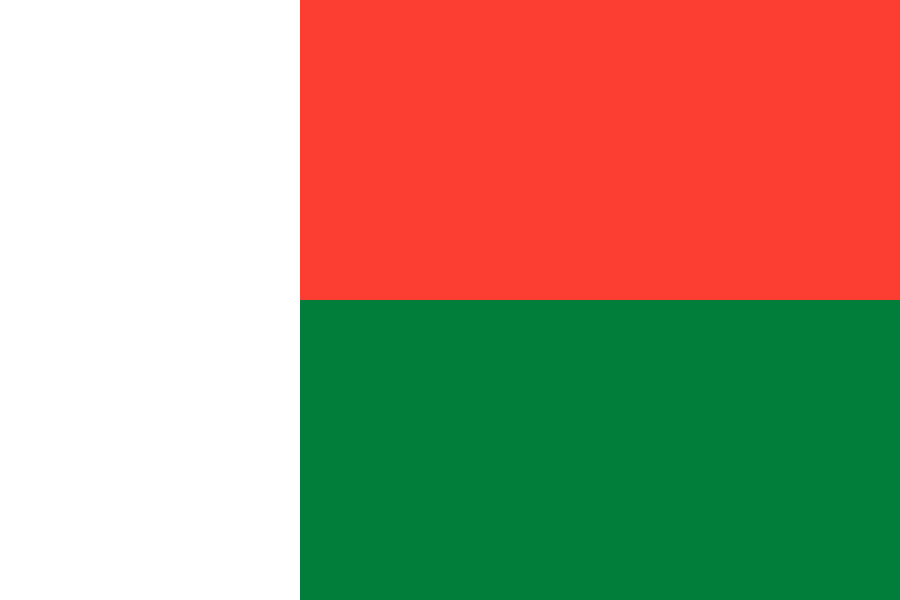 MadagascarAntananarivo
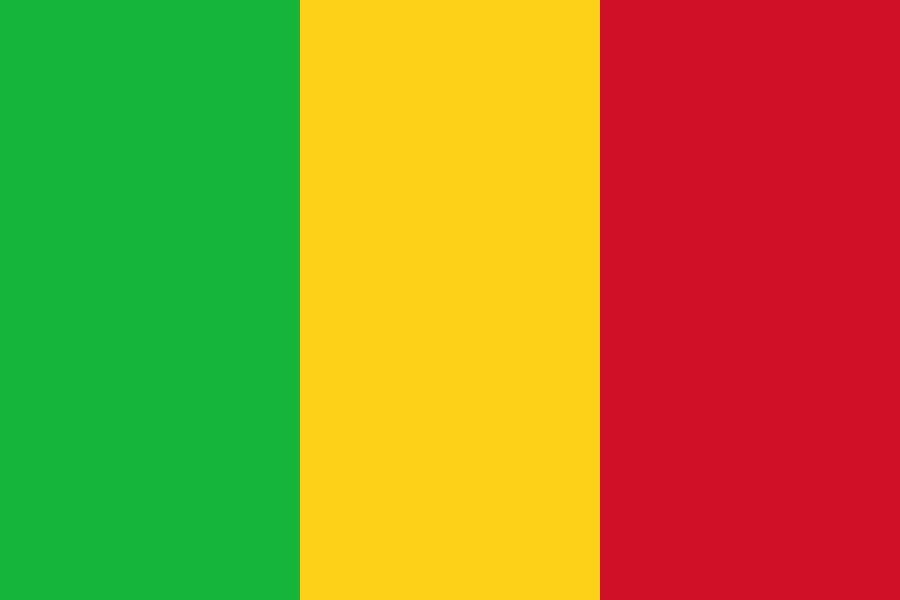 MaliBamako
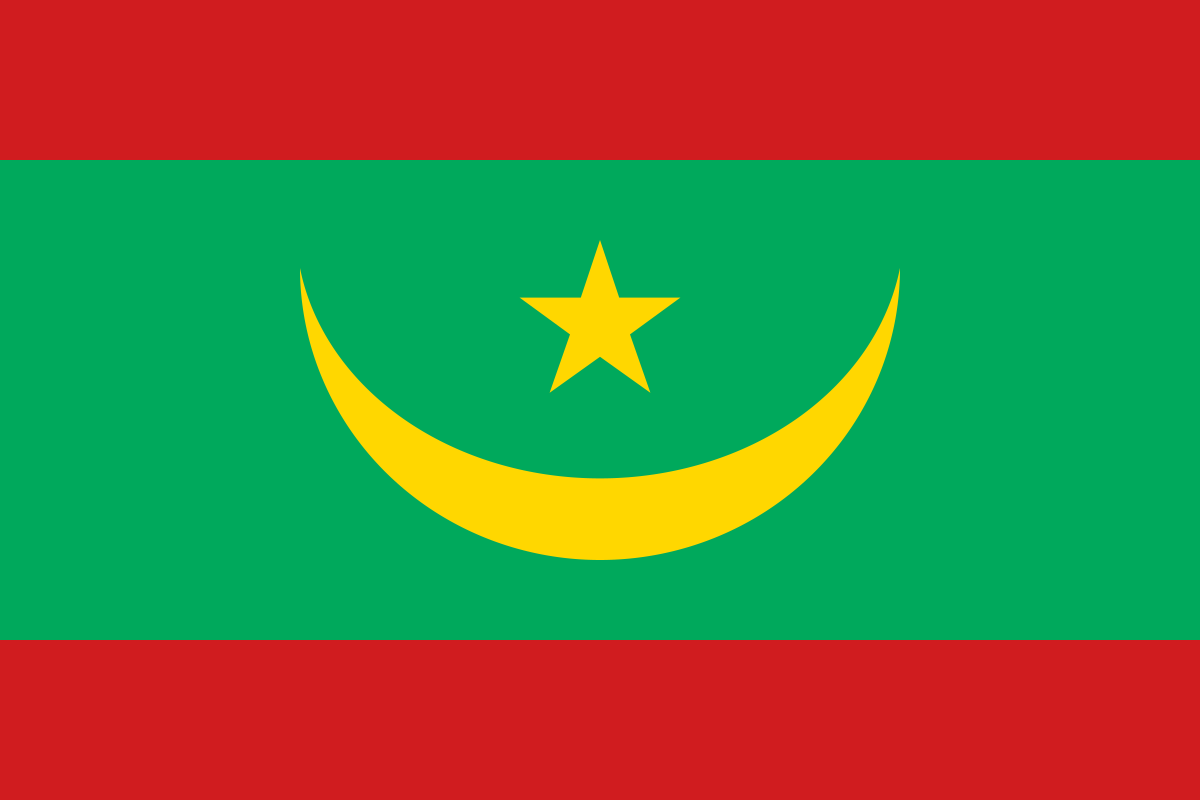 MauritaniaNouakchott
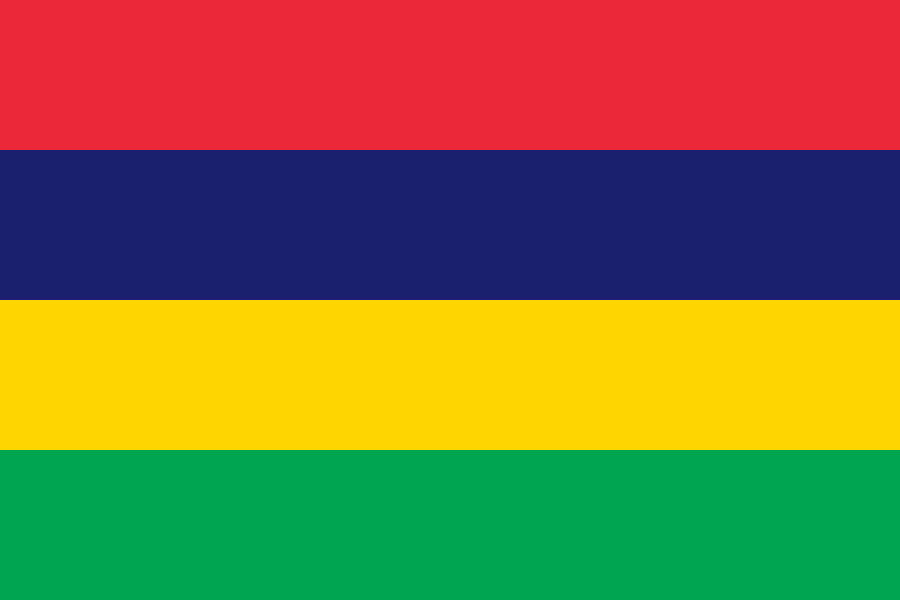 MauritiusPort Louis
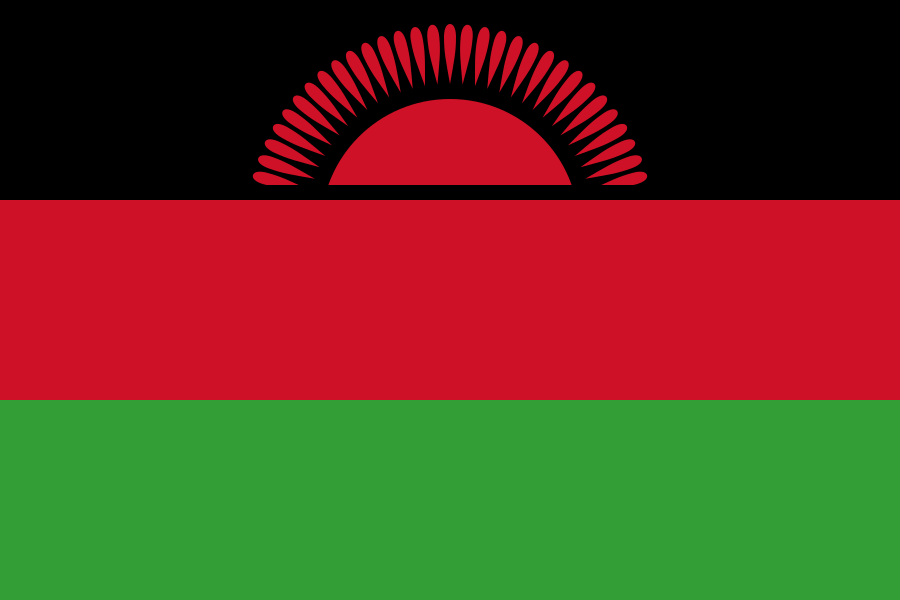 MalawiLilongwe
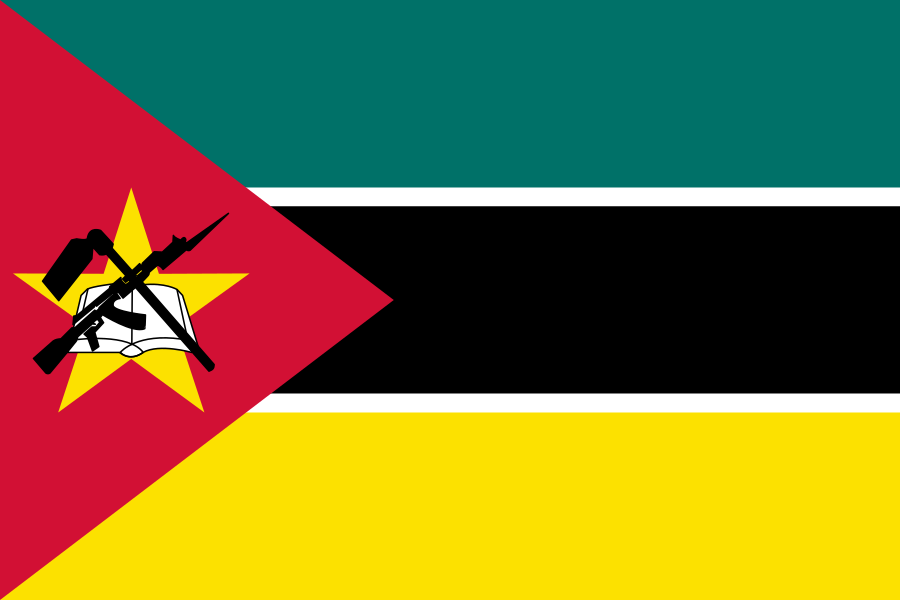 MozambiqueMaputo
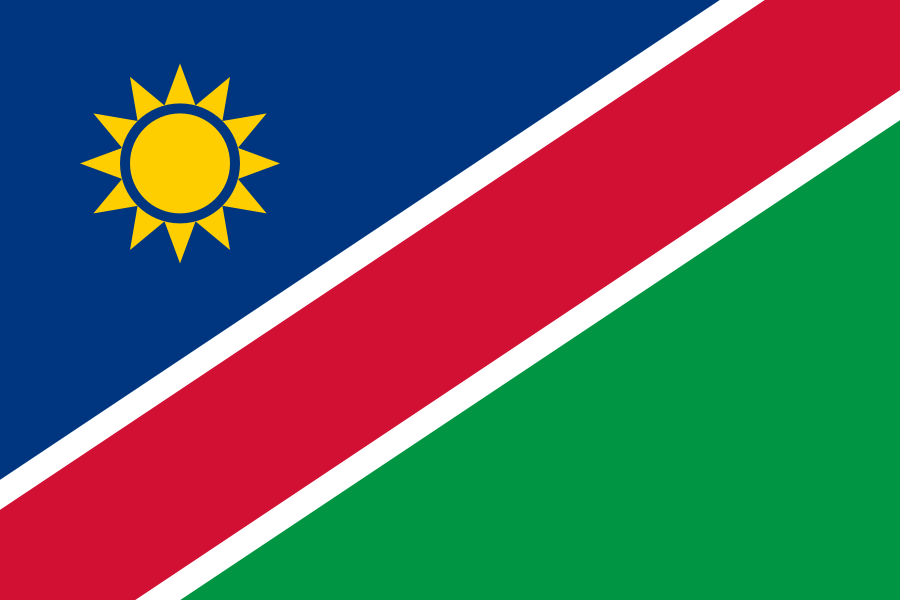 NamibiaWindhoek
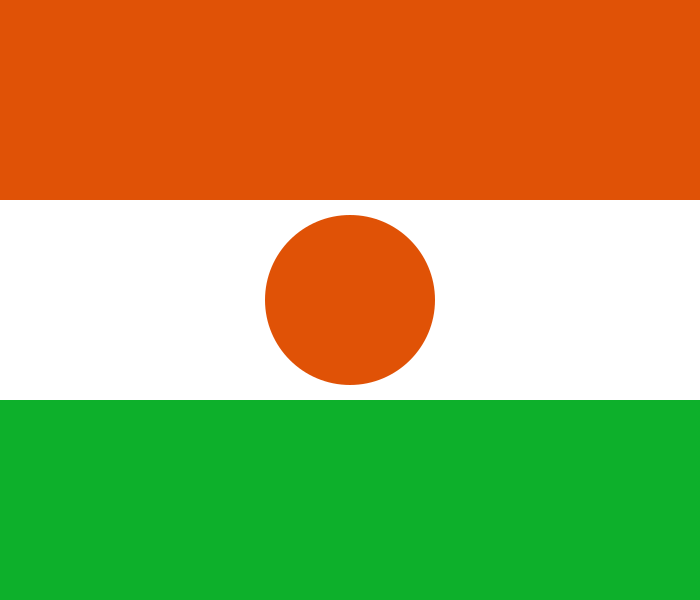 NigerNiamey
 NigeriaAbuja
 RwandaKigali
 SeychellesVictoria
 SudanKhartoum
 Sierra LeoneFreetown
 SenegalDakar
 SomaliaMogadishu
 South SudanJuba
 São Tomé & PríncipeSão Tomé
 EswatiniMbabane
 ChadN'Djamena
 TogoLomé
 TunisiaTunis
 TanzaniaDodoma
 UgandaKampala
 South AfricaPretoria
 ZambiaLusaka
 ZimbabweHarare
Continue exploring
 United Nations
 European Union
 NATO
 Commonwealth of Nations
 Arab League
 ASEAN
What did you discover?
Take this flag into the quiz
Sources and image credits
This English article draws on the institutional sources listed below. Figures and memberships retain their stated reference dates.
Source record: 2 November 2026. A translation does not change the reference date of a figure or membership list.
- au.int/en/about/symbols
- au.int/en/AU_Member_States
- au.int/en/overview
- oau-aec-au-documents.uwazi.io/en/entity/2tjfaw06jmwz39850blkye3ik9/text-search
- au.int/sites/default/files/documents/31829-doc-au_handbook_2020_english_web.pdf