Arab League: Flag, History and Membership
The flag of the Arab League bears a white emblem on a green background. Arabic script, a surrounding wreath and a chain form the central sign. Behind this is a regional state organization that has been organizing cooperation since 1945. Its members are located in Africa and Asia; common language and political cooperation connect a geographically wide area with different state interests.
Test your knowledge →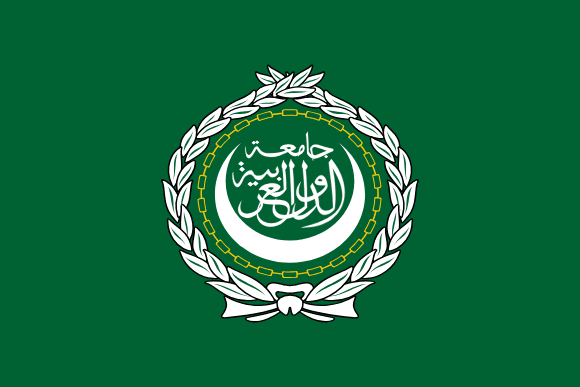
Key facts and distinctions
- Article focus
- International organisation
- Membership record
- 1 November 2026
- Linked country entries
- 22
- List definition
- Country subset of the supplied member record
- Official English name
- League of Arab States
- Founding Pact
- 22 March 1945, Cairo
- Entry into force of the Pact
- 10 May 1945
- Seat
- Cairo, Egypt
- Members
- 22 including Palestine; checked on 1 November 2026
- Syrian participation resumed
- Decision of 7 May 2023
- Flag ground
- Green
- Central image
- White emblem with Arabic script and wreath
Wreath and writing on green cloth
The existing flag image shows Arabic script in the center within a round frame. A white wreath and a chain shape surround the inner sign. In a small format, these elements initially appear like a single white seal. On closer inspection, the leaf structure, the font in the center and the closed or open lines of the border differ.
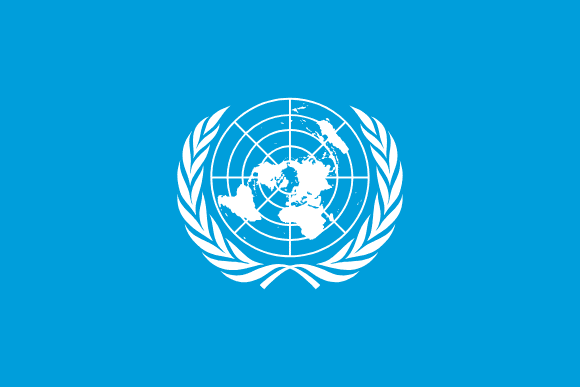
The Arabic name directly refers to the organization. Unlike the UN flag, the central field is not shaped by a world map. For recognition, therefore, the frequently used color green is not sufficient. The combination of white round character and surrounding wreath shape makes this cloth characteristic. A binding significance of each individual ornamental element is not claimed here without a reliable institutional source.
A Pact from 1945
The League’s founding pact was concluded in Cairo on 22 March 1945. The United Nations Treaty Records its entry into force on 10 May 1945. The organization was created before the entry into force of the UN Charter in October of the same year. Cairo is also the seat of the League. The historical date of establishment and the date of entry into force of the Treaty should be indicated separately.
Their mandate focuses on closer relations between members, coordination of policies and cooperation while maintaining state independence. Issues can be economic, social, cultural or security issues. A common organization does not mean that all members represent the same positions in every conflict. The League provides a framework within which governments coordinate interests and seek joint decisions.
22 members across two continents
The confirmed survey includes 22 members, including Palestine. Its membership extends from Northwest Africa to the Middle East and to the Horn of Africa and Comoros countries. Thus, the designation Arabic is not a mere geographical subdivision into a single continent. It describes the political and linguistic-cultural context to which this regional cooperation relates.
Syria’s participation in the League’s meetings was temporarily suspended. On 7 May 2023, the Foreign Ministers decided to resume Syrian government delegations. This process must be distinguished from a new establishment or first accession. It also shows why membership and actual political participation are not always the same. For current assignments, a dated institutional source is therefore more helpful than an older general lexicon entry.
Details Worth Remembering
An organization on two continents
The Member States are divided between Africa and Asia. This makes the League a good example that regional organizations do not necessarily follow the usual continental borders. When assigning, it helps to learn your institutional membership list independently and not just start from the continent of a country.
Resumption is not a first accession
The decision on Syria in 2023 concerned the return of its delegations to meetings. Such wordings are more accurate than a blanket statement about a new accession. Political participation can be restricted or re-enabled, while the historical affiliation of a state remains another question.
The scripture belongs to the recognition image
Even without being able to read Arabic, the flag can be recognized by the shape of its emblem. The signs in the center, their round arrangement and the white border together form a pattern. This makes it easier to distinguish between green national flags that use different lettering or clearly different symbols.
The illustrated signs and variants
Countries in the supplied learning record
These links cover countries represented in this site’s country database. Any territories, regional governments, observer categories or participation qualifications are discussed above. Counts are not interchangeable.
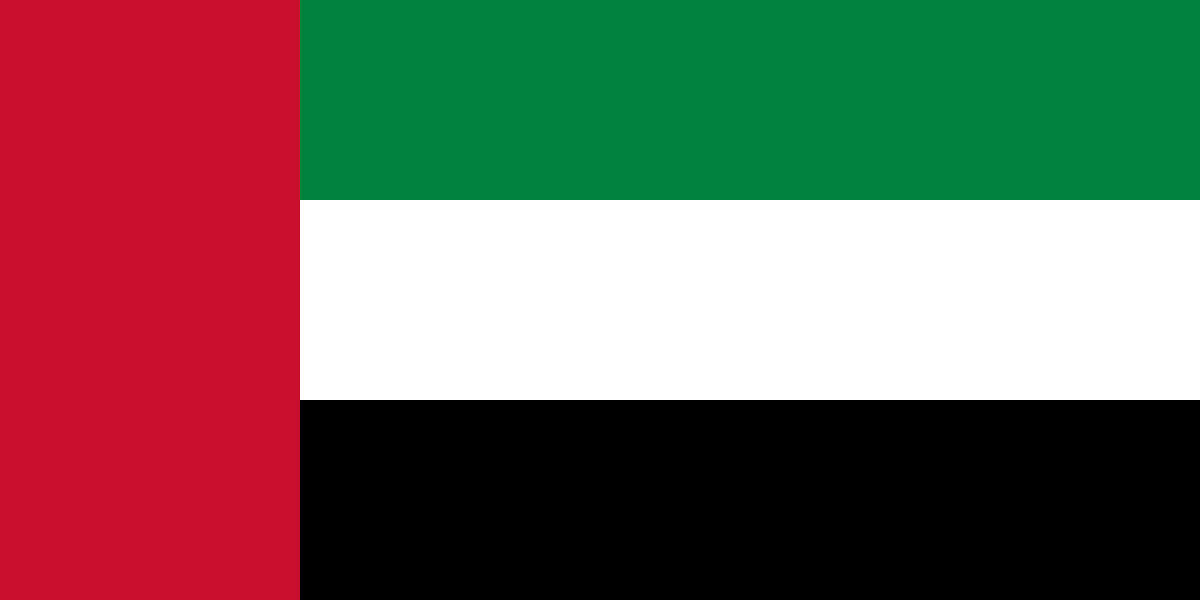 United Arab EmiratesAbu Dhabi
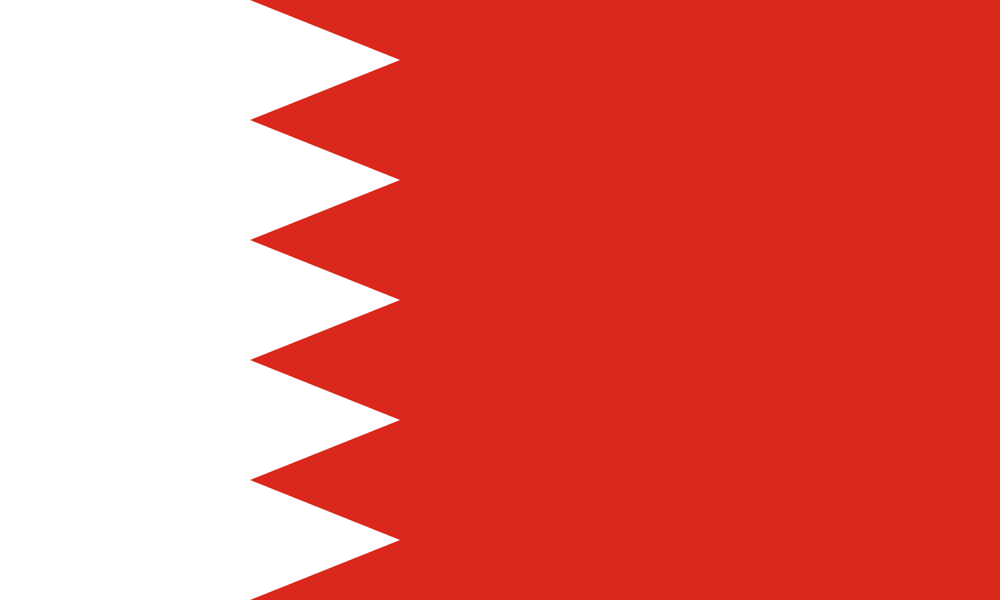 BahrainManama
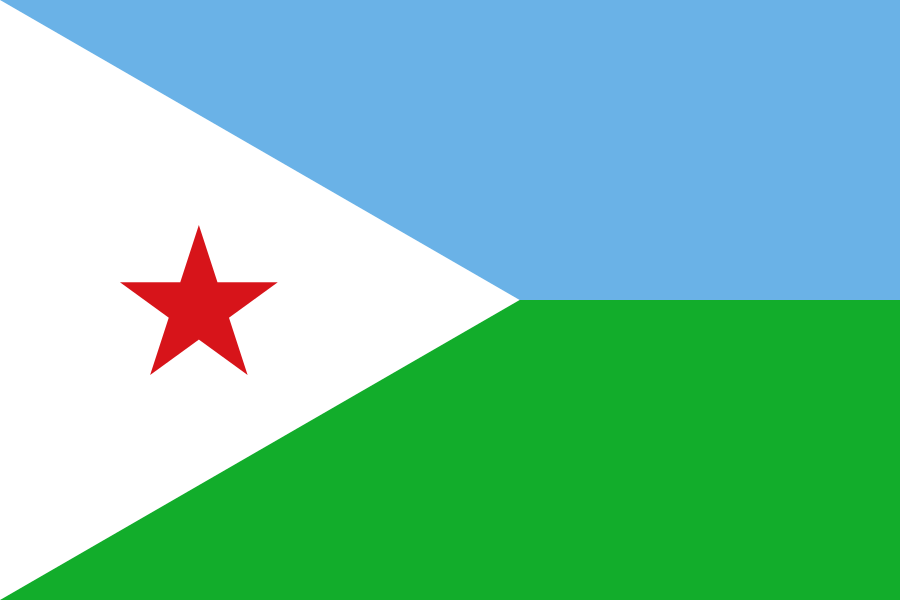 DjiboutiDjibouti
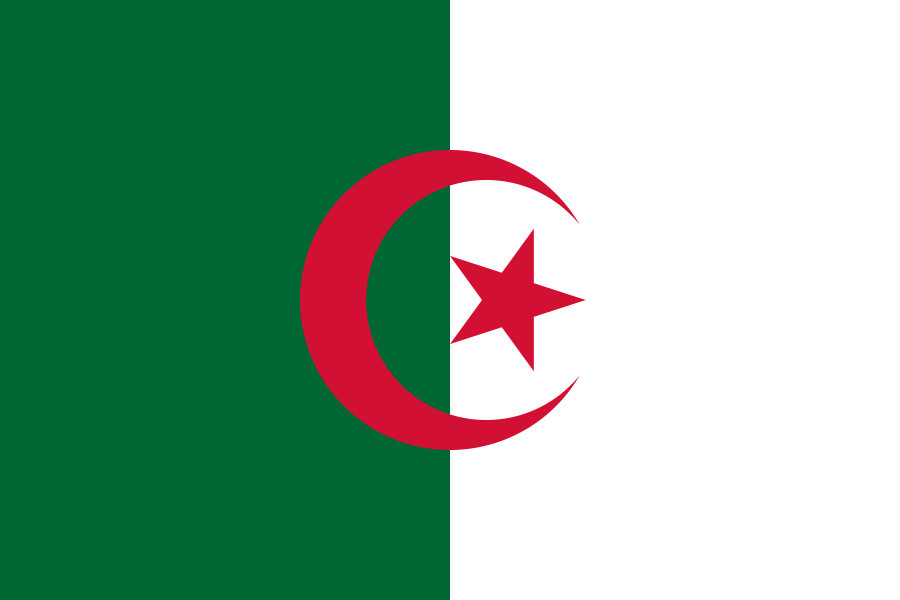 AlgeriaAlgiers
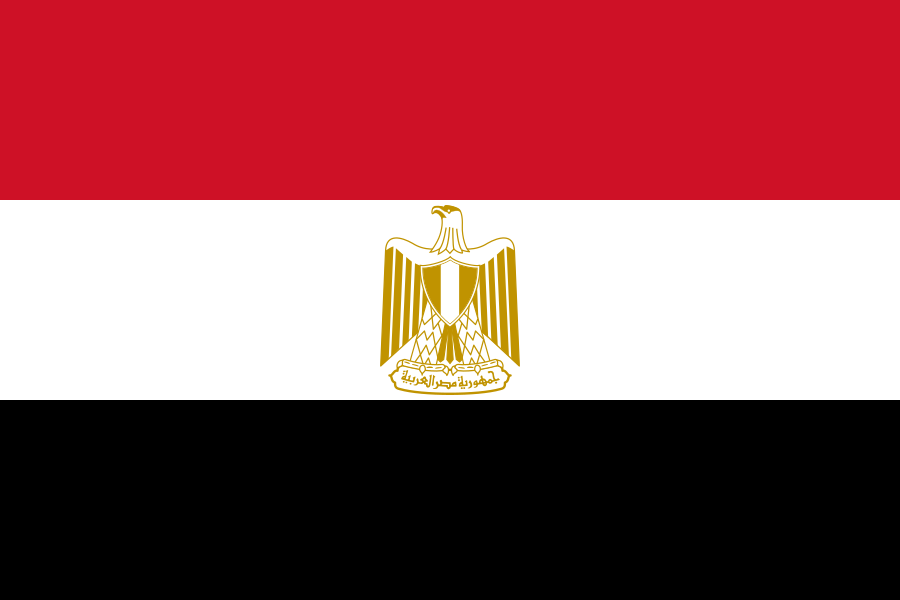 EgyptCairo
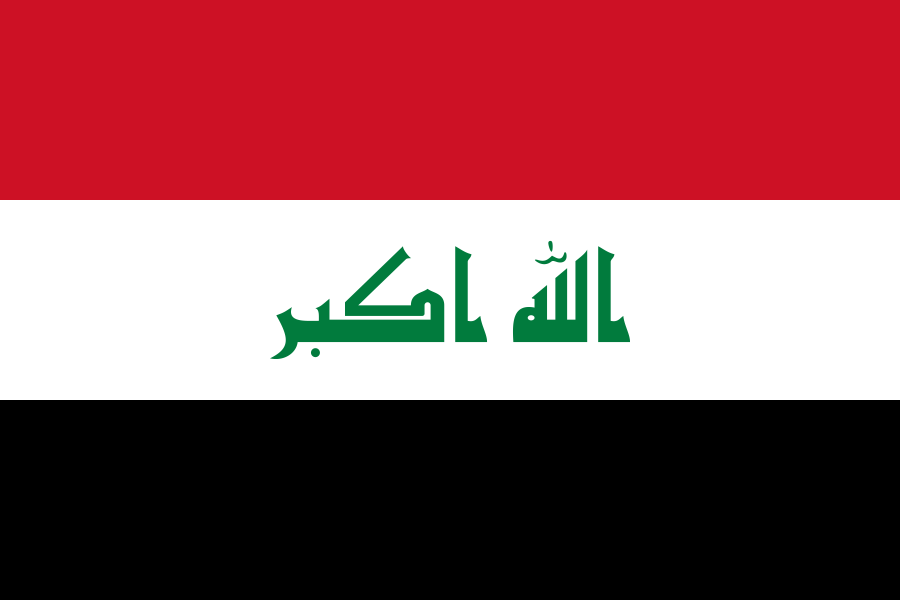 IraqBaghdad
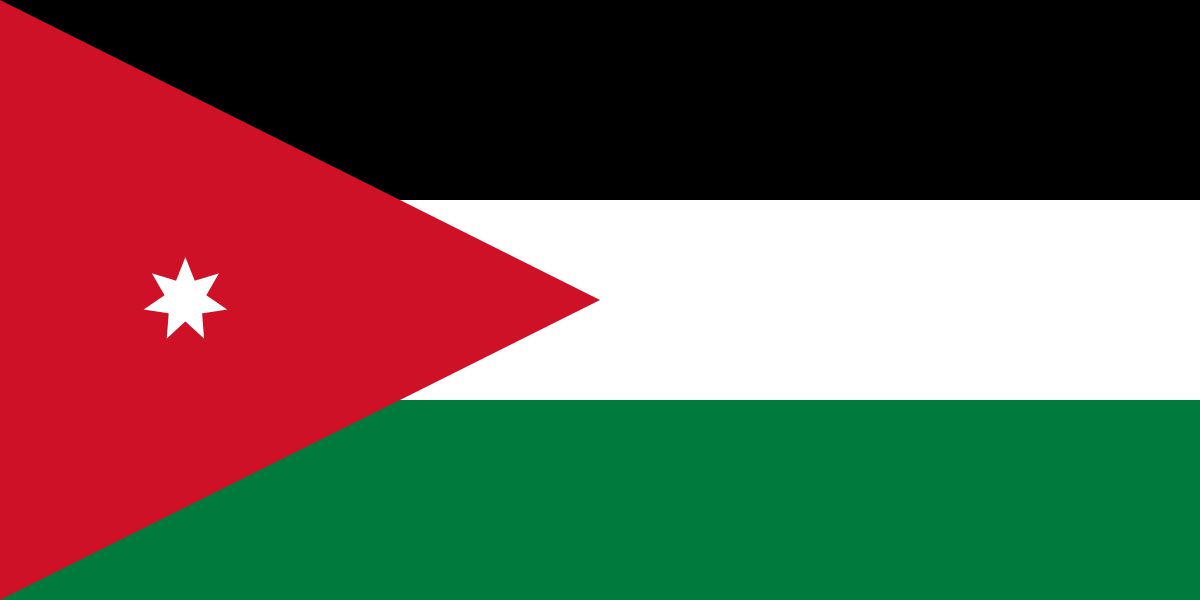 JordanAmman
 ComorosMoroni
 KuwaitKuwait City
 LebanonBeirut
 LibyaTripoli
 MoroccoRabat
 MauritaniaNouakchott
 OmanMuscat
 PalestineRamallah
 QatarDoha
 Saudi ArabiaRiyadh
 SudanKhartoum
 SomaliaMogadishu
 SyriaDamascus
 TunisiaTunis
 YemenSana'a
Continue exploring
 United Nations
 European Union
 NATO
 Commonwealth of Nations
 African Union
 ASEAN
What did you discover?
Take this flag into the quiz
Sources and image credits
This English article draws on the institutional sources listed below. Figures and memberships retain their stated reference dates.
Source record: 2 November 2026. A translation does not change the reference date of a figure or membership list.
- treaties.un.org/pages/showDetails.aspx
- eeas.europa.eu/node/410253_ky
- eeas.europa.eu/eeas/middle-east-and-north-africa-mena_en
- uqn.gov.sa/details