Organisation of Islamic Cooperation: Flag, History and Membership
The Organization of Islamic Cooperation uses a green sign with a crescent moon, globe and a stylized Kaaba. The white flag shown here bears this figurative mark without national flags. The OIC connects 57 countries across several continents. It was founded in 1969 in Rabat; its permanent General Secretariat was subsequently established in Jeddah and remains its organisational centre today.
Test your knowledge →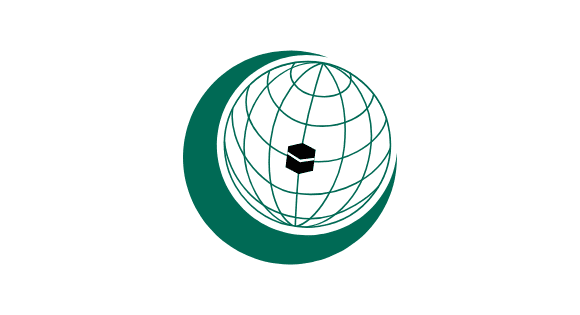
Key facts and distinctions
- Article focus
- International organisation
- Membership record
- 1 November 2026
- Linked country entries
- 57
- List definition
- Country subset of the supplied member record
- Short name
- OIC
- Member States
- 57
- Establishment decision
- 25 September 1969
- Place of establishment
- Rabat, Morocco
- Permanent Secretariat
- Jeddah, Saudi Arabia
- First Charter
- 1972
- New Charter
- Dakar, 2008
- Name and emblem renewed
- 2011
- Syrian resumption
- Decision of 7 March 2025
Crescent, Globe and Kaaba
The emblem consists of three interlaced basic motifs. A green crescent comprises a globe with longitude and latitude lines; in the center of this is a small black representation of the Kaaba. On the white cloth, the fine geographical lines remain visible. The sign does not show a map of a single Member State or a star for each Member State.
The official organizational magazine explains the Kaaba as the center of the Islamic world and a sign of its unity. The globe refers to the diversity of humanity, the crescent to Islam as a connecting orientation. This religious symbolism describes the common institutional identity without abolishing the cultural, linguistic or political differences of the member states.
From Rabat to the Permanent Secretariat
The organisation was established by a summit decision of 25 September 1969 in Rabat. This was due to the arson attack on the Al-Aqsa Mosque in Jerusalem. In 1970, the Foreign Ministers in Jeddah decided to set up a permanent secretariat. In 1972, the first Charter was adopted which set out the objectives and principles of cooperation.
Today's Charter was adopted at the Dakar Summit in 2008. In 2011, the organization changed its name from Organization of the Islamic Conference to Organization of Islamic Cooperation; the emblem was also renewed. The surviving short name OIC thus combines a historical abbreviation with an altered English long form and a broader emphasis on working standards.
A Multilateral Organization with 57 States
The OIC sees itself as the common voice of its member states for the Muslim world. Their topics range from political coordination and peace issues to development, science, education and humanitarian cooperation. Decisions of such an organization must not be read as a unified position of all Muslim people. Members are states, not individuals or religious communities.
The official size is 57 Member States; observers form a separate category. Syria’s membership was resumed in March 2025 after it had previously been suspended. This process shows why an older list of suspended participants needs to be updated. The current presentation counts Member States and distinguishes them from other forms of institutional participation.
Details Worth Remembering
World globe instead of regional map
The globe is a suitable distinguishing feature for an organization whose members are spread over several continents. Anyone who confuses the OIC with the Arab League overlooks this larger context. The common religious reference also makes the states neither linguistically Arabic nor politically or culturally uniform among themselves.
An old short name is retained
Abbreviations can survive name changes. The C in OIC used to stand for Conference and today stands for Cooperation. The renaming emphasized lasting collaboration beyond individual conferences. For flag science, this explains why older texts use other long forms even though they describe the same institutional development.
Syria and the temporal reference
The resumption of Syria, which was decided in March 2025, is a concrete example of changing participation rights. A source from the time of the suspension can be historically correct and at the same time insufficient for the present state. For an organization with politically changing participation, the flag image and the list of members should therefore always be checked separately.
The illustrated signs and variants
Countries in the supplied learning record
These links cover countries represented in this site’s country database. Any territories, regional governments, observer categories or participation qualifications are discussed above. Counts are not interchangeable.
 United Arab EmiratesAbu Dhabi
 AfghanistanKabul
 AlbaniaTirana
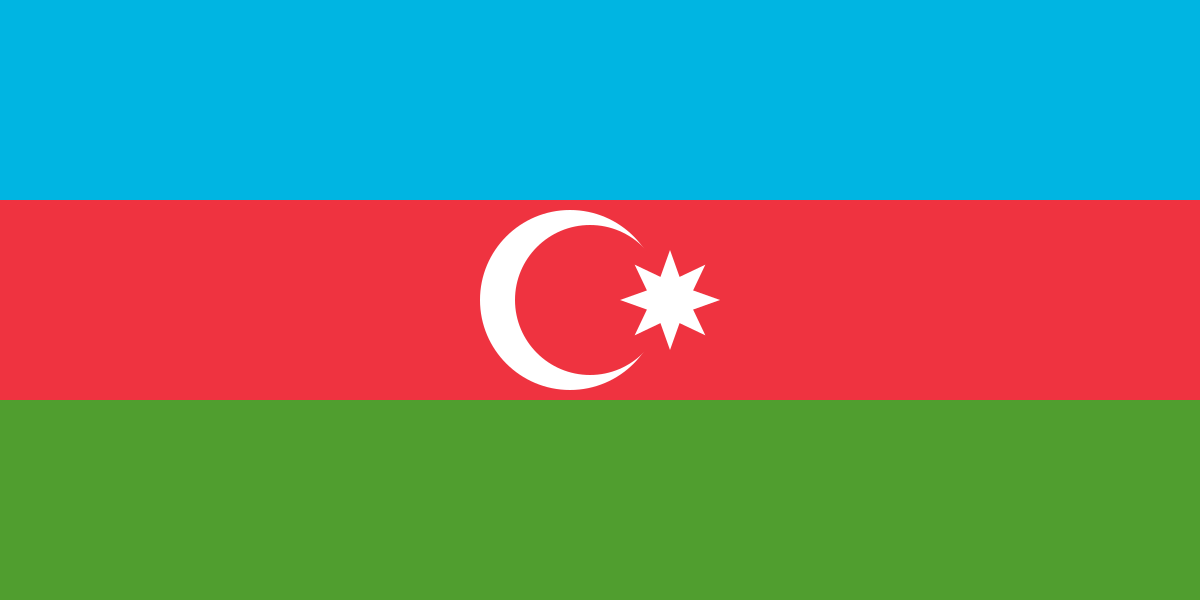 AzerbaijanBaku
 BangladeshDhaka
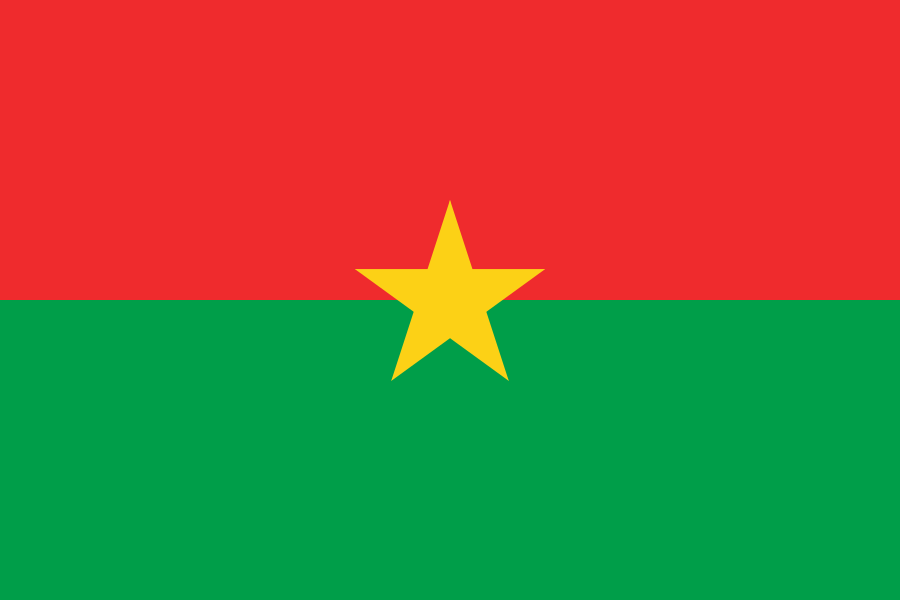 Burkina FasoOuagadougou
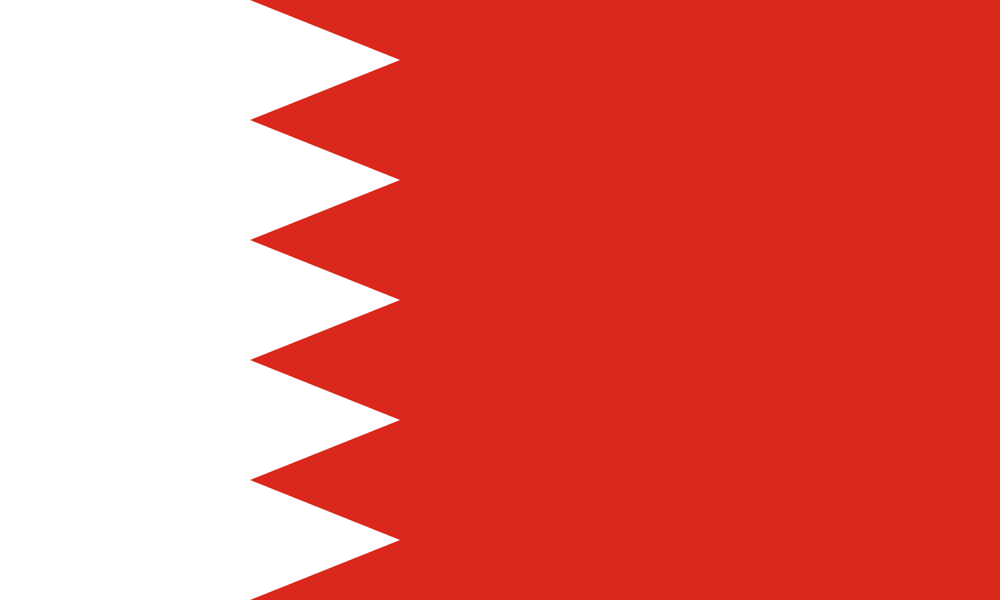 BahrainManama
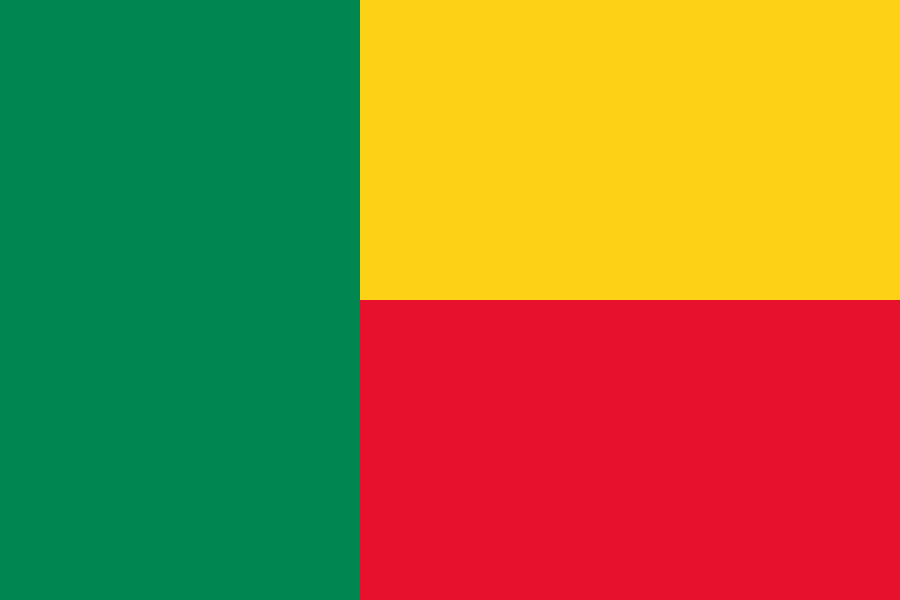 BeninPorto-Novo
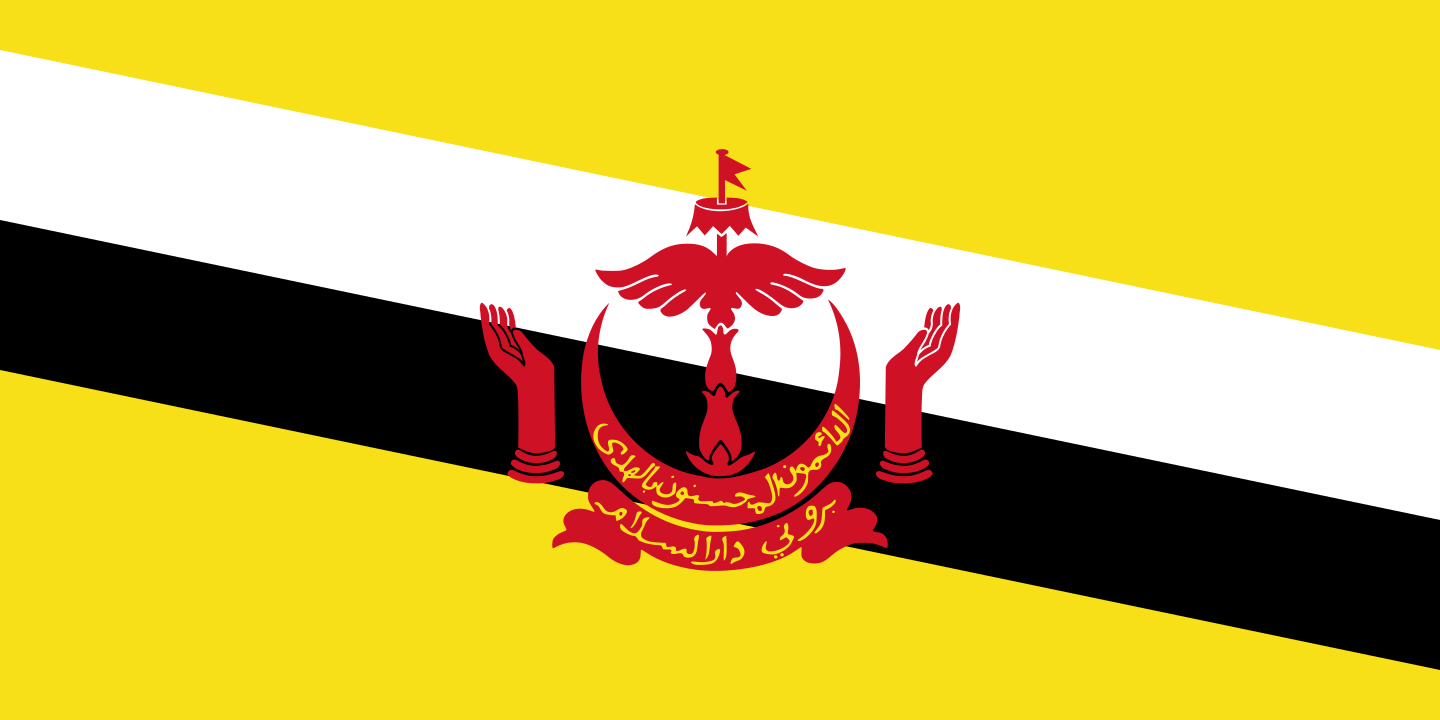 BruneiBandar Seri Begawan
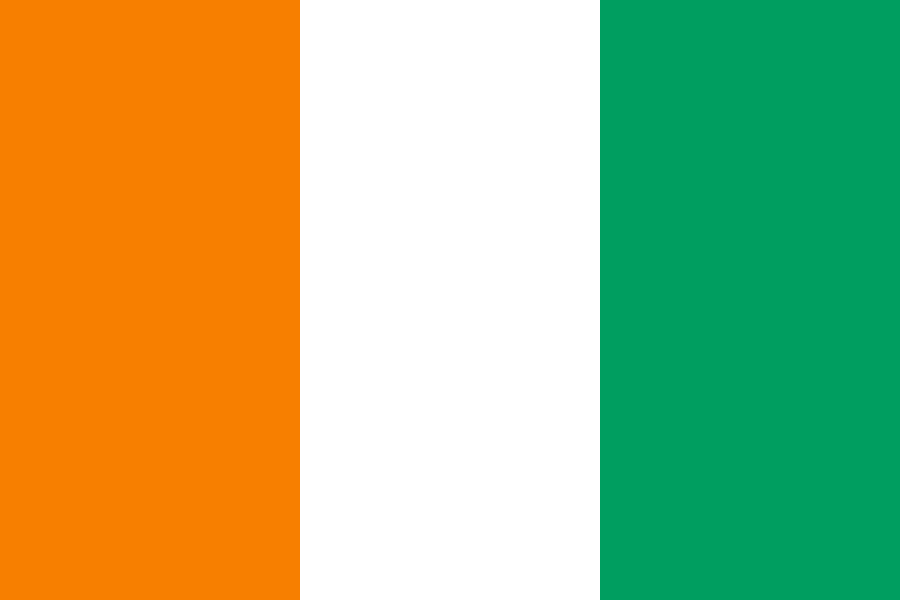 Côte d’IvoireYamoussoukro
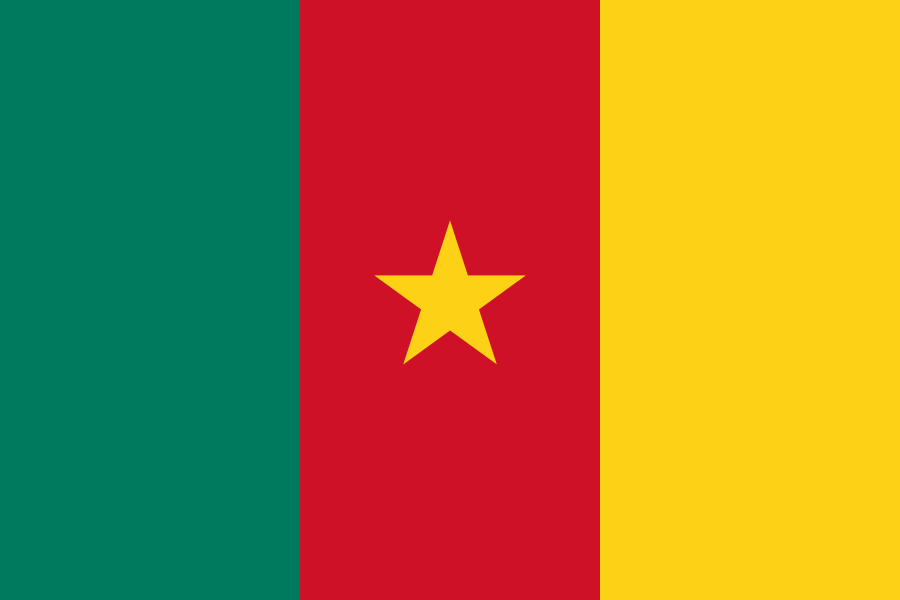 CameroonYaoundé
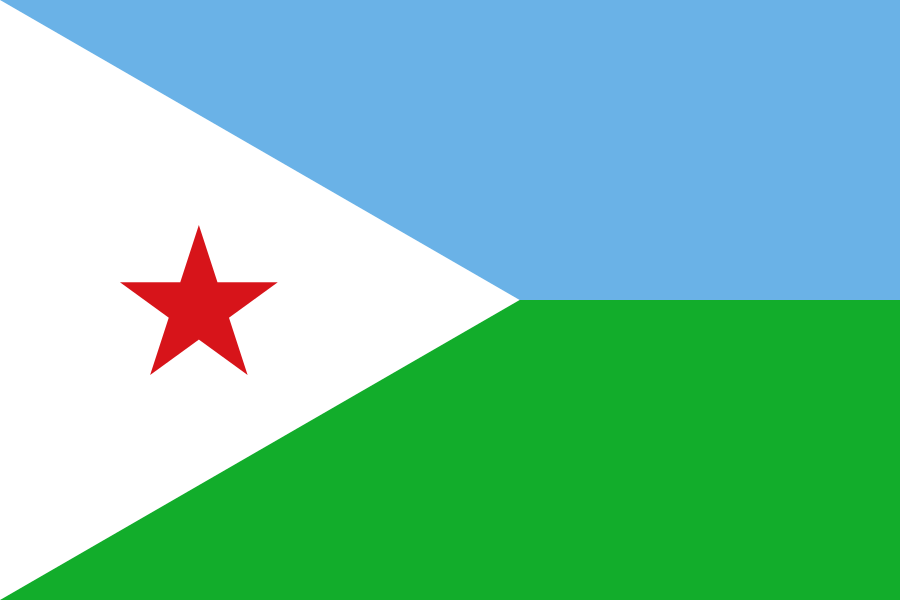 DjiboutiDjibouti
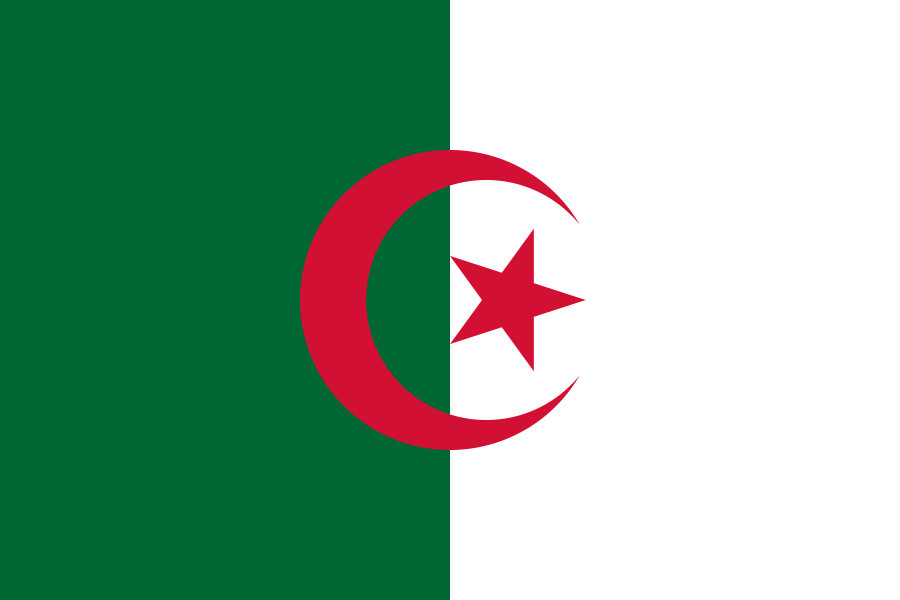 AlgeriaAlgiers
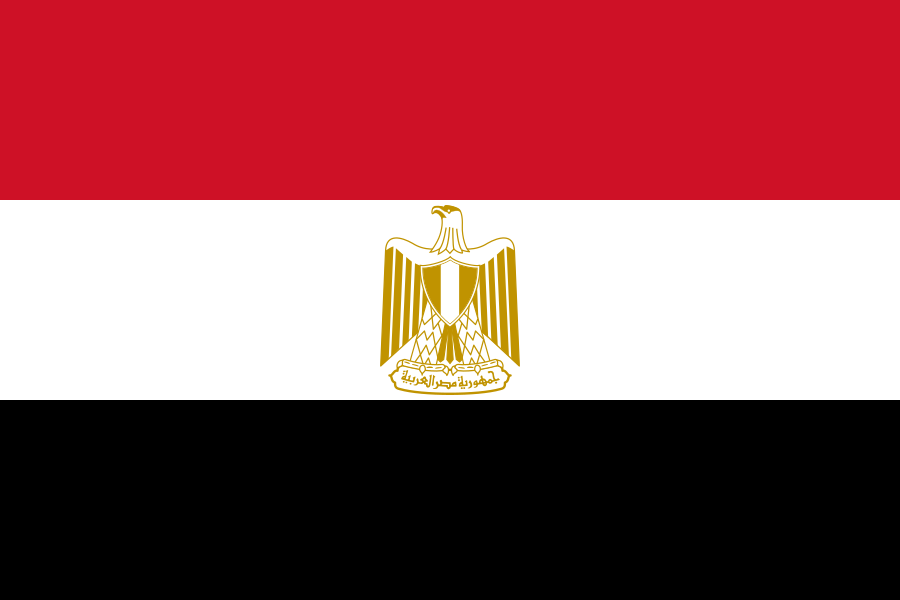 EgyptCairo
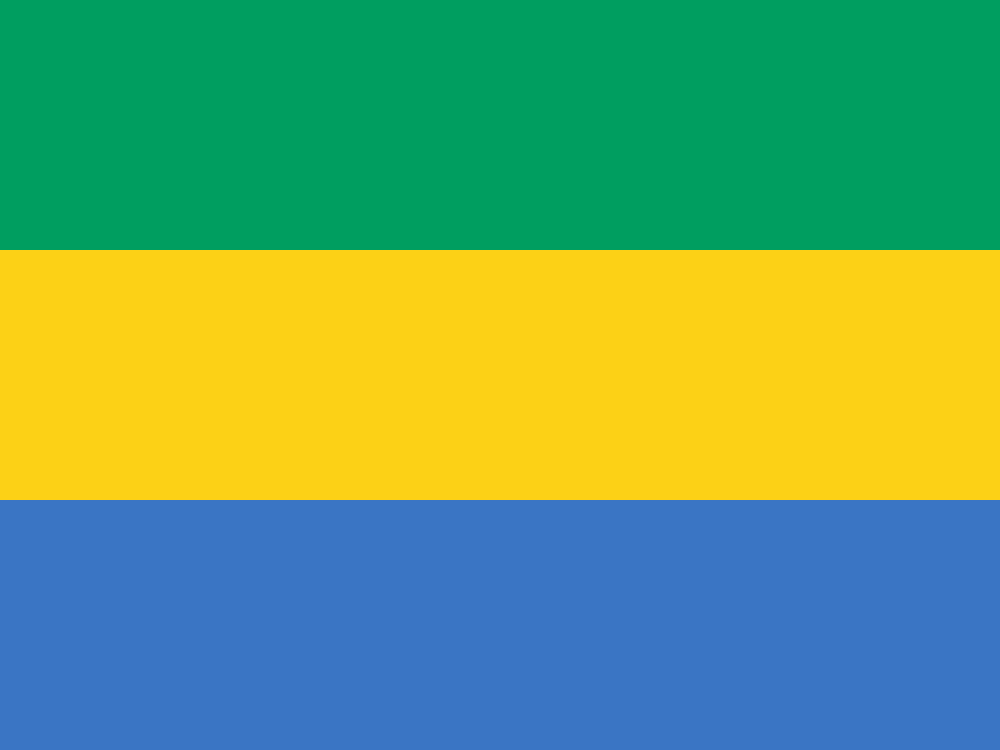 GabonLibreville
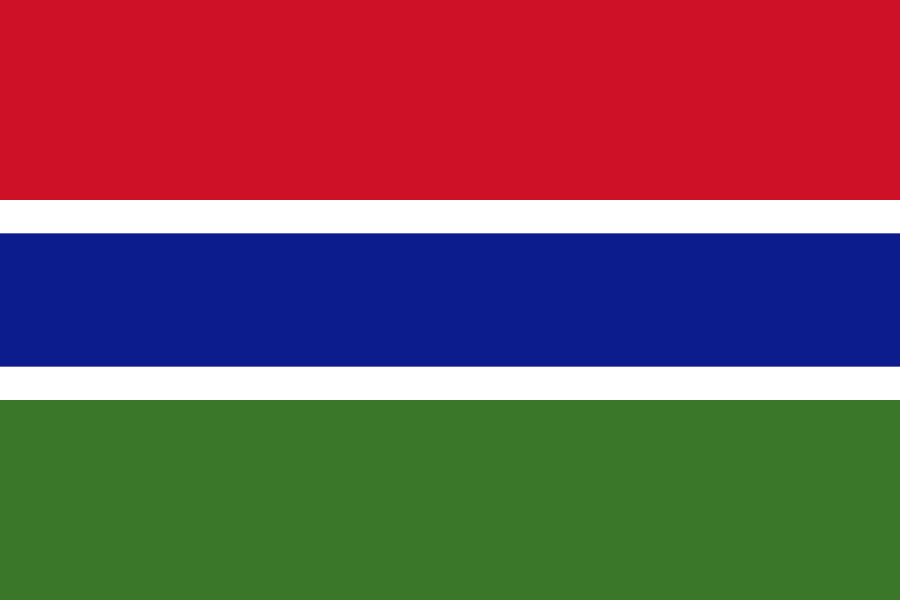 GambiaBanjul
 GuineaConakry
 Guinea-BissauBissau
 GuyanaGeorgetown
 IndonesiaJakarta
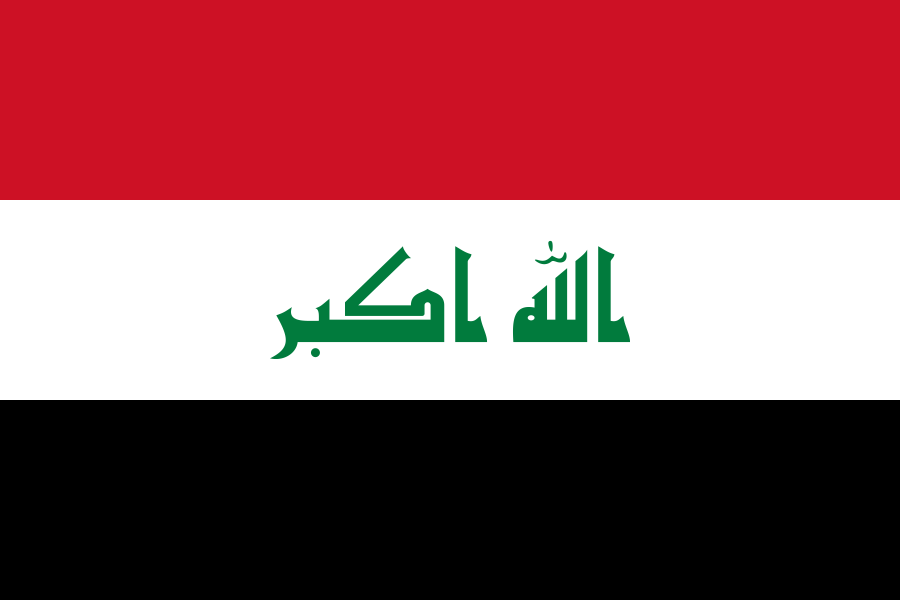 IraqBaghdad
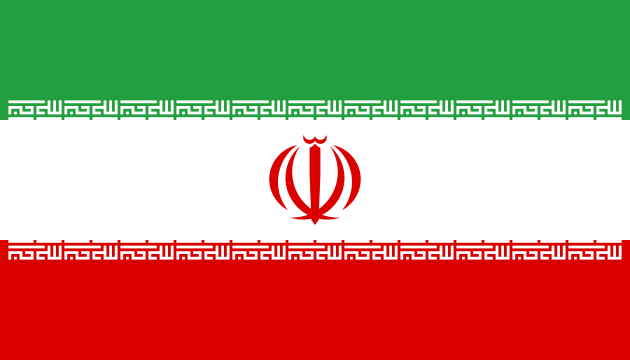 IranTehran
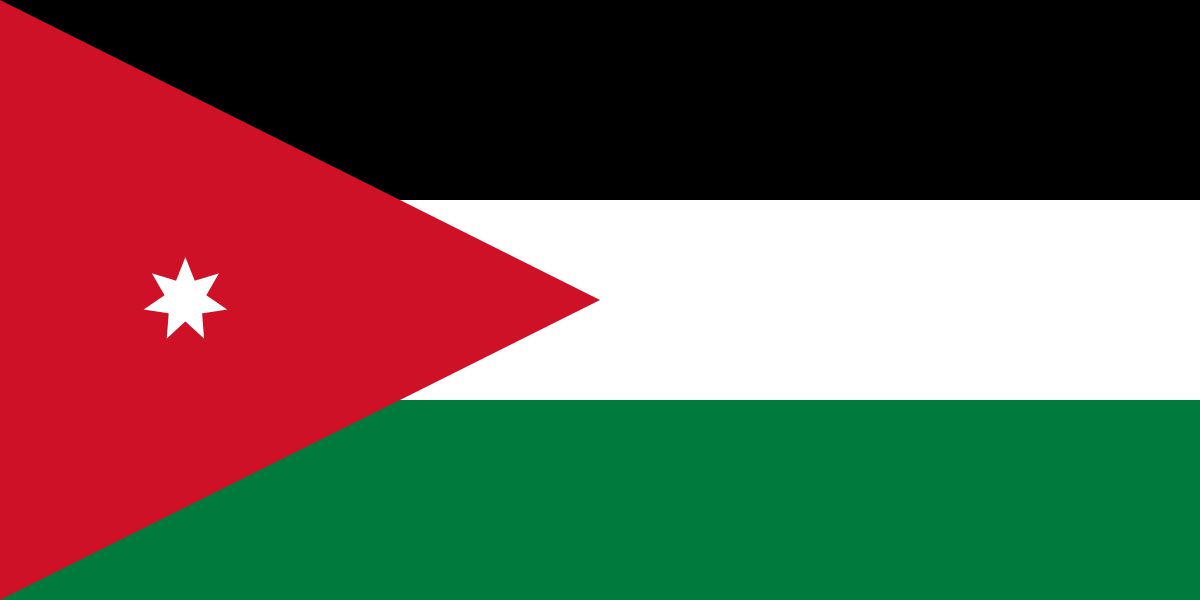 JordanAmman
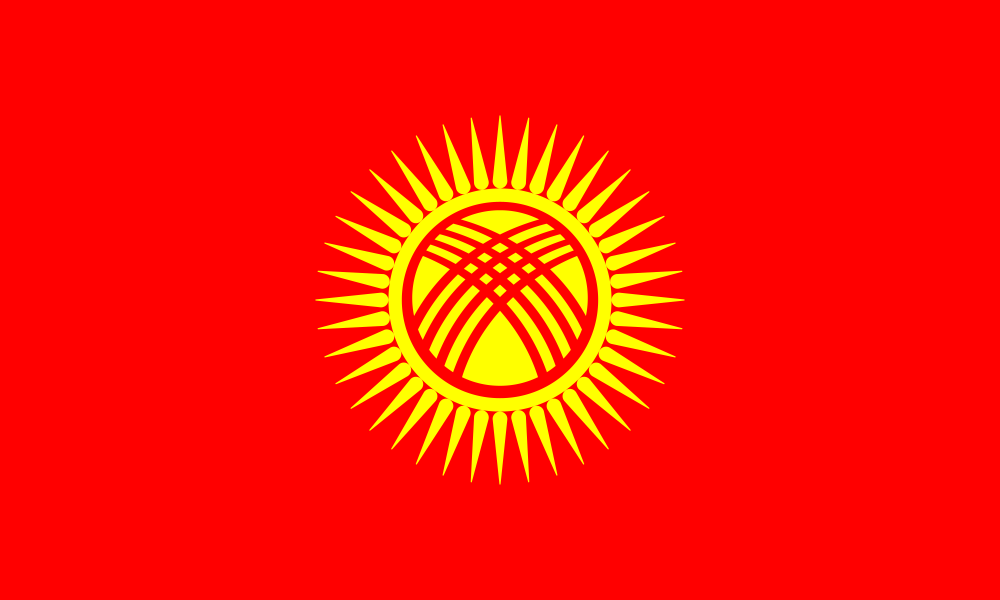 KyrgyzstanBishkek
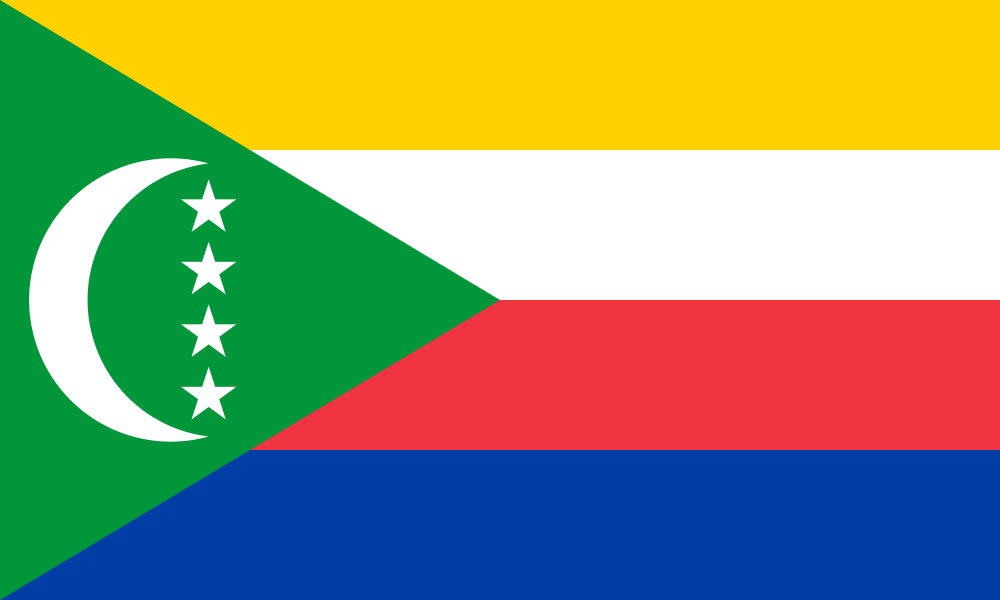 ComorosMoroni
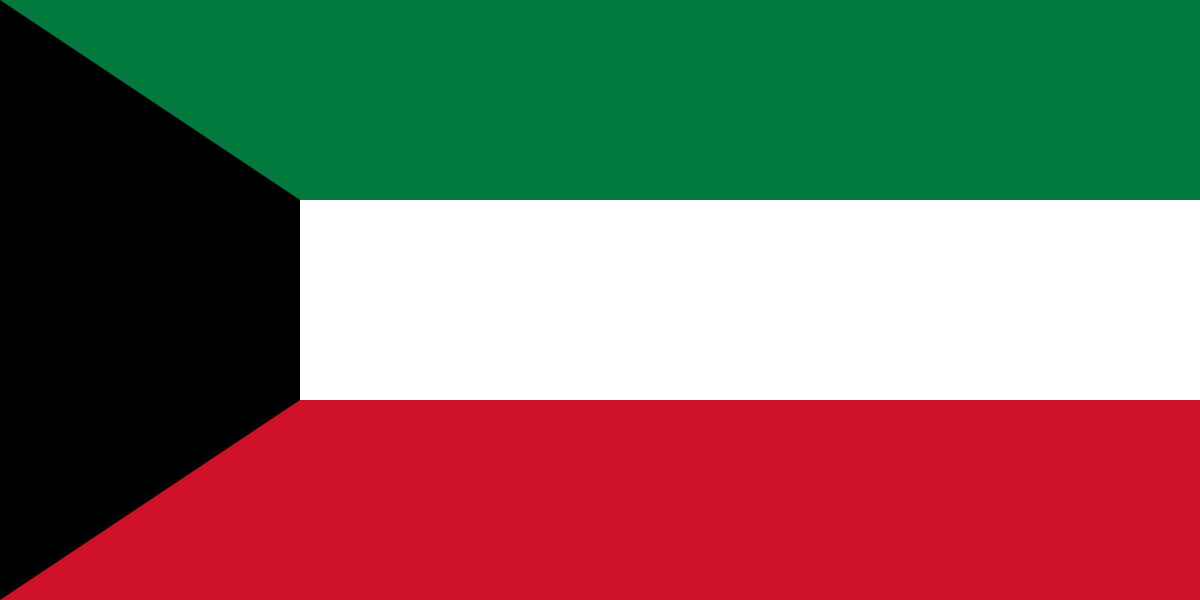 KuwaitKuwait City
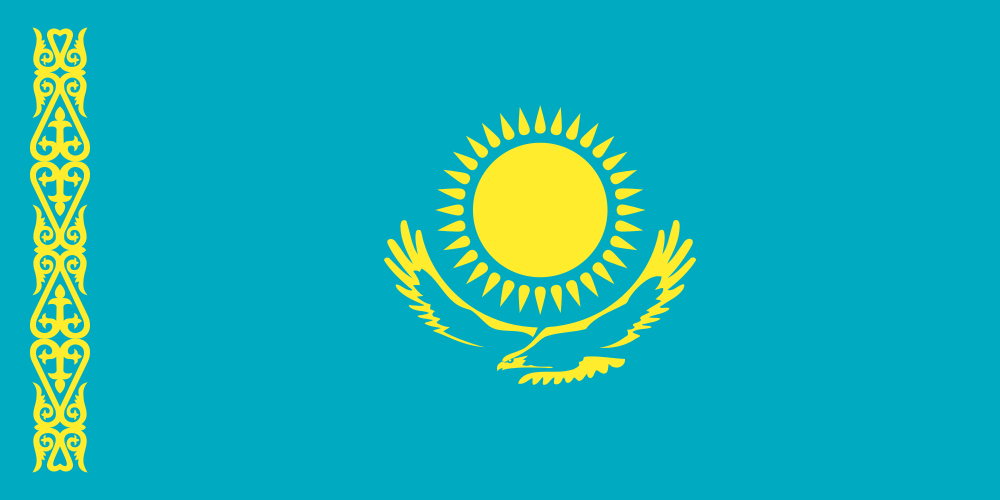 KazakhstanAstana
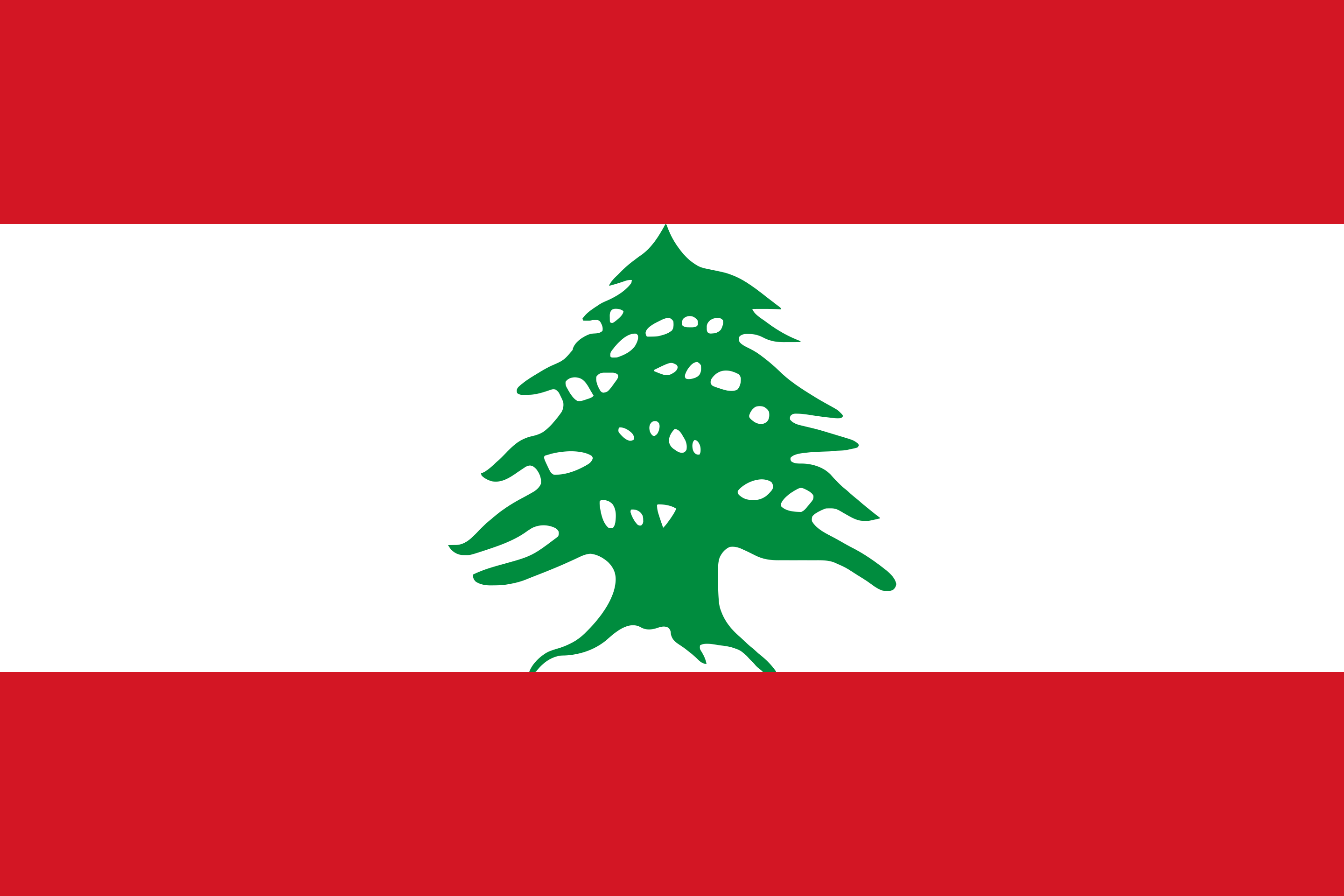 LebanonBeirut
 LibyaTripoli
 MoroccoRabat
 MaliBamako
 MauritaniaNouakchott
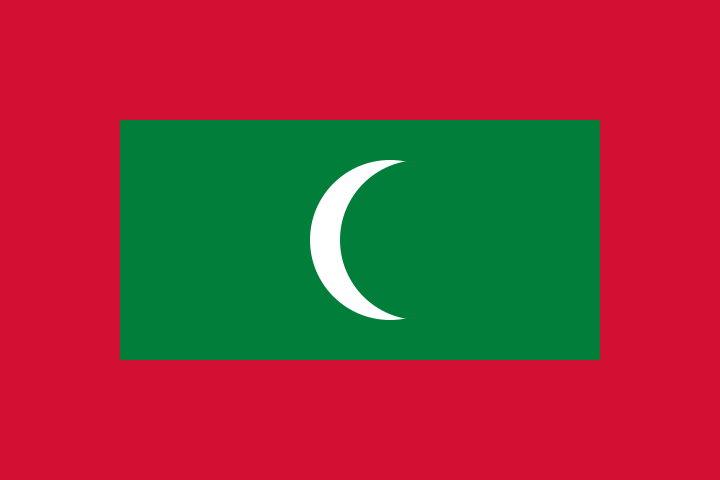 MaldivesMalé
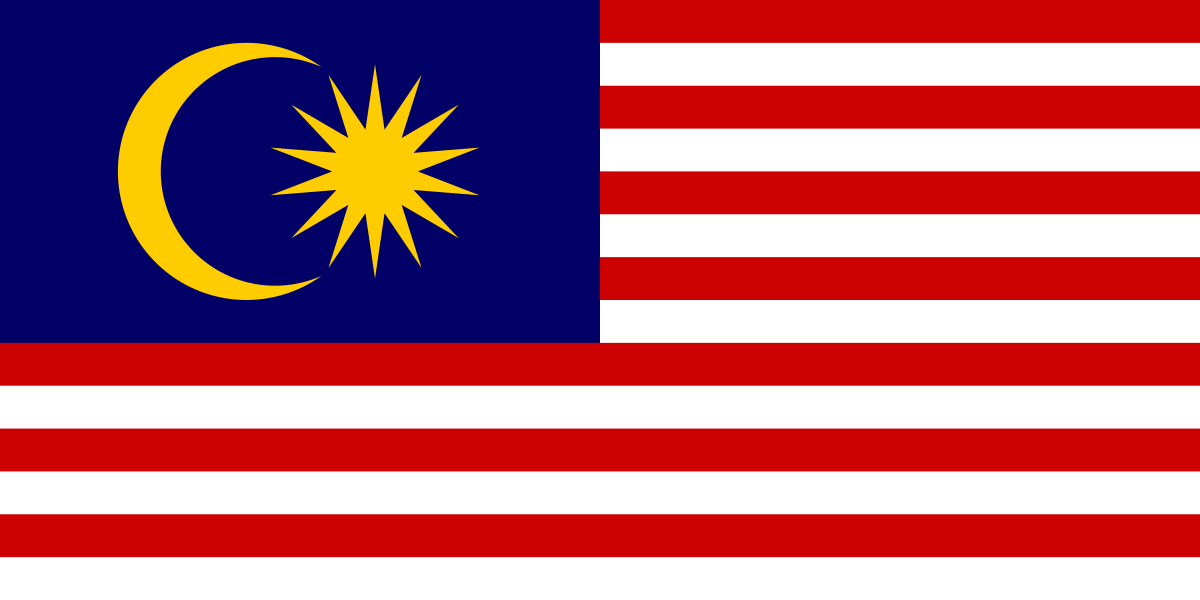 MalaysiaKuala Lumpur
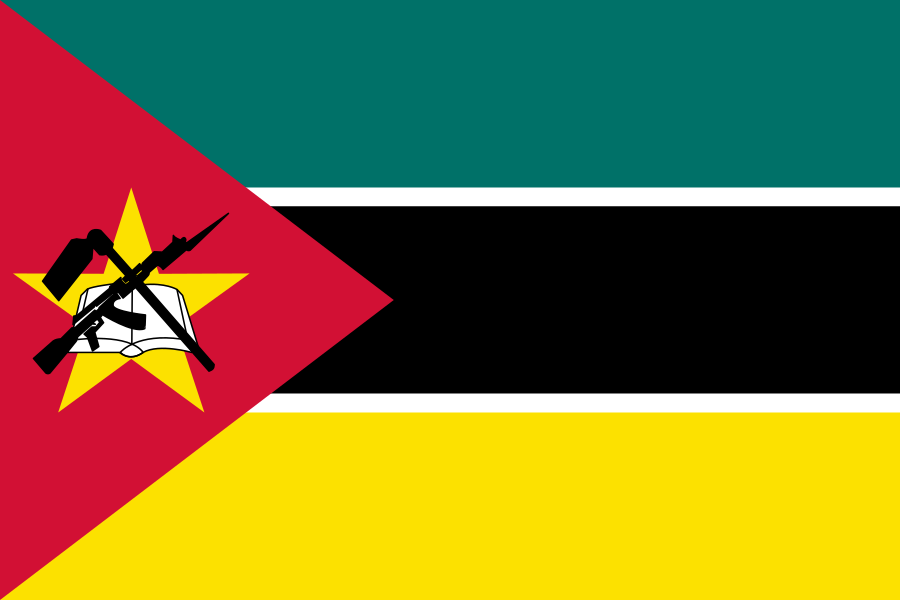 MozambiqueMaputo
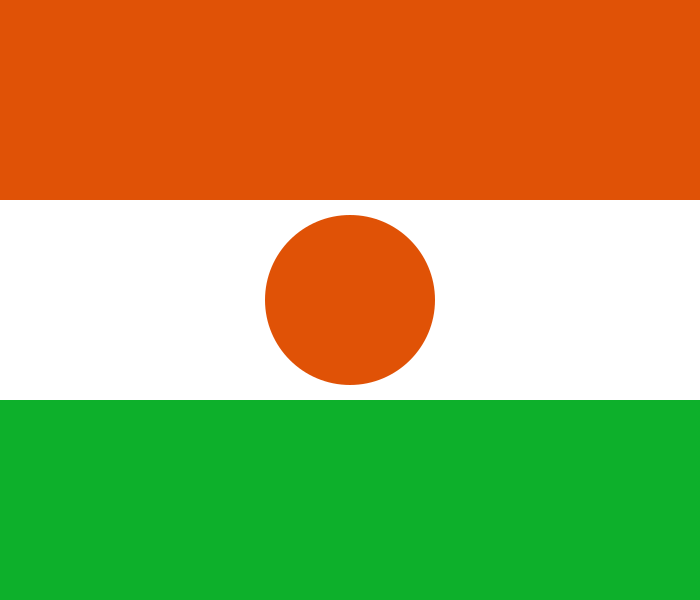 NigerNiamey
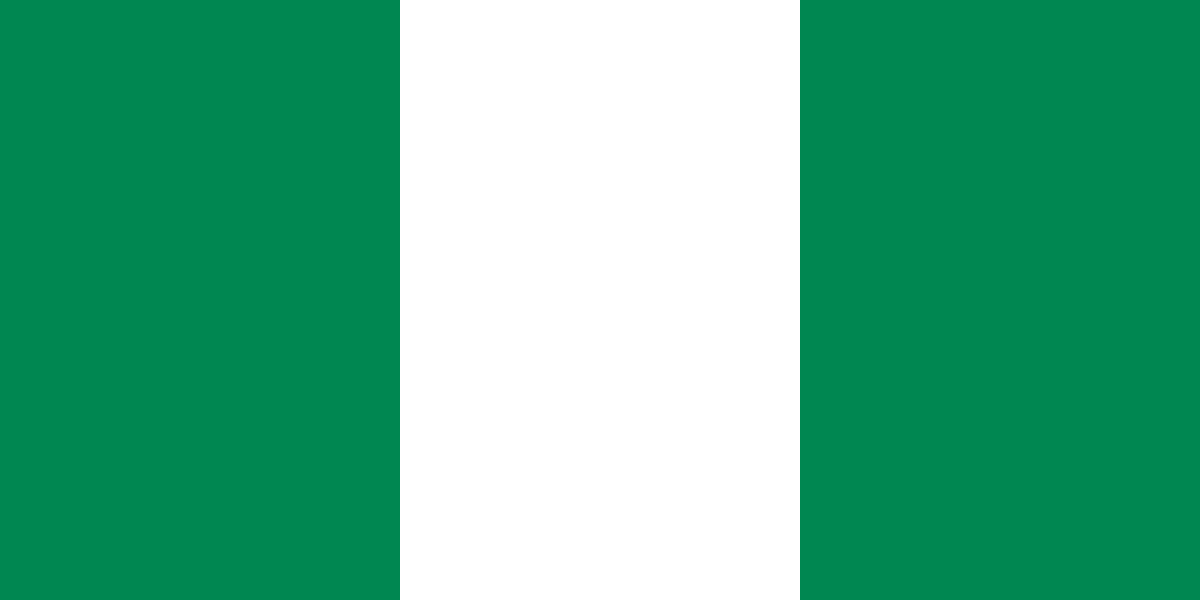 NigeriaAbuja
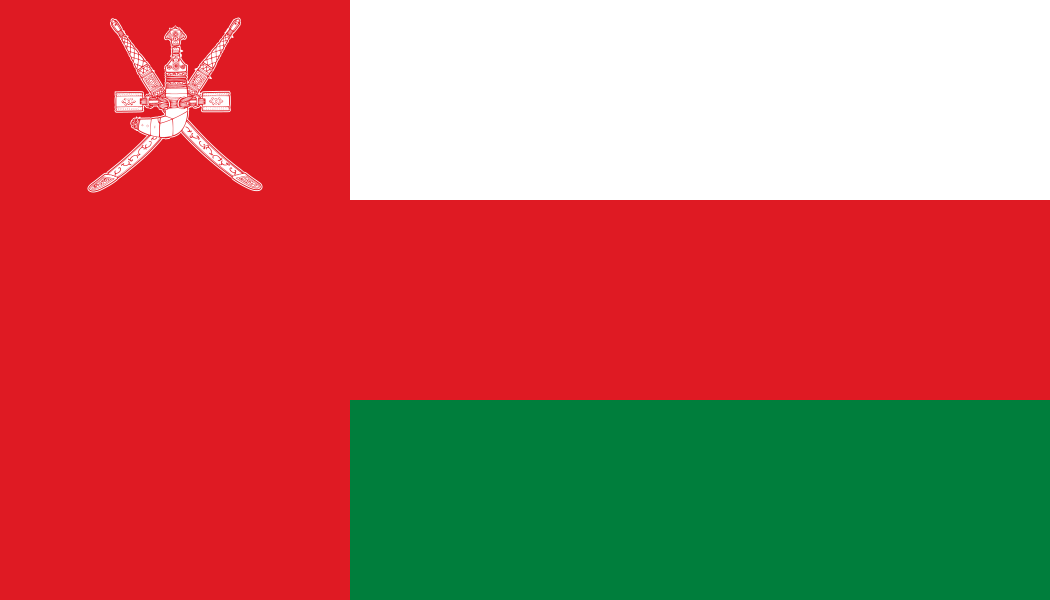 OmanMuscat
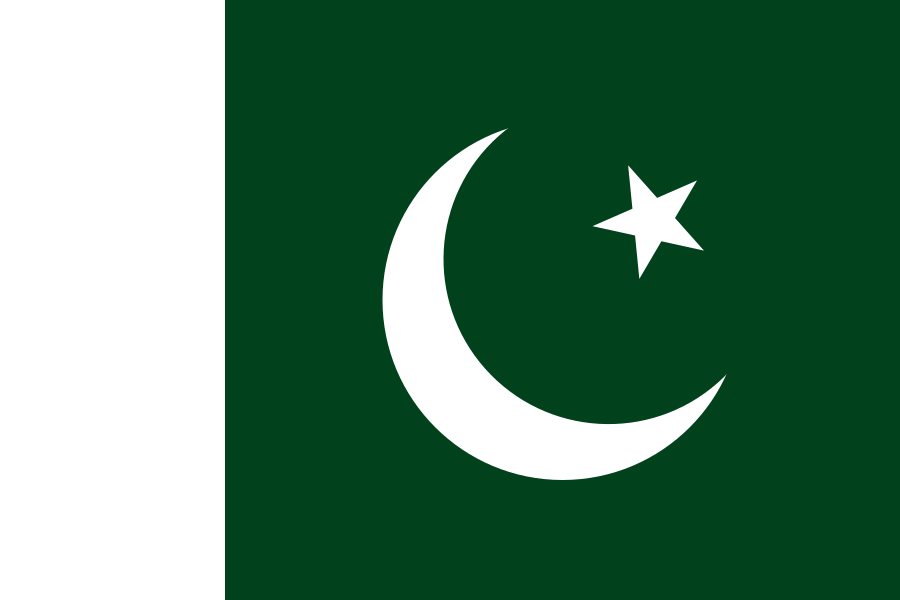 PakistanIslamabad
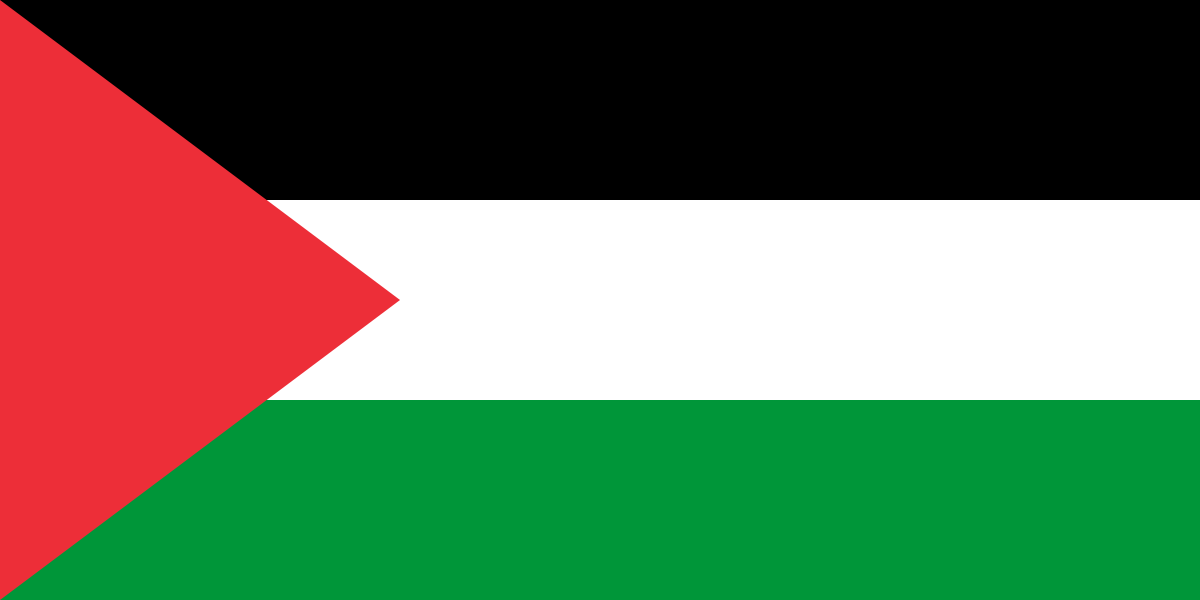 PalestineRamallah
 QatarDoha
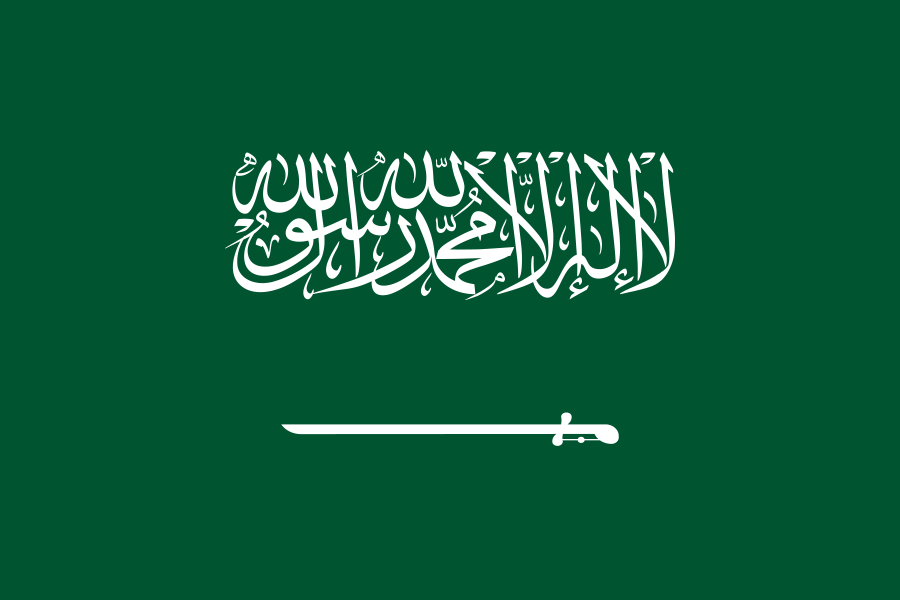 Saudi ArabiaRiyadh
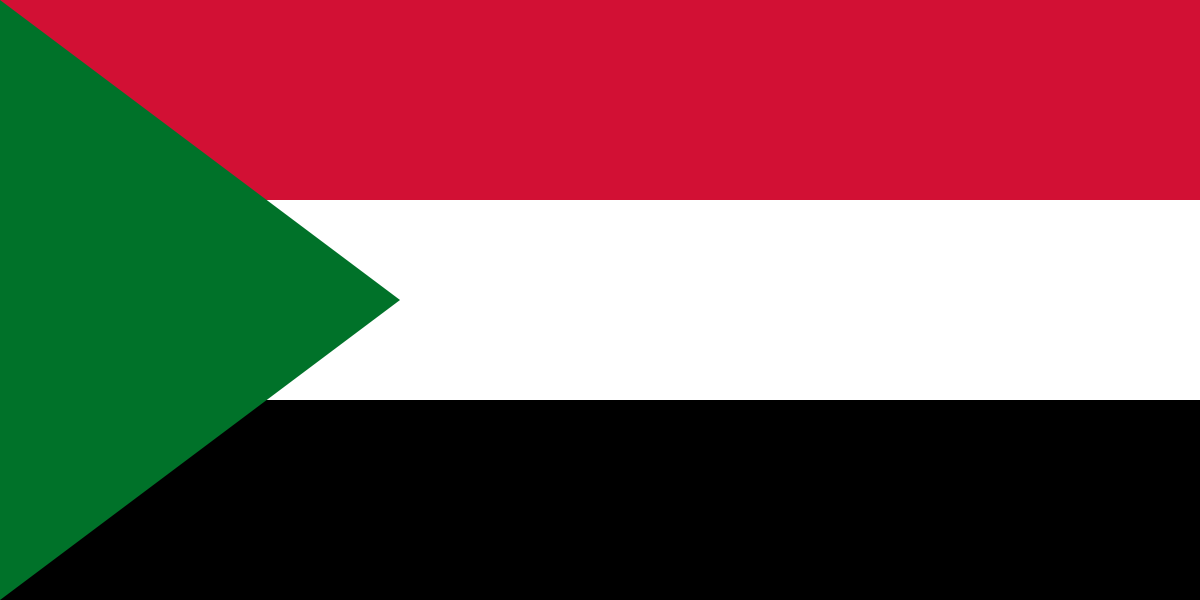 SudanKhartoum
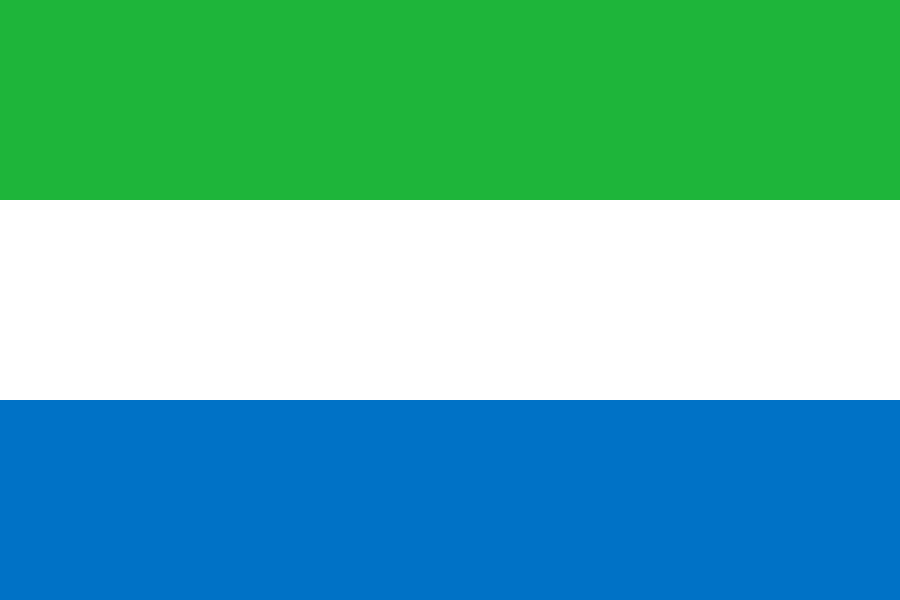 Sierra LeoneFreetown
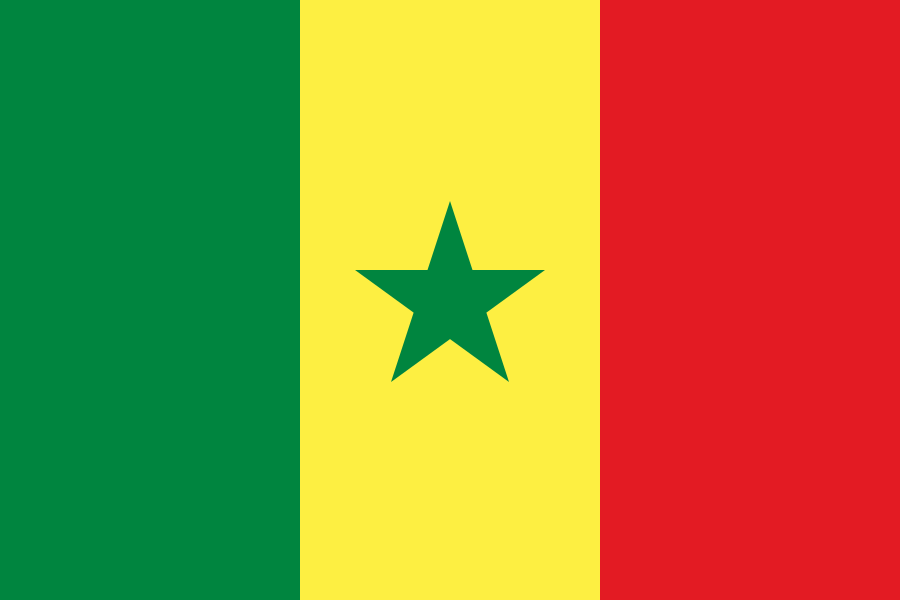 SenegalDakar
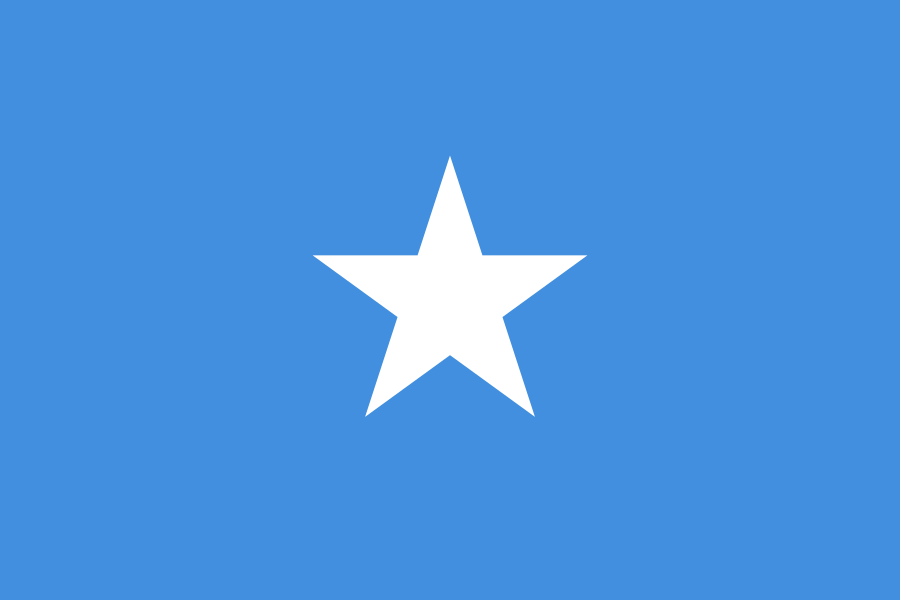 SomaliaMogadishu
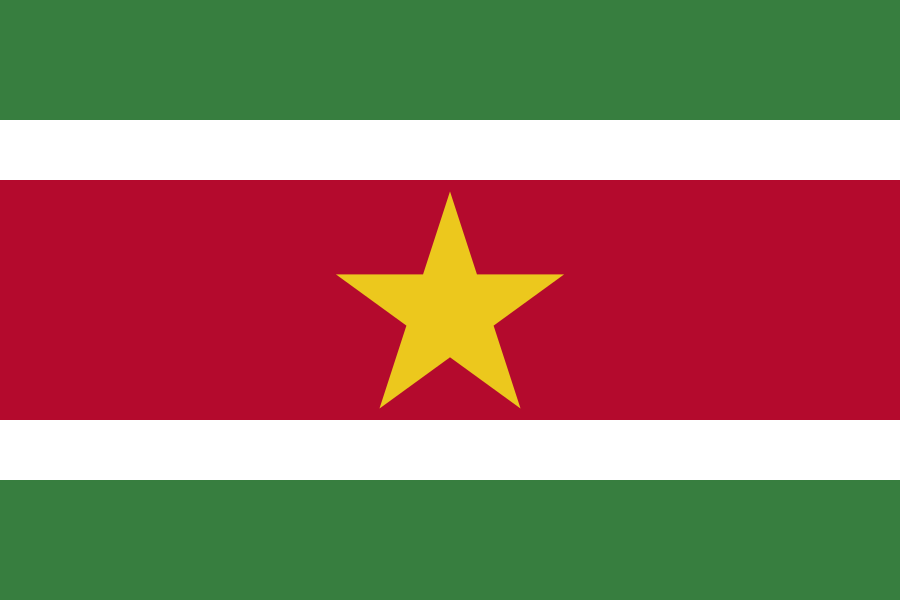 SurinameParamaribo
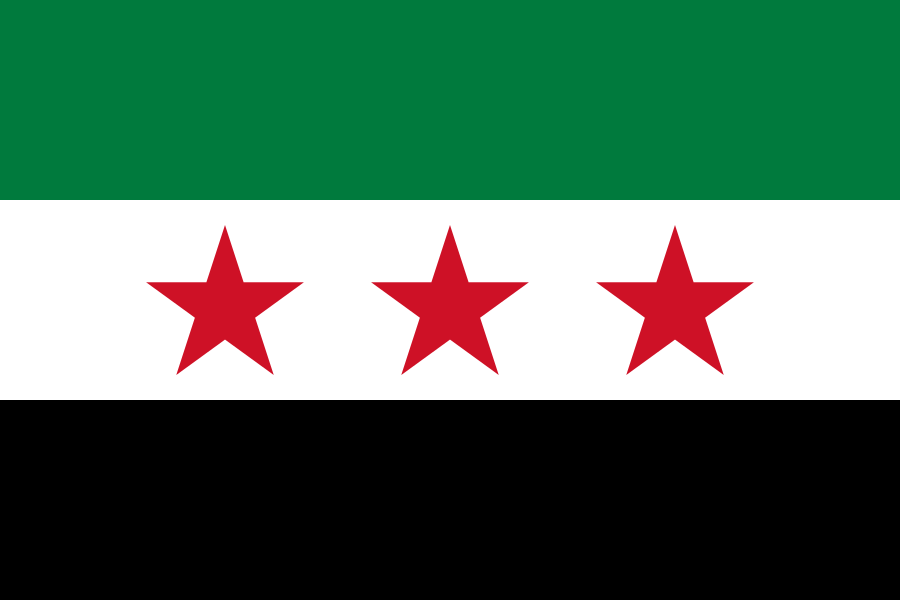 SyriaDamascus
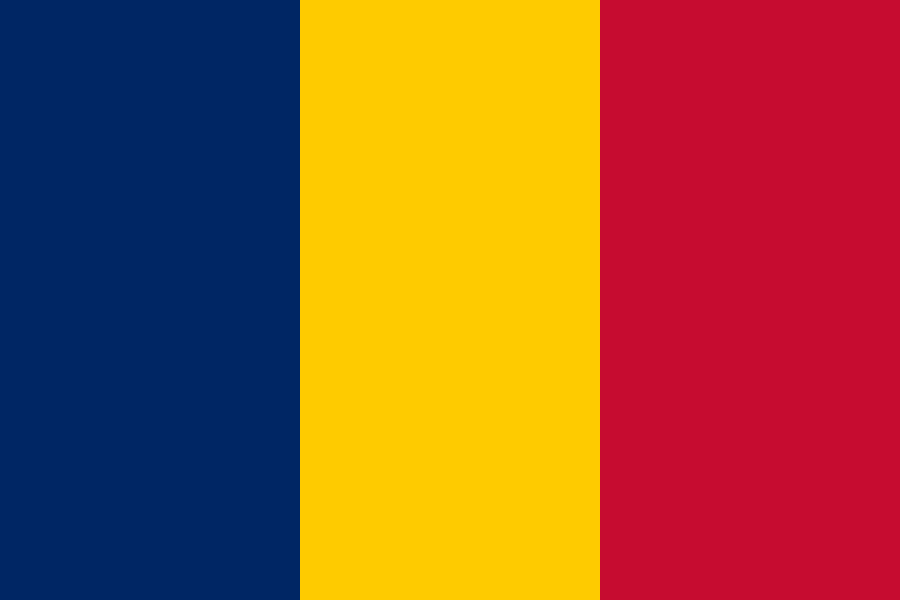 ChadN'Djamena
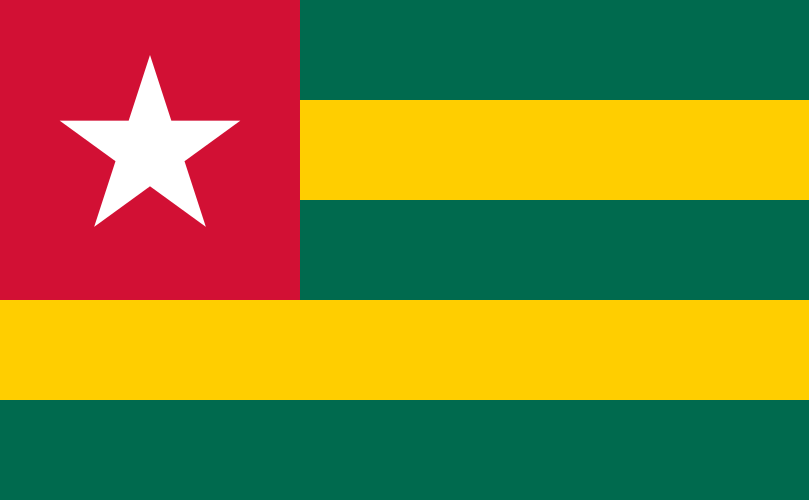 TogoLomé
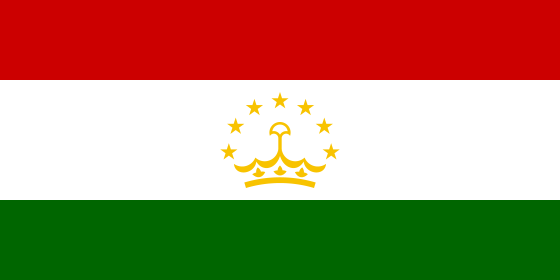 TajikistanDushanbe
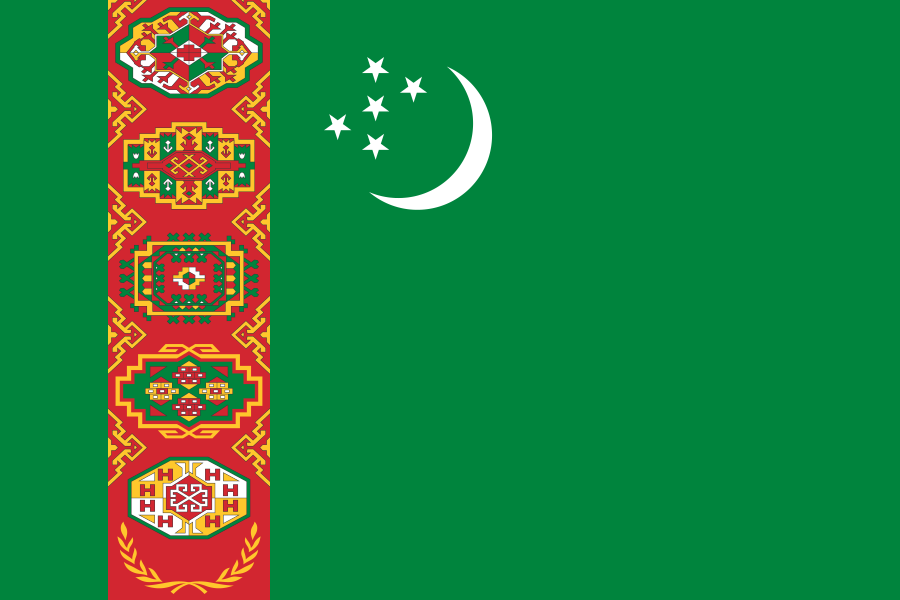 TurkmenistanAshgabat
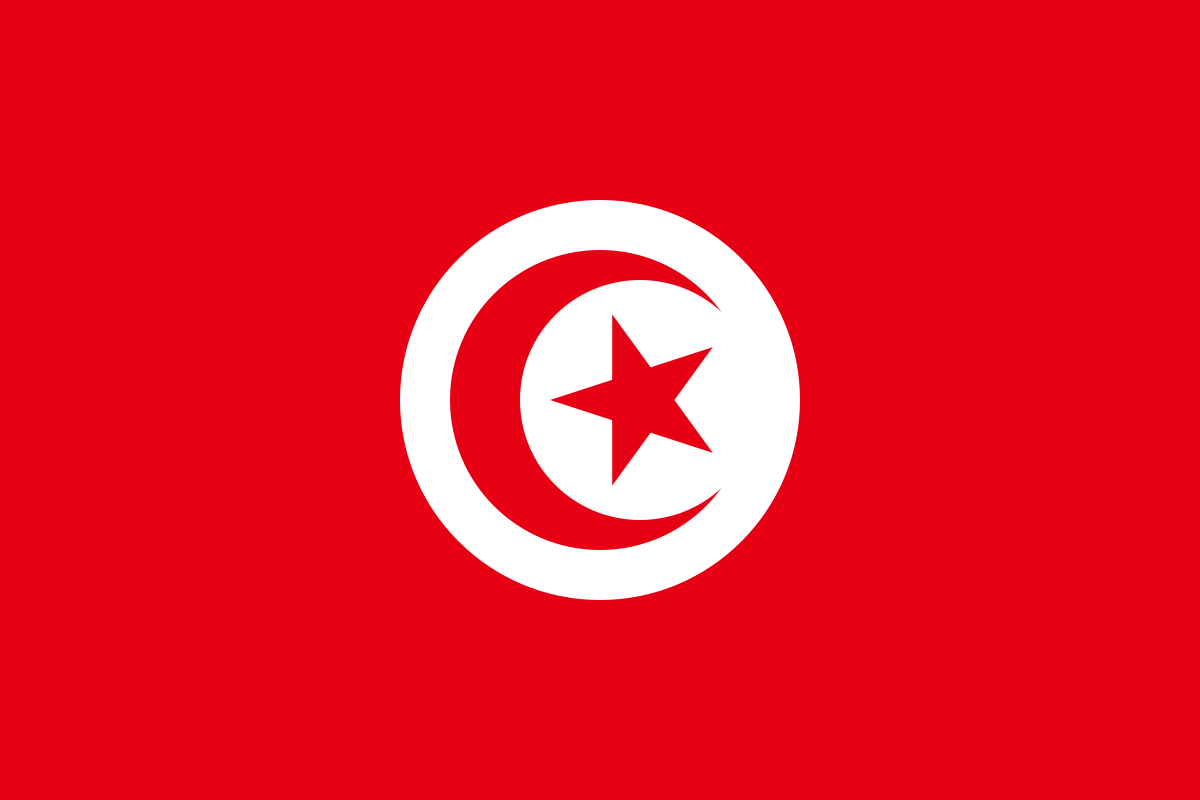 TunisiaTunis
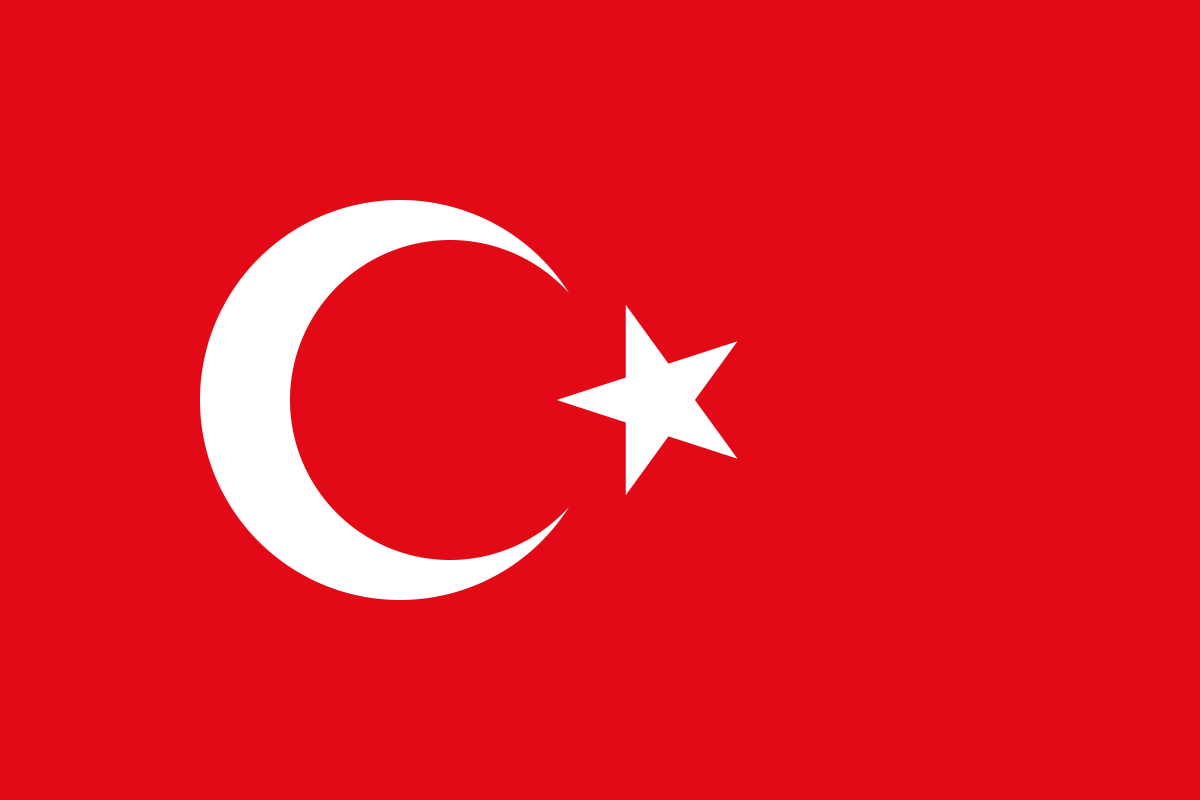 TürkiyeAnkara
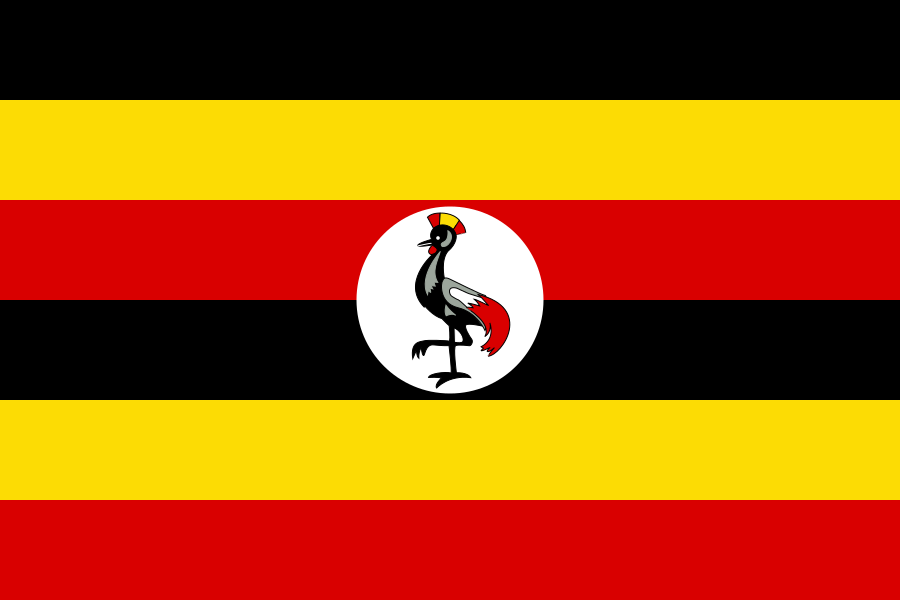 UgandaKampala
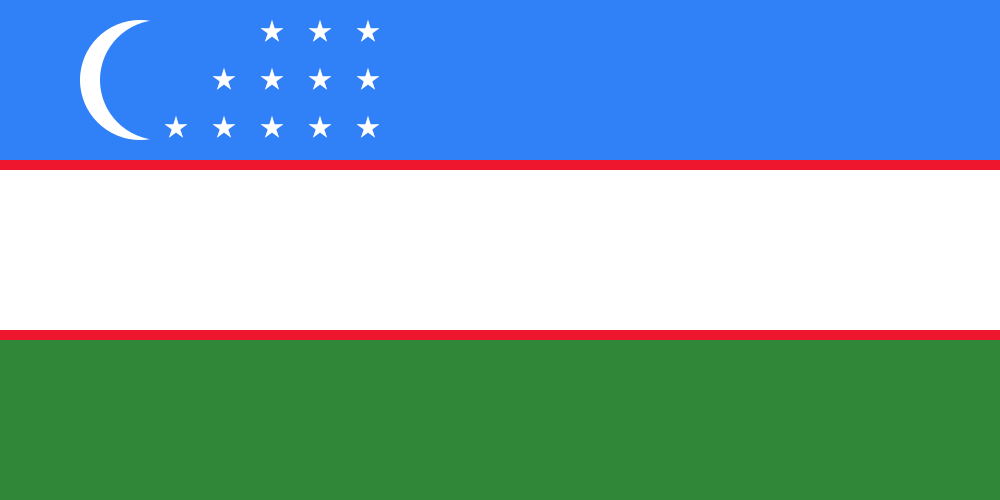 UzbekistanTashkent
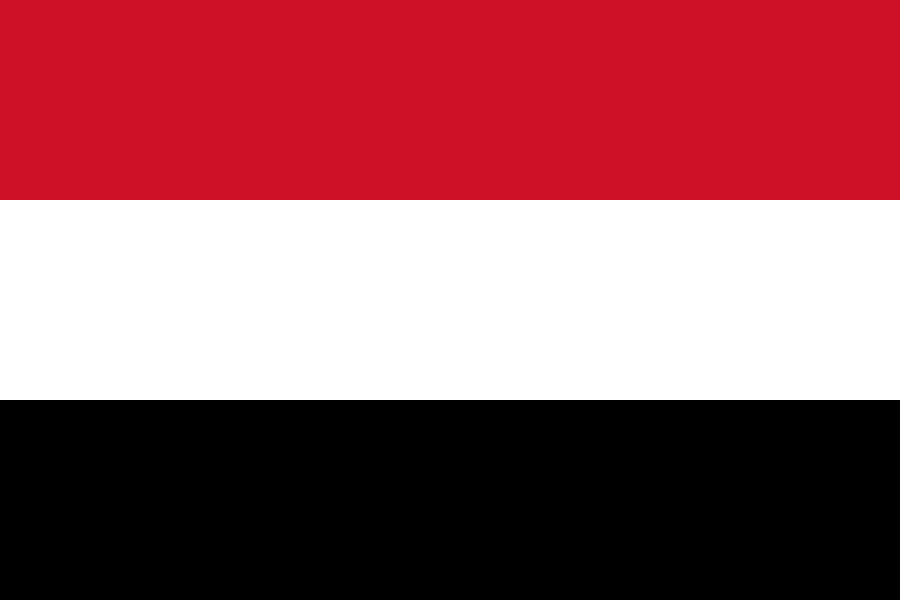 YemenSana'a
Continue exploring
 United Nations
 European Union
 NATO
 Commonwealth of Nations
 African Union
 Arab League
What did you discover?
Take this flag into the quiz
Sources and image credits
This English article draws on the institutional sources listed below. Figures and memberships retain their stated reference dates.
Source record: 2 November 2026. A translation does not change the reference date of a figure or membership list.
- oic-oci.org/en/page/1
- euclid.int/documents/oic_journal_issue18_english.pdf
- oic-oci.org/en/news/5995
- una-oic.org/es/general-secretariat/