International Organisation of La Francophonie: Flag, History and Membership
The flag of the International Organization of Francophonie shows a five-part colored ring on a white background. It stands for a cooperation whose common reference is the French language. The OIF connects states and regional governments with different linguistic realities. For country issues, a distinction must be made between full members, associate members and observers; the total does not refer to a list of states only.
Test your knowledge →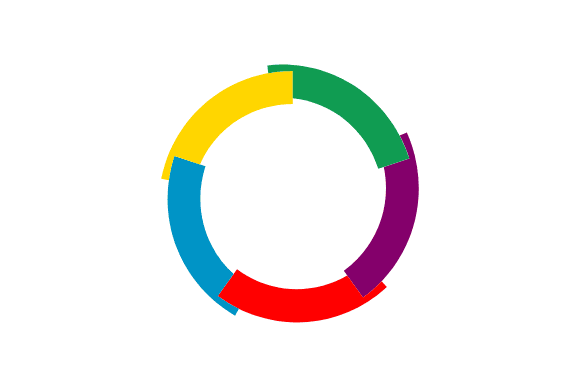
Key facts and distinctions
- Article focus
- International organisation
- Membership record
- 1 November 2026
- Linked country entries
- 50
- List definition
- Country subset of the supplied member record
- Long name
- Organisation Internationale de la Francophonie
- Origin
- ACCT Convention, 20 March 1970
- Place of establishment
- Niamey, Niger
- Current name
- Since 2005
- Full members
- 53:50 states and three regional governments
- Associated members
- Five
- Observers
- 32
- Total number of participants
- 90 States and Governments; audited as at 1 November 2026
A colored ring without a map
The emblem shown consists of yellow, green, violet, red and blue sections. The parts join together to form a ring and leave the white center free. Their slightly offset transitions give the sign movement. In contrast to a star flag, there is no large number of identical individual characters; the diversity of colors shapes the entire impression here.
The Canadian language authority displays this five-color symbol as the logo of the OIF. For recognition, the white background and the closed multi-colored circular form are decisive. A fixed assignment of each color to a specific member is not claimed here. In particular, the five segments must not be confused with the number of current members. The image is a common sign for a much larger network.
Niamey 1970 and the development of Francophonie
On March 20, 1970, representatives of 21 states and governments in Niamey signed the Convention establishing the Agency for Cultural and Technical Cooperation, ACCT. The common use of French should facilitate cultural exchange and practical cooperation. The initiative thus evolved from a linguistic link to a permanent intergovernmental working structure.
After several institutional changes, the organization received its current name in 2005. The wider environment includes the parliamentary and university Francophonie, TV 5 MONDE and municipal networks. These facilities are interrelated, but are not simply identical to the OIF membership directory. The word francophonie can also mean the entirety of French-speaking people and thus extend further than the specific organization.
90 states and governments in three categories
The official overview lists 53 full members, five associated members and 32 observers. Together, that's 90 states and governments. The full members include 50 states and three regional governments: Québec, New Brunswick and the Walloon-Brussels Federation. Therefore, the shortened wording would be inaccurate for 53 Member States. State affiliation and own institutional representation can overlap here.
OIF works on language promotion, cultural diversity, education, peace, democracy and sustainable development. Membership does not presuppose that the entire population of a country speaks French as its mother tongue. The quiz counts the formal member status of the requested state. Associate members and observers shall be kept separately; linguistic proximity alone shall not constitute full membership.
Details Worth Remembering
Canada and two provincial governments
Canada itself belongs to the OIF. At the same time, Québec and New Brunswick are independent full members in the category of governments. Who counts only independent states, therefore receives a different number than the organizational list. This peculiarity only becomes understandable if the official formulation of states and governments is taken seriously.
Language as a starting point for practical work
A common language of communication can facilitate training, knowledge exchange or cultural projects. OIF therefore combines language policy with other tasks. Their programmes are better explained by this context than by a mere list of French-speaking countries. Political membership and everyday use of language remain different sizes.
A ring of different parts
The five colored sections remain individually recognizable and at the same time form a common whole. As a visual observation, this offers a good notebook for the emblem. However, the states and governments actually involved are listed in a separate overview; the ring does not replace their names or their different participation rights.
The illustrated signs and variants
Countries in the supplied learning record
These links cover countries represented in this site’s country database. Any territories, regional governments, observer categories or participation qualifications are discussed above. Counts are not interchangeable.
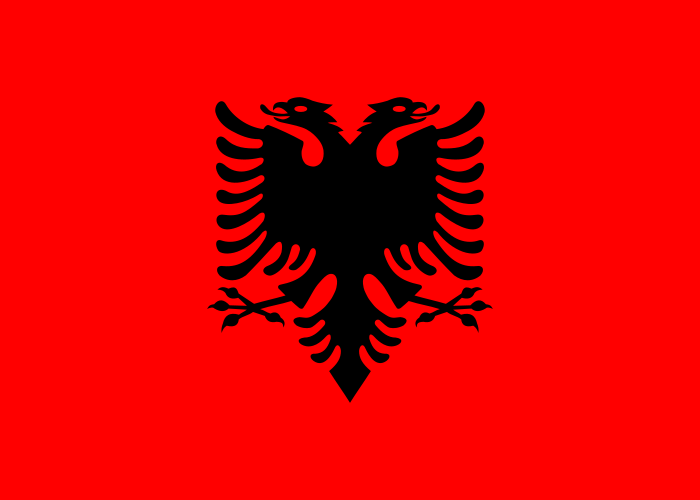 AlbaniaTirana
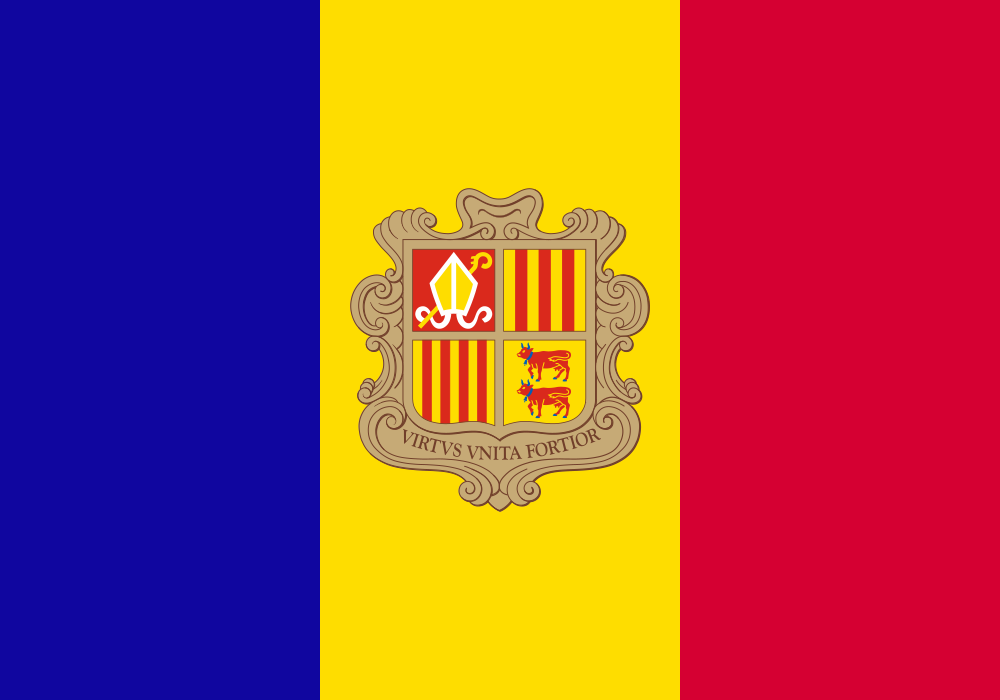 AndorraAndorra la Vella
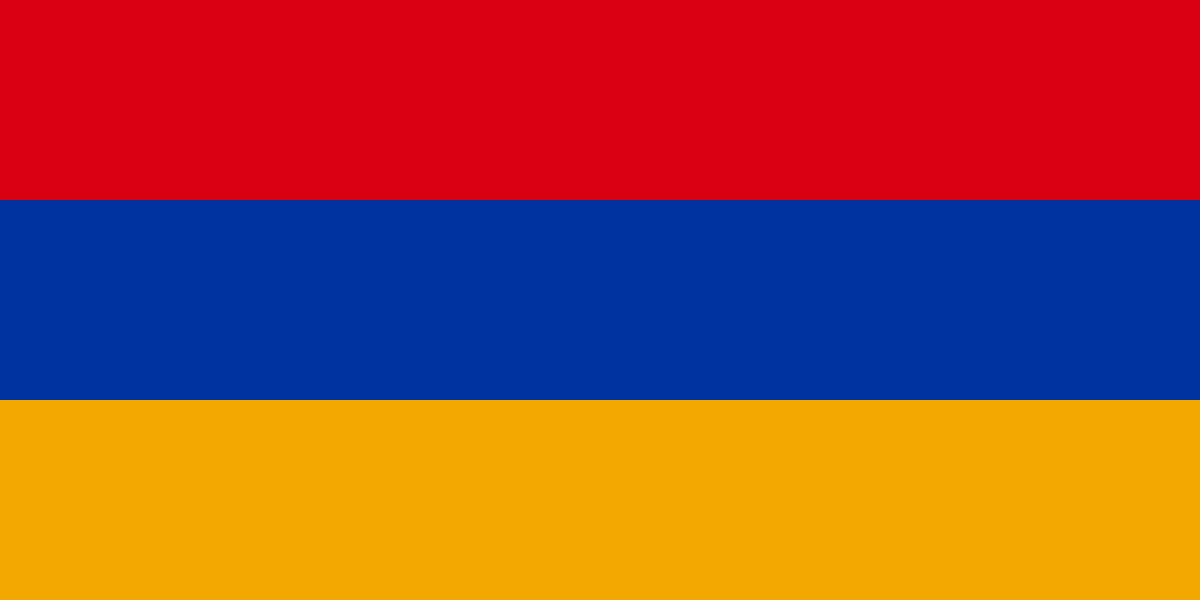 ArmeniaYerevan
 BelgiumBrussels
 BeninPorto-Novo
 BulgariaSofia
 BurundiGitega
 Cape VerdePraia
 CambodiaPhnom Penh
 CameroonYaoundé
 CanadaOttawa
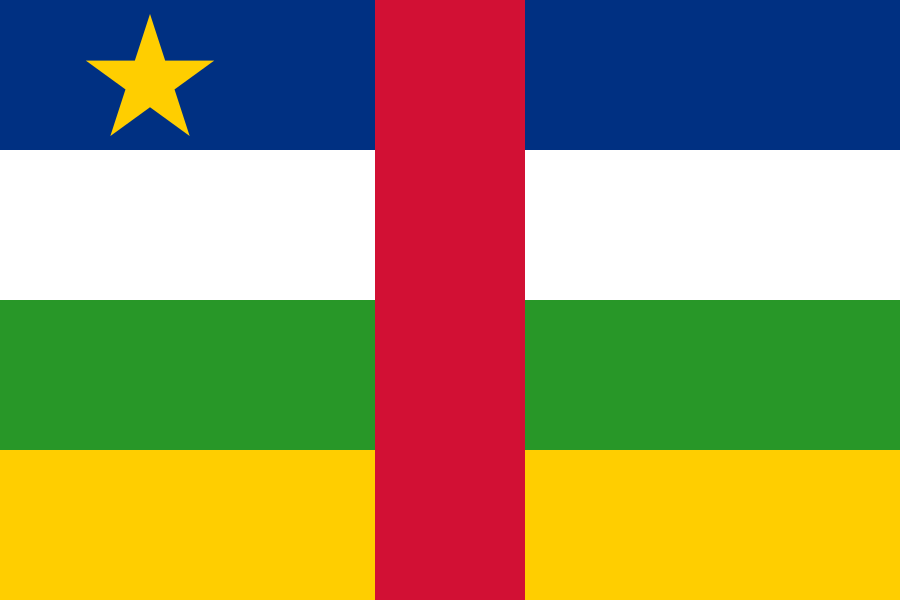 Central African RepublicBangui
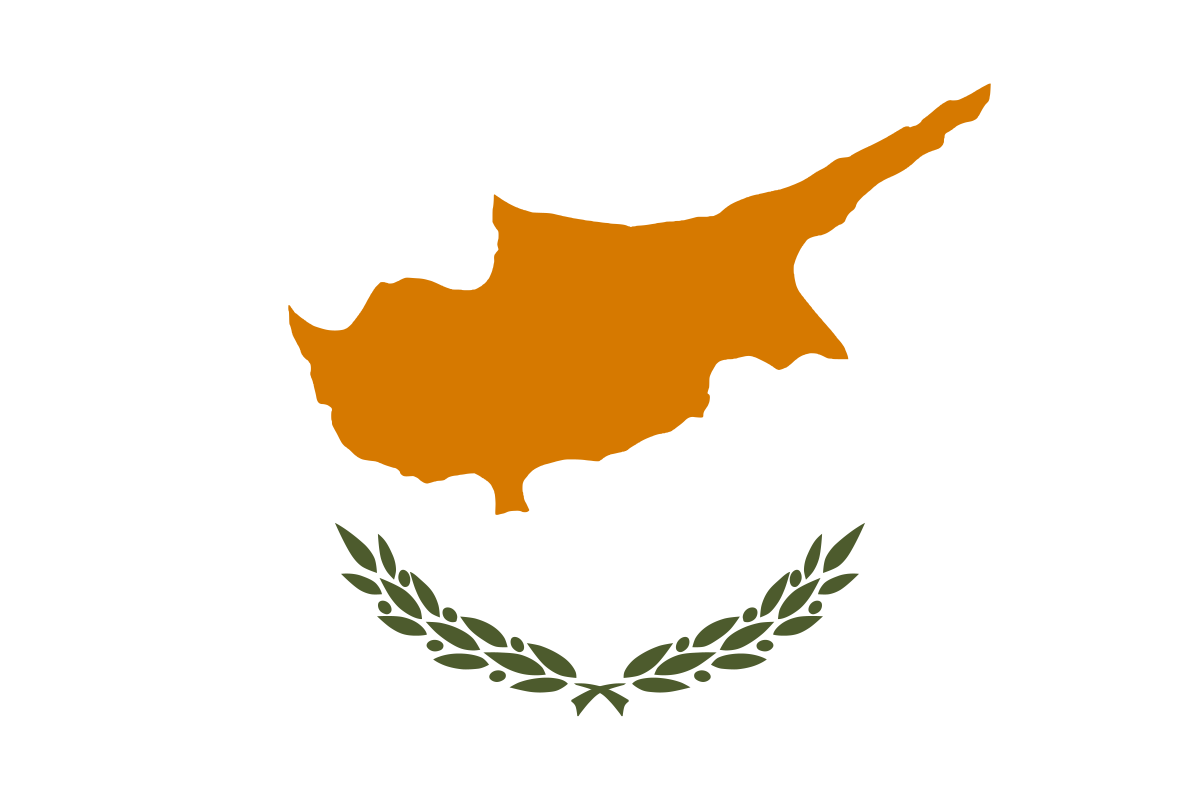 CyprusNicosia
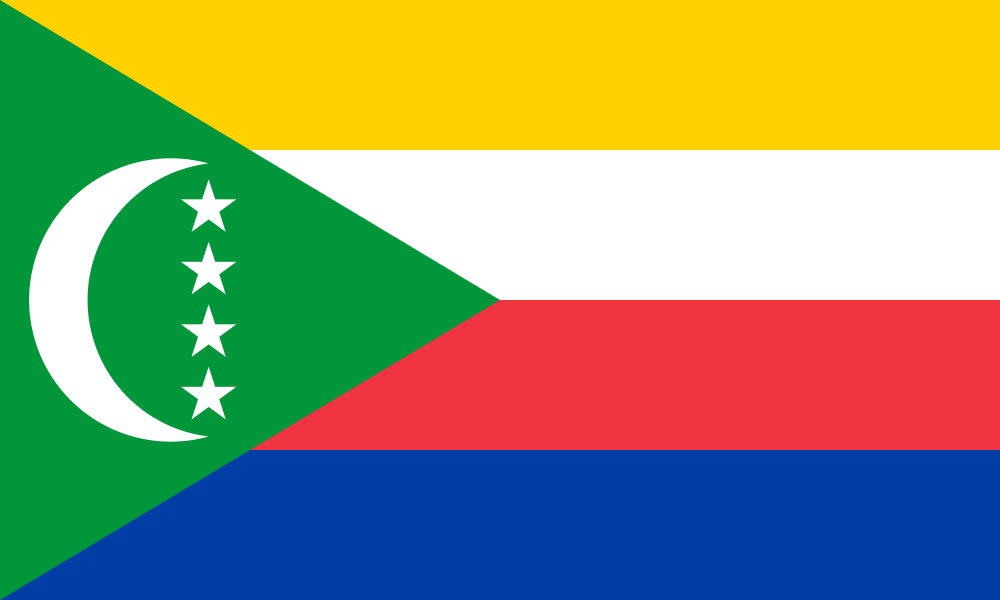 ComorosMoroni
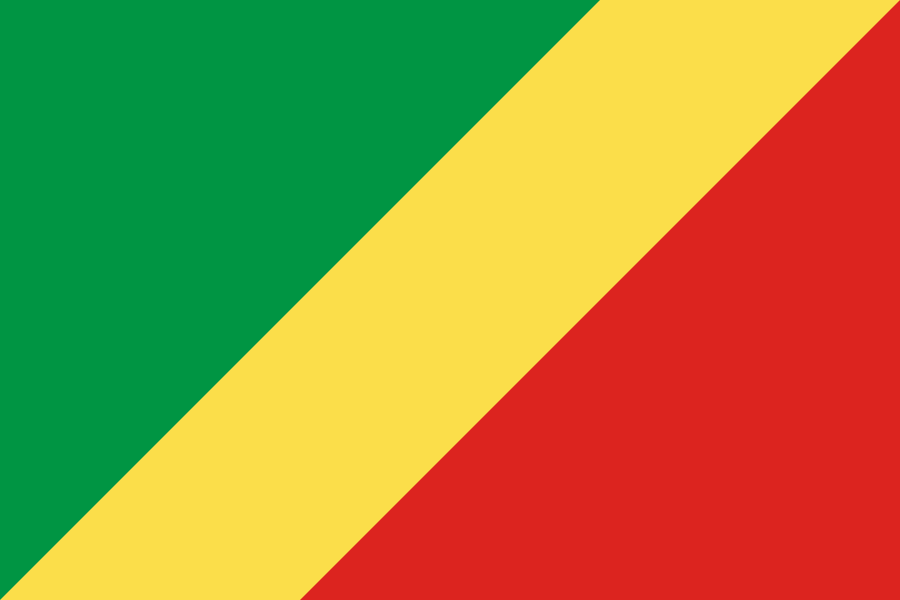 Republic of the CongoBrazzaville
 Democratic Republic of the CongoKinshasa
 Côte d’IvoireYamoussoukro
 DjiboutiDjibouti
 DominicaRoseau
 EgyptCairo
 FranceParis
 GabonLibreville
 GhanaAccra
 GreeceAthens
 GuineaConakry
 Guinea-BissauBissau
 Equatorial GuineaCiudad de la Paz
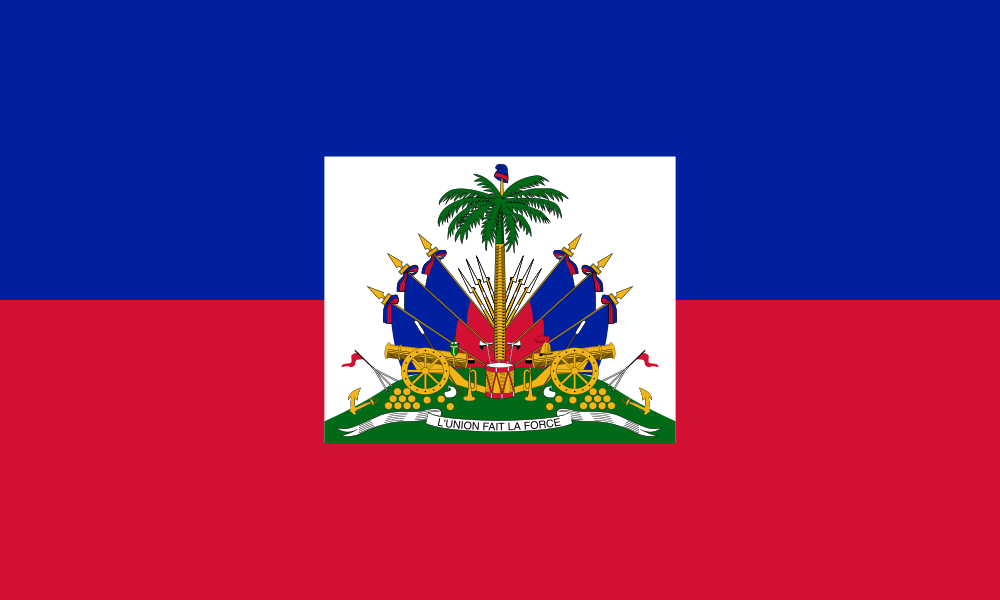 HaitiPort-au-Prince
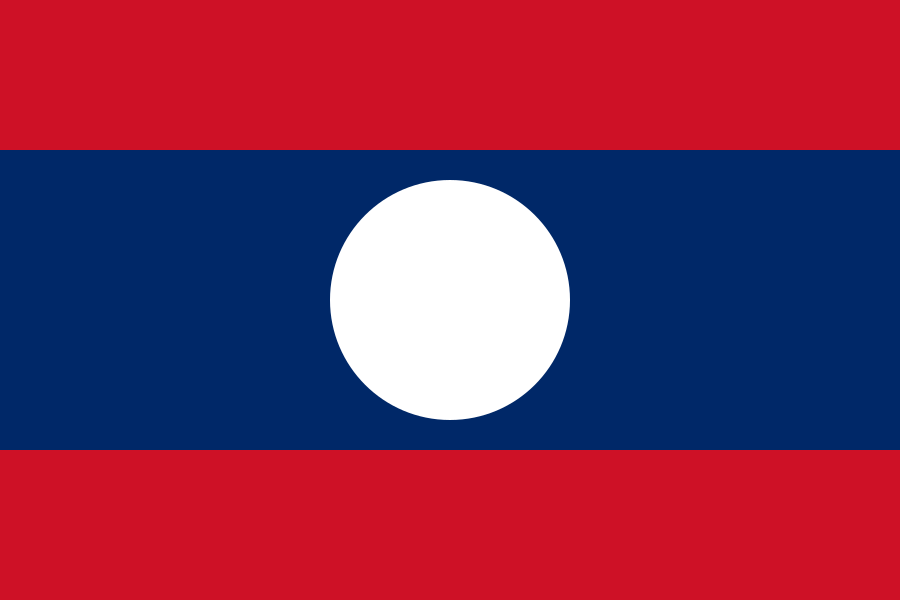 LaosVientiane
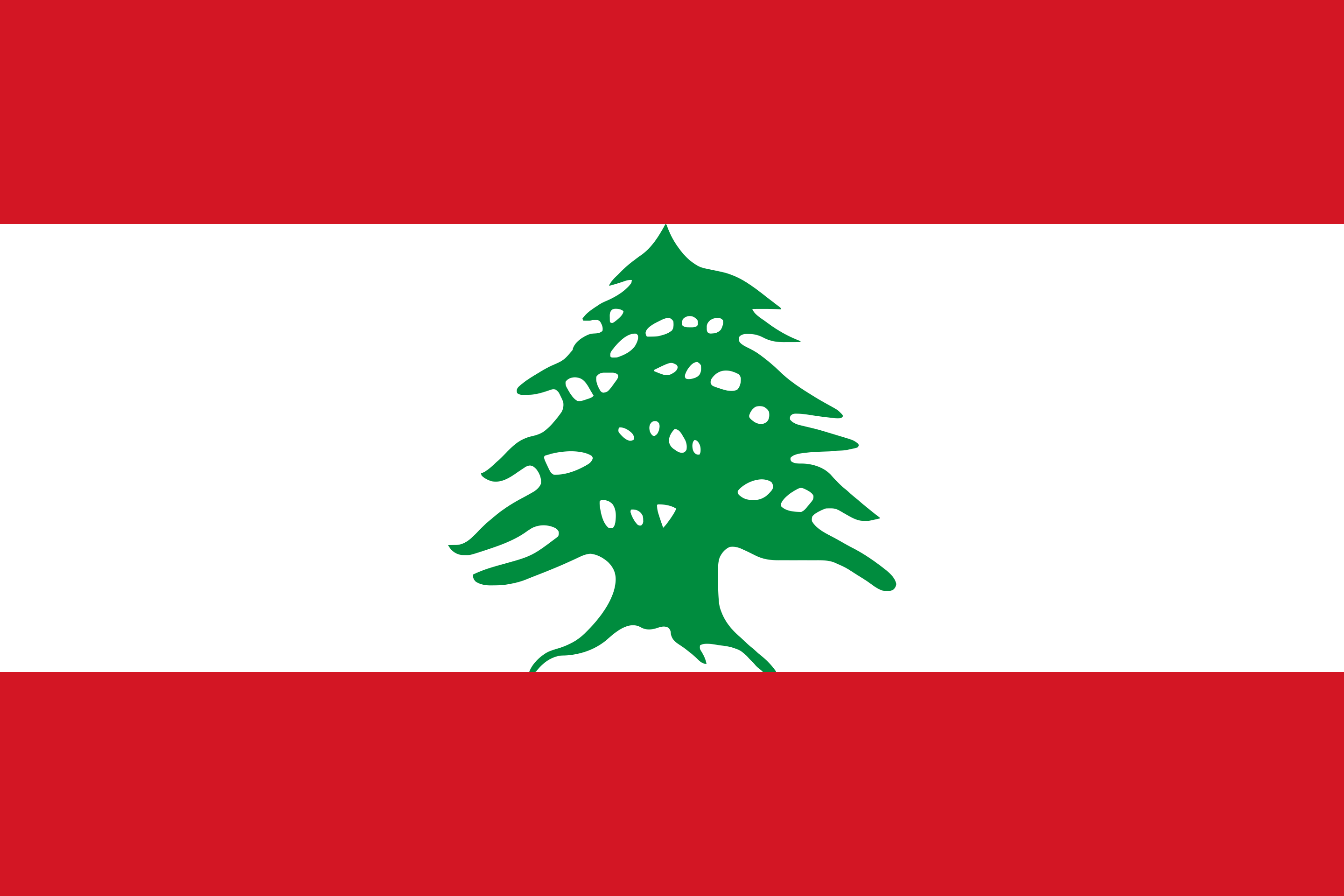 LebanonBeirut
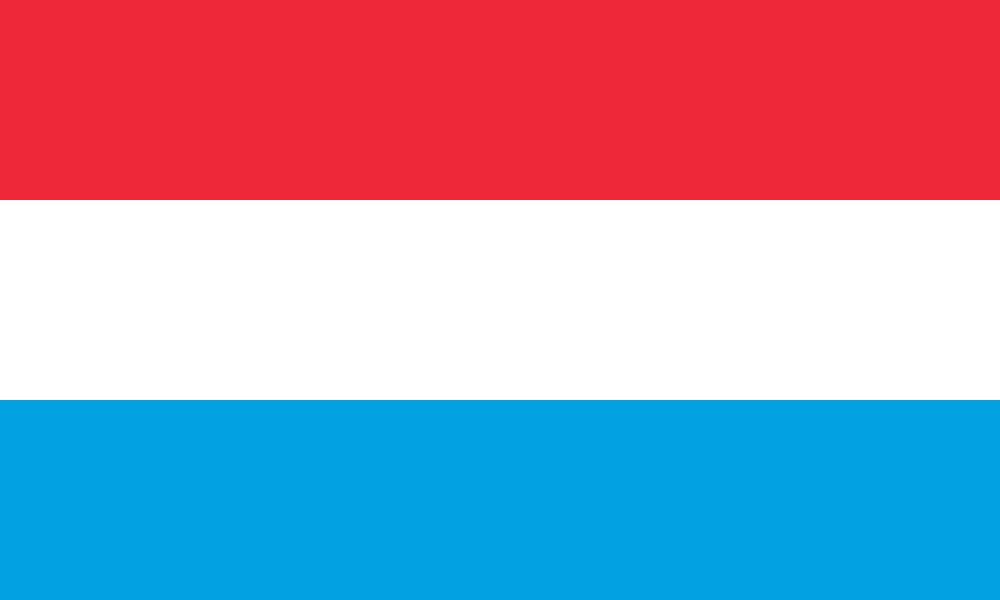 LuxembourgLuxembourg City
 North MacedoniaSkopje
 MadagascarAntananarivo
 MoroccoRabat
 MauritiusPort Louis
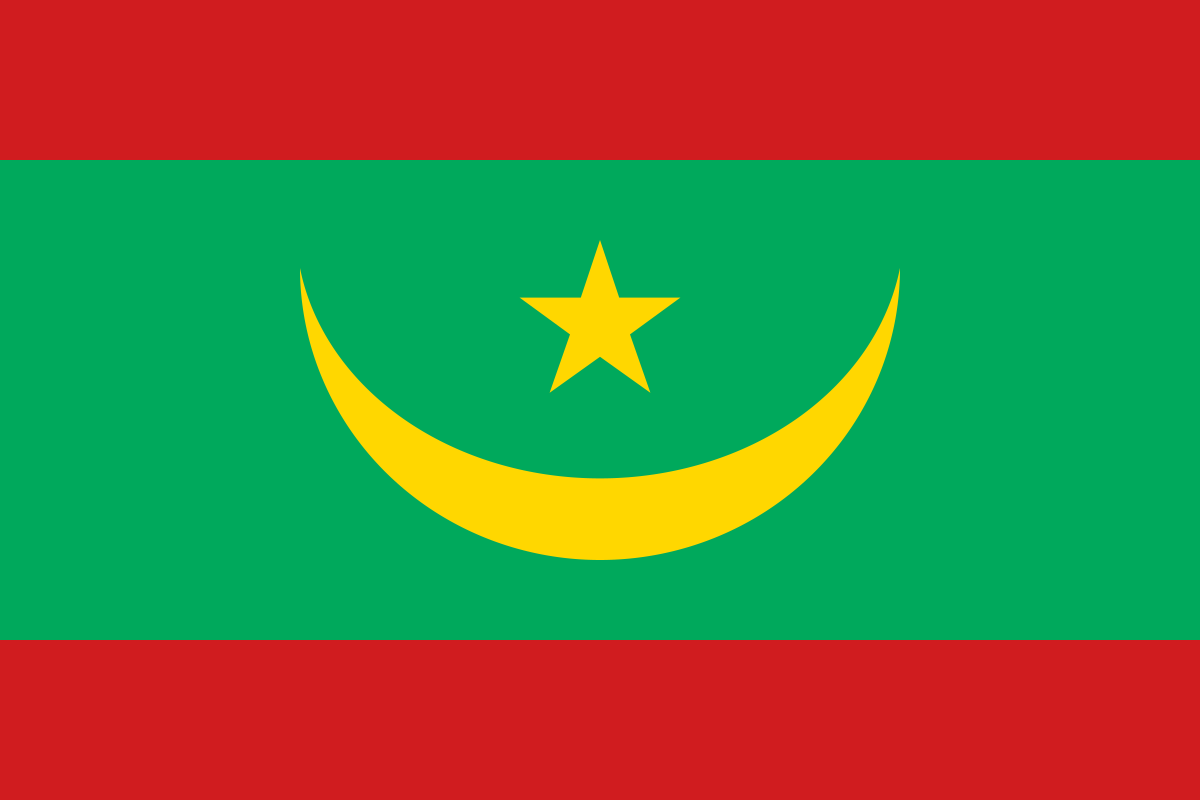 MauritaniaNouakchott
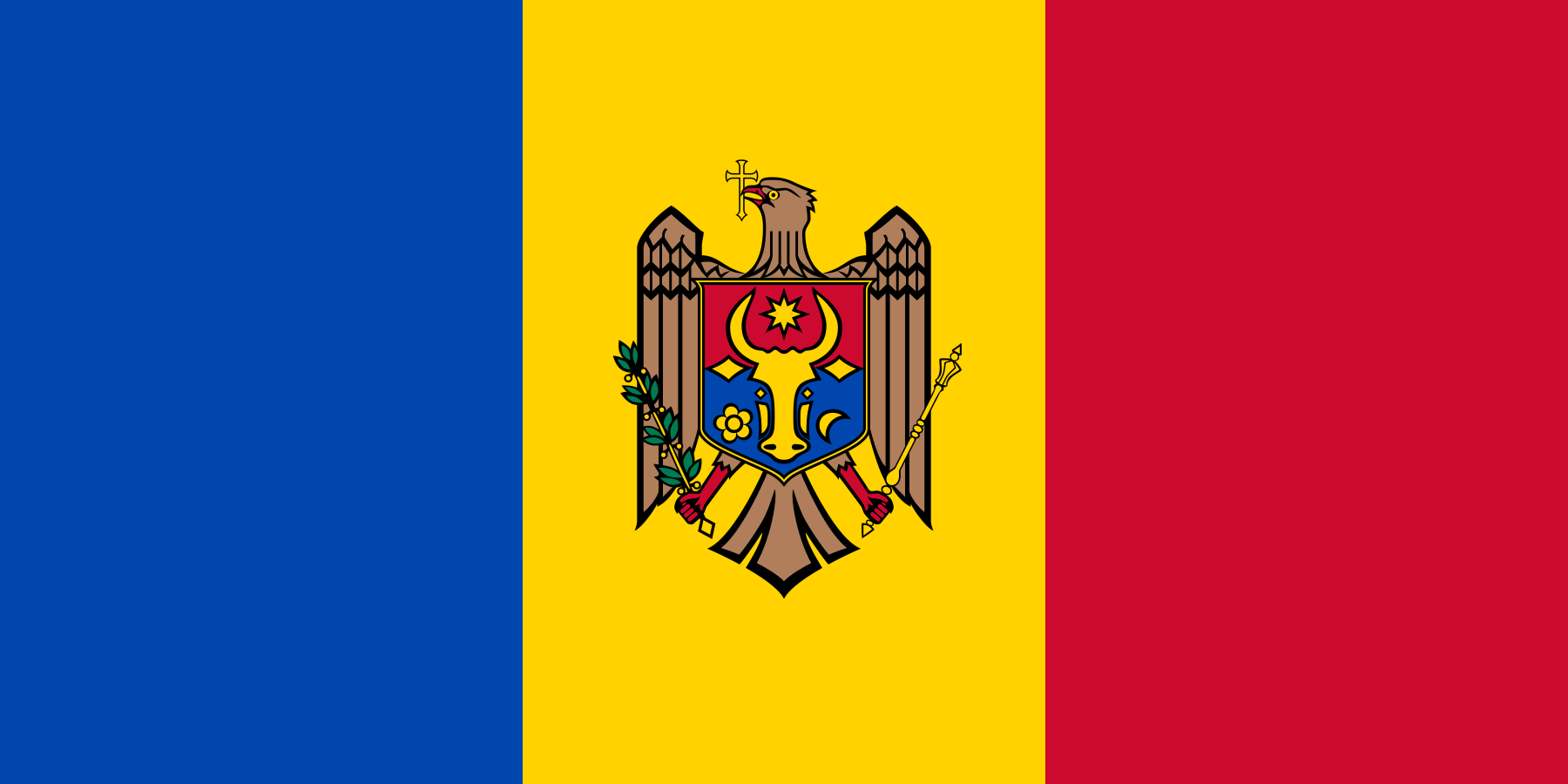 MoldovaChișinău
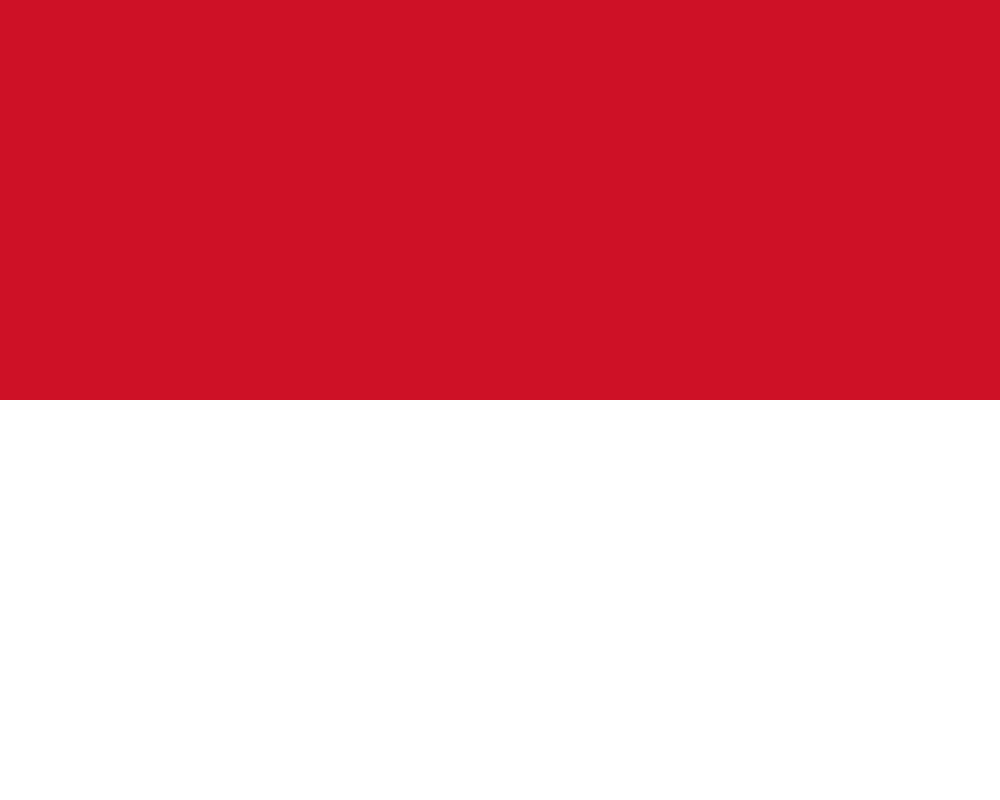 MonacoMonaco
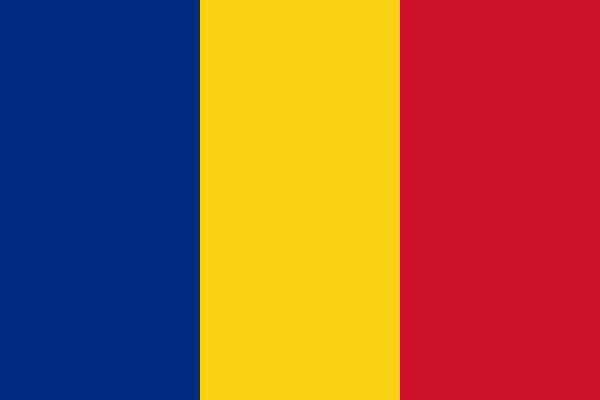 RomaniaBucharest
 RwandaKigali
 St. LuciaCastries
 São Tomé & PríncipeSão Tomé
 SenegalDakar
 SeychellesVictoria
 SwitzerlandBern
 ChadN'Djamena
 TogoLomé
 TunisiaTunis
 VanuatuPort Vila
 VietnamHanoi
Continue exploring
 United Nations
 European Union
 NATO
 Commonwealth of Nations
 African Union
 Arab League
What did you discover?
Take this flag into the quiz
Sources and image credits
This English article draws on the institutional sources listed below. Figures and memberships retain their stated reference dates.
Source record: 2 November 2026. A translation does not change the reference date of a figure or membership list.
- francophonie.org/node/125
- francophonie.org/une-histoire-de-la-francophonie-23
- francophonie.org/node/81
- clo-ocol.gc.ca/fr/canada-est-lun-pays-fondateurs-lactuelle-organisation-internationale-francophonie