Discovering city flags
A city flag condenses local identity into a few colors and signs. It can be linked to a coat of arms, but has its own design and must not be confused with a modern city logo. This collection invites you to take a closer look at familiar motifs and combine the name of the city with a verifiable image feature.
Test your knowledge →Key facts and distinctions
- Article focus
- Learning guide and directory
- City Flag
- Sign of the municipal level
- City logo
- Not automatically the official flag
- Crested coats
- Do not equate with complete flag cloth
- Berlin
- Bear figure
- Hamburg,
- Differentiate flag, state coat of arms and logo
- Capital
- Can have your own city flag
From city name to visible motif
Start with a sober description of a city flag: what colors form the ground, what figure lies on it, and where is it arranged? An animal, castle or stripe pattern can be a good anchor. However, its mere presence does not yet explain the historical origin of the sign.
Berlin connects its national flag with the bear figure. Because Berlin is both city and country, the motif also makes sense in a regional collection. The category depends on the question. Whoever names the political level can correctly classify the same picture in different learning contexts.
Differentiate logo, coat of arms and flag
Hamburg explicitly explains its national flag, its coat of arms and its modern logo as different signs. This is an important orientation: a municipal website can show a logo while the official flag looks different. A common castle motif does not make the representations identical and does not allow any arbitrary transmission of all details.
For the comparison, therefore, a complete flag image is more valuable than a cut-out figure. Record background, fields and position of the subject. The use of official signs may also follow rules different from those of an explicitly provided general symbol. For the image assignment, it is first sufficient to distinguish these different versions objectively.
Connecting local and national signs
A capital does not automatically have the same flag as its state. The city flag refers to the local level; the national flag refers to the country. As you learn, build a small chain of city, state and sign. This connects the city overview with the capital theme without mixing both tasks.
For practice, you can choose three similarly constructed city flags and describe the decisive difference. Then compare an urban with a regional flag. The profiles lead to the concrete images; this is about the method of carefully reading local symbols and not guessing their official name from the overall impression.
Details Worth Remembering
Watch the background
An optional motif contains only part of the information. Check the entire area before assigning a drawing to a particular flag cloth.
Re-describe the known
Choose a familiar city and describe its sign without name. Especially well-known motifs reveal gaps that go unnoticed by mere recognition.
Clarify the level
City states combine local and regional roles. Note this peculiarity next to the name; thus a double classification becomes traceable and remains distinguishable from a national flag.
Browse the profiles
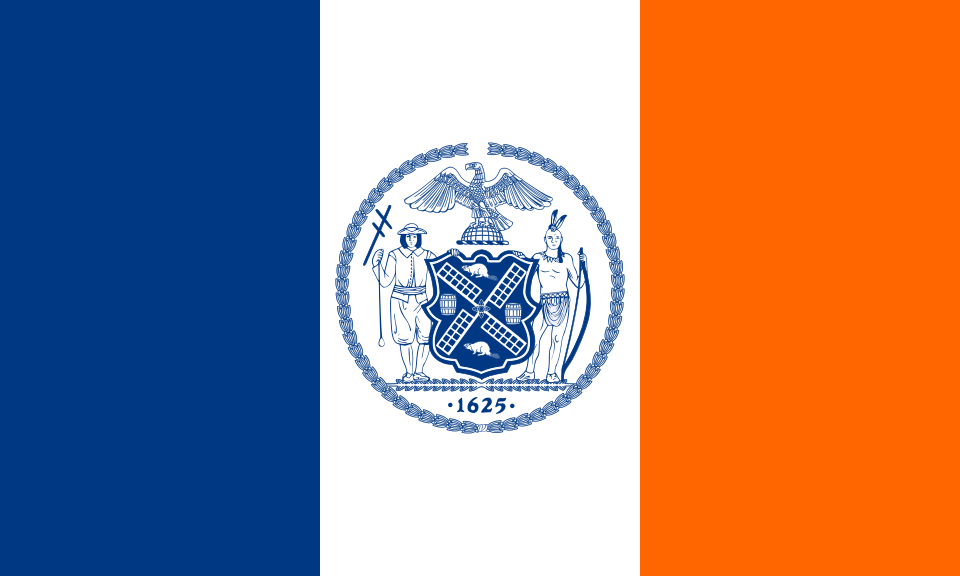 New York CityUnited States
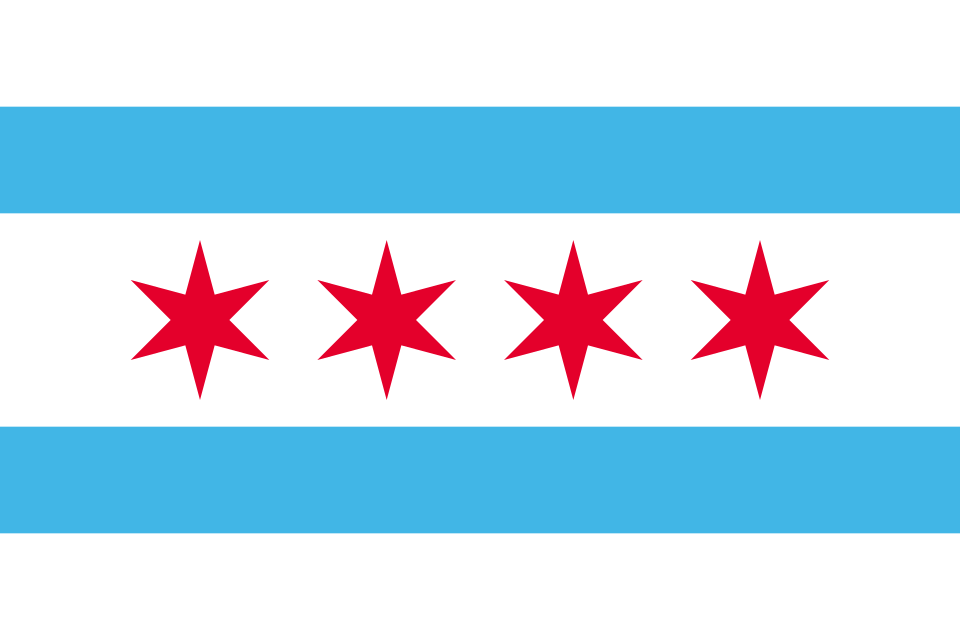 ChicagoUnited States
 MunichGermany
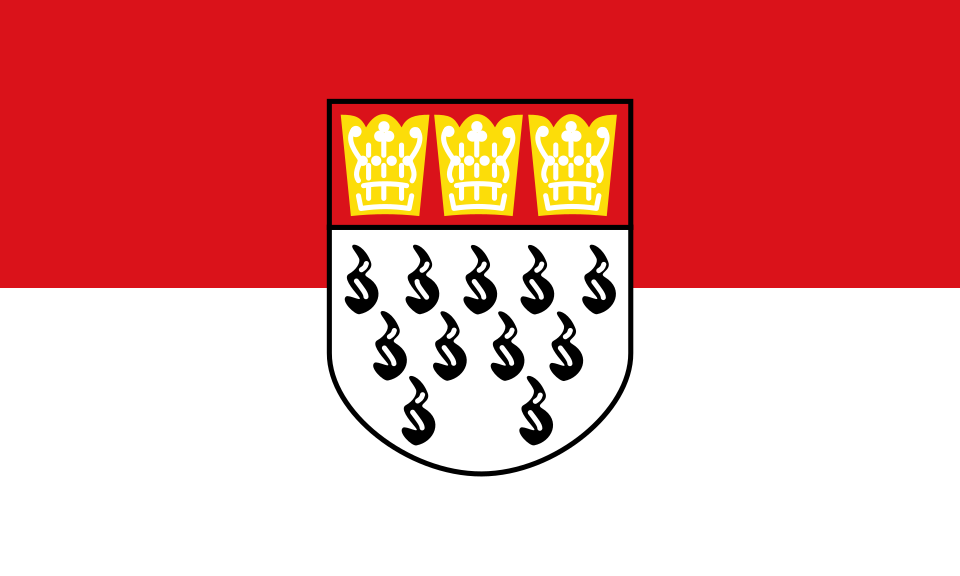 CologneGermany
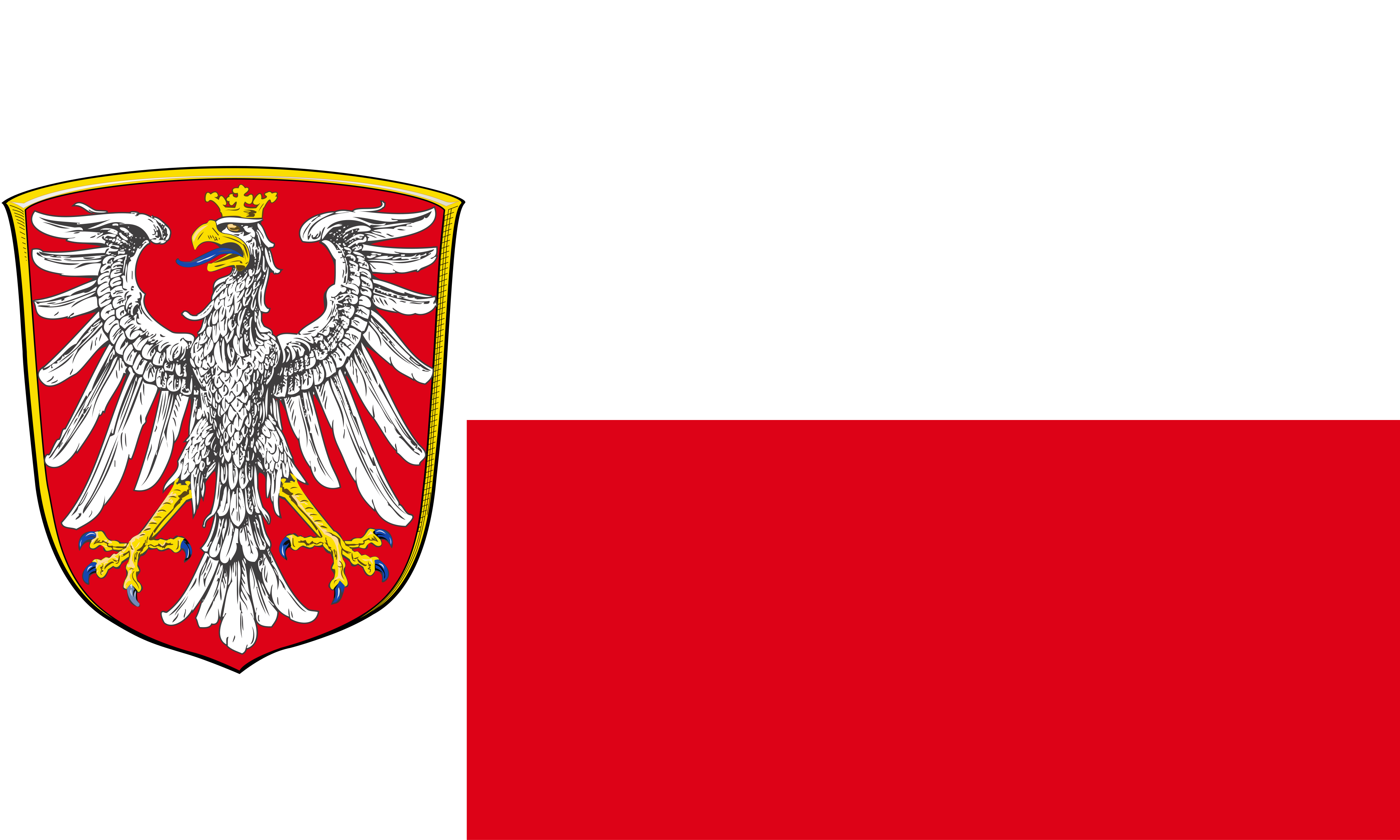 Frankfurt am MainGermany
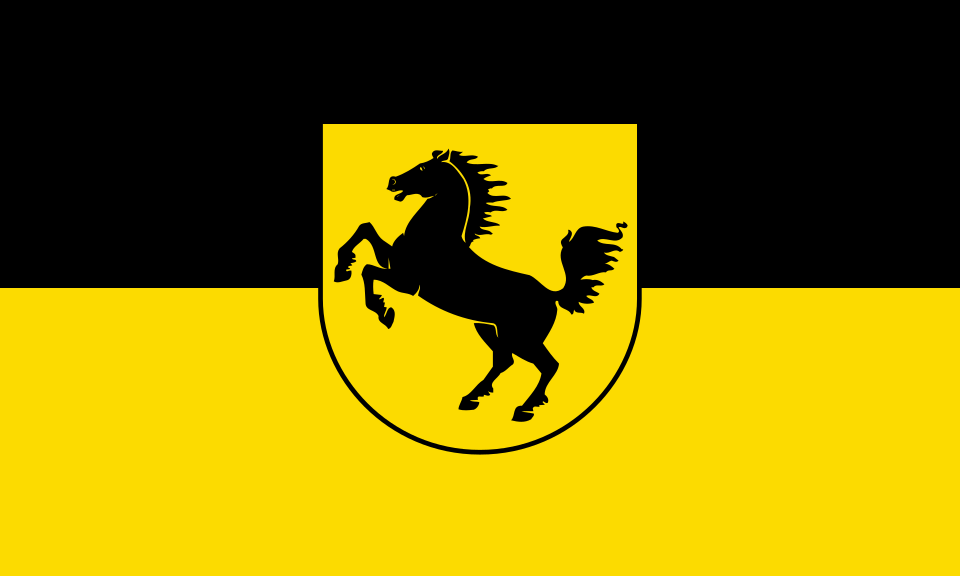 StuttgartGermany
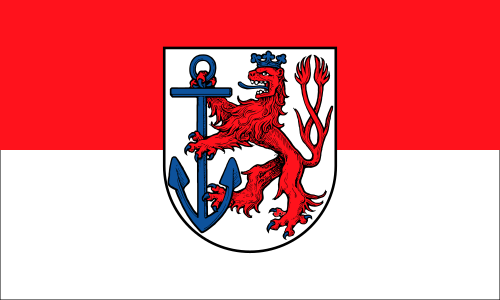 DüsseldorfGermany
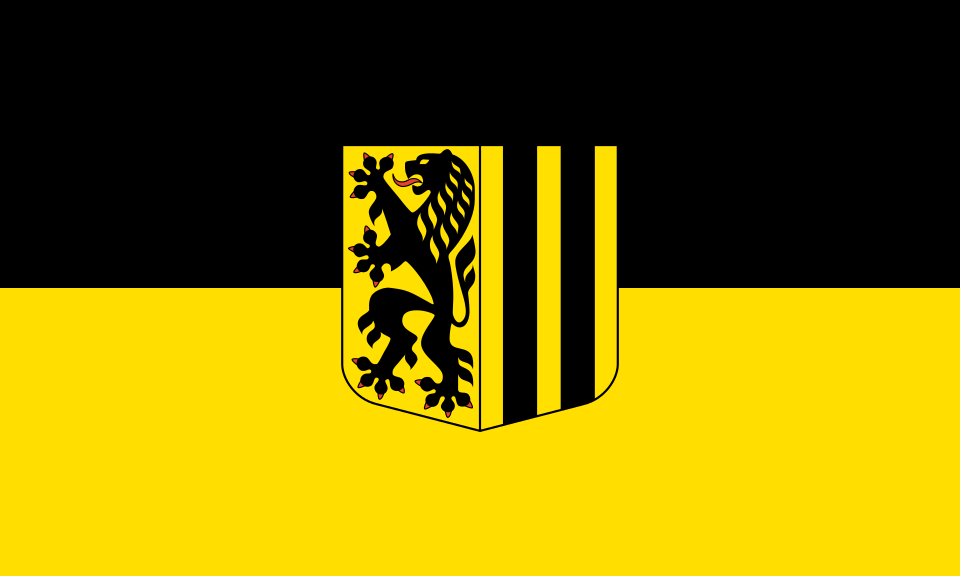 DresdenGermany
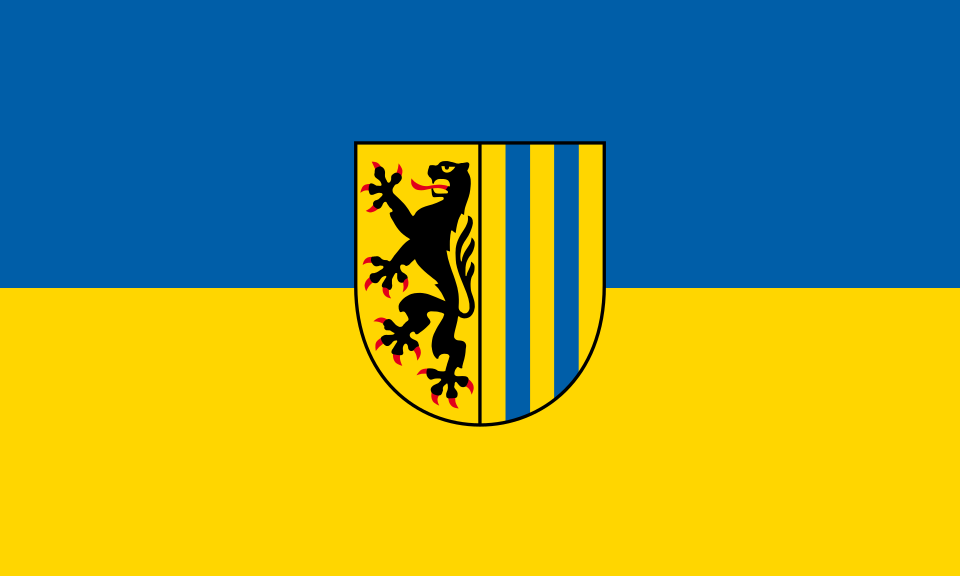 LeipzigGermany
 NurembergGermany
 AmsterdamNetherlands
 RotterdamNetherlands
 The HagueNetherlands
 ViennaAustria
 SalzburgAustria
 PragueCzechia
 LisbonPortugal
 BarcelonaSpain
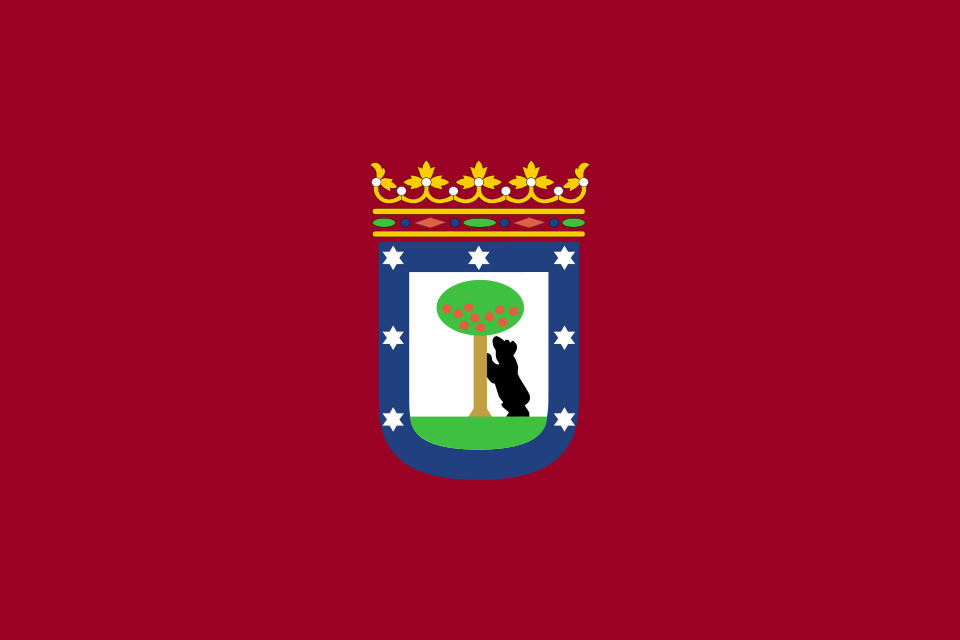 MadridSpain
 RomeItaly
 OsakaJapan
 TorontoCanada
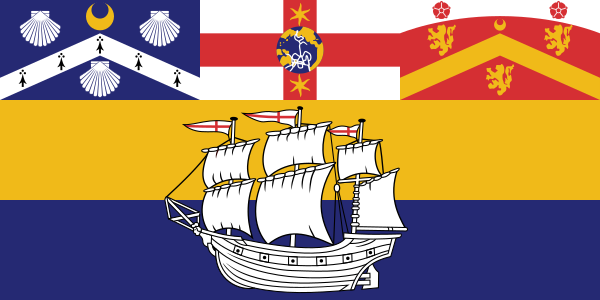 SydneyAustralia
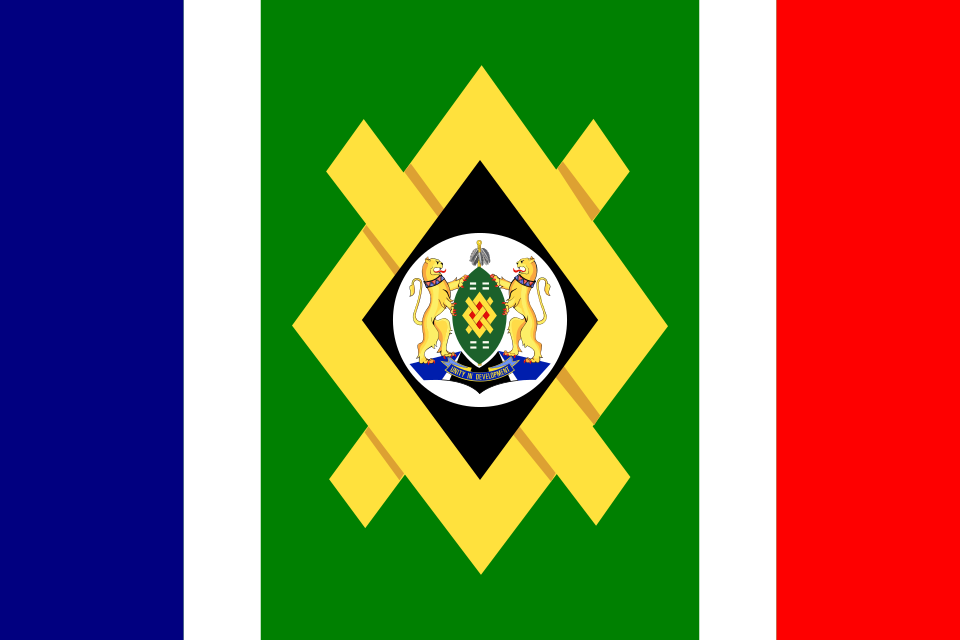 JohannesburgSouth Africa
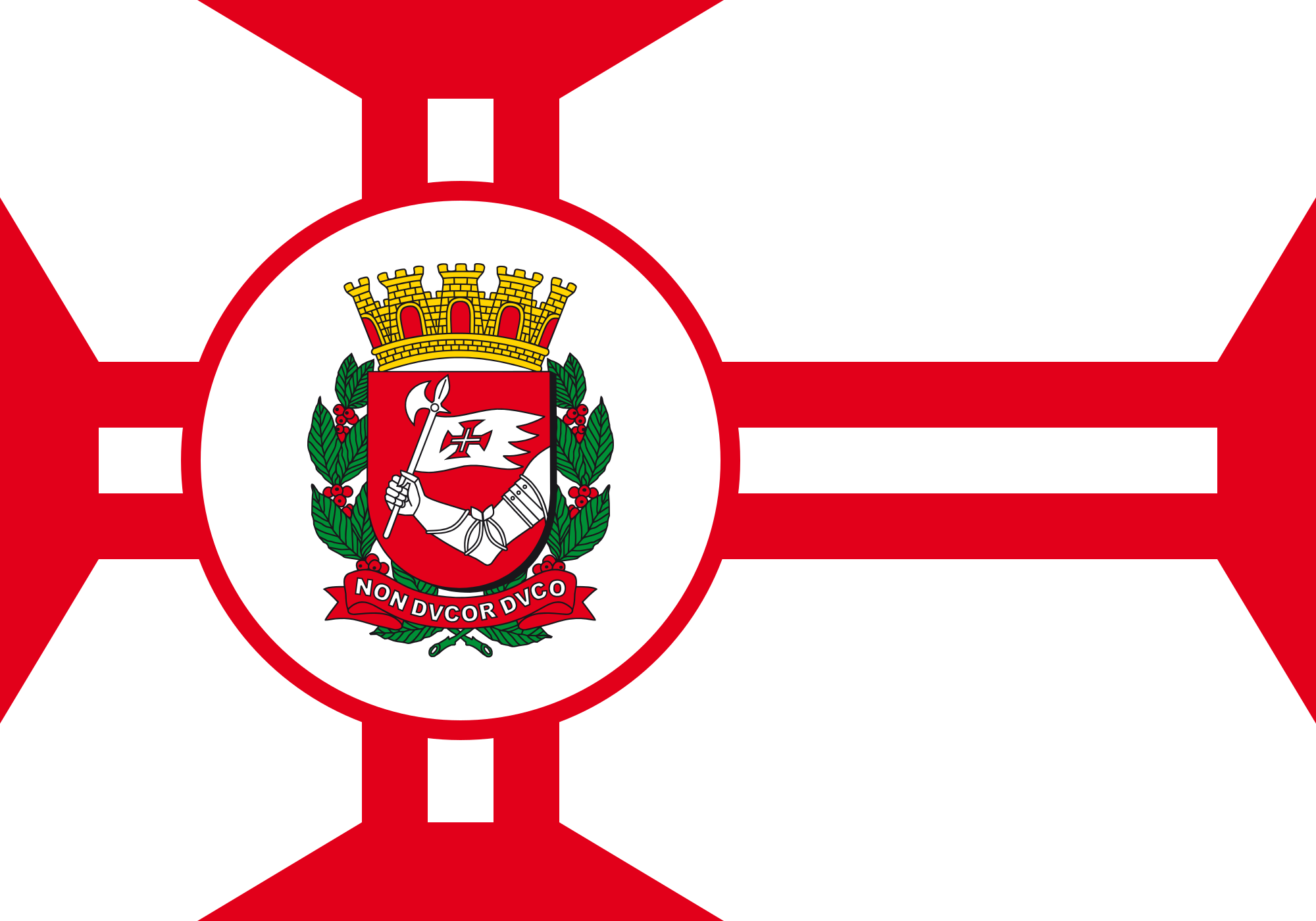 São PauloBrazil
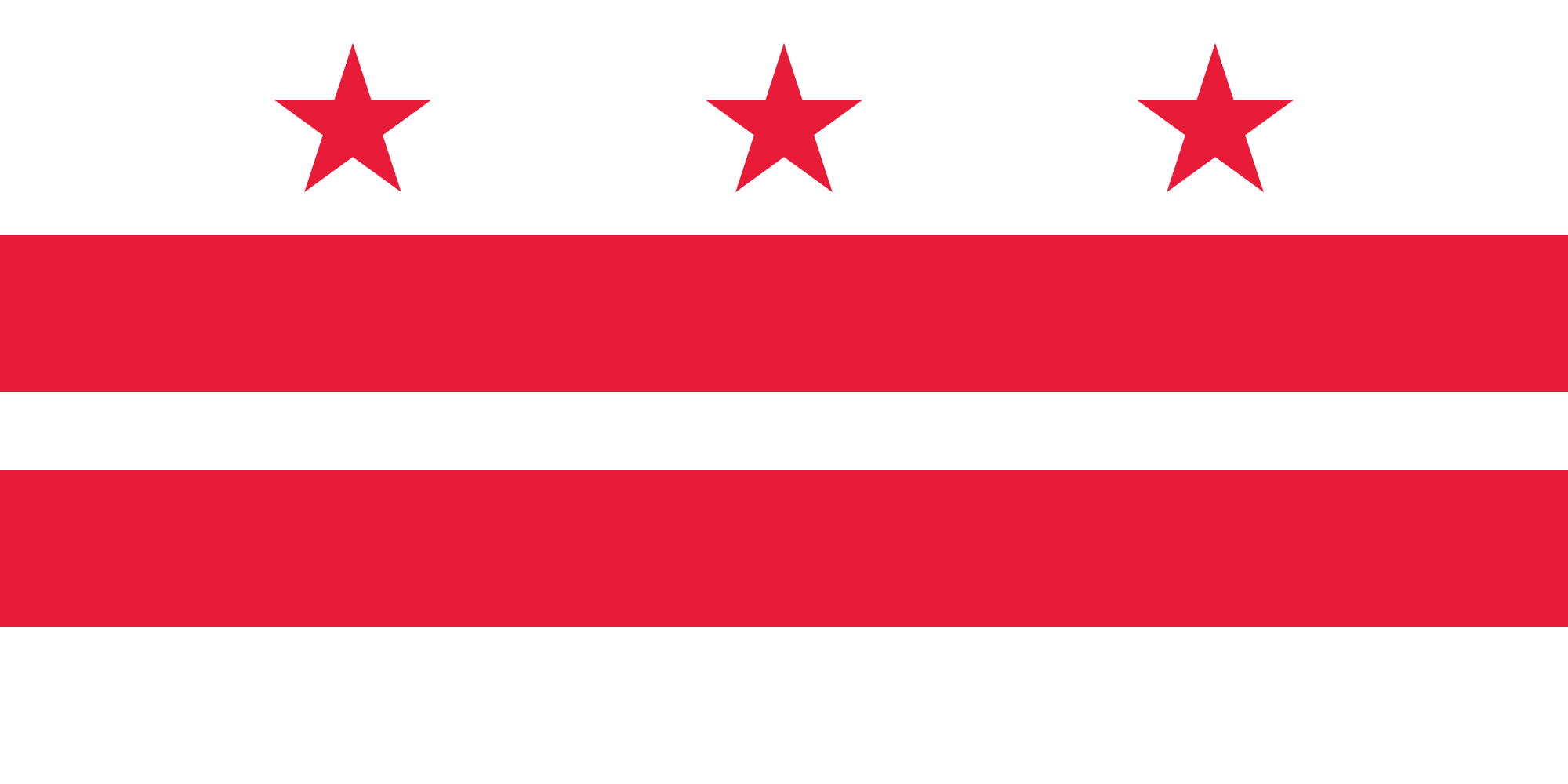 Washington, D.C.United States
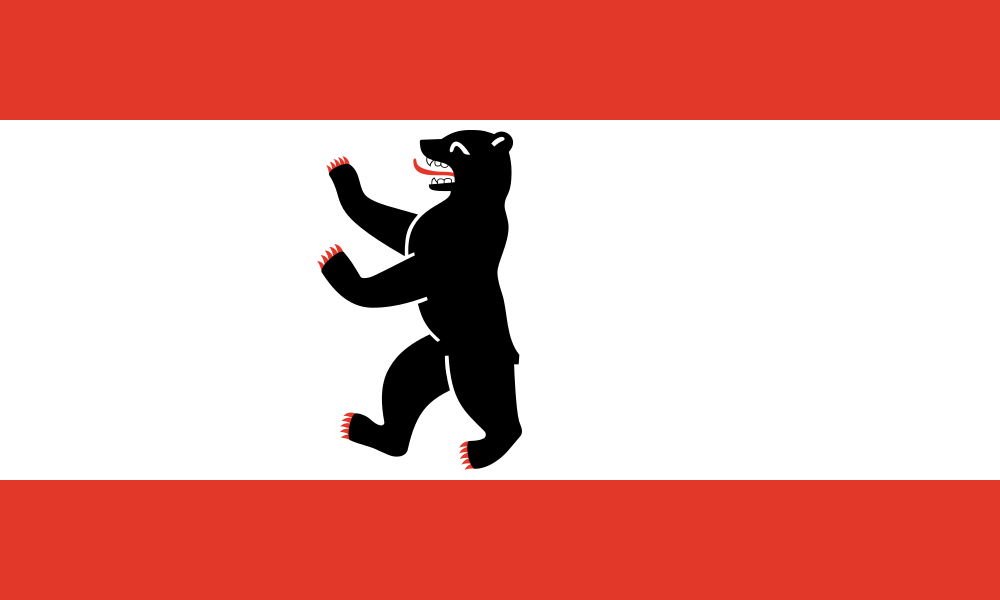 BerlinGermany
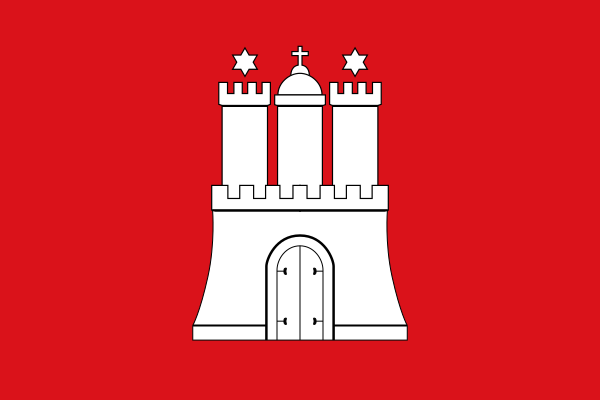 HamburgGermany
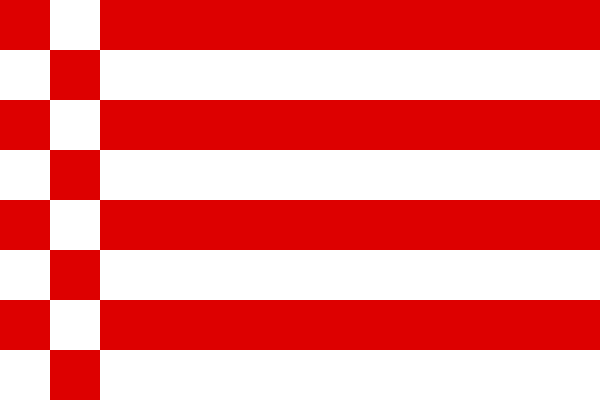 BremenGermany
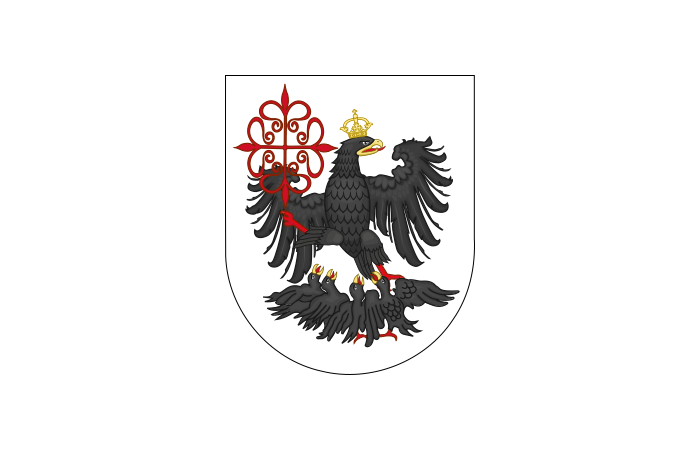 Buenos AiresArgentina
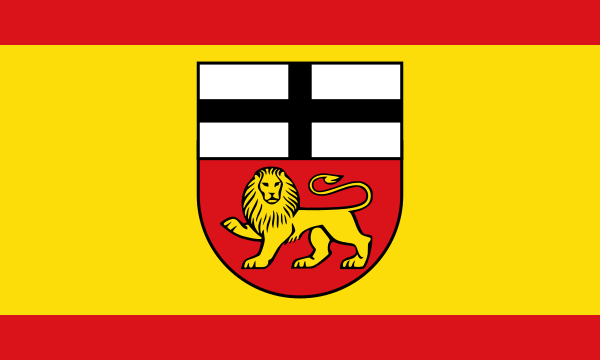 BonnGermany
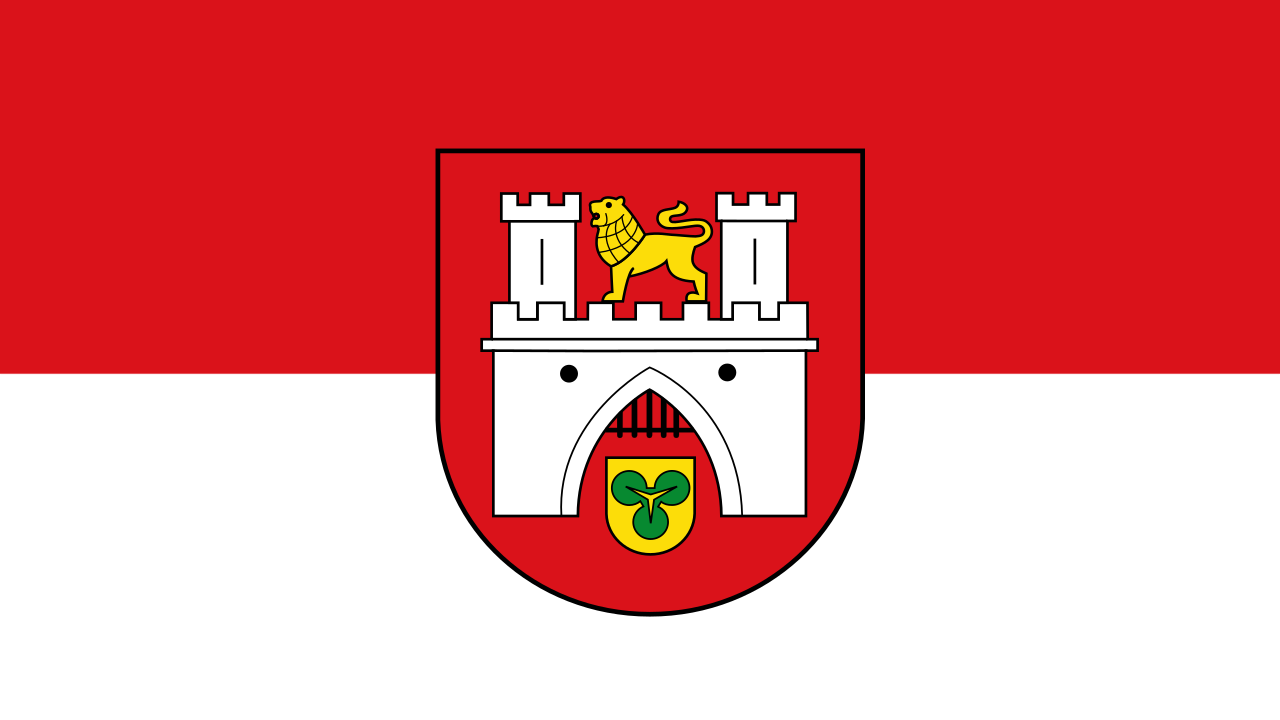 HanoverGermany
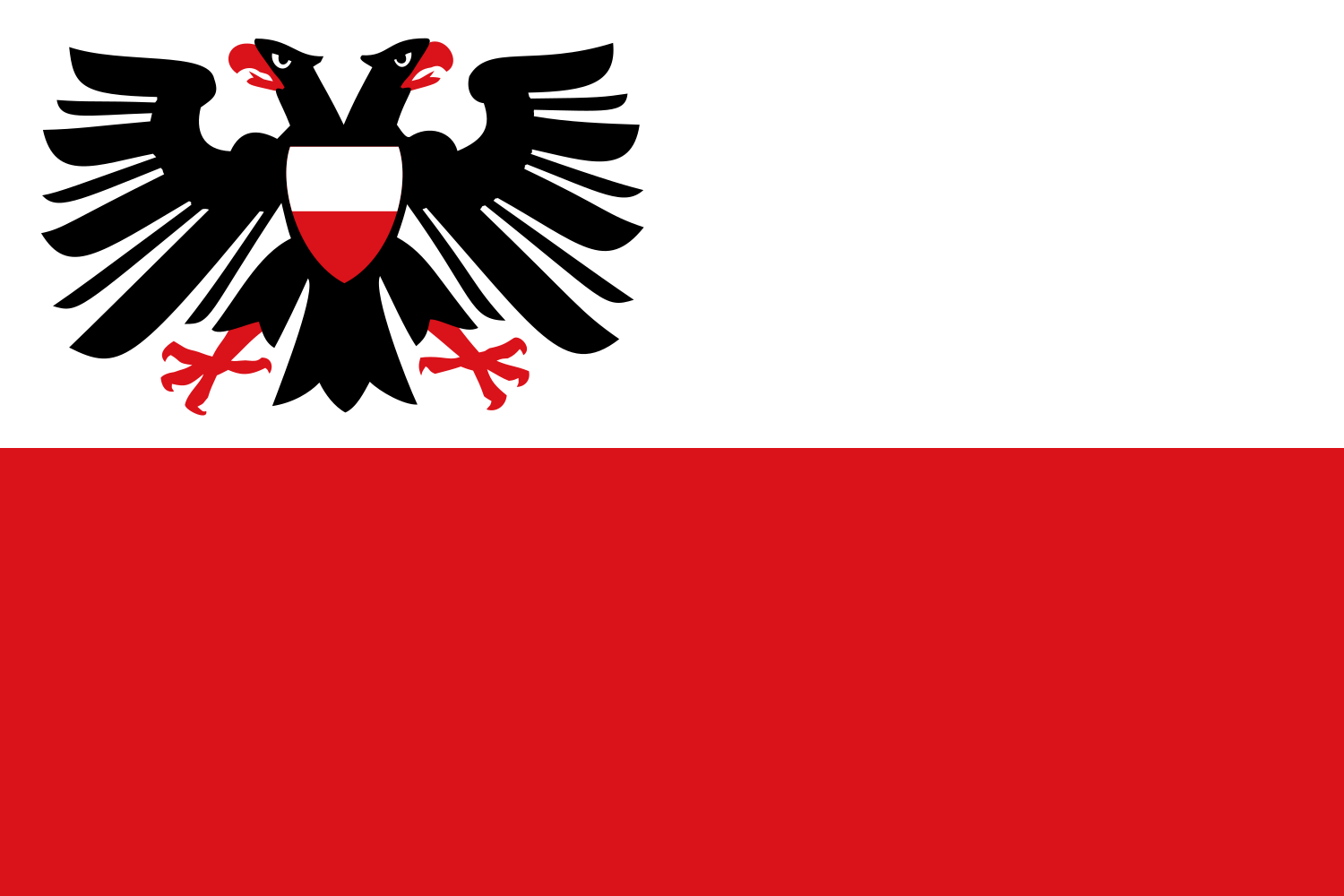 LübeckGermany
 KielGermany
 MünsterGermany
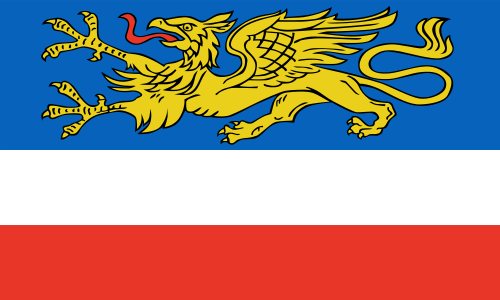 RostockGermany
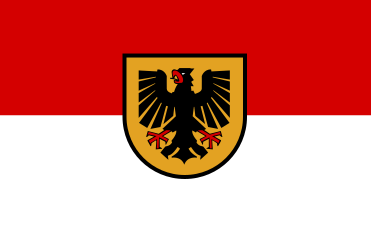 DortmundGermany
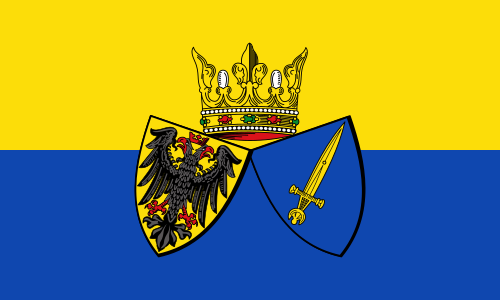 EssenGermany
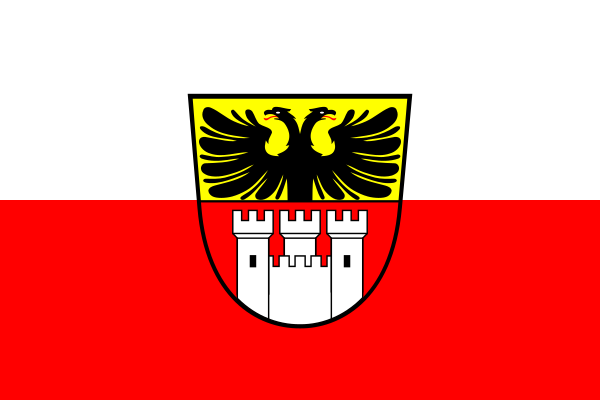 DuisburgGermany
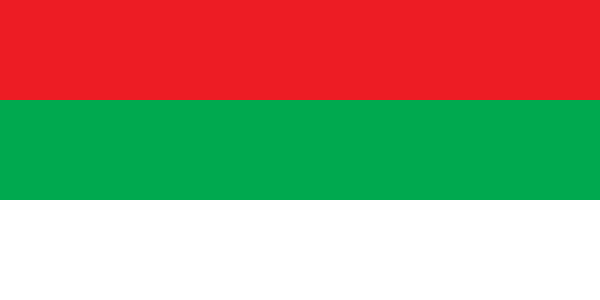 AugsburgGermany
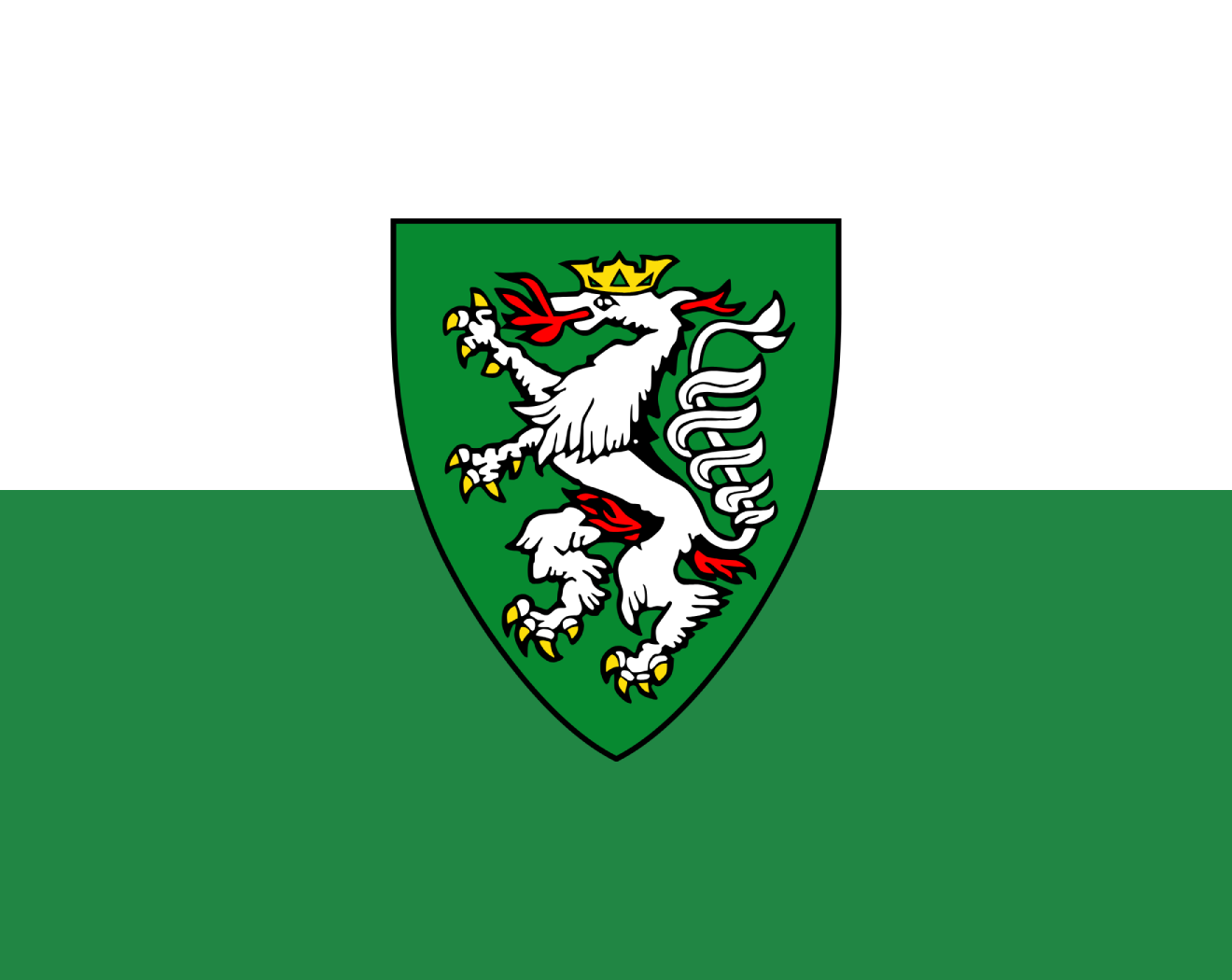 GrazAustria
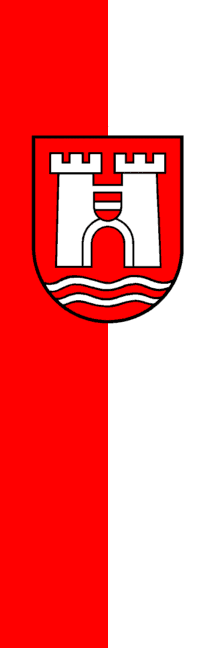 LinzAustria
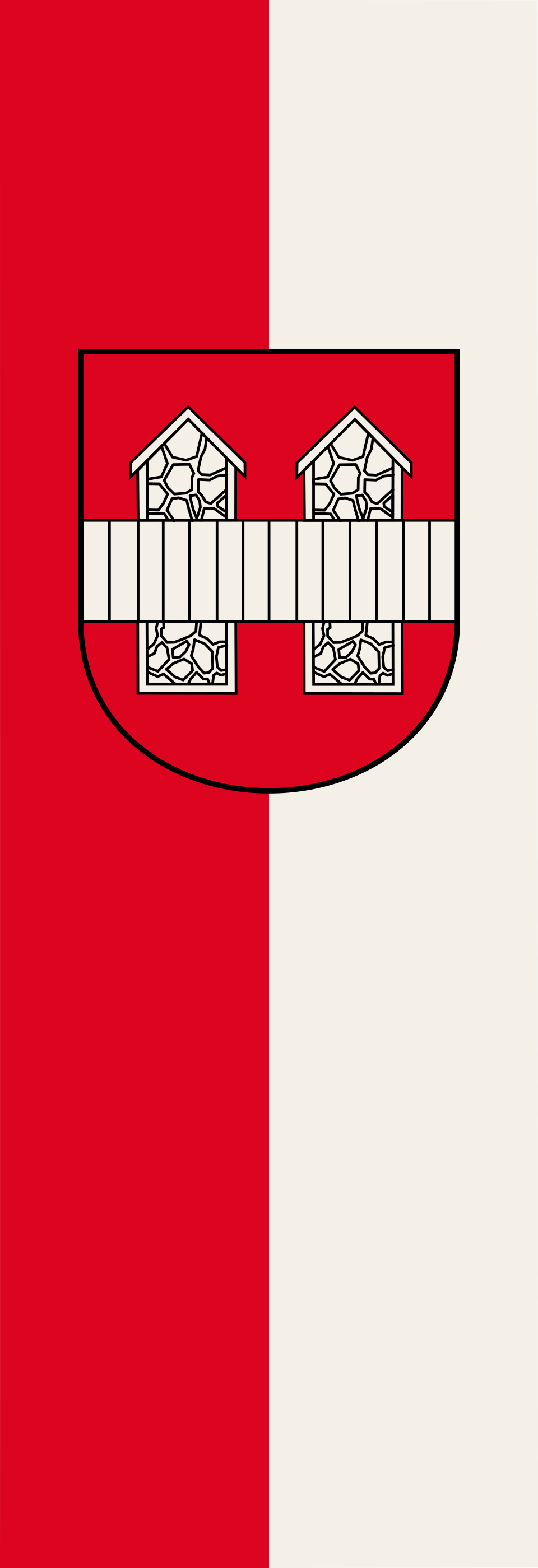 InnsbruckAustria
 ParisFrance
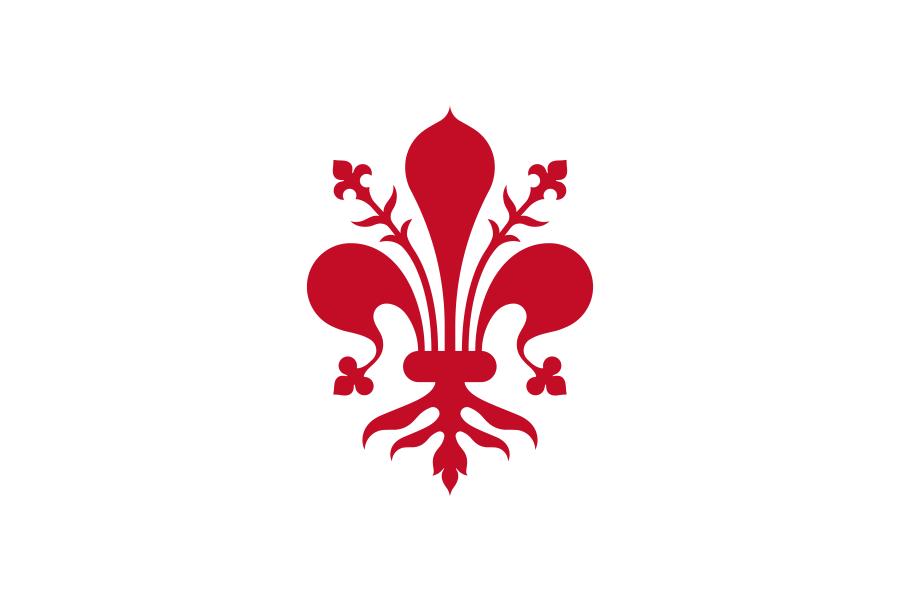 FlorenceItaly
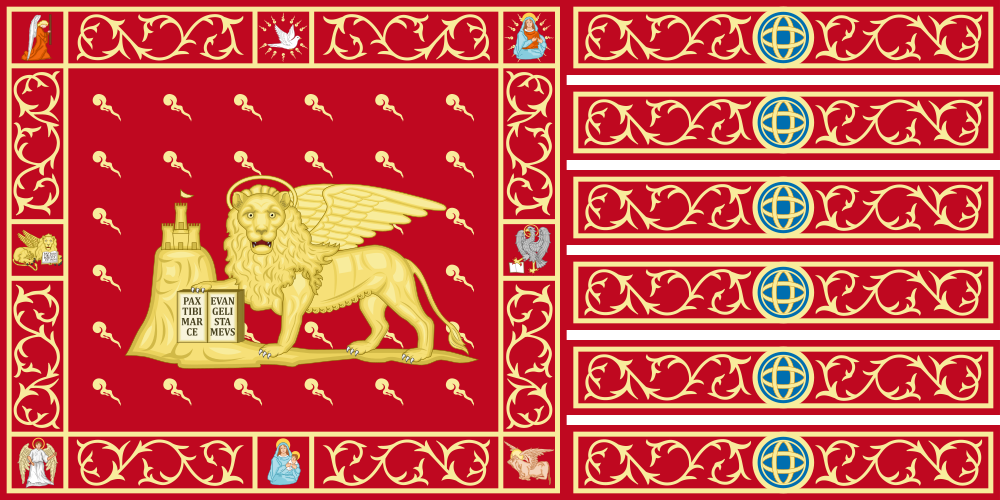 VeniceItaly
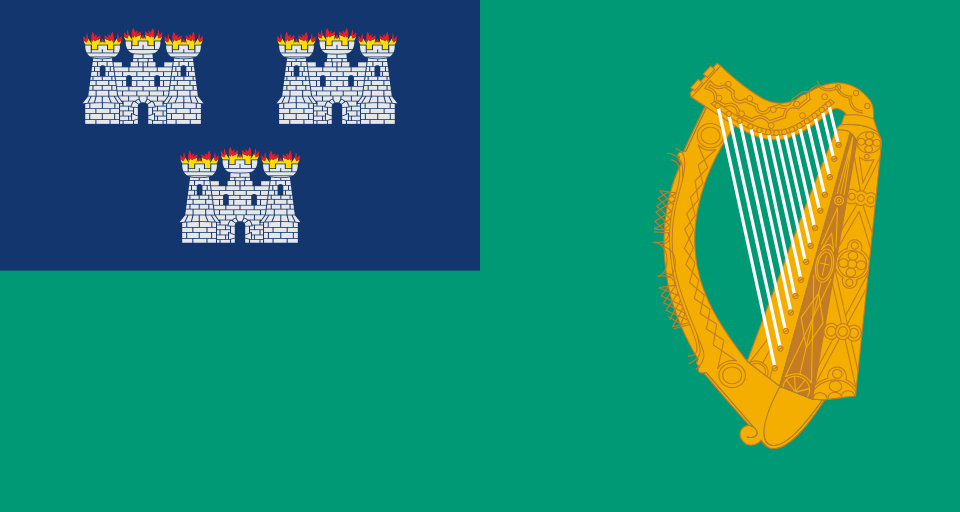 DublinIreland
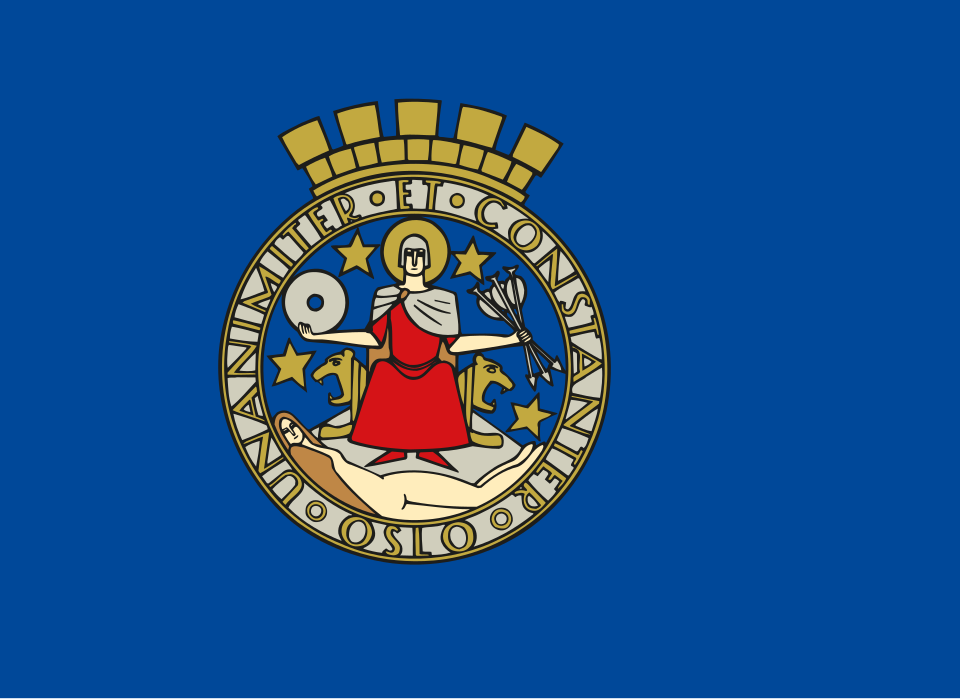 OsloNorway
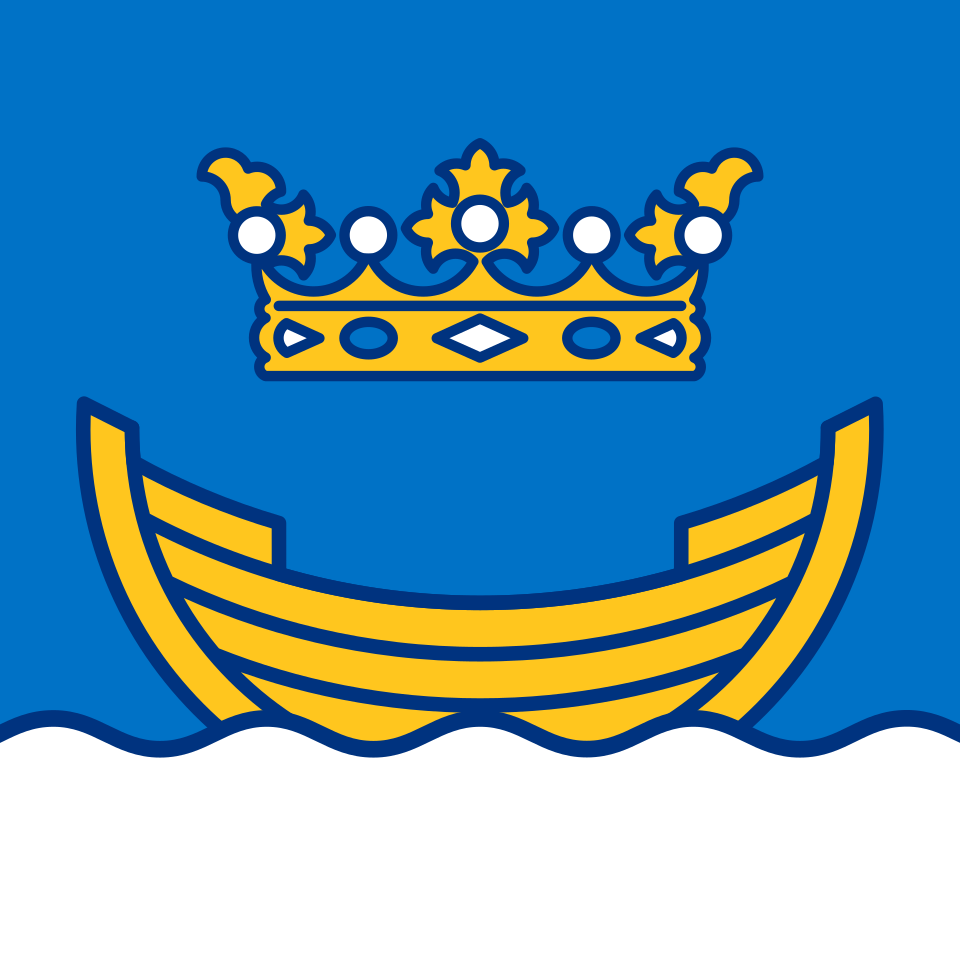 HelsinkiFinland
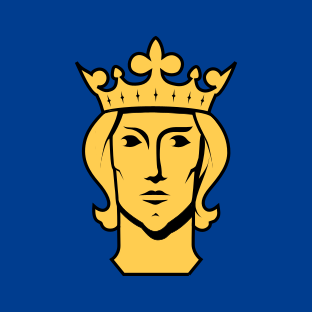 StockholmSweden
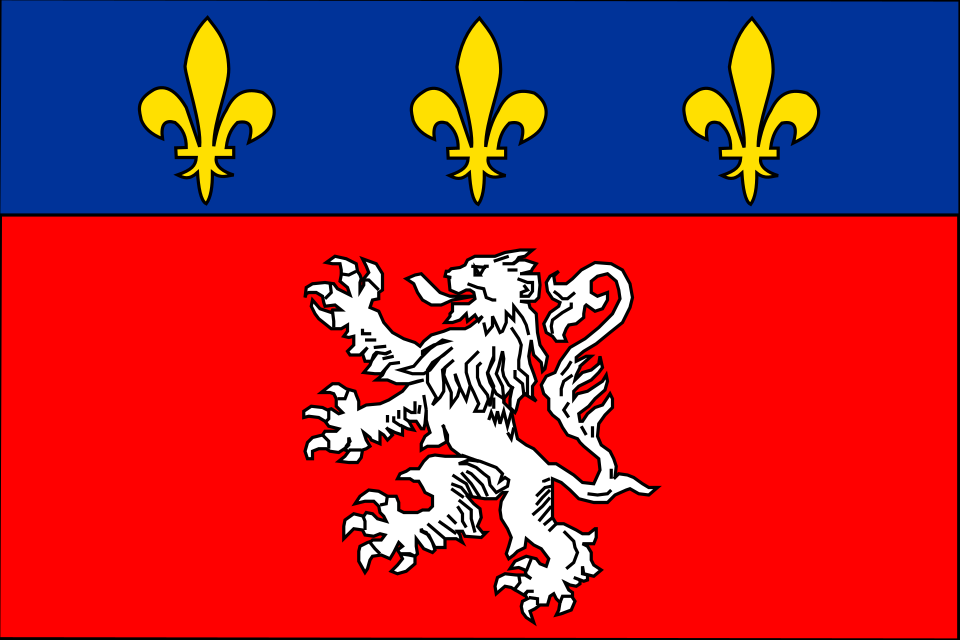 LyonFrance
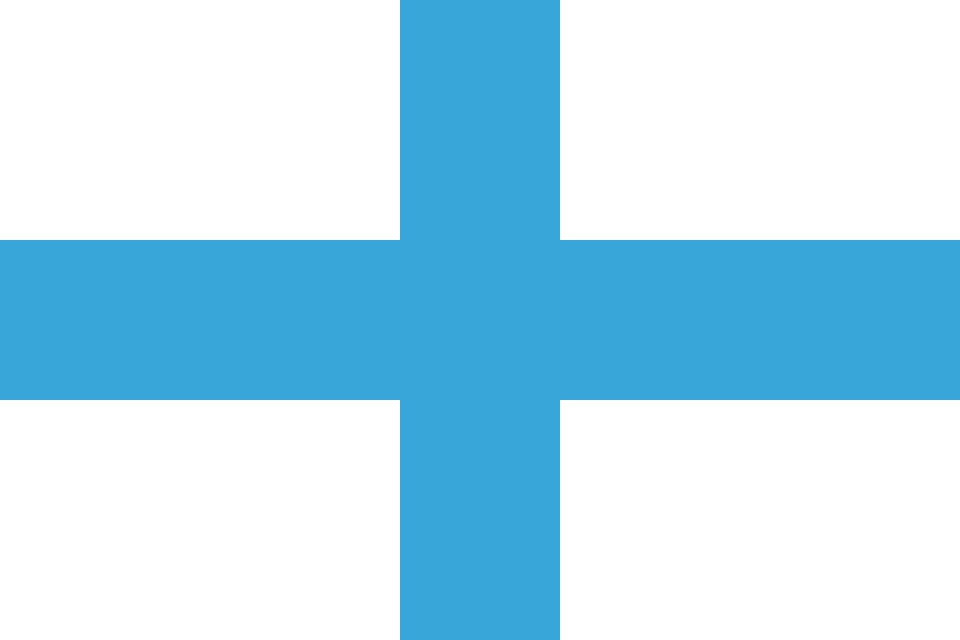 MarseilleFrance
 MilanItaly
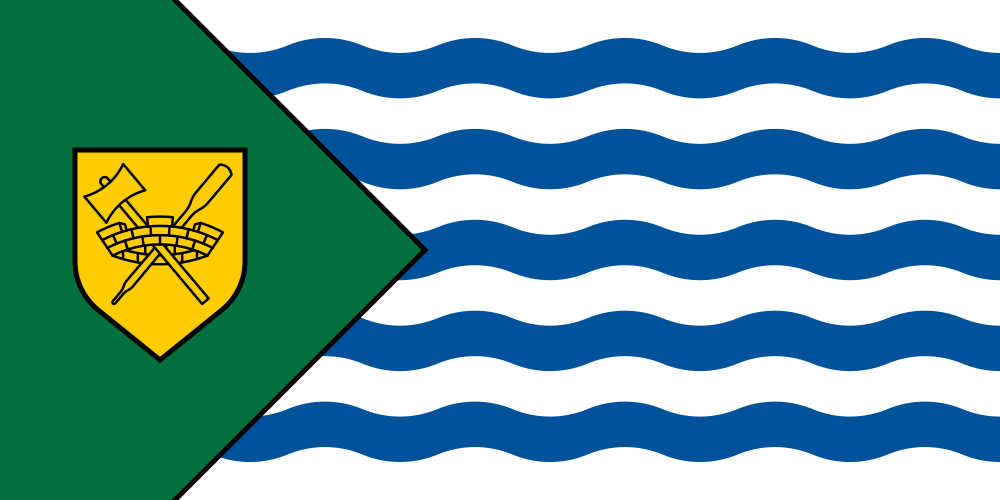 VancouverCanada
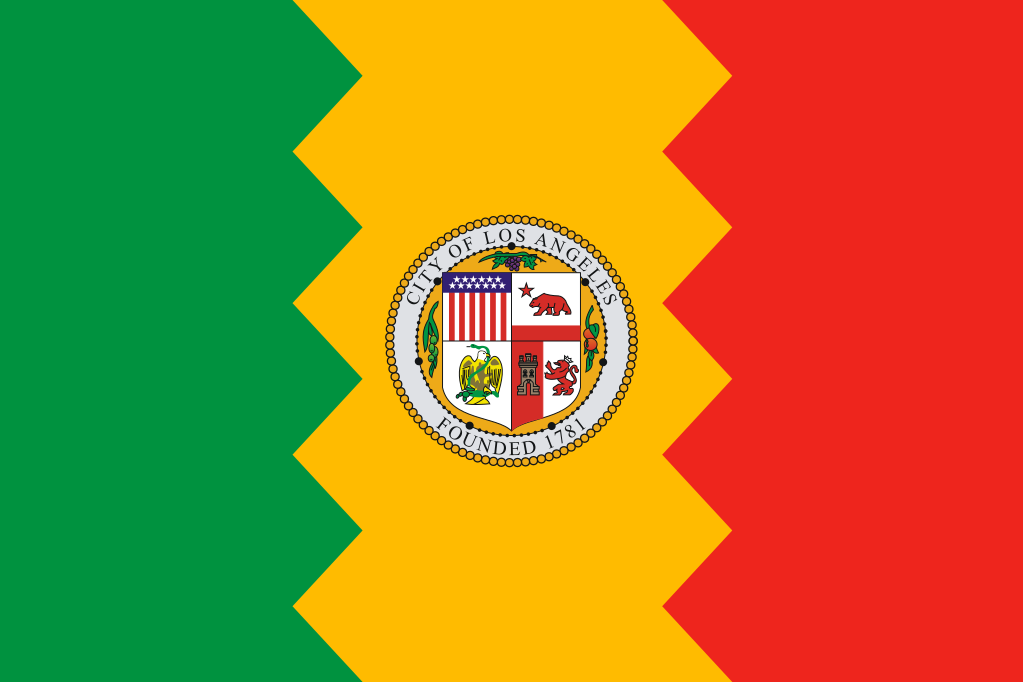 Los AngelesUnited States
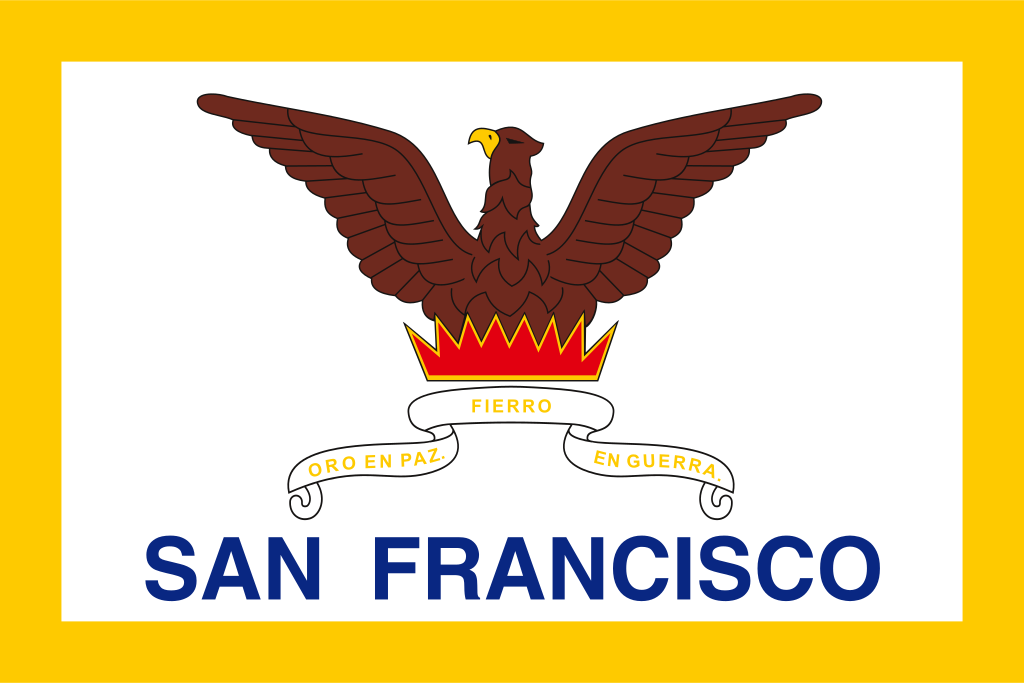 San FranciscoUnited States
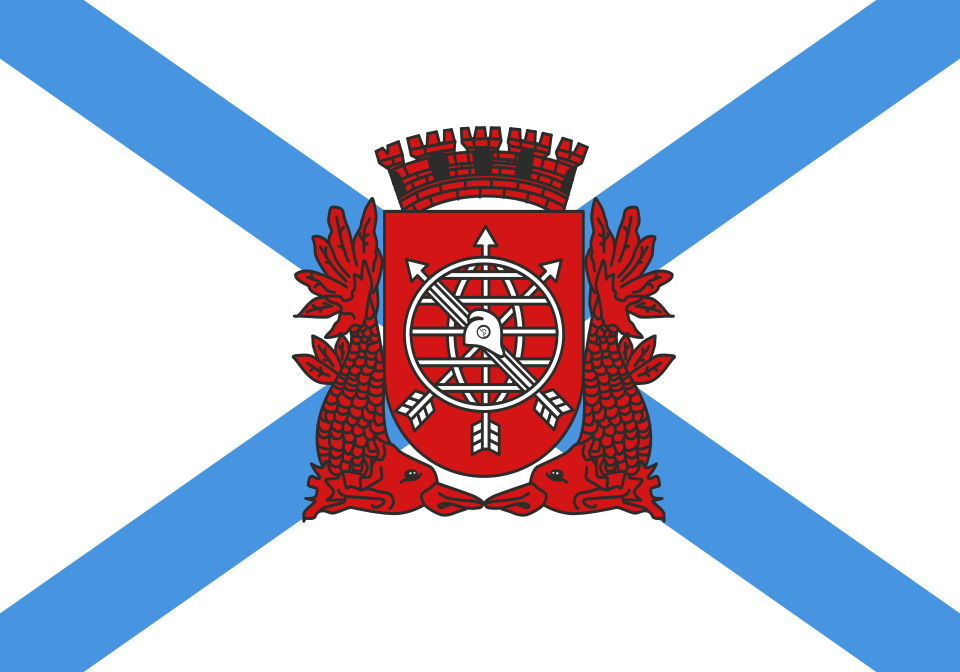 Rio de JaneiroBrazil
 SeoulSouth Korea
 ZurichSwitzerland
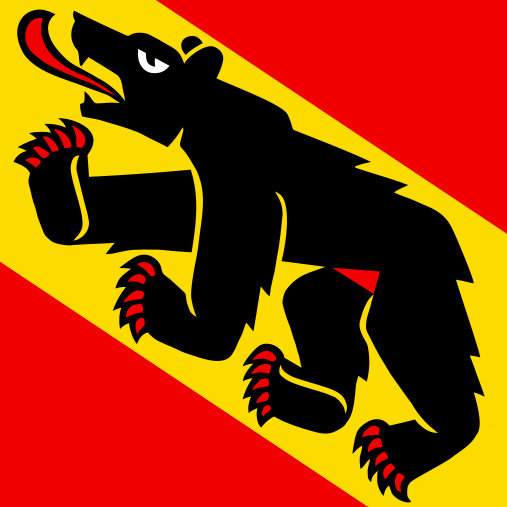 BernSwitzerland
Continue exploring
What did you discover?
Sources and image credits
This English article draws on the institutional sources listed below. Figures and memberships retain their stated reference dates.
Source record: 2 November 2026. A translation does not change the reference date of a figure or membership list.
- berlin.de/ba-lichtenberg/ueber-den-bezirk/bezirkswappen/mdb-hoheitszeichengesetz_vom_22.10.2007.pdf
- hamburg.de/politik-und-verwaltung/behoerden/senatskanzlei/hamburg-logo-239048
- stmi.bayern.de/staat-und-verfassung/staatssymbole/