Learning capitals
Learning capitals means more than collecting well-known city names. You link a state with its political center and observe special designations of office or distributed functions. This overview combines the city knowledge with the country profiles and flags. It also shows why a precise task can make the decisive difference, especially with supposedly simple questions.
Test your knowledge →Key facts and distinctions
- Article focus
- Learning guide and directory
- Switzerland
- Bern: Federal City
- Netherlands
- Amsterdam: Capital
- Dutch seat of government
- The Hague
- South Africa administratively
- Pretoria
- South Africa Legislative
- Cape Town
- South Africa Judicially
- Bloemfontein, traditional function assignment
Capital is a political assignment
Start with the full pair of country and city. A famous name alone is not yet an answer to the question of a capital city. When you repeat, first introduce the country name and then retrieve the corresponding information. Then you check the same pair in the opposite direction.
Connect this couple with the flag only in the next step. In this way, it remains visible where an error arises: in the picture, in the country or in the city. Anyone who guesses all three levels at the same time often notices an uncertain connection only late. Separate tasks make the subsequent repetition more targeted.
Take official terms seriously
Bern fulfils the role of a political centre in Switzerland, but is referred to as a federal city. The official Swiss representation distinguishes this designation from a capital in the legal sense. Save the addition along with the name. He explains the peculiarity instead of making the city allocation unusable.
The Netherlands shows a different distinction: Amsterdam is the capital, while the government and parliament sit in The Hague. Both indications can be correct if the question clearly specifies its role. Therefore, avoid a map that juxtaposes two cities without explanation and later turns them into competing answers.
Shared functions can be stored in an understandable way
South Africa cites Pretoria as an administrative centre, Cape Town as a legislative centre and Bloemfontein as a judicial centre. This traditional assignment describes different functions and is not a statement that all state institutions of a species are located exclusively in one place. Read supplementary notes when a question asks more specifically about an office or court.
For learning practice, a small special case list is recommended next to the normal pairs of countries. Write out each role explicitly and ask them individually. Then return to the mixed round. Thus, exceptions remain comprehensible political information, instead of being remembered as a loose collection of supposedly contradictory city names.
Details Worth Remembering
Roles instead of competition
Formulate the function for two cities each. Then you check a political relationship and not just which of the two names sounds more familiar.
One connection per step
Practice country-city first, and then image-country. This facilitates error diagnosis and prevents a well-recognized flag image from obscuring an uncertain capital response.
Preserving additives
Small clues in the profile are part of the information. Put them in your learning card when they explain legal labels or the difference between capital and seat of government.
Compare capital roles
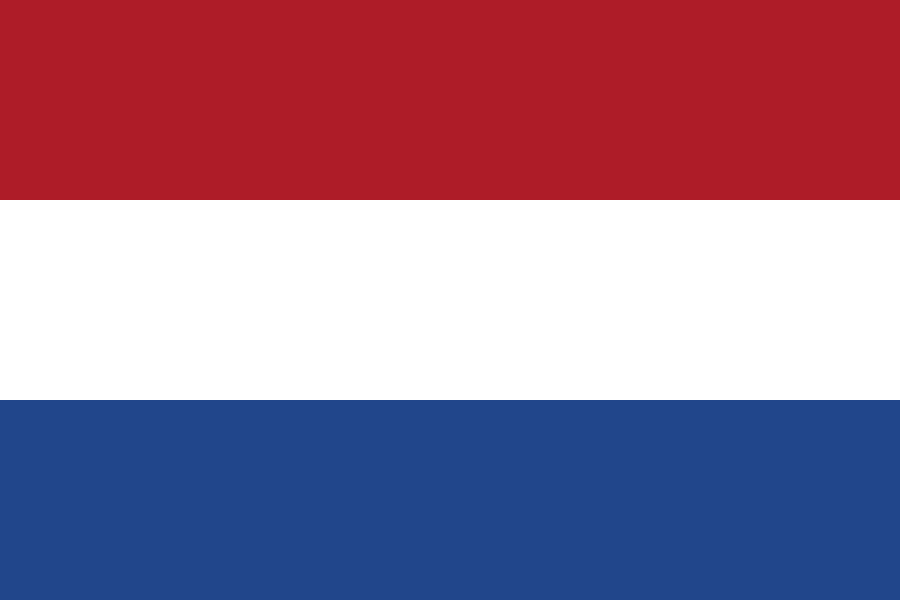 NetherlandsCapital: Amsterdam
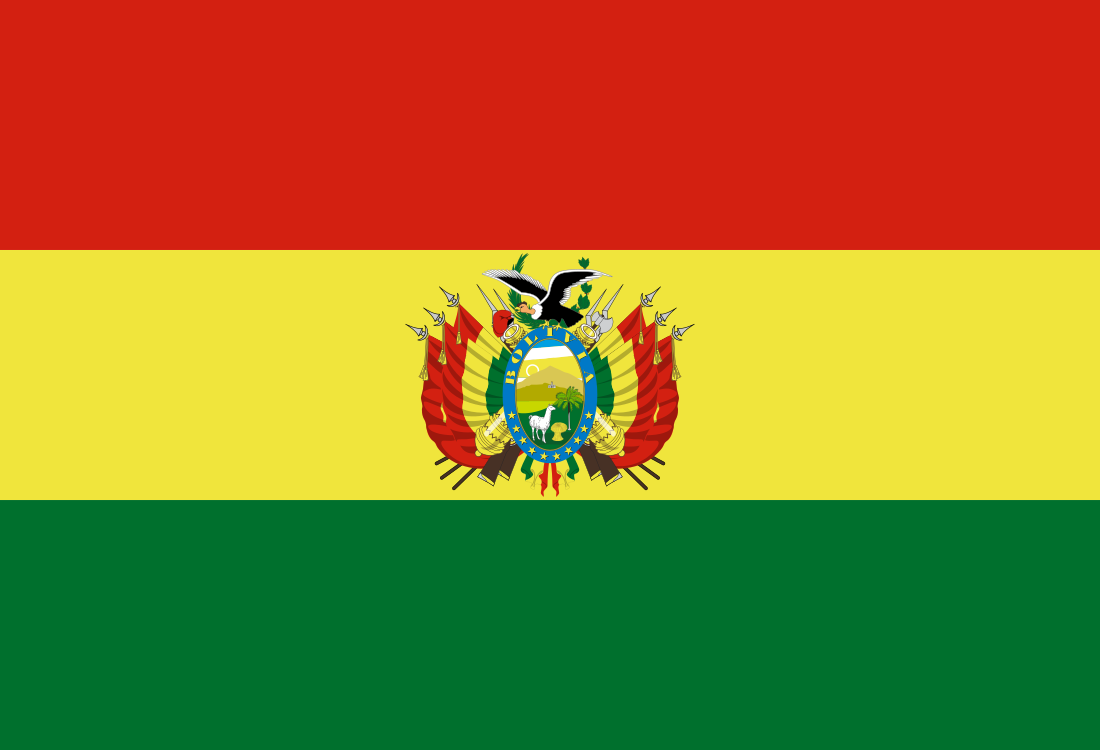 BoliviaCapital: Sucre
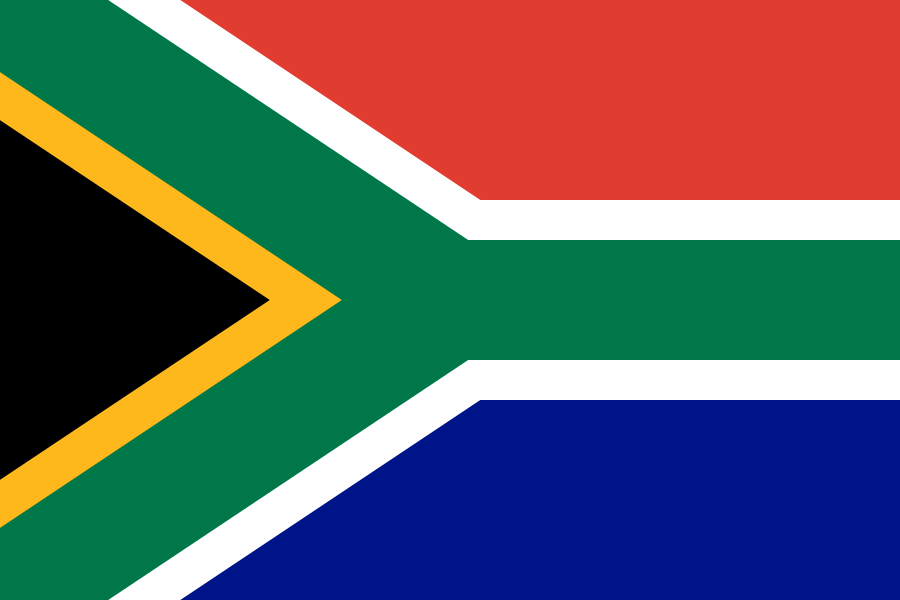 South AfricaSeat of government: Pretoria
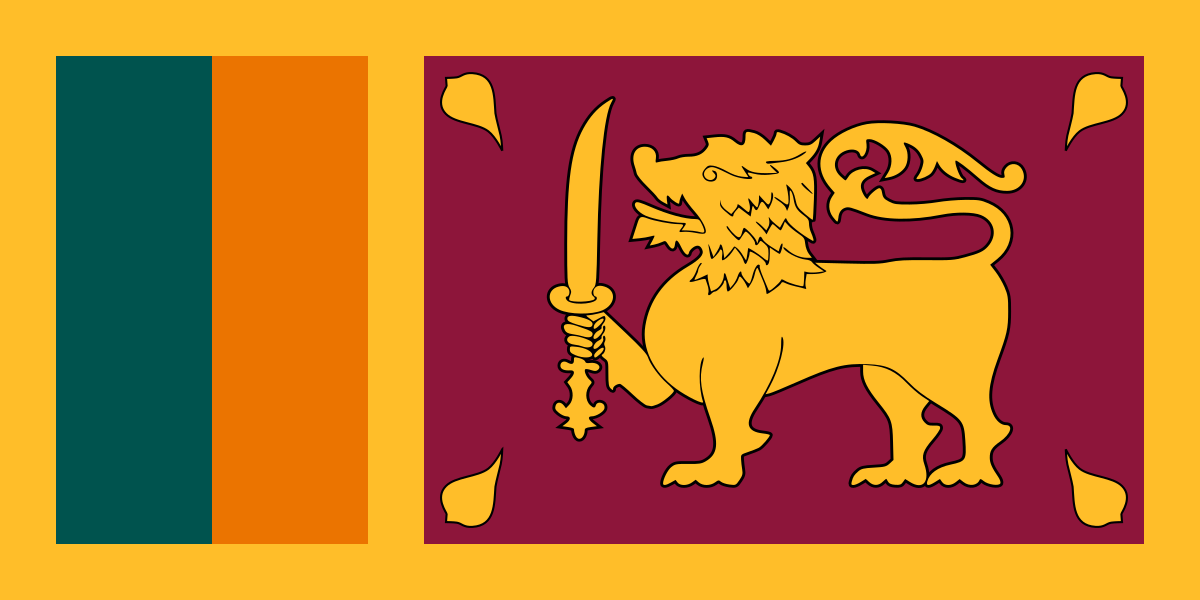 Sri LankaLegislative capital: Sri Jayewardenepura Kotte
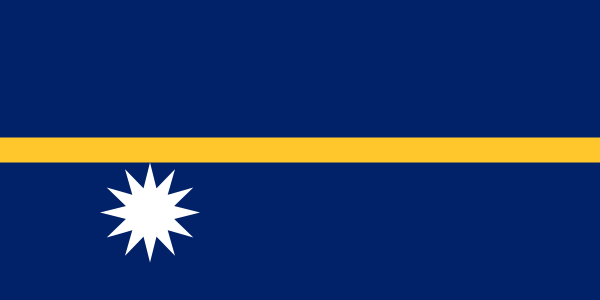 NauruSeat of government: Yaren District
 SwitzerlandFederal city: Bern
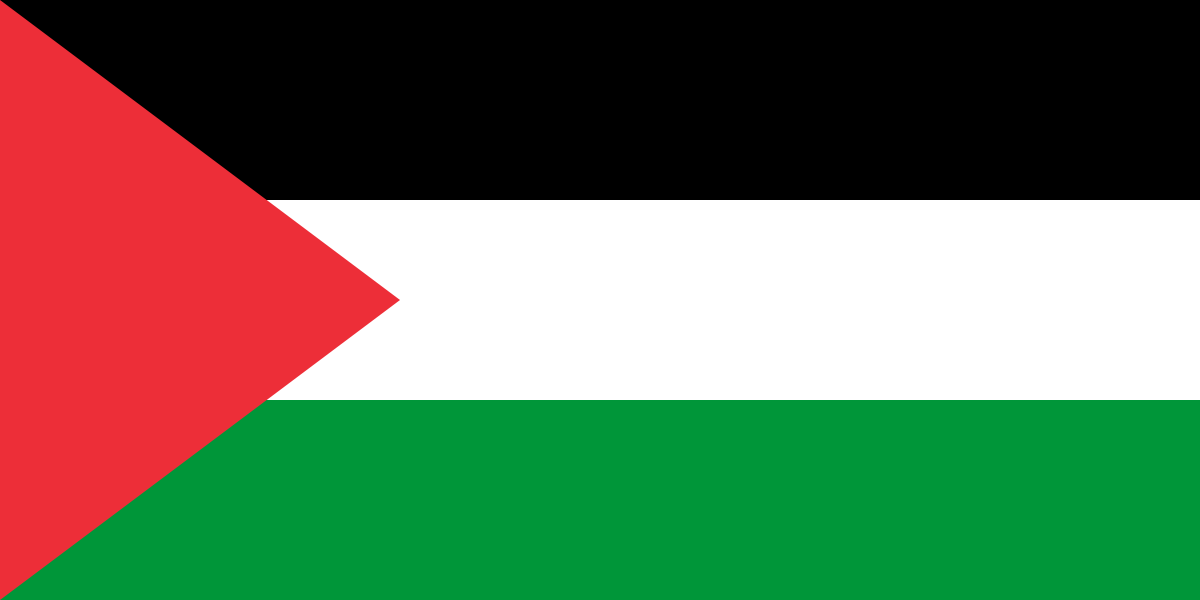 PalestineAdministrative centre: Ramallah
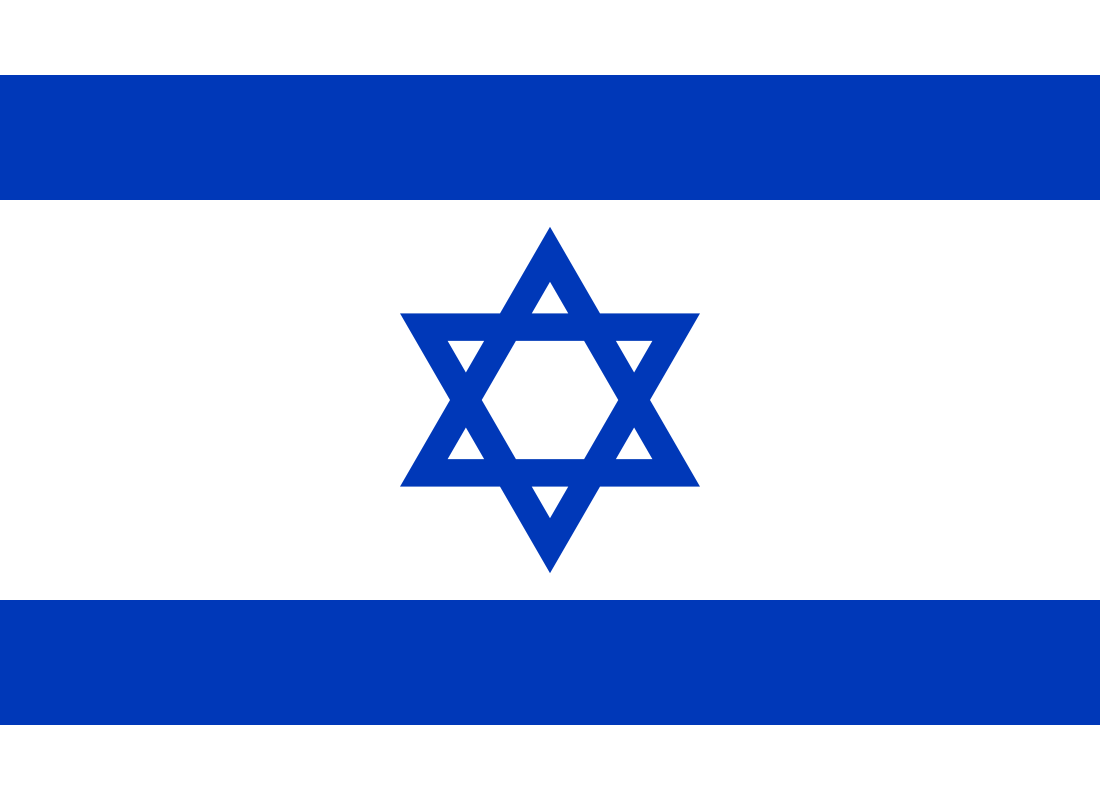 IsraelSeat of government: Jerusalem
 EswatiniAdministrative centre: Mbabane
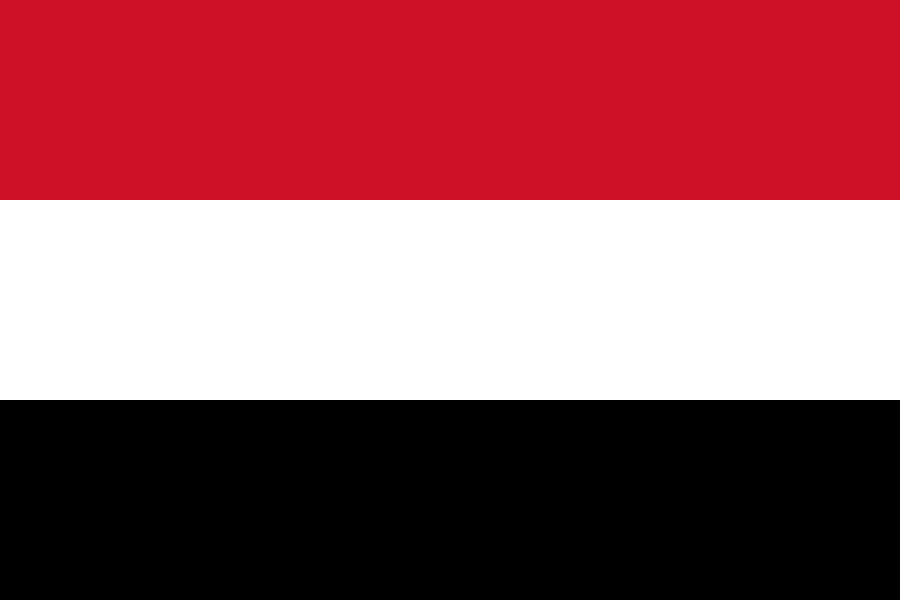 YemenConstitutional capital: Sana'a
Continue exploring
What did you discover?
Sources and image credits
This English article draws on the institutional sources listed below. Figures and memberships retain their stated reference dates.
Source record: 2 November 2026. A translation does not change the reference date of a figure or membership list.
- aboutswitzerland.eda.admin.ch/de/politisches-system
- european-union.europa.eu/principles-countries-history/eu-countries/netherlands_en
- gov.za/about-sa/south-africa-glance-1