Europe: flags and capitals
Europe offers a good introduction to the world of flags: simple stripe patterns stand next to crosses and elaborate coats of arms. This collection connects 44 countries of the European Quiz with their capitals. The number indicates the selection of this learning page. When comparing, arrangement, proportion and small symbols often help more than just remembering individual colors.
Test your knowledge →Key facts and distinctions
- Article focus
- Learning guide and directory
- Country collection
- Europe
- Country entries
- 44
- Quiz collection
- 44 countries
- Germany
- Black–red–gold, horizontal
- France
- Blue–White–Red, vertical
- European flag
- Twelve Golden Stars
- Number of stars
- No member count
- Bern
- Swiss Federal City
Putting colors in order
Start with the question of whether the stripes are next to each other or on top of each other. The French tricolor wears blue, white and red vertically. The German federal flag orders black, red and gold horizontally. Write down both patterns as a short picture description before you ask for their names.
Three colors do not yet give a clear identity. Always consider the direction and relationship of the fields. Who only saves the color selection, easily confuses different countries. A mental path from the flagpole to the fly edge makes the order of vertical stripes comprehensible.
Geographical collection and political community
A European page is not a list of the European Union. Geographical classification and membership of an organization answer different questions. The European flag with twelve golden stars belongs in a different category than the national flags of the countries. Their stars do not count Member States.
The same conceptual care is worthwhile for the capital training. Learn country and city as a couple and only then complement political contexts. The special designation Bundesstadt bei Bern is expressly part of Switzerland. A precise addition helps more than the expectation that all countries will designate their political centers equally.
From Safe Recognition to Free Memory
First, choose a small group with distinctly different patterns. Describe each flag without the country name, then control the assignment and complement the capital. Then you place similar designs next to each other and look for the smallest reliable difference.
Change direction later: Name the country for a capital and imagine its flag. This allows you to test your knowledge without familiar image selection. The country overview leads to the individual profiles, in which you can read special features and suitable comparison examples in more detail.
Details Worth Remembering
Direction first
A sketch with three empty fields is enough for the first exercise. Fill in the colors from memory and note which field is on the mast.
Europe and the EU
Check the task when switching to organization pages. A geographical learning space and a political association may contain different entries.
Using errors
If confused, record the trigger: direction, colour or sign. A general error thus becomes a concrete next learning task.
Countries and capitals
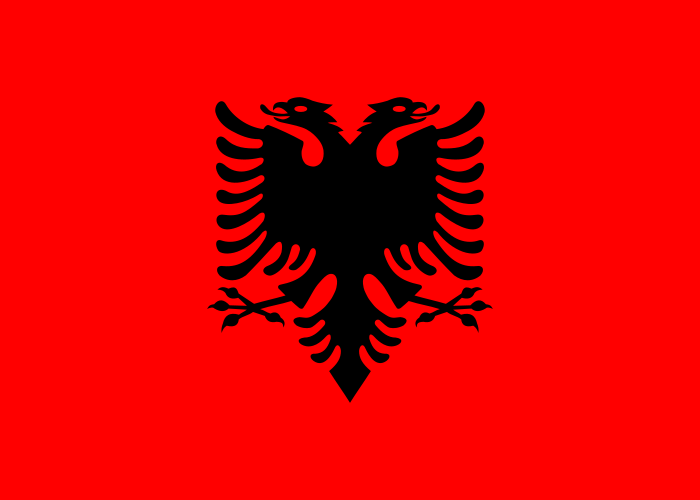 AlbaniaTirana
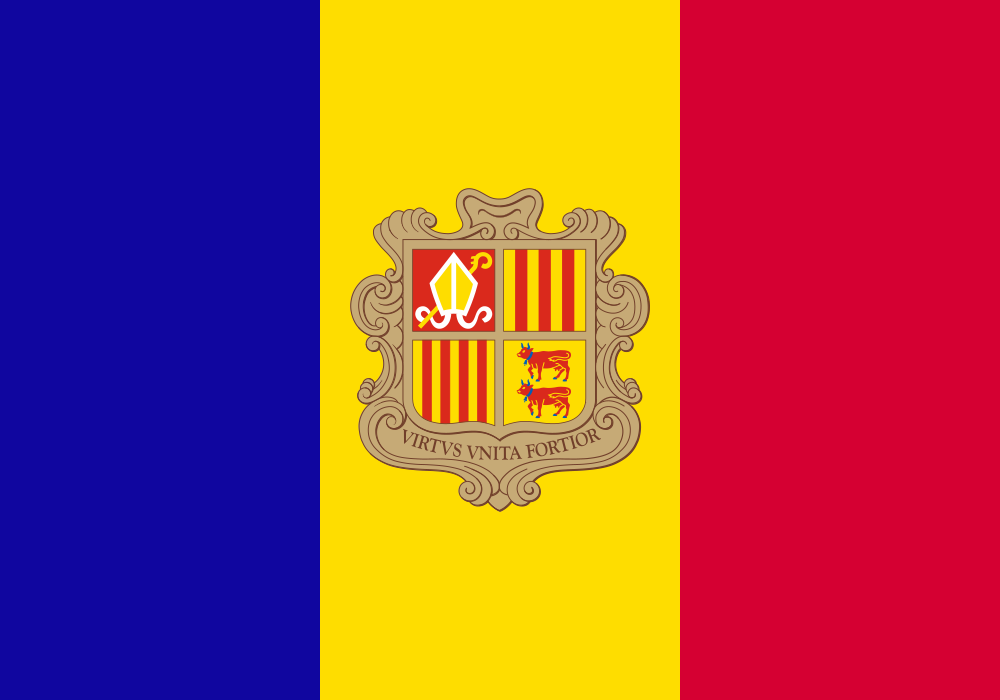 AndorraAndorra la Vella
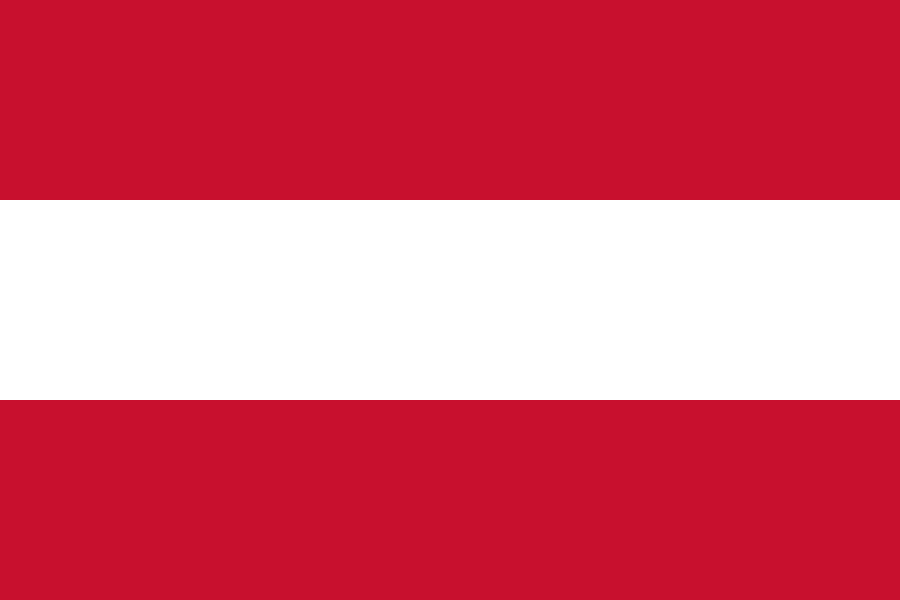 AustriaVienna
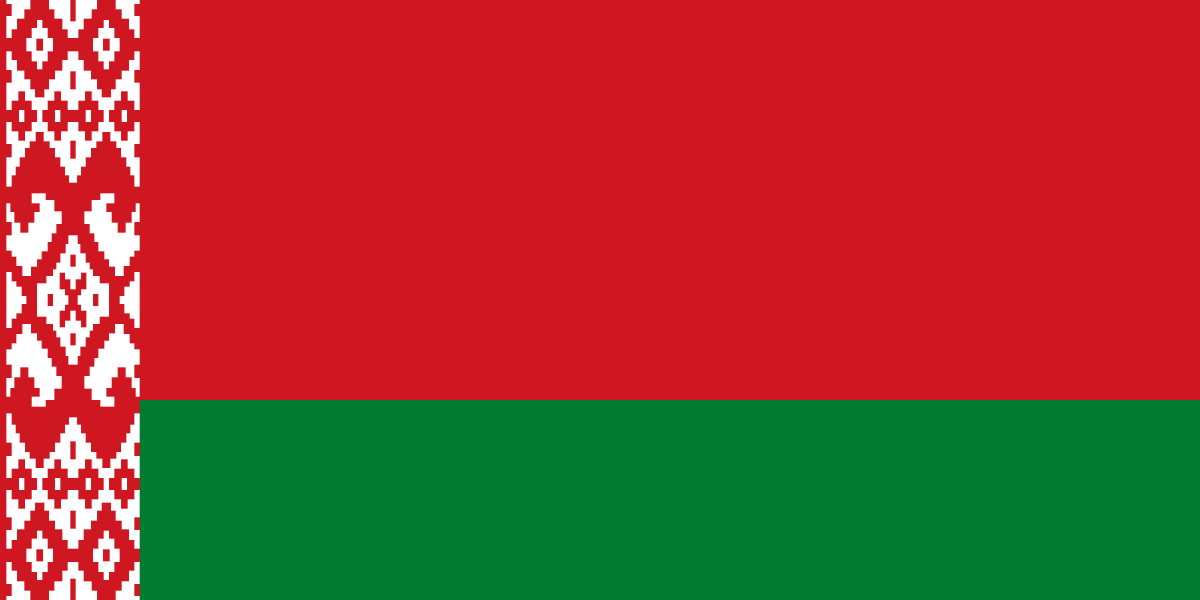 BelarusMinsk
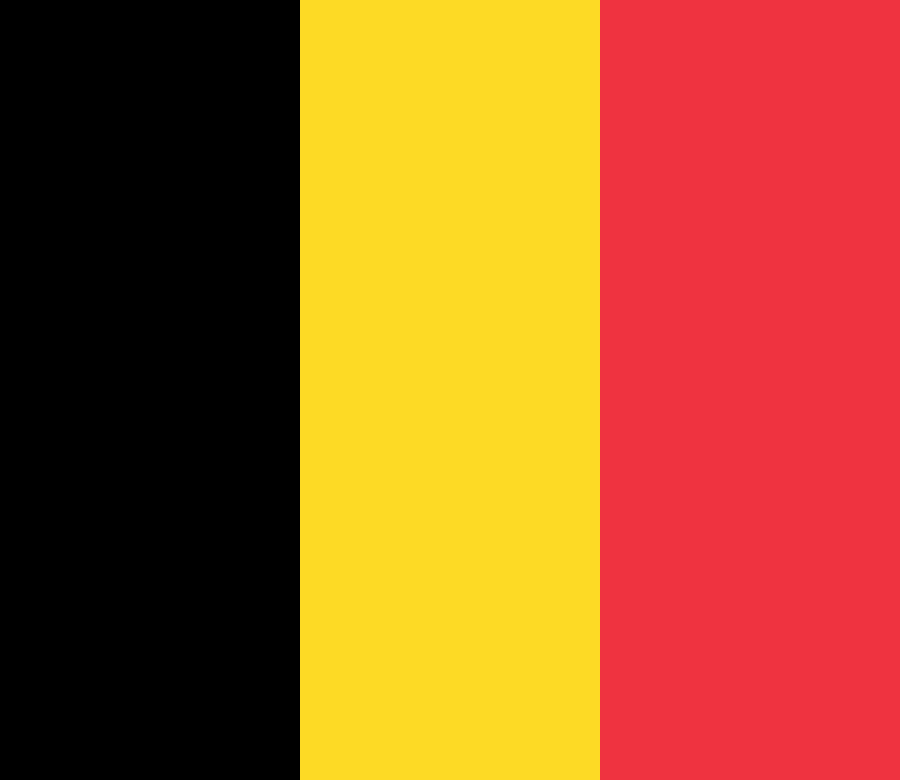 BelgiumBrussels
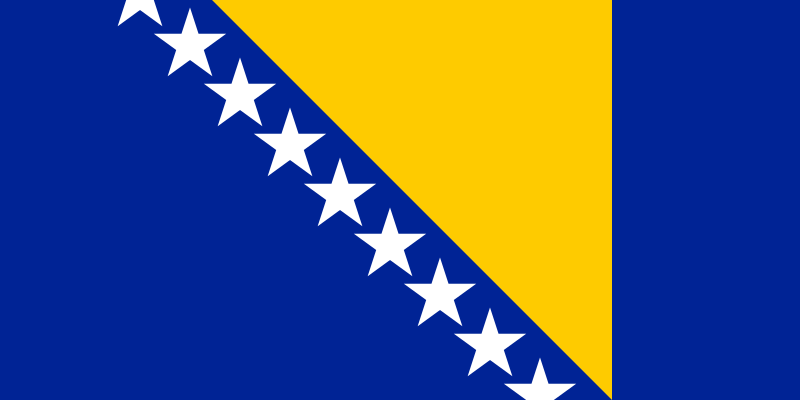 Bosnia & HerzegovinaSarajevo
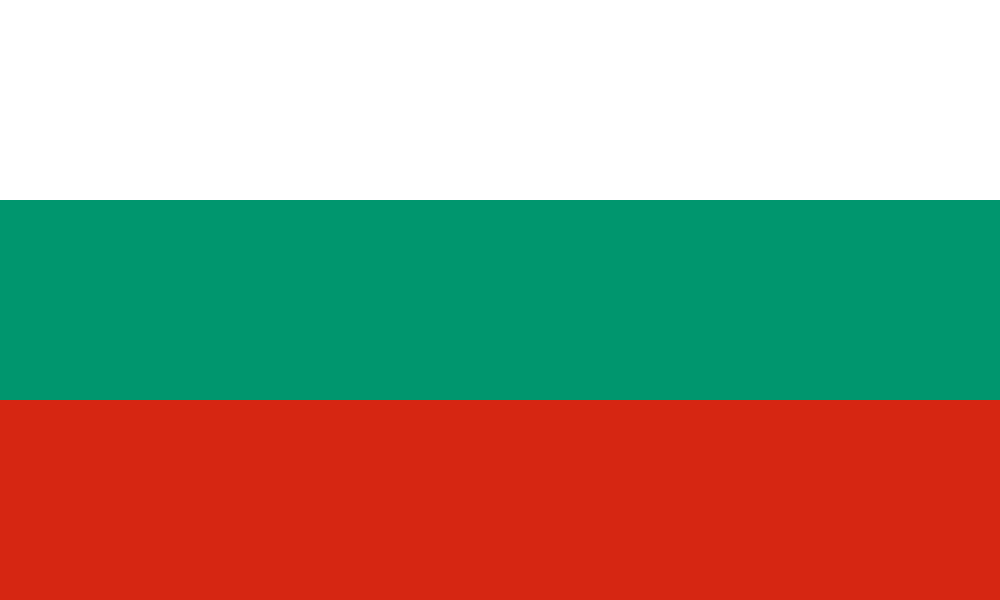 BulgariaSofia
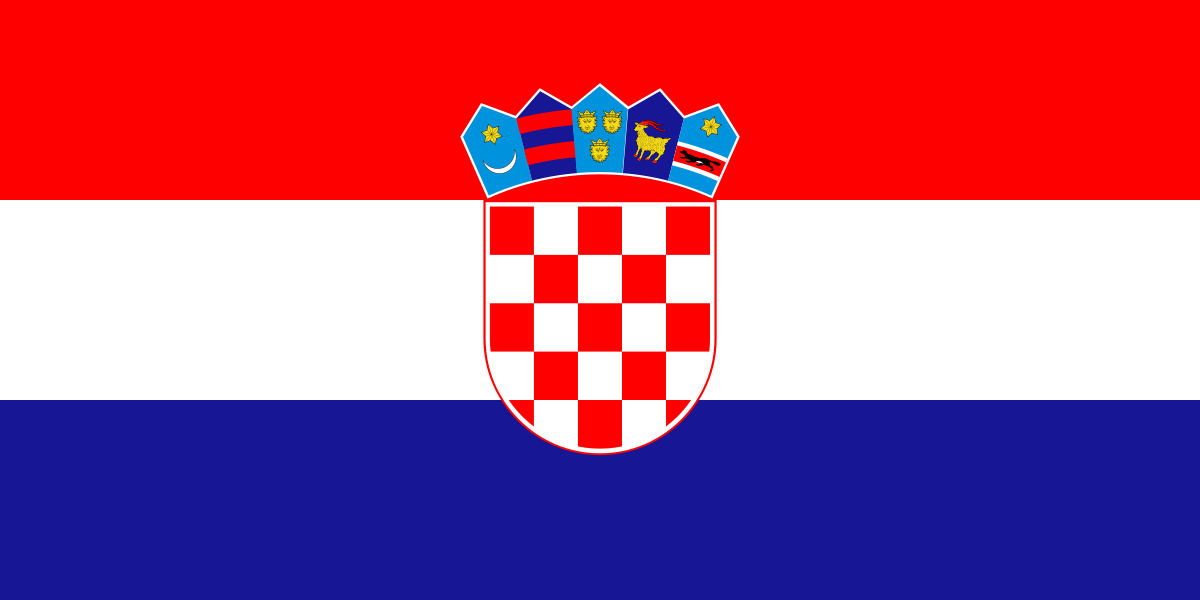 CroatiaZagreb
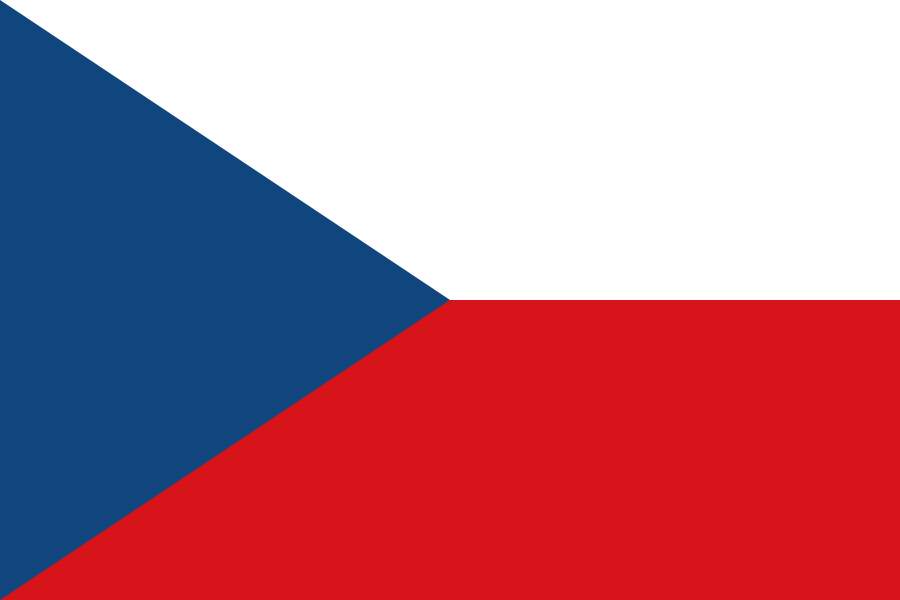 CzechiaPrague
 DenmarkCopenhagen
 EstoniaTallinn
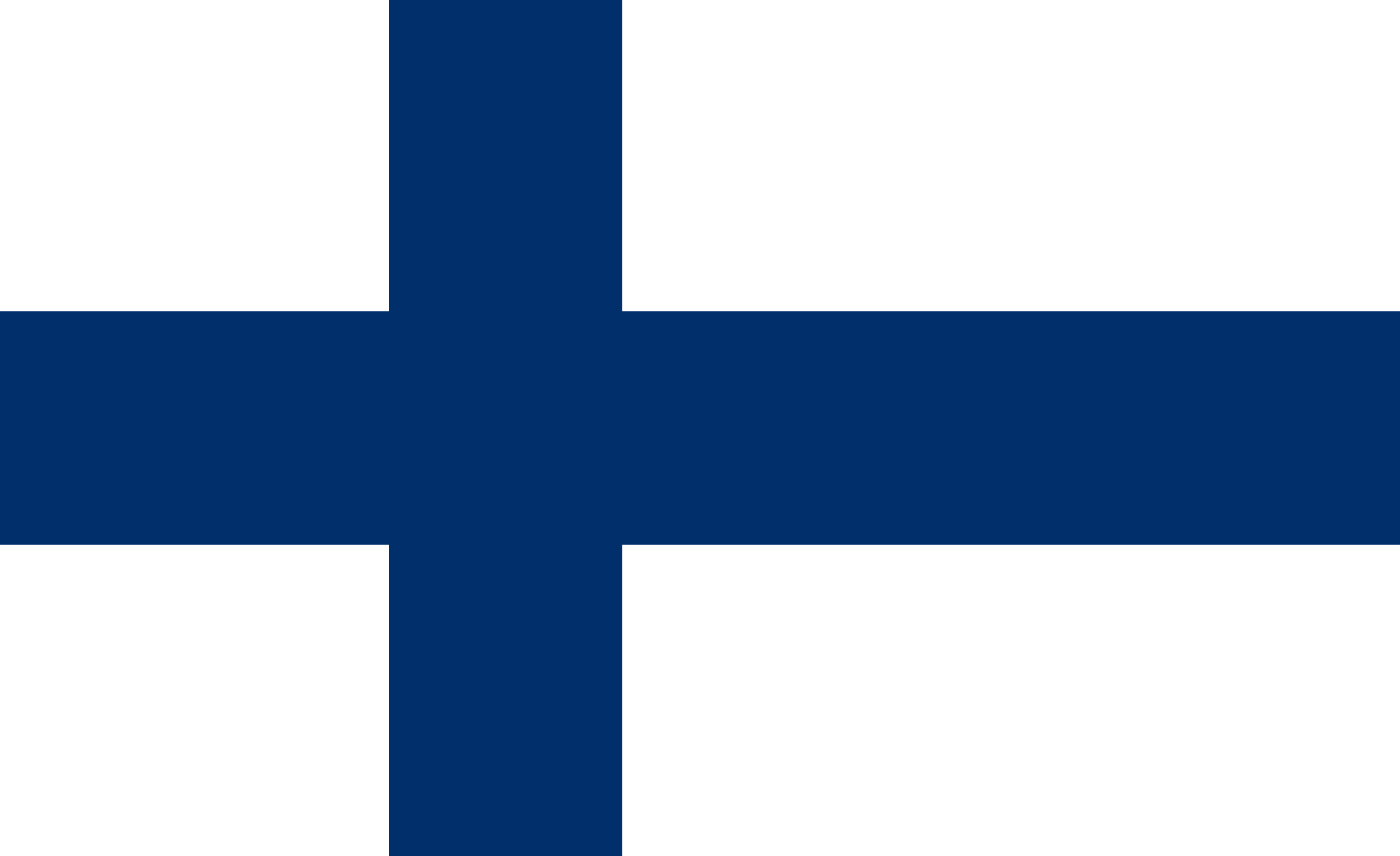 FinlandHelsinki
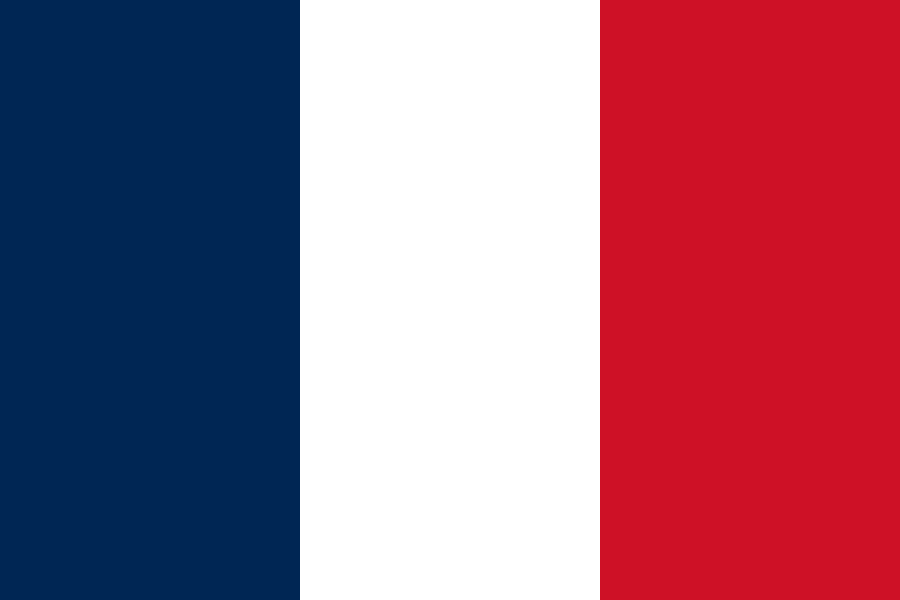 FranceParis
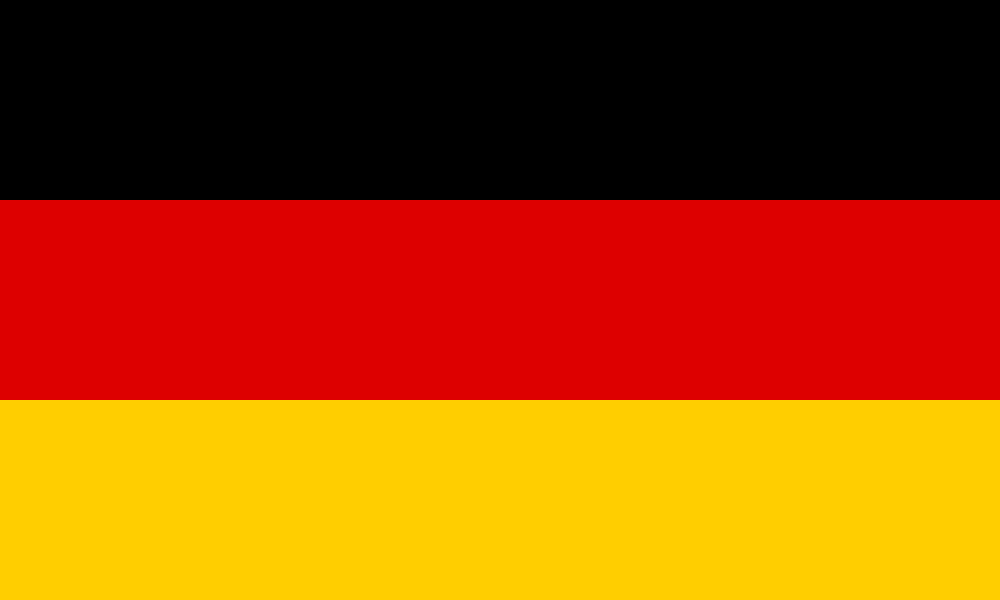 GermanyBerlin
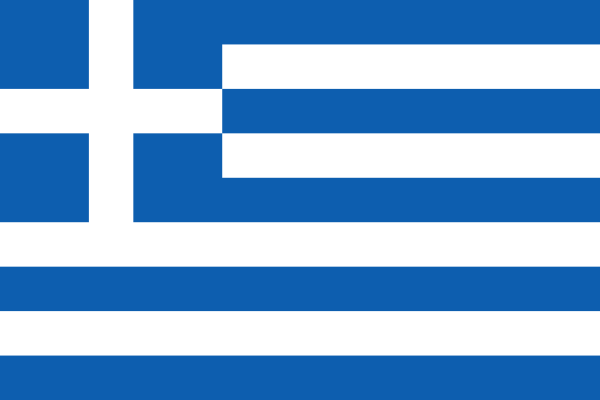 GreeceAthens
 HungaryBudapest
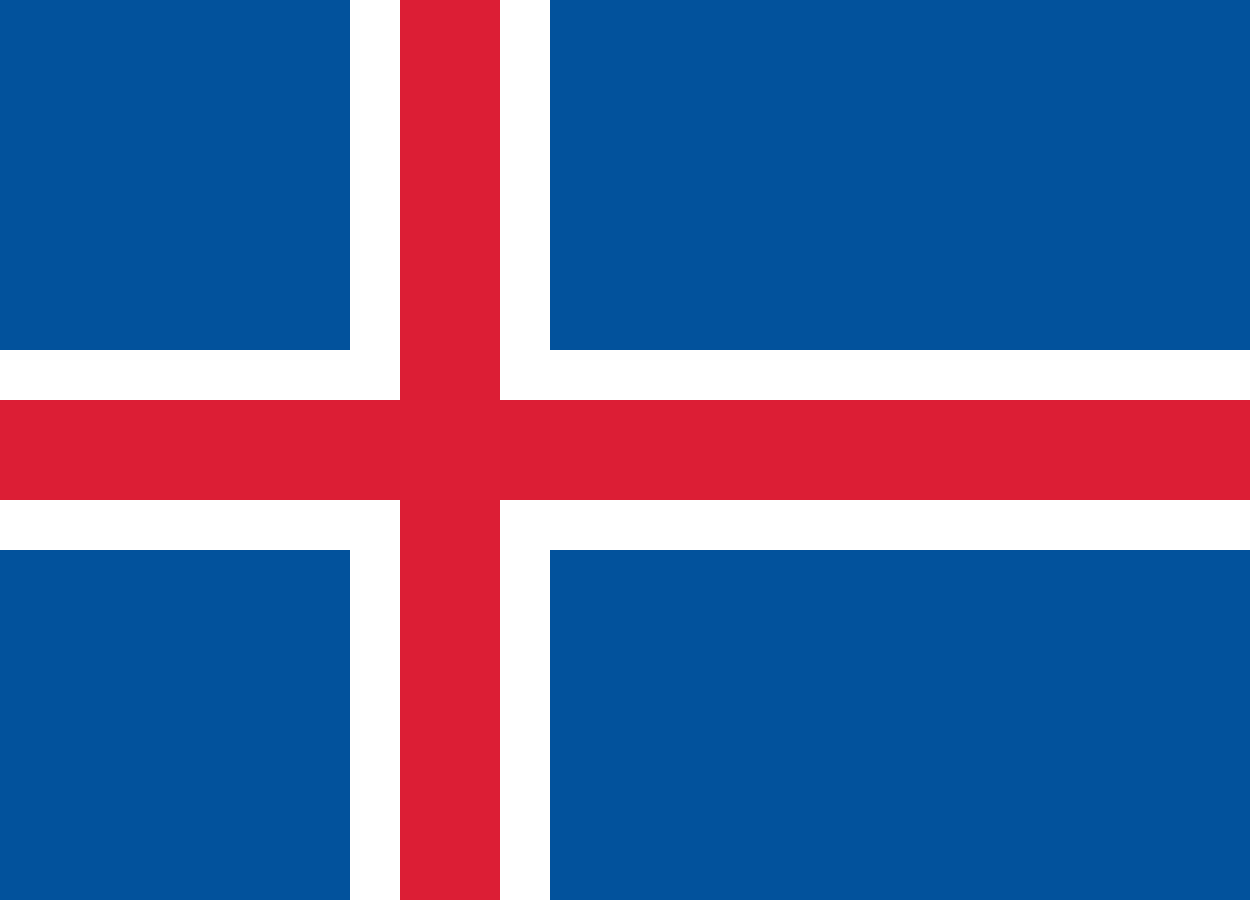 IcelandReykjavík
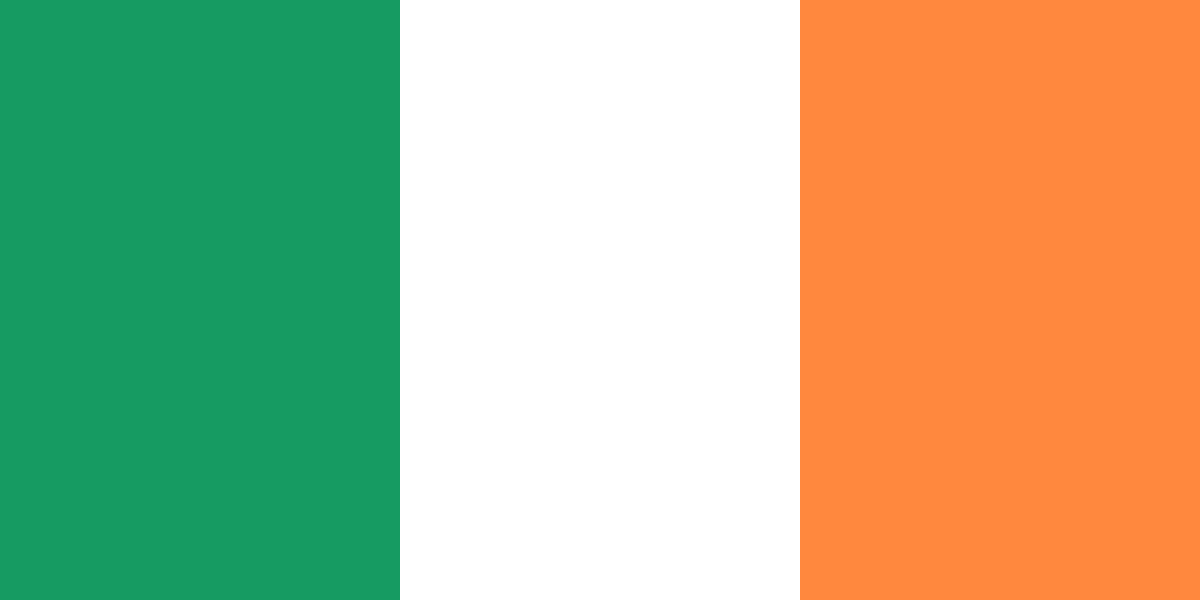 IrelandDublin
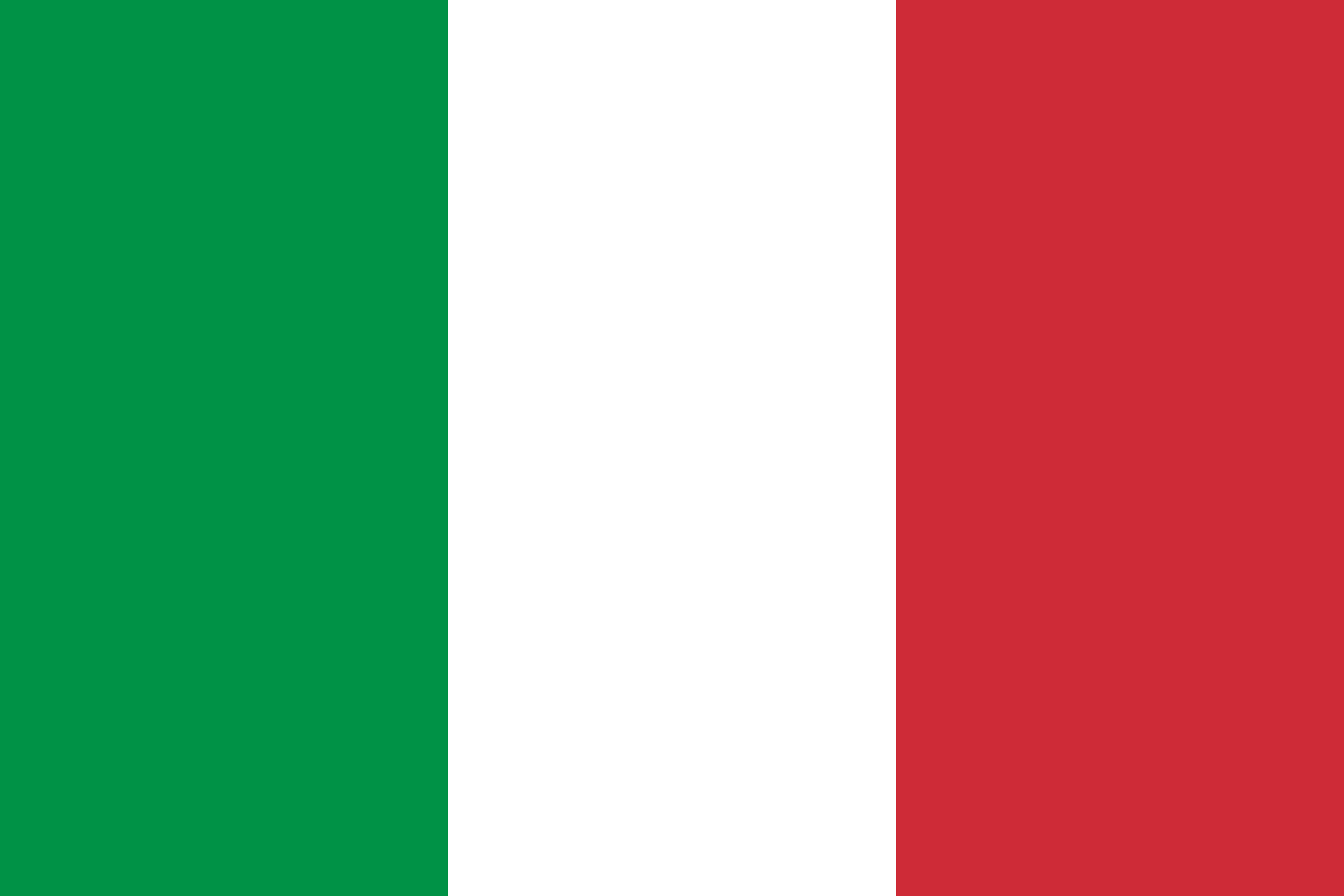 ItalyRome
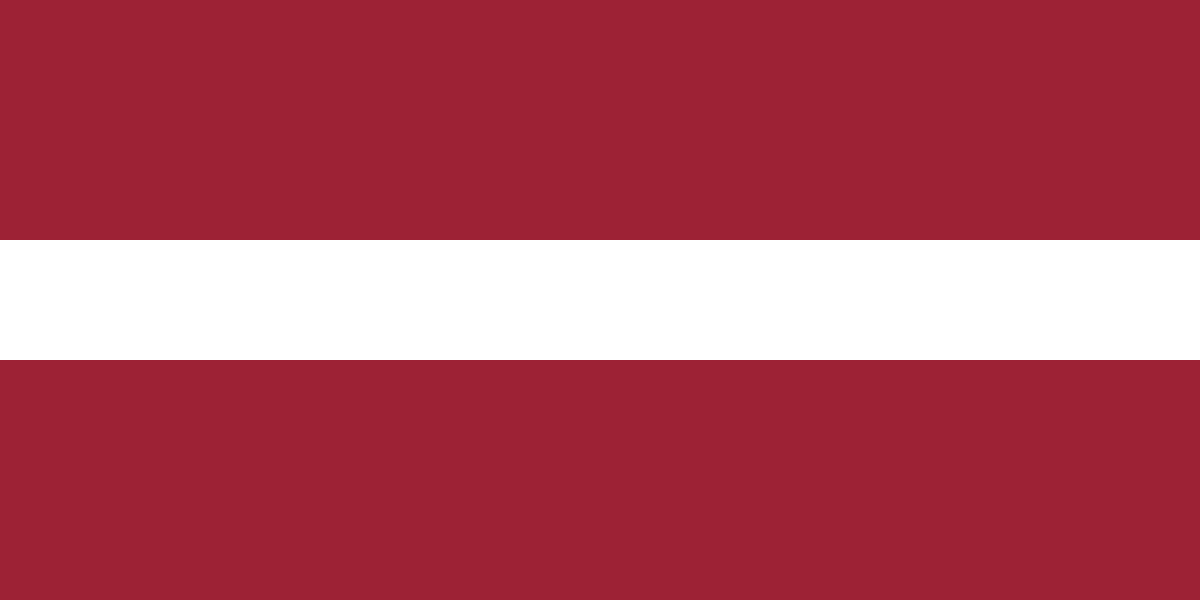 LatviaRiga
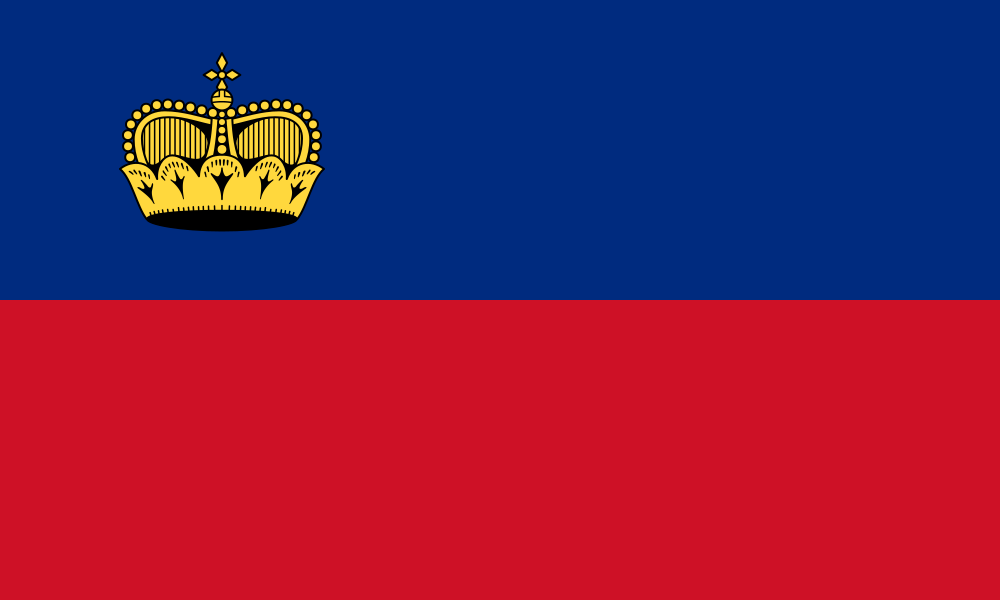 LiechtensteinVaduz
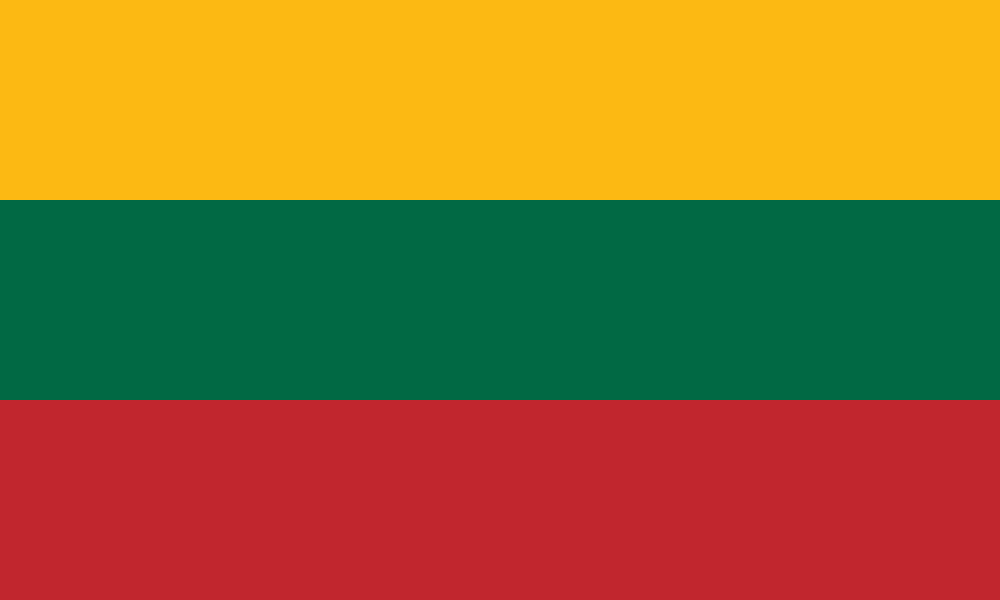 LithuaniaVilnius
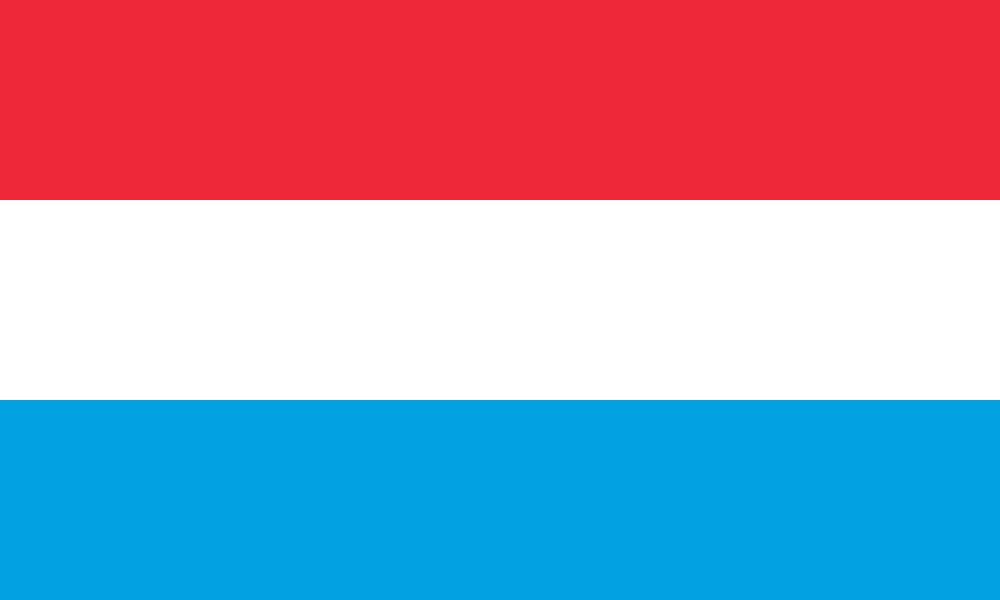 LuxembourgLuxembourg City
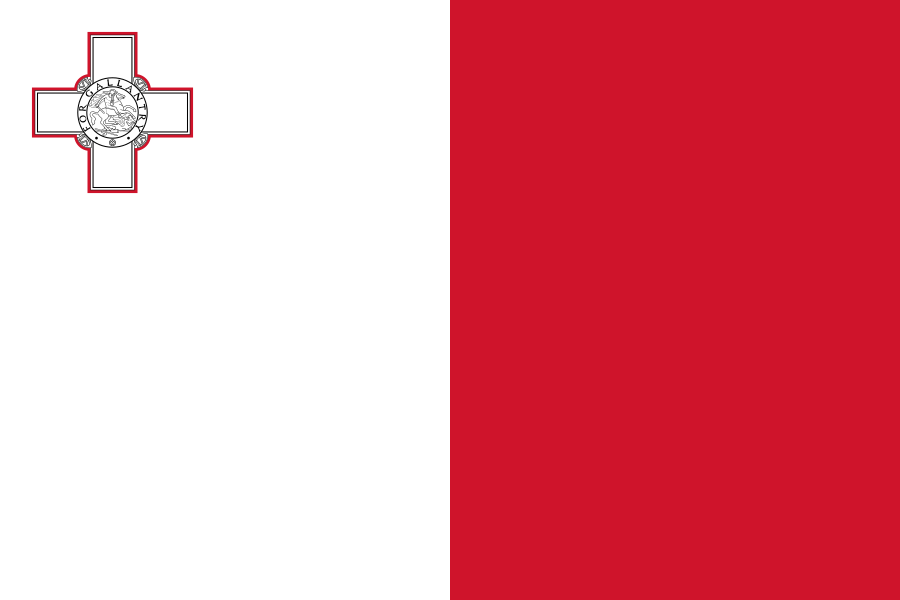 MaltaValletta
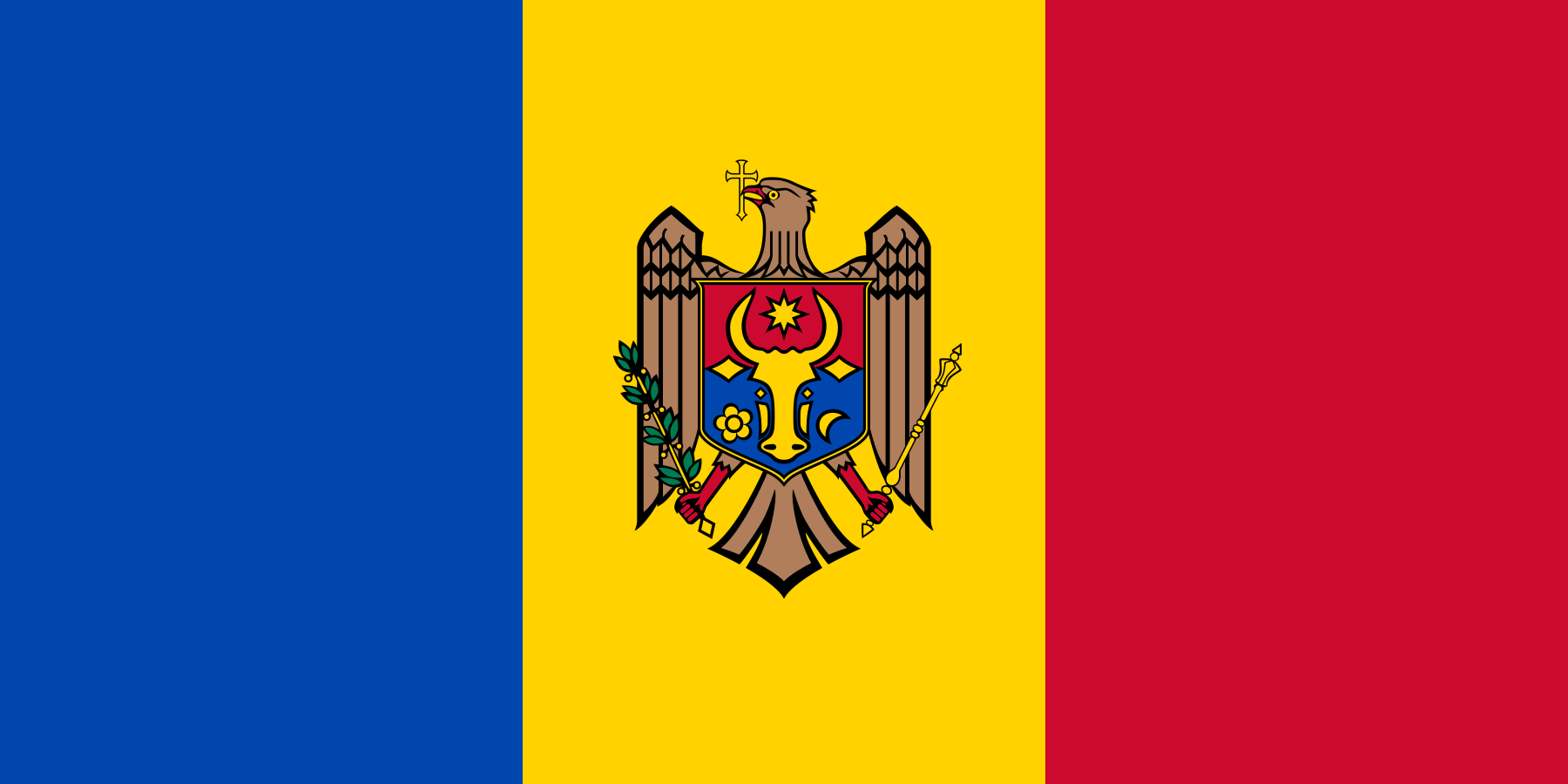 MoldovaChișinău
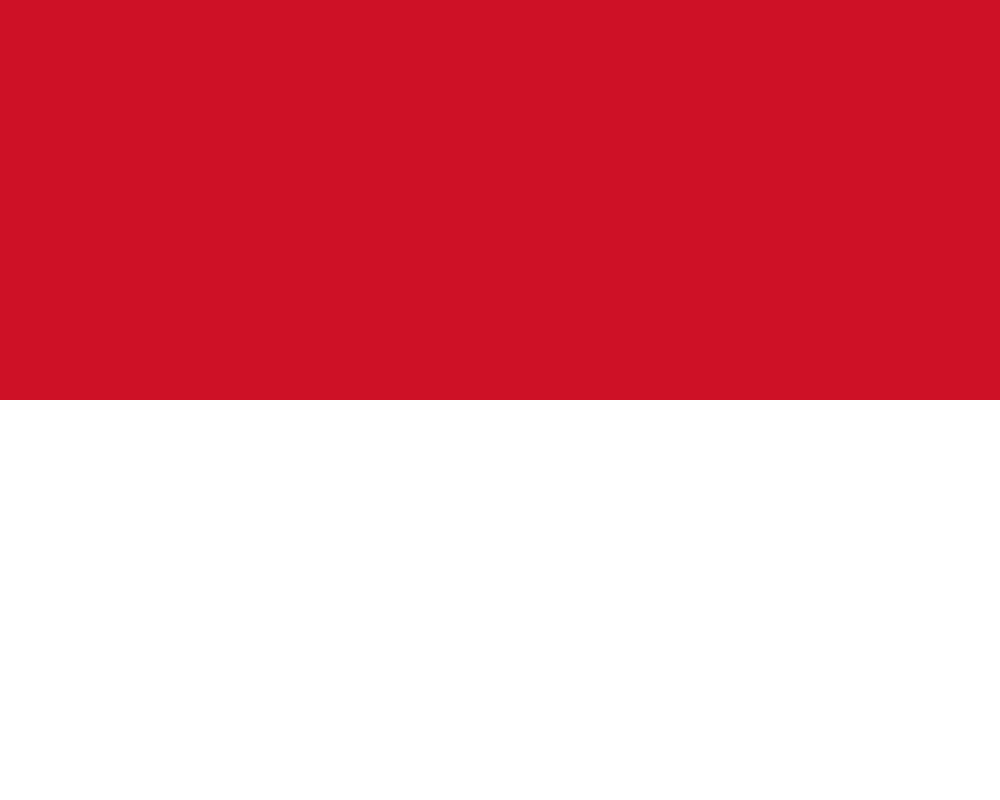 MonacoMonaco
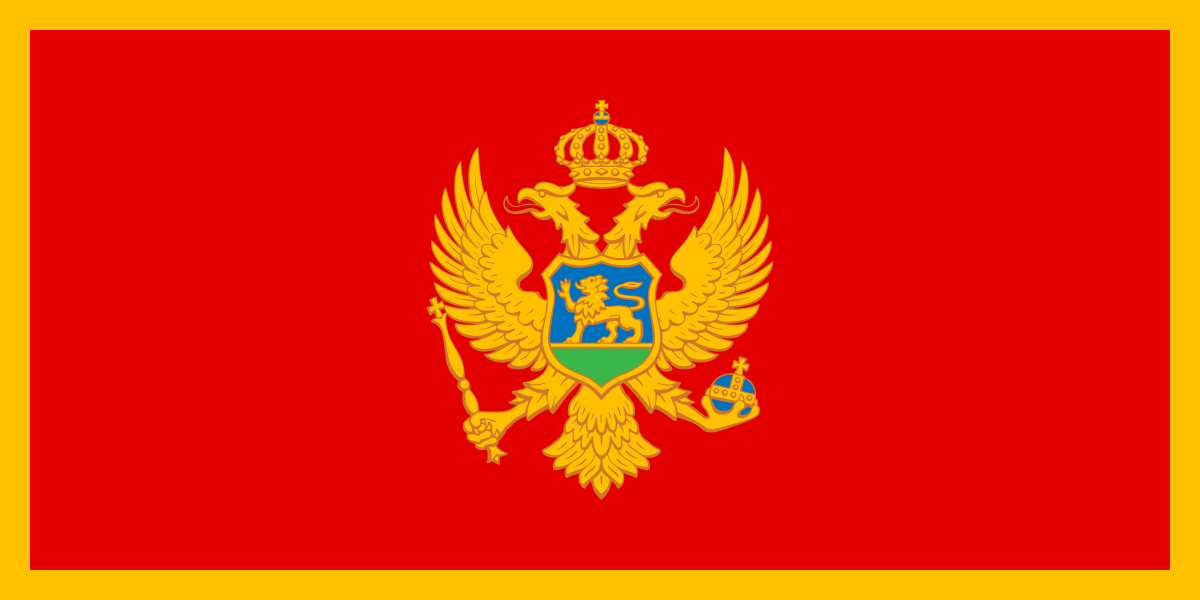 MontenegroPodgorica
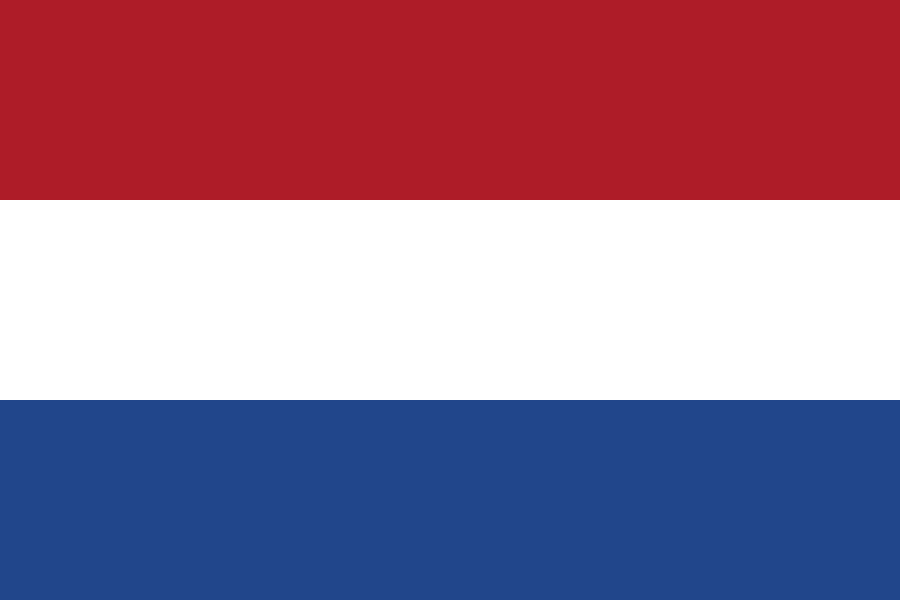 NetherlandsAmsterdam
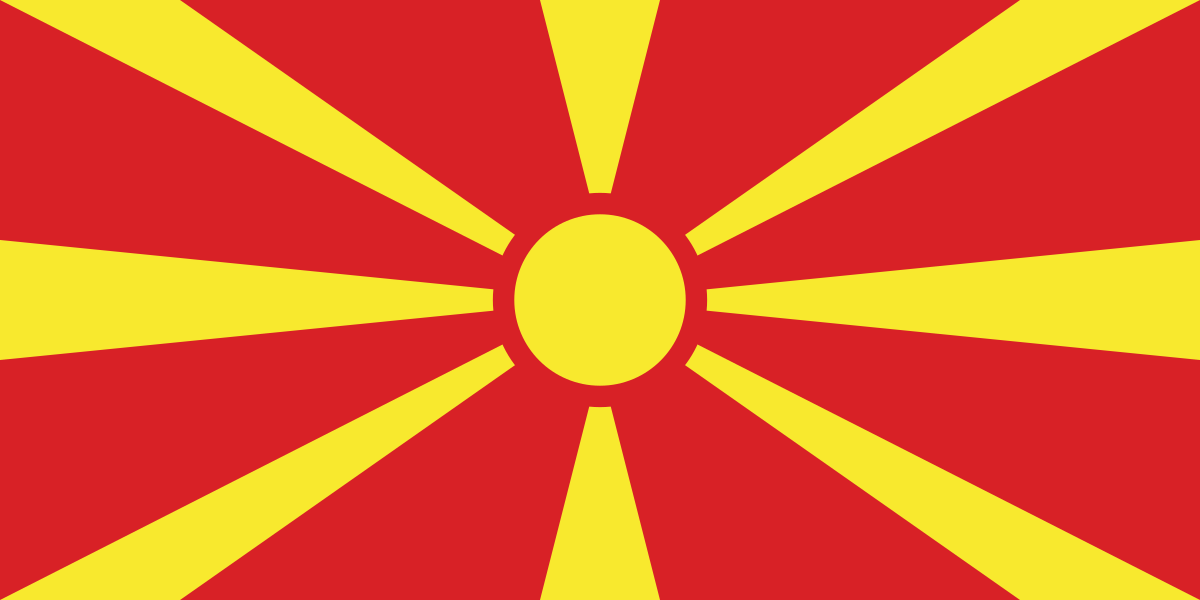 North MacedoniaSkopje
 NorwayOslo
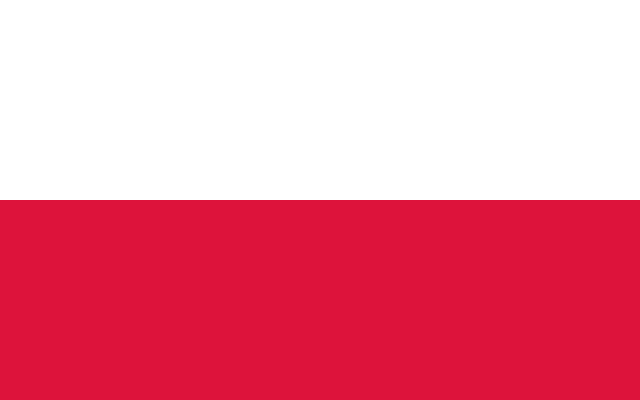 PolandWarsaw
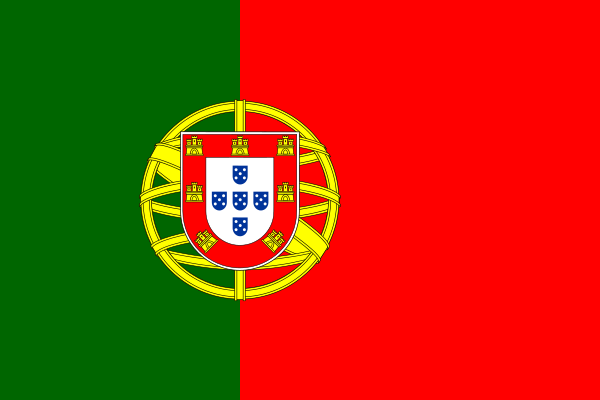 PortugalLisbon
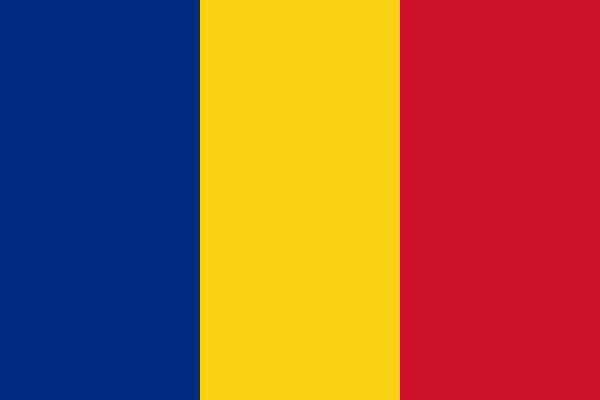 RomaniaBucharest
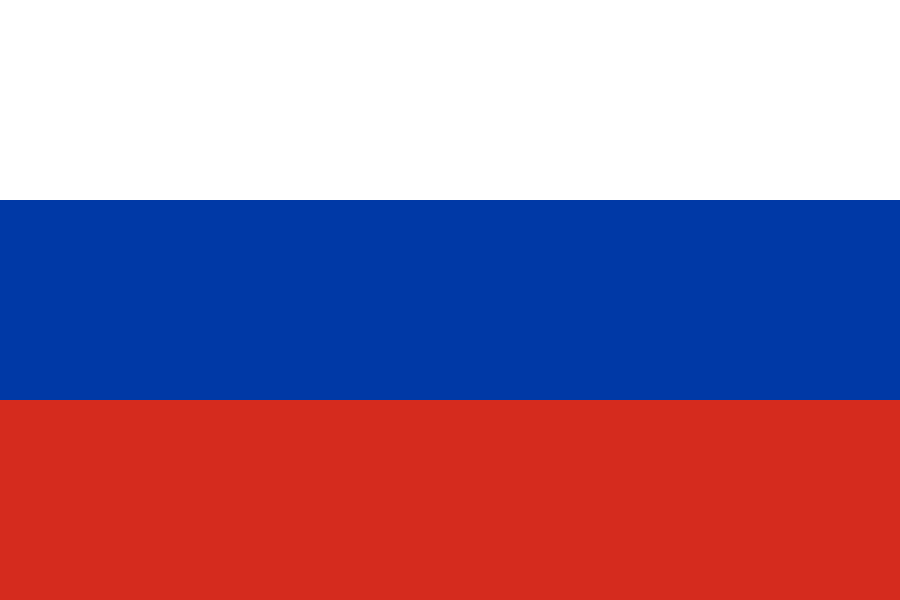 RussiaMoscow
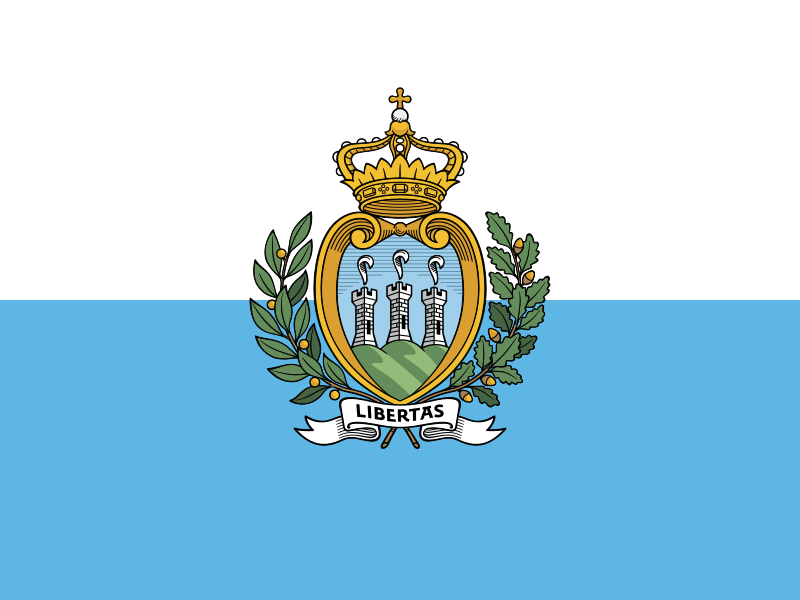 San MarinoSan Marino
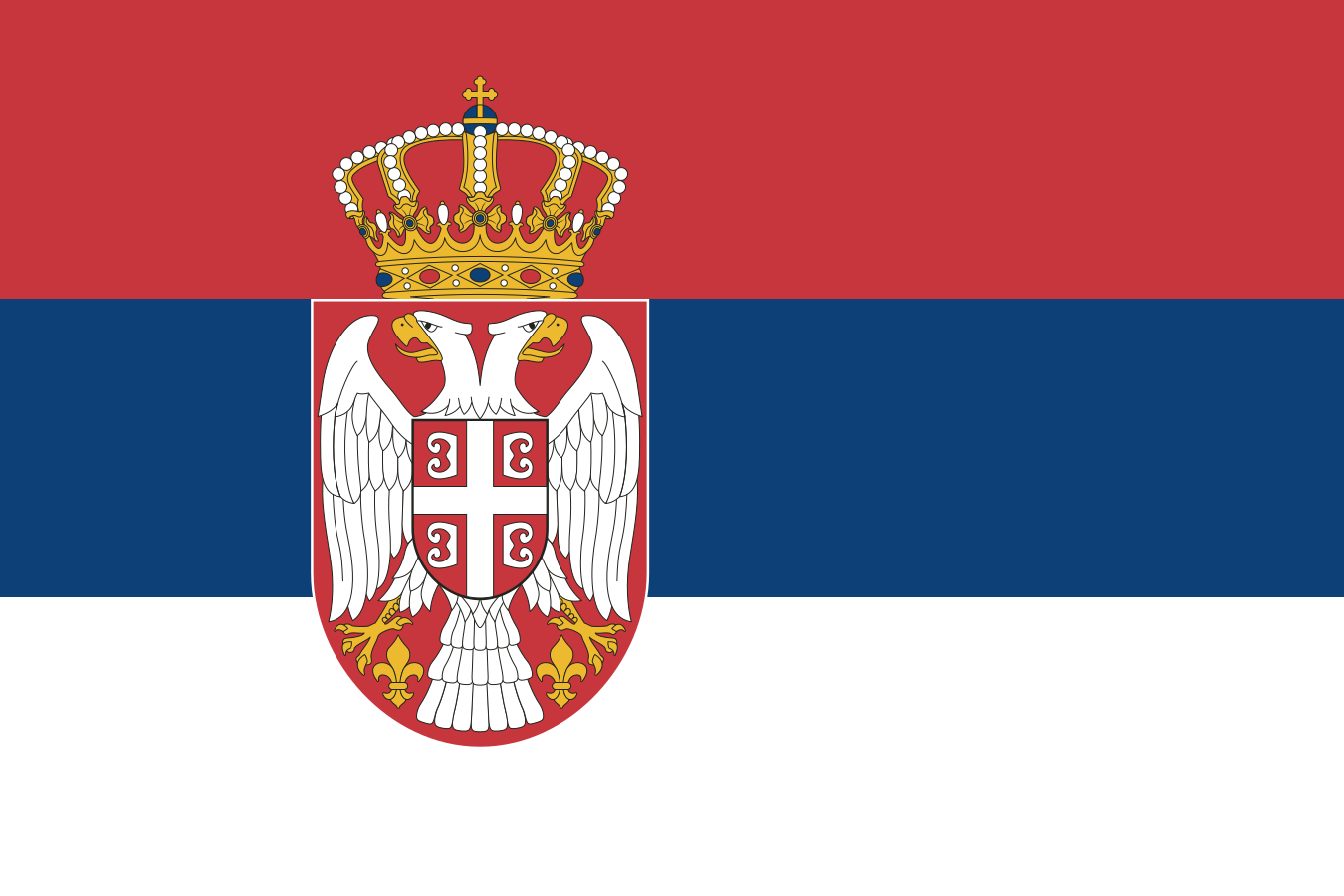 SerbiaBelgrade
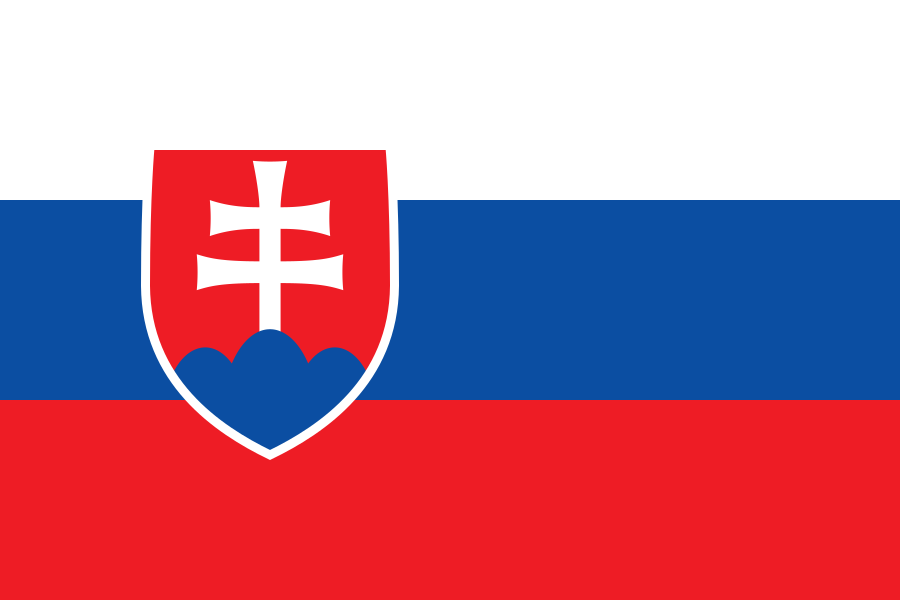 SlovakiaBratislava
 SloveniaLjubljana
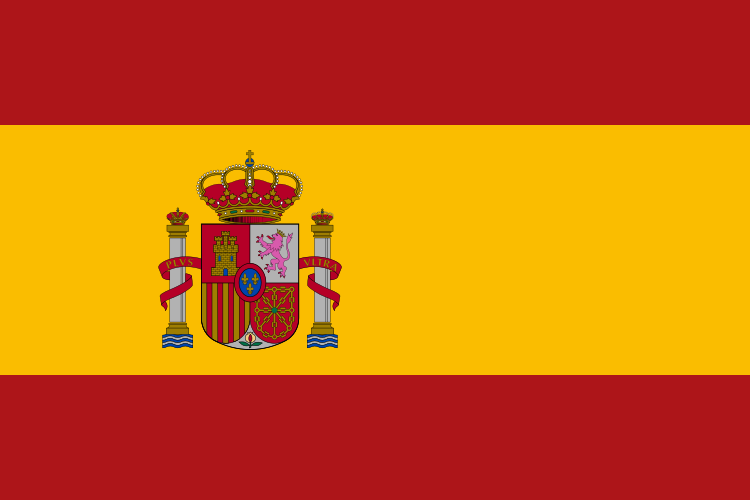 SpainMadrid
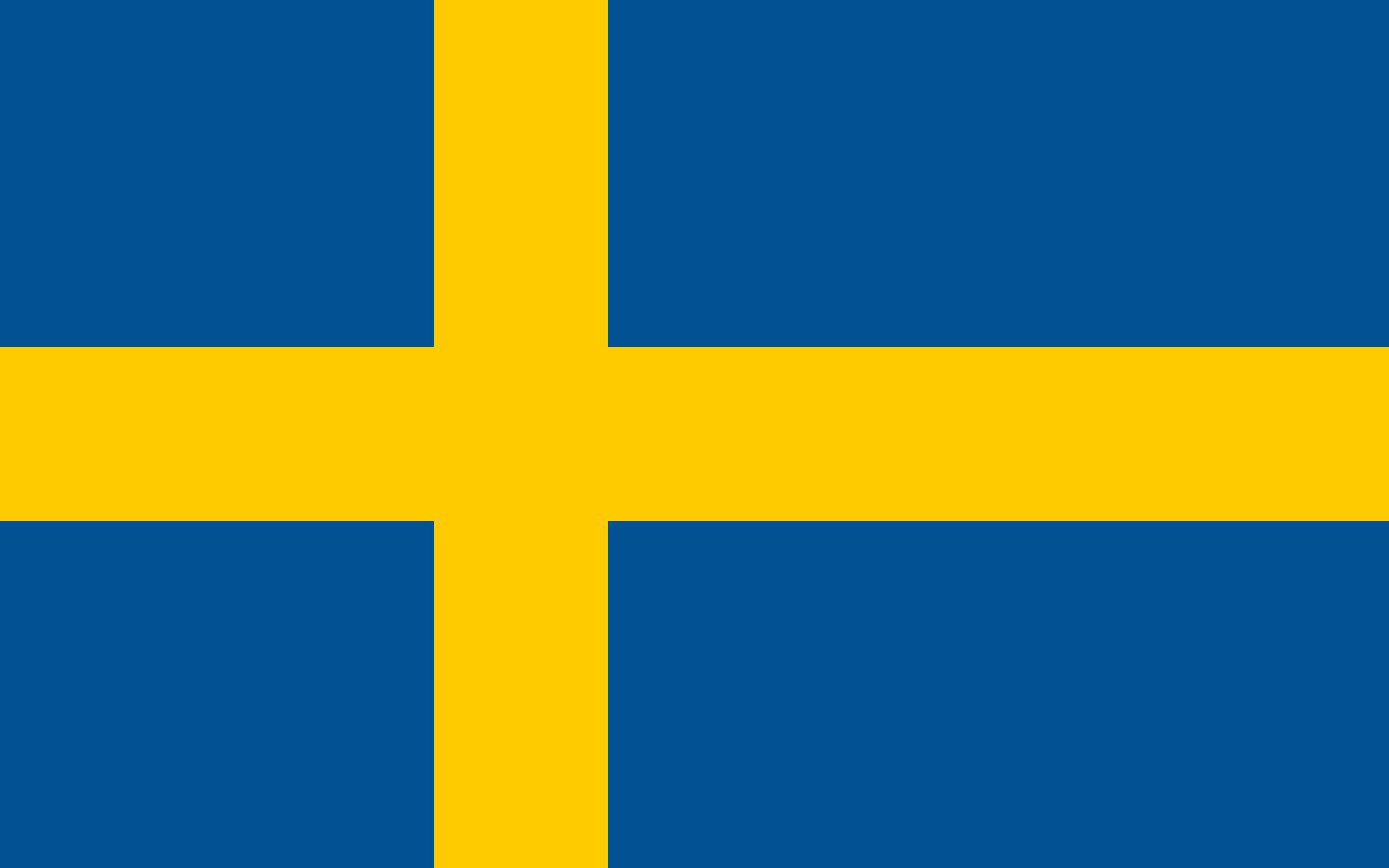 SwedenStockholm
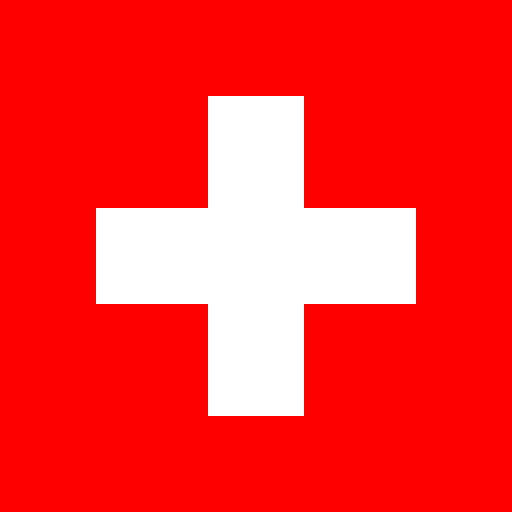 SwitzerlandBern
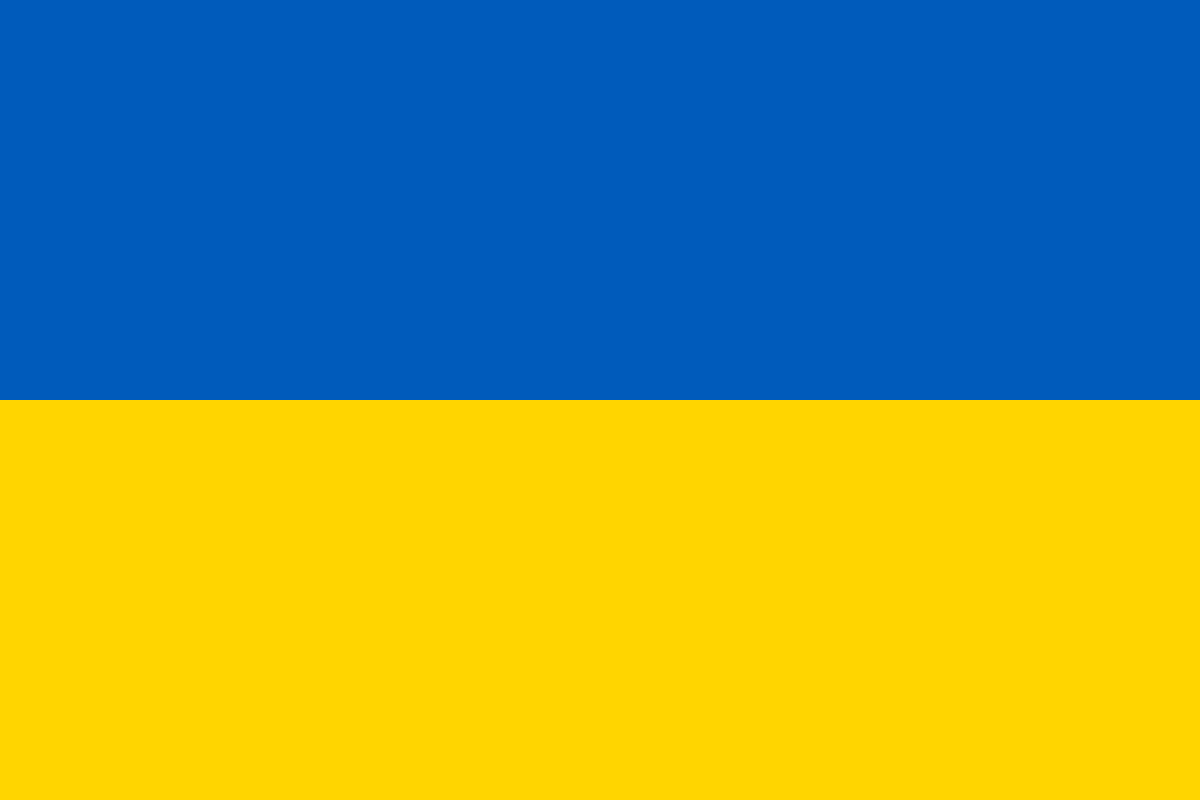 UkraineKyiv
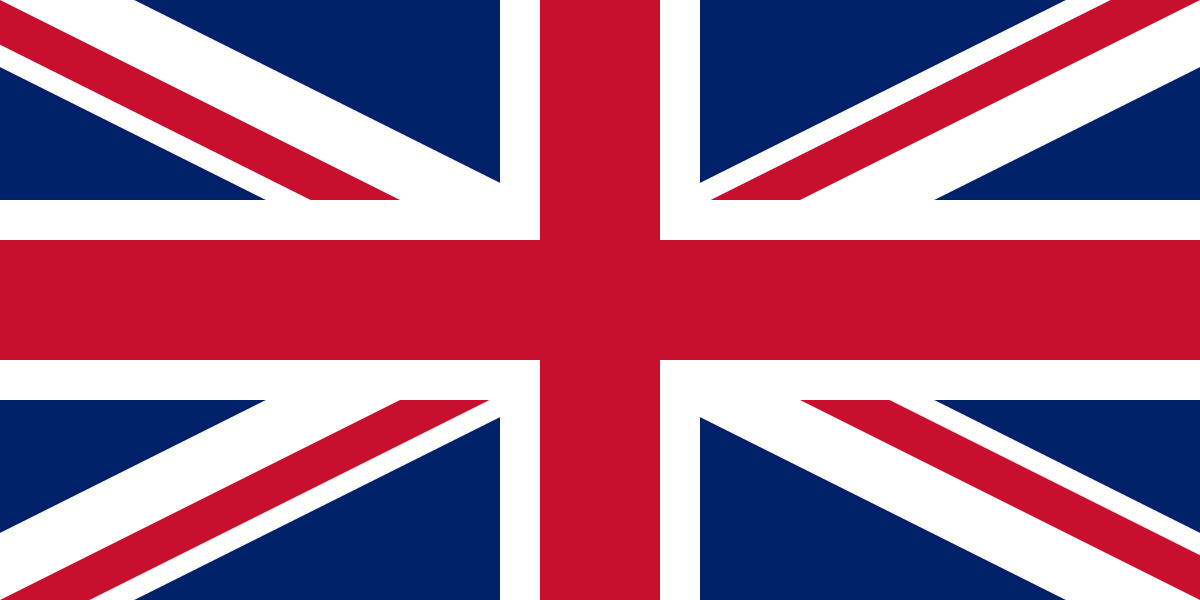 United KingdomLondon
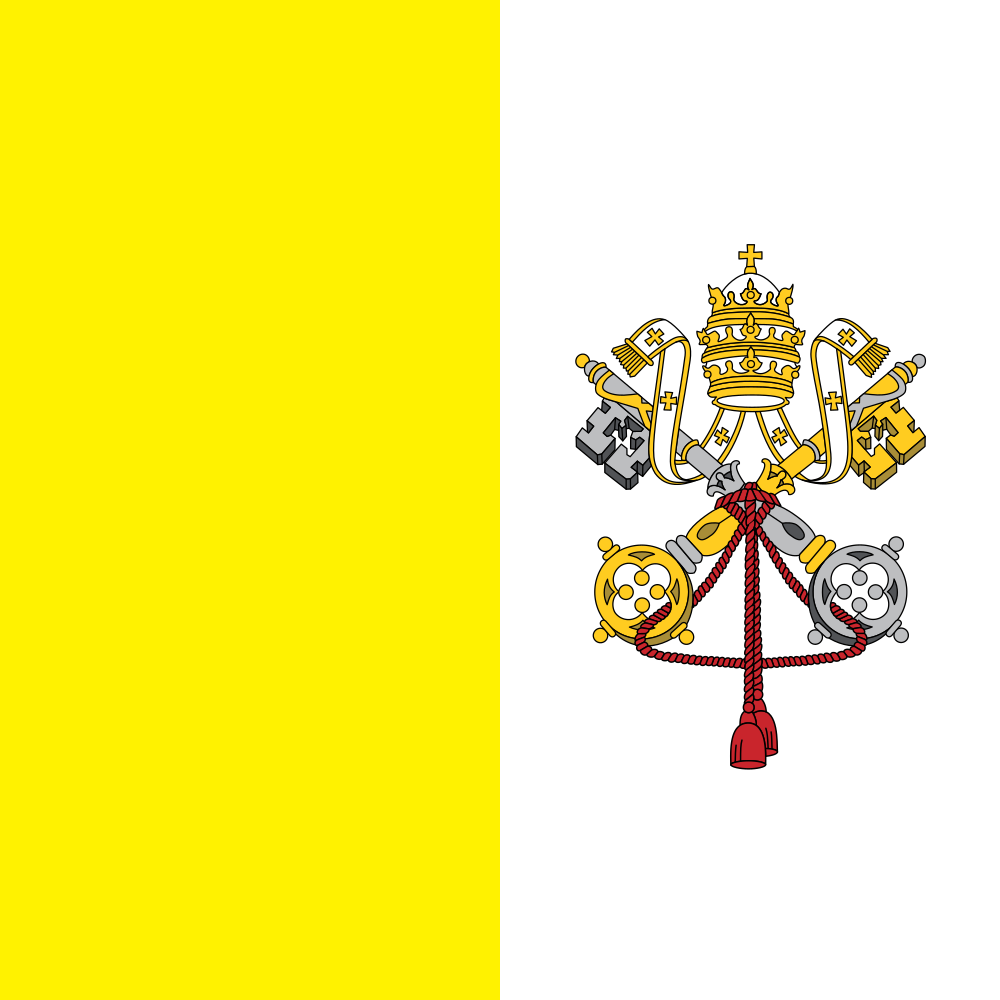 Vatican CityVatican City
Continue exploring
What did you discover?
Sources and image credits
This English article draws on the institutional sources listed below. Figures and memberships retain their stated reference dates.
Source record: 2 November 2026. A translation does not change the reference date of a figure or membership list.
- bundestag.de/parlament/symbole/flagge
- elysee.fr/la-presidence/le-drapeau-francais
- european-union.europa.eu/principles-countries-history/symbols/european-flag_de
- aboutswitzerland.eda.admin.ch/de/politisches-system