Organization of American States: Flag, History and Membership
The flag of the Organization of American States shows on a blue background a round field with many national flags. It represents cooperation through the symbols of the countries involved. Their political history, however, includes changing forms of participation. The current OAS directory lists 34 countries; Nicaragua retired in 2023, while Cuba and Venezuela raise particular issues of participation.
Test your knowledge →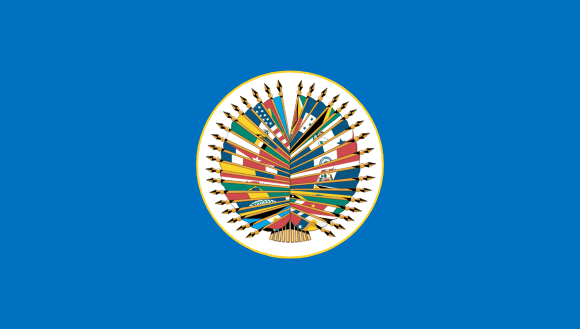
Key facts and distinctions
- Article focus
- International organisation
- Membership record
- 1 November 2026
- Linked country entries
- 34
- List definition
- Country subset of the supplied member record
- German name
- Organization of American States
- English abbreviation
- OAS
- Spanish abbreviation
- OEA
- Founding charter
- Bogotá, 1948
- Current OAS directory
- 34 countries
- Nicaragua's exit
- Effective 19 November 2023
- Cuba
- In the directory; no regular active participation
- Flag motif
- National flags in the round emblem
Many national flags in a common circle
In the center of the blue cloth lies a white-lined round with numerous tightly arranged national flags. The variety of colors is thus expressly part of the appearance. The common sign does not replace the national symbols, but brings them together in a single representation. This idea fits in with the interstate cooperation of sovereign countries.
The OAS provides official templates of its character in several languages and different arrangements. English uses OAS, Spanish OEA; also French and Portuguese appear in institutional versions. The abbreviation can therefore change, while the organization behind it remains the same. The flag shown here is to be distinguished from the detailed multilingual written logo.
The Charter of Bogotá
In 1948, the OAS Charter was signed in Bogotá. It is part of a long tradition of inter-American cooperation. The organization connects countries of North, Central and South America as well as the Caribbean. A purely South American understanding would thus be just as wrong as a restriction to states where Spanish or Portuguese is spoken.
The older member sites name 35 independent countries that have ratified the Charter. This historical statement explains the previous total number, but does not automatically represent the current state. The Treaty Department documents that Nicaragua’s termination took effect on November 19, 2023 and that the country has since ceased to be a signatory to the OAS Charter.
Differentiating between the list and actual participation
The current list of members names 34 countries and does not include Nicaragua. It continues to lead Cuba and Venezuela. In the case of Cuba, the exclusion decision against its government was lifted in 2009; however, the resumption of effective participation should be carried out through a separate dialogue. A formal list must therefore not be equated with the equal active participation of all governments.
The central themes of the OAS are democracy, human rights, security and development. Its political bodies, legal instruments and technical programmes perform different tasks. In the case of Venezuela, too, a distinction must be made between the official list and the membership situation disputed by its government. The quiz explicitly uses the documented directory circle, not a claim of politically undisputed participation.
Details Worth Remembering
America is a wide space here
The OAS connects the entire American world of states. Canada, the United States and Caribbean countries belong in this context as well as the South American republics. The multi-colored flag circle therefore helps to memorize geographical and linguistic diversity, without its details being read as an up-to-date membership list.
Why old and new numbers are next to each other
The number 35 describes the historical circle of independent states that ratified the Charter. The number 34 corresponds to the current list after Nicaragua’s departure. The difference is not a computational error. It arises from the fact that a historic contract step and a current membership status answer various questions.
Symbols are not participation statistics
An organization flag often persists across political crises. One should therefore derive from a represented national flag alone neither an active government representation nor the solution of a legal status dispute. At OAS, the directory, contract register and concrete participation decisions together provide the more precise picture.
The illustrated signs and variants
Countries in the supplied learning record
These links cover countries represented in this site’s country database. Any territories, regional governments, observer categories or participation qualifications are discussed above. Counts are not interchangeable.
 Antigua & BarbudaSaint John's
 ArgentinaBuenos Aires
 BarbadosBridgetown
 BelizeBelmopan
 BoliviaSucre
 BrazilBrasília
 CanadaOttawa
 ChileSantiago
 ColombiaBogotá
 Costa RicaSan José
 CubaHavana
 DominicaRoseau
 Dominican RepublicSanto Domingo
 EcuadorQuito
 El SalvadorSan Salvador
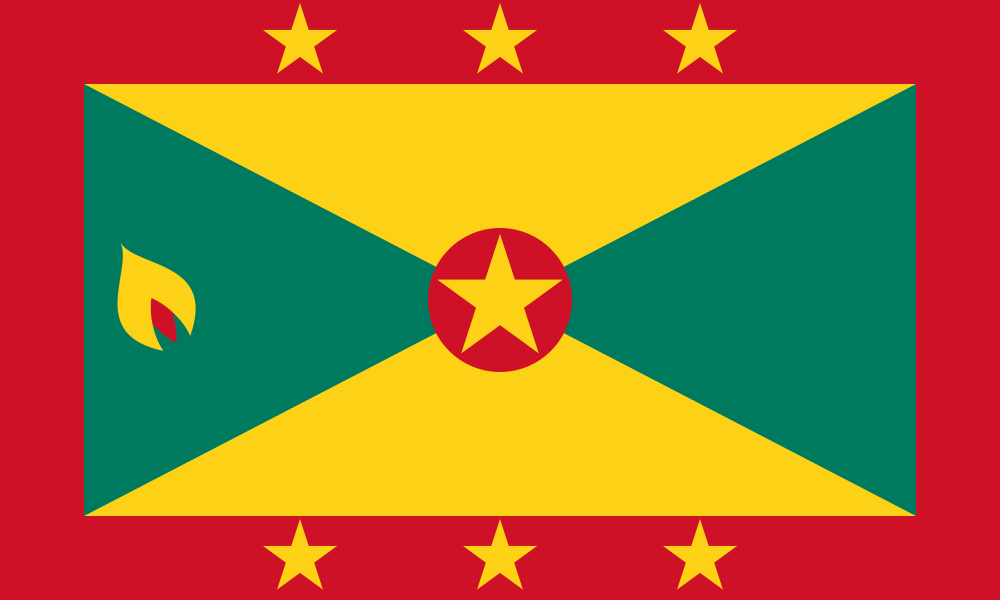 GrenadaSt. George's
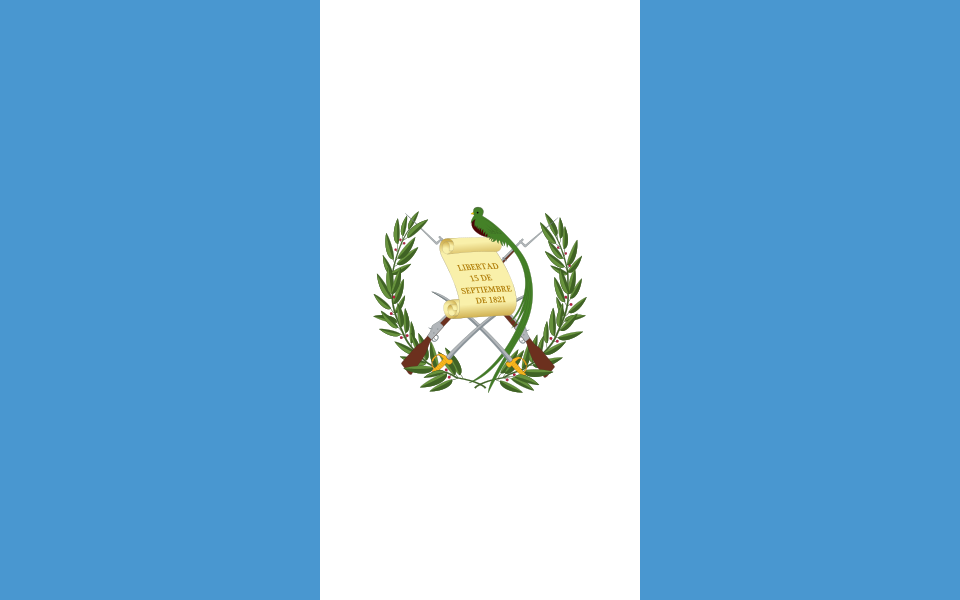 GuatemalaGuatemala City
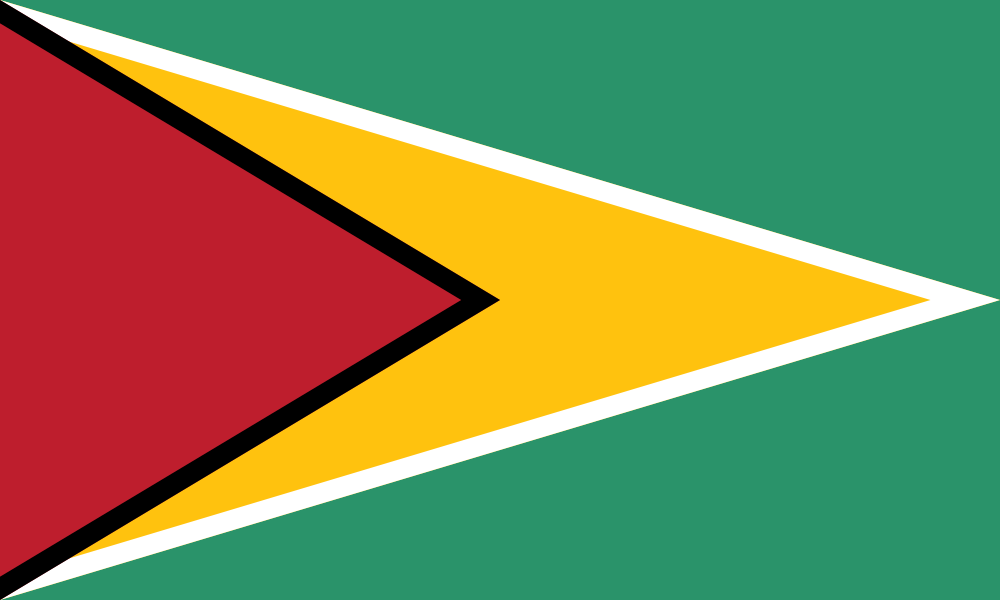 GuyanaGeorgetown
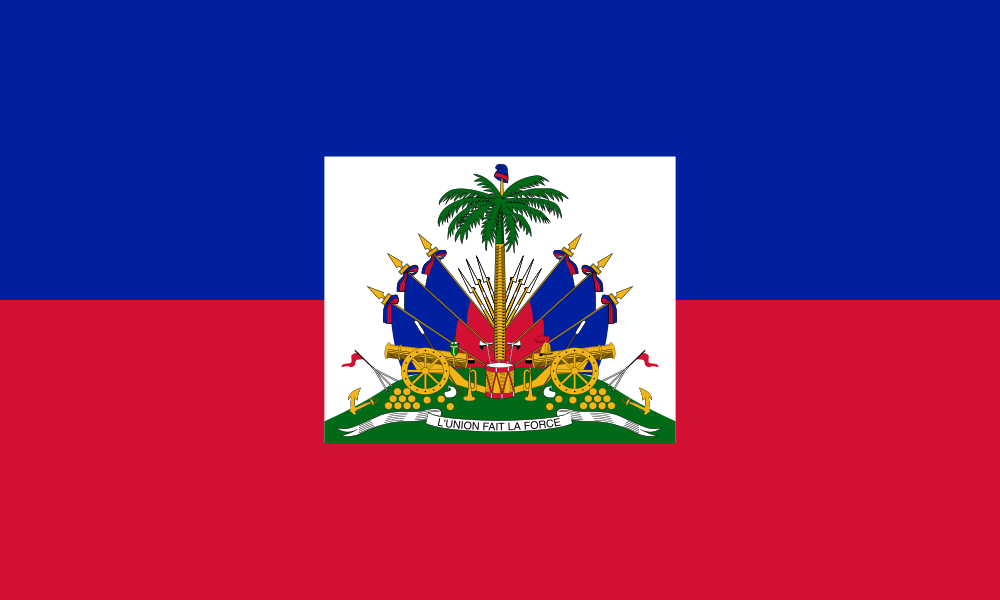 HaitiPort-au-Prince
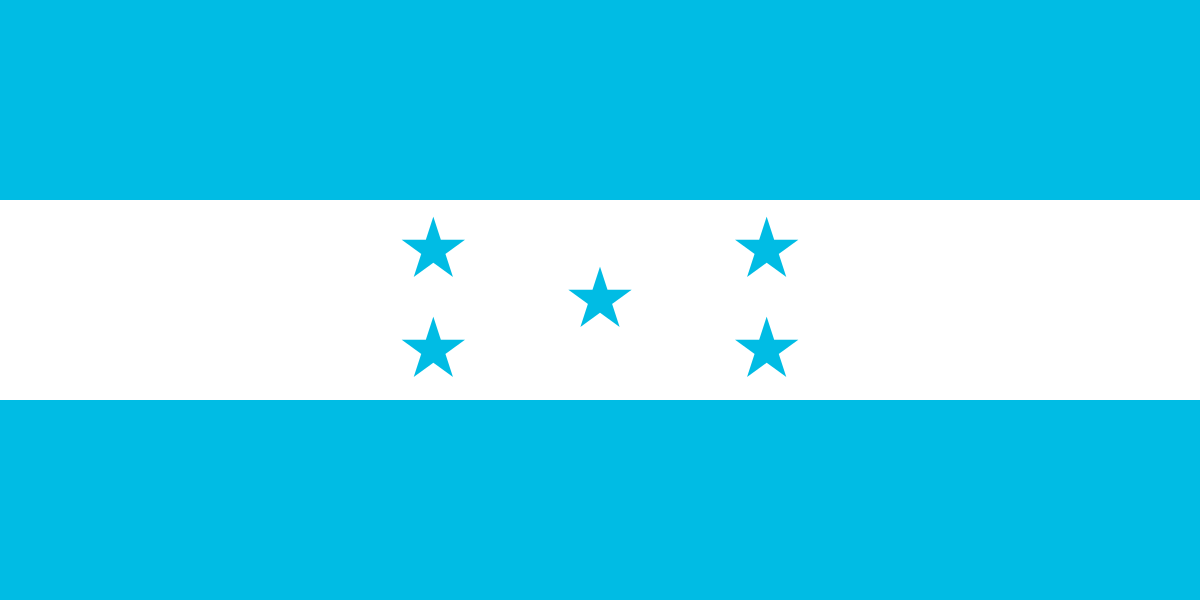 HondurasTegucigalpa
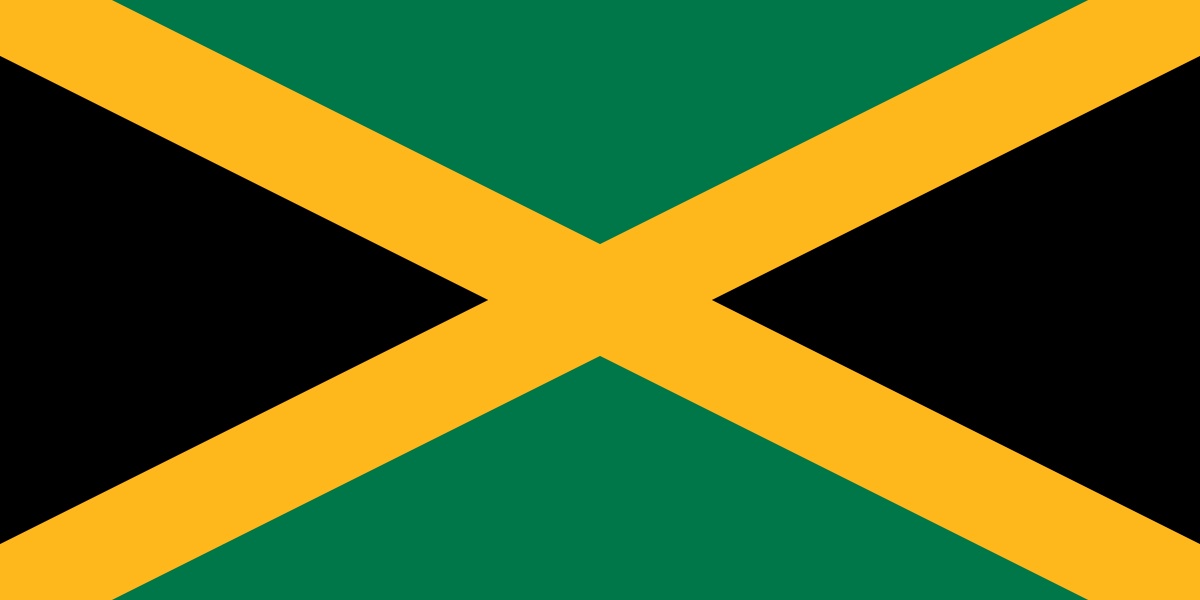 JamaicaKingston
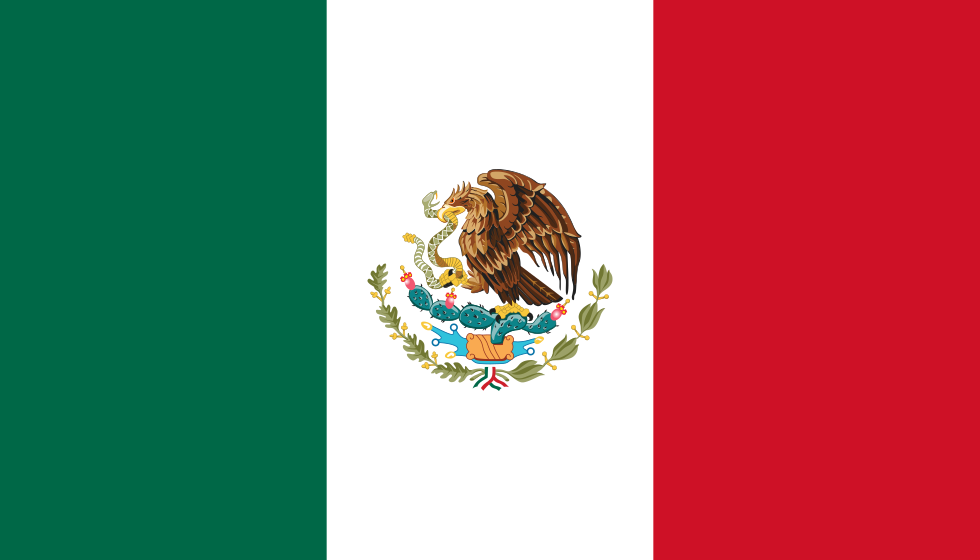 MexicoMexico City
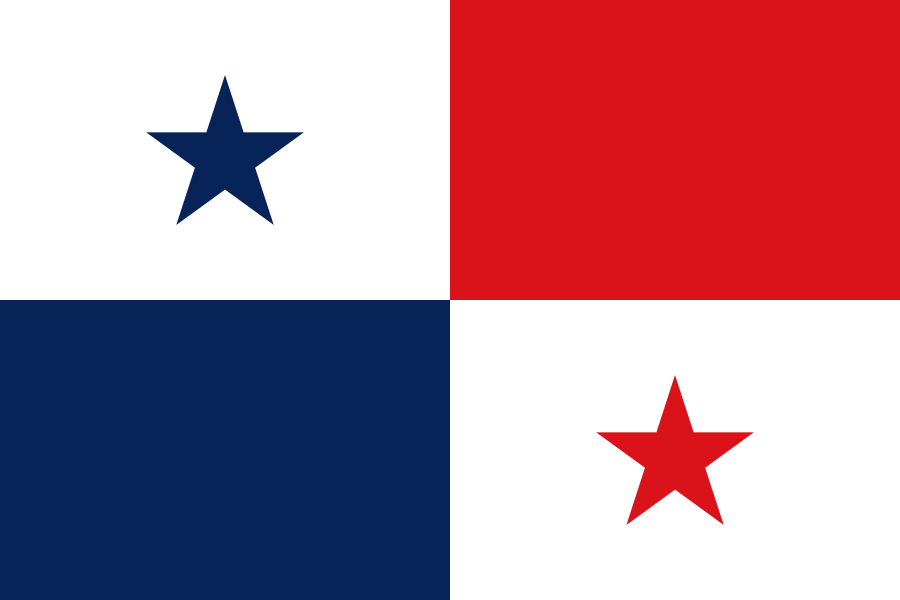 PanamaPanama City
 ParaguayAsunción
 PeruLima
 St. Kitts & NevisBasseterre
 St. LuciaCastries
 St. Vincent & GrenadinesKingstown
 SurinameParamaribo
 BahamasNassau
 Trinidad & TobagoPort of Spain
 United StatesWashington, D.C.
 UruguayMontevideo
 VenezuelaCaracas
Continue exploring
 United Nations
 European Union
 NATO
 Commonwealth of Nations
 African Union
 Arab League
What did you discover?
Take this flag into the quiz
Sources and image credits
This English article draws on the institutional sources listed below. Figures and memberships retain their stated reference dates.
Source record: 2 November 2026. A translation does not change the reference date of a figure or membership list.
- oas.org/ext/en/main/oas/member-states
- oas.org/en/about/member_states.asp
- oas.org/en/sla/dil/inter_american_treaties_recent_actions_2023.asp
- oas.org/ext/en/main/oas/our-structure/gs/Home/institutional-image
- oas.org/ext/en/main/oas/member-states/venezuela