Discovering states and regions
Flags do not belong exclusively to states. Federal states and other regions also use them to make political affiliation and history visible. This collection adds another level to the country overview. A simple question helps with learning: which area is represented, and what position does it hold within its state or regional system?
Test your knowledge →Key facts and distinctions
- Article focus
- Learning guide and directory
- Topic
- Flags below the State level
- Berlin
- City and German Country
- Hamburg,
- City and German Country
- Bavaria
- Two state flags of equal rank
- Bavarian colours
- White and blue
- Berlin state flag
- Bear figurine without shield frame
Determining the political level first
A federal state is not an independent entry of the same type as a sovereign state. Its flag can still be an official emblem. The regional collection therefore extends the image selection without changing the country quiz list. Before assignment, read whether you are asking by state, country, region or city.
City states are particularly vivid: Berlin and Hamburg have an urban identity and at the same time the position of a German country. A familiar city motif can therefore appear on a country flag. The same imagery belongs in different contexts to several meaningful learning paths, without the political level becoming arbitrary.
Separating the coat of arms and flag
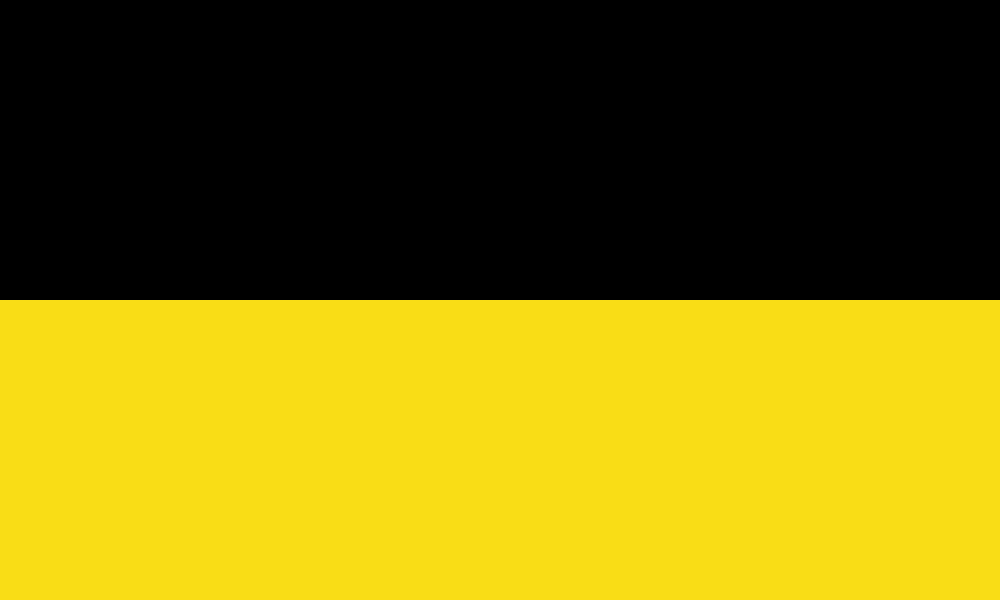
Bavaria’s patrol flag and diamond flag are the same as state flags. Both use white and blue and do not contain a coat of arms in their official form. The example shows why a common souvenir image does not automatically reproduce the precise official design. Check a variant on the associated profile and on the official statement.
Berlin shows on its national flag the bear figure without the surrounding coat of arms. An animal motif can thus be taken over from a coat of arms, while other components are omitted. Describe exactly what elements are actually present on the cloth, instead of adding every known detail of the coat of arms.
Build regional comparisons in a targeted manner
Sort the entries first by simple stripes, patterns and figurative characters. These picture groups are learning aids and not a statement about the constitutional rank of the regions. Therefore, add to each name also the corresponding state or level. Thus, the visual comparison remains a politically correct assignment.
For similar colors, the question of direction and width of the fields helps. In the case of coat-of-arms flags, the figure is added. Then practice with reversed direction: Name an area and describe its flag. The regional profiles provide details; this overview helps you to select suitable groups for a manageable comparison.
Details Worth Remembering
Levels with rows
When learning, say not only the name of the region, but also the associated state. A short addition prevents confusion with a place of the same name or another political entity.
Recognizing the Variants
Two official flags may represent the same region. Save both as reasonable variants and not as a correct and incorrect version of a single image.
Souvenir and template
Check eye-catching additional coats of arms on official representations. A decorative product can combine known motifs without reproducing the exact official flag shape.
Browse the profiles
 Baden-WürttembergGermany
 BavariaGermany
 BrandenburgGermany
 HesseGermany
 Mecklenburg-Western PomeraniaGermany
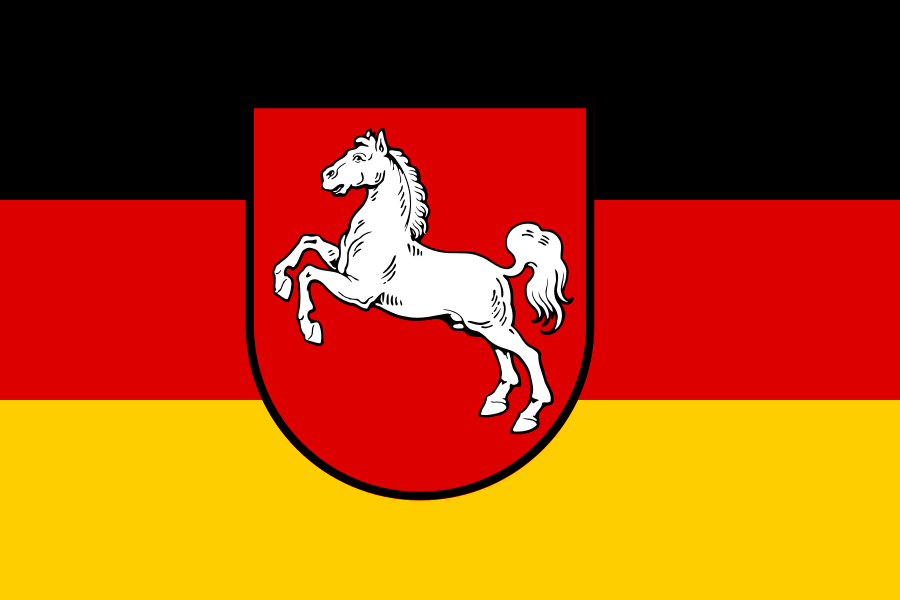 Lower SaxonyGermany
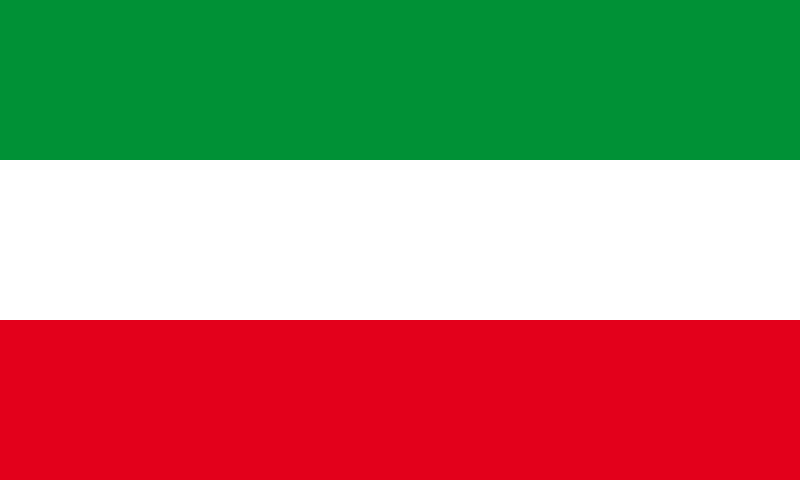 North Rhine-WestphaliaGermany
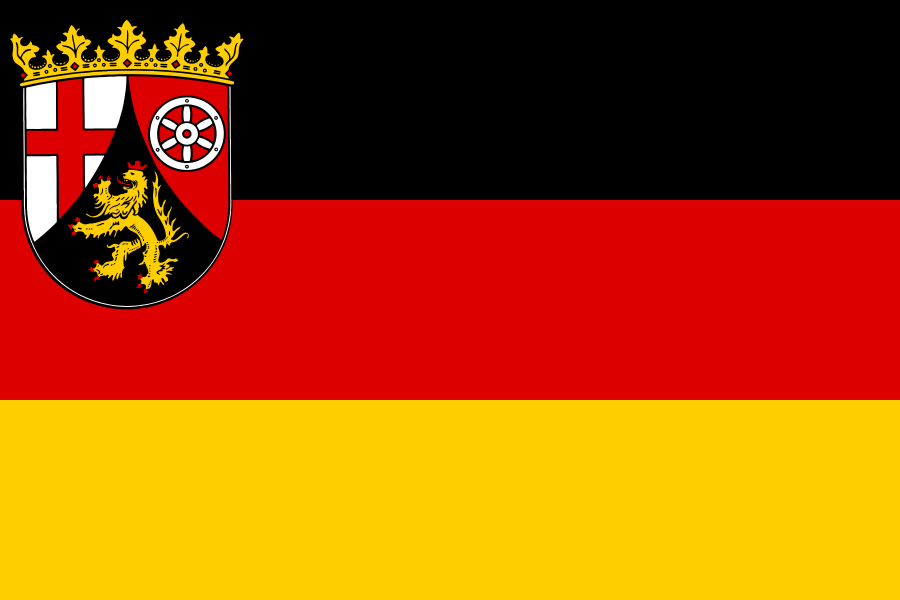 Rhineland-PalatinateGermany
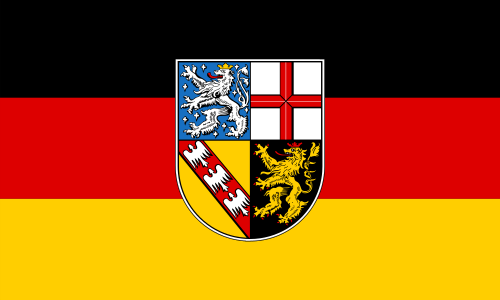 SaarlandGermany
 SaxonyGermany
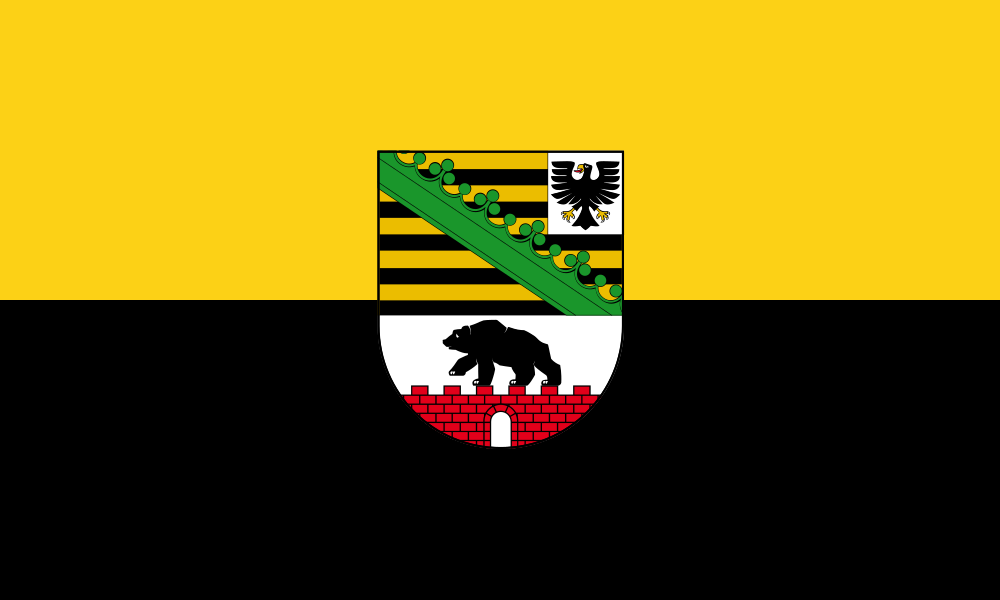 Saxony-AnhaltGermany
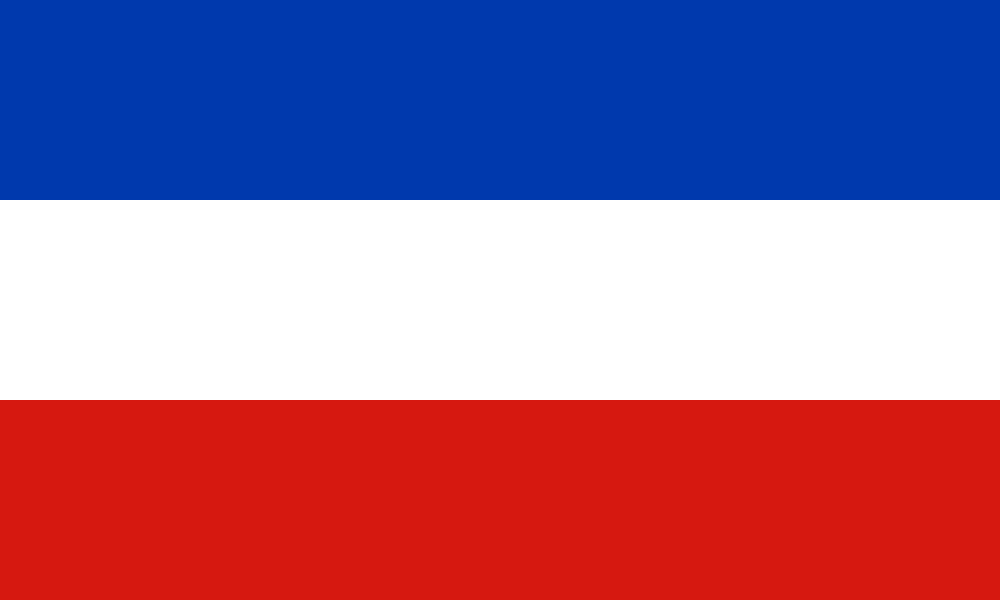 Schleswig-HolsteinGermany
 ThuringiaGermany
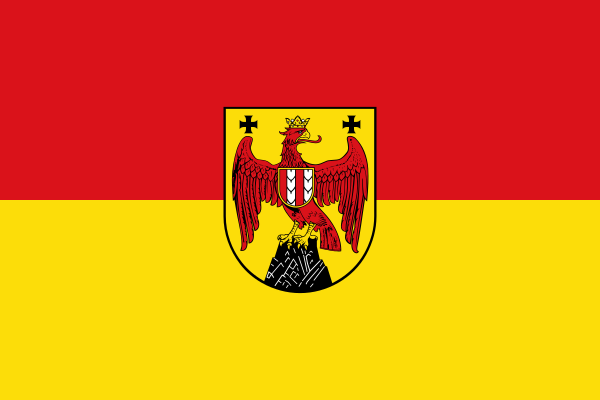 BurgenlandAustria
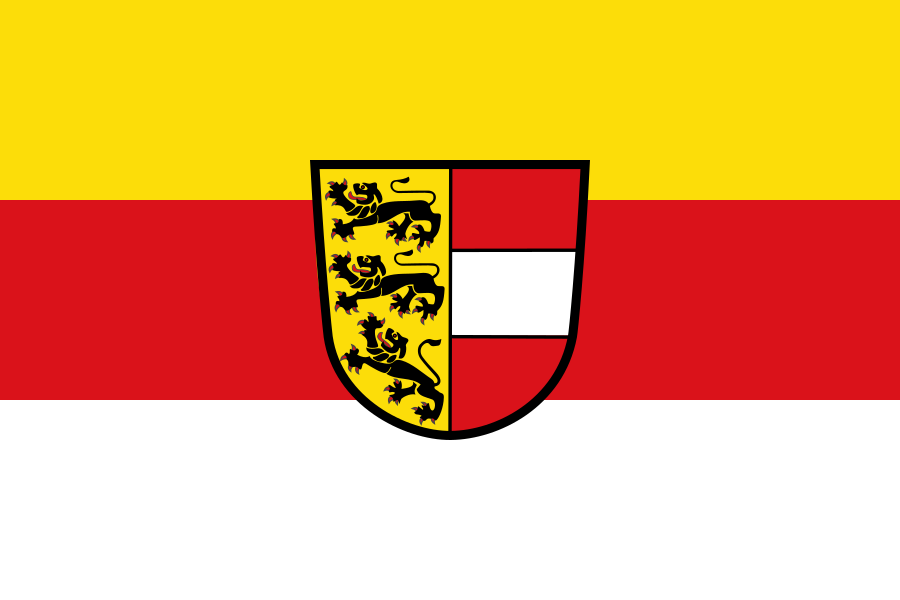 CarinthiaAustria
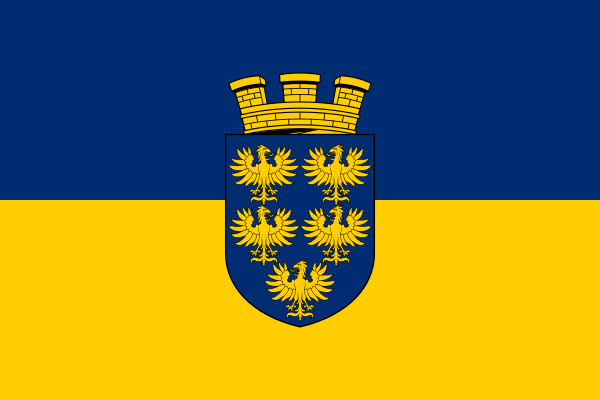 Lower AustriaAustria
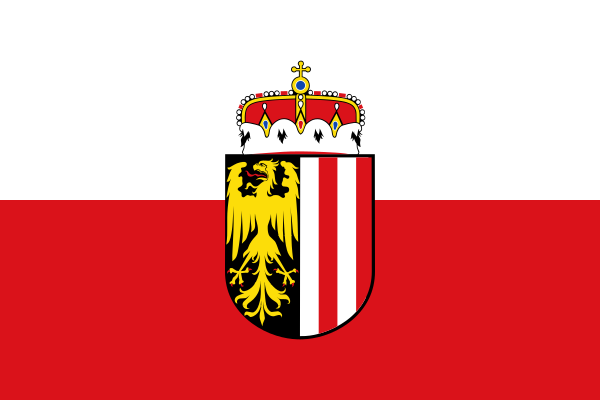 Upper AustriaAustria
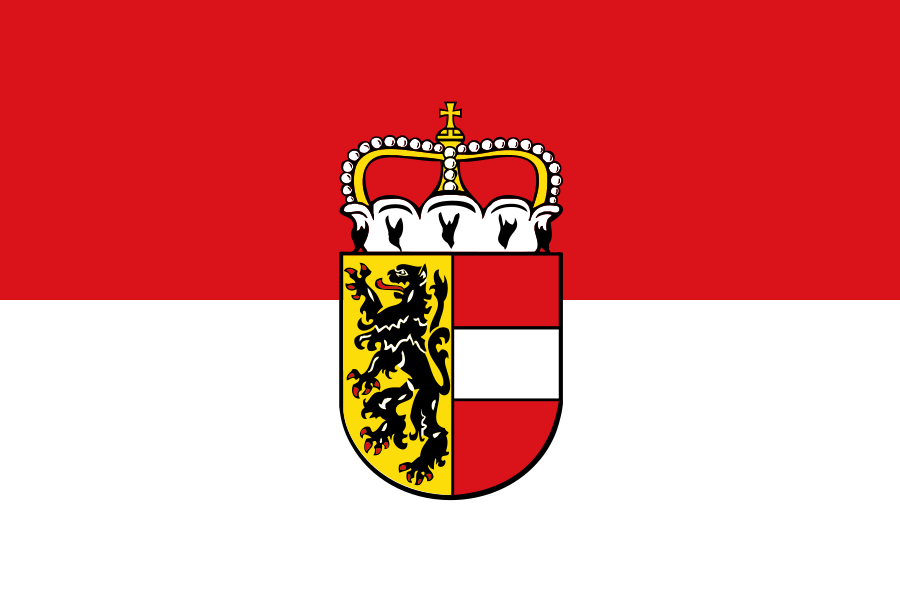 SalzburgAustria
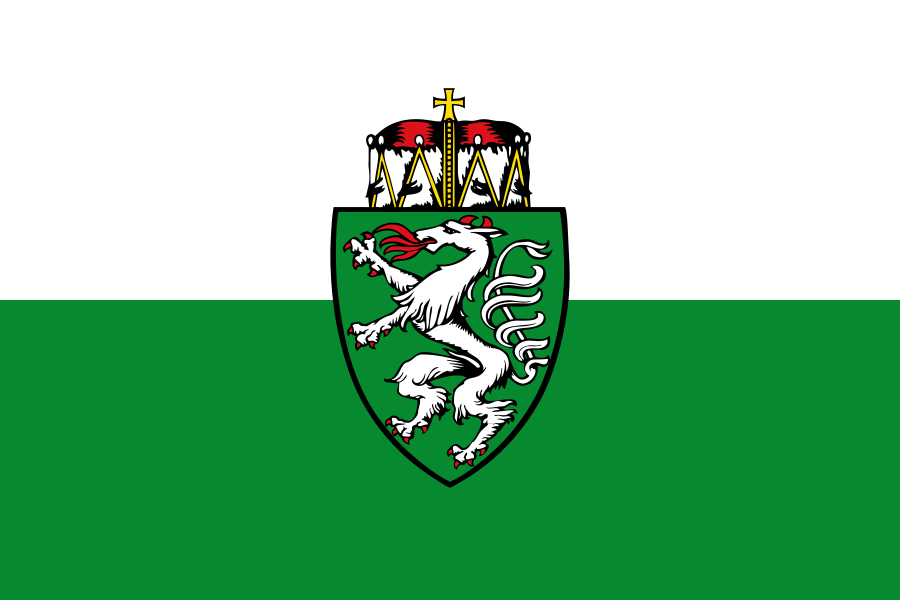 StyriaAustria
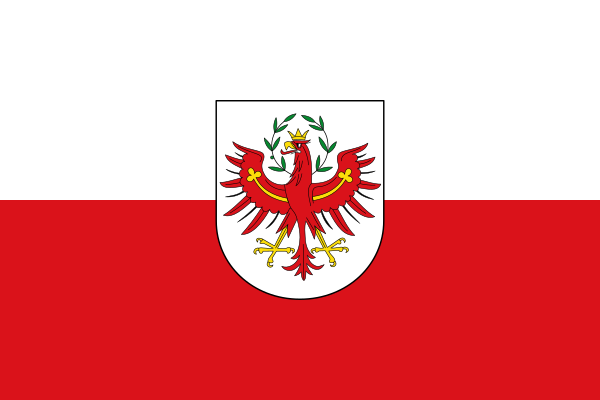 TyrolAustria
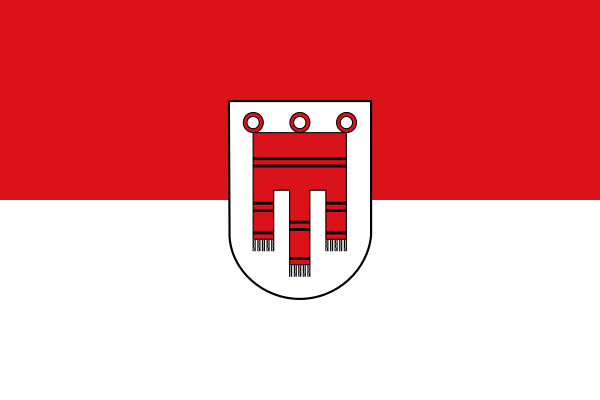 VorarlbergAustria
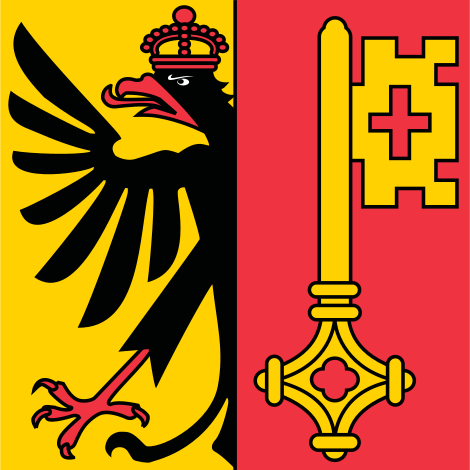 GenevaSwitzerland
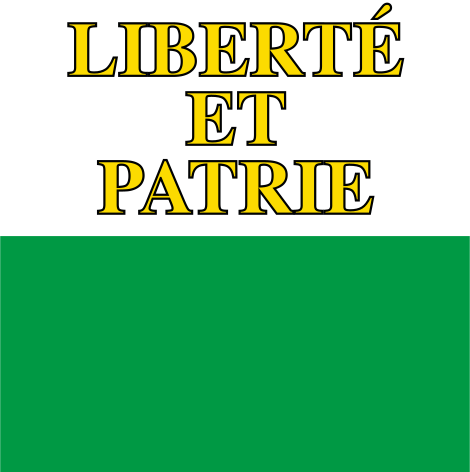 VaudSwitzerland
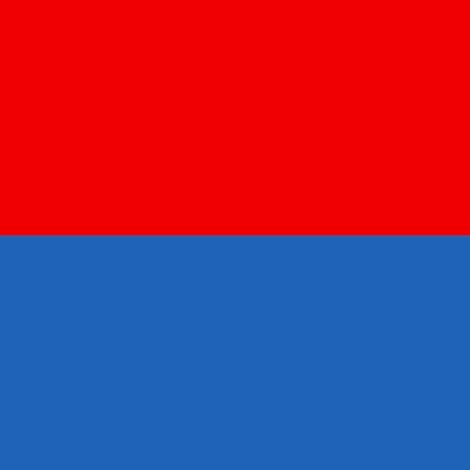 TicinoSwitzerland
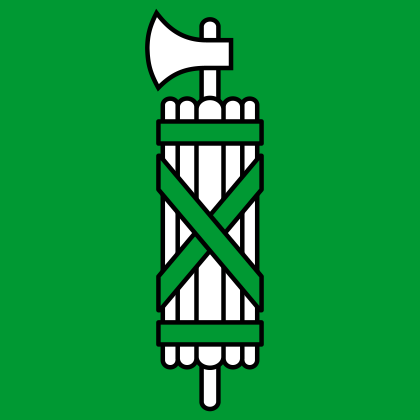 St GallenSwitzerland
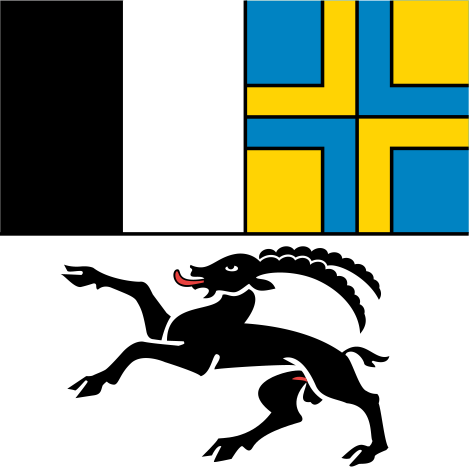 GraubündenSwitzerland
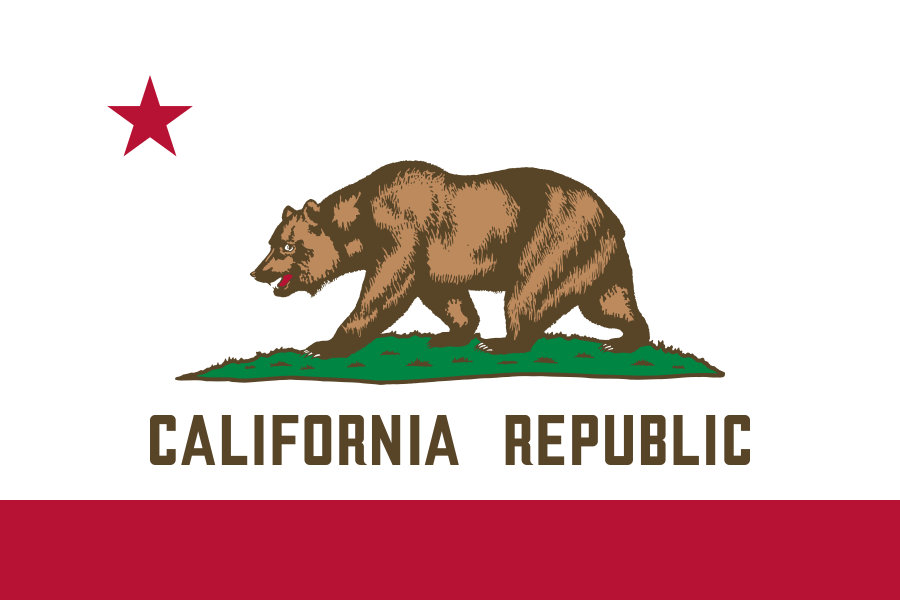 CaliforniaUnited States
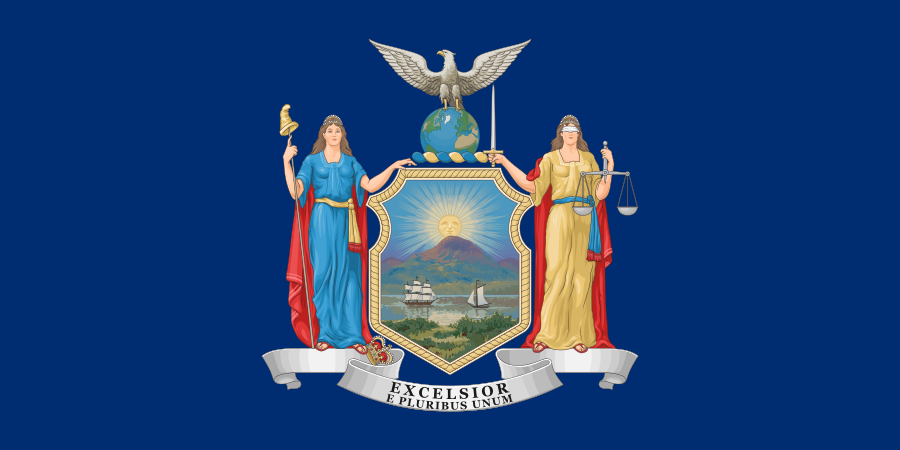 New YorkUnited States
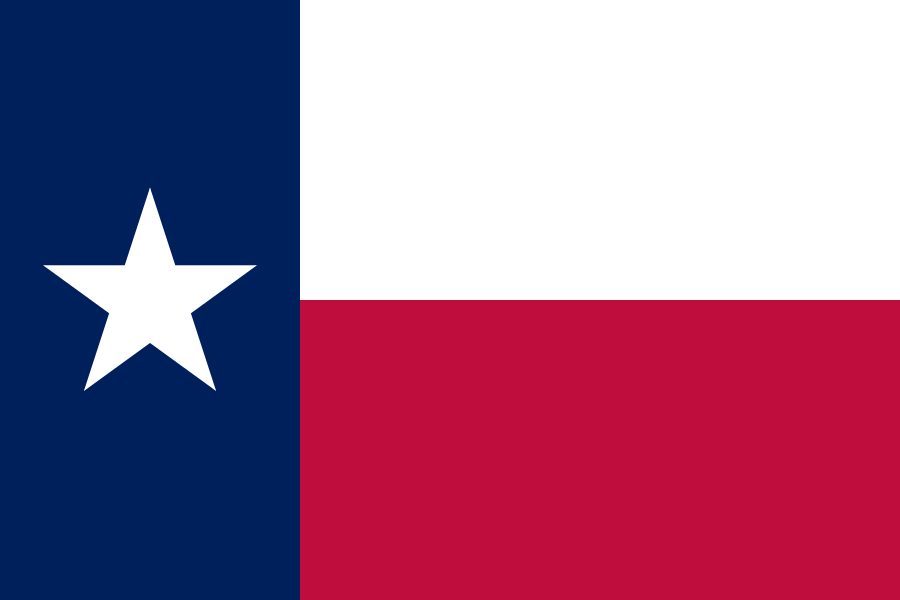 TexasUnited States
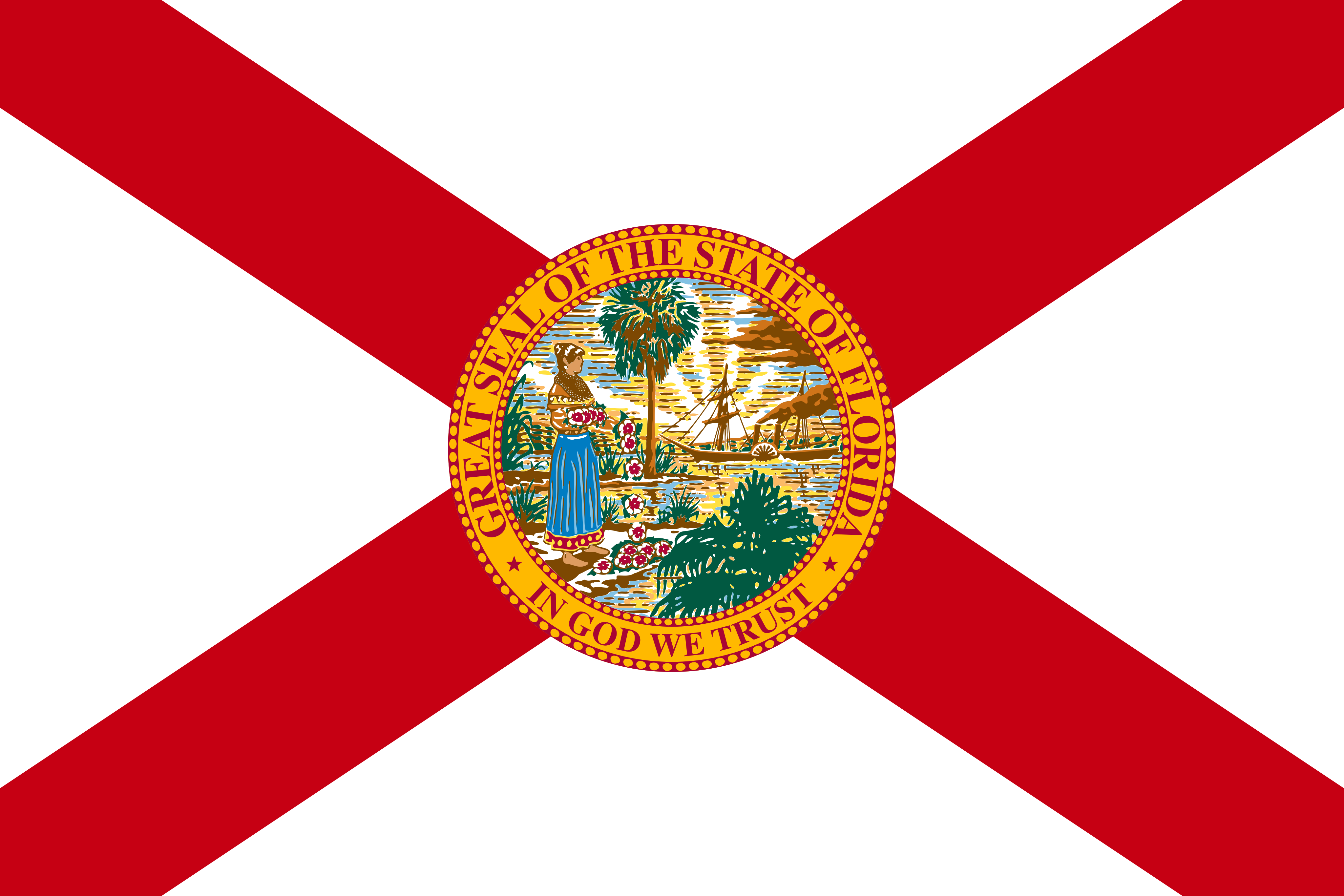 FloridaUnited States
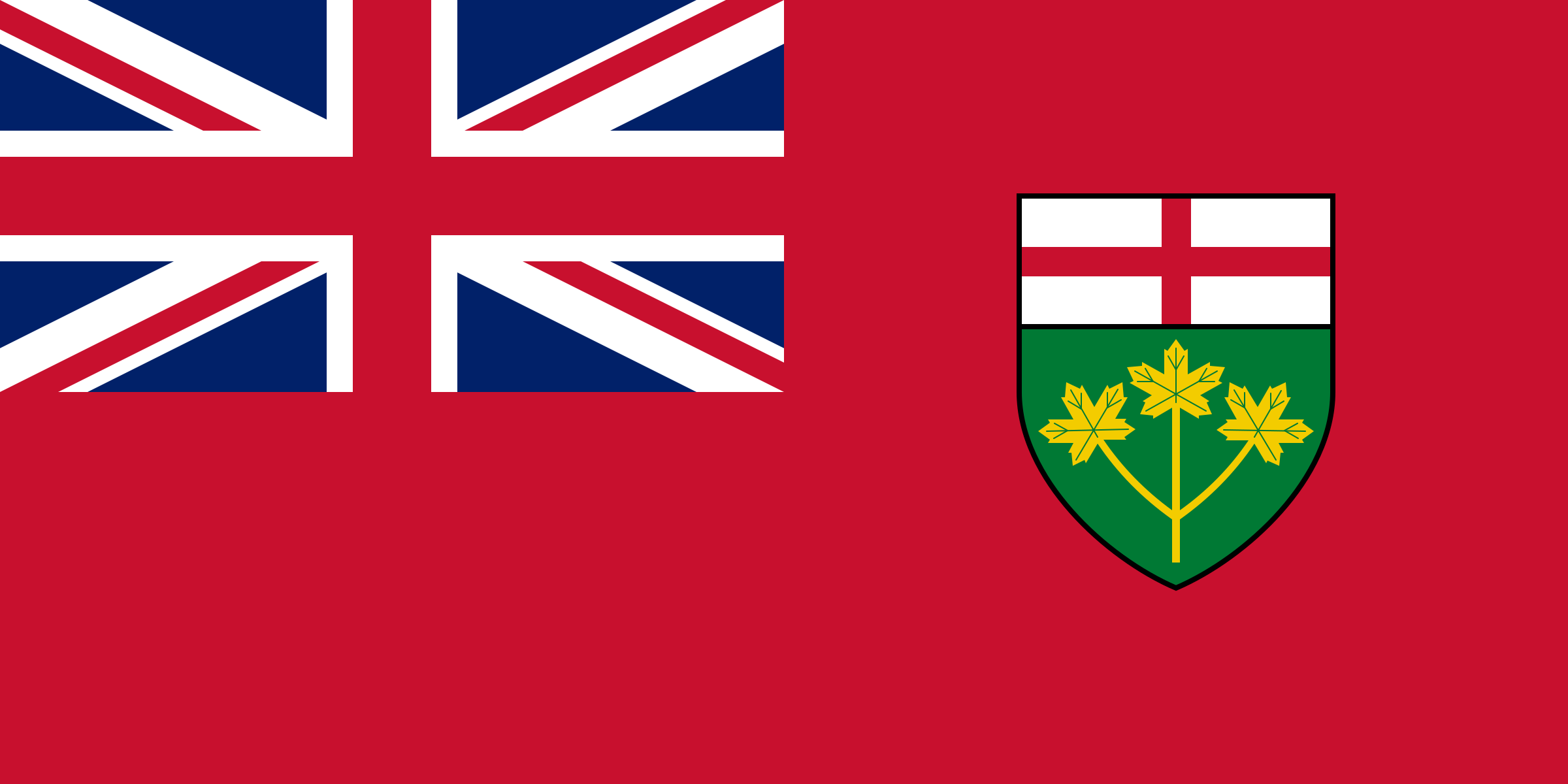 OntarioCanada
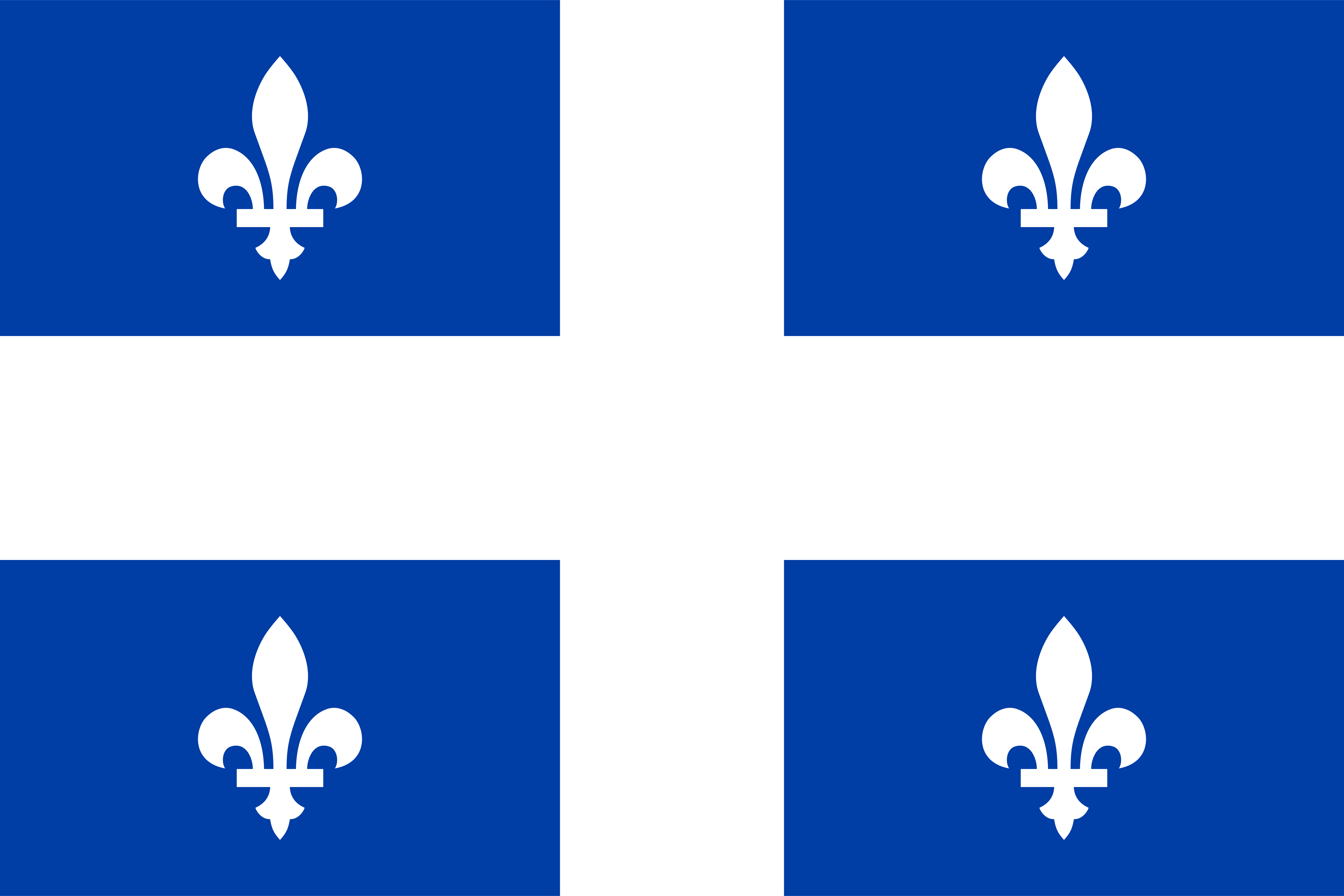 QuebecCanada
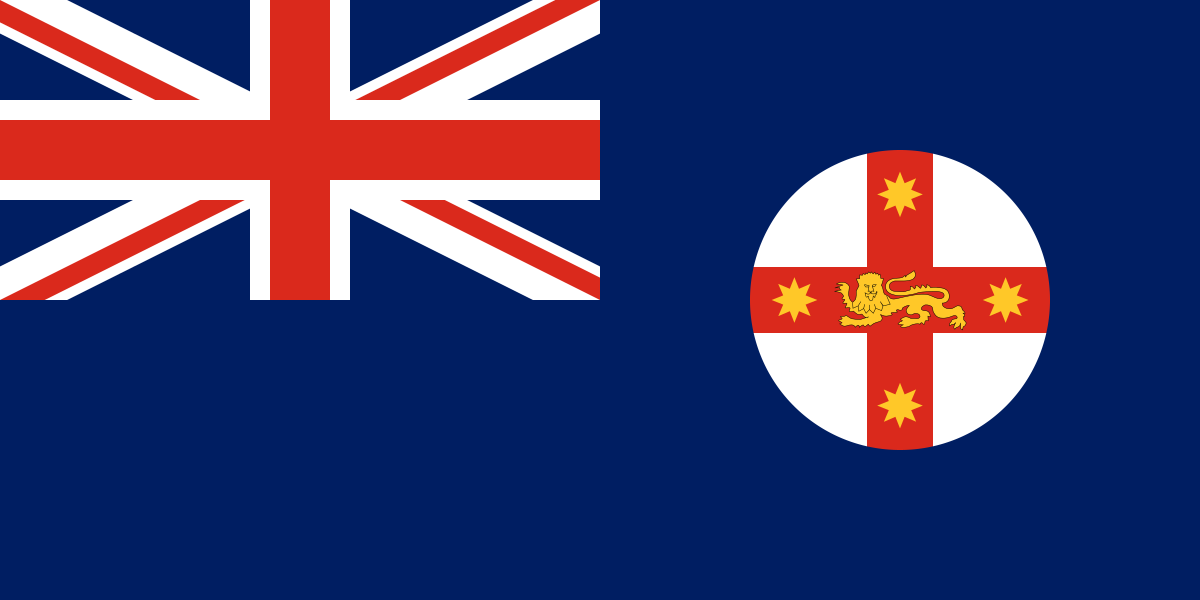 New South WalesAustralia
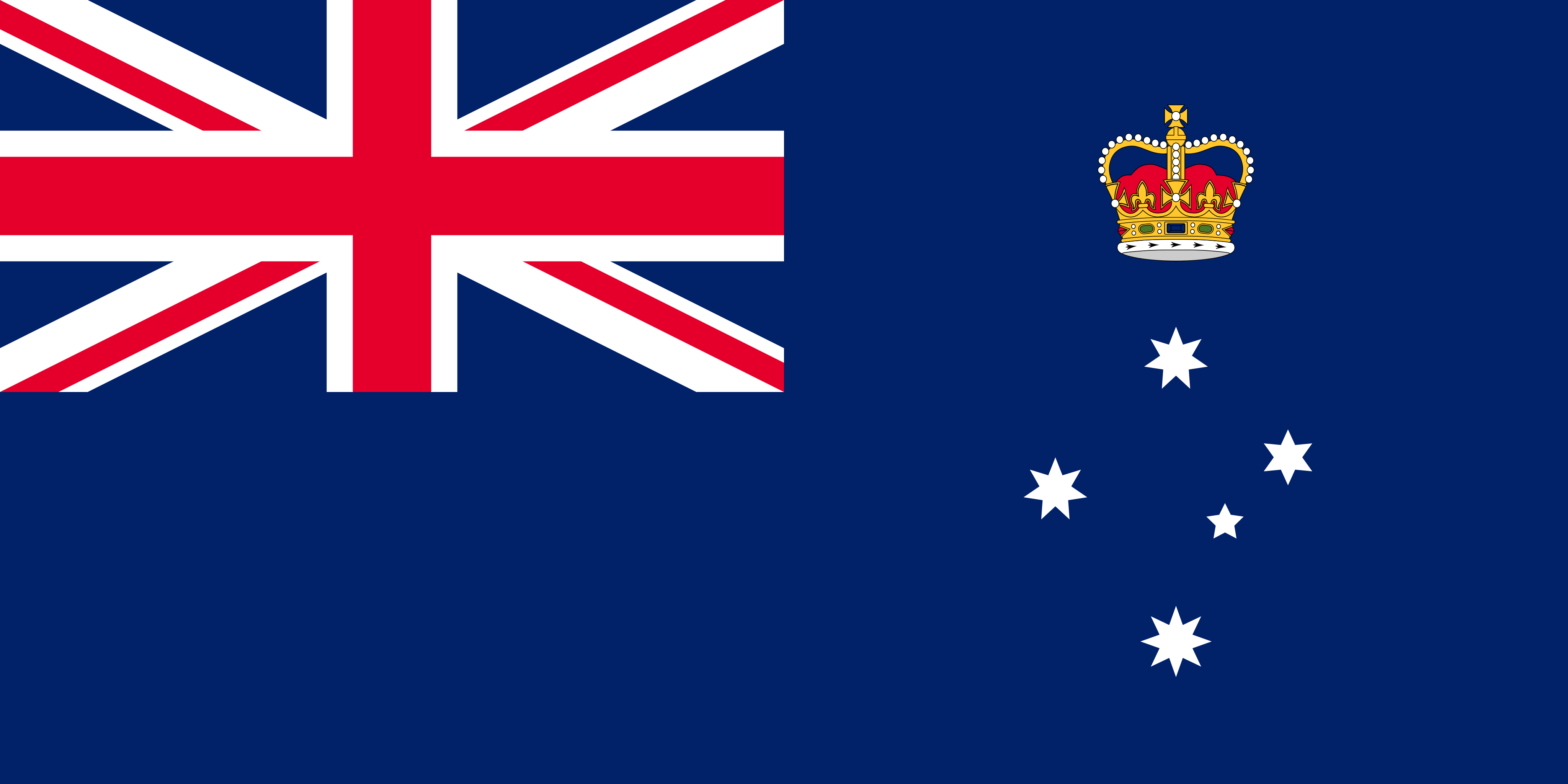 VictoriaAustralia
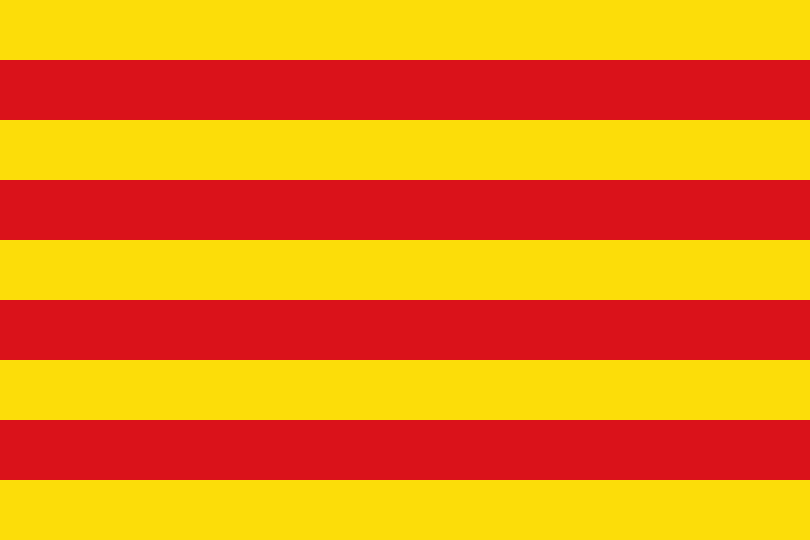 CataloniaSpain
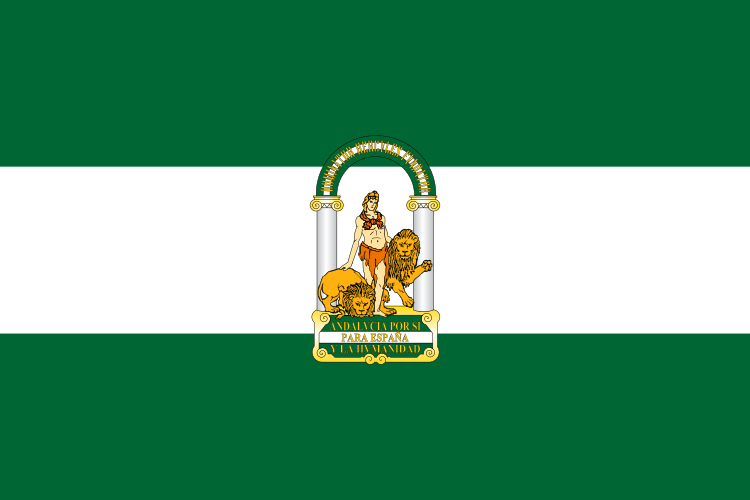 AndalusiaSpain
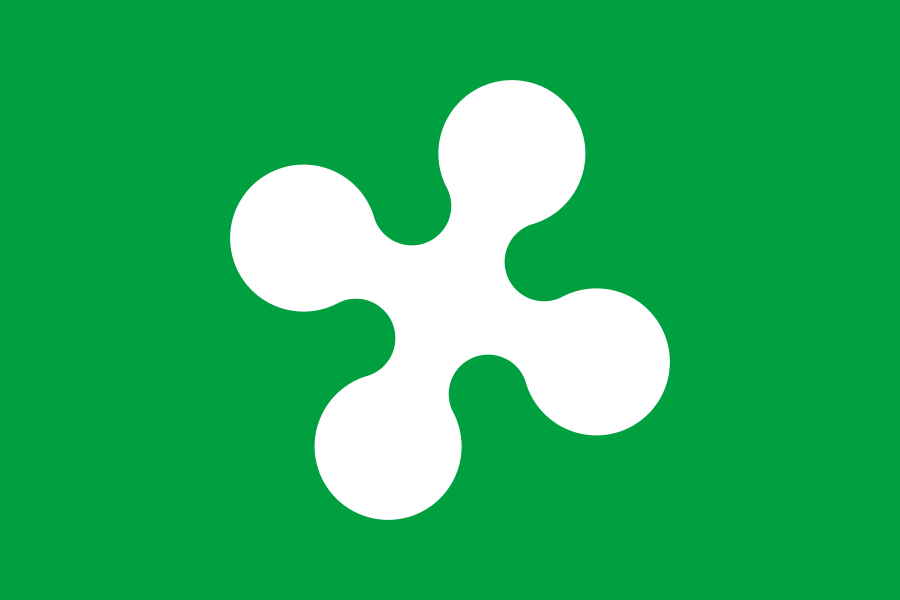 LombardyItaly
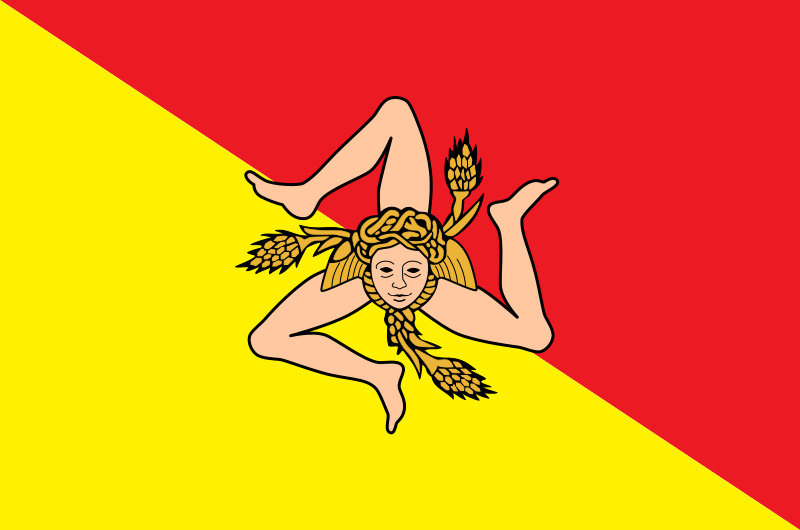 SicilyItaly
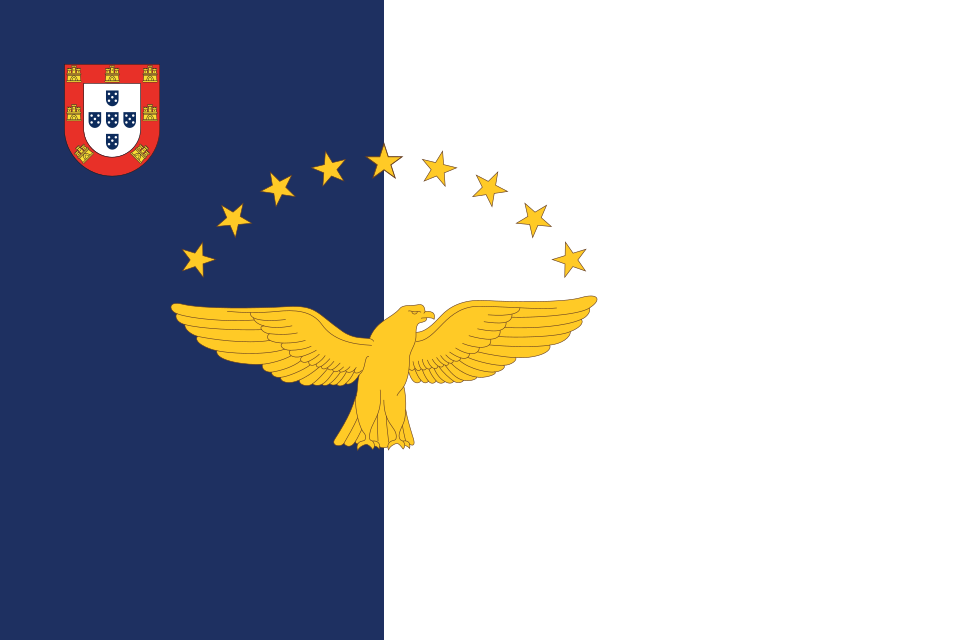 AzoresPortugal
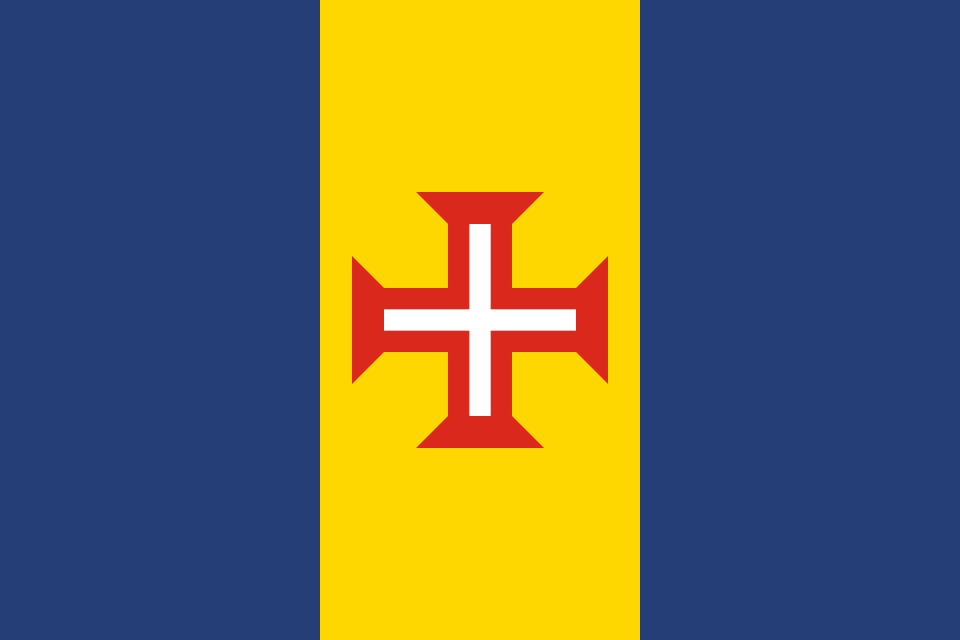 MadeiraPortugal
Continue exploring
What did you discover?
Sources and image credits
This English article draws on the institutional sources listed below. Figures and memberships retain their stated reference dates.
Source record: 2 November 2026. A translation does not change the reference date of a figure or membership list.
- stmi.bayern.de/staat-und-verfassung/staatssymbole/
- berlin.de/ba-lichtenberg/ueber-den-bezirk/bezirkswappen/mdb-hoheitszeichengesetz_vom_22.10.2007.pdf
- hamburg.de/politik-und-verwaltung/behoerden/senatskanzlei/hamburg-logo-239048