Victoria: State Flag, Capital and Regional Profile
Victoria connects Australia’s southeastern metropolitan area around Melbourne with its own natural and cultural spaces. The flag shows the Southern Cross under a crown on a blue background. For the regional profile, both the international exhibition history of Melbourne and Gariwerd with its sandstone mountains and important testimonies of indigenous culture are important.
Test your knowledge →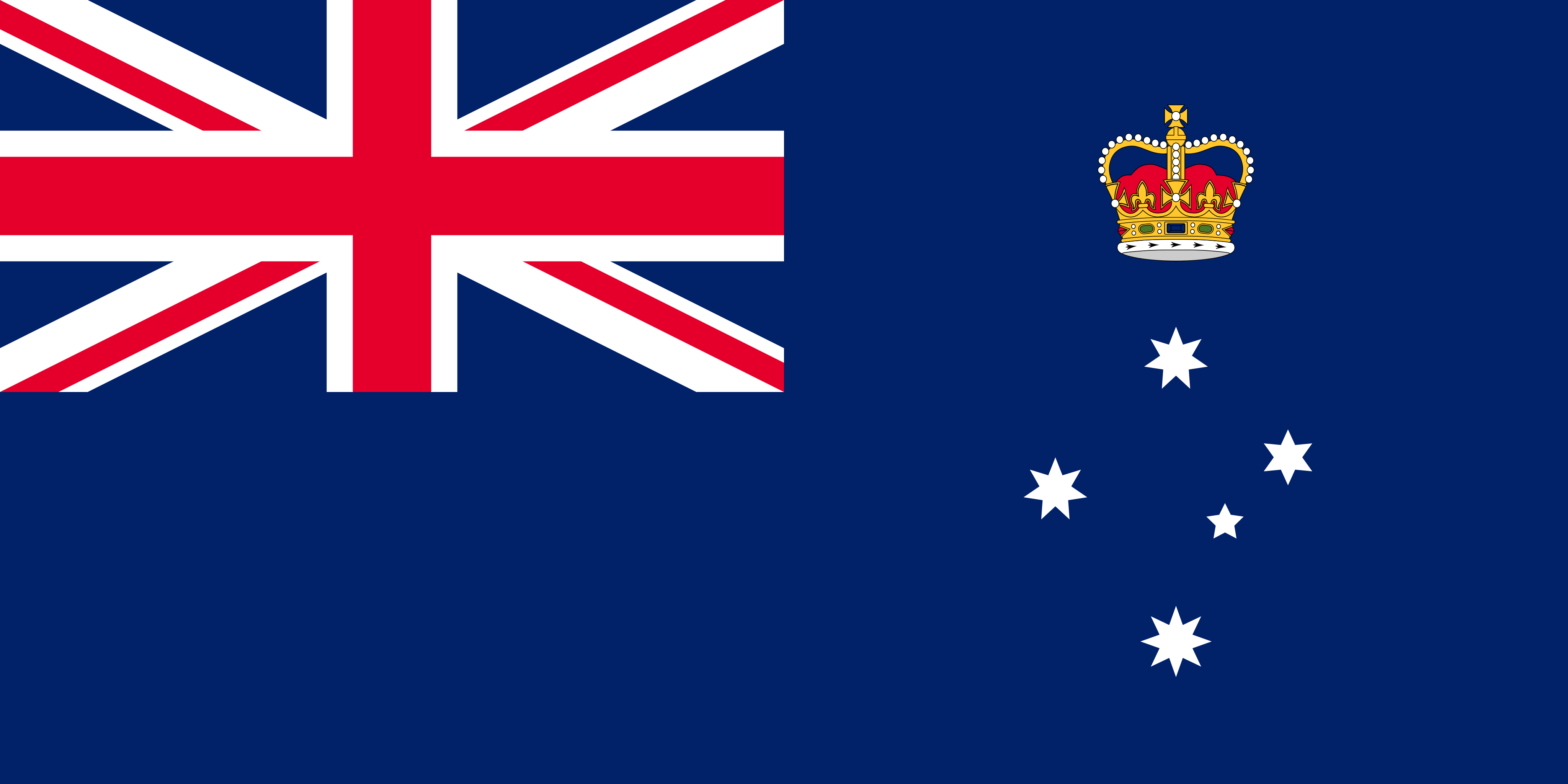
Victoria at a glance
- Name
- Victoria
- Country
- Australia
- Profile type
- Australian state
- Administrative seat in source record
- Melbourne
- Exhibition hall
- Royal Exhibition Building in Melbourne
- First international exhibition there
- 1880
- Other major exhibitions
- Melbourne Centennial International Exhibition 1888
- World Heritage Inspection
- Royal Exhibition Building and Carlton Gardens, 2004
- Indigenous landscape name
- Gariwerd for the Grampians
- Traditional communities
- Djab Wurrung and Yardvadjali
- Mountain rocks
- Striking Sandstone Landscapes in Gariwerd
- biodiversity
- Gariwerd has numerous native orchid species
The Flag of Victoria
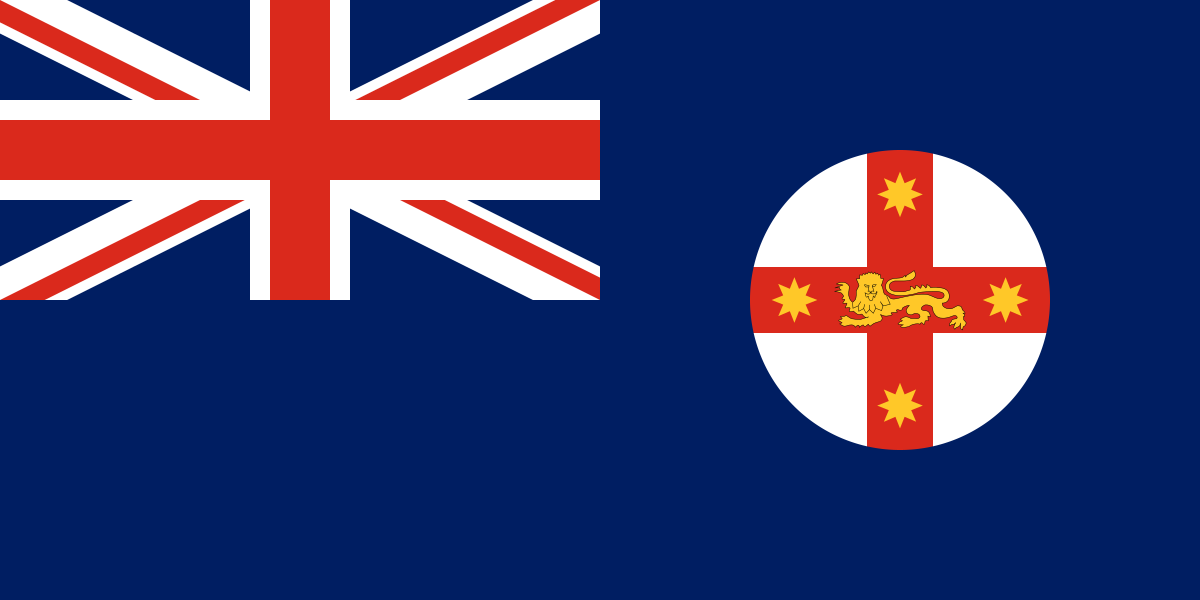
On a dark blue cloth stands the left top of the Union Jack. On the right are five white stars of the Southern Cross; above them is a crown. The stars have different sizes and numbers of teeth. Unlike New South Wales, the white disc with red cross and golden lion is missing.
Victoria introduced a five-star badge in 1870, and the crown was added in 1877. The official history also traces later changes in crown representation. The flag determination therefore counts the crowned star group actually shown; various historical drawings are not identical in every detail with today's illustration.
Victoria: Location and Territorial Role
Melbourne is the capital of Victoria and the location of the Royal Exhibition Building with the Carlton Gardens. The ensemble is located in the urban area and can be clearly distinguished from the more distant natural landscapes of the state. The joint consideration of the exhibition hall and garden area makes its urban development effect understandable.
Gariwerd is the indigenous name of the Grampians landscape. The area is closely connected with the Djab Wurrung and Yardwadjali. Its sandstone demolitions, rocky elevations and sheltered gorges lie in a different spatial and cultural world than metropolitan Melbourne and complement the image of the region significantly.
Landscape, History and Culture
The Royal Exhibition Building was created for the international exhibition of 1880 and was also used for the anniversary exhibition of 1888. The large hall with dome is one of the preserved main testimonies of the international exhibition movement. Such events presented technology, commerce and societal ideas of progress to a broad audience.
The Carlton Gardens do not form a random green border around the building. Tree avenues, fountains, water surfaces and designed paths belong to the entire complex. Their spatial order explains how architecture and gardens interacted in 19th century exhibitions. The ensemble is therefore protected, not the hall without its landscaped context.
In Gariwerd, a high level of biodiversity and an important cultural heritage meet. The area has many indigenous rock paintings and motifs. At the same time, preserved bushland offers a retreat for native plants and animals after large parts of the surrounding western plains were cleared for agriculture.
Exhibition history in Melbourne
Royal Exhibition Building and Carlton Gardens have been a UNESCO World Heritage site since 2004. The facility conveys the international exhibition movement in a particularly complete way. Its importance lies in the exchange of ideas, knowledge and goods promoted by such events and in the preserved architectural form of the large exhibition hall in connection with its surroundings.
Gariwerd's sandstone landscape
Steep rock edges and protected gorges offer very different location conditions in a narrow space. The Australian Environmental Agency highlights the diversity of rocks and soils as a basis for high biodiversity. Orchids and other native plants in particular make it clear that seemingly dry mountain landscapes do not have to be species-poor.
Taking Indigenous Art Seriously
The rock paintings of Gariwerd belong to a lively cultural landscape. They are not an interchangeable decoration on hiking trails, but testimonies of the connection of traditional owners with their land. The regional name and named communities help to keep this relationship visible even in geographical learning.
Explore this country and nearby profiles
 Australia
 Sydney
 New South Wales
What did you discover?
Take this flag into the quiz
Sources and image credits
This English article draws on the institutional sources listed below. Figures and memberships retain their stated reference dates.
Source record: 2 November 2026. A translation does not change the reference date of a figure or membership list.
- vic.gov.au/about-victorian-flag
- whc.unesco.org/en/list/1131
- dcceew.gov.au/parks-heritage/heritage/places/national/grampians
- parks.vic.gov.au/places-to-see/parks/Grampians-National-Park
- dcceew.gov.au/parks-heritage/heritage/places/national/royal-exhibition