Organisations and their flags
Flags can represent states, but also make cooperation across borders visible. This collection leads to international organizations and their signs. It helps you distinguish emblems, tasks and affiliations. Not only the picture is decisive: The question of who carries an organization and what purpose it serves is also part of the understanding.
Test your knowledge →Key facts and distinctions
- Article focus
- Learning guide and directory
- UN flag
- World map and olive branches
- European flag
- Twelve gold stars in blue
- Council of Europe
- Independent organisation
- European Union
- Not identical to the Council of Europe
- Starlings
- No current membership
- Rollers
- Differentiate between membership and observer status
A flag for common tasks
The flag of the United Nations links a world map with olive branches. The picture draws attention to a common space and to peace. It is not an additional national flag of a country. When looking at an organization flag, you should therefore first ask which institution it stands for.
An emblem can appear on a flag, but can also be used on documents, buildings or publications. The terms denote different things: the emblem is the sign, the flag a certain bearer of this sign. Pay attention to background color and arrangement, instead of automatically equating a cut-out logo with the full flag cloth.
Same symbols, different institutions
The European flag shows twelve gold stars on blue. It was first adopted by the Council of Europe and later used by the European Communities. The Council of Europe and the European Union are independent organisations. An identical flag therefore does not allow equating its tasks, memberships or legal bases.
Even the fixed star number is not a member counter. This example warns against immediately deriving a political statistic from a number of images. Read today’s membership list separately from the historical symbol explanation. Thus, it remains understandable why a familiar sign can continue to exist even though the institutional framework is changing.
Reading Membership Precisely
In the linked articles, pay attention to the names of member, observer, partner or associated participant. These roles are not interchangeable synonyms. An organization may also include territories or regional governments that do not appear as a separate state in a country quiz collection. A comparison of mere list numbers is then misleading.
For a learning round, a triad is sufficient: recognizing the image, naming the organization, describing the main task. Only then will you complement the founding period and institutional features. When repeating, also ask about the difference to a similarly named organization. This prevents a learned abbreviation from being confused with an inaccurate political collective term.
Details Worth Remembering
From image to task
After recognizing, describe in your own sentence what the institution works for. A well-remembered name is thus associated with a factual connection.
Compare lists correctly
First, check which types of participants are counted. A list of states and a list including territories can possess different numbers without contradicting each other.
Keeping history separate
Record acceptance of a symbol and establishment of an institution in separate lines. The symbol does not have to have been created on the day of its founding and can be used by several institutions.
Explore the articles
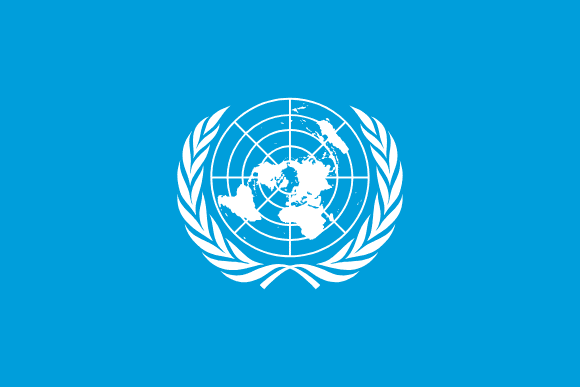 United NationsOrganisation
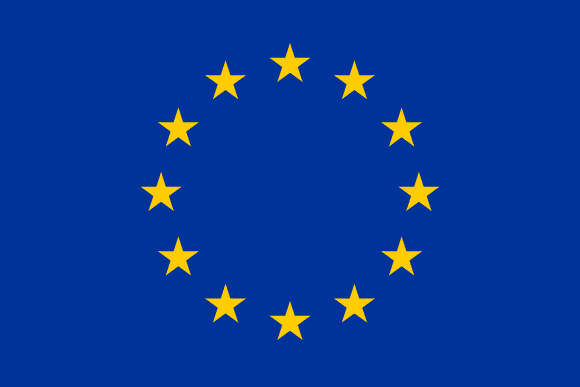 European UnionOrganisation
 NATOOrganisation
 Commonwealth of NationsOrganisation
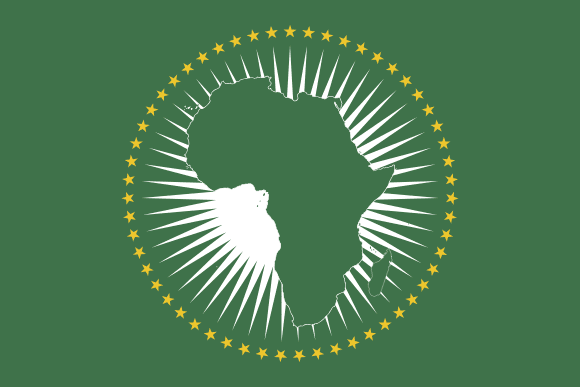 African UnionOrganisation
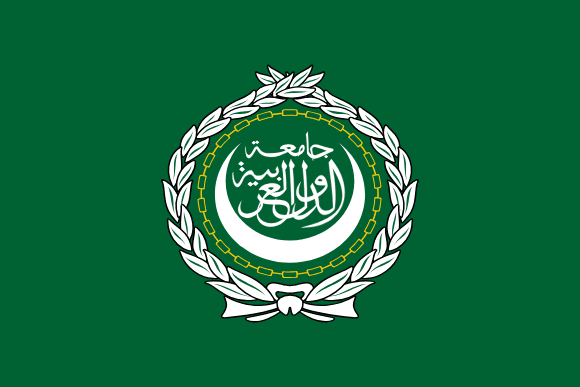 Arab LeagueOrganisation
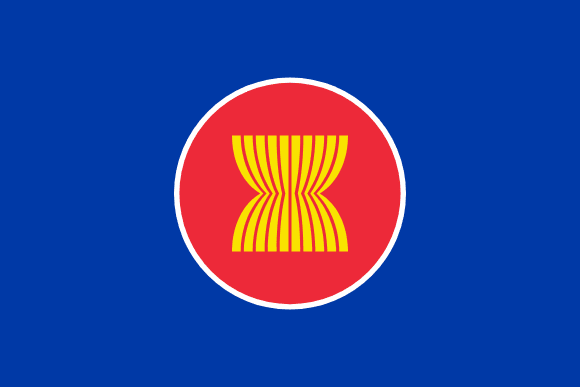 ASEANOrganisation
 International Organisation of La FrancophonieOrganisation
 Southern African Development CommunityOrganisation
 Eurasian Economic UnionOrganisation
 Commonwealth of Independent StatesOrganisation
 Gulf Cooperation CouncilOrganisation
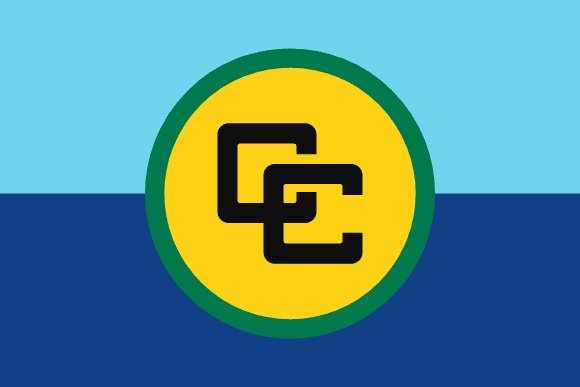 Caribbean CommunityOrganisation
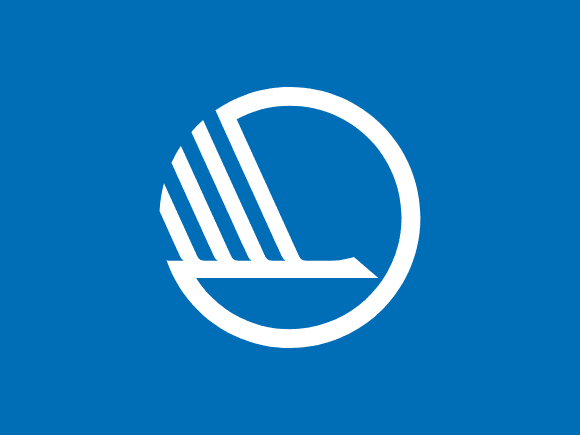 Nordic CouncilOrganisation
 OPECOrganisation
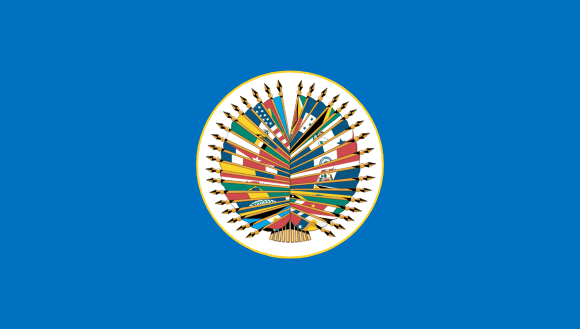 Organization of American StatesOrganisation
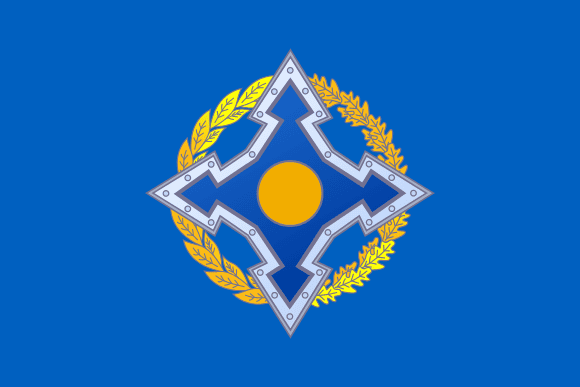 Collective Security Treaty OrganizationOrganisation
 Organisation of Islamic CooperationOrganisation
 East African CommunityOrganisation
 Pacific CommunityOrganisation
 Organization of Turkic StatesOrganisation
 Union of South American NationsOrganisation
 Central American Integration SystemOrganisation
Continue exploring
What did you discover?
Sources and image credits
This English article draws on the institutional sources listed below. Figures and memberships retain their stated reference dates.
Source record: 2 November 2026. A translation does not change the reference date of a figure or membership list.
- un.org/en/about-us/un-emblem-and-flag
- european-union.europa.eu/principles-countries-history/symbols/european-flag_de
- coe.int/en/web/about-us/the-european-flag