Nordic Council: Flag, History and Membership
The white swan on a blue background is the common sign of official Nordic cooperation. At the Nordic Council, he refers to a parliamentary network of five states and three autonomous territories. The symbol is therefore not a national flag and does not belong exclusively to a single institution: it is also used by the Nordic Council of Ministers.
Test your knowledge →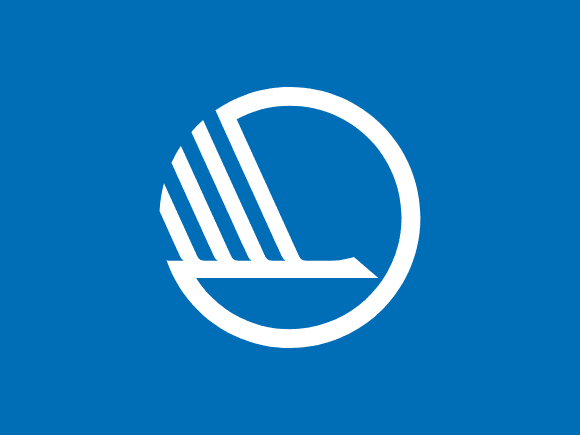
Key facts and distinctions
- Article focus
- International organisation
- Membership record
- 1 November 2026
- Linked country entries
- 5
- List definition
- Country subset of the supplied member record
- Founded
- 1952
- Founder
- Denmark, Iceland, Norway and Sweden
- Finland has been involved since
- 1955
- Members
- 87
- Participating States
- 5
- Autonomous areas
- Åland, Faroe Islands and Greenland
- Secretariat
- Copenhagen
- Flag motif
- White swan on blue
The swan as a common sign of recognition
The flag shown here bears a white, highly simplified swan on a blue field. Its body and the emerging wings form a compact circular shape. According to the official design manual, the swan is deliberately used on flags alone so that the sign remains recognizable even from a greater distance.
Today’s imagery stands for trust, integrity and freedom. An older swan sign by the Finnish designer Kyösti Varis was created in 1985. Its eight wing feathers represented the five Nordic countries and the three self-governing territories. In the case of newer simplified versions, however, one should not try to prove this historical eight-number by mere counting of visible lines.
A Parliamentary Council since 1952
Denmark, Iceland, Norway and Sweden founded the Nordic Council in 1952. Finland joined in 1955. The Faroe Islands and Åland were incorporated into the cooperation in 1970, followed by Greenland in 1984. This development shows that today's circle of participants was gradually created and does not exist unchanged since its founding.
The Council is the official body of interparliamentary cooperation. Its members are elected by the participating parliaments; it is therefore not a directly elected representative of all the Nordic inhabitants. The Secretariat is located in Copenhagen. Committees and political groups contribute a significant part of the ongoing work.
Five States and Three Autonomous Territories
The Council has a total of 87 members. The cooperation is intended to facilitate living and working in the north and to address common challenges. To this end, the Council is making political proposals and initiatives. Its parliamentary role must be distinguished from the cooperation of governments in the Nordic Council of Ministers, even if both use the same visual family sign.
The Nordic area of this cooperation includes Denmark, Finland, Iceland, Norway and Sweden as well as Åland, the Faroe Islands and Greenland. The three territories must not be treated tacitly as additional independent states in a list of members. On the contrary, their independent participation makes it clear that parliamentary regional cooperation can also take on different constitutional forms.
Details Worth Remembering
Council and Council of Ministers distinguish
The Nordic Council connects parliaments, the Nordic Council of Ministers the governments. The common swan sign makes their togetherness visible, but can also lead to confusion. In addition to the picture, a second question therefore helps with learning: Who works together here – elected members of parliament or representatives of national governments?
Why Eight Is Not a Number of States
The historical symbolism of the eight feathers refers to five countries and three autonomous territories. It thus describes eight parts of Nordic cooperation. An answer such as eight independent member states would blur these constitutional differences and misrepresent the meaning of the sign.
A symbol with design history
Today’s swan is part of a long tradition of Nordic cooperation. The institutional declaration refers to older swan representations and the design of 1985. For flag science, this is instructive: the basic idea of a sign can be preserved while revising form, lines and practical applications.
The illustrated signs and variants
Countries in the supplied learning record
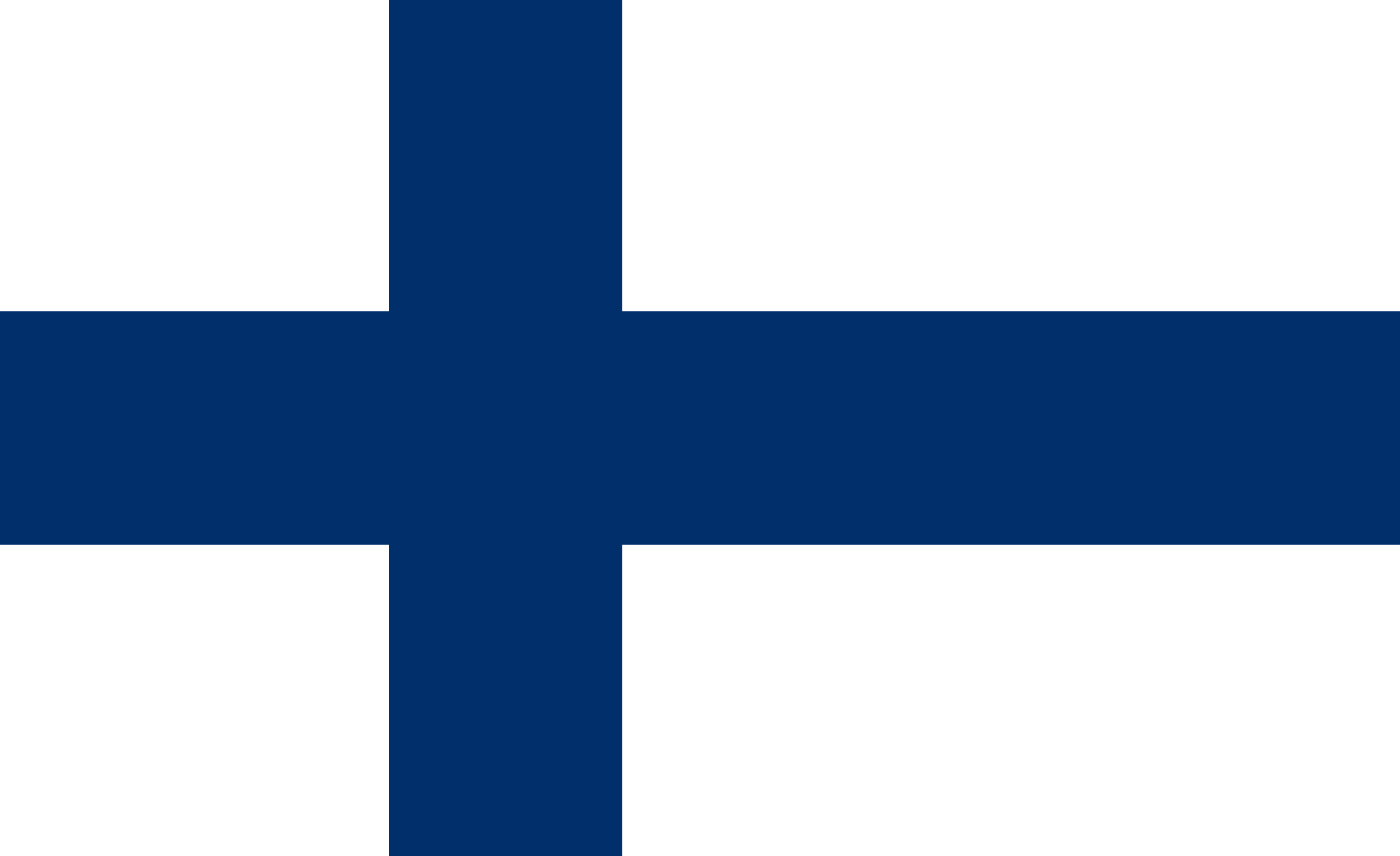
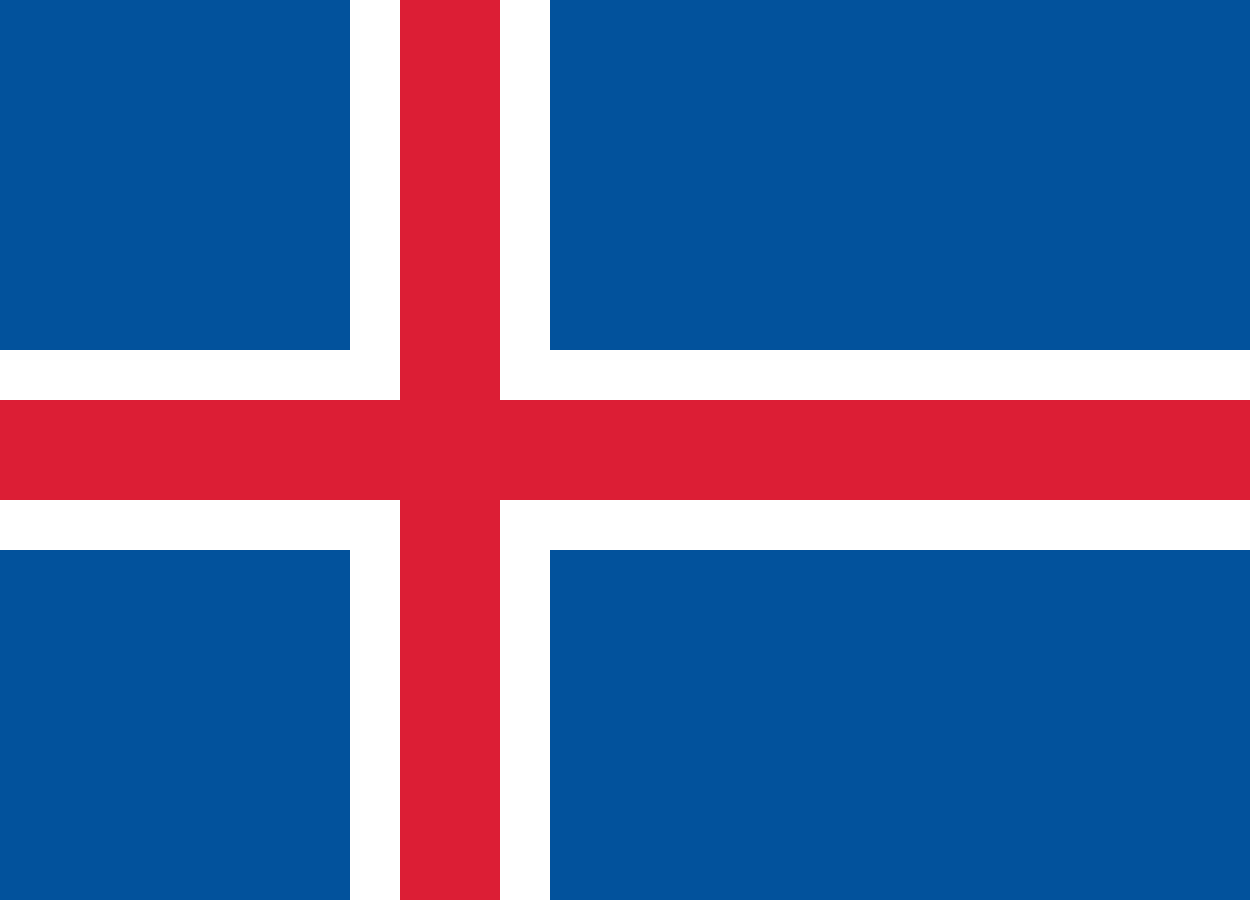
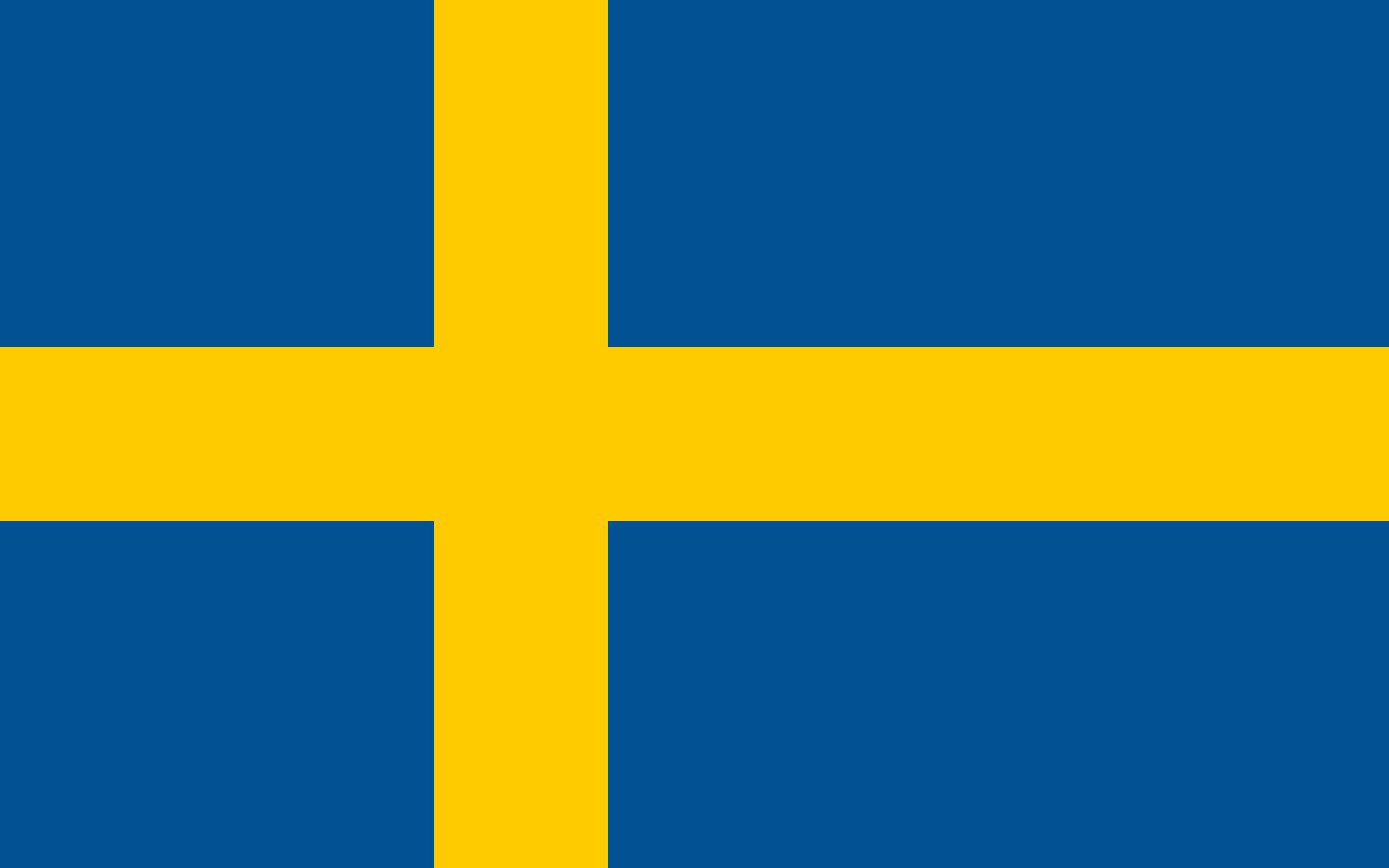
These links cover countries represented in this site’s country database. Any territories, regional governments, observer categories or participation qualifications are discussed above. Counts are not interchangeable.
 Denmark
 Finland
 Iceland
 Norway
 Sweden
Continue exploring
 United Nations
 European Union
 NATO
 Commonwealth of Nations
 African Union
 Arab League
What did you discover?
Take this flag into the quiz
Sources and image credits
This English article draws on the institutional sources listed below. Figures and memberships retain their stated reference dates.
Source record: 2 November 2026. A translation does not change the reference date of a figure or membership list.
- norden.org/en/information/about-nordic-council
- norden.org/en/nordic-council
- pub.norden.org/designmanual-en/logo.html
- norden.org/en/node/57568