East African Community: Flag, History and Membership
The flag of the East African Community combines a blue field with striking stripes of color and a common emblem. The blue officially refers to Lake Victoria and the unity of the partner states. Today, the EAC comprises eight countries. Its current organisational form is based on the 1999 Treaty; it also builds on older East African integration attempts.
Test your knowledge →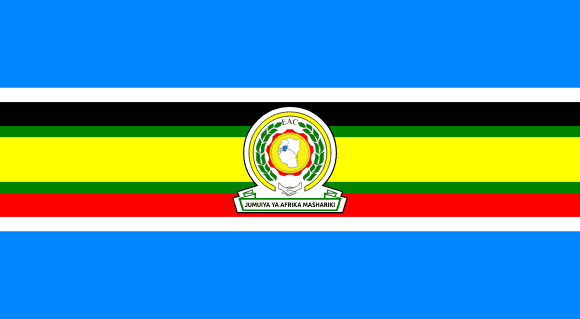
Key facts and distinctions
- Article focus
- International organisation
- Membership record
- 1 November 2026
- Linked country entries
- 8
- List definition
- Country subset of the supplied member record
- Short name
- EAC
- Contract signed
- 30 November 1999
- Treaty in force
- 7 July 2000
- Secretariat
- Arusha, Tanzania
- Partner States
- 8
- DRC acceded
- 2022
- Somalia's eighth member
- 2024
- Blue base field
- Lake Victoria and Unity
- Flag presented
- 1997
Lake Victoria, color stripes and handshake
The flag has a strong blue base field and several narrow horizontal stripes in white, black, green, yellow and red. At the center is the EAC emblem. The official explanation combines the blue with Lake Victoria as a sign of unity; the other colors take up colors of the national flags of the partner states.
The emblem connects a map with the highlighted Lake Victoria, a gear, sheets of leaves and a handshake. Below appears the Kiswahili name Jumuiya ya Afrika Mashariki. The official picture description still speaks of five partner states. This is an indication of the historical status of the sign declaration and not evidence that the Community would still have only five members.
Re-establishment by the 1999 Treaty
The Treaty establishing the present East African Community was signed in Arusha on 30 November 1999. It entered into force on 7 July 2000. The partners had already renewed their cooperation: in 1993 a permanent tripartite commission was established, in 1996 its secretariat began its work in Arusha. The flag was introduced in 1997.
The present community is thus part of a longer development of regional integration. For a correct understanding of time, a distinction must be made between predecessor cooperation, the signing of the founding treaty, its entry into force and the ceremonial opening. A flag image alone does not reveal this sequence. The common symbolism accompanied the integration process even before the new organization became legally effective.
Eight partner states and joint institutions
The eight partner states are Burundi, the Democratic Republic of Congo, Kenya, Rwanda, Somalia, South Sudan, Tanzania and Uganda. The expansion takes the community far beyond the immediate vicinity of Lake Victoria. The Democratic Republic of Congo joined in 2022; Somalia became the eighth member in 2024. An older map in the emblem must therefore be supplemented with a current country overview.
The Secretariat as an executive body is located in Arusha, Tanzania. Institutional structure includes the Summit of Heads of State and Government, the Council of Ministers, the East African Legislative Assembly and the East African Court of Justice. The member states work on regional integration, but remain sovereign states. A common flag here is an organizational sign and not a new national flag.
Details Worth Remembering
A card ages differently than a contract
The official emblem description continues to list five partner states, while the current member page lists eight. Both can relate to different levels of development. For learners, this is a good example of the fact that a historically created sign does not have to be completely redesigned or reexplained at every extension.
Arusha as an institutional centre
Arusha is not only the place of signing the contract. The Community Secretariat is also located there. This combination of historical foundation and ongoing administration makes the city an important geographical anchor. Other facilities of the EAC are in turn distributed among different partner states, which makes regional cooperation spatially visible.
Lake Victoria connects a larger space
The lake remains in the symbol a vivid common reference point, although not all today's members lie directly on it. The motif explains historical connections and an ideal of unity. It is therefore more helpful to learn its symbolic meaning than to derive today’s membership solely from its geographical environment.
The illustrated signs and variants
Countries in the supplied learning record
These links cover countries represented in this site’s country database. Any territories, regional governments, observer categories or participation qualifications are discussed above. Counts are not interchangeable.
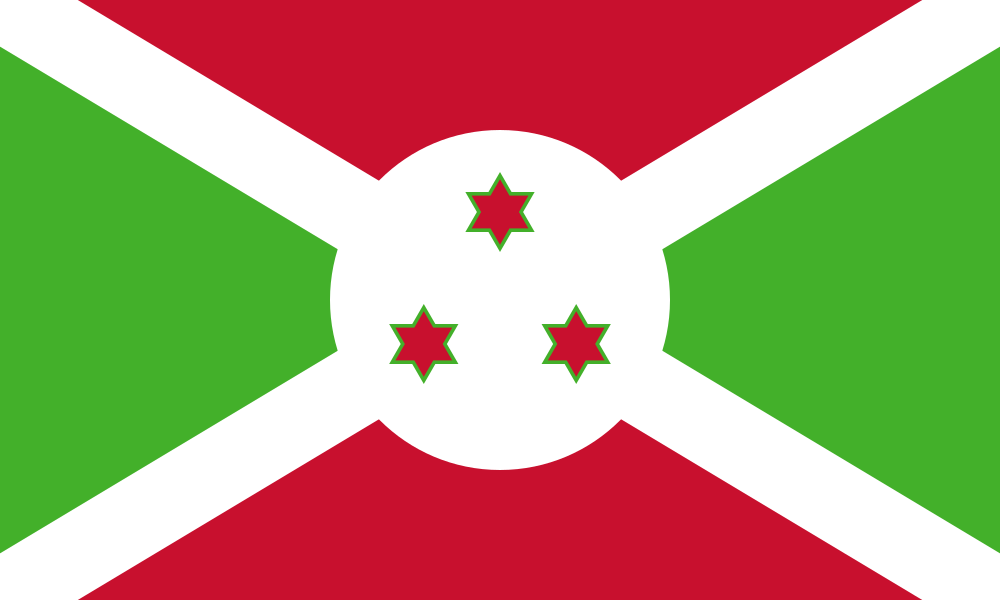 Burundi
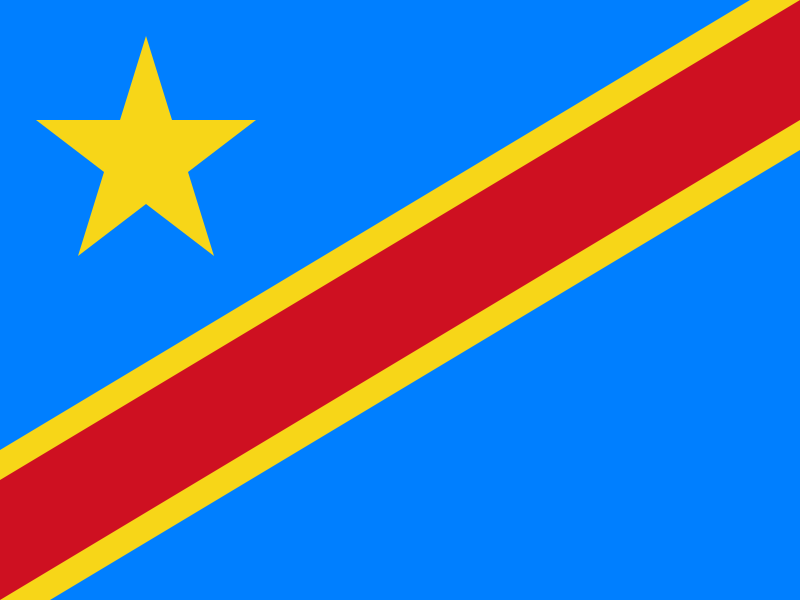 Democratic Republic of the Congo
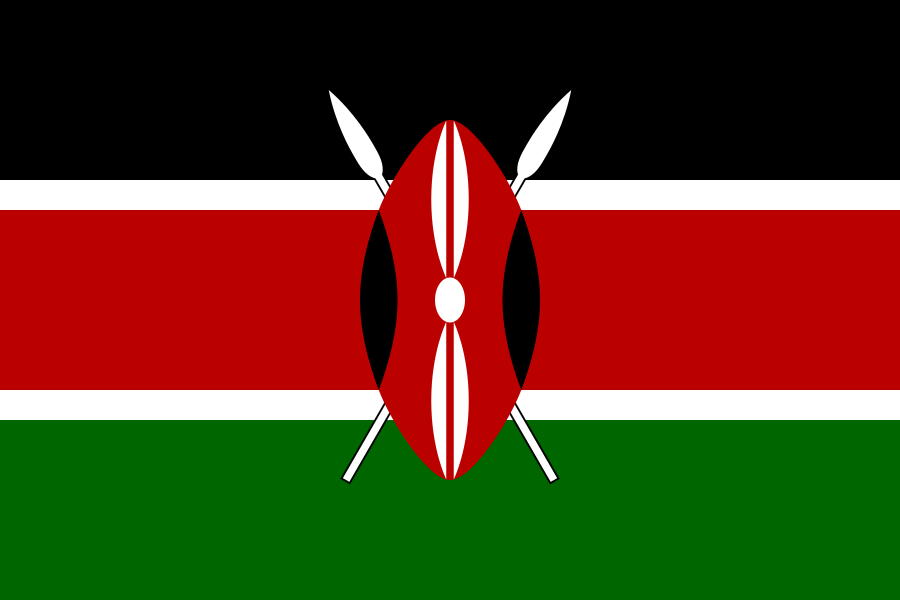 Kenya
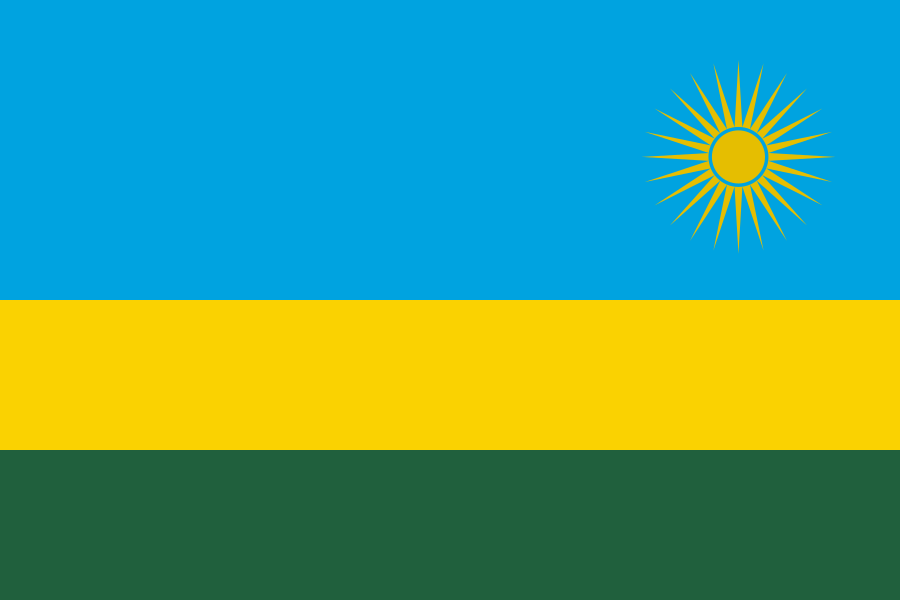 Rwanda
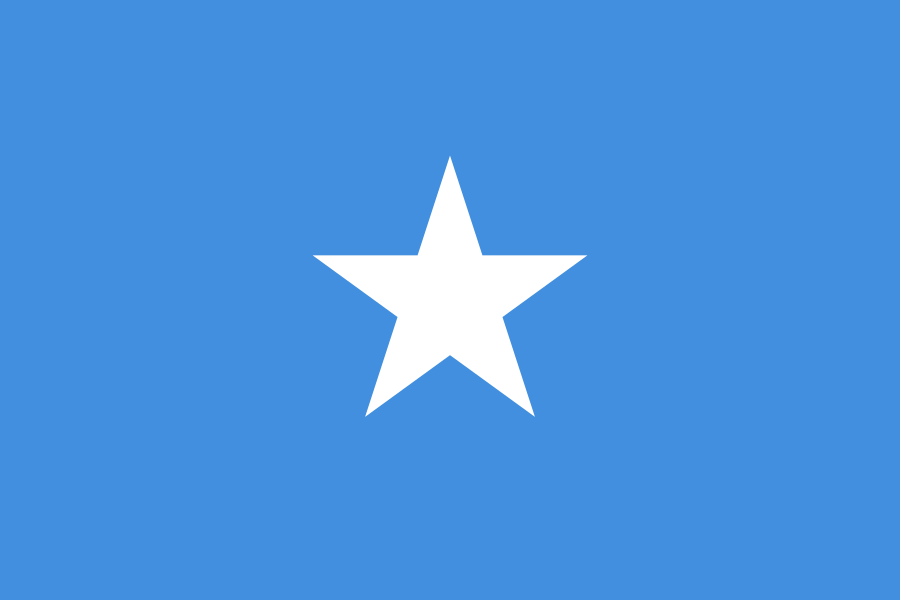 Somalia
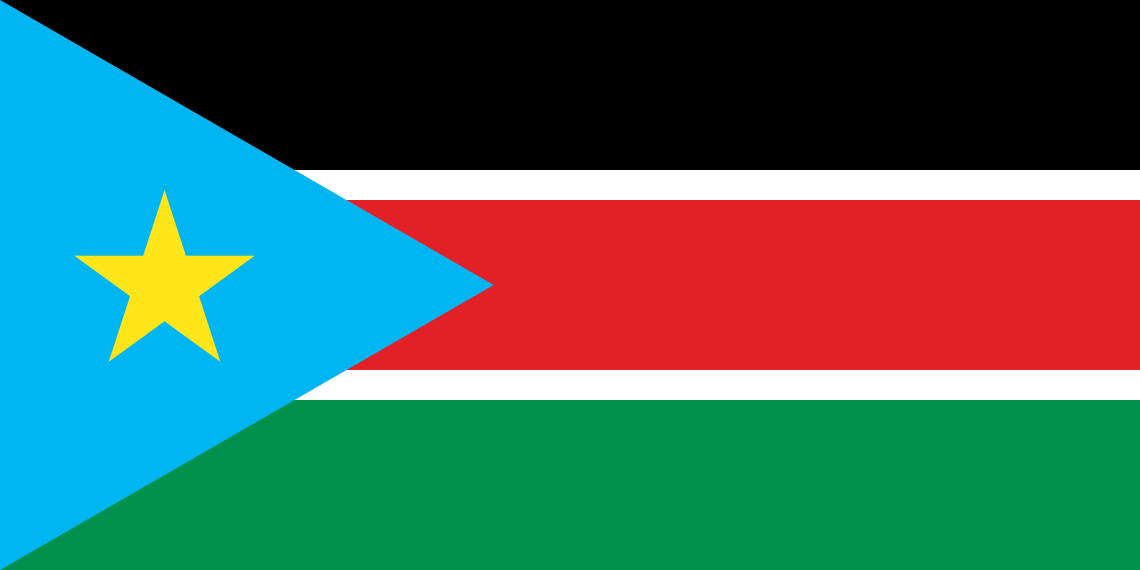 South Sudan
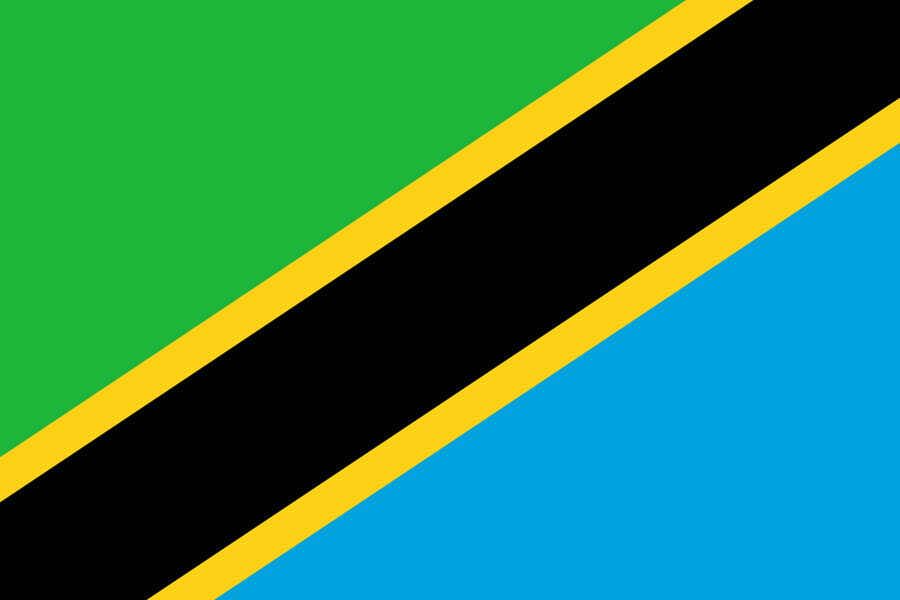 Tanzania
 Uganda
Continue exploring
 United Nations
 European Union
 NATO
 Commonwealth of Nations
 African Union
 Arab League
What did you discover?
Take this flag into the quiz
Sources and image credits
This English article draws on the institutional sources listed below. Figures and memberships retain their stated reference dates.
Source record: 2 November 2026. A translation does not change the reference date of a figure or membership list.