Organization of Turkic States: Flag, History and Membership
The Organization of Turkic States connects five full members through political, economic and cultural cooperation. Their 2024 adopted flag shows on turquoise ground a white sun sign with crescent moon, star and geometric bezel. It follows the flag of the former Turkish Council. Observers such as Hungary or Turkmenistan do not belong to the same membership circle as the five full members.
Test your knowledge →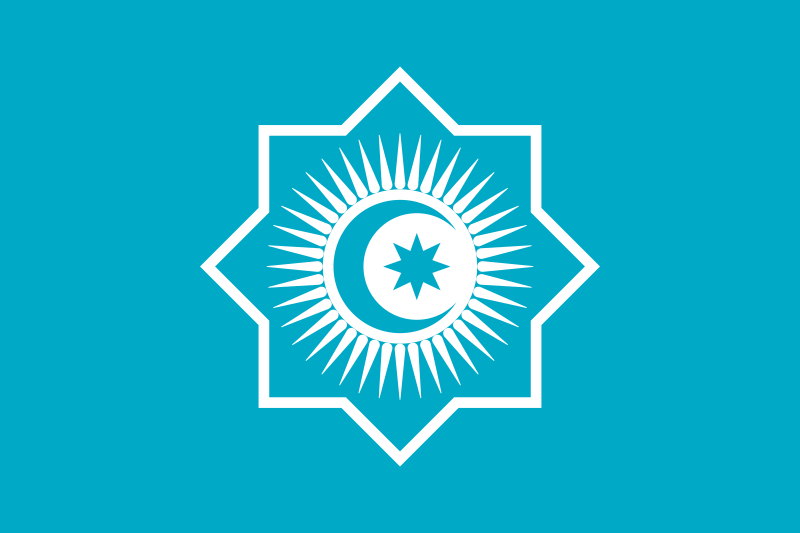
Key facts and distinctions
- Article focus
- International organisation
- Membership record
- 1 November 2026
- Linked country entries
- 5
- List definition
- Country subset of the supplied member record
- Short name
- OTSC
- Origin agreements
- Nakhchivan, 3 October 2009
- Today's name since
- 12 November 2021
- Secretariat
- Istanbul
- Full members
- 5
- New flag adopted
- 6 November 2024
- Flag acceptance location
- Bishkek
- Highest decision-making body
- Council of Heads of State
The new flag of 2024
The illustrated version has a turquoise base and a white central motif. A radiant sun surrounds the crescent moon and star; on the outside there is a striking geometric border with eight outwardly directed tips. This form distinguishes the new flag from older representations of the Turkish Council. For a reliable comparison, the year of the respective template must therefore be known.
The Council of Heads of State adopted the flag in Bishkek on 6 November 2024. The official declaration combines the decision with common origin and the goal of a more uniform visual identity of the Turkish cooperation organizations. It also refers to coordinated minutes of a meeting of foreign ministers on 22 August 2012. This earlier date is not the acceptance date of the new version shown here.
From Nakhchivan to Istanbul
The institutional basis was established by the Nakhchivan Agreement of 3 October 2009. Initially, the establishment was called the Cooperation Council of Turkic-speaking states, often called the Turkish Council. On 12 November 2021, it was named the Organization of Turkic States. The renaming and the later new flag are thus two separate steps in the development of the same cooperation.
The Secretariat is located in Istanbul. The organisation builds on common linguistic, cultural and historical relations, but pursues a broad intergovernmental cooperation. Its name should not be understood as a single state or as a statement that all Turkic-speaking populations are represented by an identical political system. Institutional membership remains a concrete state decision.
Five members and separate observers
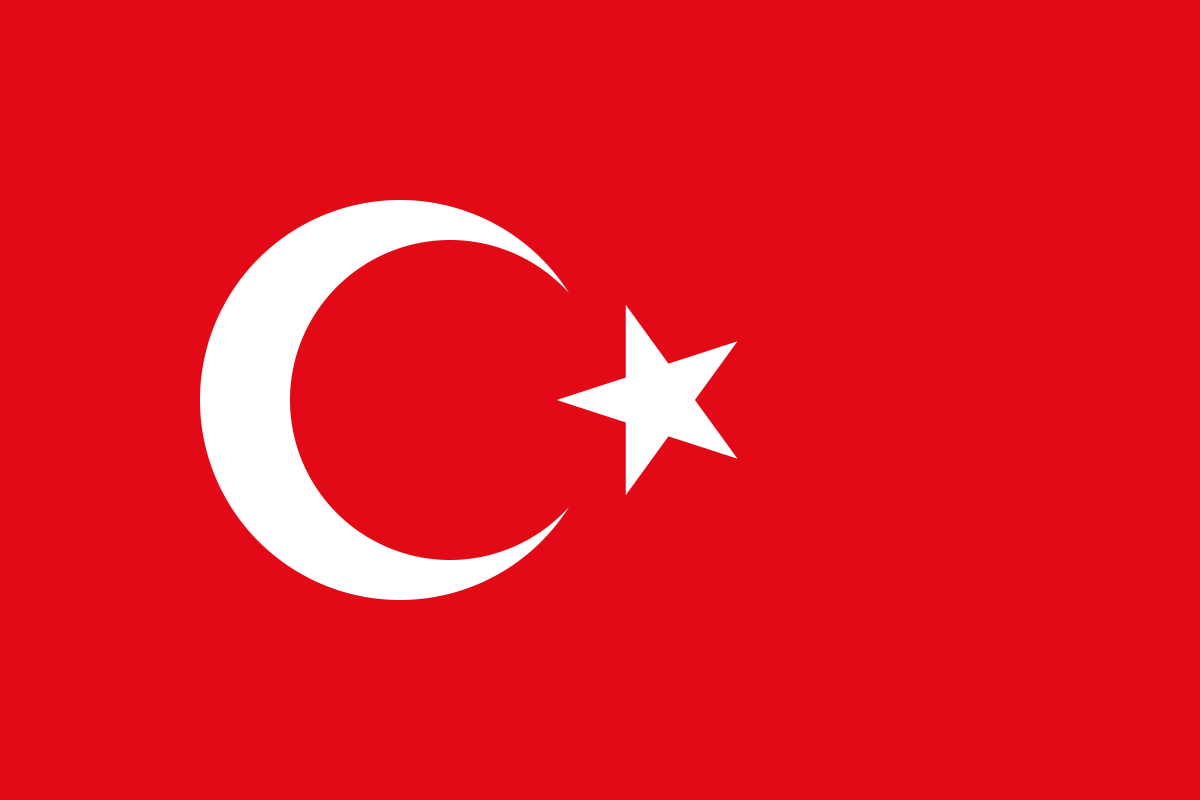
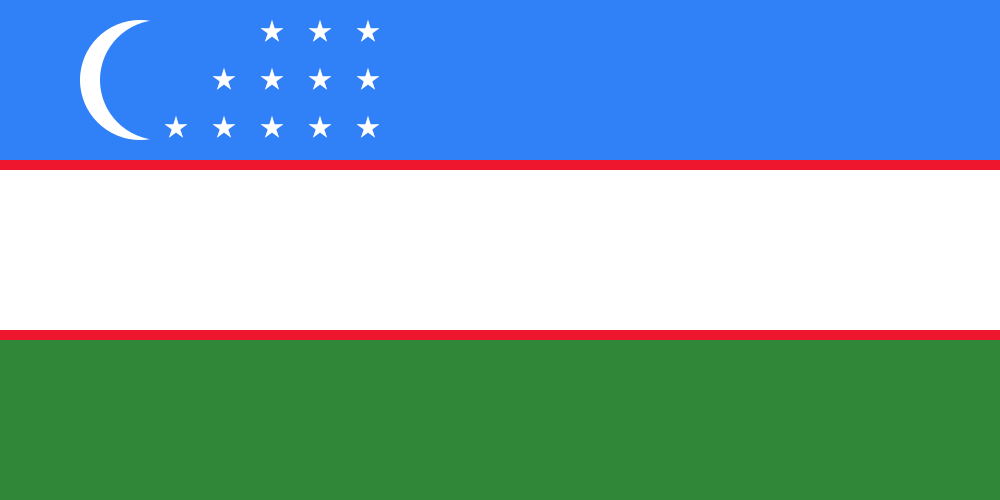
Full members are Azerbaijan, Kazakhstan, Kyrgyzstan, Turkey and Uzbekistan. The official organisational overview also includes Hungary, Turkmenistan and the Turkish Republic of Northern Cyprus, which is only recognised by Turkey, as observers; the Organisation for Economic Cooperation also has observer status. These categories must be clearly separated, especially when a learning question explicitly asks for Member States.
The most important decision-making body is the Council of Heads of State. Other bodies are the Council of Foreign Ministers, the Council of Elders, the Committee of Senior Officials and the Secretariat. In addition, the organisation is linked to institutions for culture, science, parliamentary cooperation and economic exchange. A common visual identity should make these relationships visible without legally equating the various institutions.
Details Worth Remembering
Observers are not full members
Hungary and Turkmenistan regularly appear in the organization’s environment. However, their participation does not make them two additional full members. The official structure explicitly distinguishes both categories. This is especially important because photos of joint summits often show a larger political round than the actual list of members.
2021 and 2024 answer different questions
Today's organization name was adopted in 2021, the flag shown here in 2024. A picture from the time of the Turkish Council can therefore continue to appear in historical sources without being a current template. Those who learn the name and the design year together can classify old and new representations more easily.
Common identity has several levels
Language and culture are an important reference, but the organization operates through concrete bodies and agreements. The Council of Elders supplements the usual intergovernmental bodies with a special advisory element. The flag encapsulates the claim of common solidarity; it does not replace national symbols or the political decision-making procedures of the Member States.
The illustrated signs and variants
Countries in the supplied learning record
These links cover countries represented in this site’s country database. Any territories, regional governments, observer categories or participation qualifications are discussed above. Counts are not interchangeable.
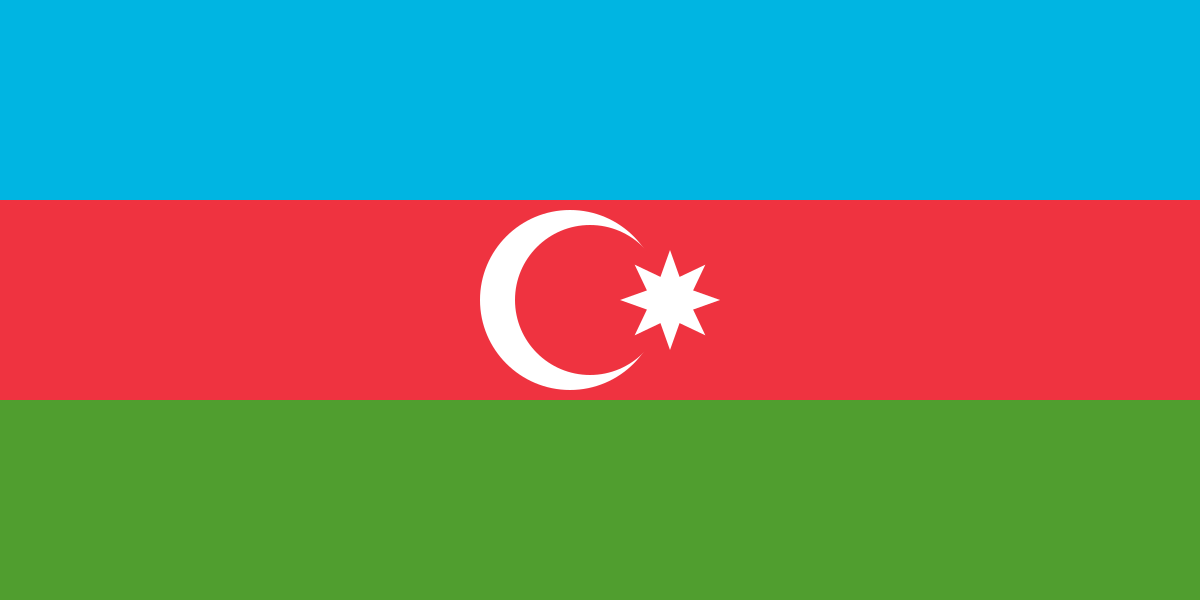 Azerbaijan
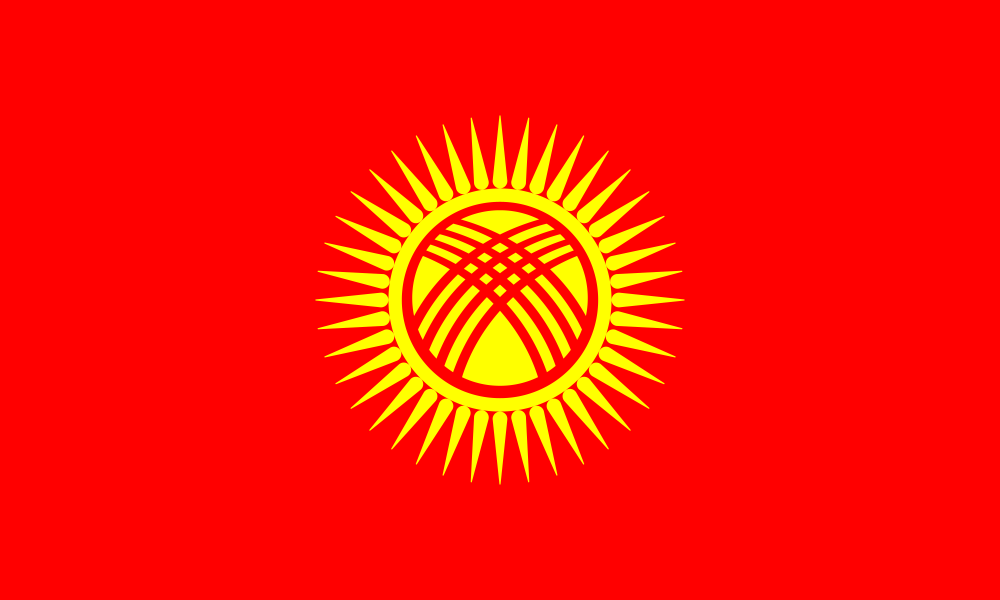 Kyrgyzstan
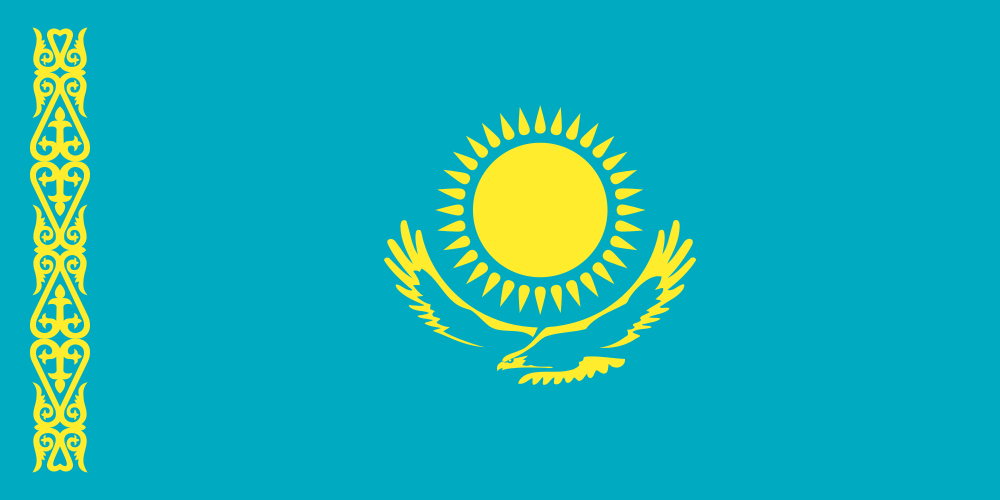 Kazakhstan
 Türkiye
 Uzbekistan
Continue exploring
 United Nations
 European Union
 NATO
 Commonwealth of Nations
 African Union
 Arab League
What did you discover?
Take this flag into the quiz
Sources and image credits
This English article draws on the institutional sources listed below. Figures and memberships retain their stated reference dates.
Source record: 2 November 2026. A translation does not change the reference date of a figure or membership list.
- turkicstates.org/en/organization-chart
- turkicstates.org/en/flag-and-emblem
- mfa.gov.tr/turk-konseyi-en.en.mfa
- turkicstates.org/en/areas-of-cooperation-detail/1-political-cooperation