Gulf Cooperation Council: Flag, History and Membership
The green flag of the Gulf Cooperation Council bears a round emblem with Arabic script and a map of the Arabian Peninsula. The GCC connects six states on the Gulf and Peninsula. His joint work ranges from political issues to economic and social coordination. The geographical name is further than the actual membership: not every neighbouring country belongs to the Council.
Test your knowledge →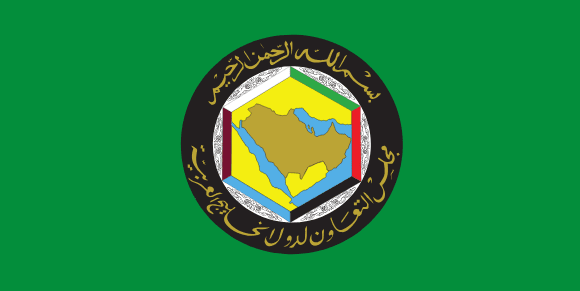
Key facts and distinctions
- Article focus
- International organisation
- Membership record
- 1 November 2026
- Linked country entries
- 6
- List definition
- Country subset of the supplied member record
- Official English name
- Cooperation Council for the Arab States of the Gulf
- Common abbreviation
- GCC
- Date of establishment
- 25 May 1981
- Place of establishment
- Abu Dhabi, United Arab Emirates
- General Secretariat
- Riyadh, Saudi Arabia
- Number of members
- Six; tested on 1 November 2026
- Members
- Bahrain, Qatar, Kuwait, Oman, Saudi Arabia, United Arab Emirates
- Flag motif
- Map emblem with Arabic typeface on green cloth
Map and Arabic in the round emblem
The existing picture shows a green background. In the middle is a circular sign with a dark outer ring and gold-colored Arabic inscription. A hexagonal frame surrounds the inner card field. There, the yellow land area stands out against the blue water. The map makes the regional reference immediately visible, while the outer ring names the organization linguistically.
The official download area of the General Secretariat provides the GCC logo. This proves the institutional use of the sign; however, this page does not provide a reliable explanation of all colors and geometrical details. For flag learning, it is possible to record without additional interpretations: green cloth, round typeface and a hexagonally framed card picture together form the unmistakable arrangement.
Six states sign in 1981 in Abu Dhabi
The Charter of the Cooperation Council was signed in Abu Dhabi on 25 May 1981. This was preceded by a meeting of foreign ministers in Riyadh on 4 February 1981. The six participating States shall constitute the members of the Council in accordance with Article 5. The founding place and later seat of the General Secretariat should therefore not be confused: the signature took place in the United Arab Emirates, the central administration is located in Saudi Arabia.
The Charter identifies coordination, integration and links in various areas as common objectives. It provides, inter alia, for the Supreme Council, the Council of Ministers and the General Secretariat. The Supreme Council shall consist of the Heads of State. Substantive decisions shall require the approval of all participating members. These rules make it clear that common institutions are based on intergovernmental coordination and that the Member States remain as separate political entities.
Delineate the six members
The audited status includes Bahrain, Qatar, Kuwait, Oman, Saudi Arabia and the United Arab Emirates in the GCC. Membership is limited to these six states. Iran, Iraq and Yemen are not among them. A situation on the Gulf or the Arabian Peninsula is therefore not enough to answer a member question. The decisive factor is the institutional list.
Cooperation shall cover economic, social and cultural issues as well as political coordination. Common tasks can arise, for example, in transport, trade or technical rules. The flag marks the regional level and does not replace a national flag. At a meeting, therefore, the common green cloth and the national flags can appear side by side without this resulting in a single state or an identical position on every substantive issue.
Details Worth Remembering
Six members are not a geographical group
The map explains the regional focus, but it is not a color-reliable membership check for every neighboring country. Iran, Iraq and Yemen in particular should not be automatically added in the name of the Council. For a safe answer, the set group of six must be learned.
Abu Dhabi and Riyadh fulfill different roles
The two city names belong to different parts of the organizational history. Abu Dhabi designates the place where the Charter was signed, Riyadh designates the seat of the General Secretariat and the location of the preparatory meeting of Foreign Ministers. The distinction is a good example of why the place of establishment and the administrative headquarters are not necessarily identical.
A common sign for different fields of work
The GCC emblem meets at summits as well as in the context of practical regional cooperation. Its recurring form makes the common carrier visible. Which specific rule or project is meant, however, can only be read from the respective document or occasion; the flag provides an institutional framework for this.
The illustrated signs and variants
Countries in the supplied learning record
These links cover countries represented in this site’s country database. Any territories, regional governments, observer categories or participation qualifications are discussed above. Counts are not interchangeable.
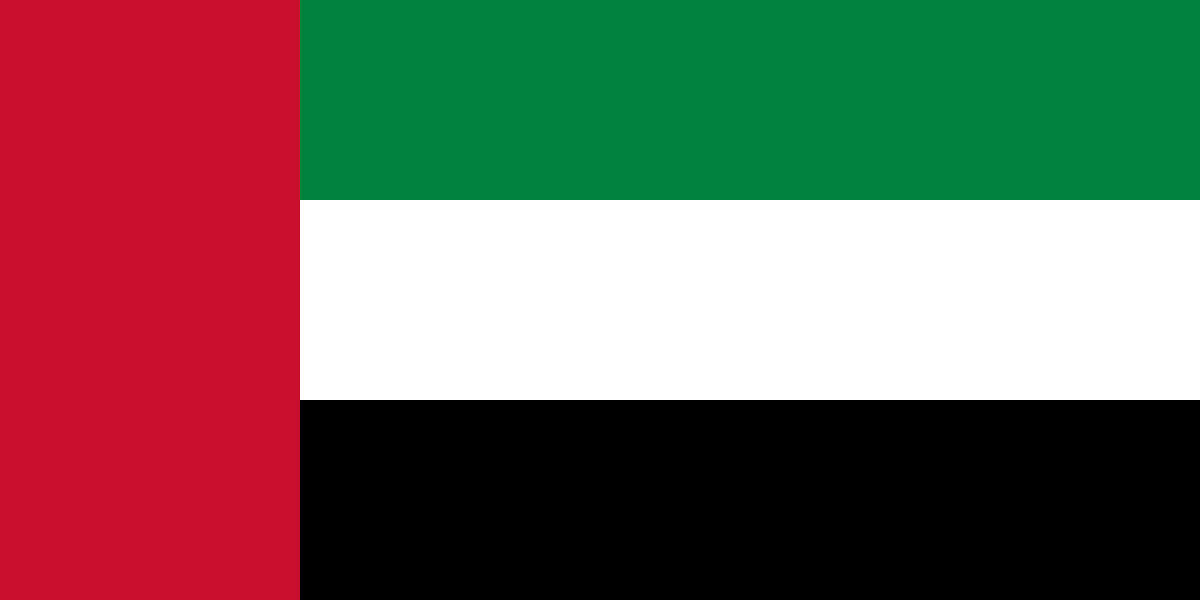 United Arab Emirates
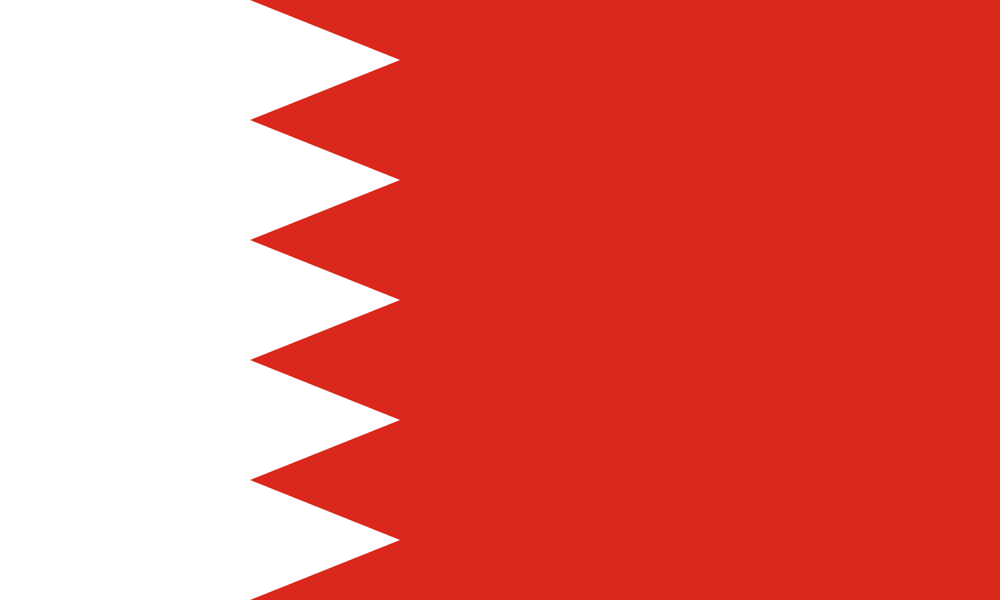 Bahrain
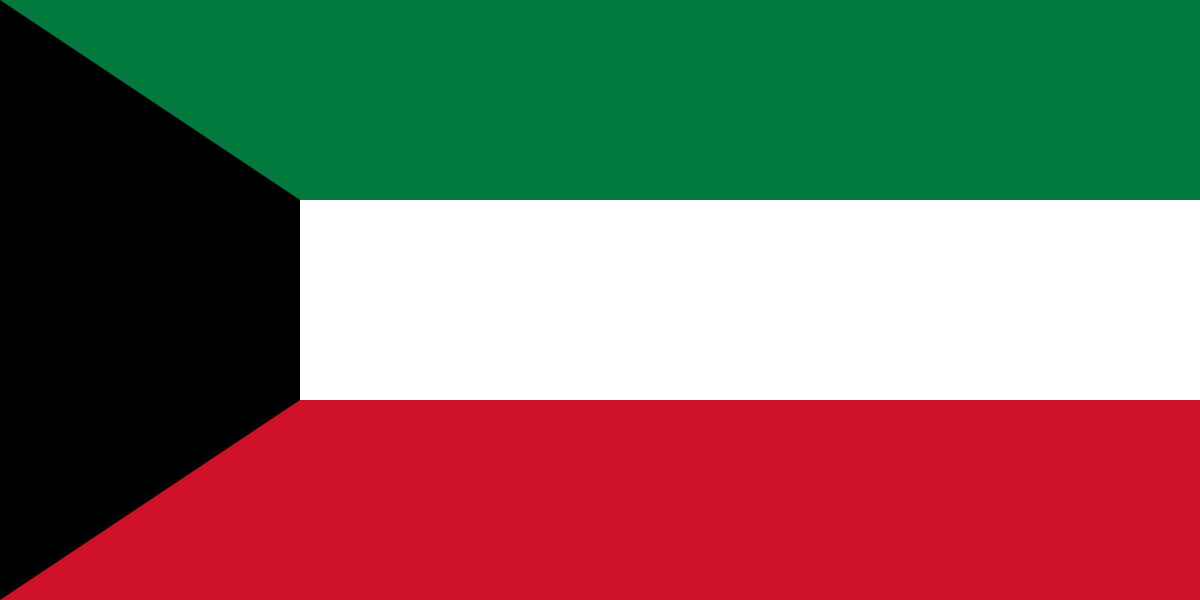 Kuwait
 Oman
 Qatar
 Saudi Arabia
Continue exploring
 United Nations
 European Union
 NATO
 Commonwealth of Nations
 African Union
 Arab League
What did you discover?
Take this flag into the quiz
Sources and image credits
This English article draws on the institutional sources listed below. Figures and memberships retain their stated reference dates.
Source record: 2 November 2026. A translation does not change the reference date of a figure or membership list.
- gcc-sg.org/en/AboutUs/Pages/default.aspx
- gcc-sg.org/en/MediaCenter/DigitalLibrary/Documents/1274260830.pdf
- gcc-sg.org/en/AboutUs/MemberStates/Pages/default.aspx
- gcc41.org/downloads
- gcc-sg.org/en/Pages/default.aspx
- gcc-sg.org/en/AboutUs/Pages/PrimaryLaw.aspx