OPEC: Flag, History and Membership
The OPEC flag shows four white, interconnected letterforms on a light blue background. Behind this stands an organization of oil exporting states that has existed since 1960. One date is particularly important for membership: the United Arab Emirates announced their withdrawal on 1 May 2026. The list used here therefore covers eleven members as of November 2026.
Test your knowledge →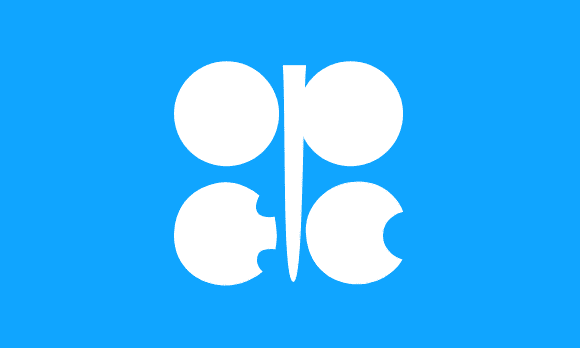
Key facts and distinctions
- Article focus
- International organisation
- Membership record
- 1 November 2026
- Linked country entries
- 11
- List definition
- Country subset of the supplied member record
- Establishment
- September 1960 in Baghdad
- Founding Members
- 5
- First Secretariat seat
- Geneva
- seat since September 1965
- Vienna
- Logo design
- Gertrude Svoboda, 1969
- List of this quiz
- 11 members, as of 01.11.2026
- UAE exit according to dated state sources
- Effective on 1 May 2026
- OPEC+
- Extended cooperation with non-members
A letter mark instead of a map
The emblem makes up the letters O, P, E and C from strongly rounded white shapes. On the flag, these forms stand without additional land coat of arms or star ring in front of a light blue field. As a result, OPEC differs visually from organisations whose signs represent member countries individually by stars or national flags.
The designer Gertrude Svoboda won an international competition for the sign in 1969. The official story explicitly highlights the connection of the letters to a rounded overall shape. This does not demonstrate the additional political significance of each rounding. Rather, the unusual typography and the strong light-dark contrast are decisive for the recognition.
From Baghdad via Geneva to Vienna
From 10 to 14 September 1960, representatives of Iran, Iraq, Kuwait, Saudi Arabia and Venezuela met in Baghdad and founded the organization. These five states form the circle of founding members. The first secretariat was in Geneva; on September 1, 1965, the move to Vienna took place.
The establishment responded to the position of oil producers vis-à-vis international oil companies and to questions of crude oil prices. The organisation should allow for a common representation of interests. Their claim to coordination of oil policy combines economic goals with the state’s disposal of natural resources. Membership is therefore neither purely geographically nor tied to a single region of the world.
Members, withdrawals and OPEC+
OPEC and OPEC+ refer to different circles. The extended cooperation also includes producers who are not OPEC members. A state can therefore appear in news about joint funding agreements without belonging to the membership requested here. The plus sign for a member quiz is not a mere stylistic addition, but a factually important distinction.
The composition changed several times: Qatar left in 2019, Ecuador in 2020 and Angola in 2024. For the Emirates, dated state sources document the exit to May 2026. The official OPEC overview page, on the other hand, continues to name twelve countries, including the Emirates. This contradiction must be disclosed in historical comparisons; an undated number alone is not sufficient here.
Details Worth Remembering
A transcontinental founding group
With Venezuela, a South American state was involved from the beginning. OPEC cannot therefore be described as an exclusively Arab or exclusively Middle Eastern organization. Already their founding connected countries of different regions through a common economic interest in exporting and shaping their oil economy politically.
A source may become obsolete
The official directory of members and dated exit messages can temporarily provide different numbers. Here, the eleventh number of the stored snapshot with the explicitly named exit date is explained. This at the same time conveys a general readership: In the case of changing organizations, the source status and temporal reference are always included in the number.
The logo does not count members
The four large white elements belong to the advertised abbreviation OPEC. They represent neither four continents nor four founding states. Unlike Starrings, the number of basic graphical shapes is therefore not a reliable way to determine the membership or size of an organization.
The illustrated signs and variants
Countries in the supplied learning record
These links cover countries represented in this site’s country database. Any territories, regional governments, observer categories or participation qualifications are discussed above. Counts are not interchangeable.
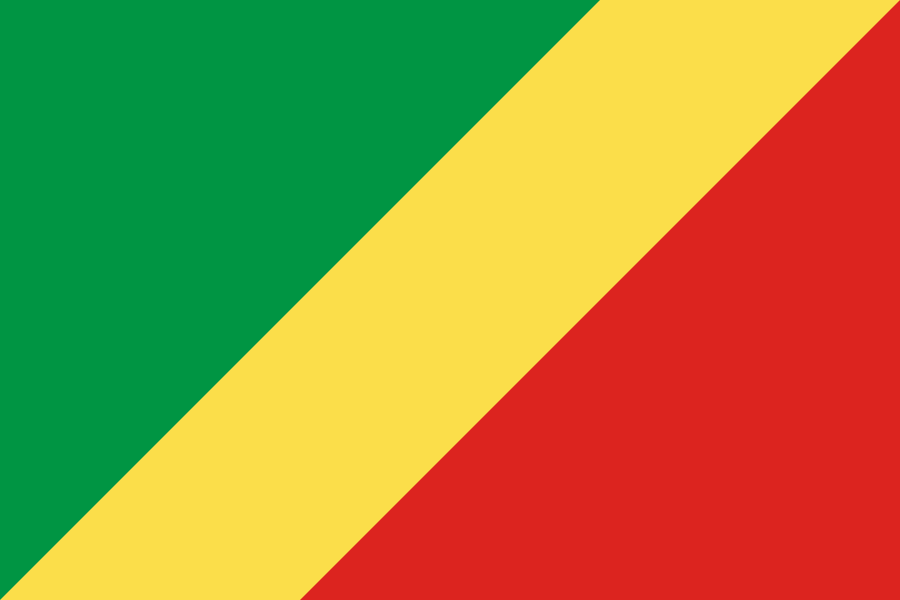 Republic of the Congo
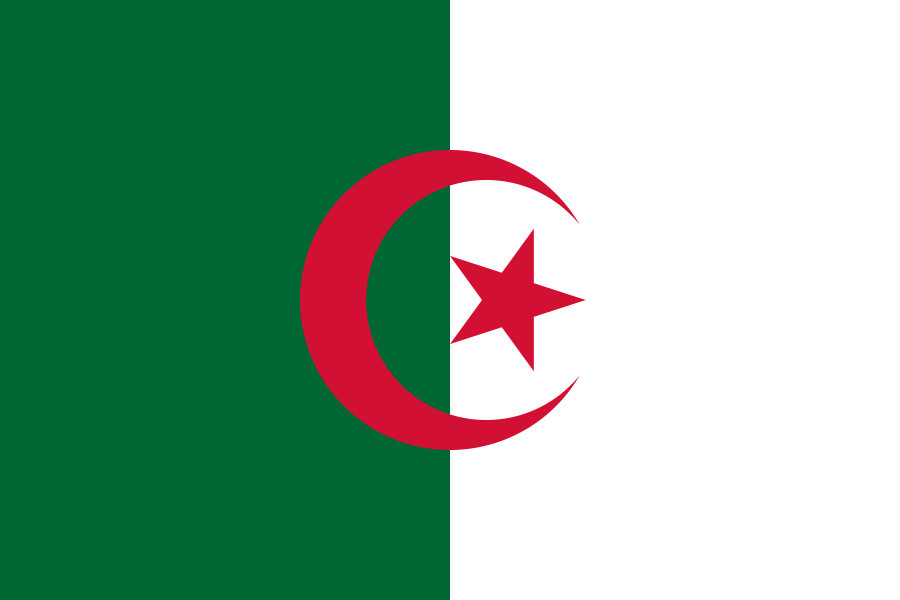 Algeria
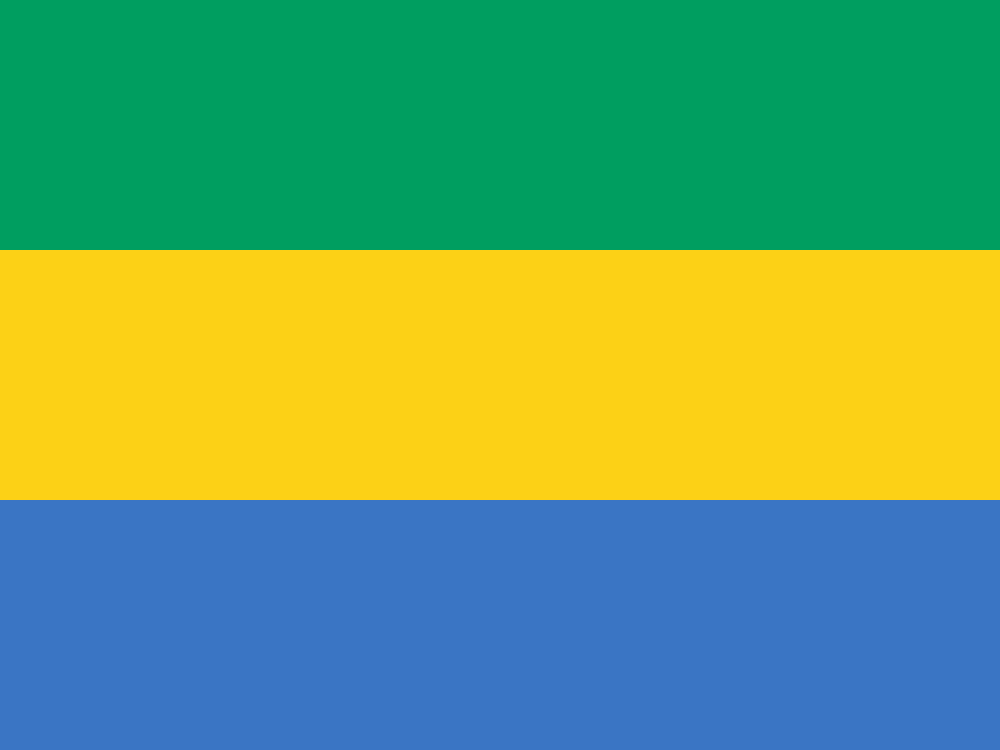 Gabon
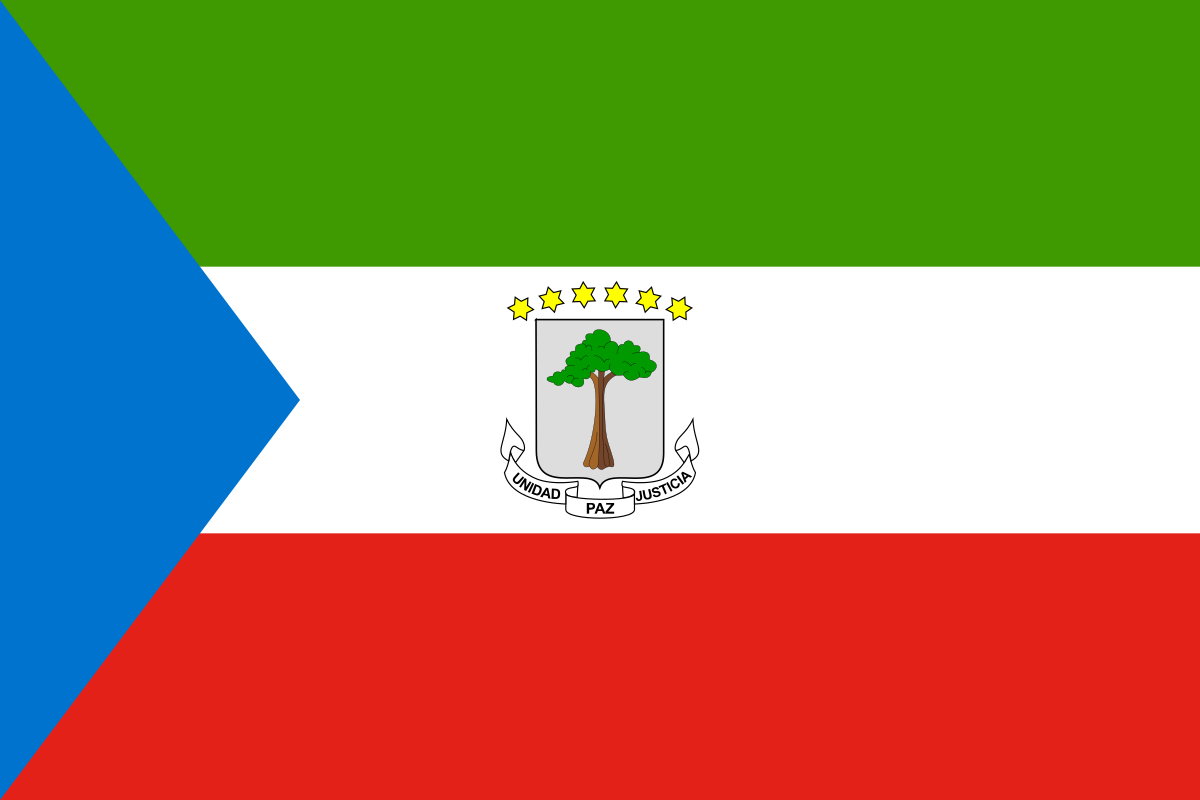 Equatorial Guinea
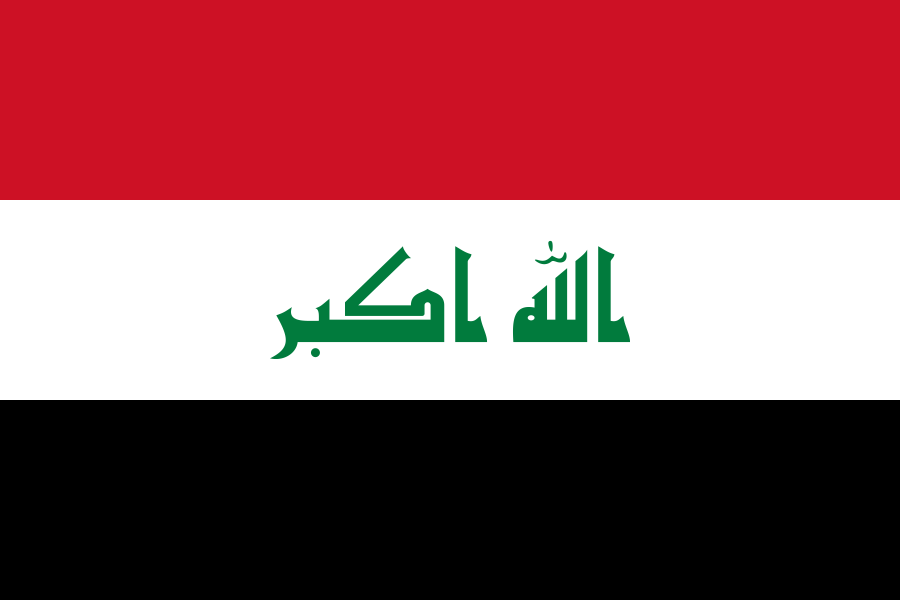 Iraq
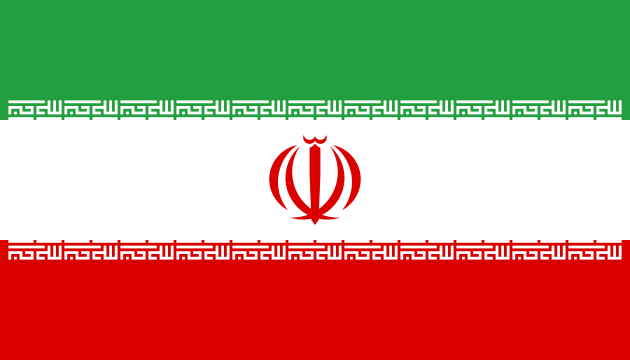 Iran
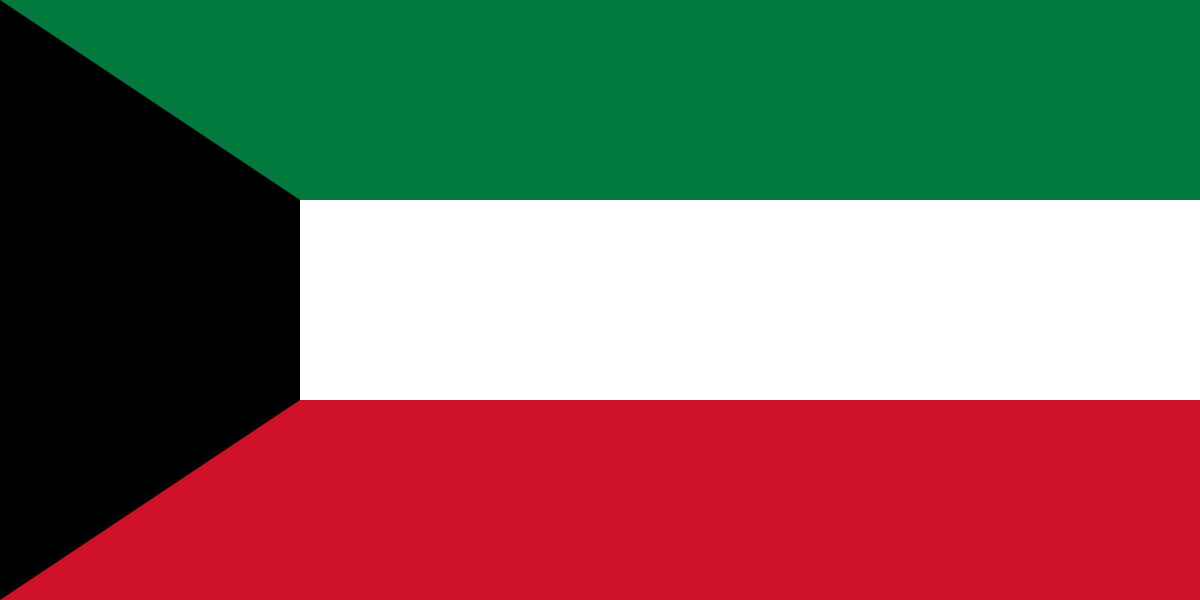 Kuwait
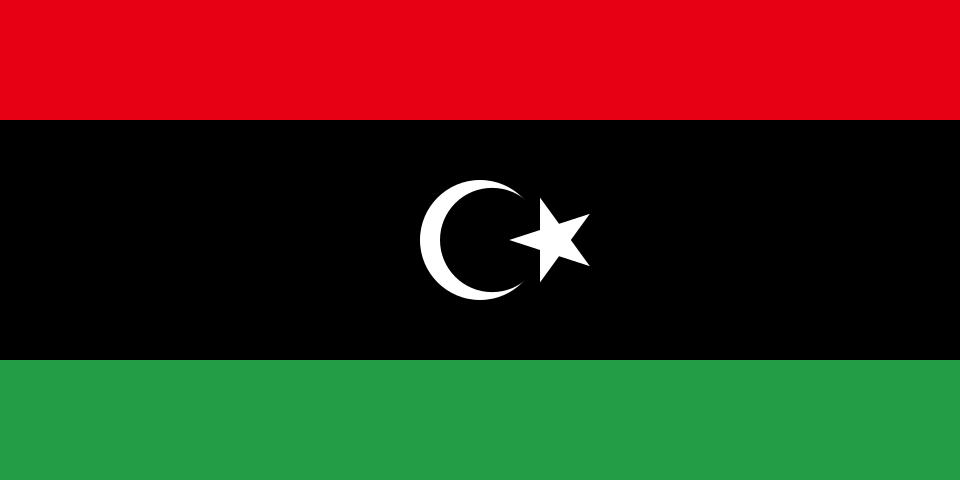 Libya
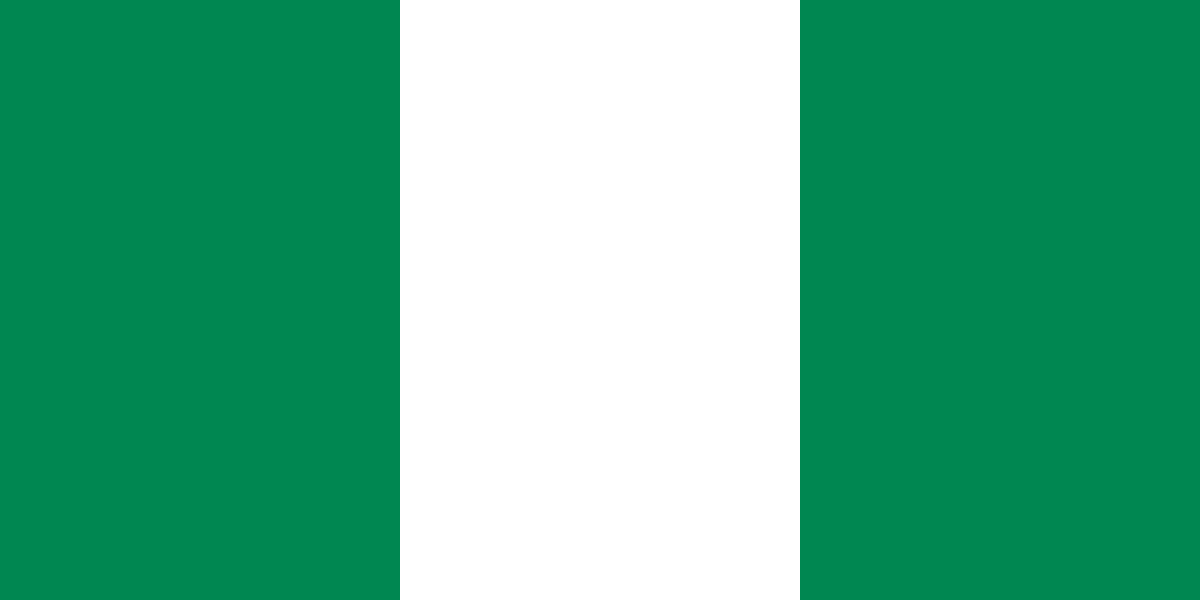 Nigeria
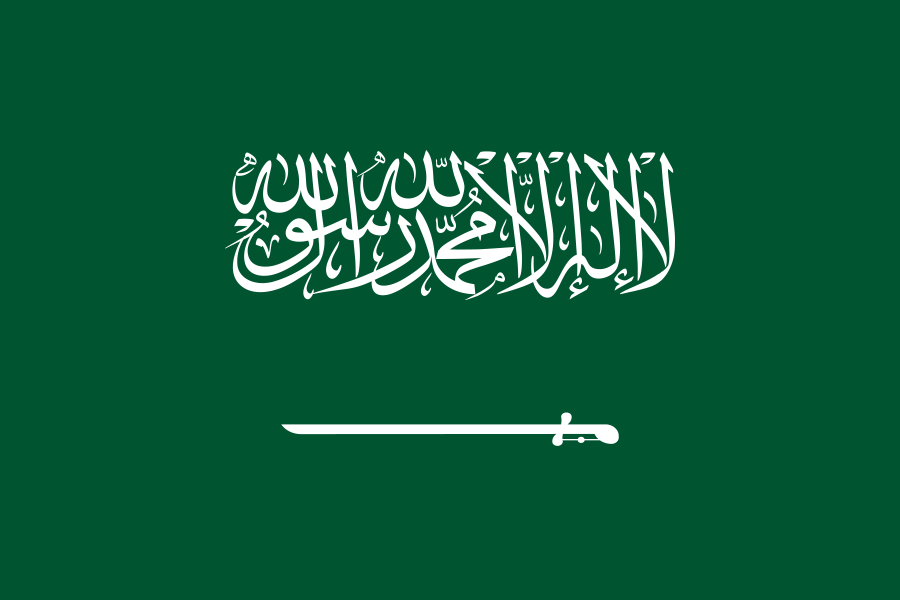 Saudi Arabia
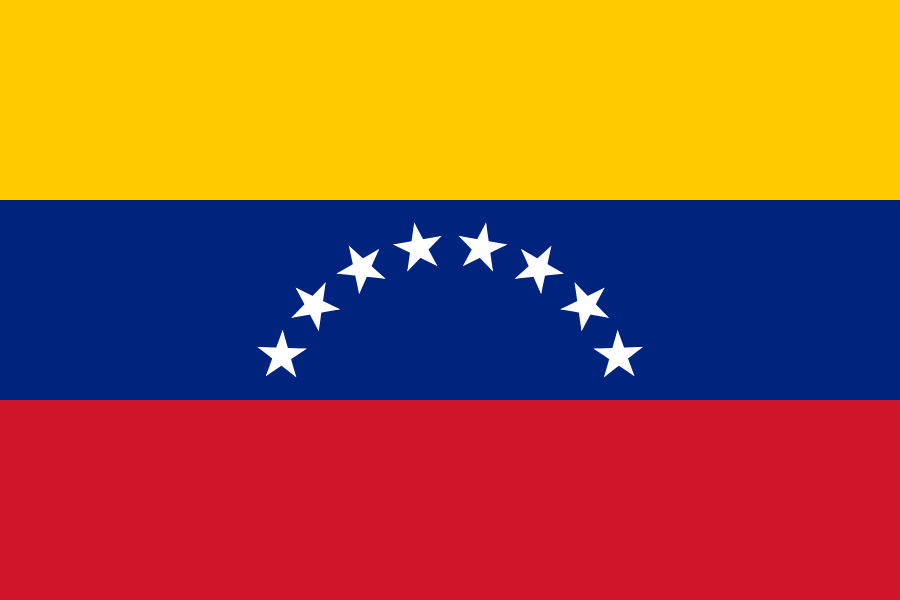 Venezuela
Continue exploring
 United Nations
 European Union
 NATO
 Commonwealth of Nations
 African Union
 Arab League
What did you discover?
Take this flag into the quiz
Sources and image credits
This English article draws on the institutional sources listed below. Figures and memberships retain their stated reference dates.
Source record: 2 November 2026. A translation does not change the reference date of a figure or membership list.
- opec.org/assets/assetdb/children-book-english-1.pdf
- opec.org/pr-detail/18-14-sep-2024.html
- opec.org/member-countries.html
- eia.gov/todayinenergy/detail.php
- mofa.go.jp/mofaj/gaiko/energy/opec/opec.html