Caribbean Community: Flag, History and Membership
The flag of the Caribbean Community connects sky, sea and sun with two interlocking letters. It stands for a cooperation that extends beyond islands: Belize, Guyana and Suriname are also among them. The total of 15 full members also include Montserrat, a British overseas territory. This peculiarity explains why a mere list of independent states falls short.
Test your knowledge →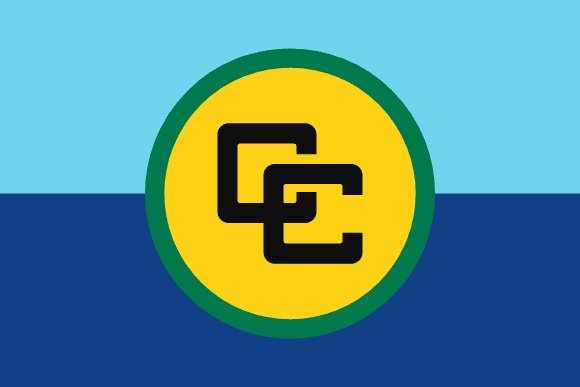
Key facts and distinctions
- Article focus
- International organisation
- Membership record
- 1 November 2026
- Linked country entries
- 14
- List definition
- Country subset of the supplied member record
- Short name
- CARICOM
- Founding Treaty
- Chaguaramas, July 4, 1973
- Entry into force
- 1 August 1973
- Full members
- 15, including Montserrat
- Independent full members
- 14 States
- Flag design approved
- July 1983
- First hoisting
- Nassau, July 1984
- Central sign
- Two interlocking C
Sky, Sea and Broken Chain Link
The upper light blue area represents the sky, the lower dark blue the Caribbean Sea. In the middle is a yellow sun, surrounded by a narrow green ring for the vegetation of the region. The black of the sign stands out clearly from this luminous disc.
The emblem consists of two interlocking C. At the same time, the organization describes them as interrupted chain links: they connect the idea of common unity with the break with the colonial past. Anyone who recognizes only two initials thus overlooks an essential part of the explicitly explained symbolism of this flag.
From treaty to common identity
The Treaty of Chaguaramas was signed on 4 July 1973 by Barbados, Guyana, Jamaica and Trinidad and Tobago. It entered into force on 1 August of the same year. CARICOM followed on from previous attempts at regional cooperation, including the Caribbean Free Trade Association CARIFTA and the short-lived West Indies Federation.
The common standard followed later. The heads of government approved their draft in July 1983 in Port of Spain. It was designed by WINART Studies from Georgetown in Guyana. It first blew at the next summit in July 1984 in Nassau in the Bahamas. Founding and flag premiere are therefore different dates.
Full membership and graduated cooperation
The Community combines economic integration with common foreign policy and practical cooperation. The revised Treaty provided the framework for the further development of a common market and a common economy. A common symbol does not mean either a Caribbean unitary state or that each member is involved in every step of integration in an identical way.
The circle of full members includes 14 independent countries and Montserrat. In addition, there are associated memberships with other rights. The official presentation expressly distinguishes between participation and voting rights of full members as well as the special opportunities for participation of associates. For the member quiz, the respective category is therefore crucial, not only the geographical proximity to the Caribbean.
Details Worth Remembering
A Community with mainland countries
The name Caribbean Community is easy to think exclusively of island states. However, Belize in Central America and Guyana and Suriname on the South American coast show that regional affiliation also comes from history, economic connections and political cooperation. The sea color on the flag describes a common space, not a restriction on islands.
Order Montserrat correctly
Montserrat counts as a full member, although it is not an independent state. When comparing with a world map of sovereign countries, therefore, a difference appears to arise. The organization counts members while a country quiz may use another population. Both numbers must be read with their respective definitions.
A flag with two time levels
The flag is at the same time a reminder of historical liberation and future cooperation. The broken chain links refer to colonial ties, their connection to voluntary unity. This makes the emblem more than a letter mark and provides a clear explanation for why symbols of an organization can combine several statements.
The illustrated signs and variants
Countries in the supplied learning record
These links cover countries represented in this site’s country database. Any territories, regional governments, observer categories or participation qualifications are discussed above. Counts are not interchangeable.
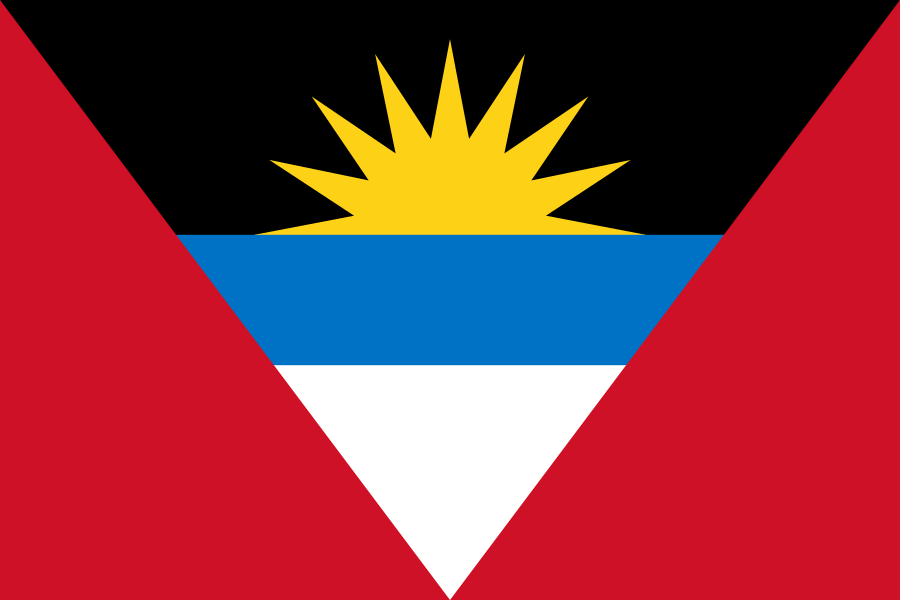 Antigua & Barbuda
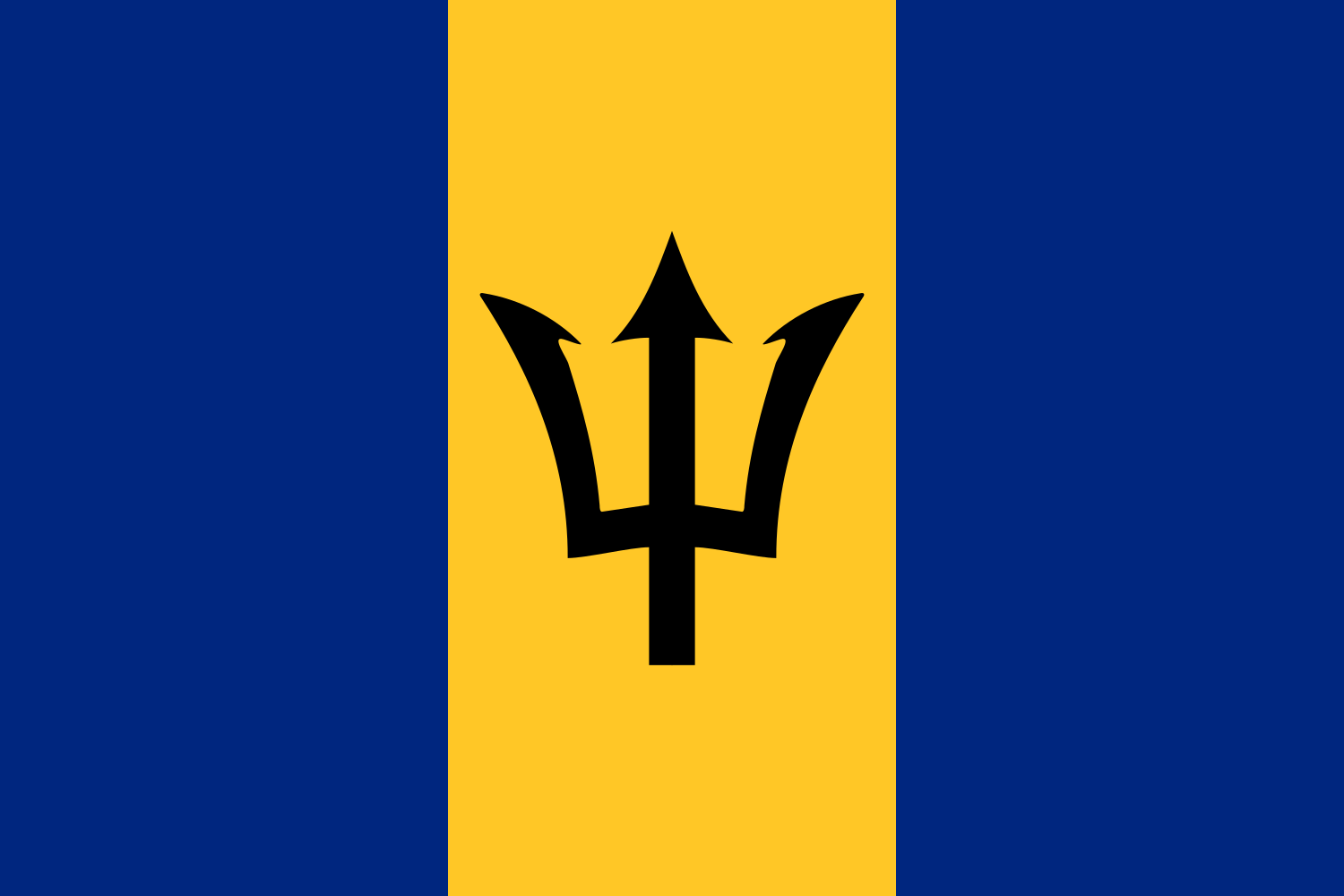 Barbados
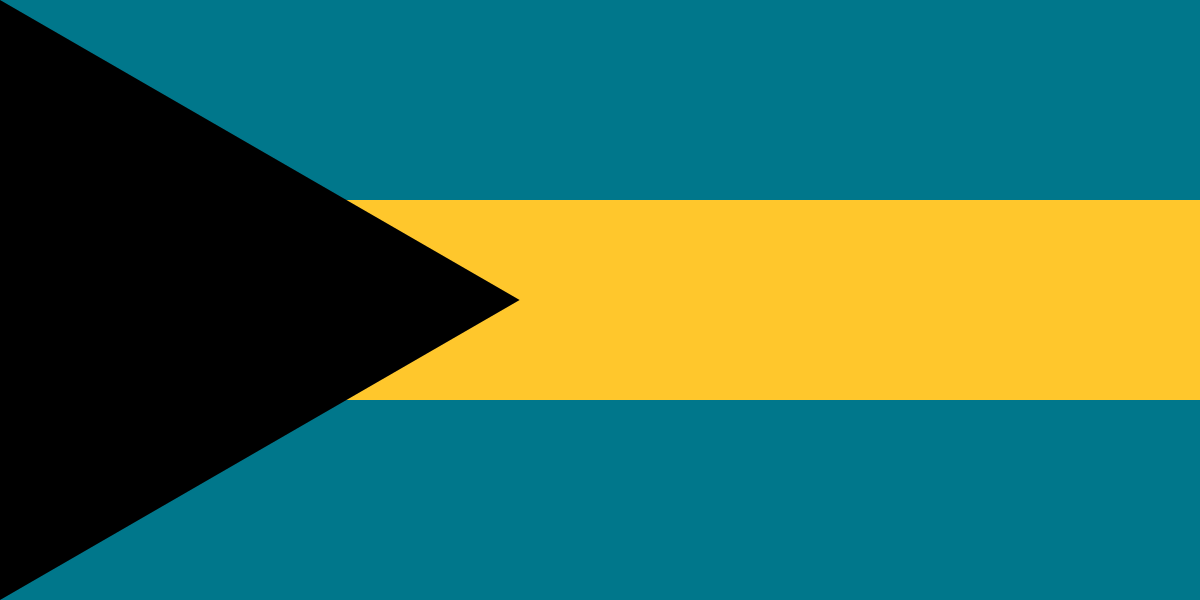 Bahamas
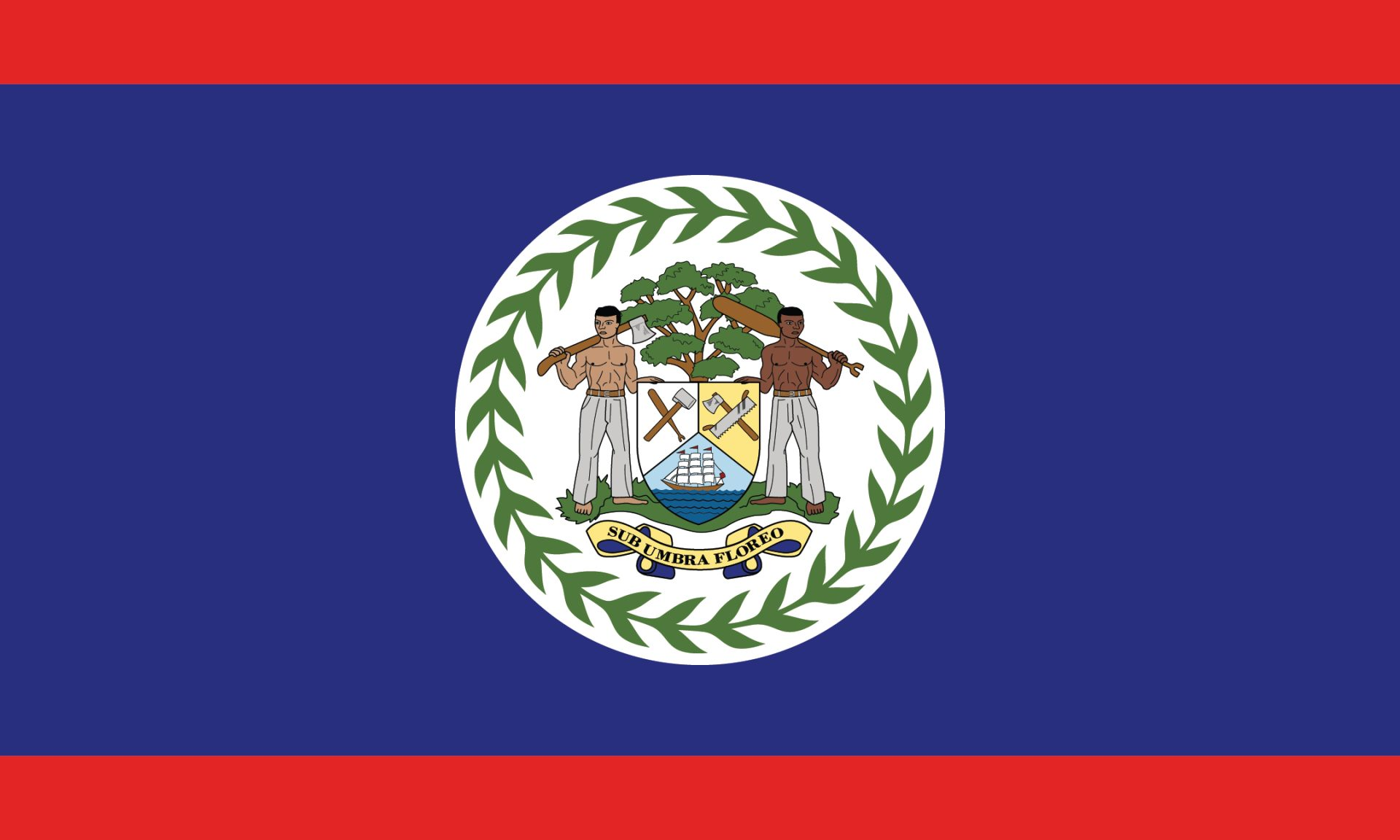 Belize
 Dominica
 Grenada
 Guyana
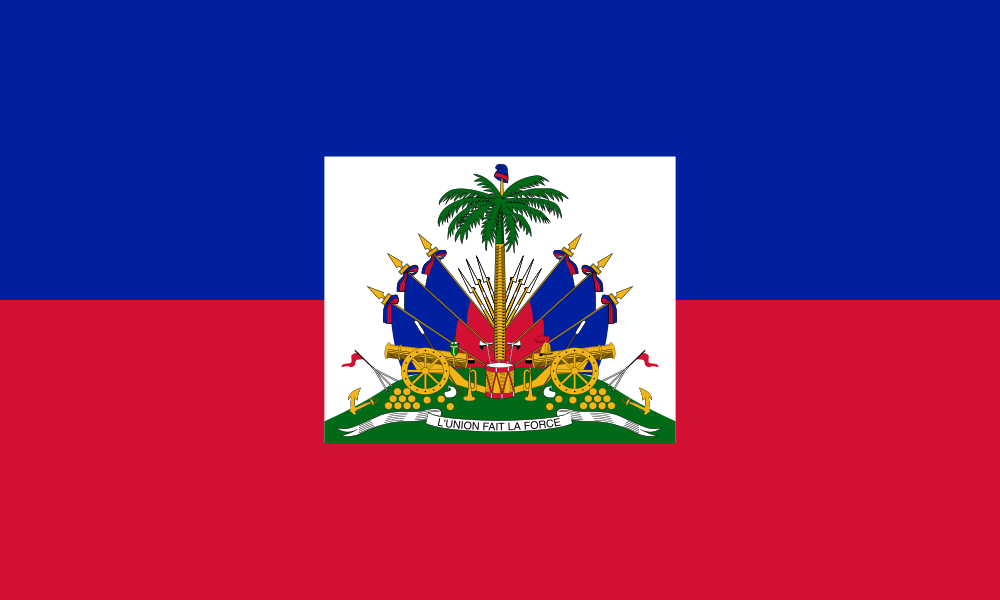 Haiti
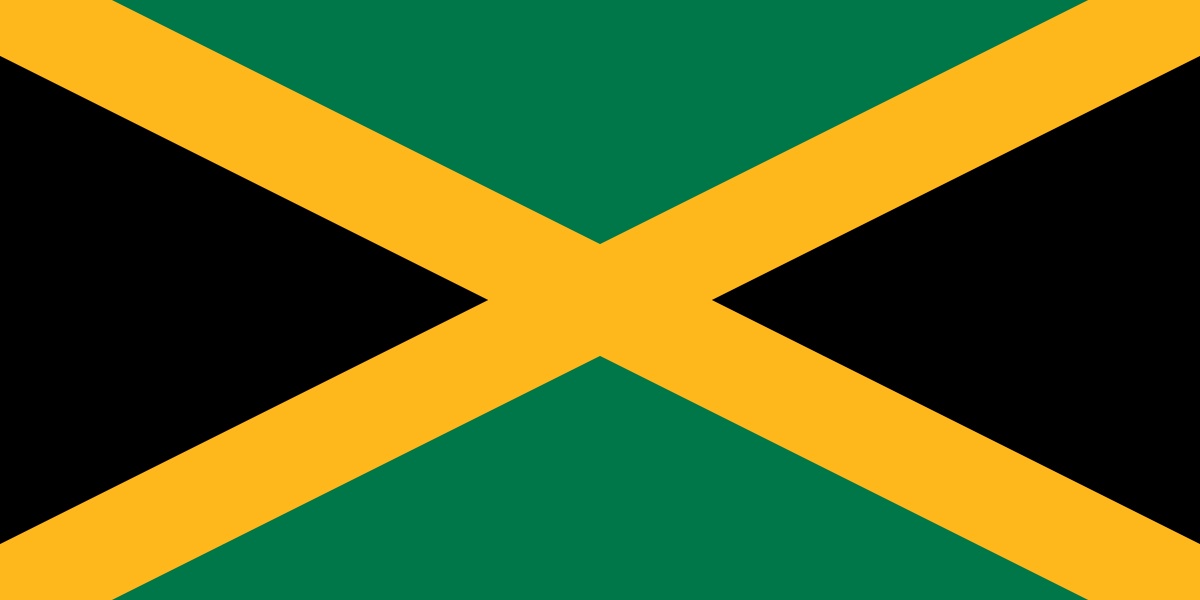 Jamaica
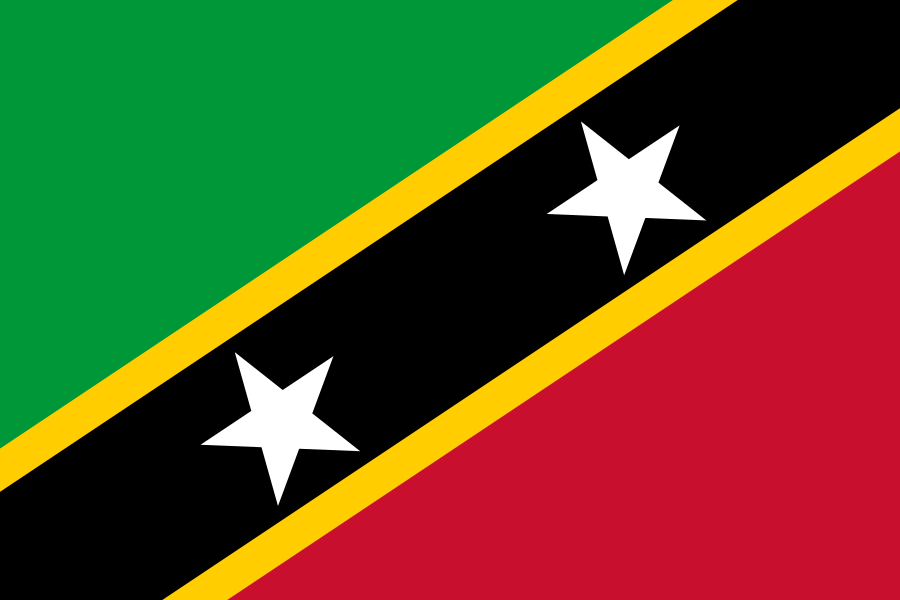 St. Kitts & Nevis
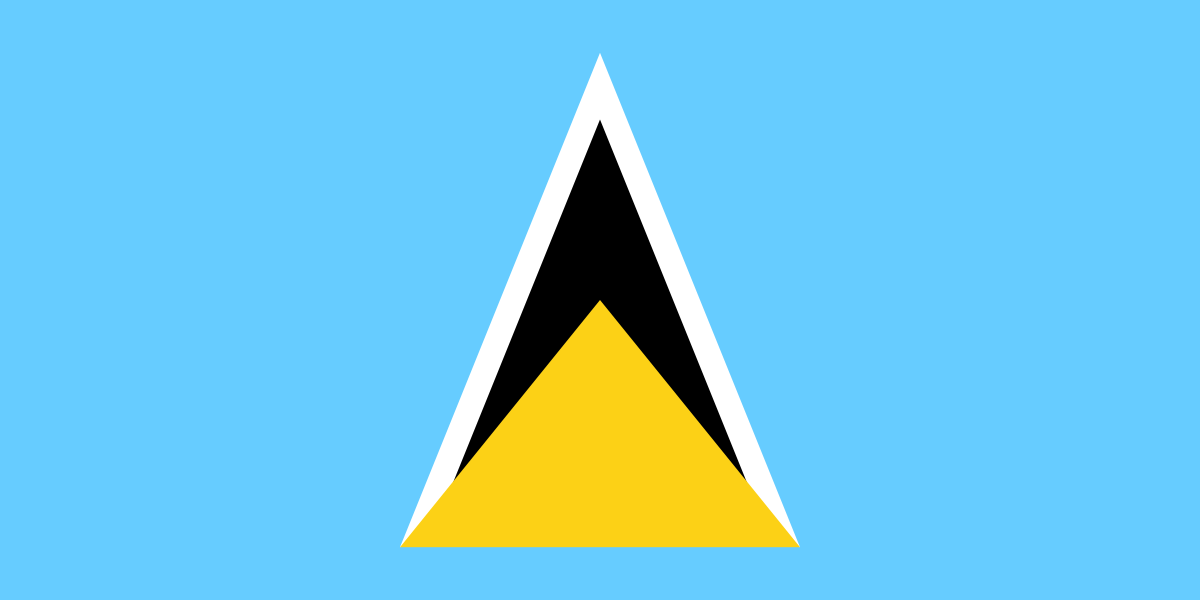 St. Lucia
 Suriname
 Trinidad & Tobago
 St. Vincent & Grenadines
Continue exploring
 United Nations
 European Union
 NATO
 Commonwealth of Nations
 African Union
 Arab League
What did you discover?
Take this flag into the quiz
Sources and image credits
This English article draws on the institutional sources listed below. Figures and memberships retain their stated reference dates.
Source record: 2 November 2026. A translation does not change the reference date of a figure or membership list.
- caricom.org/symbols-of-regional-integration/
- caricom.org/our-community/who-we-are/
- caricom.org/membership/
- caricom.org/wp-content/uploads/CARICOM-Info-Package-2026.pdf