Union of South American Nations: Flag, History and Membership
The flag of the Union of South American Nations shows a white, curved line motif on a deep blue background. It recalls a project of continental cooperation, the founding treaty of which twelve South American states signed in 2008. This page expressly deals with this historical founding group. Subsequent withdrawals and re-accessions do not allow for a simple equating of the twelve signatories with an unchanged current membership.
Test your knowledge →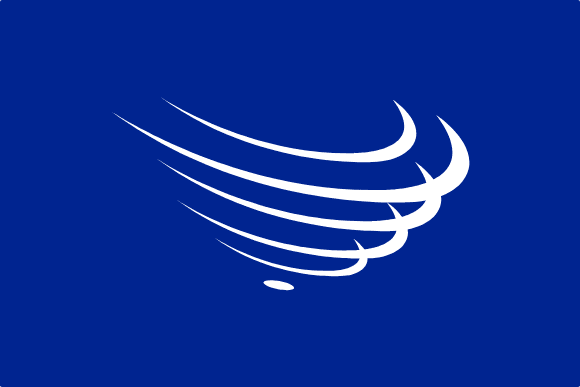
Key facts and distinctions
- Article focus
- International organisation
- Membership record
- 1 November 2026
- Linked country entries
- 12
- List definition
- Historical founding signatories (2008)
- Full name
- Union of South American Nations
- Spanish short name
- UNASUR
- Portuguese short names
- UNASUL
- Founding Treaty
- 23 May 2008
- Place of signature
- Brasília
- Historical Signatories
- 12 States
- Quiz reference
- Signatory to the 2008 Treaty
- Brazilian Return
- Contract effective for Brazil 6 May 2023
A common sign for a South American project
The sign shown consists of several narrow white arches and curved lines that condense into a common shape on a blue background. The representation works with movement and repetition. Unlike a flag wreath, it does not name countries directly by their national colors. For recognition, the dark blue and the unusual white line figure are crucial.
The image description used here is deliberately separated from an official attribution of meaning. The treaty texts used regulate the institutional objectives and procedures, but do not provide a reliable interpretation of the detail of each individual line. A possible visual image of memory must therefore not be presented as officially adopted symbolism or as an exact census of Member States.
The Treaty of Brasília 2008
On 23 May 2008, in Brasília, the founding agreement of the Suramericanas National Council was signed. Its signatories were Argentina, Bolivia, Brazil, Chile, Ecuador, Guyana, Colombia, Paraguay, Peru, Suriname, Uruguay and Venezuela. The twelve countries formed the original South American framework of the project. The name UNASUL in Portuguese sources means the same Union as UNASUR in Spanish.
The Treaty established an area of cultural, social, economic and political integration. He mentioned, among other things, political dialogue, education, energy, infrastructure, financing and the environment. At the same time, he stressed democratic institutions, human rights, social inclusion and the reduction of inequalities. These contract objectives describe the common legal claim and are not automatically proof that all projects have been realised.
Historic Signatories and Later Political Changes
The historical Gründerkreis is here the basis of the country assignment and the quiz questions. A question about the signatory states of 2008 thus remains clear, even if governments later changed their participation. It avoids the misleading statement that UNASUR today simply consists unchanged of twelve actively cooperating members. Times are part of the information on this topic, not a mere footnote.
Brazil left the Union in 2019 and decided to return in 2023. The corresponding Brazilian decree reinstated the treaty for Brazil on 6 May 2023. This concrete example shows the changing institutional development. However, the return of an individual country does not result in the restoration of all previous working structures nor a secured current overall list without examination of the other states.
Details Worth Remembering
Two abbreviations, one union
Spanish uses Naciones and thus UNASUR, Portuguese Nações and UNASUL. The different spellings can act like different organizations when comparing sources. In fact, they reflect the multilingualism of South America. The Brazilian legal sources and the Spanish text of the Treaty can therefore refer to the same foundation and the same institutional history.
Integration is broader than free trade
The contract did not limit the project to tariff reductions or trade in goods. Infrastructure, energy, education, social issues and political dialogue were explicitly included. As a result, his formulated understanding of integration differs from a simple free trade area. Against this background, the flag can be classified as an overarching organisational sign of various policy fields.
Historical questions need clear years
A membership quiz without a time reference would be particularly susceptible to misunderstandings at UNASUR. The firm reference to the twelve signatories of 2008 makes the question verifiable. At the same time, there is room to explain later exits and return decisions as their own history, without deriving an immutable institutional reality from political symbolism.
The illustrated signs and variants
Countries in the supplied learning record
These links cover countries represented in this site’s country database. Any territories, regional governments, observer categories or participation qualifications are discussed above. Counts are not interchangeable.
 Argentina
 Bolivia
 Brazil
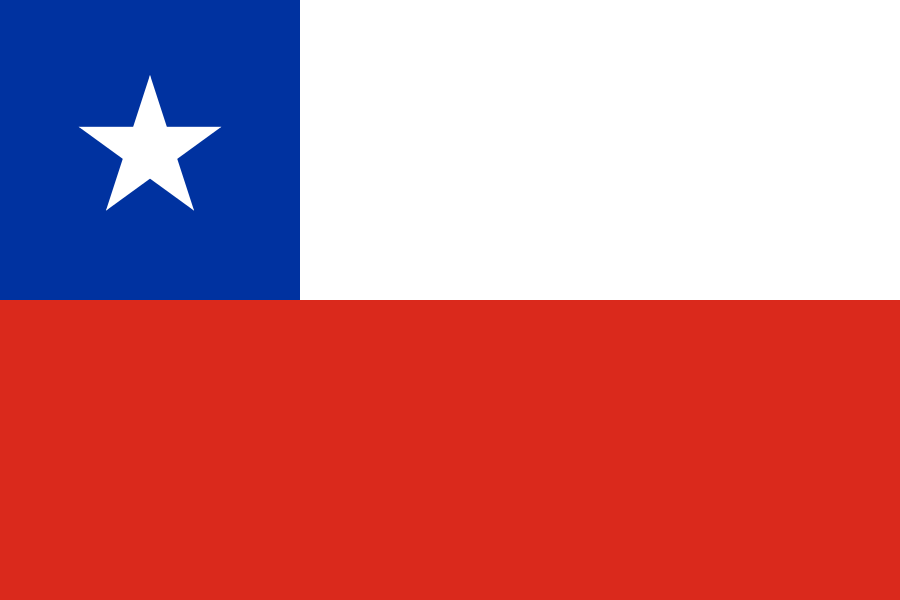 Chile
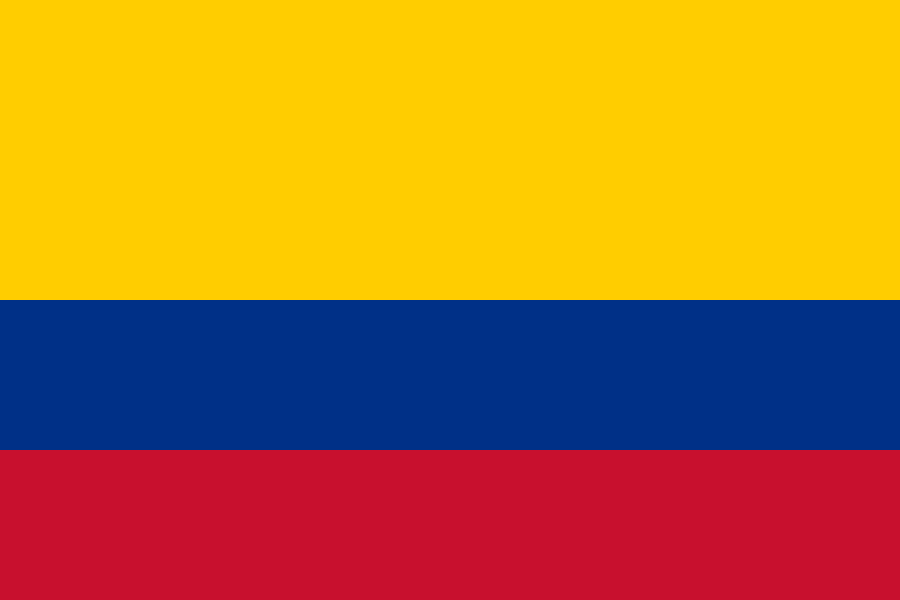 Colombia
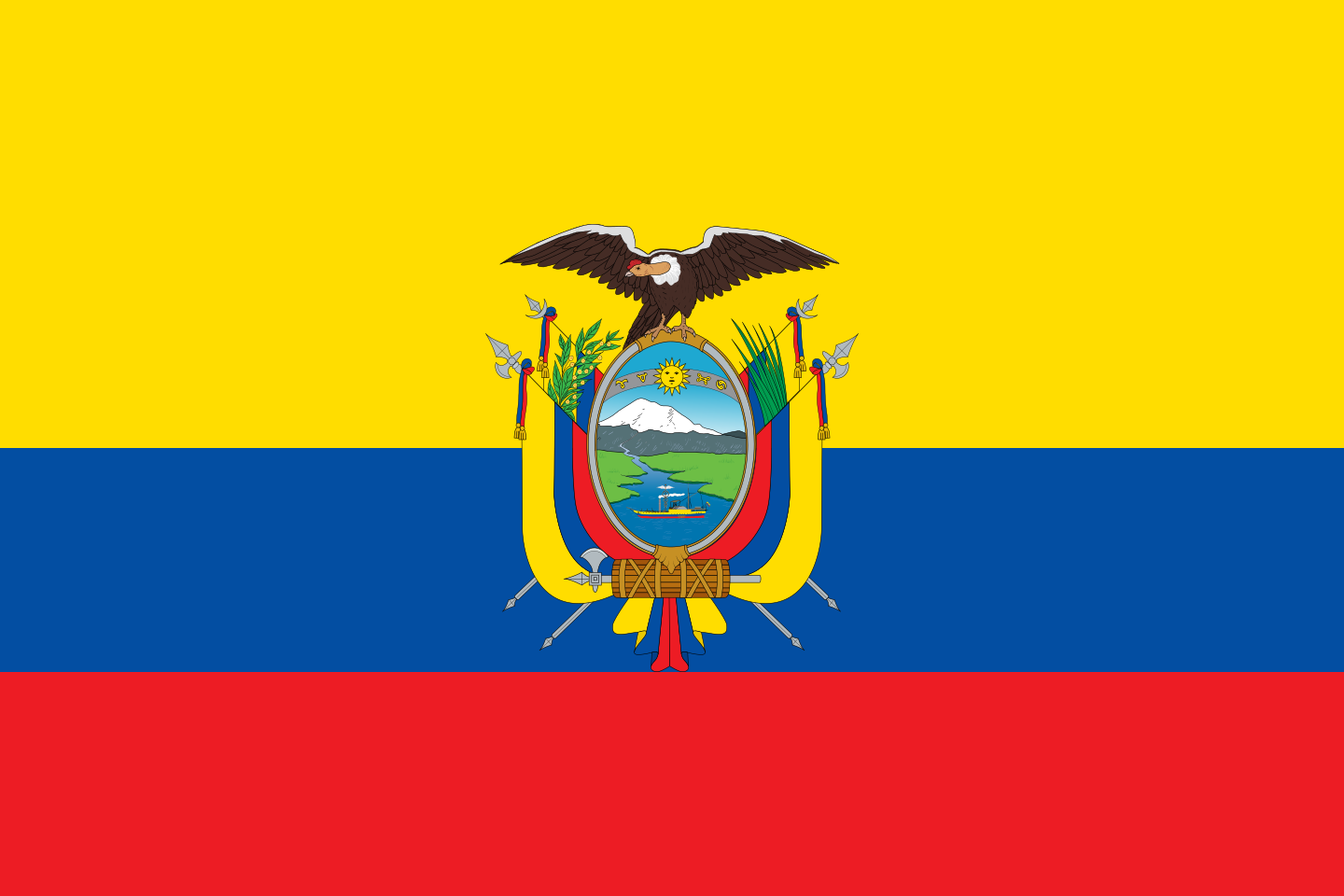 Ecuador
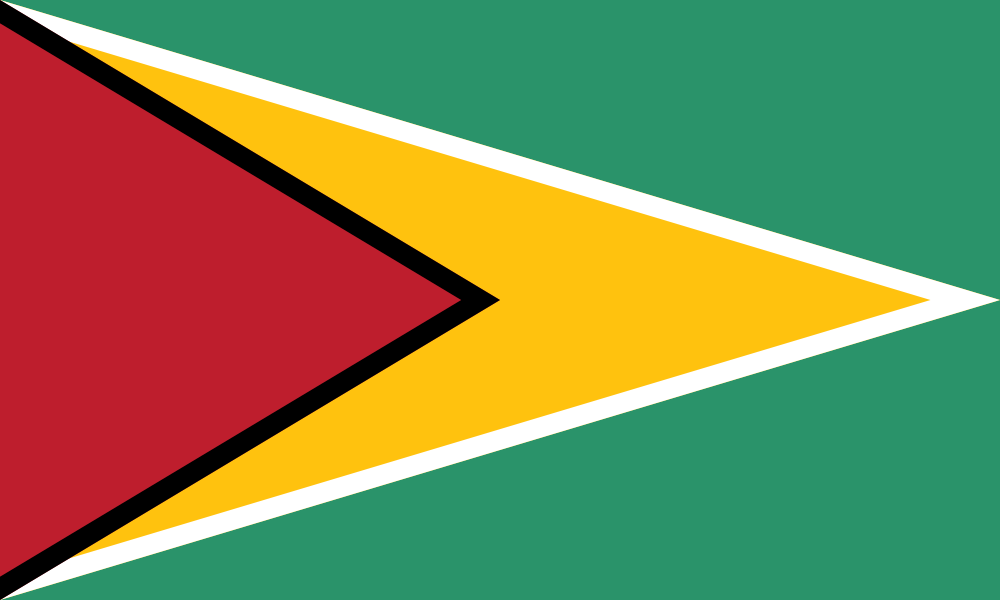 Guyana
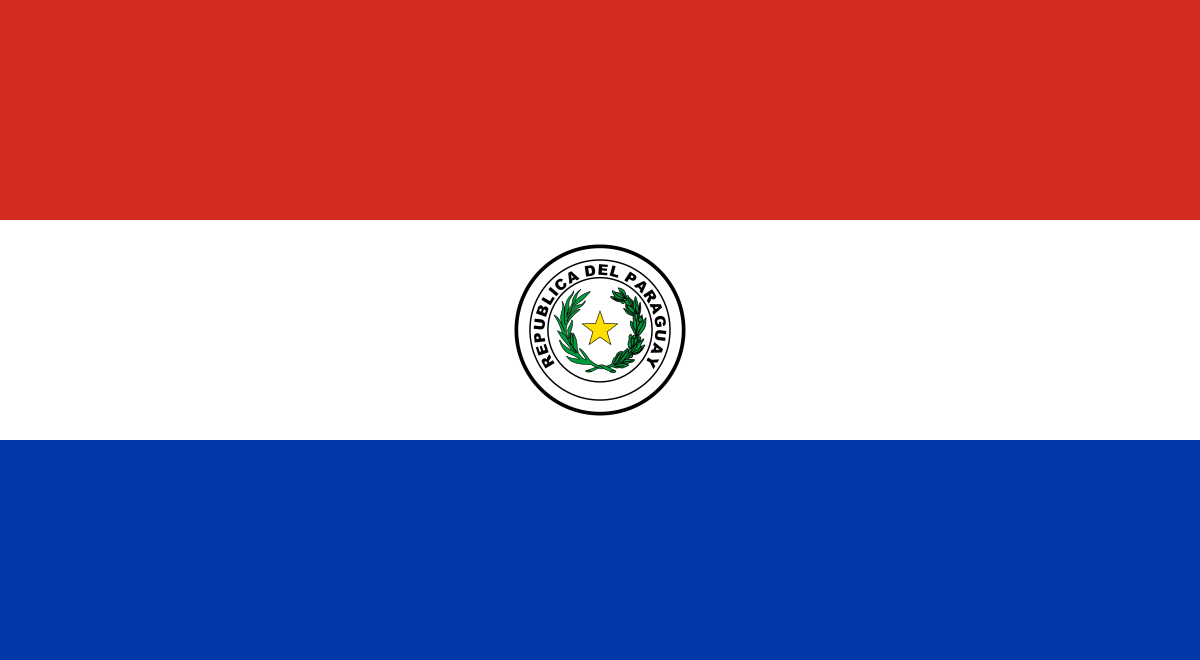 Paraguay
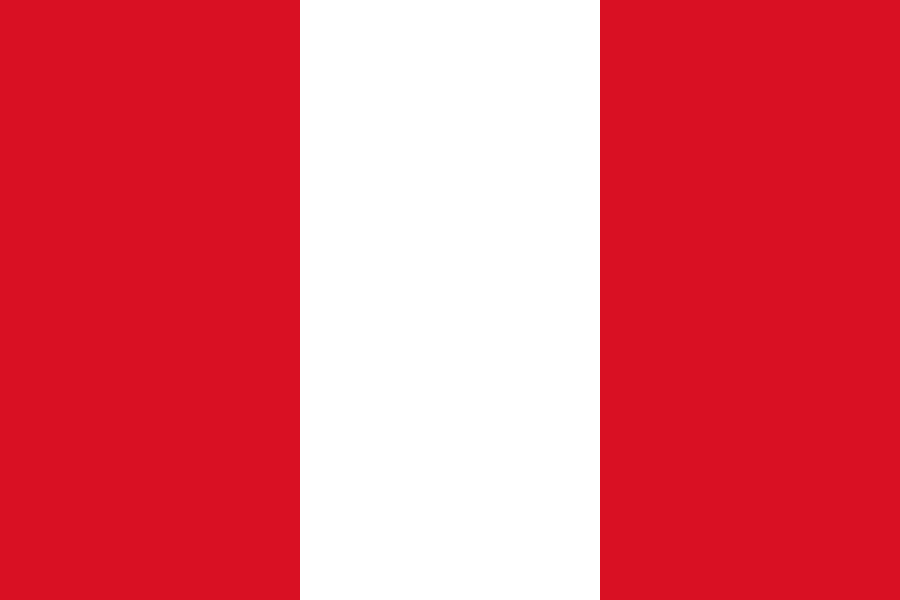 Peru
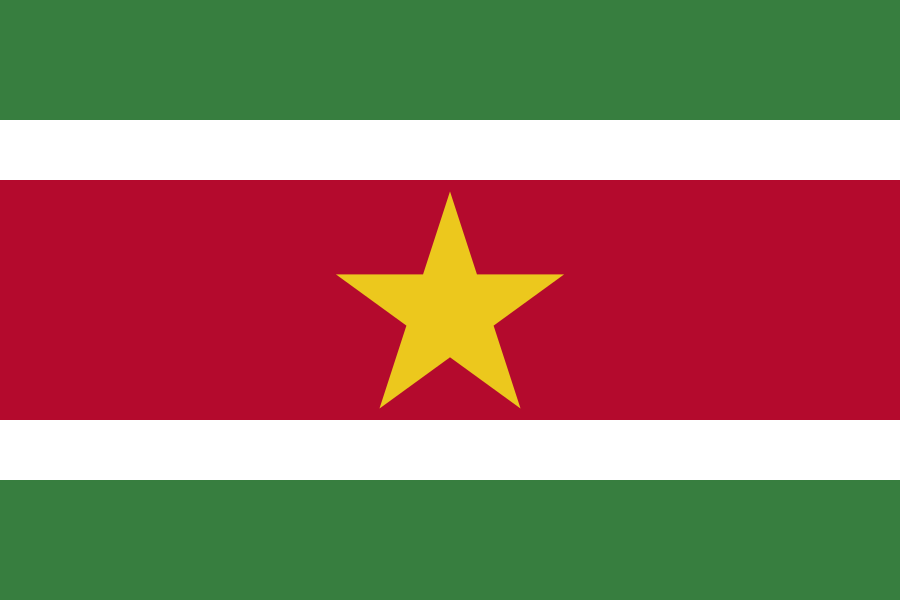 Suriname
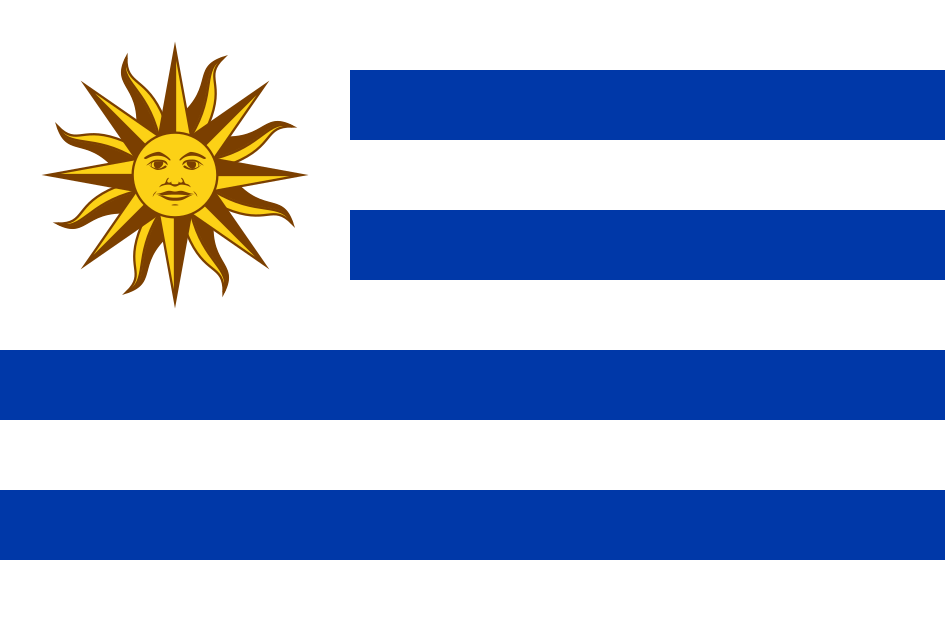 Uruguay
 Venezuela
Continue exploring
 United Nations
 European Union
 NATO
 Commonwealth of Nations
 African Union
 Arab League
What did you discover?
Take this flag into the quiz
Sources and image credits
This English article draws on the institutional sources listed below. Figures and memberships retain their stated reference dates.
Source record: 2 November 2026. A translation does not change the reference date of a figure or membership list.
- cancilleria.gov.co/normograma/compilacion/docs/ley_1440_2011.htm
- www2.camara.leg.br/legin/fed/decret/2023/decreto-11475-6-abril-2023-794026-publicacaooriginal-167534-pe.html
- gov.br/secom/pt-br/assuntos/obrasilvoltou/respeito-e-dialogo/brasil-retorna-a-unasul
- concordia.itamaraty.gov.br/acordo/11347