Central American Integration System: Flag, History and Membership
The Central American Integration System, usually called SICA, uses a blue flag with a round emblem and a map of the region. The cooperation includes eight full members, including Belize and the Dominican Republic. Its legal starting point is the Tegucigalpa Protocol, signed in 1991. His concept of integration combines peace, freedom, democracy and development with a diverse network of common institutions.
Test your knowledge →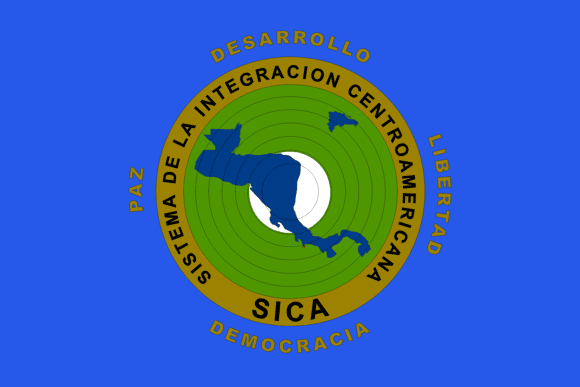
Key facts and distinctions
- Article focus
- International organisation
- Membership record
- 1 November 2026
- Linked country entries
- 8
- List definition
- Country subset of the supplied member record
- Short name
- SCI
- Founding instrument
- Protocol of Tegucigalpa
- Signature
- 13 December 1991
- Start of activity
- 10 February 1993
- Original signatories
- 6 States
- Today's full members
- 8
- Seat
- San Salvador, El Salvador
- Key objectives
- Peace, freedom, democracy and development
- SIECA
- Specialist economic institution, not the entire SICA
Map, circle and common guiding terms
The flag shown has a blue background. In the middle is a yellow-lined round called Sistema de la Integración Centroamericana and the abbreviation SICA. A stylized map of the Central American Land Bridge lies over concentric lines. Outside and inside the sign, other elements of writing and images appear; it is therefore a much more complex motif than a simple tricolor.
The terms peace, freedom, democracy and development are part of the official description of the system. They help to classify the political message of the emblem. However, for the concrete image version used here, no uncertain meaning of each color or each circular line is claimed. The visible map outline is also not a complete current directory of members, especially given the Caribbean member Dominican Republic.
The Protocol of Tegucigalpa
The Tegucigalpa Protocol was signed on 13 December 1991 by Costa Rica, El Salvador, Guatemala, Honduras, Nicaragua and Panama. It renewed the institutional framework of the older Organization of Central American States, ODECA. SICA started operations on 10 February 1993. Signature and start of work are therefore two different data, each of which must be meaningfully named.
Regional integration has older precursors. These include the Central American Federation of the 19th century, the ODECA of 1951 and the common market created in 1960. The SICA thus stands in a long history of joint institutions. Today, however, it does not constitute a re-established federal state, but a framework for intergovernmental coordination and specialised regional cooperation.
Eight full members and a network of specialist bodies
Today, it includes Belize, Costa Rica, El Salvador, Guatemala, Honduras, Nicaragua, Panama and the Dominican Republic as full members. The later added members Belize and the Dominican Republic extended the circle beyond the original six signatories. Observers from the region and outside form their own categories; they are not treated as additional full members in this quiz.
The institutional center is in San Salvador. In principle, a rotating presidency changes every six months, while the General Secretariat and various technical institutions perform continuous tasks. In addition to the economy, integration also affects social, cultural, health and political issues. Thus, SIECA is the responsible economic specialist institution and not simply a different spelling for the entire SICA system.
Details Worth Remembering
The Dominican Republic Expands View
Not every full member is on the Central American Land Bridge. The Dominican Republic shows that political integration spaces can extend beyond a narrow geographical definition. Therefore, one should learn the country assignment on the basis of the official membership and not only derive from the map in the emblem or from the German organization name.
Separate between SICA and SIECA
The similar abbreviations easily lead to confusion. SICA is the overarching institutional framework; SIECA oversees economic integration. Your own website explains the Tegucigalpa protocol as the basis of this overall system. The distinction helps to assign sources correctly and not equate technical tasks with the entire regional cooperation.
A contract changes an existing framework
In 1991, cooperation did not begin out of nothing. The protocol explicitly linked to the ODECA and restructured its institutional basis. The development makes it clear why regional organizations can have several relevant annual figures. For a quiz question, it must therefore be clear whether a predecessor, the founding instrument or the actual start of work is asked.
The illustrated signs and variants
Countries in the supplied learning record
These links cover countries represented in this site’s country database. Any territories, regional governments, observer categories or participation qualifications are discussed above. Counts are not interchangeable.
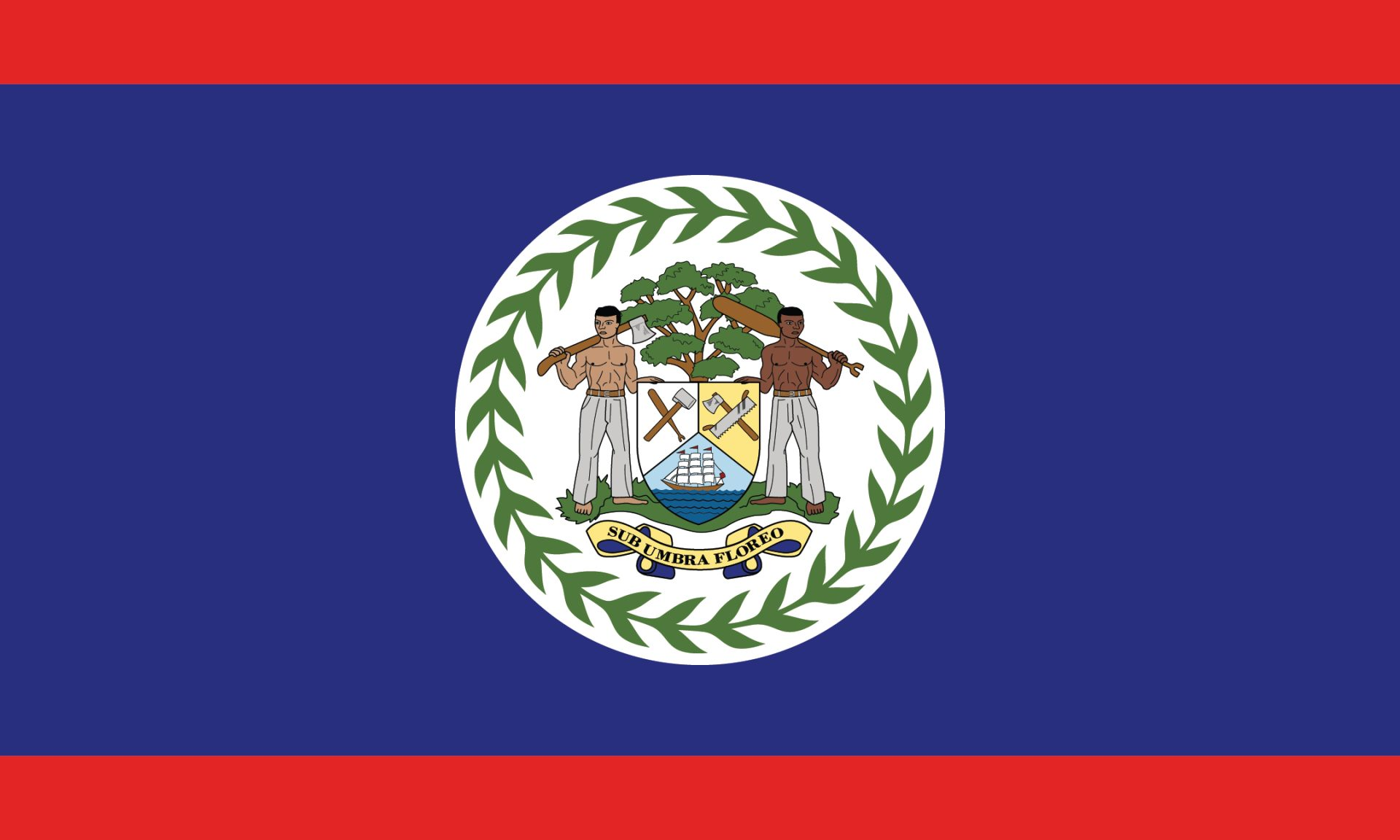 Belize
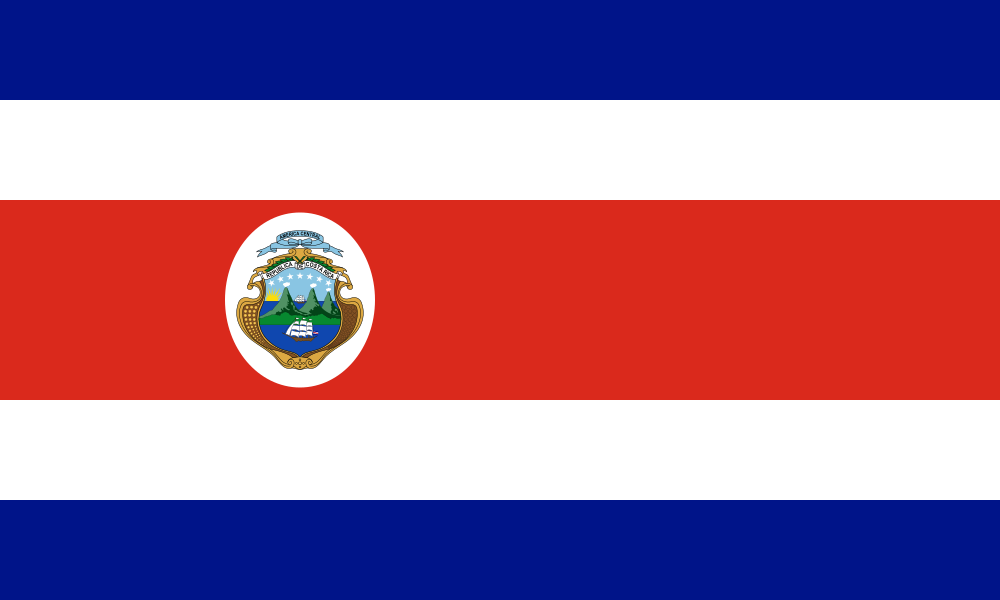 Costa Rica
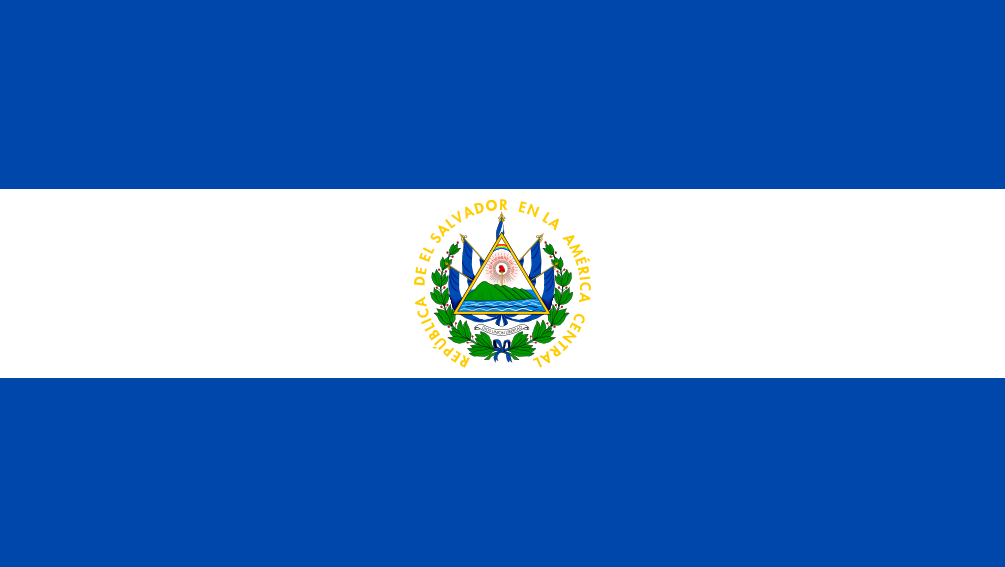 El Salvador
 Guatemala
 Honduras
 Nicaragua
 Panama
 Dominican Republic
Continue exploring
 United Nations
 European Union
 NATO
 Commonwealth of Nations
 African Union
 Arab League
What did you discover?
Take this flag into the quiz
Sources and image credits
This English article draws on the institutional sources listed below. Figures and memberships retain their stated reference dates.
Source record: 2 November 2026. A translation does not change the reference date of a figure or membership list.
- sieca.int/faq/
- cancilleria.gov.co/politica-exterior/mecanismos-de-concertacion-e-integracion-regionales/sistema-de-la-integracion-centroamericana-sica
- gob.mx/sre/en/acciones-y-programas/sistema-de-la-integracion-centroamericana-sica
- minex.gob.gt/MDAA/DATA/MDAA/20161227104458983IntrumentosSICA.pdf