Southern African Development Community: Flag, History and Membership
The SADC flag shows golden intertwined letters in a green circle on a dark blue background. Behind the abbreviation is the Southern African Development Community. It focuses on regional integration, linked to economic development, peace and security. Today’s community emerged from a coordination conference; this change explains both its name and the history of its common sign.
Test your knowledge →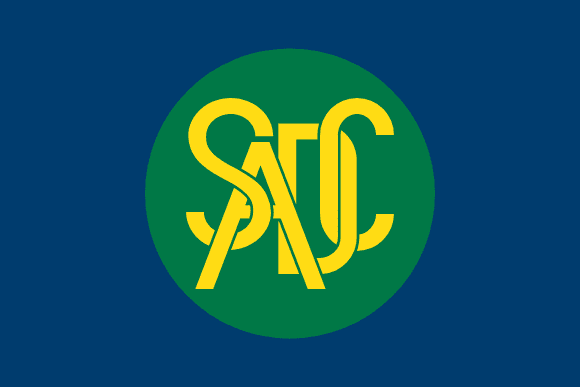
Key facts and distinctions
- Article focus
- International organisation
- Membership record
- 1 November 2026
- Linked country entries
- 16
- List definition
- Country subset of the supplied member record
- English name
- Southern African Development Community
- Predecessor
- Southern African Development Co-ordination Conference; SADCC
- Predecessor Founded
- 1980, Lusaka
- SADC Treaty signed
- 17 August 1992, Windhoek
- Flag imported
- 1995 according to official timeline
- Member States
- 16; tested on 1 November 2026
- Secretariat
- Gaborone, Botswana
- Flag motif
- Golden intertwined SADC letters in the green circle
Convoluted letters as the main motive
The existing image is shaped by a large green circle. In it, the golden letters S, A, D and C interlock. They are designed as a coherent word mark and cannot be read from left to right like a common printed lettering. The dark blue background frames the circle and clearly highlights the yellow motif.
The official SADC brand identity page points to precise rules for color, font and use. This shows that an organizational sign should be reproduced uniformly in different media. In learning, the intertwined letter form is first useful. A single color is hardly sufficient as a feature, because blue, green and gold are also found in other regional organizations and national flags.
Coordination becomes regional integration
The predecessor SADCC was founded in 1980 in Lusaka. Their cooperation was also related to political liberation and the reduction of economic dependence on the then South Africa under apartheid. This background is part of the history of its creation. It should be explained objectively, because the subsequent membership of democratic South Africa significantly changed the regional framework.
On 17 August 1992, the Heads of State and Government in Windhoek signed the SADC Declaration and the Treaty. The Coordination Conference thus moved on to a more economic integration-oriented community. The official historical timeline dates the introduction of the SADC flag to 1995. The emblem on the cloth thus belongs to the new organizational form and makes their common appearance visible.
16 States and a broad concept of development
The current SADC overview lists 16 Member States. Among them are mainland and island states of the Indian Ocean, such as Mauritius, the Seychelles and the Comoros. The regional designation Southern Africa therefore does not simply correspond to a narrowly defined southern tip of land. The actual membership results from Community decisions and covers different geographical and economic starting points.
The objectives include sustainable and fair growth, poverty reduction, better living conditions and lasting peace. The connection between these topics is understandable: cross-border transport routes, energy supply or trade require cooperation and reliable framework conditions. The Secretariat is located in Gaborone, Botswana. The flag can make the common level visible, while Member States retain their own national signs and responsibilities.
Details Worth Remembering
Two Similar Abbreviations
SADCC and SADC differ by only one letter, but denote two phases of development. The earlier coordination conference worked differently than the later integration community. Those who learn the abbreviations together with the years 1980 and 1992 can distinguish names and institutional change more easily.
Island states are part of this.
The membership of the Comoros, Mauritius and Seychelles extends the view beyond the African mainland. Regional associations can be characterised by sea routes and economic relations. For member questions, the actual list is therefore more reliable than a geographical conjecture derived solely from the organization name.
Development requires common infrastructure
Regional integration becomes understandable through practical connections: a transport route or energy network can cross several national borders and requires coordinated rules. These examples explain the development task without presupposing a completed common state. The intertwined sign offers a memorable picture of the connection of different partners.
The illustrated signs and variants
Countries in the supplied learning record
These links cover countries represented in this site’s country database. Any territories, regional governments, observer categories or participation qualifications are discussed above. Counts are not interchangeable.
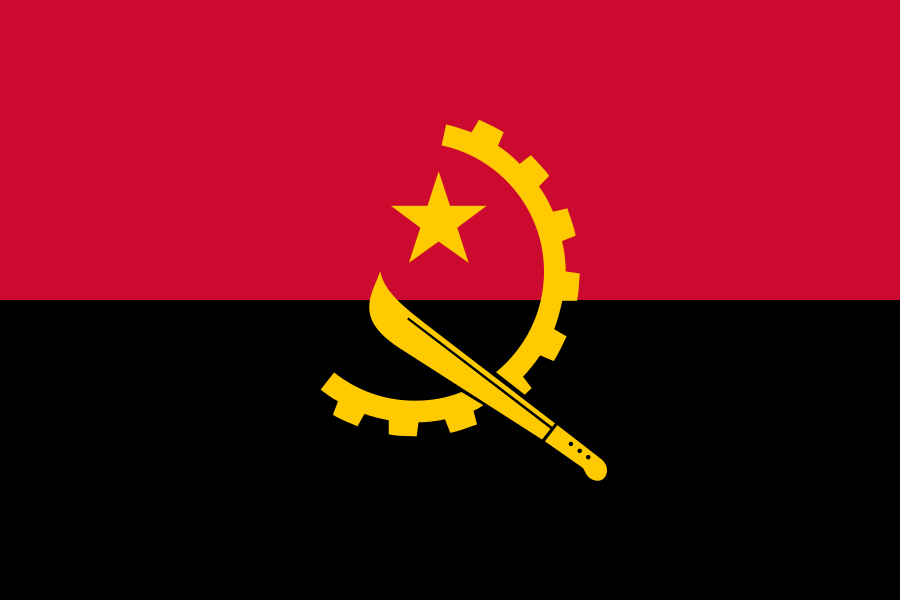 Angola
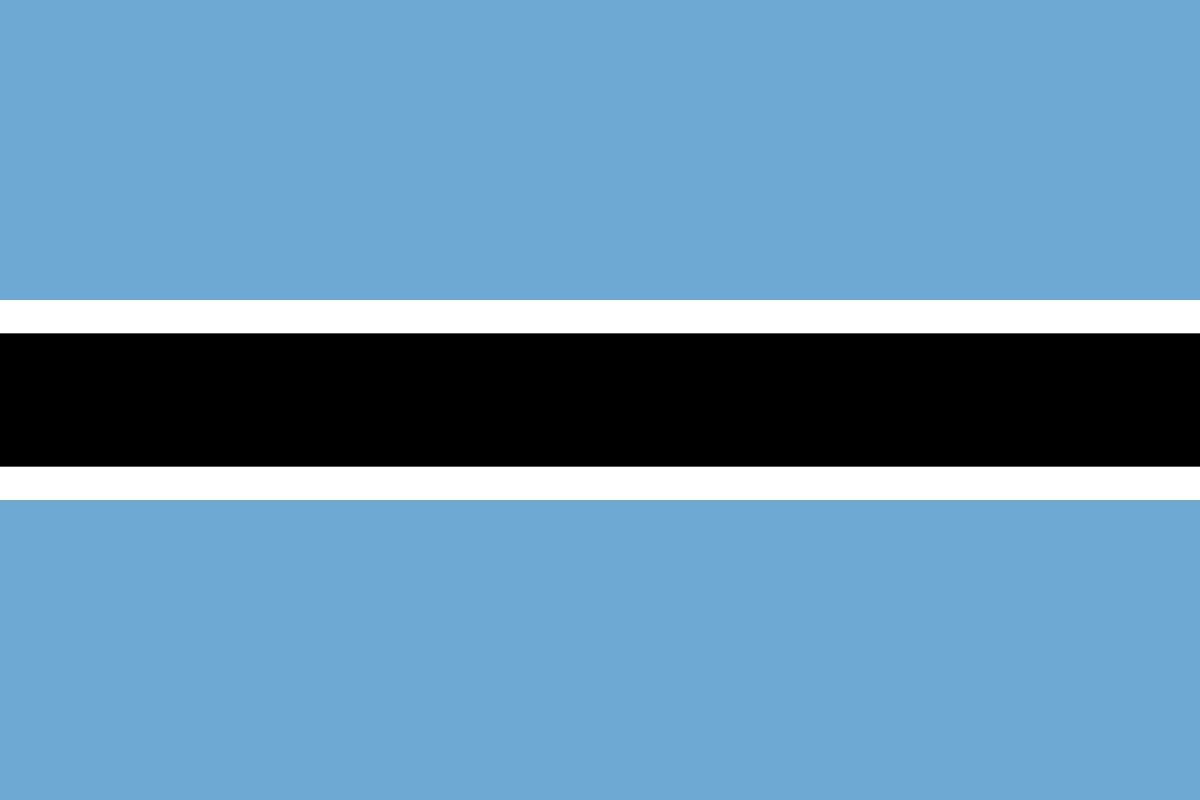 Botswana
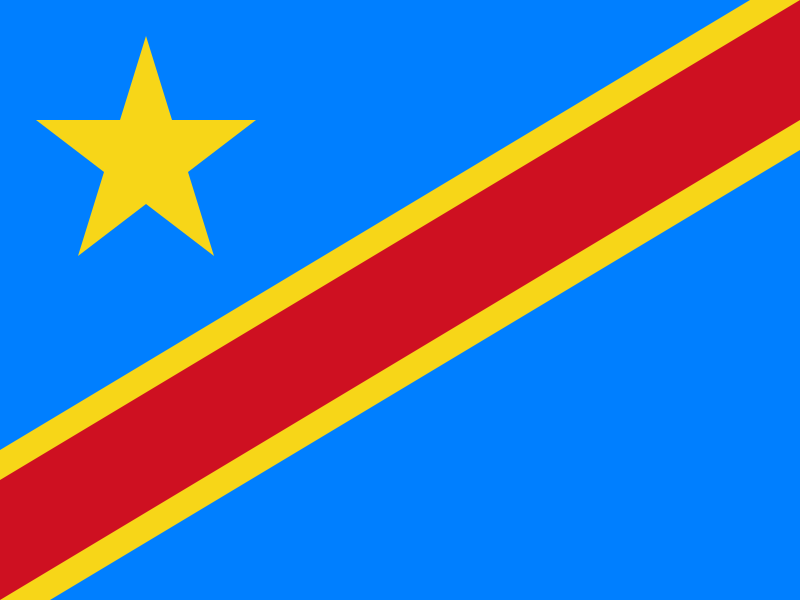 Democratic Republic of the Congo
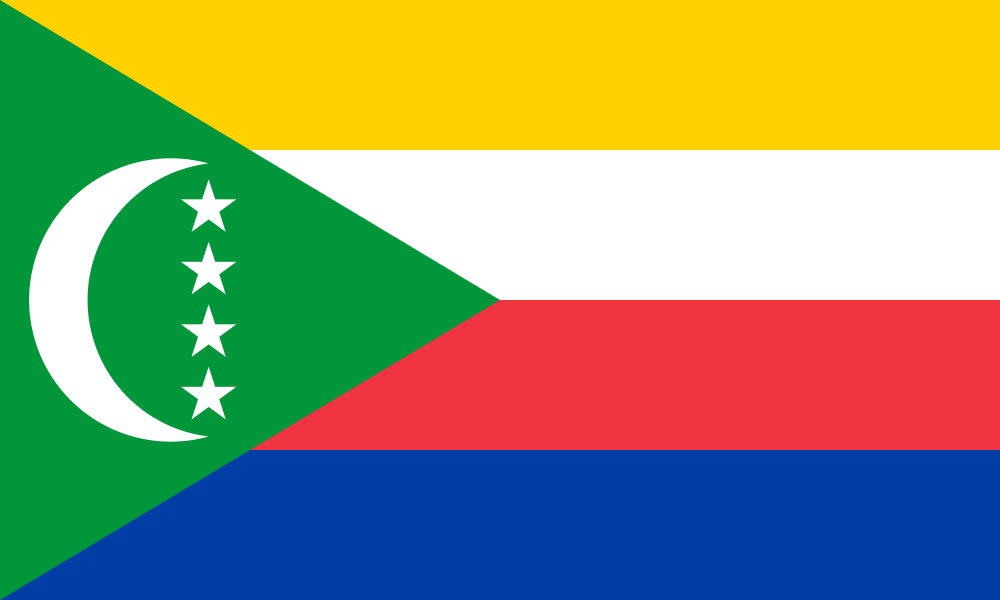 Comoros
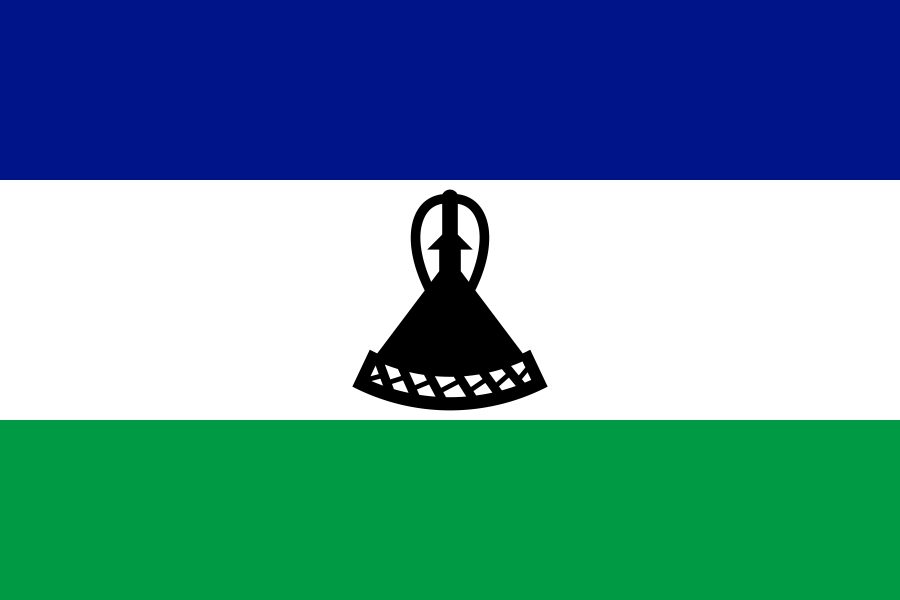 Lesotho
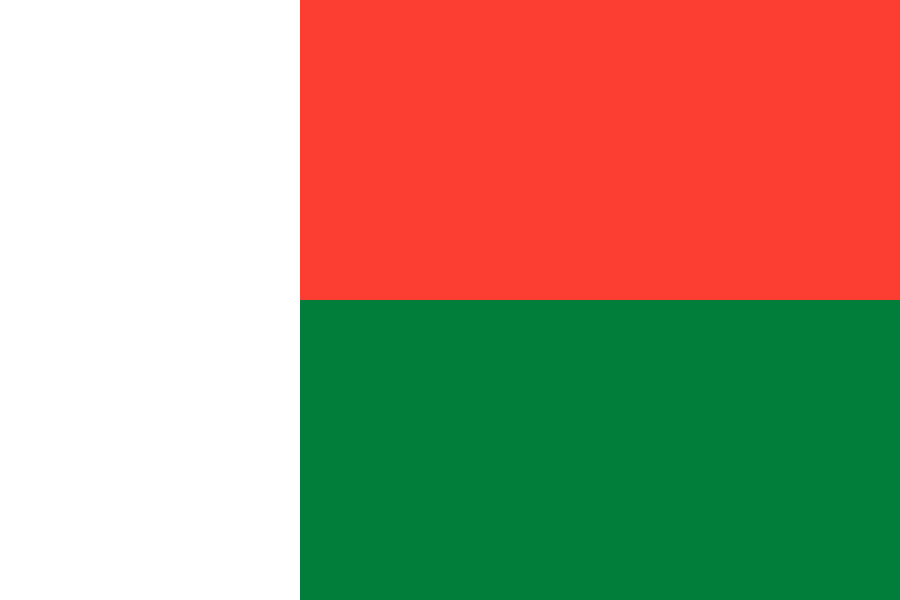 Madagascar
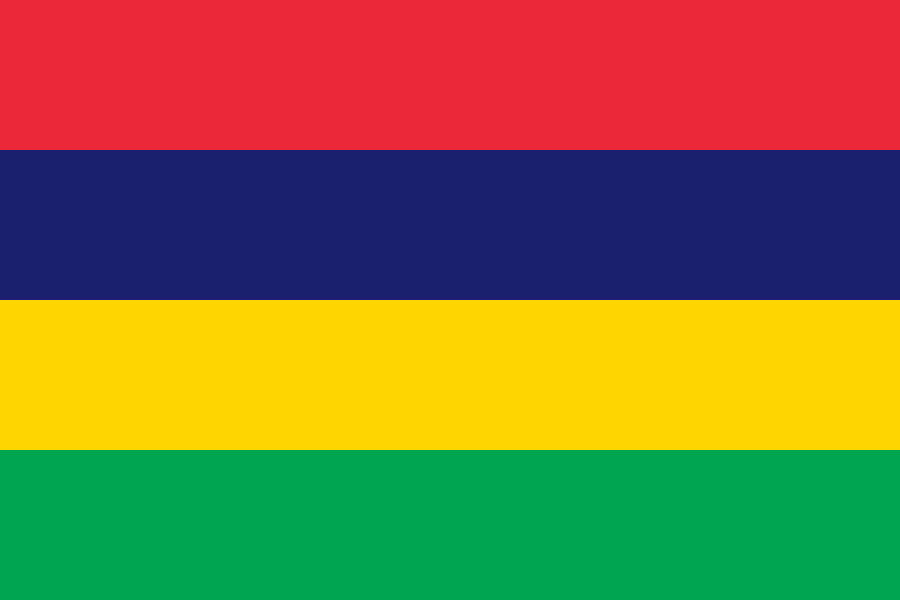 Mauritius
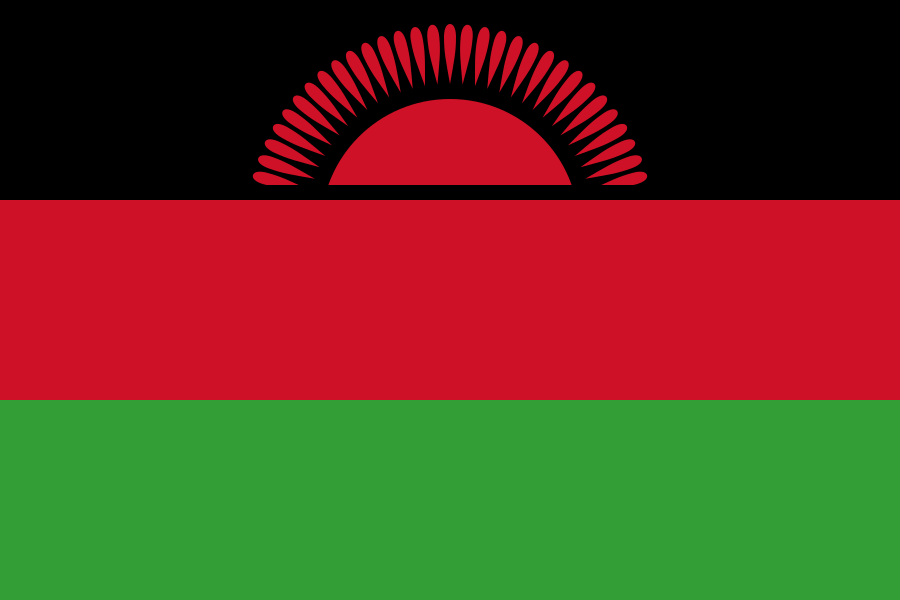 Malawi
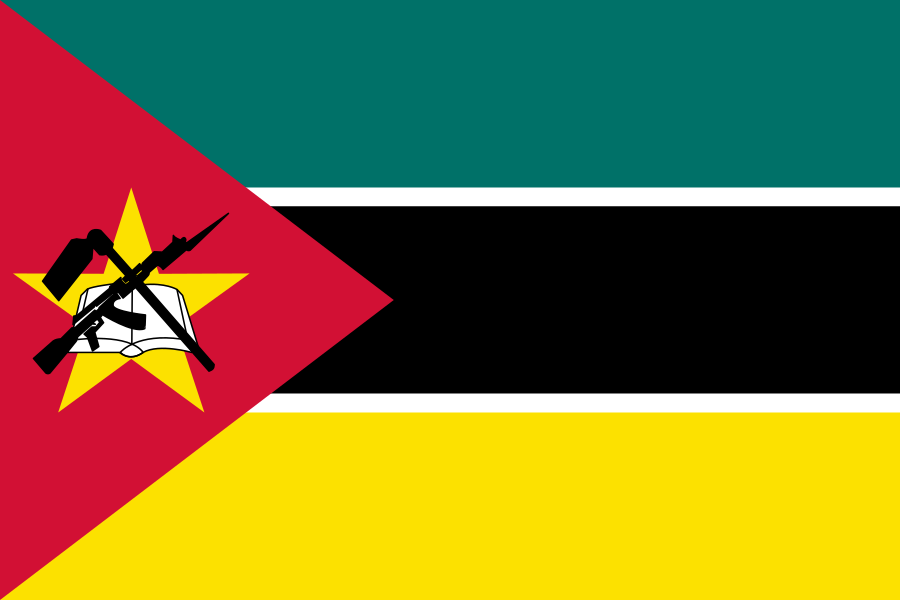 Mozambique
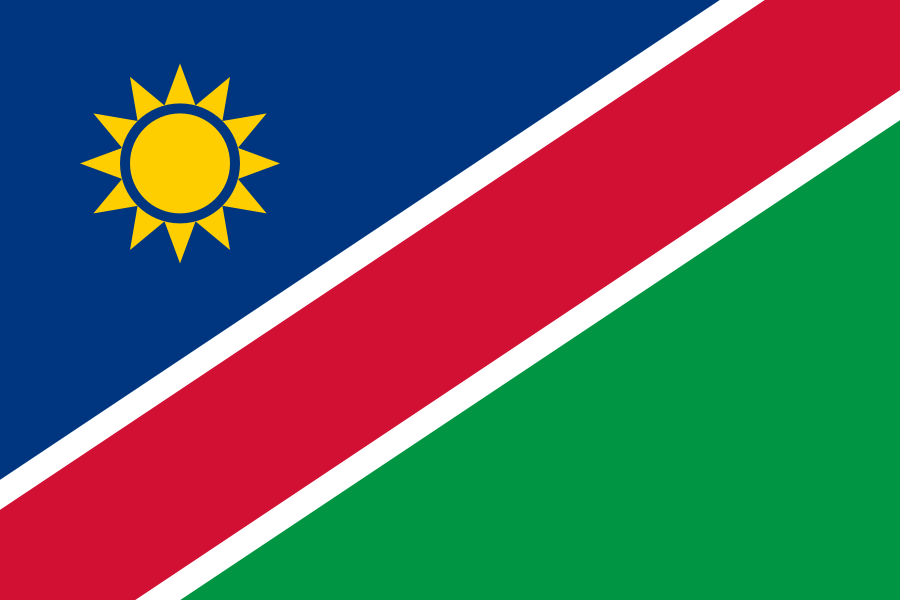 Namibia
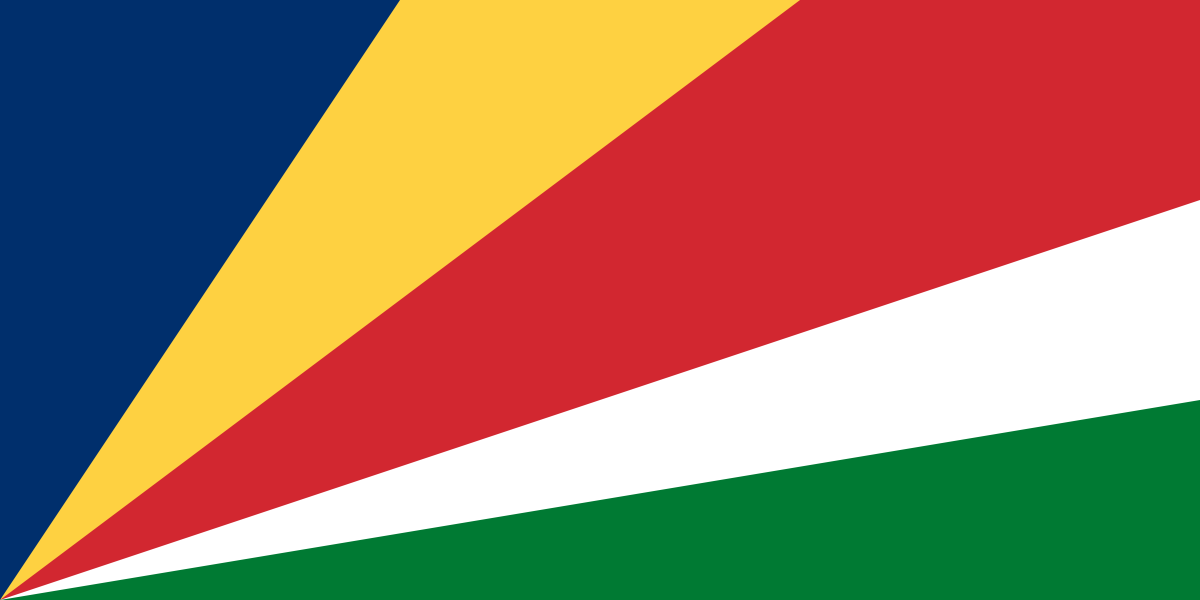 Seychelles
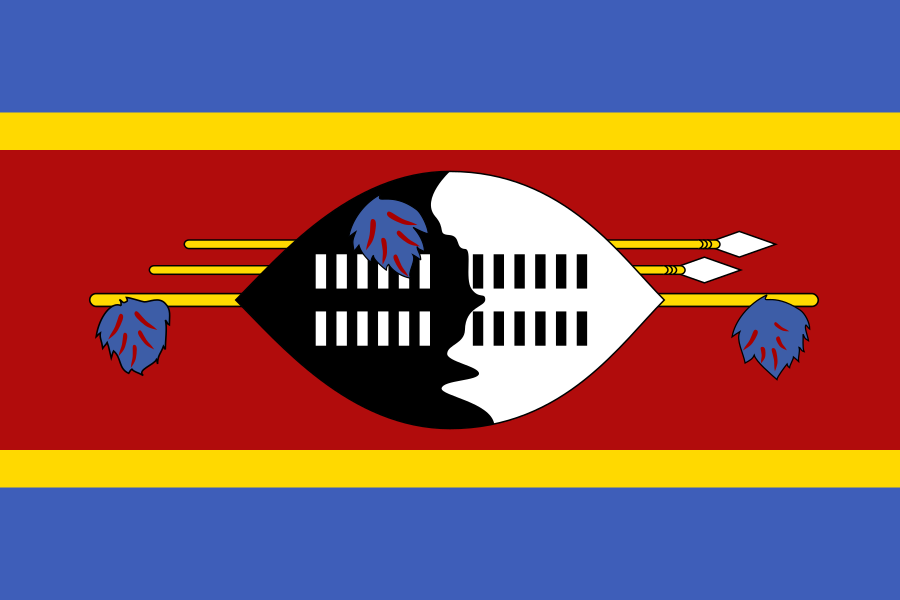 Eswatini
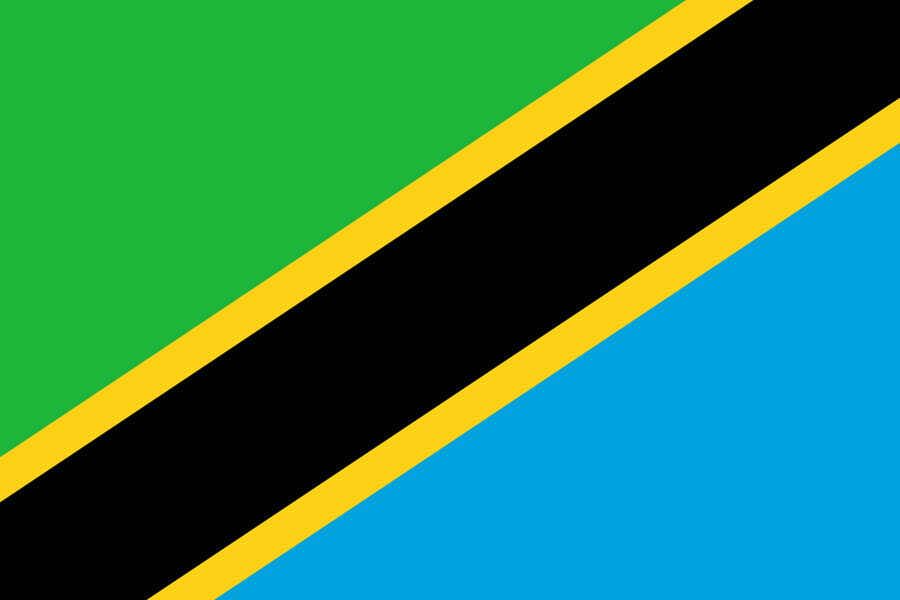 Tanzania
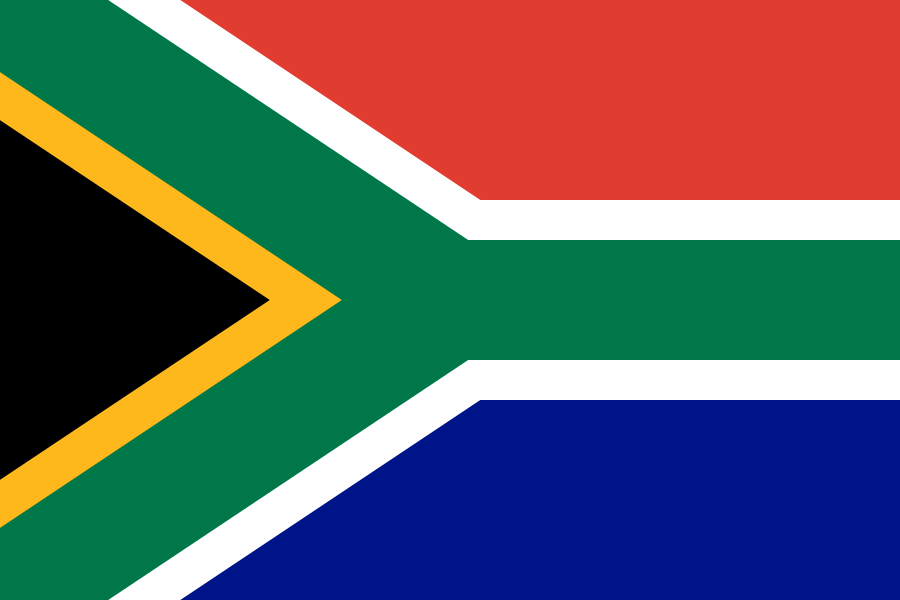 South Africa
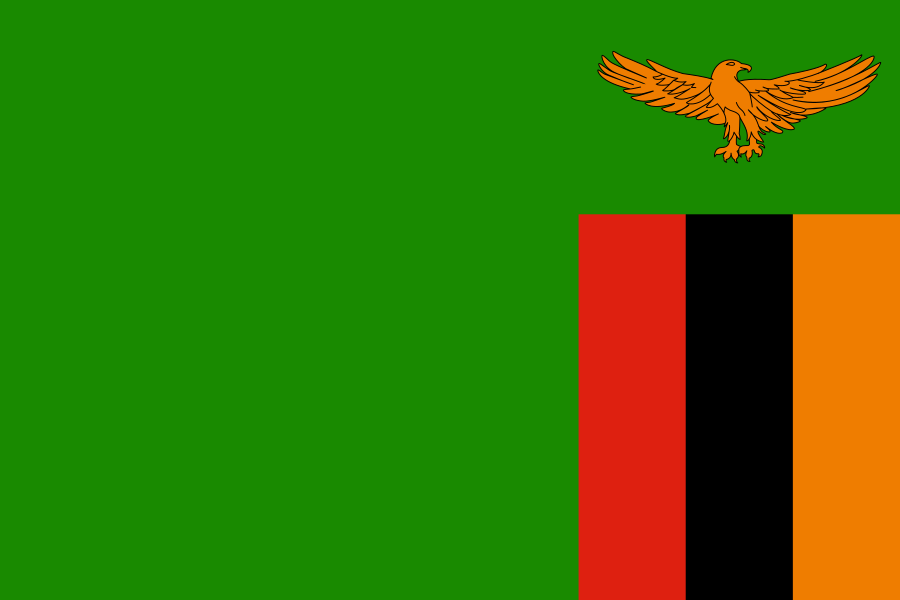 Zambia
 Zimbabwe
Continue exploring
 United Nations
 European Union
 NATO
 Commonwealth of Nations
 African Union
 Arab League
What did you discover?
Take this flag into the quiz
Sources and image credits
This English article draws on the institutional sources listed below. Figures and memberships retain their stated reference dates.
Source record: 2 November 2026. A translation does not change the reference date of a figure or membership list.
- sadc.int/historical-events/launch-sadc-flag
- sadc.int/pages/sadc-brand-corporate-identity
- sadc.int/member-states
- sadc.int/pages/history-and-treaty
- sadc.int/document/sadc-corporate-identity-manual