Commonwealth of Independent States: Flag, History and Membership
A golden disc over fanning white lines marks the blue flag of the Commonwealth of Independent States. The CIS was created in 1991 in connection with the dissolution of the Soviet Union. Today, their classification requires particular precision: formal membership, political participation and individual economic agreements can fall apart. The country issues of this offer therefore explicitly refer to the formal status of 1 November 2026.
Test your knowledge →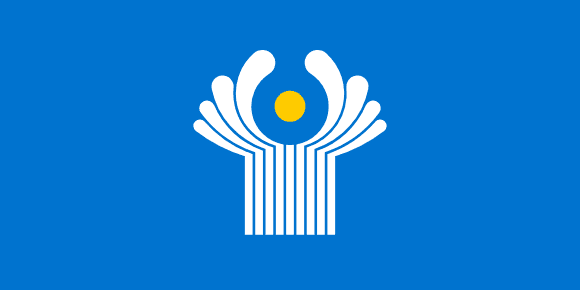
Key facts and distinctions
- Article focus
- International organisation
- Membership record
- 1 November 2026
- Linked country entries
- 9
- List definition
- Country subset of the supplied member record
- Establishment agreement
- 8 December 1991, Minsk
- Supplementary Protocol
- 21 December 1991
- Charter adopted
- 22 January 1993
- Symbolism adopted
- 19 January 1996
- Flag colours
- Blue, white and gold
- Formal quiz stock
- Nine Member States on 1 November 2026
- Turkmenistan
- Associated status
- Moldova's exit
- Legal Effects Announced on 8 April 2027
An abstract sign with a golden middle
The white lines rise from a narrow lower bundle and fan out symmetrically. At the top there is a golden circle. The outer white ends are rounded; the overall motif can be reminiscent of carrying or opening hands. The blue reason remains without lettering. This distinguishes the flag from organizational signs with a written name or a continent map.
The official review of the emergence emphasizes the desire for a supranational and neutral symbol towards the individual states. Blue and white are associated with pure intentions; the golden mean is explained as an image of warmth, light and shared values. These are institutional interpretations of the sign. They must not be read as evidence of genuinely conflict-free cooperation.
Founded in 1991 and a later adopted symbol
The founding agreement of the CIS was concluded in Minsk on 8 December 1991. A supplementary protocol followed on 21 December 1991; the Charter was adopted on 22 January 1993. These data describe the gradual establishment of cooperation after the end of the Soviet Union. The CIS is not a continuation of the Soviet Union as a unified state, but an intergovernmental framework of sovereign countries.
For flag and emblem, a design competition was organized in 1994. The official institutional review dates the adoption of symbolism to January 19, 1996. So the sign is significantly younger than the founding agreement. The design should avoid individual national coats of arms and express joint partnership. For the historical classification, therefore, the foundation year and the flag year must be learned separately.
Differentiate legal situation and actual participation
Nine formal Member States will be headed here for 1 November 2026. Moldova belongs to this dated formal stock, although its government has already stopped political participation and initiated the withdrawal. According to the state news agency, membership legally ends on April 8, 2027. A withdrawal that has already been decided or announced must therefore be distinguished in time from taking effect.
Turkmenistan is treated as associated. Ukraine is not a full member under the CIS Charter. In addition, states can continue to use certain economic agreements despite withdrawing from political bodies. Therefore, a single list of statistics or meetings is not automatically a complete legal register. In the CIS, the exact status category and the reference date are particularly important so that the quiz answer does not claim more than the source.
Details Worth Remembering
A date is part of the answer
The question of Moldova's membership can be answered differently depending on the reference date. The present assignment freezes the formal status of 1 November 2026. This explicit dating prevents an already initiated change from being confused with its later legal conclusion.
Joint contracts may continue to exist
Intergovernmental cooperation often consists of several legal levels. Participation in individual economic agreements does not have to have exactly the same history as membership of political bodies. Moldova's government points to such differences. A blanket yes-no list is therefore not enough for every conceivable question about the CIS.
Official Symbolism and Political Reality
The abstract flag should show partnership and togetherness. However, such an intended message says nothing about whether states see the common rules adhered to in practice. Here it helps to read the interpretation of images, the history of the treaty and today’s political conflicts as interconnected but different levels.
The illustrated signs and variants
Countries in the supplied learning record
These links cover countries represented in this site’s country database. Any territories, regional governments, observer categories or participation qualifications are discussed above. Counts are not interchangeable.
 Azerbaijan
 Armenia
 Belarus
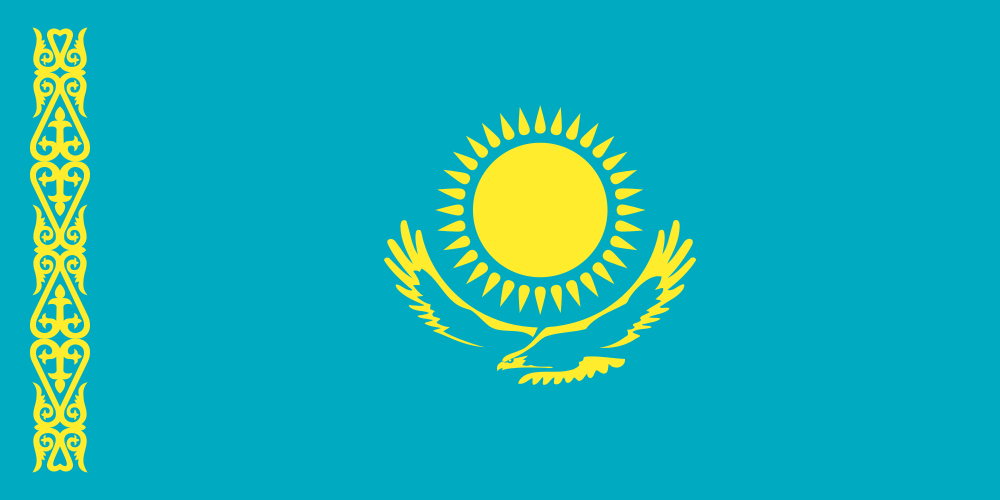 Kazakhstan
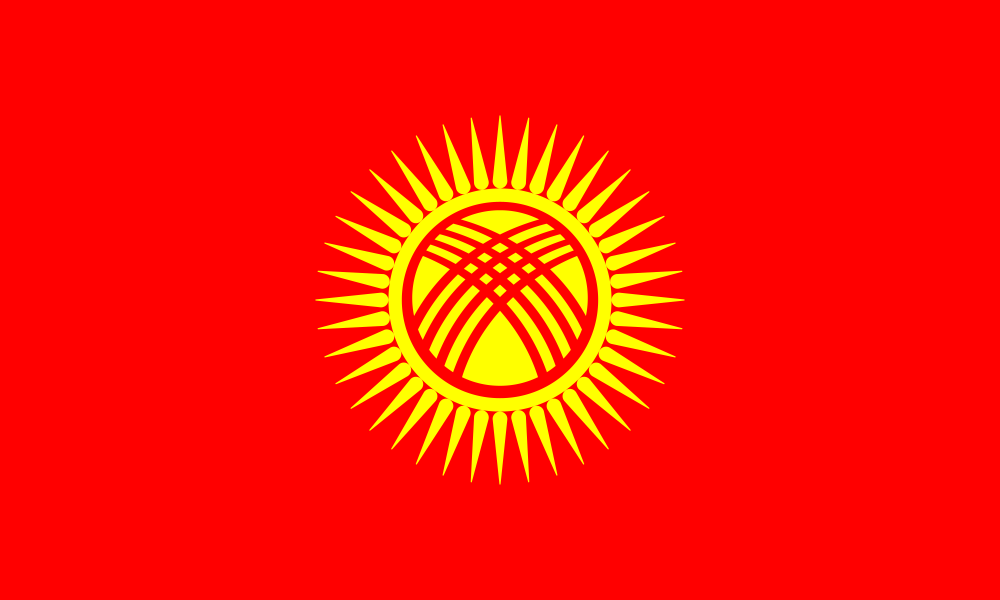 Kyrgyzstan
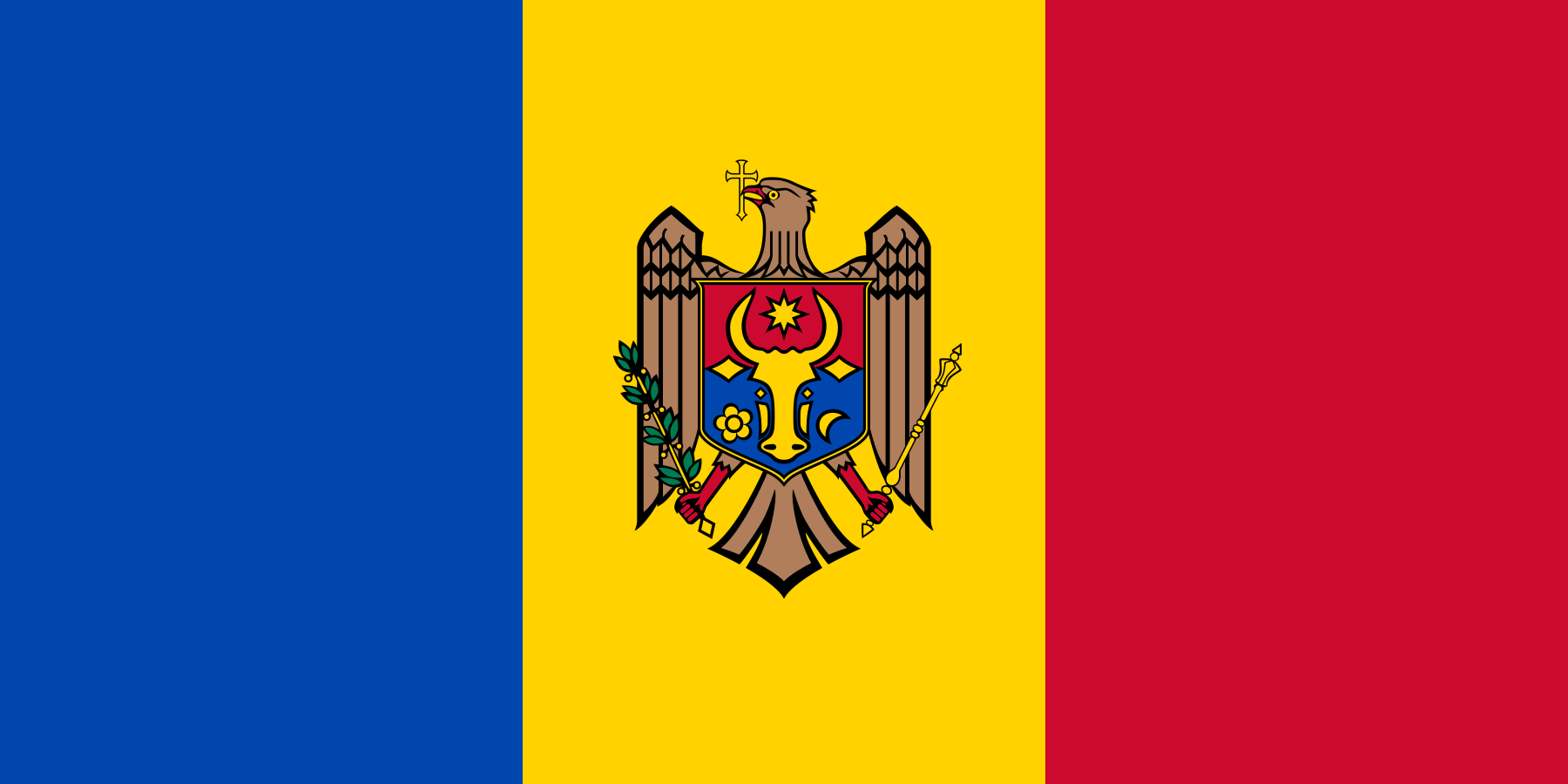 Moldova
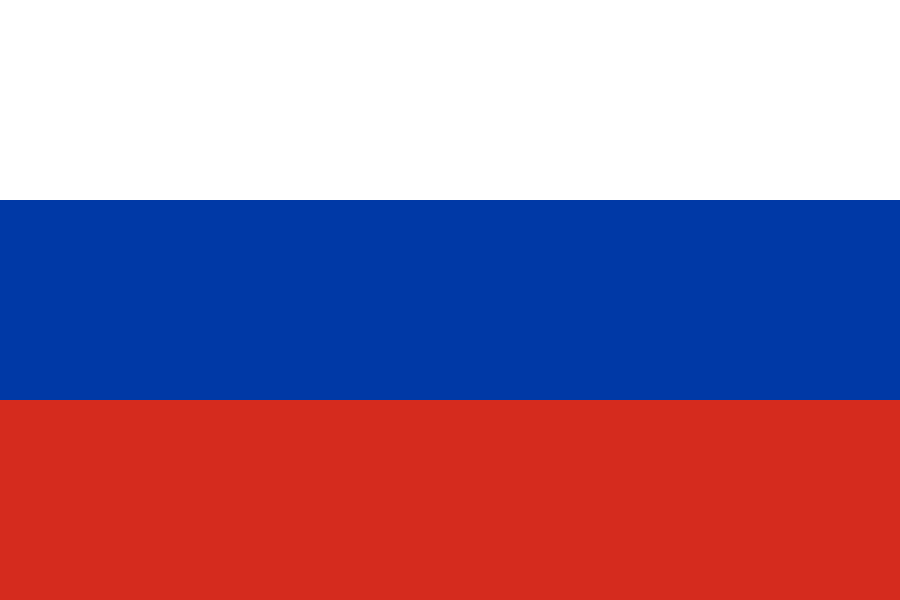 Russia
 Tajikistan
 Uzbekistan
Continue exploring
 United Nations
 European Union
 NATO
 Commonwealth of Nations
 African Union
 Arab League
What did you discover?
Take this flag into the quiz
Sources and image credits
This English article draws on the institutional sources listed below. Figures and memberships retain their stated reference dates.
Source record: 2 November 2026. A translation does not change the reference date of a figure or membership list.
- e-cis.info/news/564/133556/
- e-cis.info/page/3509/80648/
- new.cisstat.org/web/guest/cis-countries
- gov.md/en/press-releases/government-initiates-moldovas-withdrawal-statutory-bodies-cis
- moldpres.md/eng/politics/deputy-prime-minister-moldova-to-officially-leave-cis-on-8-april-2027
- turkmenistan.gov.tm/en/post/109962/turkmenistan-unique-vector-cooperation-within-commonwealth-independent-states
- kharkivoda.gov.ua/news/92275