North America: flags and capitals
The North America collection comprises 23 countries of the quiz and includes Central America and the Caribbean. This definition is important: the learning space extends beyond the large mainland states in the north. You can compare its flags by plant signs, stars, coats of arms and simple surfaces and then consolidate the appropriate capitals in your own round.
Test your knowledge →Key facts and distinctions
- Article focus
- Learning guide and directory
- Country collection
- North America
- Country entries
- 23
- Quiz collection
- 23 countries
- Central America
- Included here in North America
- The Caribbean
- Included here in North America
- Canada
- Red and white
- Canadian motif
- Stylised maple leaf
- Maple leaf
- Eleven peaks
Defining the learning space
Start with the list under this introduction and get an overview of the countries included. A quiz collection is a set selection and not a complete catalogue of all the islands, territories or political entities in a geographical area. The 23 entries indicate the countries of this concrete learning round.
Central America and the Caribbean are explicitly among them. If you only repeat the northern mainland states, a significant part of the learning material is therefore left out. Divide the collection into small groups and mix them later, so that the assignment is successful even without the original list position.
Look closely at a plant sign
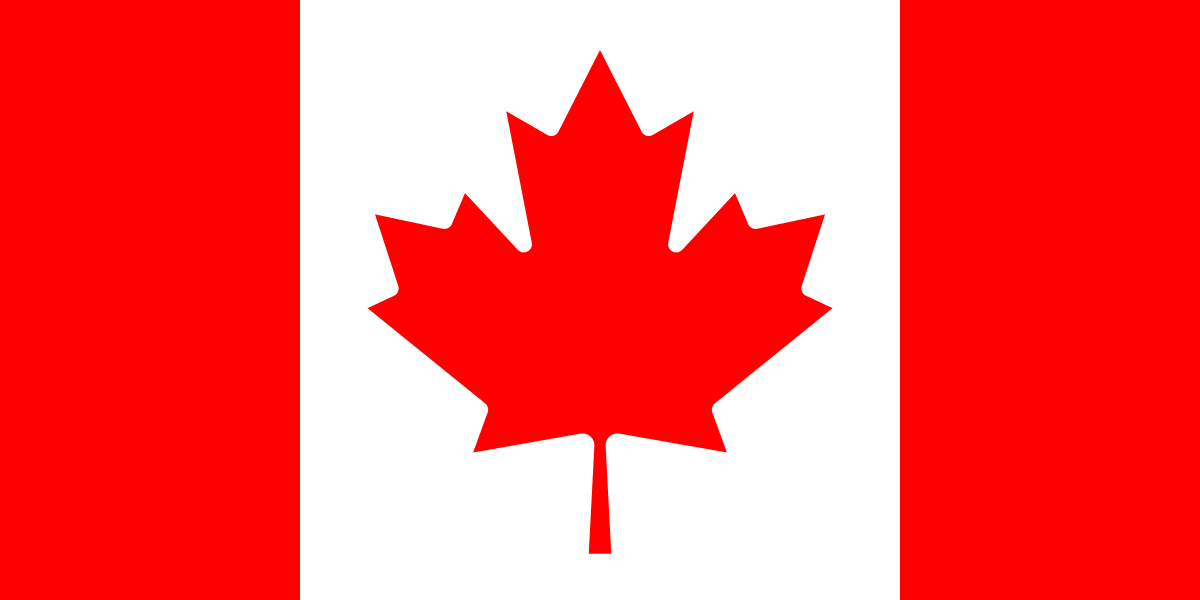
Canada’s red-and-white flag shows a stylized maple leaf. His official presentation has eleven lace. The leaf is a graphic sign; you don’t have to determine a botanical species. In the quiz, his silhouette is often enough as a first clue, while the red side fields complement the impression.
Using this example, practice the difference between a motif and a true-to-life drawing. Sketch the basic image and control which parts you needed for recognition. For other flags, the same question can be asked of stars or coats of arms without immediately memorizing their complete details.
Targeted responses
Choose a few new countries per round and set a safe entry against everyone. Name a picture feature first, then the country and then the capital. If only the last step fails, repeat the city couple deliberately instead of starting the entire flag exercise from scratch.
For similar-sounding country names, look for complete answers. A correct color reminder does not replace an exact assignment. The profiles help to check; the overview remains the place where you select comparison groups and your next learning step is limited to a manageable number of different entries.
Details Worth Remembering
Know the collection
Read the demarcation before the first round. A Caribbean entry thus becomes the expected part of your learning task and not a surprising exception.
Using Silhouette
Mindfully separate the maple leaf from the red side faces. A subject remains a strong anchor, even if its fine details disappear on a small screen.
Two types of defects
If you confuse countries, a picture comparison helps. If you confuse capital cities, a pair of names helps. Distinguish the causes so that your repetition strengthens the actual insecure connection.
Countries and capitals
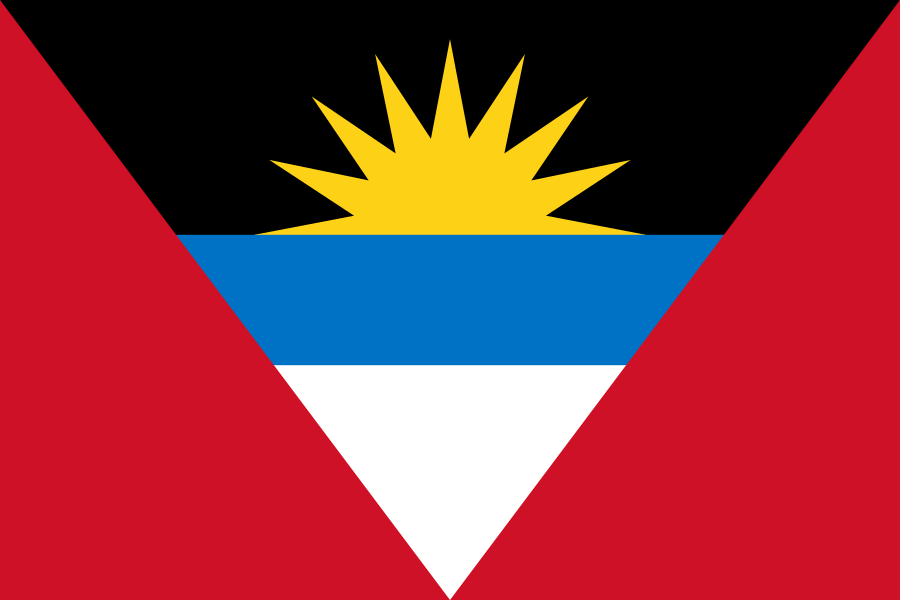 Antigua & BarbudaSaint John's
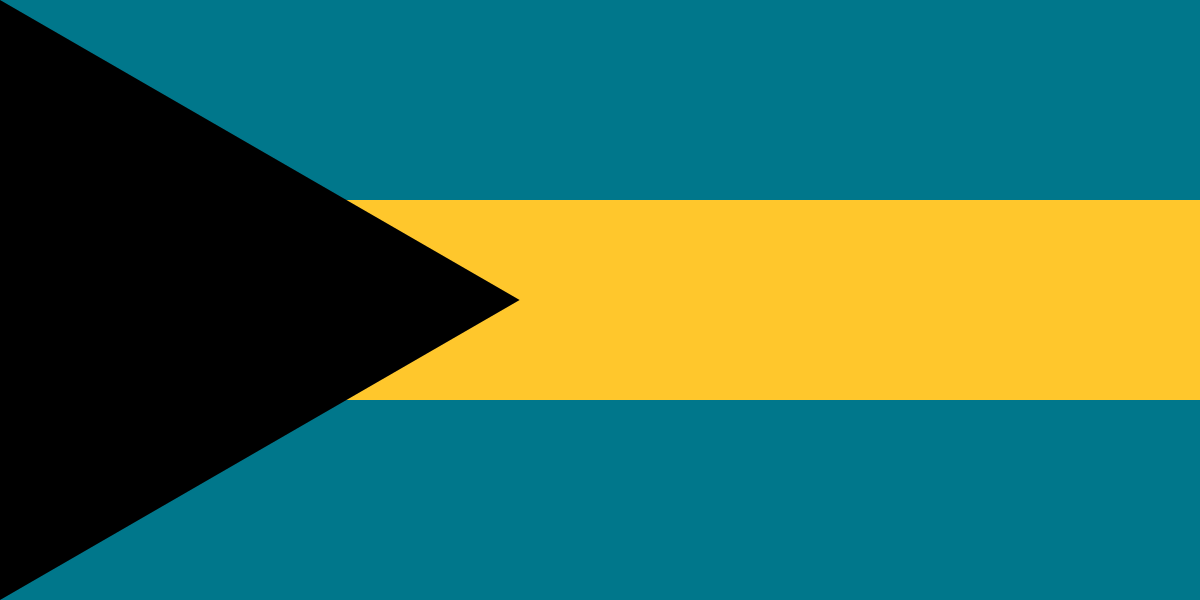 BahamasNassau
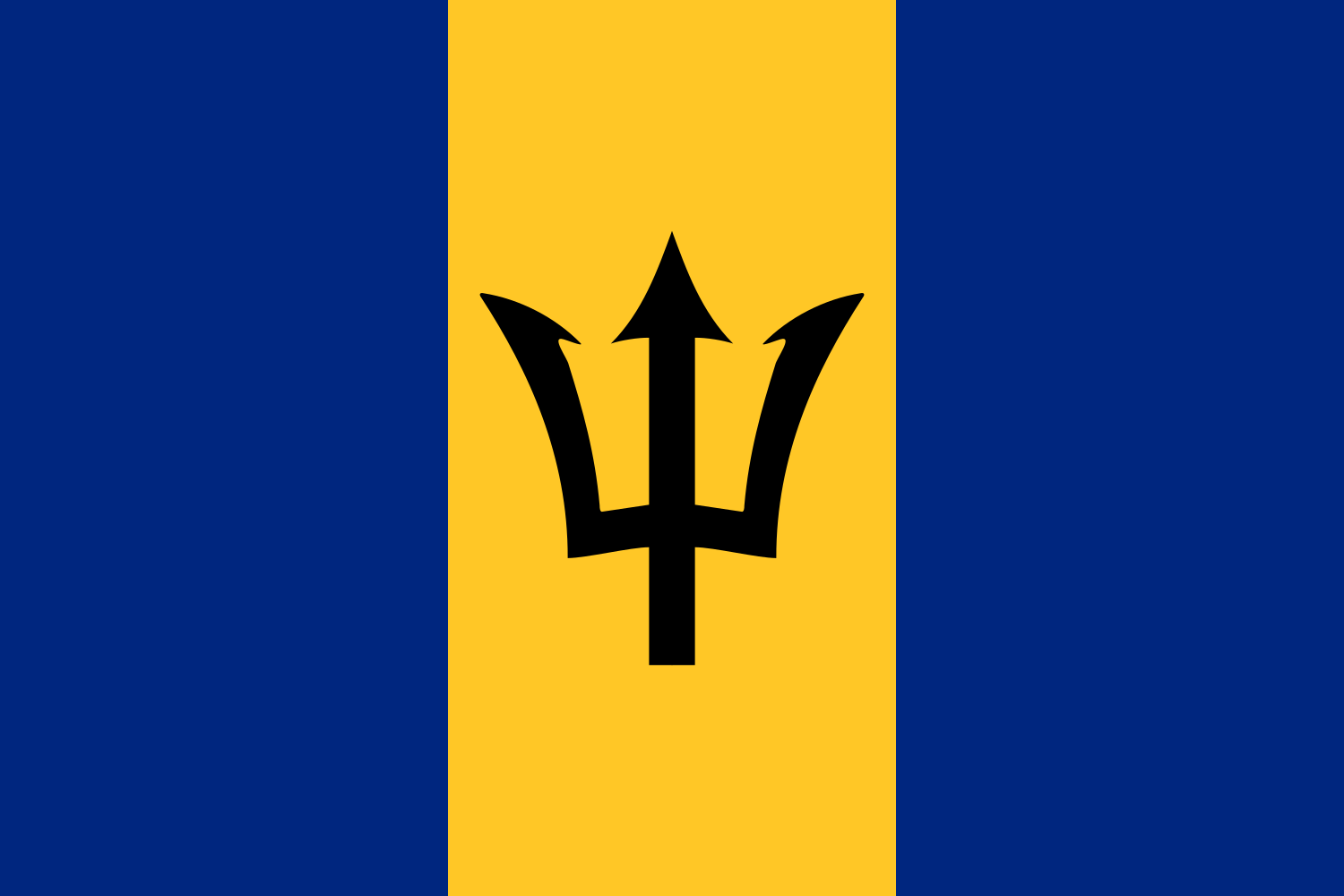 BarbadosBridgetown
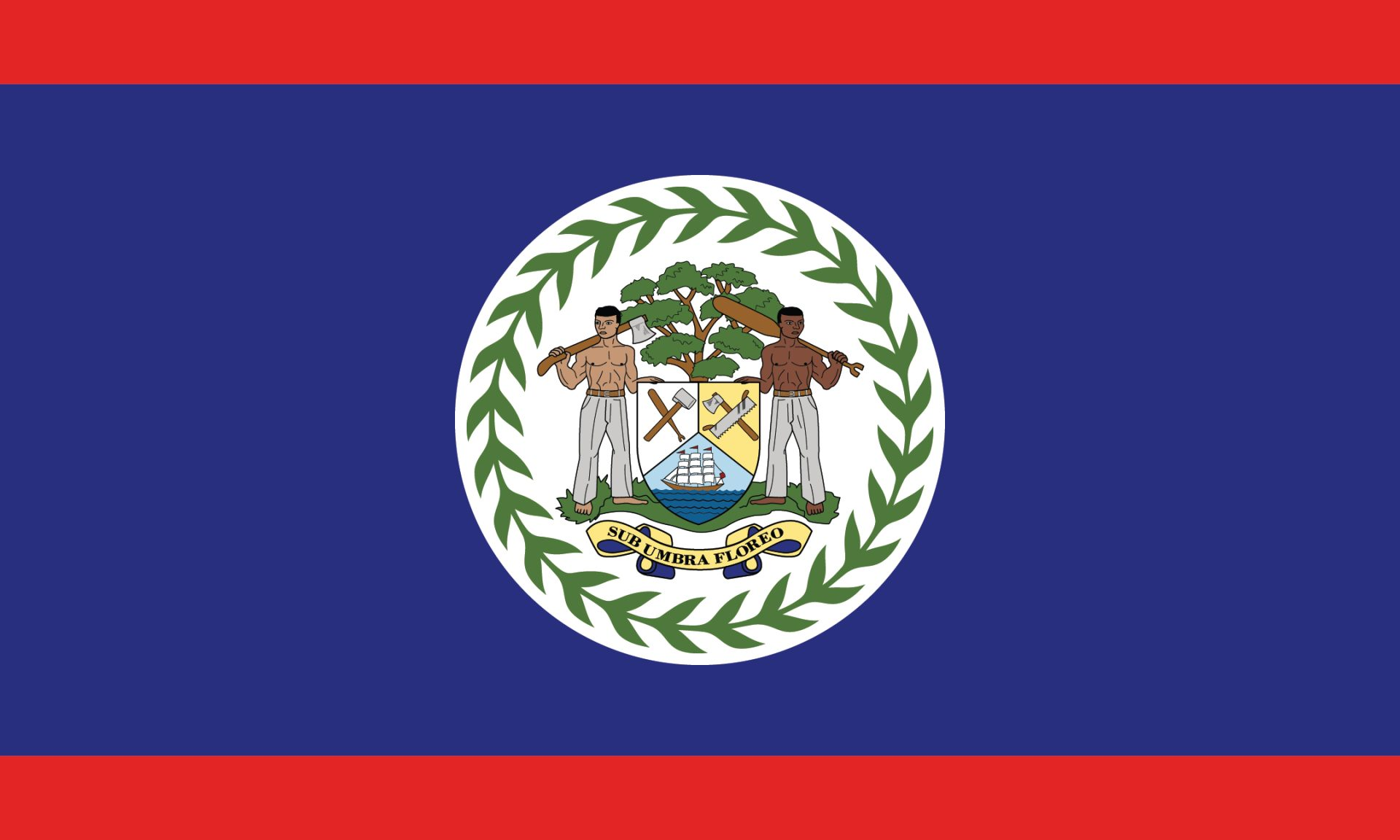 BelizeBelmopan
 CanadaOttawa
 Costa RicaSan José
 CubaHavana
 DominicaRoseau
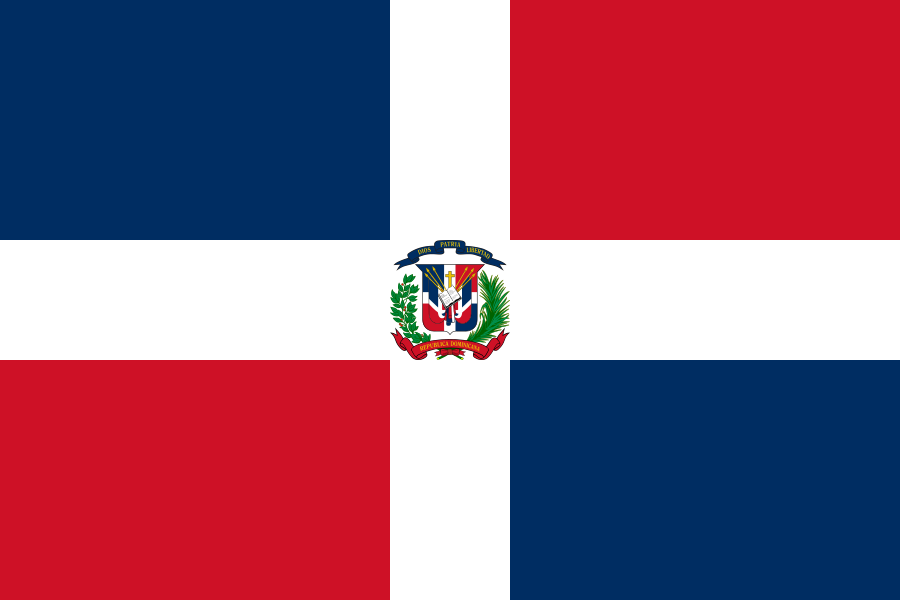 Dominican RepublicSanto Domingo
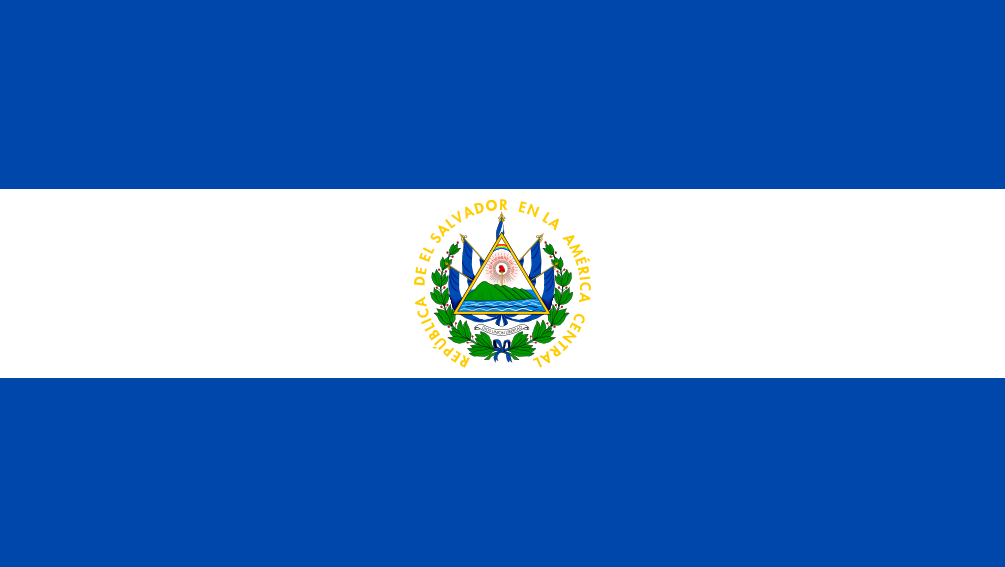 El SalvadorSan Salvador
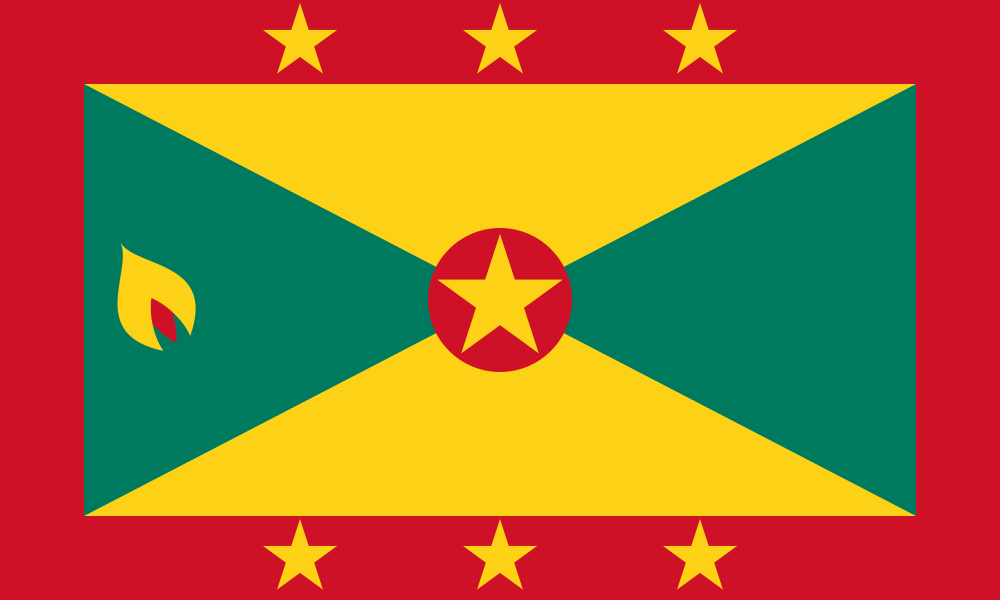 GrenadaSt. George's
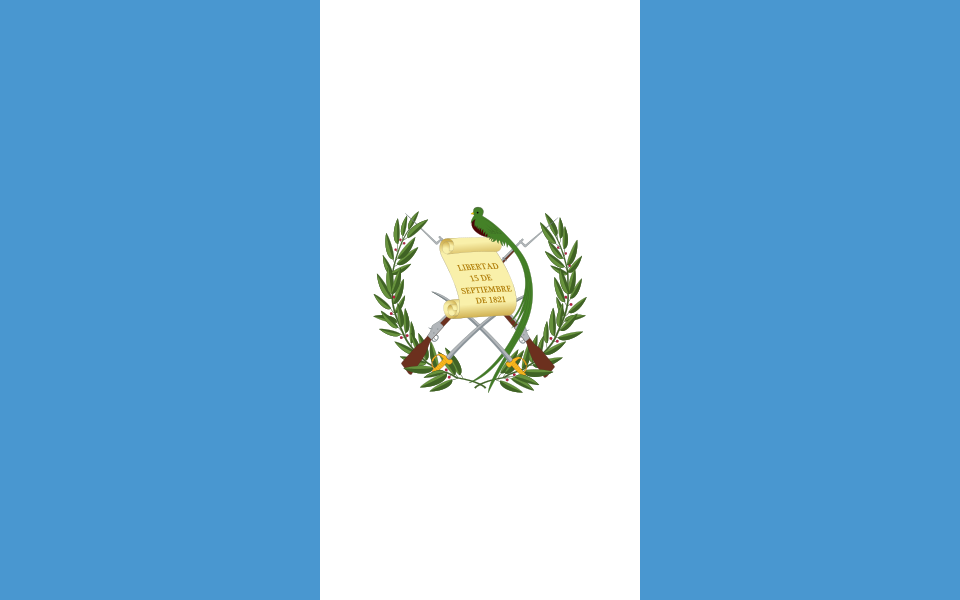 GuatemalaGuatemala City
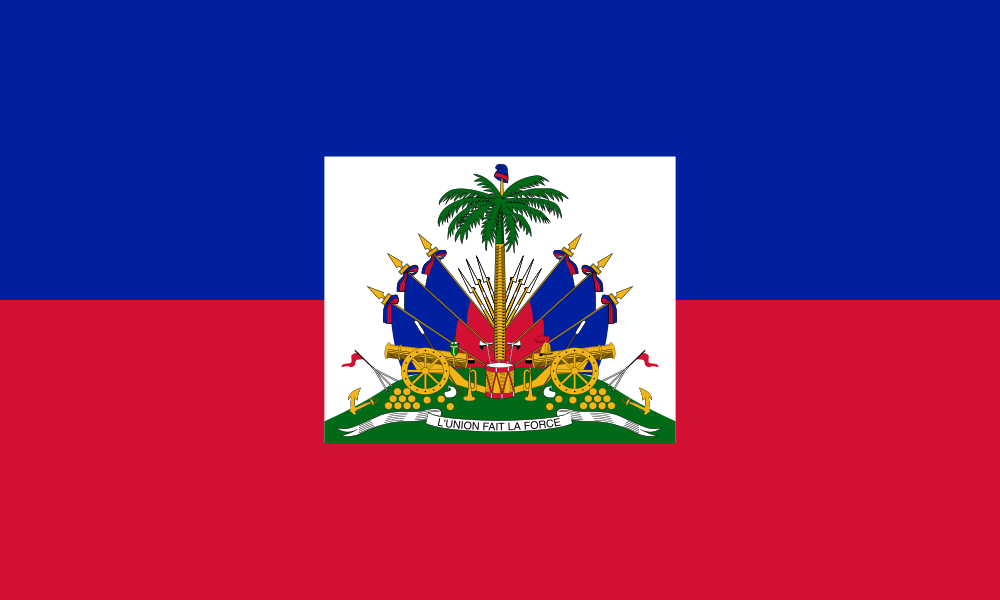 HaitiPort-au-Prince
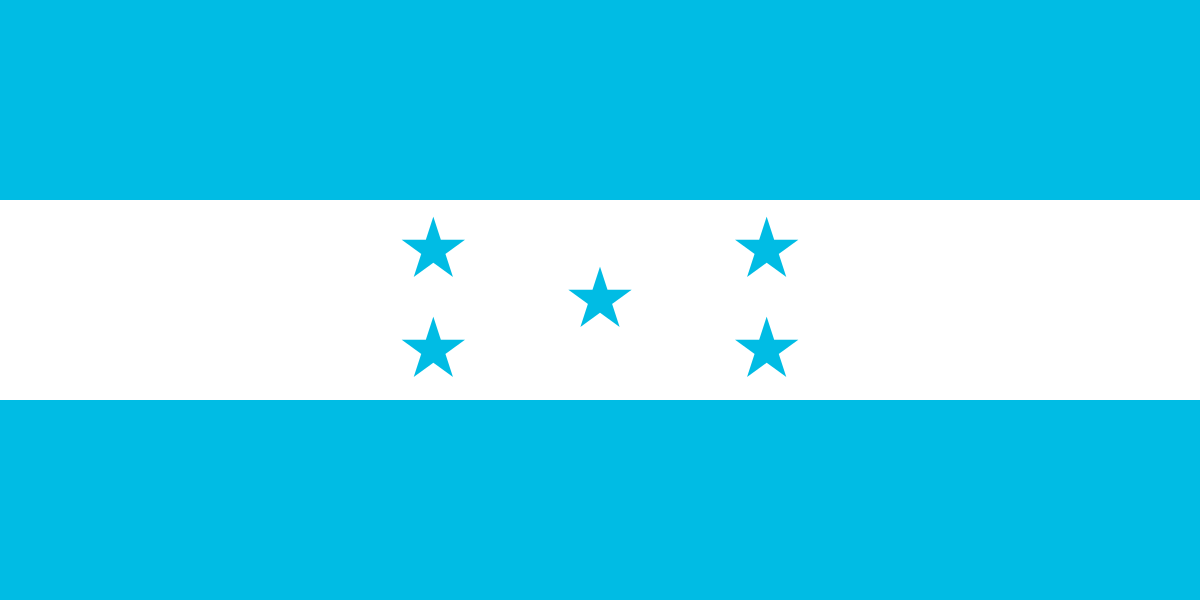 HondurasTegucigalpa
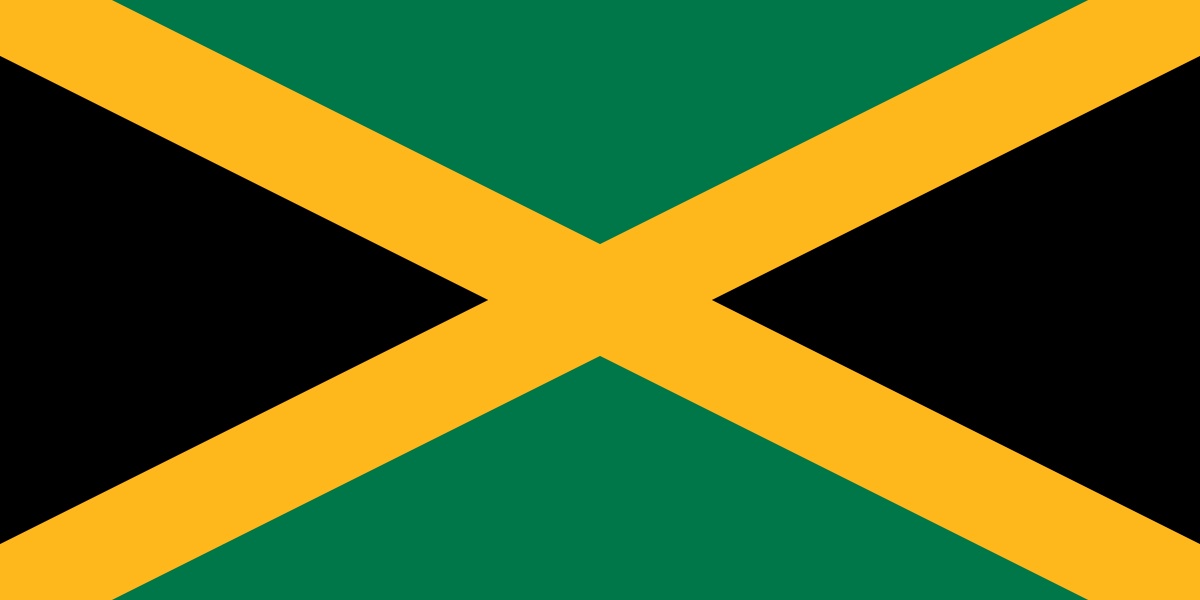 JamaicaKingston
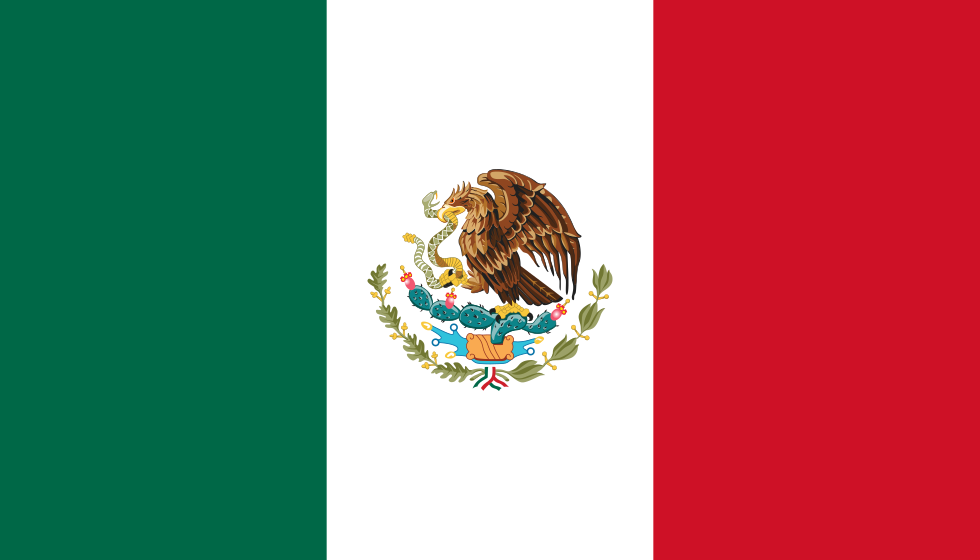 MexicoMexico City
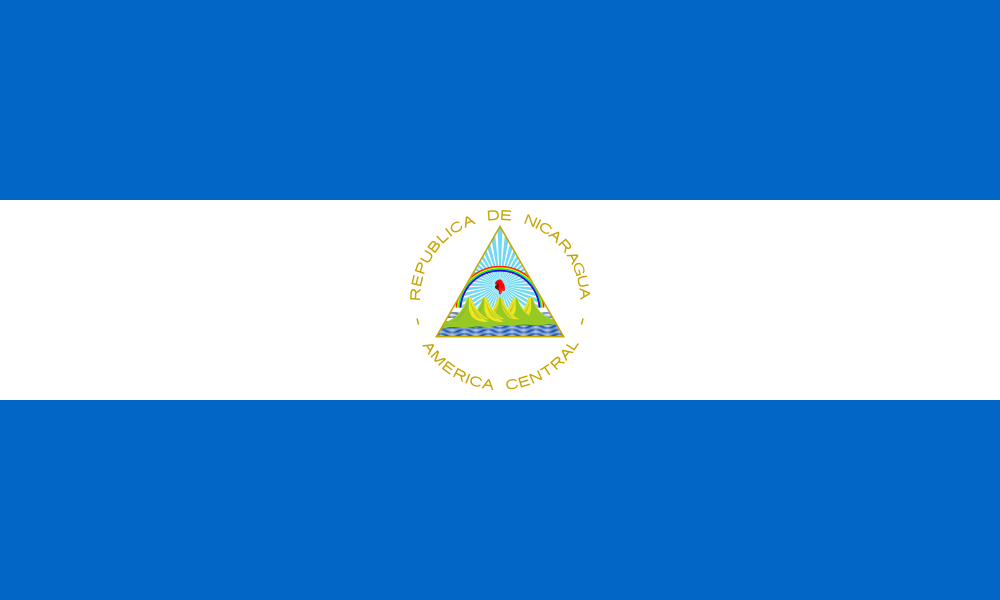 NicaraguaManagua
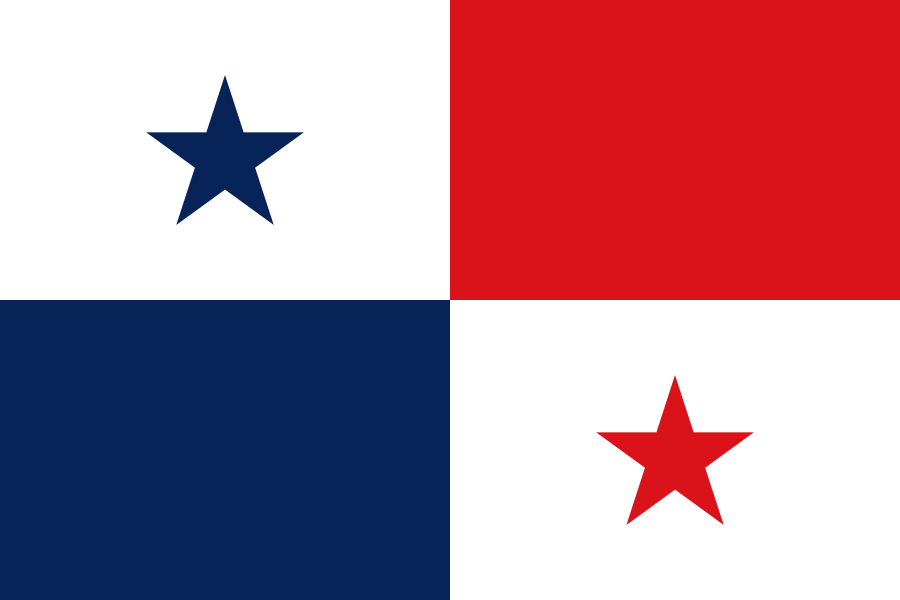 PanamaPanama City
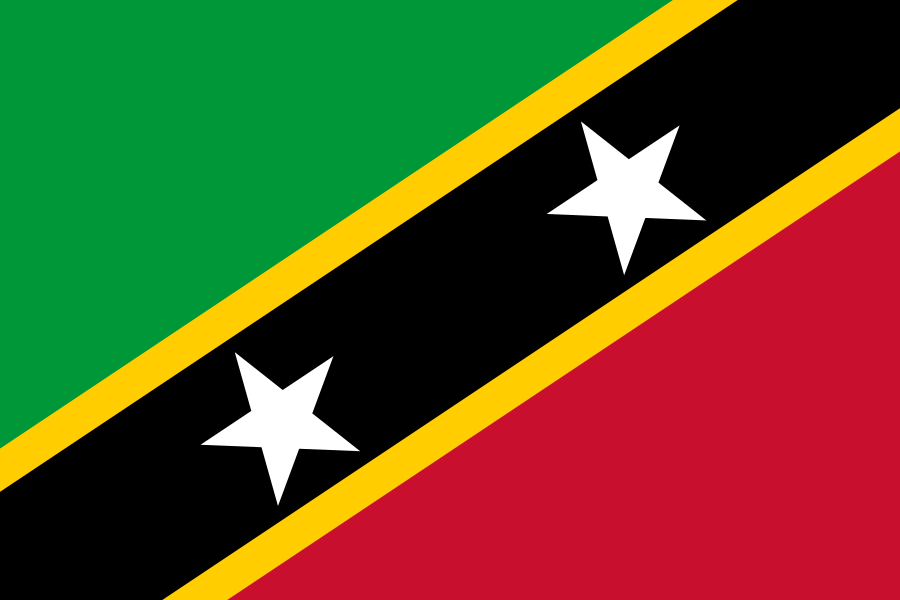 St. Kitts & NevisBasseterre
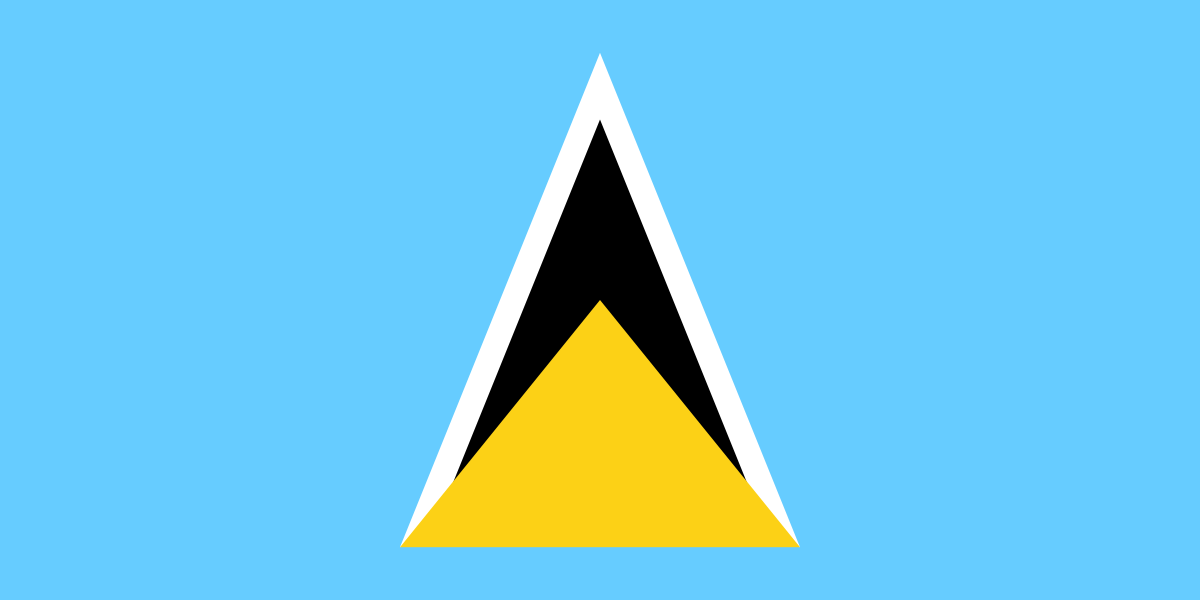 St. LuciaCastries
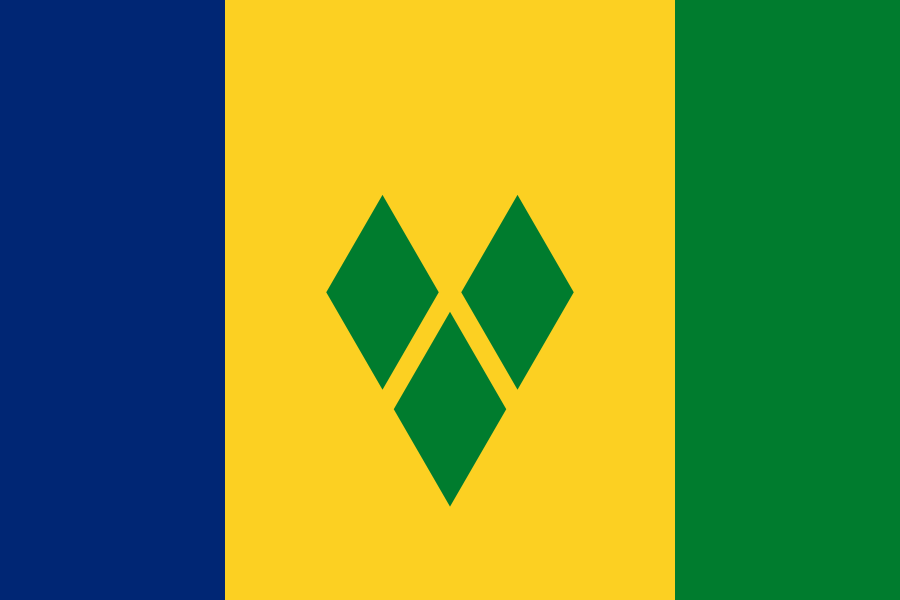 St. Vincent & GrenadinesKingstown
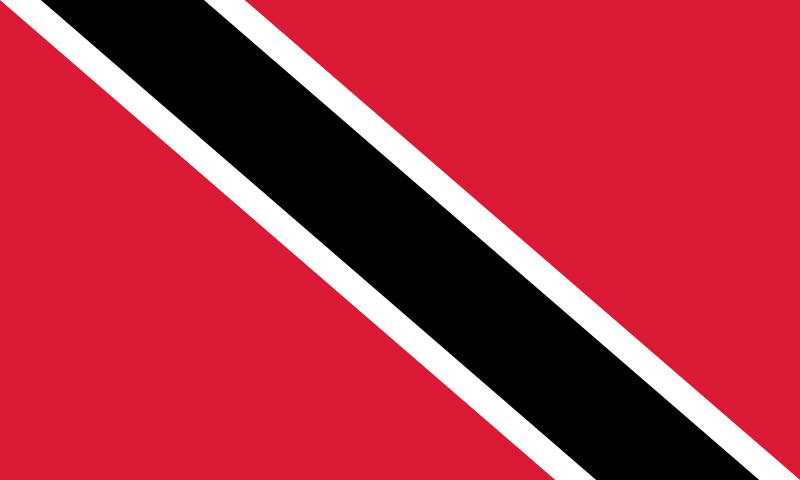 Trinidad & TobagoPort of Spain
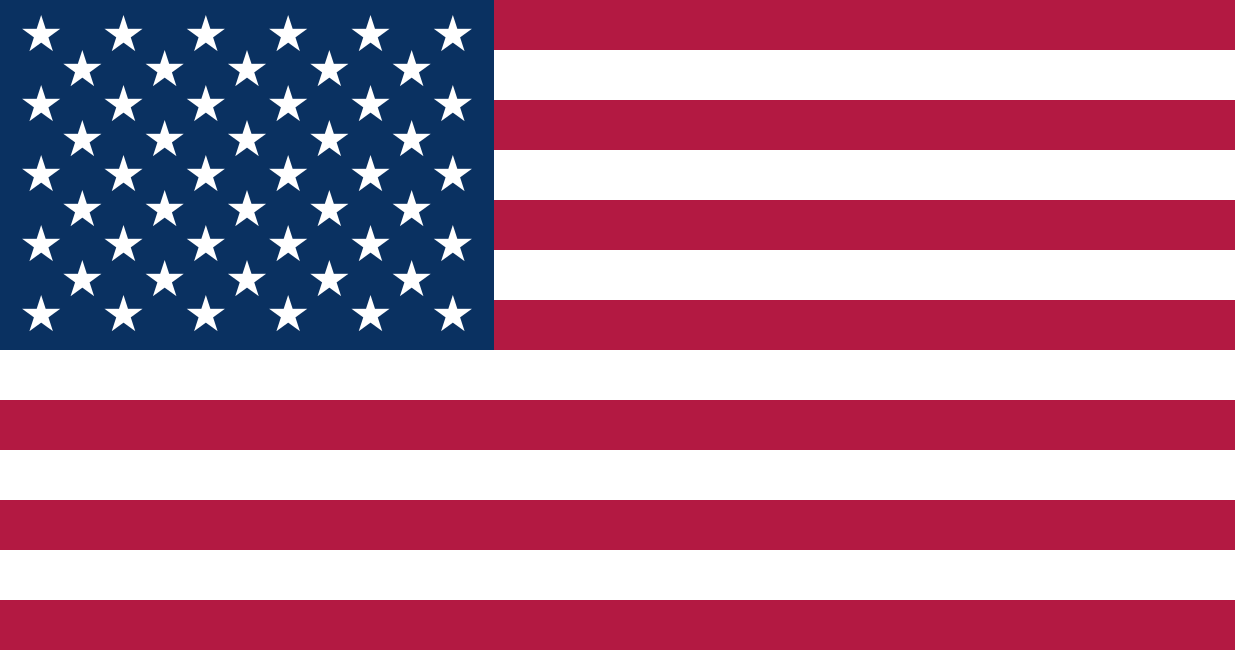 United StatesWashington, D.C.
Continue exploring
What did you discover?
Sources and image credits
This English article draws on the institutional sources listed below. Figures and memberships retain their stated reference dates.
Source record: 2 November 2026. A translation does not change the reference date of a figure or membership list.
- canada.ca/en/canadian-heritage/services/flag-canada-description.html
- canada.ca/en/canadian-heritage/services/flag-canada-history.html
- parks.canada.ca/culture/designation/evenement-event/drapeau-flag