Understanding flag colours and symbols
Colors and signs make flags memorable, but their meaning cannot be read from a general color chart. This overview combines visible design with reliable explanations. You learn to distinguish between description, official interpretation and your own memoranda. This is especially useful when familiar stars, plants or geometric shapes express different contexts in different countries.
Test your knowledge →Key facts and distinctions
- Article focus
- Learning guide and directory
- Description
- Features verifiable by the image
- Symbolic interpretation
- Needs a concrete source
- European flag
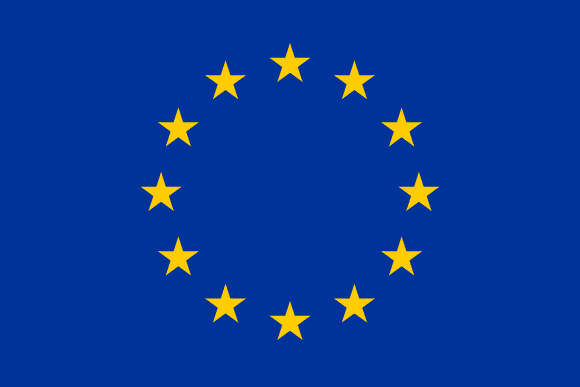
- Twelve stars, no membership count
- Singapore
- Five stars for national ideals
- South Africa
- No universal meaning per single colour
- Donkey bridge
- Personal learning aid, not a historical source
Describe first, then point
A good description starts with verifiable features: colors, direction of the stripes, position of a sign and ratio of the surfaces. You can control this information directly on the picture. The meaning of a color, on the other hand, is a historical or political statement and requires a suitable source. Both levels should remain clearly recognizable in learning.
South Africa makes this border explicitly clear. His government explains the converging design as an image of social connection, but rejects a universal meaning of each individual color. A popular list of six seemingly unambiguous translations would therefore not be a reliable reproduction of the official statement. Exact reading here makes more sense than an easily noticeable myth.
Stars are not universal numerators
The twelve stars of the European flag form a fixed circle and do not count any Member States. Singapore’s five stars, on the other hand, are declared with certain national ideals. The same basic geometric shape thus assumes different tasks. The number alone is not proof that provinces, countries or population groups are represented.
Ask for each star motif first about its concrete arrangement. Is it a circle, a group or a single sign? Only then add to the explained meaning. With this approach, you can compare images without prematurely equating their symbolism or deriving political similarities from the optical similarity.
Indicating marking aids
A self-invented donkey bridge may help with remembering. But it should not be passed on as a historical explanation. Therefore, for example, explicitly note memoranda if you associate a color with a personal image. For the actual meaning, switch to the country profile and its sources. In this way, creativity remains compatible with factual accuracy.
This separation also applies to plants, animals and lettering. Search first for the visible motif, then its designation and finally the proven connection. You don’t have to learn every meaning right away. A secure basic image with a later supplemented, careful explanation is more valuable than an extensive collection of unsecured color translations.
Details Worth Remembering
Three separate notes
Write observation, official statement and own memoranda among each other. This simple separation shows immediately later which statement you can check on the picture and which one needs a source.
Reading the numbers carefully
Count visible stars accurately. However, only derive a political number from this if the explanation of the symbol in question expressly establishes this relationship.
Allow ambiguity
Not every color has exactly one final translation. Different personal associations can exist alongside an official description without becoming official themselves.
See examples in context
 European Union
 United Nations
 Japan
 Canada
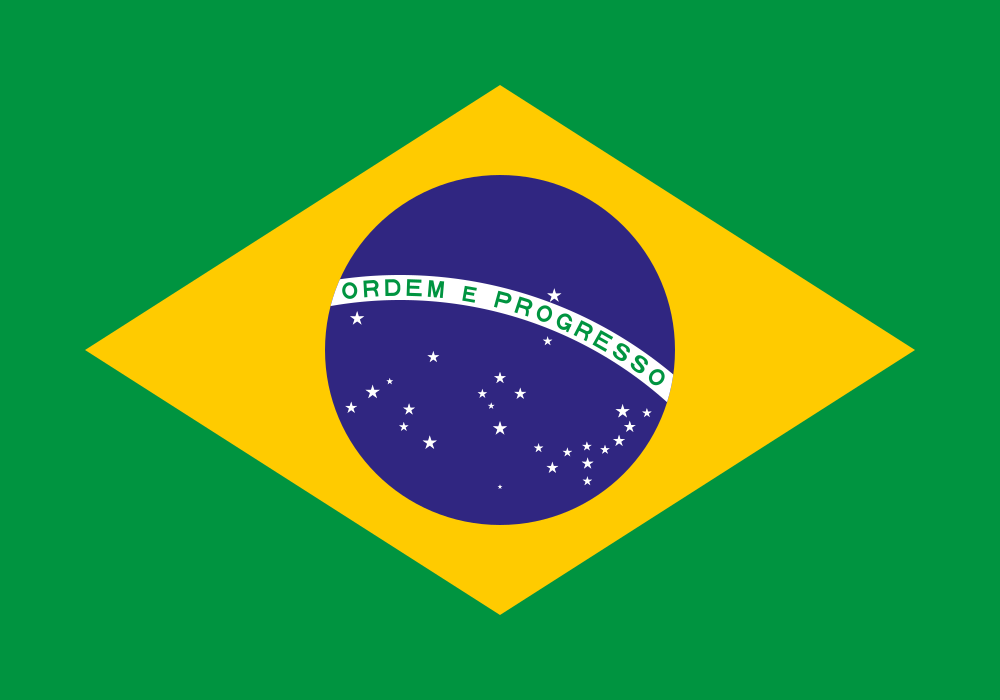 Brazil
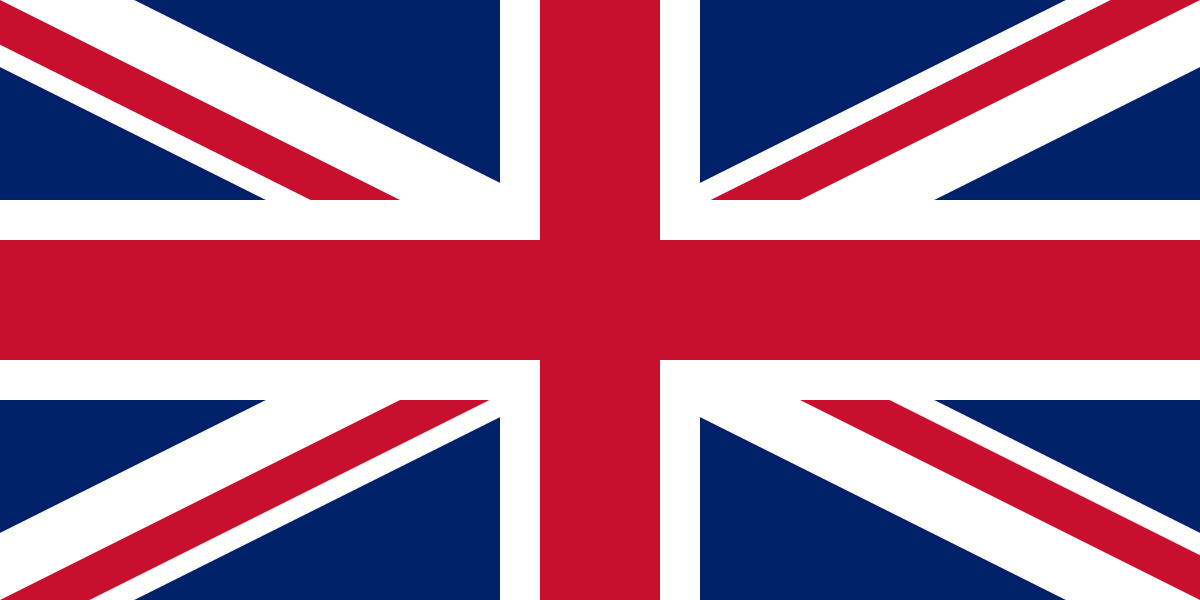 United Kingdom
Continue exploring
What did you discover?
Sources and image credits
This English article draws on the institutional sources listed below. Figures and memberships retain their stated reference dates.
Source record: 2 November 2026. A translation does not change the reference date of a figure or membership list.
- gov.za/about-sa/national-flag-1
- european-union.europa.eu/principles-countries-history/symbols/european-flag_de
- nhb.gov.sg/what-we-do/our-work/community-engagement/education/resources/national-symbols/national-flag