Socialist-era flags in Europe
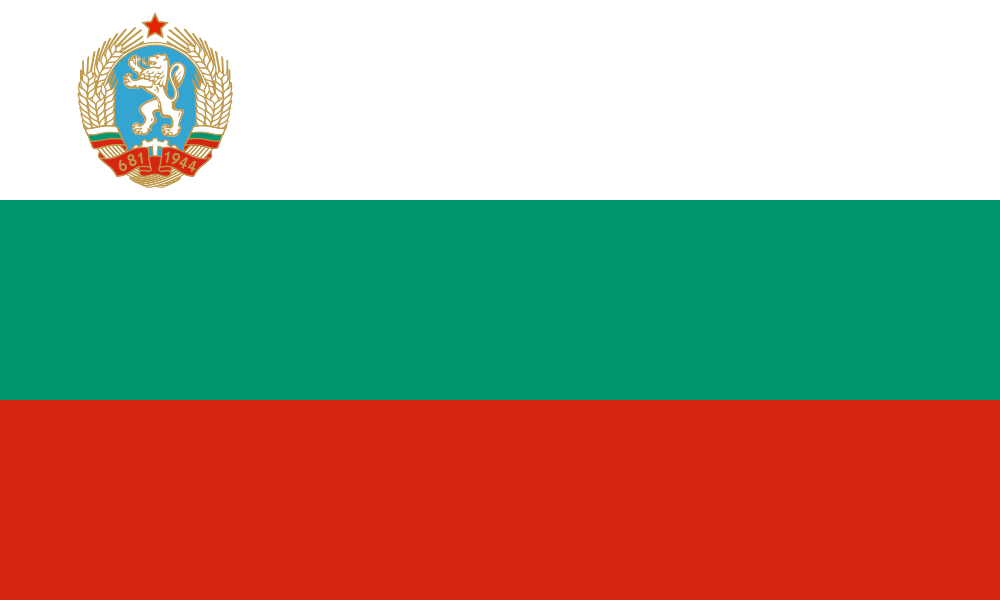
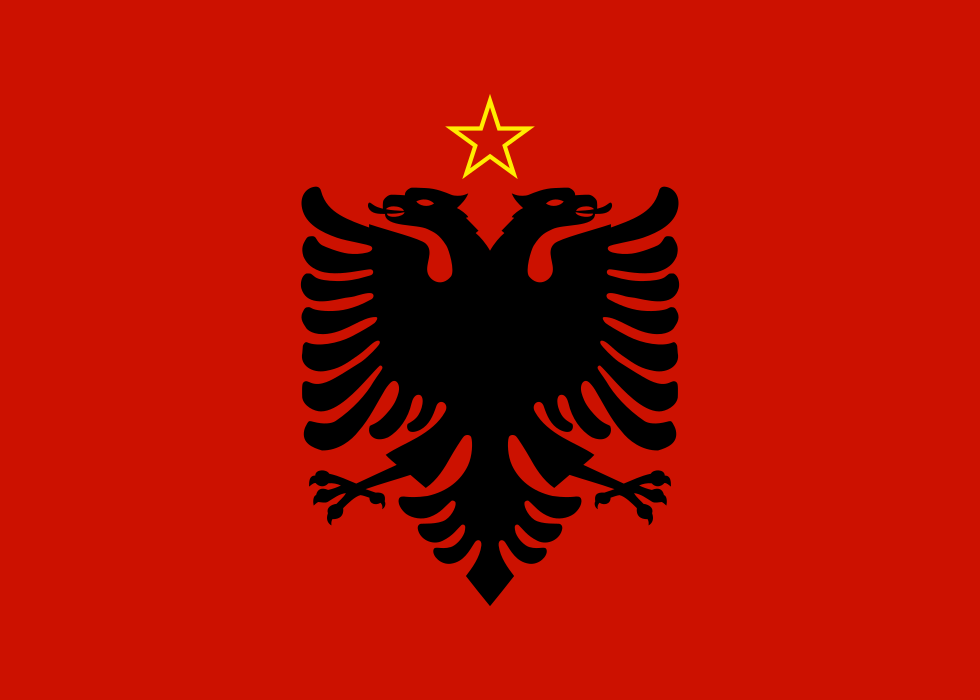
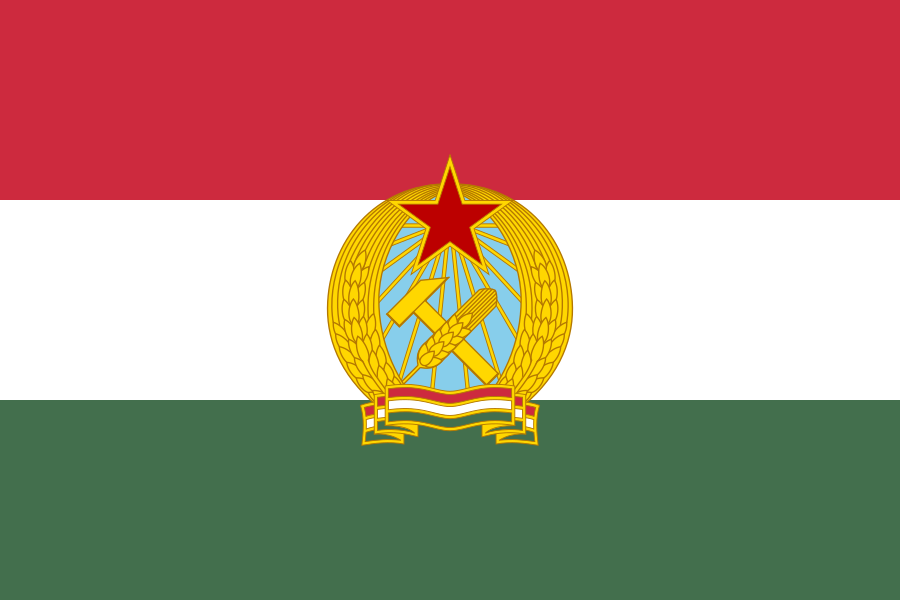
During socialist rule, Romania, Bulgaria, Albania and Hungary combined older national colours with new signs of state. However, the four flags shown belong to different periods of time. Their coats of arms, stars and years are important dating aids. Anyone who pays attention to these details recognizes individual variants and avoids summarizing the entire history of a country under a single political flag type.
Test your knowledge →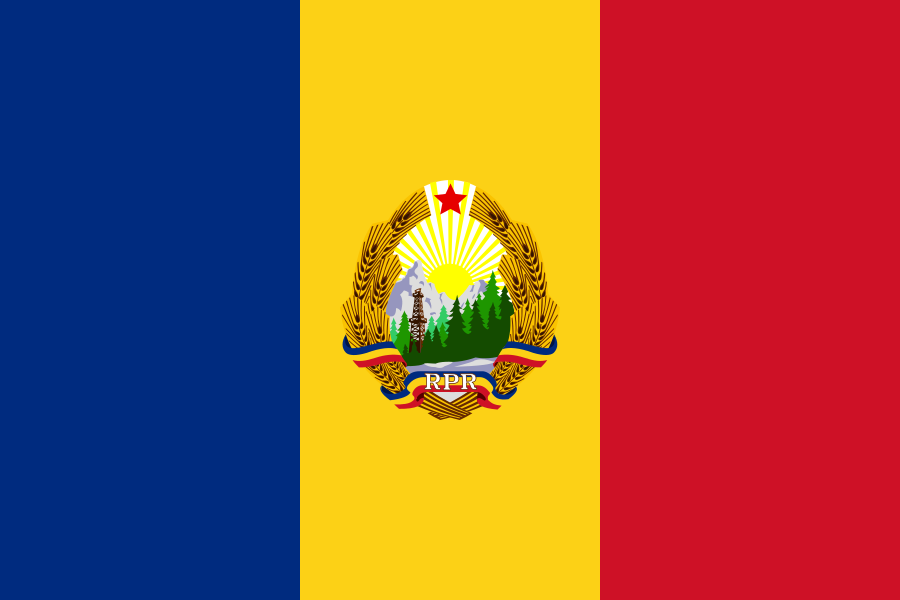
Key facts and distinctions
- Article focus
- Historical flag variants
- Date convention
- Periods describe the illustrated variant
- Scope
- Selected designs; no Nazi flags or symbols
- Romania: variant shown
- 1952–1965
- Romanian colours
- Blue–yellow–red, vertical
- Bulgaria: variant shown
- 1971–1990
- Bulgarian coat of arms data
- 681 and 1944
- Albania: shown variant
- 1946–1992
- Albanian additional symbol
- Gold surrounded red star over the double eagle
- Hungary: shown variant
- 1949–1956
- Hungarian Symbol of Protest 1956
- Tricolor with cut-out coat of arms
Coat of arms as an additional political level
The Romanian version from 1952 to 1965 has vertical tracks in blue, yellow and red. The coat of arms in the middle shows a landscape with a rising sun, surrounded by ears, above it a red star. The 1952 constitution describes the flag and the coat of arms separately. Together, both regulations give the presentation required at that time. On the tape was the abbreviation RPR for the People's Republic; 1965 followed the advertised name of the Socialist Republic.
For Bulgaria, the design is selected from 1971 to 1990. The white-green-red tricolor carries its coat of arms on top of the mast. The years 681 and 1944 combine a historical state foundation reference with the self-expression of the socialist government. They are not two introduction dates of the flag. A contemporary statistical yearbook documents the then state symbols and the coat of arms inscription.
Star over the eagle and coat of arms in the middle
Albania's red flag with a black double eagle received a gold-rimmed red star over the bird. The 1946 State Statute explicitly mentions this combination. The variant shown in the collection ranges from 1946 to 1992. The double eagle was preserved during the transition to today's design, while the additional star was omitted. The basic national motive can thus be distinguished from the sign of the state order at that time.
The Hungarian version from 1949 to 1956 shows red, white and green with the so-called Rákosi coat of arms in the middle. It significantly changed the effect of traditional tricolors. During the 1956 uprising, demonstrators cut the coat of arms from numerous flags. The resulting opening-up itself became a political sign and shapes the memory of the events.
Four different historical excerpts
The time periods for this selection must not be standardised. Romania's lettering and state name changed in 1965, Hungary's coat of arms variant ended in 1956, Bulgaria's selection does not begin until 1971. Albania's star remained part of the state flag cloth for a long time. A similar political imagery therefore means neither a common day of introduction nor a simultaneous end of all four drafts.
The Hungarian National Museum preserves a historical flag with its center cut out from the surroundings of Széna Square. It is more than a graphical variant in a catalogue: as a preserved object, it combines design with concrete people and events. In all four countries, the same source-critical view helps: laws show the official specification, museum objects the actual use and later forms of remembrance.
Details Worth Remembering
A number is not always a date of the flag
The Bulgarian years refer to events which the state power of that time placed in its historical narrative. For the dating of the concrete coat of arms pattern, it still needs its own source. Inscriptions should first be read and then historically explained.
A missing sign speaks
In the case of Hungarian protest flags, just the distant middle became a recognizable feature. The example shows particularly clearly how political statement arises by omission. Not every significant flag change is to put an additional emblem on an existing cloth.
Compare Exactly Instead of Collecting
For learning, a fixed order is worthwhile: first stripe direction and colors, then position of the coat of arms and last star, writing or years. Thus, the four countries remain distinguishable, although they used partly related socialist symbols. The small details here carry a lot of historical information.
The illustrated signs and variants
Continue exploring
What did you discover?
Take this flag into the quiz
Sources and image credits
This English article draws on the institutional sources listed below. Figures and memberships retain their stated reference dates.
Source record: 2 November 2026. A translation does not change the reference date of a figure or membership list.
- senat.ro/pagini/constitutia/1952/constitutia_1952.htm
- nsi.bg/en/file/17519/God1971.pdf
- constitutions.albasio.eu/wp-content/uploads/costituzioni/STATUTI-I-ASAMBLESE-KUSHTETONJE%C2%A6%C3%AASE-1946.pdf
- nemzetijelkepek.hu/tortenelmi-zaszlok
- mnm.hu/kiallitasok/szena-teri-lyukas-zaszlo
- neb.hu/nemzeti-emlekezet-bizottsaga/articles/show/az-1956-os-forradalom-jelkepei
- parliament.bg/bg/19
- legislatie.just.ro/Public/DetaliiDocument/26968